Home Blog Page 5241

8-bit to theme park: Super Mario warps into Universal Studios Hollywood

Screenshot from the Super Nintendo World promotional video of Universal Studios Hollywood | https://youtu.be/H2K4JzHVxpM

 – Universal Studios Hollywoodvisitors can leap over to the new Super Nintendo World and see Japanese video game designer Shigeru Miyamoto’s Mushroom Kingdom come to life with vibrant colored coin blocks, warp pipes, Piranha plants and beloved characters like Mario and Luigi.

“There’s nothing better than being inside the land,” said Jon Corfino, vice president of Universal Creative. “You’ll see kids, five years old, grown men, 50 years old, just screaming because they’re coming to a place where they’ve only known it on their game and now, they get to actually go here.”

The theme park in Los Angeles features “Mario Kart Bowser’s Challenge,” which allows players to battle Team Bowser in the racing game, Mario Kart.

Visitors can also eat at Toadstool Café and get Nintendo swag at “1-UP Factory store.”

Guests can level-up by wearing an interactive “Power-Up Band,” a colorful slap bracelet that stores digital, coins and keys that unlock access to challenges, like a battle against game antagonist Bowser Jr.

The theme park world is meant to ignite interest from both new and seasoned fans of the Mario games through an immersive experience. It follows in the footsteps of its predecessor in Universal Studios Japan, also owned by the Comcast Corp CMCSA.O unit.

Super Nintendo World will also be added to Universal Studios Florida in 2025.

Mr. Corfino told Reuters that attendees of all ages can explore and adventure anywhere in the park while learning something new every time they go on the Mario Kart ride.

“All of us here have worked very hard over the last six years to bring this to life,” Mr. Corfino said.

The opening of the park will be followed by the “Super Mario Bros” movie, which arrives in theaters on April 7 and stars “Guardians of the Galaxy” actor Chris Pratt, who voices Mario. — Reuters

Automotive industry’s share in enabling sustainable mobility

Making our cities and communities more sustainable is considered one of the needed keys to addressing pressing global challenges, from economic crisis to climate change. In such massive movement, it is important to note that society must seriously aim for decarbonization, with industries doing their respective share in reducing emissions and hence mitigating the impacts of climate change.

The automotive sector is among those industries that are beginning to take such responsibility as it drives approximately 75% of total carbon emissions from transportation being consumed by road vehicles, as consulting firm McKinsey & Company noted.

As we live in what appears to be a more accelerated landscape, advanced technologies can negatively affect the environment and so heavily impact climate change as a result. Yet, the automotive industry is moving towards sustainable mobility, primarily through decarbonizing transport vehicles.

One of the seen main goals of decarbonizing transportation is the shift to electric vehicles (EVs), which are powered by batteries or renewable energy. EVs, as multinational accounting firms network RSM Global noted, are known for their “rapid acceleration, minimal maintenance, and extra luggage space” which provides increased performance to vehicles. More crucially, electric cars are seen to have also made net-zero possible in the future.

As early as 2015, sales of EVs are projected to be about 10%-20% by the year 2030; and currently, many of the biggest automotive companies, including Volvo, Mercedes and Bentley anticipated going fully electric by 2030.

The transformational shift may involve several changes, including changes to the supply chain, demand reduction, an increase in batteries and electric drives, and employment opportunities. However, as McKinsey observed, the shift has accelerated in 2020 when governments and cities are starting the process of decarbonization of road transport and inducing and adopting of sustainable mobility in the sector.

“The transition to net-zero emissions will need to be universal, involving all economic sectors and countries. In mobility, structural changes must accompany the technological transition. For consumers, upfront capital spending would increase, but the total cost of vehicle ownership would fall. New employment opportunities will open up, even as jobs are reallocated across activities,” McKinsey explained on its website.

On the bright side, despite the pandemic, which has caused disruption in the automotive sector, the global EV market is on a trend, as this type of vehicles becomes more cost-effective and as consumer demand is expected to increase quickly. McKinsey projected that EV sales have already exceeded 10% of new car sales and by 2030-2035, the automotive industry should be entirely electrified, and the expected demand for EVs would increase significantly if net-zero emissions are reached.

Also, to achieve carbon neutrality, the sector could develop vehicles using more eco-friendly materials that are both recyclable and renewable. As the attention of businesses turns to incorporating sustainability, the automotive sector’s attempt to build cleaner cars by using sustainable materials is seen to play a significant role.

Online automotive platform Autovista24 observed this decarbonization effort on the rise recently among automobile manufacturers. Replacing leather with what are called “vegan” leather, made from different natural resources like mushrooms or pineapple waste, is one such initiative. Swedish car maker Volvo announced its aim to adopt such materials in their vehicle range by 2030, while BMW reportedly collaborates with a company that creates a cactus-based biomaterial that can replace leather in seats and panels.

Aside from “vegan” leather, there is also plastic which can be recycled into another material for automotive manufacturing, from the dashboard to foam seats to the air bags of the vehicles.

“Plastic remains a popular material for car manufacturers as it reduces the weight and cost of vehicles while also increasing performance. Around a third of the 3,000 parts used in new vehicles are made from plastic, so recycling the product makes sense from an environmental point of view,” Autovista24 reported, adding that Audi is interested in recycling automotive plastic and previously got involved in a chemical-recycling pilot project in Germany.

Additionally, bio-based materials can also reduce weight and boost energy and emissions savings. The idea of reducing weight in vehicles to increase performance and car efficiency is the basis for most automotive companies.

Given the transformational shift as part of the decarbonization plan, ensuring resiliency is difficult. However, the automotive industry can use opportunities for collaboration and partnership as a strategy in moving forward to achieve sustainability.

First, a public-private partnership can open automotive value chain transparency, as stated by two executives from renowned car makers in an article in the World Economic Forum’s website. There is a strong need among public and private organizations to work together, thus corporate leaders must engage and collaborate with the government and vice versa to share information and work together for the benefit of all parties involved in the sector and to hasten the move toward net zero.

Second, to accelerate the zero-net transition, a sustainability footprint compass is necessary. The said executives advised the need to develop “a map of mobility-relevant standards, regulations, tools and collaborations” to discover opportunities for collaborations and establish their zero-net goals. The sustainable footprint compass is a guide to sustainability to make it easier for leaders to organize a plan and guide them to a common path for achieving sustainability. Often, it also helps keep track of the progress of organizations.

It is also important to note the significance of increasing value chain transparency in the sector. Leaders in the sector are encouraged to develop a toolkit that offers transparency on demand/supply balance, and regional consolidation, as well as business strategies to manage risks in the sector. Addressing upcoming difficulties while reaching sustainability targets can be possible if the sector can predict future value chain disruptions early on. — Angela Kiara S. Brillantes

Technologies to power sustainable mobility

Calls to revolutionize transport to become more sustainable have been resounding across the automotive industry. And part of bringing this transformation to reality involves developing innovations.

The utilization of several technologies in the auto sector such as electrification, connected and automated vehicles, and mobility-as-a-service (MaaS) to make the transport experience sustainable is being seen to expand or emerge in the year ahead. But while their potential may seem promising in leading towards sustainable mobility, there are still obstructions ahead to address.

Electric expansion and enhancing battery technology

Electric vehicles (EVs) are usually the first to come to mind when thinking of sustainable development in the automotive industry, given they generate lesser greenhouse gas (GHG) emissions compared to gas-powered vehicles.

Transport is infamous for its part in air pollution, being largely reliant on fossil fuel combustion. The sector is responsible for around one quarter of all energy-related GHG emissions, according to the United Nations Environment Programme (UNEP). As such, the electrification of vehicles is seen valuable to reduce transport’s environmental impact and the aim for the sector’s sustainability.

EV sales have expanded in recent years. Based on a report by The Wall Street Journal, citing preliminary research from LMC Automotive and EV-Volumes.com, around 7.8 million units of fully electric vehicles are sold globally in 2022, a 68% growth from the year prior. This means EV sales have achieved a milestone with around 10% market share in the automotive sector last year.

Given the increase in awareness about EVs, concerns arise about battery manufacturing capacity and material issues, according to the Institute of Electrical and Electronics Engineers Standards Association (IEEE SA). The industry, therefore, is focusing on enhancing battery technology to keep pace with the rising EV demand.

“Battery companies and vehicle manufacturers are investing heavily to build batteries that are less expensive, take up less space, and weigh less,” the IEEE SA wrote in an article published on its website. “Other complicating factors inspiring innovation include materials availability, supply chain complications, and costs.”

This year, however, S&P Global Mobility expected EVs’ growth momentum to be at risk due to China’s subsidies for EVs ending, the energy crisis and the inflation that would follow in Europe, and the recession expected in the United States.

Moving forward, EV development is seen to expand globally, with automakers and battery manufacturers expected to invest over $626 billion by 2023 for the development of new electric cars, passenger and freight trucks, and buses, according to a report cited by the Environmental Defense Fund.

Connected and autonomous vehicles

Aside from the accelerated popularity of electrification, the words “connected” and “autonomous” are also rising further in the automotive sector.

Connected vehicles are a type of car equipped to connect to the Internet and exchange information with other systems.

What could make connected vehicles a driver of sustainable mobility is their ability to provide safety, as knowing critical information like the speed of other cars can help a driver in response, which then could reduce accidents on the road. In addition, connected cars could also provide information such as the traffic situation, so drivers could be redirected to roads that are less jammed by other vehicles, hence improving the driving experience and reducing the waste of fuel. But given the connection and exchange of data, security is critical to prevent unsafe incidents in using connected vehicles.

Autonomous vehicles, meanwhile, are usually referred to as self-driving cars. But there are six levels of automation defined by the Society of Automotive Engineers, from no automation (level 0), driver assistance (level 1), partial automation (level 2), conditional automation (level 3), high automation (level 4), and full automation (level 5). Currently, there are cars in level two, which are capable to steer, accelerate and brake, yet the driver is still required to monitor.

When equipped with safety at the top of the mind and the ability to use fuel efficiently, autonomous vehicles could also pave the way for sustainable mobility. However, the path ahead for autonomous vehicles has regulatory challenges.

Mobility apps and the MaaS potential

Digitalization can drive sustainable mobility as well, given the rise of applications and specifically MaaS to provide a better travel experience.

Nowadays, drivers and commuters can use apps that show routes that are shortest or less congested, while some guide commuters to their destinations by showing the routes and public transport to take. And through MaaS, users can plan their journey ahead as such platforms comprise different modes of transportation and allow them to book and pay for their fare. MaaS can be an easy and convenient way when in need of transportation without having to own a car.

To enable a mobility future that leverages the advantage of MaaS, there are several challenges to address. “MaaS requires a strategic approach to overcome significant challenges,” IEEE SA said. “Public transportation must be integrated with mobility services such as car sharing, bike sharing, scooter sharing, and ride hailing. Other challenges with MaaS include data privacy, a clear business model, user adoption, and funding.” — Chelsey Keith P. Ignacio

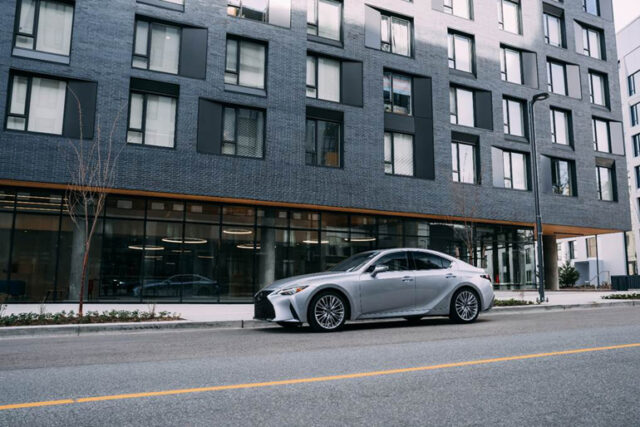
Lexus IS: Best-Selling Luxury Compact Passenger Car in the Philippines

2022 was a banner year for the Lexus IS sport sedan as it edged out its rivals for the top spot in the luxury compact passenger car segment of the yearend CAMPI sales report

Owning a Lexus IS is an amazing experience in itself. This luxury sport sedan pushes the envelope of driving performance giving an exhilarating enjoyment from driving a rear-wheel-drive sport sedan. Based on the 2022 yearend sales report of the Chamber of Automotive Manufacturers of the Philippines, Inc. (CAMPI), the Lexus IS is indeed the top choice of the Philippine market in the compact luxury passenger car segment. Thus, when it comes to the pursuit of an exceptional ownership and driving experience, the Lexus IS is the answer.

Since the debut of its first-generation IS in 1999, the model has pursued the thrill of driving unique to compact rear-wheel-drive sports sedans. The IS has captured the hearts of over a million enthusiasts around the world, and the number is growing.

That fulfilling sensation has been thoroughly enhanced in the new IS. The model was born and bred at the Shimoyama Test Track. This suits the IS perfectly, as every facet of its performance was developed on that extremely challenging on-road course, all for the sake of delivering an experience like no other to drivers around the world.

“With an aim to pursue the fun of driving, and based on the philosophy that ‘roads make cars,’ we brought the new IS to life by thoroughly driving it in harsh environments, including at the Shimoyama Technical Center, which opened in 2019,” says Lexus International’s Takumi Yoshiaki Ito. “We paid particular attention to aesthetic and emotional values, which cannot be measured using numbers alone, so as to pursue linear operation that is faithful to driver intention, such as during successive driving operations and in terms of driving rhythm.”

Available in the Philippines are the Lexus IS 300h Executive (P3,038,000), Lexus IS 300h Premier (P3,398,000), and Lexus IS 350 F Sport (P4,178,000). Of course, a huge part of the performance equation is what is under the hood. The F Sport variant boasts of a 300hp normally aspirated V6 engine that delivers 380Nm. This is mated to an 8-speed automatic transmission for mesmerizing power delivery worthy of a proper sports sedan. Meanwhile, the IS 300h Premier and Executive are powered by a 2.5-liter inline four-cylinder hybrid power plants mated to a Lexus E-CVT intelligent transmission for optimum efficiency during every driving condition.

To inspire even more driving confidence, the IS comes with LSS+2 — a suite of the latest Active Safety features, such as the Dynamic Radar Cruise Control, Lane Tracing Assist, and Automatic High Beam. The F Sport model comes equipped with the upgraded Pre-Collision system, which detects oncoming vehicles and pedestrians, even when turning left or right at intersections.

It comes as no surprise that the Lexus IS is cherished by customers here in the Philippines. Like no other, this model delivers on its promise to elevate the driving experience to a more exciting — and confidence-inspiring — level.


Spotlight is BusinessWorld’s sponsored section that allows advertisers to amplify their brand and connect with BusinessWorld’s audience by enabling them to publish their stories directly on the BusinessWorld Web site. For more information, send an email to online@bworldonline.com.

Join us on Viber at https://bit.ly/3hv6bLA to get more updates and subscribe to BusinessWorld’s titles and get exclusive content through www.bworld-x.com.

Upholding inclusivity in PHL’s housing program

Commitment to housing for all avowed as DHSUD celebrates 4th anniversary

As the Philippines continues forward on its growth trajectory, a major societal problem looms larger over the horizon. Metro Manila, as it stands, is bursting at the seams.

According to government data, the country’s current housing backlog is pegged at 6.5 million units. Furthermore, this is expected to balloon at “an unprecedented proportion if usual program strategies were adopted for implementation.”

For the country’s continued growth, much has to be done to address this.

This is the reason that the Department of Human Settlements and Urban Development (DHSUD) is highlighting the inclusivity of the “Pambansang Pabahay para sa Pilipino Housing (4PH) Program” as it celebrates its 4th anniversary.

Through the 4PH, the main housing initiative of the Marcos administration, the DHSUD hopes to close the housing gap and further build sustainable housing communities.

The government’s Pambansang Pabahay program seeks to address the nation’s housing need by constructing one million homes per year until 2028. It is designed primarily to help low-income individuals and those living in informal settlements get access to and purchase a home of their own.

In order to guarantee that residents of homes will have access to a means of subsistence and other essential services, Pambansang Pabahay also examines township development.

Additionally, the DHSUD maintains its operations in order to carry out its primary purpose regarding the administration of housing, human settlements and urban development through its advisory role, regulatory functions and policy creation.

With the theme, “Tahanang sapat para sa lahat,” the DHSUD celebrates its anniversary by highlighting the goal of President Ferdinand R. Marcos, Jr.’s 4PH Program and the innovative efforts of the department in making this happen.

In barely seven months, the program has elicited positive responses and secured the overwhelming support of relevant stakeholders, which resulted in its fast rollout immediately after its launching. The President himself has expressed his full confidence on the Pambansang Pabahay, dubbing it as the solution to the country’s housing problem, if the goal to build one million housing units per year is achieved.

Catching up to the housing gap

According to historical data, the annual average housing production across the country in the past years is pegged at approximately 200,000 housing units — which is nowhere near enough to catch up to the housing backlog.

To address this, DHSUD Secretary Jose Rizalino L. Acuzar has vowed to work “five times harder” to fulfill his mission as the housing czar of this administration.

“The operations of DHSUD has always been anchored to its vision of providing adequate and affordable housing, inclusive human settlements and well-planned communities for every Filipino family. The programs in the past years were all geared toward this goal, as institutionalized in the 2040 National Housing and Urban Development Sector Plan,” the department said in an email.

“With Pambansang Pabahay at the cornerstone of this administration’s housing initiatives, DHSUD through [Sec. Acuzar], is introducing out-of-the-box strategies in program implementation, this time with focus on innovative financing schemes that address the two main bottlenecks of affordability and access to fund in housing production and finance.”

Furthermore, the program is expected to attract participation of key stakeholders while easing the burden of beneficiaries or homebuyers on paying high interest on home loans.

Since the start of the current administration, DHSUD, with its newly-appointed officials, has been actively involving the key players expected to participate in the program. First and foremost are local government units which will serve as the implementing arm of the program in terms of allocating land resources and other forms of assistance, and identification of beneficiaries.

As of Feb. 15, DHSUD has broken ground for 15 housing projects with various local government units, and signed 70 Memorandums of Understanding under the Pambansang Pabahay. In the coming months, more partnerships are expected to be formalized and construction will commence.

In show of his trust and support, Mr. Marcos has personally visited the Bagong Sibol Housing Project in Brgy. Nangka, Marikina City in October 2022 and inaugurated the Palayan City Township Housing Project in Brgy. Atate, Palayan City, Nueva Ecija in the following December. He also led the groundbreaking of the Redevelopment and Urban Renewal Project in Batasan, Quezon City last January.

These projects are touted to become model townships that will provide not only shelters to the beneficiaries but also present opportunities for social and economic growth. With master plans that include schools, marketplaces, open parks and health stations, the soon-to-be residents will enjoy the amenities they will require in their day-to-day lives.

Prior to this, the President has also announced the impending issuance of an executive order that will allocate idle government lands for housing projects. DHSUD has estimated around 16,000 hectares of idle land resources which can be used for housing. President Marcos also pledged to allocate P1 billion as initial funding for housing interest support in 2023.

Towards providing six million homes for Filipinos

Much has to be done, but DHSUD will continue to work on funding for interest support, secure land requirement and empower more LGUs on the ground.

Moreso, the department aims to explore avenues for financial support through developmental loans, end-user financing and private banks participation, as well as incentivizing the private sector banks to participate in the program.

“With the bold and innovative implementation strategies introduced by the Pambansang Pabahay, various stakeholders have extended their support to the program, both from the government and the private sector. It has sparked the spirit of unity among key players in the housing and urban development sector, recognizing and doing their part for the program,” the DHSUD said.

“This has created a ripple effect among people wanting to have a house of their own — illuminating the hope for informal settlers and low-income earners to access and afford housing units for themselves and their families.”

Legislators laud DHSUD on its 4th anniversary, brand secretary ‘extraordinary’

In celebrating the 4th anniversary of the Department of Human Settlements and Urban Development (DHSUD), Senators Joseph Victor “JV” G. Ejercito and Ana Theresia “Risa” N. Hontiveros-Baraquel described DHSUD Secretary Jose Rizalino L. Acuzar as “extraordinary” for his innovative concepts as the country’s housing czar on Tuesday.

Recognizing the country’s housing woes, Sen. Ejercito commended Sec. Acuzar’s leadership of President Ferdinand R. Marcos, Jr.’s flagship housing program, the Pambansang Pabahay Para sa Pilipino Housing (4PH) Program.

“We have a very daunting task ahead, a very gargantuan task of producing one million houses every year… We need to think outside the box and be extraordinary,” Mr. Ejercito said in his message.

“Sec. Jerry (Acuzar) is a very simple person and a self-made man. I think he is ‘the X factor’ that we need for the Department of Human Settlements,” he said in mixed English and Filipino.

For her part, Sen. Hontiveros emphasized the role of DHSUD in curbing the 6.5 million housing backlog through the Pambansang Pabahay program and vowed support toward achieving its goals.

“There is much work and challenges DHSUD needs to face. You can be assured that we will continue to join you in your fight for proper housing for every family. We will not stop, we will not get tired, and we will not give up in this fight,” Ms. Hontiveros said.

The lady senator added she will continuously push for funding support for the realization of the Pambansang Pabahay as vice-chairperson of the Senate Finance Sub-Committee that tackles the budget of DHSUD.

4th anniversary celebrations

The two legislators served as guests during the opening ceremony of this year’s celebration with the theme, “Tahanang sapat para sa lahat (Adequate homes for all)” at the DHSUD Central Office in Quezon City. They were recognized, together with Bacolod Mayor Alfredo Abelardo Benitez, former Rep. Jose Christopher “Kit” Belmonte, former House Speaker Feliciano “Sonny” Belmonte, Jr. and other sectoral stakeholders, for their significant contribution in the creation of DHSUD.

Led by Sec. Acuzar, the celebration highlighted the milestones achieved by the housing agency in the past year, particularly in leading the Pambansang Pabahay.

Under the program, the DHSUD is set to build and dispense one million housing units every year until the end of the current regime. So far, the department has broken ground in 17 areas and has signed 70 memorandums of understanding with local government units for the construction and development of housing projects.

“We are strongly confident that we will really fulfill the objectives of the 4PH. In the year that passed, we accelerated and intensified the housing program of the national government, with the help of our key shelter agencies and other partners,” Mr. Acuzar said in his keynote message.

The three-part celebration also witnessed the launching of the Philippine Urban Forum (PhUF) 2023, which was organized by the DHSUD’s Environmental Land Use and Urban Planning and Development Bureau, in coordination with the United Nations Human Settlement Program or UN-Habitat.

The forum serves as a platform of cross-sectoral government and nongovernment agencies to discuss their roles and commitments in refining and implementing good governance, security of tenure, environmental protection, and disaster preparedness and mitigation in the country.

The event witnessed the first time Mr. Acuzar and the newly appointed DHSUD executives celebrated the department’s anniversary.

In his message, the secretary thanked the officials and staff of the DHSUD and its key shelter agencies (KSAs) for “wholeheartedly” accepting him as their chief and closely working with him since his appointment in July 2022.

“I would like to thank every official and staff of DHSUD and our KSAs, whatever your level may be. The success of the 4PH depends on your capable hands and, so far, the results you have achieved are impressive. Thank you as well for wholeheartedly accepting me to the DHSUD family. It is a pleasure working with you every day,” he told the department’s workforce.

Hence, the third part of the celebration was dedicated to the DHSUD workforce as service and loyalty awards were presented to employees who rendered years of continuous and exemplary service in the government.

Mr. Acuzar stressed that in spite of the DHSUD’s achievements in the past year, it would persist in its thrust to maintain and improve the vibrancy of the housing and urban development sector in the country.

Especially with “effective leaders at the helm and a committed workforce by their side,” the secretary added, “the DHSUD will, no doubt, be moving mountains in the years to come.”

“There may be great challenges ahead of us, but greater opportunities are likewise awaiting us on the horizon. And so, I enjoin everyone to hang tight and soldier on as we improve the lives of Filipino families one adequate, resilient and sustainable house at a time,” he said.

BSP hikes rates, signals more to come

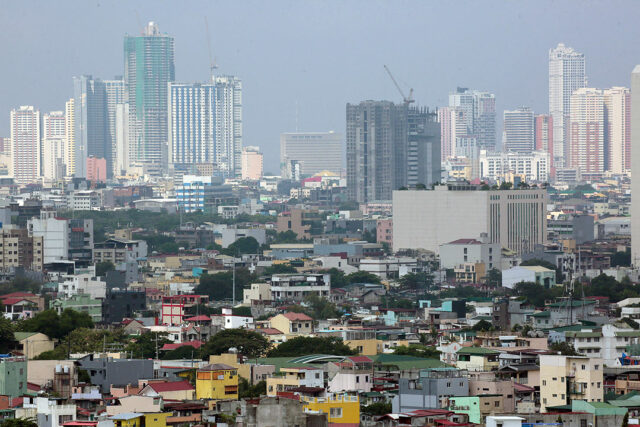
A view of Makati skyline seen from EDSA, Sept. 24, 2022. — PHILIPPINE STAR/MICHAEL VARCAS

By Keisha B. Ta-asan, Reporter

THE PHILIPPINE central bank on Thursday raised its benchmark interest rate by 50 basis points (bps) for a second straight meeting, and signaled more tightening to tame red-hot inflation.

The Monetary Board (MB) increased its overnight borrowing rate by 50 bps to 6% as predicted by nine out of 18 analysts in a BusinessWorld poll last week.

This brought the policy rate to 6%, the highest in nearly 16 years or since May 2007 when it stood at 7.5%.

The rates on the overnight deposit and lending facilities were also increased to 5.5% and 6.5% respectively.

The BSP’s aggressive rate hike came after inflation accelerated to a 14-year high 8.7% in January, from 8.1% in December. January also marked the 10th consecutive month inflation was above the BSP’s 2-4% target range and its 7.5% to 8.3% forecast range for January. 

“The Monetary Board deems a strong follow-through monetary policy response as necessary to reduce the risk of a breach in the inflation target in 2024. An upward adjustment in the policy interest rate would also prevent inflation expectations from drifting further away from the target band,” BSP Governor Felipe M. Medalla said at a briefing after the MB meeting.

The central bank raised its average inflation forecast for 2023 to 6.1% from 4.5% previously. This is beyond the BSP’s 2-4% target range, and faster than the 5.8% full-year inflation in 2022.

The BSP also hiked its 2024 inflation projection to 3.1% from 2.8% previously.

Mr. Medalla said the inflation forecasts were upwardly adjusted after the faster-than-expected inflation in January and “the continued stronger rebound in domestic demand and (7.2%) gross domestic product (GDP) growth in Q4 2022.”

The economy grew by 7.6% in 2022, exceeding the government’s 6.5-7.5% target, and the fastest growth since 1975.

“Both headline and core inflation measures have also continued to increase, indicating a further broadening of price pressures, particularly in services. Meanwhile, inflation expectations have likewise risen further, underscoring the need to preempt the emergence of further second-round effects,” Mr. Medalla said.

Core inflation, which excludes volatile prices of food and fuel, jumped to 7.4% in January from 6.9% in December and 1.8% in the same month in 2022. This is the fastest core inflation print in more than two decades or since 8.2% in December 2000.

BSP Director Dennis D. Lapid of the Department of Economic Research said headline inflation will likely average 7.7% in the first half this year before decelerating to 5.4% in the third quarter and 3.8% by fourth quarter. 

Inflation is projected to ease to within the 2-4% target by early next year due to dissipation of supply-side pressures on commodities and negative base effects, Mr. Lapid said. 

However, upside risks may continue to weigh on inflation outlook due to rising global food uncertainties, continued domestic shortages in supply, additional fare hikes amid elevated oil prices, and the higher-than-expected wage adjustments this year, Mr. Medalla said.

The BSP chief said he expects inflation to be near 4% by November or December this year.

MORE RATE HIKES
Since May 2022, the BSP has raised policy rates by a total of 400 bps.

Mr. Medalla said he expects economic growth to remain strong this year, adding that a 50-bp increase in policy rates would only reduce GDP growth by 0.04%.

The government targets 6-7% GDP expansion this year, slower than the 7.6% in 2022.

“Fortunately, the economy is quite strong. Maybe, we all underestimated pent-up demand,” he said.

The BSP chief also signaled another rate hike at its next meeting on March 23.

“It is unlikely we won’t increase the rate at the next meeting,” Mr. Medalla said, adding that he cannot rule out a “third” or “maybe a fourth” hike.

He also ruled out a 75-bp rate increase this year, unless it would be necessary to match the US Federal Reserve.

“The need for extraordinarily high interest rate increases like 75 (bps) was largely because inflation was also coming with a very weak and rapidly depreciating peso (last year)… So unless another large change in monetary policy happens somewhere else, I think we have done enough 75 (bps),” he added. 

The US Federal Reserve raised borrowing costs by 25 bps earlier this month, with a promise of more increases as it continues to fight against inflation. The rate hikes delivered by the Fed since March 2022 have now totaled 450 bps to a range of 4.5-4.75%.

Following the BSP’s policy announcement, the peso closed at P55.12 versus the greenback on Thursday, inching up by five centavos from Wednesday’s P55.17 finish, Bankers Association of the Philippines data showed.

According to analysts, the BSP will continue to deliver more rate increases at its next meetings to ensure inflation falls within target and inflation expectations will be managed.

“BSP’s latest inflation forecast and admission that price pressure has broadened could open the door for additional rate hikes in the coming months,” ING Bank N.V. Manila Senior Economist Nicholas Antonio T. Mapa said in a note.

“Given this new information and the obvious shift in tone from Governor Medalla, we now expect a 25-bp rate hike by the BSP at the March meeting with our forecast for BSP’s terminal rate at 6.25%,” Mr. Mapa said. 

For Gareth Leather, senior Asia economist of Capital Economics, said inflation may peak this month and drop steadily throughout the year as energy and food prices ease and growth slows.

“But inflation is unlikely to return to target before the end of the year, much later than in other parts of the region. As such, we think the central bank still has more work to do. We are raising our interest rate forecast, and now expect two more 25-bp rate hikes this year,” Mr. Leather said.

Meanwhile, Pantheon Macroeconomics Chief Emerging Asia Economist Miguel Chanco said rate hikes are not enough to address inflation.

“While we now see at least an additional 25-bp interest rate increase in March, we are also sticking to our view that a partial rollback of this tightening cycle will start before the end of this year, to the tune of at least 50 bps in cuts in fourth quarter,” Mr. Chanco said.

“By then, we expect headline inflation to have returned comfortably within the 2-4% target range, while the economy will have shown a more noticeable loss in momentum,” he added.

The Monetary Board is next set to review policy on March 23 and on May 18.

Meanwhile, Mr. Medalla also added that a cut in big banks’ reserve requirement ratio (RRR) is “still feasible” at the end of first semester. However, he emphasized that he didn’t want to confuse markets by increasing policy and cutting the RRR at the same time.


Philippine consumption likely to slow this year

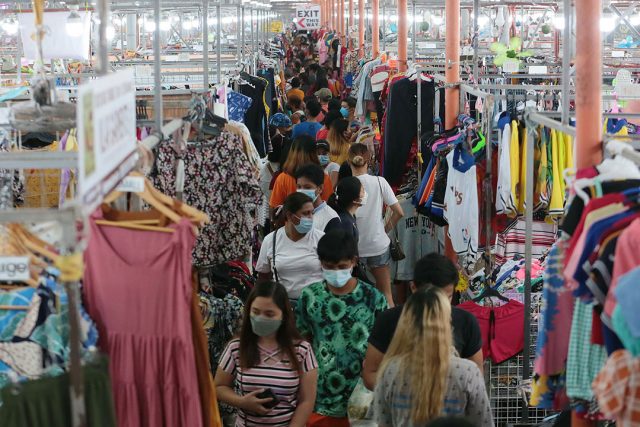
Customers look for cheap clothes at a market in Taytay, Rizal. — PHILIPPINE STAR/ MICHAEL VARCAS

CONSUMPTION in the Philippines will likely slow down the most among Southeast Asian countries this year, as households struggle with rising prices and interest rates, HSBC Global Research said.   

In a note on Thursday, HSBC said inflation remains a key concern among consumers as most policy makers in the Association of Southeast Asian Nations (ASEAN) member countries are unlikely to implement consumer-friendly measures in battling inflation.    

“We think consumption in ASEAN will slow in 2023 but in varying degrees; consumption in the Philippines will likely slow down the most, while Vietnam, Malaysia and Singapore may show some resilience,” HSBC said.   

HSBC noted the Philippines saw the prices of goods and services rise faster than wages in 2022, which eroded purchasing power and may curb consumption in the near future.

“Inflation usually works with a lag and households will likely continue to readjust their expenditure throughout the year in consideration of the steep rise in the cost of living,” HSBC said.   

Inflation remained elevated in the Philippines, averaging 5.6% in 2022. In January, headline inflation further accelerated to 8.7% from 8.1% in December, in contrast to downward trend in most ASEAN countries.

“Fortunately, most ASEAN economies passed the peak of inflation, though the Philippines and Vietnam have continued to see intensifying price pressures,” HSBC added.

The Bangko Sentral ng Pilipinas (BSP) revised its annual average inflation forecast to 6.1% this year from 4.5% previously.

“The Philippines saw the purchasing power of its wages decline significantly, wherein the rise in the cost of living almost doubled compared to the rise in wages. This deterioration will likely take a toll on consumption in 2023 as households find their way around to make ends meet amid the squeeze in household budgets,” HSBC said.   

This year, HSBC noted central banks in ASEAN may continue to hike rates to curb demand-driven inflation.

“The Philippines and Thailand will likely take the biggest hit as their central banks are taking a relatively hawkish stance to bring the economy-wide saving rate back up, striking a balance between consumption and macroeconomic stability,” it said.

HSBC expects the BSP to raise rates as high as 250 basis points (bps) above pre-pandemic levels, which may hurt borrowing and consumption.

The benchmark interest rate stood at 4% in 2019 before the Monetary Board cut rates by 200 bps in 2020 to support the pandemic-hit economy. Since May 2022, the BSP has raised rates by 400 bps to curb inflation.

“High interest rates will deter consumers from borrowing, while it promotes saving since interest income from savings increases. Given this dynamic, the Philippines and Thailand will likely see the largest adjustment in economy-wide savings,” it said.   

Domestic consumption remained strong as the economy reopened. It expanded by 7% in the fourth quarter, slightly slower than 8% in the third quarter and 7.5% a year earlier. For the full year, household consumption rose by 8.3% from a year earlier.   

“All data point to the Philippines slowing down the most — not favorable news for an economy so driven by private consumption. Nonetheless, its fundamentals too should help smooth household consumption or at least put a floor on how much it could slow,” HSBC said.   

“For instance, the Philippines has one of the most favorable demographic profiles. The fertility rate in the Philippines is the highest in ASEAN at 2.7, while the median age is only 25 years. Therefore, consumption will likely slow but not free-fall due to a rising working age population,” it said.   

HSBC also said remittances can help smooth out incomes and consumption to some extent, and money sent home to the Philippine rise during hard times.   

Money sent by OFWs through banks jumped by 3.6% to $32.54 billion last year, according to data released by the BSP. It exceeded the previous record of $31.42 billion in 2021. — Keisha B. Ta-asan

Youth may lose up to 10% of future earnings due to learning losses

PHILIPPINE STAR/ WALTER BOLLOZOS
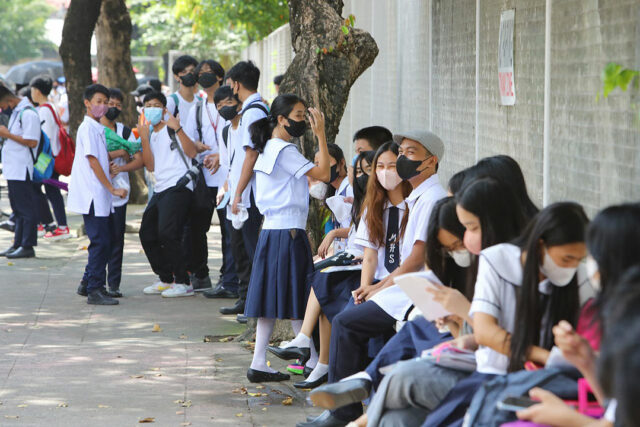
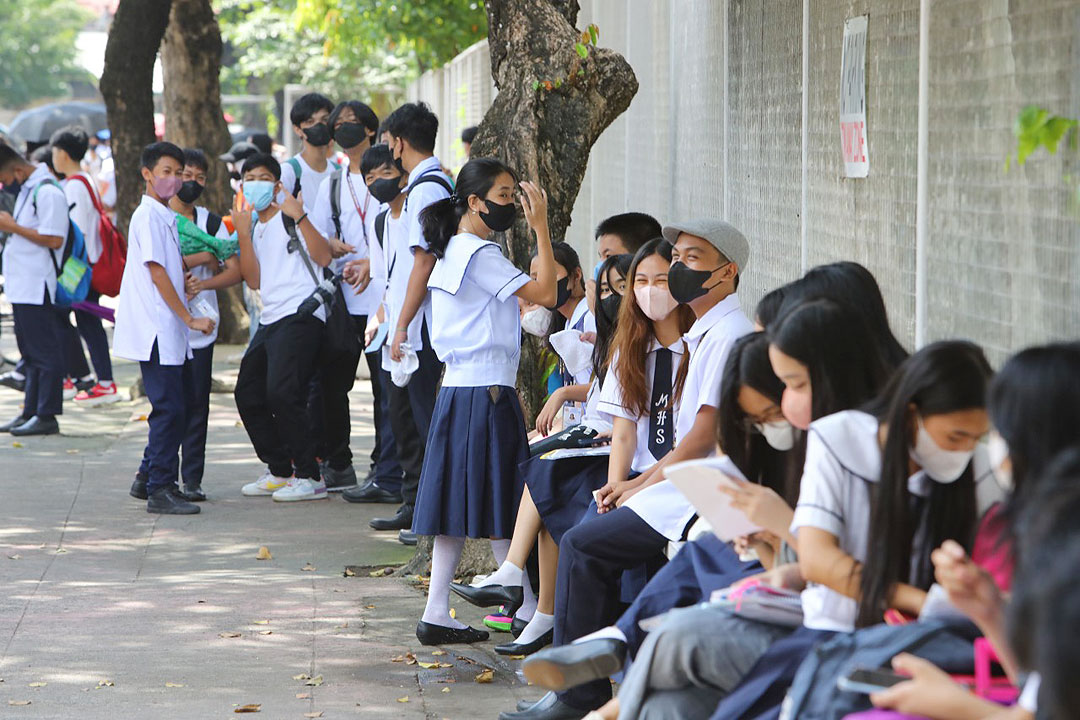
Students are seen outside Marikina High School, Nov. 2, 2022. Full face-to-face classes resumed for public and private schools in the Philippines last November. — PHILIPPINE STAR/ WALTER BOLLOZOS

MILLIONS OF CHILDREN around the world could lose up to 10% of their future average annual earnings due to “education shocks” during the height of the coronavirus pandemic, a new World Bank report showed.

In the report “Collapse and Recovery: How COVID-19 Eroded Human Capital and What to Do About It,” the World Bank said the pandemic damaged the cognitive development and lifetime earnings of young people.

The decline in the cognitive and social-emotional development of toddlers due to the pandemic could also lead to a 25% reduction in future earnings as adults, it added.

“The pandemic and school closures threatened to wipe out decades of progress in building human capital. Targeted policies to reverse the losses in foundational learning, health, and skills are critical to avoid jeopardizing the development of multiple generations,” World Bank Group President David Malpass said in a separate statement.

The World Bank’s report was the first analysis of global data on young people who were under the age of 25 at the start of the pandemic in 2020. These young people will make up 90% of the “prime-age workforce” in 2050, it added.

When the pandemic hit in March 2020, widespread lockdowns were implemented to curb the spread of the coronavirus disease 2019 (COVID-19). This prompted school closures in 180 countries including the Philippines.

Around 1.3 billion children in low- and middle-income countries missed at least half a year of school, 960 million missed at least a full year and 711 million missed a year and a half or more, the World Bank said.

Between April 2020 and March 2022, Philippine schools were closed for 510 days, one of the longest school closures in the world. The Philippines only resumed full face-to-face classes for public and private schools in November 2022.

The World Bank noted these long school closures have led to deep learning losses. For every 30 days of school closures, students lost an average of about 34 days of learning. There was also a decline in enrollment even after schools reopened, it added.

“Learning losses can derail not only students’ learning trajectory but also their lives by diminishing their economic prospects, lifetime earnings, and chances of escaping poverty. If swift and effective actions are not taken, the pandemic-related schooling shock could leave students and economies permanently scarred,” the World Bank said.

The World Bank said there was an increase in learning poverty rates in low- and middle-income countries to 70% in 2022 from 57% in 2019.

“World Bank projections suggest that, globally, pandemic-related learning losses will lead to between $23,514 and $31,800 in lost earnings over a typical student’s lifetime. Overall, without urgent policy action, today’s students could lose as much as 10% of their future average annual earnings due to COVID-related learning losses. In terms of present value, these earnings could amount to $21 trillion — equivalent to 17% of today’s global GDP,” it said.

The pandemic also caused deep employment losses for the youth, the World Bank said.

“In most countries, youth employment (ages 15-24) fell sharply at the beginning of the pandemic. These declines were particularly pronounced in the Philippines, with a decline of 11 percentage points,” it added.

The World Bank said the number of hours worked by employed young people in the Philippines fell by 20 hours to just 19 hours a week during the pandemic. 

“Adult employment has recovered, but youth employment has not. In the Philippines, the recovery of employment has also been larger among adults than youth,” it added.

The World Bank said that the government should implement policies and systems that can reverse learning losses.

“Reversing the pandemic’s impact on them and investing in their future should be a top priority for governments. Otherwise, these cohorts will represent not just a lost generation but rather multiple lost generations,” Norbert Schady, World Bank chief economist for human development, said.

The World Bank emphasized the need to keep schools open, increase instructional time, assess learning and match instruction to students’ learning level, implement targeted catch-up policies such as tutoring for children who have fallen behind, and streamline the curriculum to focus on foundational learning.

The government should also adopt measures to alleviate financial constraints to mitigate dropouts and encourage attendance.

The World Bank cited conditional cash transfers such as those in the Philippines, which were found to improve school enrollment and attendance.

It also noted adapted training, job intermediation, entrepreneurship programs, and new workforce-oriented initiatives to help boost youth employment. — Luisa Maria Jacinta C. Jocson

PCC looks into possible cartel behind high onion prices

A vendor shows off a basket of red onions in Manila. — PHILIPPINE STAR/WALTER BOLLOZOS

THE PHILIPPINE Competition Commission (PCC) has been looking into the possibility that a cartel has been behind the recent spike in onion prices.

“Since November 2022, the PCC has been investigating the high prices of onion for possible cartel or abuse of dominance conduct, consistent with the probe prompted by House Speaker Rep. Martin G. Romualdez and House Resolution No. 681 filed by Rep. Stella A. Quimbo,” the competition watchdog said in a statement.

The PCC said it launched a market assessment after observing an “unusual high range” of onion retail prices, which peaked at P600 per kilogram (/kg) in December last year.   

“As prices are seen to stabilize due to the imports and the SRP1 set last Feb. 6, the PCC is looking into the cause of such market anomaly in coordination with the sector regulators and other law enforcement agencies,” it said.

Legislators and agriculture industry stakeholders have raised concern over the surge in onion prices, citing importation issues, price manipulation and smuggling.

The PCC warned that businesses found to have taken advantage of the situation may face fines of up to P100 million and jail time of up to seven years.

It noted that fines for violators could be tripled if the trade of basic necessities, including agricultural items covered by the Price Act, are found to have violated cartel or abuse of dominance.   

Earlier this month, the Department of Agriculture (DA) set a suggested retail price (SRP) of P125/kg for imported red onions sold in Metro Manila following consultations with agricultural stakeholders.   

In January, the DA approved the importation of 21,060 metric tons (MT) of onions to mitigate surging retail prices. This consists of 17,100 MT of red onions and 3,960 MT of yellow onions.   

As of Feb. 15, DA price monitoring data showed the retail price of local red onion in Metro Manila markets ranges from P180 to P300 per kilo. Medium-sized imported red onions are priced from P100 to P125 per kilo, while big red onions are priced at P110 to P180/kg.   

The retail price of local white onion ranges between P100 and P180 per kilo. Prices of medium-sized white onions range from P140-P250 per kilo, while big ones are between P120 and P180 per kilo. — R.M.D.Ochave

LNG users risk reliance on volatile prices – IEEFA

REUTERS

THE Philippines may be forced to rely on volatile spot market prices as long-term liquefied natural gas (LNG) contracts with shipments before 2026 are reportedly sold out globally, the Institute for Energy Economics and Financial Analysis (IEEFA) said on Thursday.

“A recent survey of LNG buyers in Japan suggests that there are no long-term contracts available for shipments until 2026. As a result, Vietnam and the Philippines may be forced to rely solely on volatile spot markets for several years,” it said.

IEEFA identified both countries as having LNG-related projects that have experienced repeated delays, not currently importing LNG, and are without a long-term LNG supply contract as of November 2021.

Policy responses may limit the role of LNG for countries like the Philippines, which favors renewables over natural gas, said the global research institute that examines issues related to energy markets, trends, and policies.

The Philippine Energy Plan, as crafted by the Department of Energy (DoE), focuses on developing renewable energy (RE). The agency targets a 50% RE share in the country’s power generation mix by 2040 under a clean energy scenario, surpassing traditional coal, natural gas and oil-based power sources.

Last year, the government opened the renewable energy sector to full foreign ownership after Energy Secretary Raphael P.M. Lotilla signed a circular amending the implementing rules and regulations (IRR) of the Renewable Energy Act of 2008.

Rino E. Abad, director of the DoE’s Oil Industry Management Bureau, told reporters at an energy conference last week that proponents of LNG terminals should secure LNG contracts as soon as possible.

He said now is the best time to negotiate an LNG supply contract while the price is “relatively low.” He added that the Philippines accounts for only a small portion of global LNG demand.

To date, seven proponents of LNG terminal projects have been approved by the DoE for development, two of which are expected to come online in the first semester of 2023.

Linseed Field Power Corp., a unit of Atlantic Gulf & Pacific Co., said that it had completed the conversion of a vessel into a floating storage unit for gas. The company is expected to start taking delivery of gas by March.

First Gen Corp., through its subsidiary FGEN LNG Corp., said its LNG terminal will also be completed by the first quarter. First Gen’s gas-fired power plants currently run on indigenous gas from the Malampaya-Camago reservoir, which is expected to start depleting next year.

The other LNG terminal projects are led by Samat LNG Corp.; Luzon LNG Terminal, Inc.; Energy World Gas Operations Philippines, Inc.; Shell Energy Philippines, Inc.; and Vires Energy Corp.

“Southeast Asia’s demand growth faces challenges related to high prices, limited LNG contract availability and infrastructure constraints. Long-term contracts with deliveries before 2026 are reportedly sold out globally, meaning price-sensitive Southeast Asian buyers risk high exposure to volatile, expensive spot markets,” IEEFA said. — Ashley Erika O. Jose

Alternergy sets P1.87-B maiden listing in March

RENEWABLE energy company Alternergy Holdings Corp. targets to hold on March 24 an initial public offering (IPO) of shares from which it expects to raise up to P1.87 billion to fund ongoing and prospective projects.

According to the company’s amended preliminary prospectus, the maiden listing covers the sale of up to 1.15 billion common shares, with an overallotment option of up to 115 million.

The shares will be sold at an offer price of up to P1.48 apiece, with the company expecting gross proceeds of up to P1.70 billion from the sale of firm shares.

The common shares to be sold are lower than the number previously set by the company in June last year at 1.28 billion with an overallotment option of up to 192.22 million.

Alternergy’s updated prospectus dated Feb. 14, 2023 set the listing of shares on the main board of the Philippine Stock Exchange (PSE) on March 24 under the ticker symbol ALTER.

The offer period for the IPO is expected to run from March 13 to 17 subject to the approval of the PSE and the Securities and Exchange Commission.

Under its previous prospectus, the company scheduled the IPO’s offer period from Nov. 11 to Nov. 17, 2022, with listing and trading on the main board set on Nov. 25, 2022.

The company received PSE approval of its listing on Feb. 7, 2023. It expects a post-IPO market capitalization of up to P5.82 billion.

Alternergy tapped Investment & Capital Corp. of the Philippines as sole issue coordinator, and as joint issue manager and lead underwriter together with BDO Capital & Investment Corp., while Unicapital, Inc. was assigned as the offering’s co-lead underwriter.

The company expects to use an estimated P564 million or 35% of the P1.62-billion net proceeds for the construction of projects under development, while around P522.19 million or 32% for the payment of acquired Kirahon Solar Energy Corp. shares.

Alternergy will also be using 21% of the net proceeds or P340 million for the pre-development expenses of projects in the pipeline.

For projects under development, the company plans to break ground for its Solana solar project and to start early works on its Lamut hydropower project in the first quarter of 2023.

Meanwhile, it is planning to finance through its IPO the pre-development works on its Ibulao hydropower project, Tanay wind project, Alabat wind project, and offshore wind projects estimated to have a capacity of 1,000 megawatts.

Alternergy is led by Vicente S. Perez, Jr., a former secretary of the Department of Energy. — Justine Irish D. Tabile

ADVERTISEMENT
ADVERTISEMENT