Home Blog Page 4965

Ukraine war spurs record global spending on military, Stockholm think tank says

STOCK PHOTO | Image by Daniel Hadman from Pixabay

 – Global military spending rose to a record last year as Russia’s war in Ukraine drove the biggest annual increase in expenditure in Europe since the end of the Cold War three decades ago, a leading conflict and armaments think tank said on Monday.

World military expenditure rose by 3.7% in real terms in 2022 to $2.24 trillion, the Stockholm International Peace Research Institute (SIPRI) said in a statement.

Russia’s invasion of Ukraine, which began in February last year following years of growing tensions, has prompted European countries to rush to bolster their defenses.

Moscow says its “special military operation” was necessary to safeguard it against what it sees as a hostile and aggressive West. Ukraine and its Western allies say Russia is waging an unprovoked war aimed at grabbing territory.

European military spending shot up 13% last year, primarily due to increases by Russia and Ukraine, but with many countries across the continent also ramping up military budgets and planning for more amid the surging tensions.

“This included multi-year plans to boost spending from several governments,” SIPRI Senior Researcher Diego Lopes da Silva said. “As a result, we can reasonably expect military expenditure in Central and Western Europe to keep rising in the years ahead.”

Ukraine‘s military spending rose 640% in 2022, the largest annual increase recorded in SIPRI data going back to 1949, with that total not including the vast amounts of financial military aid provided by the West.

SIPRI estimated that military aid to Ukraine from the United States accounted for 2.3% of total U.S. military spending in 2022. Though the United States was the world’s top spender by far its overall expenditure rose only marginally in real terms.

Meanwhile, Russia’s military spending grew by an estimated 9.2%, though SIPRI acknowledged figures were “highly uncertain given the increasing opaqueness of financial authorities” since its war in Ukraine began.

“The difference between Russia’s budgetary plans and its actual military spending in 2022 suggests the invasion of Ukraine has cost Russia far more than it anticipated,” said Lucie Beraud-Sudreau, Director of SIPRI’s Military Expenditure and Arms Production Programme. – Reuters

Gary Valenciano and Chito Miranda partner with AIA Philippines and BPI AIA to put spotlight on Pinoy expressions of love in ‘It’s Real Love’ video

Chito Miranda and Gary Valenciano sing their latest single, 'It's Real Love.'

While Filipinos may say the words “I love you” every day, they are still very expressive in the ways that they show their concern and care for their loved ones.

Popular artists and celebrity dads Gary Valenciano and Chito Miranda partnered with AIA Philippines (formerly AIA Philam Life) and BPI AIA (formerly BPI Philam Life) to launch a campaign about expressing love in a more meaningful way by making sure that loved ones are protected from life’s uncertainties. The centerpiece of the campaign was the song “It’s Real Love”, sung by Gary and Chito, written by noted composer Jonathan Manalo in collaboration with the two singer-songwriters.

For the video launch of “It’s Real Love”, Gary and Chito held a special serenade for AIA Philippines and BPI AIA customers, whose personal stories inspired the lyrics. Tin Manalaysay and her mom Marissa, Arnold Damian and his sister Hernalyn, Alfredo and his sister Charilyn, and Ivanna dela Torre and her husband Chino are giving back for all the love they received through the years by making sure their loved ones feel safe and secure, knowing that they have the protection they need.

Heartfelt lyrics

Chito explains, “The song is about love, in all forms. We wanted to come up with something that talks about love, not just the romantic kind, but love for your mom, your brother or sister, or your children, and how unselfish it is and how it makes you care about someone else, more than yourself.”

While the song was based on the personal stories of others, both say the lyrics also resonated with them. Gary says, “I have two favorite lines in the song. One is ‘choose to show love in a special way’ and “lagi kang meron time sa pamilya.” My family means the world to me so these lines were very real to me.” Chito adds, “We made sure the lyrics were super specific and personal, and still relatable to everyone. I think the line ‘Lahat ng hirap, dugo’t pawis alay, babawi kahit papaano’ is perfect for showing appreciation for one’s mom or dad.”

Chito dedicates the song to his family, who he refers to as his greatest love. “With my family, I make sure that their health, safety, security, and overall wellness come first — even before mine.” He adds, “Writing the song and performing it was really exciting because it gave me a chance to inspire other people to do the same, and give them options when it comes to securing their loved ones’ future. It was a heart-warming experience when the people we sang to realized that we were actually singing about them.”

As for Gary, he says it is his tribute to people who have thought of others first before thinking of themselves and who have sacrificed so much for the people who mean the most to them.

Better future for loved ones

There are many ways one can show love to others, Gary says. “It can be verbally, or physically expressed. In fact, even by doing simple acts of prayers for loved ones bring the showing of love to a spiritual level. I try and put all these into action. I am a husband, a dad, a brother, and a friend, and I think the most important and perhaps most challenging way of showing love is to do it consistently by making time for them.” He adds that showing love can be done in the simplest of ways. “The world is already so complicated and there’s no need to complicate it further by expressing love in ways that are hard to interpret. Learn from those that have extended their acts of love to you, then in your own creative way, do the same for someone else. There are various love languages and I would suggest using the most effective way, through actions like sending gifts, hugging them or simply praying for them.”

Another way to show love is to give them peace of mind, Gary says. “The future is always so uncertain and what everyone strives to reach assurance of security. The thing is, it’s what we do in the present that will play a major role on how the future is determined. By helping your loved ones through teaching them how to invest a portion of their incomes or even your own for your children or spouses, you are reassuring them the future will be better.”

Chito agrees: “I want to make sure their futures are secured and I totally have nothing to worry about. Our song shows how AIA Philippines and BPI AIA can help you achieve that. Their products are so personalized that it feel like they were custom made for you, depending on your specific needs.”

Click here to watch the official music video of It’s Real Love. To find out how AIA Philippines and BPI AIA can help you show your love by protecting your loved ones, visit www.aia.com.ph or www.bpi-aia.com.ph.


Spotlight is BusinessWorld’s sponsored section that allows advertisers to amplify their brand and connect with BusinessWorld’s audience by enabling them to publish their stories directly on the BusinessWorld Web site. For more information, send an email to online@bworldonline.com.

Join us on Viber at https://bit.ly/3hv6bLA to get more updates and subscribe to BusinessWorld’s titles and get exclusive content through www.bworld-x.com.

Redefining a safe workplace culture for a better normal

Workplace in the new normal heightened the focus on employees’ health and safety to prevent sickness and help curb the coronavirus disease 2019 (COVID-19) pandemic. Employers adapt work-from-home or hybrid arrangements to minimize employees’ exposure outside, installed means such as alcohol or hand sanitizers to promote personal hygiene, implement regular cleaning and sanitation, and make more ventilation, among other measures, to make the workplace safe and healthy during a public health crisis.

But even as the new normal stipulated physical distance, the culture at work still has to be present by maintaining connections among employees to provide support, engagement, and empathy, especially as the pandemic did not only put physical health as a top priority but mental health as well. Several employers implemented programs focused on helping to deal with issues concerning their employees’ mental well-being.

Now, as many employees are coming back to the offices whether in full or hybrid, having a workplace culture that puts safety and health as an utmost priority should be maintained. After all, people’s well-being should have always been focused on, even before the pandemic.

But even as the world moves past the pandemic, occupational safety and health (OSH) are still faced with concerns. These include climate change and the rise in extreme weather events, which are already impacting OSH and would likely keep on growing in the future, according to the International Labor Organization (ILO).

Mental health at the workplace is further gaining significance as well, said ILO, as psychological well-being is seen to be undermined by unsafe or unhealthy conditions or environments at work.

For a better normal at the workplace moving forward, how should a safe and healthy work culture be cultivated? Just as the new normal has emphasized, physical and mental well-being are important. But more than that, fostering a work environment that is safe for everyone should also mind inclusiveness.

Prioritizing healthy and safety should already be given. But aside from that, a safe and healthy workplace is also good for the business and the work towards sustainable development, according to the Institution of Occupational Safety and Health. These could improve productivity in the workplace and attract customers, investors, and partnerships.

Employees are more likely to perceive their workplace culture as good if they have a sense of safety at work, as seen in a survey by the Society of Human Resource Management (SHRM) that was released in 2022.

Among the respondents from 12 countries that were studied, 86% said they feel physically safe at work. Additionally, since the pandemic started, more workers (88%) have suggested that safety in the workplace has gone better or stayed unchanged.

“Organizations must have critical elements in place for safety to become a reality, including buy-in from management, employee involvement, intra-organizational communication, analyses of potential hazards in the workplace, procedures to prevent and control those hazards, and organization-wide training,” SHRM noted in the report.

But safety goes beyond the physical. Employees also need to feel that the work culture is safe enough to air their side on matters at work. Companies, therefore, must cultivate a safe environment for communication, wherein employees are empowered to speak up, said SHRM. Of the workers surveyed by the organization, over four of five said they feel safe in conveying their opinions on work-related issues.

“Candidness and transparency — in good faith — breed a strong workplace culture. Workers need to feel comfortable with supervisors, and supervisors must be able to have tough conversations with their subordinates,” SHRM said.

Having a belief that one would not be humiliated or rejected for expressing their ideas, questions, or concerns is defined as psychological safety, as conceptualized by Professor Amy C. Edmondson of Harvard Business School.

Psychological safety is perceived as valuable for inclusion and diversity at work. And at the same time, the importance of diversity and inclusivity for employees’ well-being is also seen.

However, according to a survey from ILO’s Transforming Enterprises through Diversity and Inclusion report published in 2022, only half of the respondents said that diversity and inclusion were adequately recognized and resourced in the culture and strategy in their workplaces. Furthermore, one in four people does not sense being valued at work.

Why should organizations also have to consider inclusion in fostering a culture of safety in their workplaces? “Inclusion reduces stress induced by experiences of bias, harassment, and discrimination,” ILO said in the report. “It promotes high self-esteem and a positive sense of self through the experience of social connection and belonging with others at work and in an environment that is understanding and supportive of individual needs, whether they are linked to health, disability, religion, family or caring responsibilities.”

Aside from benefiting the well-being of the workforce, ILO considered that high levels of diversity, inclusion, and equality could also be related to greater innovation; productivity and performance; as well as talent recruitment and retention at work. — Chelsey Keith P. Ignacio

SkinStation celebrates 100th branch and inaugural luxe clinic with a glamorous gala

The Reyes family reflects on the company’s milestone achievement, future plans, and exclusive SkinStation Elite services at the gala event

SkinStation, one of the Philippines’ leading skin clinics, recently hosted a dazzling gala night to celebrate the opening of its 100th branch and first-ever luxe clinic in High Street South BGC, the SkinStation Elite. This exclusive event marked the culmination of the company’s milestone achievement and featured an array of esteemed guests, including business partners, loyal clients, and members of the media.

The gala also served as the launchpad for SkinStation Elite, an exclusive club offering members access to high-end treatments, state-of-the-art technologies, and exceptional customer service.

The SkinStation Elite branch offers its members first access to high-end and innovative procedures such as 4D Laser Hair Removal with 4 frequencies, Pico Laser   treatment for hyperpigmentation, RF Fractional Laser microneedling for rejuvenation, and Hip & Butt Lift with Rose Glam Filler and Tesslift.

During the gala, founder Fred Reyes took center stage to discuss SkinStation’s impressive growth, the vision for its luxe clinics, and the exciting benefits of the new SkinStation Elite club.

Fred Reyes shared his thoughts on SkinStation’s journey to 100 clinics, crediting three growth strategies for their success. “We have always advocated fairness in compensation, embraced innovations and new technologies, and aimed to be #1 at something,” he said. Fred also acknowledged the importance of faith in their success, revealing that they often opened clinics on Marian Feast Days or Saturdays, as his wife Carleen is a Marian devotee.

The success of SkinStation is a family affair, with each member of the Reyes family pitching in to support the company’s growth in their own way. Carleen, Fred’s wife, and their three sons, Gerard Cedric, Francis Carl, and Joseph Pio, all actively contribute to the business. Their commitment to the growth and success of SkinStation is evident in their dedication to the company.

The members only SkinStation Elite branch oh yeah, also offers  members the use of a Skin Analyzer, an advanced skin analysis device that assesses the skin’s condition in just a few minutes, a luxe lounge, fully enclosed rooms, and an exquisite customer service experience through handpicked and specially trained top doctors and staff.

The gala night was a testament to SkinStation’s commitment to excellence and a celebration of its remarkable achievements. The event was filled with captivating performances, exquisite cuisine, and a sense of camaraderie among attendees, who were all united by their passion for skincare.

As SkinStation looks forward to the future, the company remains dedicated to providing exceptional skincare services to Filipinos. With the opening of its 100th branch, first luxe clinic, the SkinStation Elite, the brand continues to solidify its position as a market leader in the skincare industry, ensuring its clients receive only the best in skincare treatments and solutions. The collective efforts of the Reyes family serve as a strong foundation for the company’s continued success and growth.


Spotlight is BusinessWorld’s sponsored section that allows advertisers to amplify their brand and connect with BusinessWorld’s audience by enabling them to publish their stories directly on the BusinessWorld Web site. For more information, send an email to online@bworldonline.com.

Join us on Viber at https://bit.ly/3hv6bLA to get more updates and subscribe to BusinessWorld’s titles and get exclusive content through www.bworld-x.com.

Banks seen resilient vs emerging risks

The International Monetary Fund (IMF) headquarters is seen in Washington, D.C. — KEISHA B. TA-ASAN

By Keisha B. Ta-asan, Reporter

CREDIT GROWTH is expected to remain “healthy” this year, as the Philippine financial system is expected to manage any secondary effects stemming from the recent banking turmoil in the United States and Europe, analysts said. 

International Monetary Fund (IMF) Deputy Director of the Asia and Pacific Department Sanjaya Panth told BusinessWorld that the Philippine banking system will continue to prove its resilience against emerging risks this year. 

“The Philippine banking system has proved quite resilient through the pandemic and has remained strong. I think it has sufficient liquidity and capital buffers, and we expect credit growth to remain healthy, with growth broadly in line with the economy,” Mr. Panth said. 

The Philippines, he said, had very limited exposure to troubled banks in the US and Europe such as the Silicon Valley Bank and Credit Suisse.

“The banks are exposed to risk from the corporate sector, there is no question about that because it is a large share of bank lending in the Philippines. However, corporate leverage is less concentrated in the more vulnerable parts of the corporate sector. This is more of an issue for the rest of Asia and the Philippines is in a relatively better position in this respect,” Mr. Panth said.

Outstanding loans by big banks grew by 10% to P10.69 trillion in February from P9.72 trillion a year earlier, latest data from the Bangko Sentral ng Pilipinas (BSP) showed. However, loan growth in February was slightly slower than the 10.4% growth in January.  

Lending to residents jumped by 9.9% in February, while lending for production activities rose by 8.7%.    

Nikita Anand, associate director at S&P Global Ratings, said in an e-mail that Philippine banks will be able to manage any contagion effects from the global banking turmoil.

“Philippine banks’ assets are conventional with lending across commercial and retail segments. Investment portfolios form about 28% of total assets, with 70% of the exposure in safe government securities. Significant household deposits add stability to Philippine banks’ funding profile,” she said.

Data from the BSP showed Philippine banks’ total loan portfolio, net of allowance for credit losses, made up the largest share of the banking system’s total assets at 53% or at P11.9 trillion as of end-January. 

This was followed by investments (29.2% or at P6.57 trillion) and by cash and due from banks (12.2% or at P2.74 trillion). For the same period, only 27.5% or around P6.32 trillion of Philippine banks’ total assets were in portfolio investments.

Ms. Anand also said secondary effects from the global banking turmoil may increase investor risk aversion and would lead to higher funding costs for banks.

“Furthermore, additional Tier-1 (AT1) issuance in coming months is likely to be more costly, and for some will be outright difficult. Given the Philippine banking sector has limited reliance on AT1 capital, we don’t expect significant disruption to banks’ fund-raising plans,” she said.

Ms. Anand said that a strong deposit base and robust capitalization will help banks manage tough operating conditions.

However, banks and regulators in the country should continue to be vigilant against risks, as it could spread quickly and affect financial stability, IMF’s Mr. Panth said.

“[Banks and regulators should] continue to strengthen the efforts in assessing financial stability risks, wherever they come from, [and should have] the capacity to dissolve proper financial institutions, when institutions get into trouble,” he said.

Mr. Panth also said the central bank should efficiently share information with other banking regulators and ensure they have the right authority to intervene if trouble emerges.

High oil prices likely to keep inflation elevated

A man gets his motorcycle filled up at a gas station in Marikina. — PHILIPPINE STAR/WALTER BOLLOZOS

INFLATION may remain elevated amid an anticipated increase in global crude oil prices due to the planned output cut by the Organization of the Petroleum Exporting Countries and its allies (OPEC+), First Metro Investment Corp. (FMIC) and the University of Asia and the Pacific (UA&P) said.

“If consumer prices continue their downward trend, full-year inflation may go slightly below 6%. However, with the recent huge barrel production cut announced by OPEC+, we keep our original 6.3% projection, unless the announced cut fizzles and turns into mere optics,” FMIC and UA&P said in their Market Call on Sunday.

Earlier this month, OPEC and its allies, including Russia, announced oil output reductions of around 1.16 million barrels per day.

Inflation eased to a six-month low of 7.6% in March from 8.6% in February. This brought the average inflation rate in the first quarter to 8.3%, above the BSP’s full-year forecast of 6% and 2-4% target band.

“Inflation should ease further to an average 6.6% year on year in Q2 despite higher crude oil prices and fall to low 5% level by September. The peso-dollar rate will weaken due to the jump in petroleum product prices,” FMIC and UA&P said.

Despite slower inflation seen in March, FMIC and UA&P said the BSP will likely continue tightening policy.

“The BSP will likely proceed with raising its policy rates by 25 bps in its May meeting. However, we expect a pause thereafter,” FMIC and UA&P said.

BSP Governor Felipe M. Medalla earlier said the BSP may pause its tightening cycle if inflation further slows in April. He also said a potential cut may happen this year if inflation continues to ease in the next six months.

April inflation data is set to be released on May 5. The Monetary Board will meet on May 18 to discuss policy.

The BSP raised benchmark interest rates by 425 basis points (bps) since May last year, bringing the key policy rate to a near 16-year high of 6.25%.    

Meanwhile, FMIC and UA&P maintained the first-quarter gross domestic product (GDP) forecast at 7.1%.

“We expect a spritely GDP expansion in the first quarter as our deeper dive into recently released economic data uncovered surprisingly solid growths,” they said, noting positive employment numbers, infrastructure spending, and manufacturing output.

Domestic demand may have also helped drive growth during the January-to-March period.

“The income tax cut and the downward trend in inflation should provide support although the recent crude oil price surge would clip that partially. Besides, we expect the government, and private sector, through public-private partnerships, will have ramped up infrastructure spending after the usual hesitancy of agencies in the first month of the year,” FMIC and UA&P said.

The government is targeting 6-7% GDP growth this year, slower than the 7.6% expansion in 2022.

The local statistics authority is set to release first-quarter GDP data on May 11. — Luisa Maria Jacinta C. Jocson

US investors keen on Maharlika fund — DBM chief

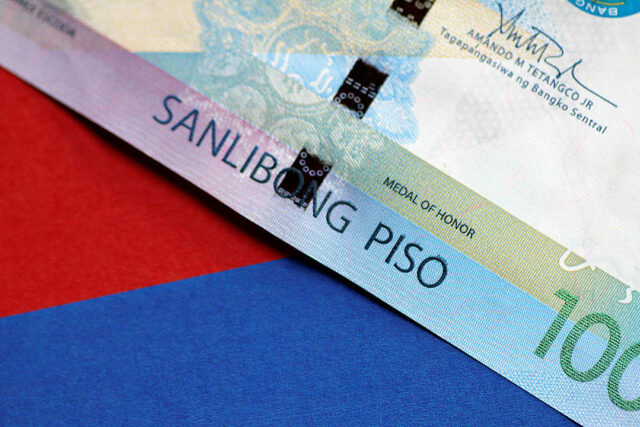
A Philippines peso note is seen in this picture illustration on June 2, 2017. — REUTERS

By Beatriz Marie D. Cruz

SOME US BUSINESS groups and investors have shown interest in the proposed Maharlika Investment Fund (MIF), Budget Secretary Amenah F. Pangandaman said.

“We had a sideline meeting with the United States Business Council and their questions were about our sovereign wealth fund, (and they’re asking) when it will be operationalized,” she said in a roundtable interview with BusinessWorld reporters and editors in Quezon City on April 19.

Ms. Pangandaman was part of the economic team who met with business groups and investors in Washington, D.C. earlier this month.

“They’re willing to help us with how to organize the [MIF],” she said, adding that the sovereign wealth fund’s structure has not been finalized.

The House of Representatives approved on third reading the bill creating the country’s sovereign wealth fund in December 2022. The Senate plenary is now deliberating the counterpart measure.

In the Senate’s committee report, initial capital will come from the Land Bank of Philippines and the Development Bank of the Philippines; dividends of the Bangko Sentral ng Pilipinas (BSP); the Philippine Amusement and Gaming Corp.; and proceeds from the privatization and transfer of government assets. Other sources such as royalties and special assessments may also be tapped.

The MIF will also adhere to the Santiago principles, which contain generally accepted values and practices on sovereign wealth funds.

Asked why the government is pushing for the MIF amid a global economic slowdown, Ms. Pangandaman said: “If we don’t do it now, then when?”

“I think we have the fundamentals now. We have a good political system, and the support of the president is there, there is coordination between our legislators, and the (business) environment is now, in a way, open,” she said.

PRIORITY BILLS
Meanwhile, Ms. Pangandaman called on Congress to pass a measure amending Republic Act (RA) No. 9184 or the Government Procurement Reform Act.

The current law is “too stringent even the use of digitalization, and [the] payment system is not provided in the law,” she said.

Jean Celzo-Dapula, committee secretary of the House Revision of Laws Committee, said via Viber that the panel aims to approve the measure by August this year.

She said that lawmakers are in the process of including provisions for an “automated and transparent” procurement process. “This is to shorten the period and facilitate well the procurement process in the country,” she said.

Ms. Celzo-Dapula said a technical working group (TWG) is still discussing how to include provisions on sustainable products and materials, as well as aid for micro, small, and medium enterprises.

The TWG is also looking to add provisions imposing penalties on individuals who have accomplices in government who violate the procurement process.

The bill also includes provisions that use the best value procurement method, which is practiced globally, rather than the lowest calculated bid, Ms. Celzo-Dapula said.

“The very essence of the need to revise RA 9184 is because of the changing times,” she said. “We should maximize the use of technology to make our processes more transparent, efficient, streamlined, and with utmost accountability.”

Also, the Department of Budget and Management (DBM) urged lawmakers to pass the bill seeking to institutionalize the cash budgeting system.

Ms. Pangandaman said the bill will push agencies to plan better before requesting a budget.

AKO BICOL Party-list Rep. Elizaldy S. Co, chairman of the House Appropriations Committee, said via Viber that the committee has received the DBM’s latest version of the bill.

Budget Undersecretary Joselito R. Basilio told BusinessWorld that the bill includes provisions that would increase public sector participation and strengthen information management systems to harmonize public financial management agencies, namely the Commission on Audit, the DBM, and the Bureau of the Treasury.

The DBM’s latest bill also seeks to improve the Treasury management system and multi-year contracts.

Ms. Pangandaman also said Congress should approve the proposed National Government Rightsizing Act. The House approved the measure on March 6, while a counterpart measure is still pending at the Senate committee.

“(The bill) will give the Executive the authority and the power to reorganize the bureaucracy. Because some offices, bureaus, divisions, departments, are created by law, it’s difficult for us to merge them or abolish them,” she said.

Reducing the bureaucracy by 5% would save the government P14.8 billion, Ms. Pangandaman added.

VAT zero-rating resolution out before end of April

ICTSI

THE RESOLUTION of the issue on value-added tax (VAT) zero-rating for local purchases made by exporters will be out before the end of April, Finance Secretary Benjamin E. Diokno said.

“With the recommendation of the Fiscal Incentives and Review Board (FIRB) technical working group, the Bureau of Internal Revenue (BIR) has drafted the necessary revenue regulations to clarify the coverage of the direct and exclusive use for purposes of VAT zero-rating. I have approved and signed the same. This is expected to be issued shortly within the month of April,” Mr. Diokno said in a Viber message.

Key export sectoral groups urged FIRB to resolve the conflicting provisions in the VAT zero-rating guidelines before the end of March.

The IT and Business Process Association of the Philippines, Inc., Semiconductor and Electronics Industries in the Philippines Foundation, Inc. and Confederation of Wearables Exporters of the Philippines (CONWEP) have said that failure to address the issue would have “detrimental effects to these three sectors particularly in sustaining their growth potential.”

The issue on VAT zero-rating stems from the Corporate Recovery and Tax Incentives for Enterprises (CREATE) Act.

Under the CREATE Act, business enterprises are required to prove that the local purchases of goods and services are directly and exclusively used in their registered activities in order to avail themselves of the VAT zero-rating.

Prior to the CREATE Act, local purchases by enterprises registered with and located in economic and freeport zones were entitled to VAT zero-rating.

The CREATE Act also rendered the cross-border doctrine ineffectual and inoperative. The cross-border doctrine mandates that no VAT shall be imposed to form part of the cost of goods destined for consumption outside the territorial border of the taxing authority. Under the doctrine, the actual export of goods and services from the Philippines to a foreign country is VAT-free.

To address the conflicting provisions, the government had to amend the CREATE Act’s implementing rules and regulations and issue circulars.

CONWEP Executive Director Maritess J. Agoncillo said exporters want the cross-border doctrine restored.

“We’re hopeful that our recommendation will be taken with great consideration by the FIRB to enable us to sustain our current investments in the country,” she said in a phone call. “Any major deviation from our requests can have adverse impacts and consequences on our current investment portfolio.”

Rizal Commercial Banking Corp. Chief Economist Michael L. Ricafort said in a Viber message that the VAT zero-rating resolution will provide “greater certainty” for exporters.

“Clarity on this would be important to be consistent with other incentives such as the CREATE law and other tax reform measures to help attract more investments into the country to be more competitive and catch up with other countries in Asia,” he added. — Luisa Maria Jacinta C. Jocson 

100 Clinics of Beauty

SKINSTATION’S 100th clinic is at High Street South, BGC, Taguig. — FACEBOOK.COM/SKINSTATIONPH

SKINSTATION recently celebrated the opening of its 100th clinic in High Street South Bonifacio Global City (BGC).

While BusinessWorld was not present at the gala celebrating that milestone, we were at the doctors’ training clinic they held at the Philippine Stock Exchange building in BGC, Taguig. Volunteers were under the care of SkinStation’s doctors, who number from 55 to 60, according to the count of SkinStation Chief Executive Officer Gerard Cedric Reyes, son of SkinStation Chair and Founder Fred Reyes.

The 100th clinic, SkinStation Elite, is also the first clinic in their luxe category. The SkinStation Elite branch offers its members first access to high-end and innovative procedures such as 4D Laser Hair Removal with four frequencies, Pico Laser treatment for hyperpigmentation, RF Fractional Laser microneedling for rejuvenation, and Hip & Butt Lift with Rose Glam Filler and Tesslift. In fact, the doctors they were training on April 12 (the clinic ran from April 9 to 16) were there to train on how to use the Black Rose fillers and TessLift, under the supervision of Dr. Vincent Wong, one of the London’s top beauty doctors, featured in Vogue, Tatler, and the BBC.

SkinStation Managing Director Francis Carl Reyes (another son) said that the new fillers they’re working with, made with cross-linked hyaluronic acid, last longer than the current fillers in the market, estimating the effects on the face last for a year and a half.

Gerard Reyes made a point on how they’ve managed to open 100 clinics —  the first one was opened by their father in 2004, and their reach has expanded to areas such as Tagaytay, Bulacan, and Cebu. “Beauty is one of the top needs of Filipinos, even during crises,” he said. He noted that while clients couldn’t come to the clinic during the pandemic, their skincare orders still continued. “It’s better (for them) that they at least still look good —  I guess it’s one of the things (they use) for them to overcome crises in itself.

“Our main strategy and goal is to democratize the beauty industry. We want to correct the prices in the market but at the same time, still maintain quality skincare services to Filipinos in general,” he said.

Location also has a lot to do with it —  a lot of their clinics are located in malls for easier accessibility. “We try to go where the people are naturally, which are the malls,” he said. “This also made us thrive over in provincial areas. The center of activity in a lot of major cities are the malls themselves.”

Of course, we hear many stories about botched beauty procedures, but as Francis Reyes said, “That’s why we’re doing all these trainings, to make sure that not only are we teaching them how to use the product; we’re also teaching them how to handle the product in case something goes wrong.” Gerard Reyes said, “If something goes wrong, which is very rare, then it is easy to correct.”

The company behind Tesslift and Black Rose, Zishel, is based in Korea where the Reyes brothers said that getting beauty procedures is already normal. “It’s in their culture to look good,” said Francis Reyes. His brother said, “It’s already a normal thing.”

“There’s nothing wrong with looking good,” said Francis Reyes.

“And you can do it over lunch,” his brother added. —  Joseph L. Garcia

New Tiffany NYC flagship will cater to ultra-elite shoppers, says CEO

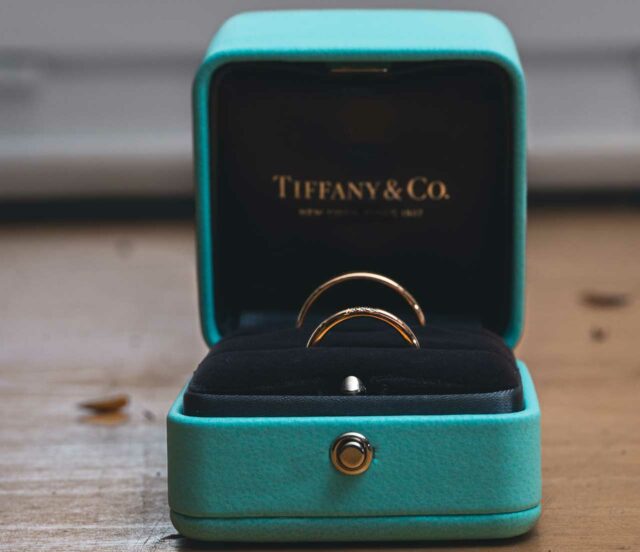
TIFFANY & CO. will open its Fifth Avenue flagship store, what it now calls the Landmark, on April 28, after a three-year renovation. On the eve of the big day, Bloomberg spoke to Anthony Ledru, chief executive officer (CEO) of the American jewelry brand, which is now part of luxury giant LVMH Moët Hennessy Louis Vuitton SE. Among his many goals, he said, is to cater to a more elite clientele and skew the products to a steeper price point. The interview took place on April 21 and has been edited for length and clarity.

Bloomberg: The newly redone store looks amazing. What is your favorite part of the Landmark?

Anthony Ledru: I have two. First, the ground floor; there’s something very generous about it. And very American. The layout is the same as what we had in the 1940s, super inclusive. But when you get in, there is a beautiful skylight that brings light and modernity. And on each side [on digital screens], you have iconic scenes of New York, Central Park.

And my second favorite is the penthouse on the 10th floor, which is the opposite. It’s super exclusive. It’s for maybe one, two, three, maybe zero VIP clients a day.

Bloomberg: In January, Bernard Arnault shared some numbers saying the temporary store was making about $200 million a year. He said the new one will do at least double that. Do you think you’ll reach $400 million in sales? Do you have a date goal for that?

Anthony Ledru: Obviously you would dream of higher numbers. You don’t make these kind of investments not to see an impact. But the obsession is really about brand desirability. What we try to create is a dream. We’re trying to add a really experiential, immersive, and cultural dimension to the project.

It used to be the largest jewelry store in the world. That’s fine. But I think we need to bring a lot more to the table in 2023. And those three dimensions that I mentioned will create the desirability. And that translates into transactions.

It’s a much larger store than before. It literally takes hours to go through it. That’s the reason why there is an experience that is different from one floor to another. The aesthetic approach from our past, which probably made sense in 1920, was consistency. I don’t believe you could realize on which floor you were in the past. It was all the same.

It’s very different today. You get surprised floor by floor. I think some people might spend half the day, they’ll have lunch, breakfast or dinner at the [onsite] Blue Box Cafe by Daniel Boulud.

Bloomberg: In the past there was a reliance on this particular store for 10% of Tiffany’s sales. Do you think that’s likely to increase? Or decline because of your other openings around the world?

Anthony Ledru: It had an extraordinary weight in the past because Tiffany was also extraordinarily North American-centric, perhaps too much so. The strategy of the brand now is really to expand, in Europe in particular. We have a potential in markets where most of our competitors are at the really late stage. And yet when you think about Tiffany, we don’t really have a flagship in Paris today.

Bloomberg: Are you going to build one?

Anthony Ledru: There’s a lot of discussion. For sure we need one or two over there. Potentially we need one that’s more intimate around Place Vendôme and a bigger one around Champs-Élysées, the equivalent of the Fifth Avenue. We’re already there, but we can do much better.

We’re opening one in Milan on Via Monte Napoleone. Today, we’re right behind the Duomo. There’s huge potential. We will also renovate our stores in London. So Europe first will be a big focus of work.

It’s quite extraordinary this year what we’re seeing in the Middle East, too. Dubai Mall, since the store reopening a week ago, has been really impressive. You look at Southeast Asia, it’s the same approach. And of course we have the potential that everybody has in Greater China. We have our Ginza [Tokyo] flagship reopening in July.

Can we still grow in the Americas? I do believe the potential is equally big. We have not invested a lot in the past 10 years in terms of store innovations. That’s the biggest opportunity for us.

Bloomberg: Can you give us a sense of how much the Landmark renovation cost?

Anthony Ledru: No, I cannot, but it’s the largest investment ever made by LVMH on a single store. I think that says a lot.

Bloomberg: Does it reach a billion dollars?

Anthony Ledru: No. Not reaching a billion at all.

Bloomberg: Are there going to be new product lines or new categories that are tied to the store?

Anthony Ledru: We have a few limited, beautiful watches. The push around watches will be on jewelry watches more than anything. There’s one line called Tiffany 57, which will be in the range of $500,000. And then we have a Union Square watch, named after the flagship that we had in the 19th century.

There will be these limited editions, plus new watches next year around the Schlumberger line [named after 20th century Tiffany designer Jean Schlumberger]. We believe there’s something very refined and high end that can be done. Those watches will be around a hundred thousand dollars.

The point is to align the watch business with the jewelry business.

Bloomberg: Since LVMH took over, Tiffany has done collaborations with sportswear brands Supreme and Nike. Some of your European rivals wouldn’t engage in those types of collaborations. Do you think that’s risky?

Anthony Ledru: What’s risky is not to take risk. On one side you have European brands mostly focusing on heritage, and I think it makes sense for them. Then you have fashion brands mostly focusing on modernity. We believe we’re a bit of a mix between the two worlds. When you look at Tiffany, this is the way we’ve been operating for 186 years. On one side it’s the Diamond Kings, Schlumberger, the White House. That’s the heritage part. On the other side, Tiffany has been part of the pop culture. It launched the concept of house designers: Picasso, Peretti. It is really part of our DNA.

When we get criticized, that’s probably a good sign. When you’re referring to Nike, it’s two legendary brands together.

Bloomberg: In the store there’s a lot of contemporary art that’s in Tiffany blue-ish shades, by artists like Basquiat and Daniel Arsham. Last year the dealer Larry Gagosian broke the auction record for an American artist when he bought Andy Warhol’s Sage Shot Blue Marilyn (1964) for $195 million on behalf of an unnamed buyer. When the store opens, will we see that artwork there?

Anthony Ledru: No comment.

Bloomberg: Is Tiffany experiencing a demand slowdown, notably in the US?

Anthony Ledru: Clearly, the world has been slowing down a bit. There were several headwinds in the past 12 months. We’re still in good shape. We believe that the investments that we’re making are for the long term. The Landmark, hopefully, for the next 50 or 100 years pays on the level of investments. You’ll have up and downs in the US. It happened in 2001, 2008. The good news is it always comes back quite quickly in the US.

Bloomberg: Can you tell us a little bit about the VIP services at the Landmark?

Anthony Ledru: It’s a big departure compared to before, since we used to have very few private areas. Now we have generous VIP areas, including the penthouse. It’s close to 8,000 square feet, it’s part of what we call “the diamond on the roof.”

Bloomberg: It seems like with LVMH, the sky’s the limit when it comes to investment in a brand.

Anthony Ledru: I think it’s the big difference between being independent and listed on the stock market. I was at Tiffany pre–acquisition, so I know exactly what was possible and what was not possible. With LVMH, we will have the means to meet our ambition. There is really that long-term view and long-term investment. With the Landmark, you’re going to see the retail transformation that will happen in the next 24 months. When you have these three elements, it’s a game changer: You have more traffic, you have more quality traffic, and you have happier clients that connect and stay longer. — Bloomberg


Inflation makes us all want to dress like the 1%

GWYNETH PALTROW walks into the courtroom before the reading of the verdict during her trial over the 2016 ski collision with Terry Sanderson on March 30, in Park City, Utah, USA. — RICK BOWMER/POOL VIA REUTERS

By Andrea Felsted

INFLATION has come for dopamine dressing.

That’s the message from the catwalks to TikTok. While the “quiet luxury movement,” characterized by minimalism and understated elegance, is a good look for some high-end brands, it’s a trend many others could do without. For the broader fashion industry, a growing penchant for classic rather than cutting-edge means companies must work harder to attract customers, particularly as the economic backdrop darkens.

For a brief period last year, bright pink pantsuits were everywhere — flushing red-carpet celebs, TV news anchors, and wedding guests alike. It was the result of Valentino designer Pierpaolo Piccioli sending hot-pink creations down the catwalk a year ago.

The exuberance captured the consumer zeitgeist. Freed from pandemic restrictions, shoppers threw off their loungewear and embraced proper clothes once more. With people returning to offices and parties, fashion become fashionable again. Maximalism surged. “Dopamine dressing” — getting outfitted to feel as well as look good — took hold.

But with inflation returning, job losses plaguing tech, and turmoil roiling the banking industry, fashion is becoming passé.

Luca Solca, an analyst at Bernstein, examined the looks sent down the catwalks for the forthcoming autumn-winter season. While bold styles, sneakers, and streetwear dominated last year’s spring fashion month, this year saw the return of timeless dressing and more muted colors. Think well-cut basics, such as blazers, pencil skirts, and tailored pants. For men, sneakers are out. Loro Piana cashmere-trimmed desert boots are in.

The “quiet luxury” hashtag has racked up about 60 million view on TikTok. This coincides with the TV show Succession’s takedown of a large Burberry check handbag and Gwyneth Paltrow’s recent restrained courtroom wardrobe. Old-money chic has displaced opulence.

A more understated fashion cycle can be good for luxury because it encourages consumers to trade up and buy fewer, more expensive pieces, luxury adviser Mario Ortelli told me. But it favors some brands more than others.

Those that have long pursued a more refined aesthetic, such as Italy’s Brunello Cucinelli and LVMH Moet Hennessy Louis Vuitton SE’s Loro Piana, are best placed. Sister brand Loewe’s structured bags are lauded on TikTok, while Kering SA’s Saint Laurent is known for its elegant designs.

Other brands will find this era more challenging. Kering’s Gucci is already shifting from the bold maximalism of former creative director Alessandro Michele to a sleeker aesthetic. The rise of quiet luxury makes this transition — under new designer Sabato De Sarno — all the more pressing. Sister label Balenciaga has also ridden the streetwear wave.

Yet all luxury brands will need to pivot from logo-adorned clothing and accessories to new styles and shapes. Luckily, Burberry Group Plc’s new creative director Daniel Lee developed a raft of such hits while at Bottega Veneta. And the trench coat, Burberry’s signature product, has become emblematic of the new mood. Prada, meanwhile, is known for its elevated minimalism, but it has played on its triangle logo to win over Gen Z. It is already de-emphasizing this for fall.

LVMH’s Louis Vuitton and Dior have top-end positioning and stand a good chance of navigating the new reality. But they too must move away from items with their names emblazoned upon them. LVMH Chief Financial Officer Jean-Jacques Guiony said last week that quiet luxury came around from time to time. He was confident the world’s biggest luxury group had a broad enough portfolio of houses and products to accommodate every taste.

Similarly, Hermes International could emphasize its less obvious bags, which have won fans on TikTok. While Hermes’ Birkin and Kelly models have old-money price tags, they have become so well-known that they now risk looking more nouveau riche.

Limited-edition capsule collections, or collaborations, can inject excitement without deviating from the sparser design ethos, although streetwear tie-ups — including LVMH’s decision to appoint Pharrell Williams as Louis Vuitton’s top menswear designer — may now be less effective.

A minimalist cycle is much more difficult for main street retailers, whose cheaper products have a shorter lifespan. Even though it’s often the garish hues that are left on the sale rail at the end of the season, fashion needs a constant stream of new trends to encourage shoppers to buy. Just look at how it benefited from the post-pandemic shift from skinny jeans to wider-legged styles.

To continue to generate sales, retailers’ design teams must make small refinements to the classics. Yet the faster the fashion, the harder it is to accommodate a slower pace of style iterations.

That said, Inditex looks best placed. It owns the more formal Massimo Dutti. Its flagship Zara brand also operates at the more premium end of fast fashion, giving it credibility with fabric and fit, which become more important for plainer styles. It’s a similar picture at H&M Hennes & Mauritz AB’s COS and Arket brands.

In the US, quiet luxury could help to breathe fresh life into J Crew Group and Banana Republic, whose parent, The Gap Inc., is struggling on many fronts and searching for a new chief executive officer.

Of course, there are some dopamine dressing holdouts. Bright pink “Barbiecore” is still going strong, thanks to the forthcoming Margot Robbie film, although it has been eclipsed by quiet luxury over the past month. And much will depend on whether Chinese consumers use pent-up savings to buy logos or more rarefied wardrobes.

All in all, it’s time to consider the pencil skirt and blazer as alternative economic indicators, alongside surging lipstick sales and longer hemlines. In times of anxiety, everyone wants to look and feel like they have old money. — Bloomberg

Style (04/24/23)


Uniqlo releases 5 Peace For All Charity T-Shirt designs

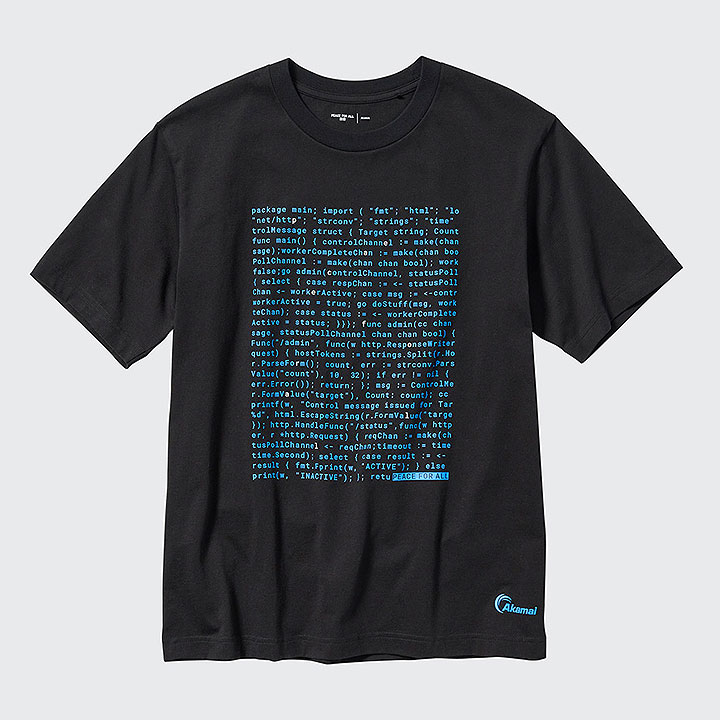
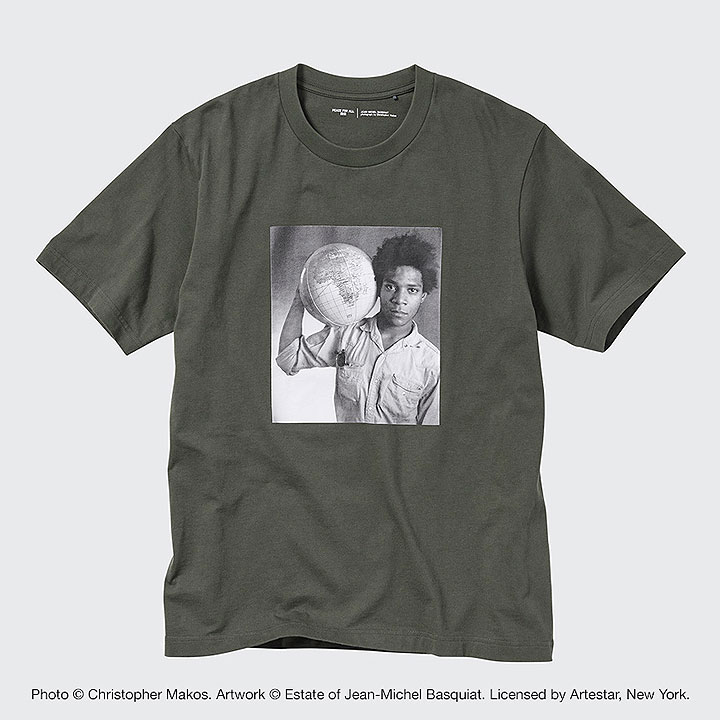
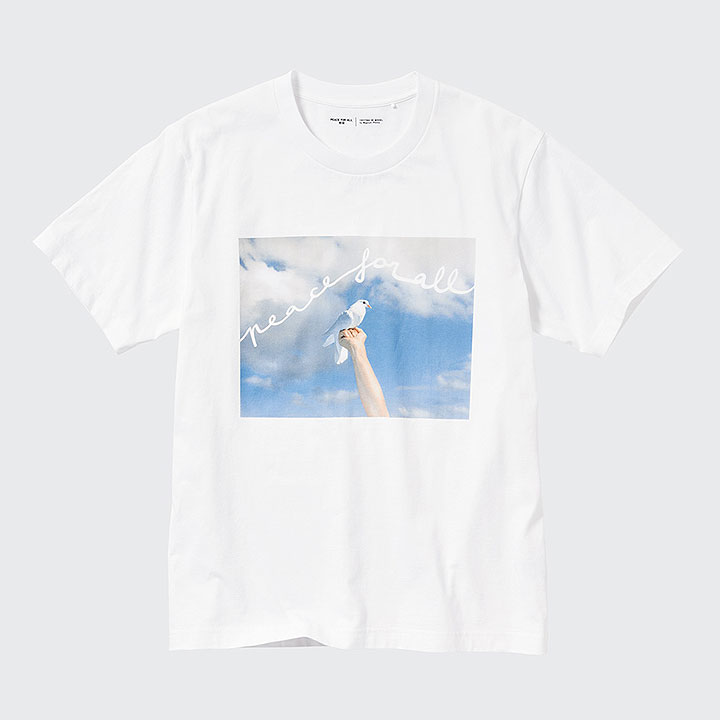
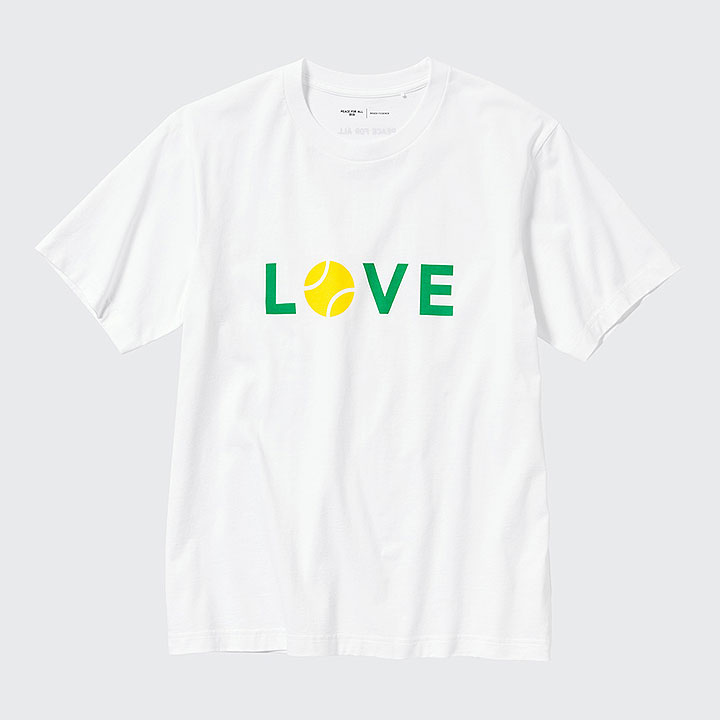
GLOBAL apparel retailer Uniqlo has announced the release of five new T-shirts for the ongoing Peace For All charity project. The latest collection features new graphics designed especially for this project by collaborators including tennis legend Roger Federer, as well as artwork from Miffy creator, the late Dick Bruna. Since the launch of the project in June 2022, a total of more than 1 million Peace For All T-shirts have been sold worldwide. A hundred percent of profits from the sale of these T-shirts are donated to international aid organizations that assist people impacted by poverty, discrimination, violence, and conflict around the world, including UNHCR (the UN refugee agency), Save the Children, and Plan International. So far, over 300 million yen (or more than $2.4 million) has been donated as part of the project. Activities supported by Peace For All donations include the self-reliance projects for Rohingya women refugees in Bangladesh, educational support for displaced Syrian children and vulnerable Lebanese children in North Lebanon, and a campaign to eliminate child early and forced marriage in Vietnam. The new Peace For All designs go for P790 and are available at Uniqlo stores and the online store’s special website  https://www.uniqlo.com/ph/en/contents/feature/peace-for-all/. The five new designs are by professional tennis player Roger Federer, picture book author and graphic designer Dick Bruna, Magnum Photos’ President Cristina de Middel, artist Jean-Michel Basquiat and photographer Christopher Makos, and cloud company Aakamai Technologies. To date the project has featured designs from 30 collaborators.


Merrell’s most sustainable hiking shoe

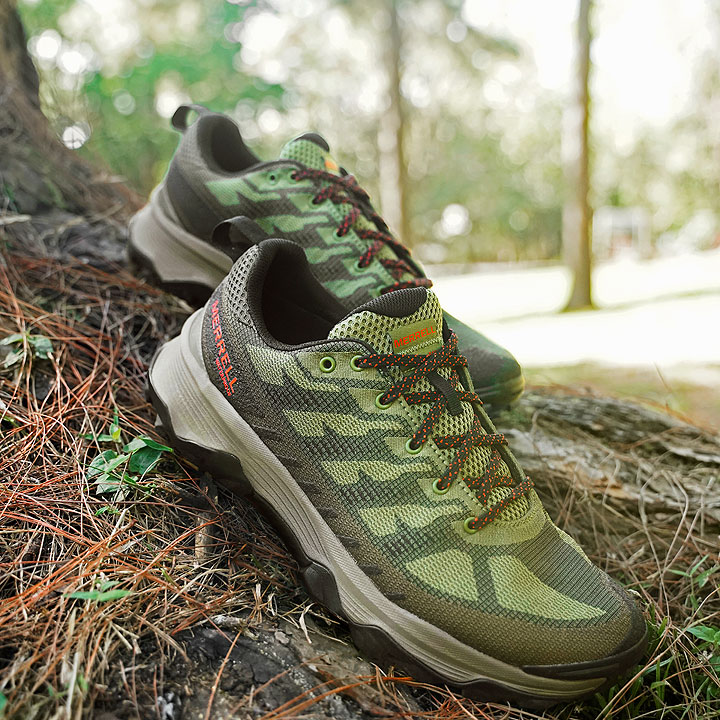
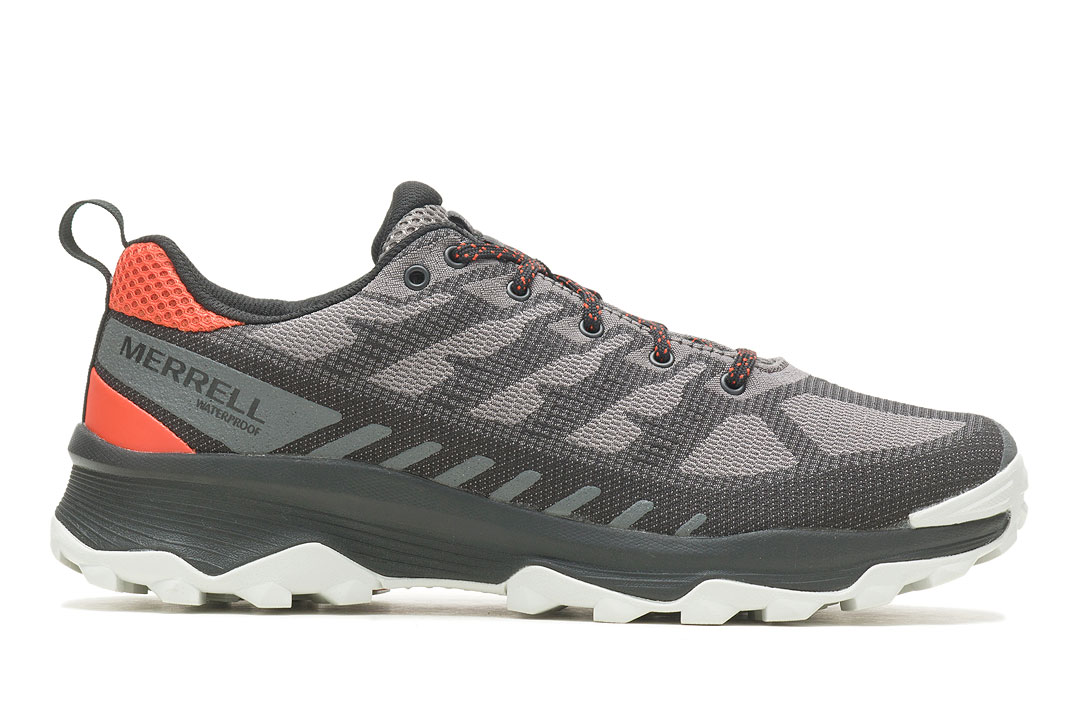
OUTDOOR lifestyle and footwear brand Merrell recently launched the Speed Eco, the most sustainable and eco-friendly hiking shoe the brand has ever released. It features 100% recycled laces and webbing, 100% recycled breathable mesh lining, 100% recycled mesh footbed cover, an upper made 77% from recycled Jacquard, a 50% recycled EVA footbed and recycled rubber outsole, making The Speed Eco Merrell’s most recycled shoe to date. Boasting a sleek and stylish silhouette, the Speed Eco combines the functionality of a traditional hiking boot and the ease and versatility of a sneaker. Available in three colorways — Avocado/Kangaroo, Charcoal/Tangerine, and Black/Asphalt, the Speed Eco redefines what a hiking shoe should look like. More than its aesthetics, the Speed Eco has a lightweight EVA foam midsole for stability and comfort. Moreover, the waterproof version features a membrane that seals out water and lets moisture escape for a worry-free trail experience. The Speed Eco collection in all Merrell concept stores and online at their official webstore www.merrell.com.ph, and through their official Viber community.


Paseo Outlet summer style

THE PASEO Outlets at Greenfield City carries a variety of brands for up to 80% off, offering everything needed for a summer getaway all in one place. At the American Eagle Outfitters Outlet are outfits perfect for a casual day out. At the Bench Depot, there are a variety of summer essentials including Kashieca pieces for feminine styles along with Cotton On’s more playful and colorful looks. Those looking for something more luxe can check out 158 Designer’s Blvd. and F&F for luxury brands at discounted prices. Brandsmart is a trove of trendy OOTDs from Zara, Pull&Bear, Massimo Dutti, and more. The Outlet is the go-to store for classic, timeless pieces that never go out of style from Gap, Banana Republic, and Old Navy. Get a denim fix from the Levi’s Factory Outlet and complete a summer look with the latest pairs from the Crocs outlet. Those looking to hit the beach can go to the only Speedo outlet in the country, while the Oakley Vault and Sunglass Have carry sunglasses from Ray-Ban, Oakley, Prada, Dolce & Gabbana, Dior, Carrera, Fendi, and Hugo Boss, to name a few. The adidas outlet, Nike Factory Store, Under Armour Outlet, and Park Outlet carry a wide selection of athletic wear, shoes, and accessories. Other outlet stores at The Paseo Outlets are Fusion Outlet (Sperry, Keds, Saucony, Merrell), Giordano Outlet, Marks & Spencer Outlet, Payless Shoesource, Timberland Outlet, west elm Outlet, the Pottery Barn Outlet, and the Samsonite Outlet. The Paseo Outlets is located along Tagaytay Balibago Road, Greenfield City, Sta. Rosa, Laguna. To learn more, visit its website, Facebook, Instagram, and Viber Community.


Montblanc presents Vincent van Gogh collection

MONTBLANC introduces a new collection dedicated to the artistry and skill of history’s great artists, with its first edition celebrating the unique genius of Vincent van Gogh. The new Montblanc Masters of Art Collection honors the contribution of great artists in their quest for perfection in art. This collection comes as the successor of the Montblanc Patron of Art collection, concluding after 30 years as Montblanc moves the focus from the patrons of art to the masters themselves. Montblanc is dedicating this series of limited editions to a variety of visual artists, whose work encompasses a broad range of disciplines, from painting and sculpture to design and architecture, covering different epochs like the Renaissance, the Baroque era, and beyond. The Montblanc Masters of Art collection’s first edition pays tribute to Dutch painter Vincent van Gogh through five limited edition writing instruments that pay homage to the various personal and artistic periods in the painter’s life, taking design inspiration from some of his most well-known works and idiosyncratic art style. Montblanc is cooperating with the Van Gogh Museum in Amsterdam to ensure that the Masters of Art Homage to Vincent van Gogh Limited Editions align with the museum’s insight into his work and life. Accompanying the Limited Editions writing instruments is a fine stationery that takes its outer design from the sun-filled landscape of Wheatfield with a Reaper which is created by a 3D print to recall Van Gogh’s impasto technique. A notebook’s cover is also adorned with Van Gogh’s signature. Meanwhile, the soothing turquoise of his work Almond Blossom has inspired the Montblanc ink in shade Turquoise. The collection is complete with the addition of cufflinks, crafted in stainless steel, blue lacquer and sapphire glass that reflects the skies often seen in Van Gogh’s work. Montblanc Masters of Art Homage to Vincent van Gogh Limited Edition, in collaboration with the Van Gogh Museum in Amsterdam, is available from April 2023 at Montblanc boutiques and online.


Muji Philippines turns six

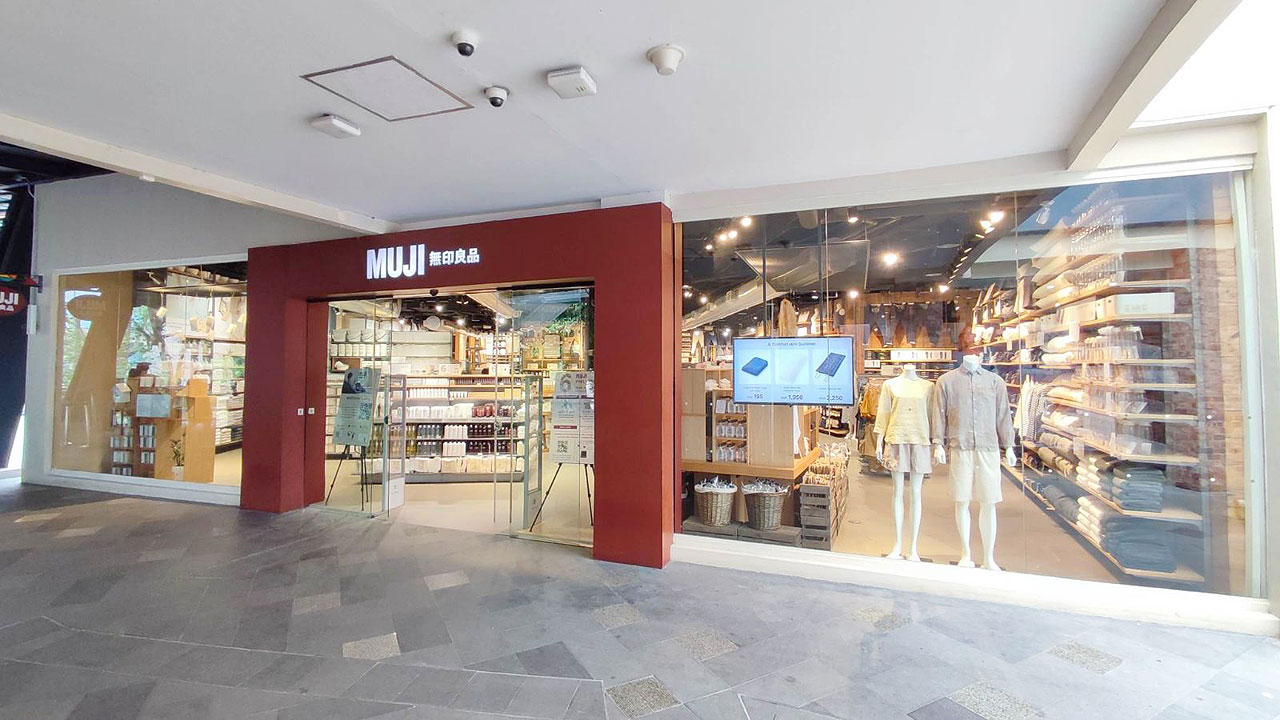
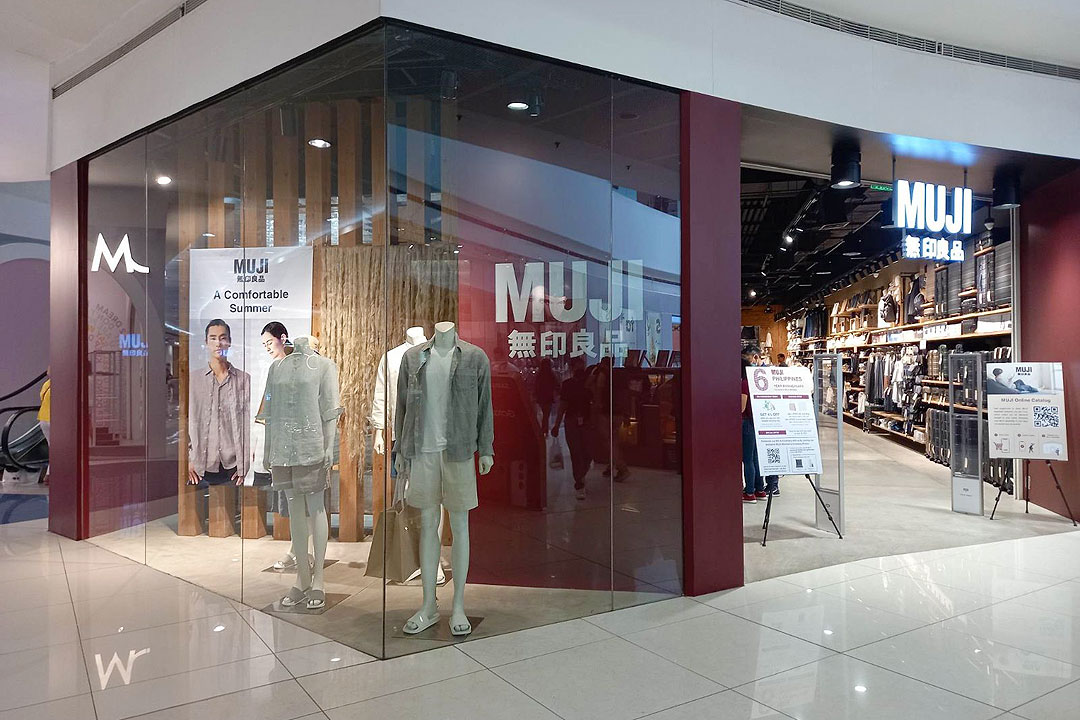
JAPANESE lifestyle brand Muji is celebrating its 6th anniversary with a series of activities and promotions during April. Muji is kicking off the celebration with a raffle. The brand will be giving away 60 Muji bundle sets and six grand prizes to existing and new Muji members through a raffle draw. Sixty-six winners will be given Muji daily essentials. Joining the raffle is free. Participants only need to be a Muji member and register at any time until April 30 at https://woobox.com/2omqp5 to get a chance to win. To become a Muji member, signing up is easy and free at https://woobox.com/vhqgji. Muji members get exclusive promotions and the latest updates. The announcement of weekly winners will be posted on Muji’s social media pages. Now ongoing, all Muji members can enjoy two new rewards when they shop in the store (terms and conditions apply): First, they get a 2% discount when they use their own reusable shopping bag. This special Muji member perk is valid in Muji stores only. For the anniversary, this special perk doubles up to 4% discount until April 30. Second, get free base shipping fee with a minimum purchase of P1,000 when shopping through the Online Catalog at mujiph.com. In the Philippines, Muji has branches at Greenbelt 3, Central Square in BGC, Power Plant Mall at Rockwell, Shangri-La Plaza East Wing, and SM Mall of Asia.


One-stop spa, beauty center, and party place

ALPINA Lounge and Wellness, a one-stop destination for beauty, well-being and refreshments at Uptown Parade in Taguig City, offers premium services of eyelash extensions, nail art and nail extensions, relaxing and therapeutic massages, and lasers for hair removal and whitening. It is also getting to be known for intimate spa parties with a house DJ. Alpina can hold parties till 2 a.m. While it has a license to offer alcohol and spirits, its unique proposition is the range of gourmet coffees prepared by the in-house barista. Alpina’s concept was developed by the owner, Kathryna Yu-Pimentel, who not only has background in hospitality but is also a spa aficionado. She enlisted the expertise of her sister and managing partner Stephanie Yu-Chua and Maria Zhukova, both of whom ran a popular salon for nails and eyebrows. The in-house physician, Dr. Sharae Chua, guides patients on proper nutrition based on blood tests and also performs aesthetic rocedures. Alpina’s lash technicians execute lash mapping, a visual guide to determining where to place the longest, thickest or curliest eyelash extensions on the eyes to produce a natural but dramatic effect.  The eyelash extensions last for three weeks. Women have been queuing up for their nail art, be they graphic designs or rhinestones and Swarovski crystals for bling. For the less adventurous, nail extensions are popular with clients with short or chipped nails who want long and sturdy tips. Alpina uses Polygel, a brand of nail extensions, and soft gel nail tips that don’t have to odor of their acrylic counterpart. Come May, Maria Zhukova, a Russian expert on eyebrows will be offering her services for semi-permanent makeup and making brows fuller and shapelier. Men can likewise avail of the services including traditional hilot, Ventosa cup, Swedish massage, deep tissue massage. For inquiries and bookings, contact 0917-800 0159.


Zalora slashes carbon footprint by one-third

ASIAN fashion and lifestyle e-commerce platform Zalora, and part of Global Fashion Group (GFG), announced a 33% reduction in its overall carbon footprint in 2022, relative to its 2019 baseline. This comes alongside a series of other achievements across key areas of impact: offset of Zalora’s electricity consumption for 2022 with renewable energy certificates; delivery of over 180,000 Zalora parcels across the region through low-carbon logistics, and expansion of low-emission methods to provide “Same Day Green Delivery”; 5,655 kilos of waste collected and donations sorted, and a total of 392 hours of community engagement across 100 employees in four Zalora markets for the Q1 of 2023 — contributing to GFG’s wider goal of spending 20,000 employee hours on community engagement by 2030. Zalora’s community partners include World Cleanup Day Indonesia, Save Philippine Seas, National Environment Agency (Singapore), and The Salvation Army (Malaysia). There has been 9% growth in assortment share of low impact products on Zalora’s platform in 2022 from the previous year. Currently, it carries over 160,000 items under its Earth Edit category. Over the last year, it has also made strides in transitioning to lower impact materials in its operations and packaging by using 80% recycled plastic in mailers, 100% FSC-certified boxes, and replacing bubble wrap with 100% FSC-certified honeycomb and paper fillers.  Zalora’s sustainability initiatives are part of GFG’s 2030 sustainability strategy, which works through three strategic pillars: Climate Action, Circularity & Conscious Consumption, and Fair & Ethical Sourcing. To learn more about GFG’s sustainability strategy and the full list of targets, and to view the full 2022 People & Planet Positive report, visit https://global-fashion-group.com/sustainability.

ADVERTISEMENT
ADVERTISEMENT