Home Blog Page 1964

Philippines exits global watchdog’s dirty money ‘gray list’

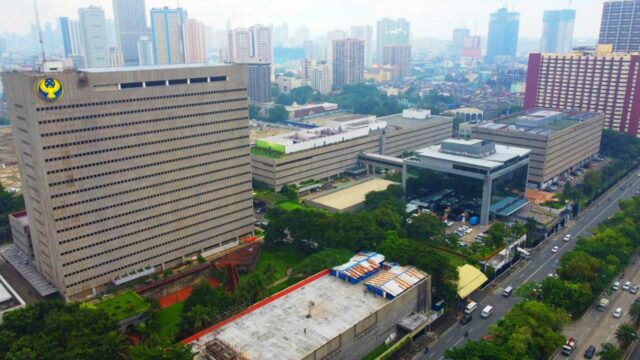
The Central Business District in Makati City, the Philippines. — VEEJAY VILLAFRANCA/BLOOMBERG

The Philippines has been taken off a global watchdog’s dirty-money list, a move that could spur remittances and foreign investments in one of Asia’s fastest-growing economies.

The Paris-based Financial Action Task Force said on Friday that the Southeast Asian country is no longer on the list of nations under increased monitoring after a government push to step up efforts to counter money laundering and terrorist financing.

Bloomberg News reported earlier this month that the FATF was poised to make the move.

The removal from the so-called gray list should make it easier and cheaper for Filipinos working overseas to send money home — a key driver of domestic consumption — and may boost investments in a country where monthly inflows dropped 20% from a year ago in November.

The Philippines was the only country removed from the list, and the potential boost comes at a time of global uncertainty arising from US policies under President Donald Trump and Manila’s mounting tensions with Beijing in the South China Sea. Separately, Laos and Nepal were added to the FATF’s gray list.

A study by the International Monetary Fund found that gray-listings result in a “large and statistically significant reduction in capital inflows.”

The Philippines landed on the gray list in June 2021 after the FATF cited shortcomings in the nation’s efforts to fight illicit financial flows. The rise of offshore gaming operators across the country drew particular scrutiny.

The Philippines’ Anti-Money Laundering Council said that since its inclusion in the gray list the country has implemented key regulatory and operational reforms to mitigate dirty-money risks.

“These reforms have led to a marked improvement in the development and application of financial intelligence, enhanced financial investigative capabilities among law enforcement agencies, and a significant increase in money laundering investigations and prosecutions,” the council said in an emailed response to a query ahead of the FATF decision. — Bloomberg

Pope Francis in critical condition after health deteriorates, Vatican says

POPE FRANCIS smells a rose that was given to him by a faithful during the weekly general audience inside the Paul VI Audience Hall at the Vatican, Feb. 12, 2025. — REUTERS

VATICAN CITY — The Vatican said on Saturday that Pope Francis’ health had deteriorated over the past 24 hours and for the first time described his condition as “critical”, reporting he had needed supplemental oxygen and blood transfusions.

The pope was admitted to Rome’s Gemelli hospital on February 14 after experiencing difficulty breathing for several days, and was subsequently diagnosed with pneumonia in both lungs.

In a statement on Saturday evening, the Vatican said the 88-year-old Francis had suffered a “prolonged asthma-like respiratory crisis” during the morning that had required the administration of “high-flow oxygen”.

“The Holy Father’s condition remains critical,” the statement said. “The Pope is not out of danger.”

It added: “The Holy Father remains alert and has spent the day in a chair, though he is suffering more than yesterday. At the moment, the prognosis remains guarded.”

Besides the additional oxygen, the Vatican said he had also needed blood transfusions because tests showed he had a low platelet count, which is associated with anaemia.

A US-based doctor said the Gemelli team was probably using the transfusions to raise the pope’s levels of both red blood cells and platelets, which are small cell fragments in the blood that help form clots and stop or prevent bleeding.

Dr. Andrea Vicini, a Jesuit priest and professor at Boston College, stressed he only knew of the pope’s case through the Vatican’s public statements. “It seems it is under control, but his body is showing signs of difficulty to overcome (the) situation,” he said.

OUT OF SIGHT
The Vatican announced earlier on Saturday that the pope would not appear in public on Sunday to lead prayer with pilgrims, the second consecutive week he will have missed the event.

It is believed to be the first time he has missed two consecutive Angelus prayers for health reasons. After undergoing intestinal surgery in 2021, he led the Angelus just one week later, and skipped one public Sunday prayer in 2023 following another operation.

Double pneumonia is a serious infection that can inflame and scar both lungs, making it difficult to breathe. The Vatican has described the pope’s infection as “complex,” saying it is being caused by two or more micro-organisms.

In a briefing on Friday, two of his doctors said the pope was highly vulnerable due to his age and frailty.

Dr. Sergio Alfieri, a senior member of the Gemelli staff, said there was a risk the lung infection could spread to his bloodstream and develop into sepsis, which “could be very difficult to overcome”.

Francis, who has been pope since 2013, has suffered bouts of ill health in the past two years. He is particularly prone to lung infections because he developed pleurisy as a young adult and had part of one lung removed. — Reuters

Philippine central bank cuts reserve requirements further

BANGKO SENTRAL NG PILIPINAS

MANILA – The Philippine central bank on Friday said it was reducing the reserve requirement ratio (RRR) for banks by 200 basis points from late March.

The reduction will bring the reserve requirement for universal and commercial banks down to 5% and will take effect in the week of March 28, the Bangko Sentral ng Pilipinas said in a statement.

The reserve requirements for digital and thrift banks will fall by 150 bps and 100 bps, respectively, on the same date.

The announcement comes after the BSP last week unexpectedly kept interest rates steady at a policy review. At the time, Governor Eli Remolona said the BSP would likely further trim the reserve requirements for banks but the timing was uncertain.

The BSP last cut RRRs in September by 250 basis to 7%.

“The BSP reiterates its long-run goal of enabling banks to channel their funds more effectively toward productive loans and investments. Reducing RRRs will lessen frictions that hinder financial intermediation,” the central bank said. – Reuters

Bridging financial gaps: Global Dominion’s support for women entrepreneurs

By Sarah Tabing

Women entrepreneurs fuel innovation, create jobs, and drive economic growth. At Global Dominion, we empower women-led SMEs and MSMEs by providing accessible financing solutions to help them expand, invest, and sustain their businesses.

In the Philippines, women-led businesses continue to rise, demonstrating resilience, creativity, and leadership across industries such as retail, services, manufacturing, and logistics. Despite challenges like limited access to capital and resources, they thrive and make significant contributions to both local and national economies.

According to a 2024 article by the Philippine Commission on Women, more than half of women-owned MSMEs perceive access to finance as a significant challenge, compared to only one-third of men-owned MSMEs.

Additionally, a 2024 report by the Philippine Business Coalition for Women Empowerment (PBCWE) highlights that women now comprise 40% of executive leadership teams in publicly listed companies in the Philippines, with the number of female CEOs gradually increasing. These findings underscore the critical role of women entrepreneurs in the country’s economic landscape and the ongoing efforts to promote gender equality in business leadership.

At Global Dominion, we are committed to supporting these businesses through customized financing solutions that meet their evolving needs. Our loan products—such as Sangla OR/CR (Car and Truck), Second-Hand Car and Truck Financing, Brand-New Car Financing, Real Estate Mortgage, Real Estate Financing, and Doctors’ Loan—offer flexible options to help businesses secure capital, scale operations, and invest in their future.

As of 2024, about 25% of Global Dominion’s financed portfolio consists of women-led businesses, reinforcing our commitment to empowering female entrepreneurs and promoting inclusive economic growth. By bridging financial gaps and providing tailored solutions, we help businesses overcome barriers and achieve long-term success.

At Global Dominion, we remain steadfast in our mission to support women in business by offering financial tools, resources, and opportunities to help them thrive. As more women explore financing options, we stand ready to turn their business aspirations into reality.


Spotlight is BusinessWorld’s sponsored section that allows advertisers to amplify their brand and connect with BusinessWorld’s audience by publishing their stories on the BusinessWorld Web site. For more information, send an email to online@bworldonline.com.

Join us on Viber at https://bit.ly/3hv6bLA to get more updates and subscribe to BusinessWorld’s titles and get exclusive content through www.bworld-x.com.

China military drove away Philippine aircraft near Spratly Islands

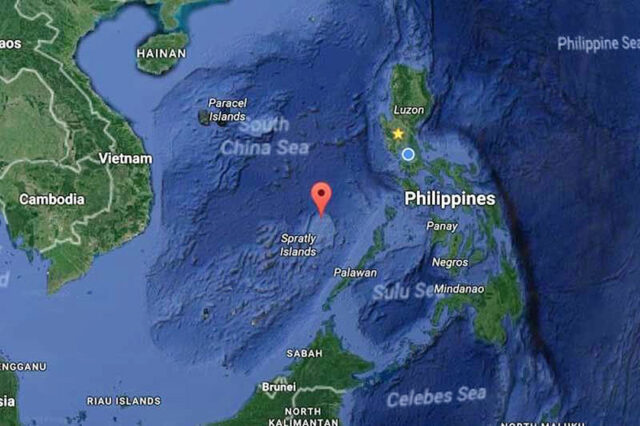
PHOTO FROM GOOGLE MAP
BEIJING, Feb 21 (Reuters) – China’s military said it warned and drove away three Philippine aircraft that “illegally intruded” into the airspace near the Spratly Islands on Thursday.
There was no immediate comment from the Philippine embassy in Beijing on the Chinese military’s statement issued on Friday.
China’s Southern Theatre Command accused the Philippine side of attempting to “peddle its illegal claims” through provocation, and warned that the “clumsy manoeuvre is doomed to failure”.
China claims sovereignty over almost the entire South China Sea, a vital waterway for more than $3 trillion of annual ship-borne commerce, putting it at odds with Brunei, Indonesia, Malaysia, the Philippines, and Vietnam.
A 2016 arbitration ruling invalidated China’s expansive claim but Beijing does not recognize the decision.
On Thursday, the Philippines said its coast guard and fisheries bureau had jointly carried out a maritime domain awareness flight over the Kalayaan Islands, the Philippine name for Spratly Islands.
The mission was to assert the Philippines’ sovereignty, sovereign rights, and maritime jurisdiction in the West Philippine Sea, it said. More than 50 Chinese maritime militia vessels and a Chinese coast guard ship were spotted during the exercise.
It was not immediately clear if that mission, which deployed two aircraft, was the one Chinese military said it responded to.
The latest confrontation comes after Philippine coast guard accused the Chinese navy of performing dangerous flight maneuvers earlier this week when it flew close to a government aircraft patrolling the contested Scarborough Shoal in the South China Sea.
Beijing disputed that account. – Reuters

South Korea seeks exemption from Trump tariffs

STOCK PHOTO | Image by Russian Aluminium Association from Pixabay

 – South Korean officials have requested an exemption from U.S. reciprocal, steel and aluminum tariffs during their visit this week to Washington, the industry ministry said in a statement on Friday.

Deputy Minister Park Jong-won, who led the first major South Korean government delegation to visit Washington since U.S. President Donald Trump announced sweeping tariffs, argued that almost all tariffs between the two countries have already been eliminated under their free trade agreement.

As a major global exporter and top trading partner with the United States, South Korea has viewed Trump’s measures with increasing concern.

Mr. Park highlighted investments in the United States by South Korean companies and proposed holding high-level meetings with the Trump administration to discuss further cooperation, the ministry said.

He also met with members of Congress and pressed them to maintain incentives for South Korean companies to operate in the United States.

“In the future, the government will continue to consult at a high level on U.S. trade and trade measures, and will respond to minimize damage to Korean companies through close communication with the industry,” the ministry’s statement said.

South Korea’s Acting President Choi Sang-mok said last week the country had invested more than any other in the United States in the past two years and that should allow it to negotiate with the Trump administration on tariffs.

On Friday, Mr. Choi ordered authorities to reach out to the U.S. more actively to seek cooperation and monitor response measures being taken by others, such as the European Union, Japan and China.

Japan has asked Washington to exclude it from steel and aluminum tariffs, while China has responded to U.S. measures with retaliatory tariffs. The EU said this week it was ready to discuss trade deals and lower tariffs.

“Given their substantial role in supporting US economic objectives, we think Korea and Japan are in a strong position to seek tariff exemptions,” Standard Chartered economists said in note, citing more than 20,000 U.S. jobs South Korea contributed in 2023, more than any other country.

Seoul’s responses to the Trump administration’s moves have been complicated by a political crisis sparked when President Yoon Suk Yeol briefly imposed martial law in December.

South Korea’s industry minister on Friday met with the acting U.S. ambassador in Seoul and said policies affecting trade and investment between the two countries should remain consistent and stable.

A delegation representing 20 South Korean companies also travelled to the U.S. this week to meet policymakers.

Mr. Choi, who took over after both Mr. Yoon and the prime minister were impeached, has yet to speak directly with Mr. Trump. – Reuters

Trump pulls US out of key global climate assessment, sources say

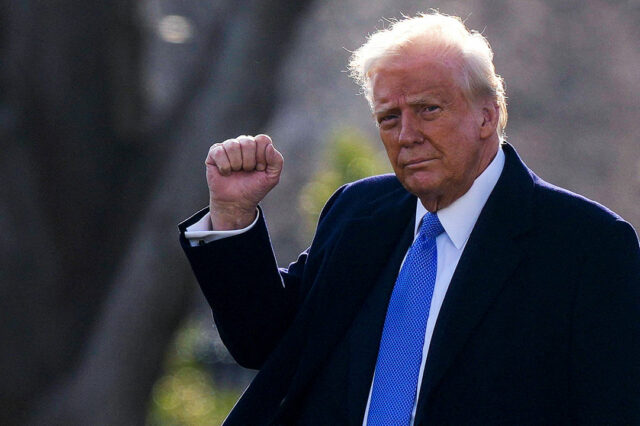
US PRESIDENT Donald Trump gestures as he walks to board Marine One, during his departure for Palm Beach, Florida from the South Lawn of the White House in Washington, US on Feb. 7, 2025. — REUTERS

 – The Trump administration has halted the participation of U.S. scientists in key U.N. climate change assessments, two sources familiar with the situation told Reuters, part of its broader withdrawal from climate change mitigation efforts and multilateral cooperation.

The stop-work order affects staff members of the U.S. Global Change Research Program and the National Oceanic and Atmospheric Administration who engage with a key working group of the Intergovernmental Panel on Climate Change.

It means the U.S. will not attend a major IPCC plenary meeting in Hangzhou, China, next week, to plan the seventh global climate assessment, said one of the sources.

The White House declined to comment and the State Department did not respond to a request for comment.

“The power of the IPCC is that governments, businesses and global institutions can operate with shared conclusions. The U.S. being completely removed from that process is concerning,” said Delta Merner of the Union of Concerned Scientists.

While American scientists will be in attendance and continue to work on climate research used by the IPCC, the absence of the U.S. in the IPCC process will be felt.

The Hangzhou meeting from 24-28 February is expected to make a few key decisions that will shape the outcomes of the next climate assessment, including around the role of carbon removal and capture technology.

China’s foreign ministry said on Thursday it was unaware of the withdrawal of U.S. participants.

The U.S. is a co-chair along with Malaysia of a working group on climate mitigation, or ways to reduce greenhouse gas emissions.

The U.S. had also pledged around $1.5 million to support the IPCC, though that money had not yet been appropriated by Congress.

Withdrawal of the U.S. from the IPCC does not come as a surprise to climate scientists, given President Donald Trump’s moves to withdraw the U.S. again from the Paris climate agreement, claw back U.S. global climate finance and sever international partnerships on climate.

“This would align with Trump’s signals around climate action,” said Kathryn Bowen, a professor at Melbourne University and a lead author on the IPCC’s sixth assessment report published last year.

She said the loss of federal support comes at a time of reduced funding for climate science globally.

“Unfortunately there has been a slow reduction of funding support for authors in the IPCC process in the last few years,” Bowen said. “High-income countries are looked upon as important sources of funding for colleagues from the Global South.” – Reuters

Deepfakes can ruin lives and livelihoods – would owning the ‘rights’ to our own faces and voices help?

STOCK PHOTO | Image by stokpic from Pixabay

by Graeme Austin, Chair of Private Law, Te Herenga Waka — Victoria University of Wellington, and Jane C Ginsburg, Professor of Literary and Artistic Property Law, Columbia University


Not that long ago, the term “deepfake” wasn’t in most people’s vocabularies. Now, it is not only commonplace, but is also the focus of intense legal scrutiny around the world.

Known in legal documents as “digital replicas”, deepfakes are created by artificial intelligence (AI) to simulate the visual and vocal appearance of real people, living or dead.

Unregulated, they can do a lot of damage, including financial fraud (already a problem in New Zealand), political disinformation, fake news, and the creation and dissemination of AI-generated pornography and child sexual abuse material.

STOCK IMAGE | Image by 愚木混株 Cdd20 from Pixabay

For professional performers and entertainers, the proliferation and increasing sophistication of deepfake technology could demolish their ability to control and derive income from their images and voices.

And deepfakes might soon take away jobs: why employ a professional actor when a digital replica will do?

One possible solution to this involves giving individuals the ability to enforce intellectual property (IP) rights to their own image and voice. The United States is currently debating such a move, and New Zealand lawmakers should be watching closely.

Remedies already being discussed in New Zealand include extending prohibitions in the Harmful Digital Communications Act to cover digital replicas that do not depict a victim’s actual body.

Using (or amending) the Crimes Act, the Fair Trading Act and the Electoral Act would also be helpful.

At the same time, there will be political pressure to ensure regulation does not stymie investment in AI technologies – a concern raised in a 2024 cabinet paper.

Legislation introduced to the US Congress last year – the Nurture Originals, Foster Art, and Keep Entertainment Safe Bill – proposes a new federal intellectual property right that individual victims can use against creators and disseminators of deepfakes.

Known informally as the “No Fakes Bill”, the legislation has bipartisan and industry support, including from leading entertainment worker unions. The US Copyright Office examined the current state of US law and concluded that enforceable rights were “urgently needed”.

From the New Zealand perspective, the No Fakes Bill contains both helpful ideas and possible pitfalls. As we discuss in a forthcoming paper, its innovations include expanding IP protections to “everyday” individuals – not just celebrities.

All individuals would have the right to seek damages and injunctions against unlicensed digital replicas, whether they’re in video games, pornographic videos, TikTok posts or remakes of movies and television shows.

But these protections may prove illusory because the threshold for protection is so high. The digital replica must be “readily identifiable as the voice or visual likeness of an individual”, but it’s not clear how identifiable the individual victim of a deepfake needs to be.

Well known New Zealand actors such as Anna Paquin and Cliff Curtis would certainly qualify. But would a New Zealand version of the bill protect an everyday person, “readily identifiable” only to family, friends and workmates?

Under the US bill, the new IP rights can be licensed. The bill does not ban deepfakes altogether, but gives individuals more control over the use of their likenesses. An actor could, for example, license an advertising company to make a digital replica to appear in a television commercial.

Licenses must be in writing and signed, and the permitted uses must be specified. For living individuals, this can last only ten years.

So far, so good. But New Zealand policy analysts should look carefully at the scope of any licensing provisions. The proposed IP right is “licensable in whole or in part”. Depending on courts’ interpretation of “in whole”, individuals could unknowingly sign away all uses of their images and voice.

The No Fakes Bill is also silent on the reputational interests of individuals who license others to use their digital replicas.

Suppose a performing artist licensed their digital replica for use in AI-generated musical performances. They should not, for example, have to put up with being depicted singing a white supremacist anthem, or other unsanctioned uses that would impugn their dignity and standing.

On the other side of the ledger, the No Fakes Bill contains freedom of expression safeguards for good faith commentary, criticism, scholarship, satire and parody.

The bill also protects internet service providers (ISPs) from liability if they quickly remove “all instances” of infringing material once notified about it.

This is useful language that might be adopted in any New Zealand legislation. Also, the parody and satire defense would be an advance on New Zealand’s copyright law, which currently contains no equivalent exception.

But the US bill contains no measures empowering victims to require ISPs to block local subscribers’ access to online locations that peddle in deepfakes. Known as “site-blocking orders”, these injunctions are available in at least 50 countries, including Australia. But New Zealand and the US remain holdouts.

For individual victims of deepfakes circulating on foreign websites that are accessible in New Zealand, site-blocking orders could offer the only practical relief.

The No Fakes Bill is by no means a perfect or comprehensive solution to the deepfakes problem. Many different weapons will be needed in the legal and policy armory – including obligations to disclose when digital replicas are used.

Even so, creating an IP right could be a useful addition to a suite of measures aimed at reducing the economic, reputational and emotional harms deepfakes can inflict. – Reuters

Block’s profit misses estimate as holiday spending, bitcoin gains fall short

KANCHANARA-UNSPLASH

Block’s fourth-quarter profit fell short of estimates as spending growth during the holiday season and gains from a post-election surge in bitcoin lagged expectations, sending the payment firm’s shares down 8% in extended trading on Thursday.

While a robust labor market and steady wage growth have supported consumer spending – bolstered further by holiday travel and retail splurges – uncertainty surrounding trade policy under a new administration and the Federal Reserve’s rate cuts has kept sentiment in check.

Block’s results come on the same day that retail giant Walmart WMT.N fueled concerns over consumer spending with a sales and profit forecast for the current year that fell short of Wall Street estimates.

Block CEO Jack Dorsey, however, emphasized the payments company’s attempts to streamline operations and said investing in artificial intelligence tools was a top priority.

“Our number one initiative on our strategic roadmap … is to invest heavily in building applied AI tools to remove the toil of mechanical tasks,” he said.

The company reported a profit of 71 cents per share, excluding one-time costs. Analysts had expected a figure of 87 cents per share, according to estimates compiled by LSEG.

Its transaction-based revenue was $1.68 billion, compared with the expectations of $1.70 billion. Bitcoin revenue of $2.43 billion also missed estimates of $2.62 billion.

Block facilitates bitcoin purchases on its platform by acquiring the cryptocurrency through private broker dealers and reselling it at a small premium.

Founded in 2009 as Square before rebranding in 2021, the company is expanding into crypto mining while also deepening its presence in the buy now, pay later market. – Reuters

Trump can continue mass firings despite disruption and chaos, US judge rules

RAWPIXEL

The Trump administration can continue its mass firings of federal employees for now, a federal judge ruled on Thursday, rejecting a bid by a group of labor unions to halt President Donald Trump’s dramatic downsizing of the roughly 2.3 million-strong federal workforce.

U.S. District Judge Christopher Cooper in Washington, D.C., said Mr. Trump’s onslaught of executive actions in his first month in office have caused “disruption and even chaos in widespread quarters of American society.” But he said he likely lacks the power to decide whether the firing of tens of thousands of government workers is lawful.

The unions are instead likely required to file complaints with the Federal Labor Relations Authority, which hears disputes between federal agencies and unions that represent their workers, Mr. Cooper said. Mr. Trump last week fired the Democratic chair of the three-member panel, who has filed a lawsuit seeking to be reinstated.

“Federal district judges are duty-bound to decide legal issues based on even-handed application of law and precedent — no matter the identity of the litigants or, regrettably at times, the consequences of their rulings for average people,” the judge wrote.

Mr. Cooper declined to block the mass firings while the litigation plays out, a win for the Trump administration as it seeks to purge the federal workforce and slash what it deems wasteful and fraudulent government spending.

The White House and the U.S. Department of Justice did not immediately respond to requests for comment.

Doreen Greenwald, president of the National Treasury Employees Union, called the decision a temporary setback and said the union would continue pursuing its legal challenge.

“There is no doubt that the administration’s actions are an illegal end-run on Congress, which has the sole power to create and oversee federal agencies and their important missions,” Ms. Greenwald said in a statement.

The treasury union and four others sued last week seeking to block eight agencies from firing thousands of federal workers and granting buyouts to employees who quit voluntarily. The agencies include the Department of Defense, Department of Health and Human Services, Consumer Financial Protection Bureau, and Department of Veterans Affairs.

Mr. ruling is the latest setback for unions that have turned to courts to block Mr. Trump’s sweeping and unprecedented efforts to shrink the federal bureaucracy. At least two judges have ruled that unions lacked legal standing to challenge mass firings and other Trump administration initiatives because they could not show they were directly harmed by them.


DOGE ACTIONS

Mr. Trump tapped Tesla CEO Elon Musk to lead a new Department of Government Efficiency, or DOGE, which has swept through federal agencies slashing thousands of jobs and dismantling federal programs since Mr. Trump became president last month. Mr. Trump also ordered federal agencies to work closely with DOGE to identify federal employees who could be laid off.

Terminations of workers across the federal government began last week, primarily targeting recently hired employees still on probation, at agencies such as the Internal Revenue Service, Department of Education, the Small Business Administration, the General Services Administration, and others.

The unions said in their lawsuit that White House efforts, including through DOGE, to shrink the federal workforce violate separation of powers principles by undermining Congress’ authority to fund federal agencies.

The unions said that unless the court intervenes, they will be irreparably harmed by lost revenue from dues-paying members who were either fired or retired early to take buyouts.

Most civil service employees can be fired legally only for bad performance or misconduct, and they have a host of due process and appeal rights if they are let go arbitrarily. The probationary employees let go in last week’s wave have fewer legal protections. – Reuters

Not all crises are tragedies

Unlike other businesses, Kamuning Bakery Café thrived during the pandemic, according to its owner Wilson Lee Flores.

Interview by Edg Adrian Eva
Video editing by Arjale Queral

Renewed optimism, business reinvention in 2025

rawpixel.com | Freepik

By Mhicole A. Moral, Special Features and Content Writer

Business leaders around the world are heading into 2025 with confidence about economic growth but face mounting pressure to reinvent their companies for long-term survival.

According to PwC’s 28th Annual Global CEO Survey, nearly three in five chief executive officers (CEOs) anticipate global economic growth will rise over the next year — almost double last year’s figure. However, 42% of CEOs believe their companies will not remain viable beyond the next decade without significant transformation.

Macroeconomic volatility and inflation at 27% top the list of global concerns, while regional differences highlight specific threats. For instance, geopolitical conflict is the primary risk in the Middle East at 41%; whereas in Western Europe, cybersecurity at 27% edges out inflation and labor shortages.

Regulatory challenges also shape business strategy, with 42% of global CEOs citing policy shifts as the greatest threat to long-term viability. More than a third have ventured into new sectors in the past five years to diversify revenue streams, but progress is slow.

Two-thirds of companies reallocate less than 20% of their financial and human resources year-over-year, raising questions about business agility.

Meanwhile, the same report said that Philippine-based chief executives are more confident in the country’s economic growth compared to their global counterparts.

The report, which surveyed 32 Filipino CEOs out of 1,520 respondents from the Asia-Pacific region, revealed that 78% of local executives expect domestic economic growth to improve in the next 12 months. Meanwhile, 9% foresee no significant change, while 13% anticipate a decline.

In terms of confidence regarding revenue growth, 38% of respondents are highly confident in achieving growth, while another 38% are moderately confident. Meanwhile, 19% expressed only slight confidence. Looking ahead, 44% of CEOs are strongly confident in revenue expansion over the next three years.

One of the most notable findings from the report highlights early productivity gains from generative AI. Philippine CEOs are leveraging artificial intelligence to enhance efficiency and streamline operations. At the same time, investments in sustainability are yielding rising payoffs, suggesting that businesses are beginning to reap the benefits of eco-conscious strategies.

Similarly, McKinsey & Company reported that artificial intelligence continues to dominate global discussions, with generative AI offering a $4.4 trillion economic opportunity. Yet, only 11% of AI pilot projects have successfully scaled.

However, 69% of Philippine-based CEOs believe their companies will only remain economically viable for the next decade or less if they continue on their current trajectory. This figure stands in contrast to the global average, where 55% of CEOs foresee longevity beyond ten years.

Balancing growth and challenges

According to Frederic C. DyBuncio, president and chief executive officer of SM Investments Corp. (SM Investments), the country’s economic fundamentals remain strong.

“The Philippines continues to demonstrate strong economic growth fundamentals in 2025, primarily driven by robust domestic consumption, the recovery of key sectors like tourism, and sustained remittance inflows,” Mr. DyBuncio told BusinessWorld in an e-mail.

While the economic outlook remains positive, he cautioned against looming challenges that could impact growth. Particularly, Mr. DyBuncio believes that inflation remains a primary concern, as rising costs of goods and services affect purchasing power.

Despite the challenges, the SM Investments executive sees opportunities, emphasizing that the Philippines’ demographic dividend, particularly its youthful population and growing middle class, continues to drive market demand across various sectors.

In addition, Mr. DyBuncio noted that retail, logistics, renewable energy, and digital services are expected to lead economic expansion in 2025. He said the continued expansion of the middle class, a rise in digital adoption, and enhanced infrastructure connectivity will help propel these sectors forward.

Tourism also presents a promising avenue for growth, with the hospitality sector showing strong recovery potential. As infrastructure projects improve connectivity across the archipelago, the logistics sector is expected to benefit, creating opportunities for supply chain optimization.

“Businesses can maximize these opportunities by investing in scalable technologies, enhancing customer experiences, and aligning with evolving consumer preferences,” he explained. “Companies that embrace operational efficiency, innovation, market expansion, and customer-centric strategies will be better positioned to thrive.”

Meanwhile, ride-hailing giant Grab commended the economic direction of the Philippines as Southeast Asia’s fastest-growing economy.

“This achievement underscores the resilience and potential of the nation under the Marcos administration’s leadership. The passage of transformative policies, such as the CREATE MORE Act, signals a forward-thinking approach to economic reform, further strengthening investor confidence. We remain committed to deepening our presence and investments in this dynamic and thriving market,” Grab was quoted as saying in a statement.

The CREATE MORE Act has been pivotal in enhancing investor confidence by offering tax incentives and streamlining regulatory processes for businesses to create an environment conducive to long-term economic sustainability.

Business tycoon and industry leader Manny V. Pangilinan also expressed renewed optimism for the country’s progress while emphasizing the need for strategic action.

“Another new year — with new hopes, fresh starts, and renewed optimism,” he was quoted as saying in his New Year’s message released two months ago.

This year, Mr. Pangilinan’s outlook centered on improving the lives of Filipinos through job creation and attracting more investments.

“I wish for a better Philippines — where people’s lives should be improved with more investments; where businesses can work together amongst themselves and with government in lifting the welfare of our people,” he added.

With the country facing evolving economic and geopolitical challenges, he believes a clear articulation of national economic goals is crucial. Businesses and policymakers, Mr. Pangilinan said, must work hand-in-hand to implement strategic initiatives that will drive growth and innovation.

He also highlighted the importance of cooperation between the private sector and the government in achieving long-term economic stability to define and align economic priorities for the next four years towards sustainable development.

Economic growth through digital transformation

For fintech giant GCash, this year presents an opportunity to showcase the current financial inclusion initiatives of the country through digital financial services. GCash President and CEO Martha Sazon emphasized that emerging technologies such as artificial intelligence (AI) are being leveraged to ensure accessibility and efficiency in financial transactions, benefiting Filipinos across all socio-economic backgrounds.

“We highlighted that GCash has been leveraging innovations and emerging technologies like AI to further enhance the accessibility, efficiency, and customer-centricity of our services, ensuring that no Filipino is left behind in our pursuit of financial inclusion,” Ms. Sazon said in a statement.

The increasing adoption of AI-driven financial solutions aligns with the Philippine government’s broader push toward digital transformation. GCash reaffirmed its commitment to working closely with policymakers to foster a more inclusive digital economy.

Year of opportunities for sustainability initiatives

According to AboitizPower Chief Finance Officer Sandro A. Aboitiz, the government’s target of at least 6% gross domestic product (GDP) growth this year could translate to a higher demand for electricity, necessitating new generation capacities.

“A 6% growth in GDP will require additional baseload, mid-merit, and peaking generation capacities,” he said in an interview with BusinessWorld.

With La Niña expected to impact energy consumption patterns, the country is set to energize around 6,841 megawatts (MW) of additional capacity in 2025. This includes 3,930 MW from solar, 1,320 MW from natural gas, 773 MW from wind, 500 MW from coal, 107 MW from hydro, and 104 MW from geothermal sources.

Despite these developments, Mr. Aboitiz emphasized the need for vigilance in the face of global economic uncertainties and rapid technological shifts, which could impact public policy and business costs.

The executive said that AboitizPower has embedded environmental, social, and governance (ESG) principles in its business strategy to create shared value for investors, customers, and host communities.

“In its 2024 Corporate Sustainability Assessment, S&P Global ranked AboitizPower in the 73rd percentile among its global peer group, while Sustainalytics placed the company in a Medium Risk rating category,” Mr. Aboitiz noted. The company has also received the Golden Arrow Award, a notable recognition in corporate governance, for three consecutive years.

He also mentioned the importance of innovative thinking, scenario planning, change management, and risk assessment to navigate industry disruptions. “The digital age is powered by electricity, and the role of the power sector is to provide electricity when and where it’s needed at a reasonable cost,” Mr. Aboitiz explained.

AboitizPower’s approach to balancing energy affordability, reliability, and decarbonization involves an “all-options-on-the-table” strategy. This includes utilizing dispatchable fossil fuel sources as today’s affordable baseload fuel alongside the development of alternatives like nuclear, offshore wind, and battery storage to reach scalable viability.

Call for initiatives and partnerships

Mr. DyBuncio said that companies like SM Investments are committed to navigating economic headwinds through innovation, investments, and consumer-centric strategies.

“The private sector, including the SM group, plays a critical role in harnessing these growth opportunities,” he stated. SM Investments, a conglomerate with interests in retail, banking, and property development, continues to expand its portfolio to align with evolving market demands.

Mr. DyBuncio highlighted the importance of maximizing opportunities by investing in scalable technologies, enhancing customer experiences, and aligning with evolving consumer behaviors.

“At SM, we continue to leverage these strategies alongside strong partnerships to ensure our businesses remain accessible, dynamic, and responsive to market needs,” he said. We remain committed to building businesses that not only deliver strong financial performance but also create meaningful impact for communities and stakeholders. By fostering resilience and embracing change, entrepreneurs and executives can help shape a more robust and dynamic Philippine economy.”

For AboitizPower, ensuring economic stability and fostering growth require stronger collaboration between the public and private sectors. Mr. Aboitiz said that the need for a long-term energy plan transcends political administrations, allowing businesses to invest with confidence.

“In the electric power industry, a segment that is heavily regulated and wherein upfront capital costs are high, there should be a long-term energy plan that can be passed on from one administration to the next and ensure continuity. This will allow developers to invest with confidence,” he added.
Ayala Corp. Chairman Jaime Augusto Zobel de Ayala is calling on investors to take advantage of the Philippines’ sustained economic momentum as the country enjoys resilience amid global uncertainties.

“We in the Philippine business community remain hopeful at the country’s prospects for growth, which have not dimmed despite a volatile global environment,” Mr. Zobel de Ayala was quoted as saying during a board meeting of the US-Philippines Society, where he serves as co-chair. “The country is certainly ready to accept high levels of partnerships and investments from our friends around the region, most especially the United States.”

Mr. Zobel de Ayala also stressed that the economy could reach even greater heights with stronger alignment between the public and private sectors.

“A consistent six-percent growth is certainly a respectable achievement, but imagine what more can be achieved if we hit a continuous growth rate of eight percent or more over a sustained period, which economists feel is possible if we align the government and private sectors,” he added.


ADVERTISEMENT
ADVERTISEMENT