The beat is not enough: Why the future of music is human plus AI
For the past few weeks, one song has been impossible to ignore. “Hawak Mo Ang Beat” has become a phenomenon. It is everywhere: on TikTok, in dance challenges, in schools, in malls, and all over social media. But as the song became more popular, another conversation emerged. Was it created using artificial intelligence (AI)?
Its composer has denied it, but perhaps that is no longer the point. The bigger issue is that we are now entering a world where people can no longer easily tell whether a song was made by a person, a machine, or both. The question is no longer whether AI can create music. We already know it can. The more important question is whether it should.
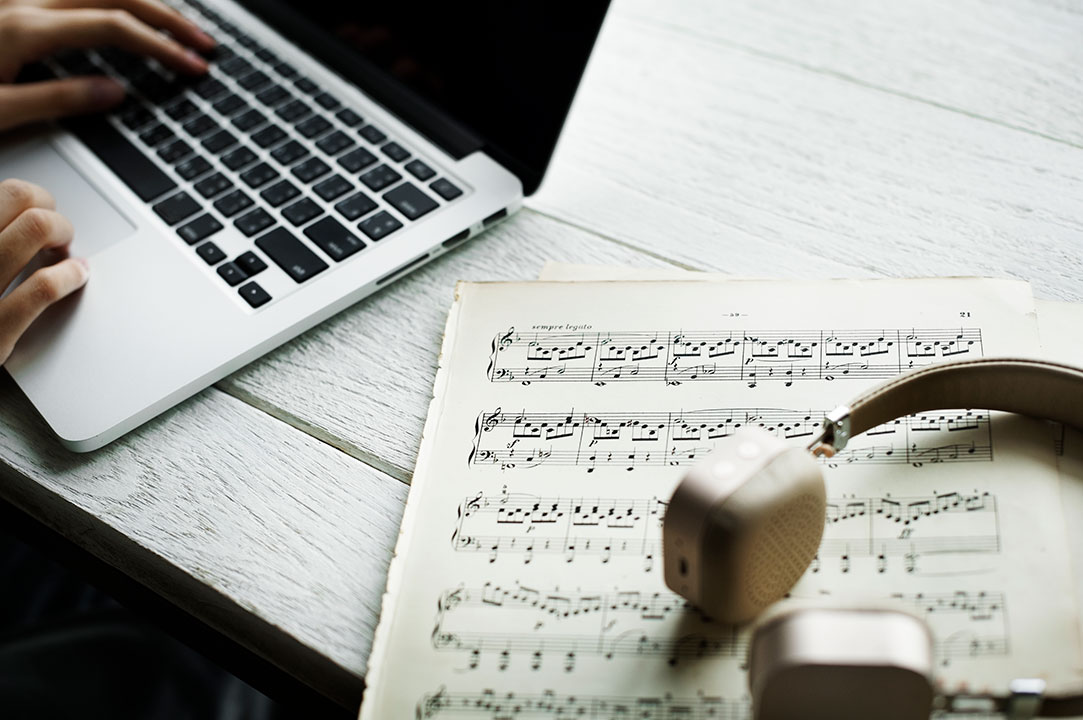
I have been thinking about this because I recently went through the same process myself. This Saturday, during the ASEAN Round Festival, we will launch a new song called “Sulong,” to be performed by three P-pop groups. I wrote the initial concept and composition with the help of AI. I used Suno to generate possible arrangements and beats. It allowed me to move faster, explore different directions, and imagine possibilities that I may not have immediately considered on my own.
But the song did not end there.
After the initial composition, I asked a professional lyricist to refine the lyrics. We adjusted the words, the phrasing, the rhythm, and, more importantly, the emotion. Then real singers recorded it. Real producers mixed it. Real musicians interpreted it. The result, at least to me, is not an AI song. It is a human song that used AI as a tool.
That, I believe, is where we should draw the line.
There is a world of difference between asking AI to create everything and using AI the way we use any other technology.
When Photoshop came out, people said photography was dead. When synthesizers arrived, many said they would destroy music. When Auto-Tune became popular, critics said there would no longer be real singers. Yet today, all of these are simply part of the creative process.
No one says a photographer is fake because he edits a photo. No one says a music producer is cheating because he uses a synthesizer. AI, to me, is simply the next tool.
But what made “Sulong” different is that the song was never just about music.
When I began writing it, I wrote it with two P-pop groups in mind. These are groups that are talented, hardworking, and deserving, yet for many years they have often been overlooked and neglected. In the entertainment industry, attention usually goes to those who are already popular. The rest are expected to quietly wait in the background and hope that one day they will finally be noticed.
These groups know what that feels like. They know what it means to work hard and still be ignored, to give everything and still be underestimated, to keep moving even when people have already counted them out.
That is why “Sulong” became more than just another song. It became their story.
It is a song about bouncing back. About refusing to surrender. About choosing to rise after being ignored. About deciding that disappointments do not define the future. The title itself says it all. Sulong. Move forward. Push on.
When I listened to the final version, I realized that the song was no longer just for those groups. It had become a song for the Philippines.
Because perhaps many Filipinos feel the same way today.
We live in a difficult time. Prices are rising. Oil prices are climbing. Businesses are worried. Families are struggling. Many people feel left behind, unheard, and uncertain about the future. There is a growing sense of frustration and fatigue.
And yet, despite all of that, Filipinos always find a way to continue.
We have always been a people of resilience. We rise after every typhoon. We rebuild after every crisis. We survive every disappointment. The Philippines itself has often been underestimated. We are told we are not ready, not good enough, not competitive enough. Yet somehow, again and again, we prove people wrong.
That is why “Sulong” resonated with me so deeply. It is not only a song about neglected artists trying to make a comeback. It is also a song about a country that continues to fight despite every challenge.
And that is something no AI could ever truly create on its own.
AI can generate a beat. It can suggest lyrics. It can imitate a melody. But it cannot understand what it feels like to be ignored. It cannot understand what it feels like to struggle, to fail, to keep going, and eventually to rise. Only people know that. Only real artists know that.
That is why I understand why many people are uncomfortable with AI-generated music. There are legitimate concerns. If AI is used to copy an artist’s voice, imitate a style, or recreate someone else’s work without permission, then that is wrong. That is not innovation. That is theft.
Artists deserve to own their voice, their music, and their identity. We need rules, ethics, and transparency. If a song uses AI, then people should know. If an artist’s likeness or voice is used, then there should be consent.
But we should also not reject AI completely. If we do, we may miss the opportunity to use it in the right way.
The best use of AI is not to replace human creativity. The best use of AI is to help human creativity become even better.
That is what happened with “Sulong.” AI helped me create a first draft. But human beings gave it its soul. A lyricist refined the story. Singers gave it emotion. Producers gave it life.
Perhaps that is also the future of music. Not human versus AI, but human plus AI.
Technology may help create the beat. But only people can give it a soul.
Dr. Donald Patrick Lim is the founding president of the Global AI Council Philippines and the Blockchain Council of the Philippines, and the founding chair of the Cybersecurity Council, whose mission is to advocate the right use of emerging technologies to propel business organizations forward. He is currently the president and COO of DITO CME Holdings Corp.