Julie’s Bakeshop plans more stores amid steady demand
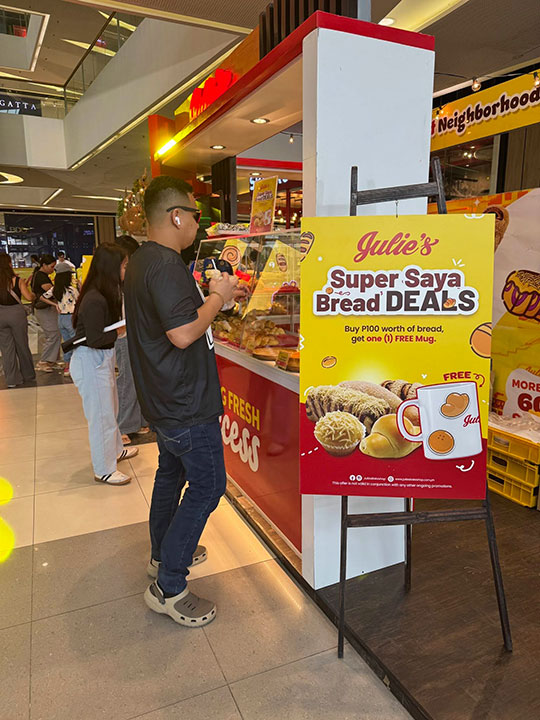
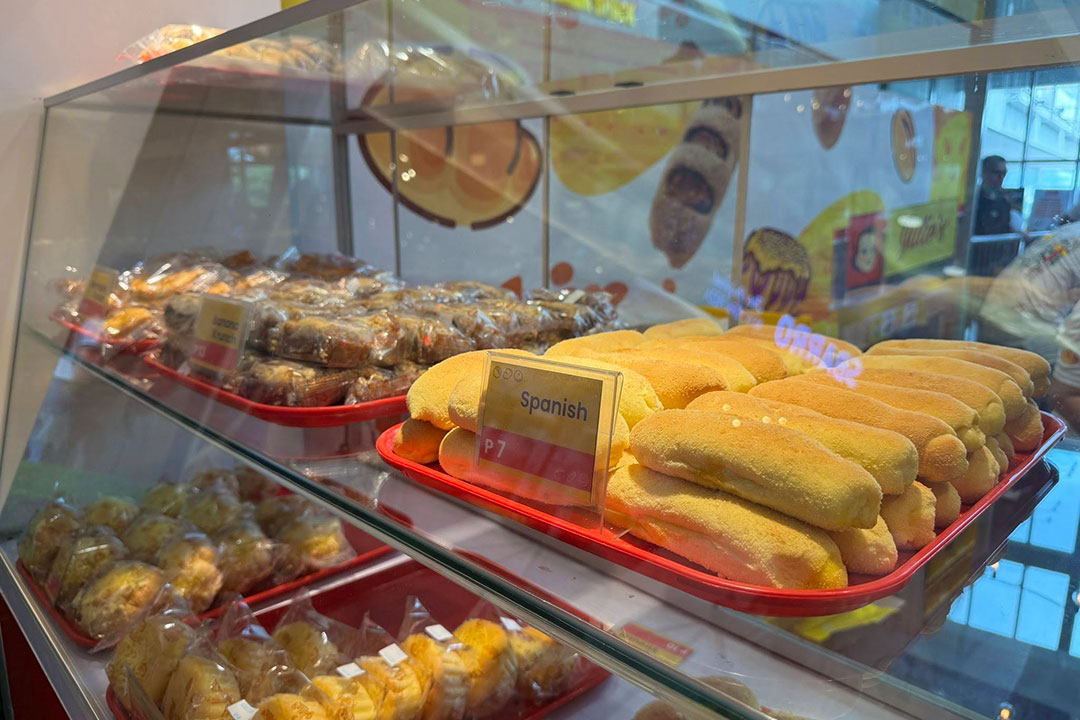
JULIE’S BAKESHOP plans to accelerate franchise growth across the Philippines this year, targeting more branches in Luzon and Mindanao as it seeks to broaden its nationwide footprint.
The Cebu-based bakery chain, approaching its 45th anniversary, now operates more than 600 stores, with 80% of franchisees running multiple branches.
Julie’s Bakeshop began in 1981 when the first branch opened in the Wireless area of Mandaue City, Cebu in central Philippines. It was started by Julia “Julie” Gandionco, who had been running several canteens and saw a strong demand for fresh bread — so she ventured into the bakery business even if she was not a baking expert.
“Having a Julie’s Bakeshop in every village may take more than five years, but growing our presence in more locations would be a milestone worth celebrating,” Angelo Jose C. Gandionco, senior regional director for nationwide operations at Julie’s Franchise Corp., told BusinessWorld.
He added that the bakery chain is exploring ways to diversify distribution channels to make products more accessible to Filipinos.
Mr. Gandionco, grandson of the Gandionco matriarch, expects the Philippine baking sector to grow steadily this year despite slower overall economic expansion and evolving consumer tastes.
“While we are seeing steady growth in our industry that will continue this year, we are also taking note of changing consumer preferences and exploring how we can diversify our distribution channels to ensure that our products are easily accessible to more Filipinos,” he said in an e-mailed reply to questions.
The US Department of Agriculture projects retail sales in the country’s baking industry to grow 5% annually to $2.5 billion by 2027, outpacing Philippine economic growth of 4.4% in 2025.
Julie’s, headquartered in Mandaue City, Cebu, faced natural disruptions last year, including the magnitude-6.9 Bogo earthquake in September and Typhoon Tino in November.
“Many of our stores had to close temporarily, while some employees had to be relocated,” Mr. Gandionco said.
Despite these setbacks, the bakeshop expanded through more franchise openings, bringing its total network to more than 600 stores nationwide, with 80% of franchisees operating multiple branches.
Consumer preferences vary by region. Data from franchise owners indicate that Visayas and Mindanao customers tend to favor Filipino classics like pandesal, while those in Luzon show more openness to global and hybrid flavors.
Rising urban incomes are also driving demand for convenient, ready-to-eat breads and snacks, with a growing segment willing to pay for premium options alongside traditional products.
Julie’s said it remains focused on balancing innovation with affordability. Mr. Gandionco said they aim to keep their products accessible, affordable and fresh, even as ingredient costs rise and consumer tastes shift. — Edg Adrian A. Eva