US-Iran standoff drags peso back to P61 level
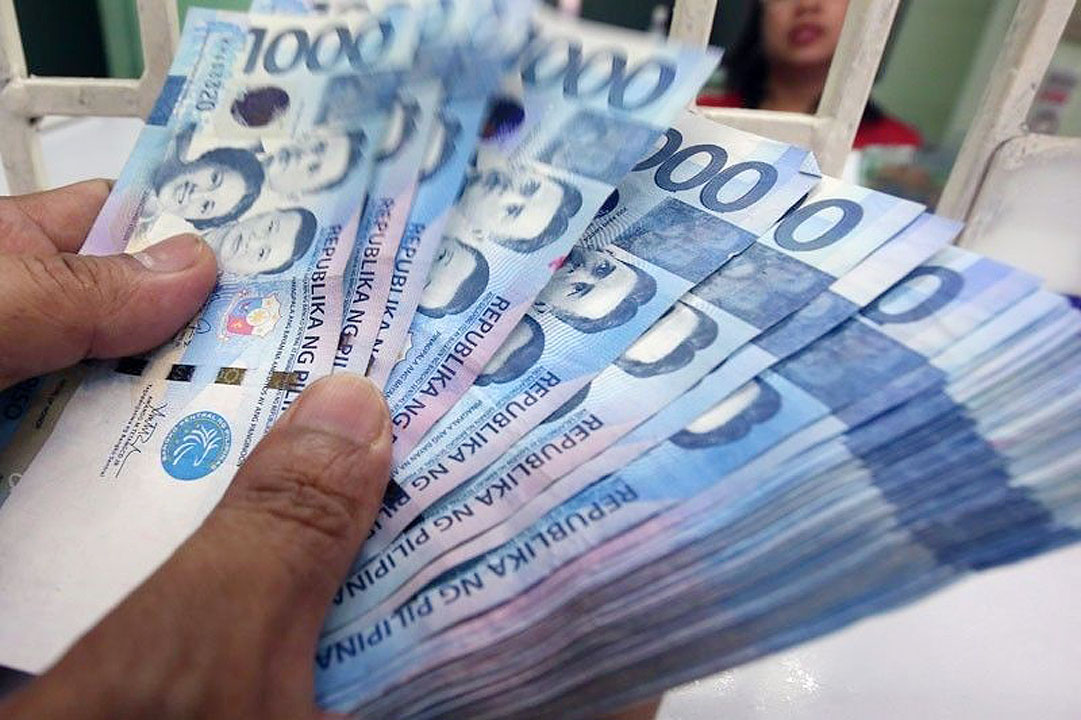
THE PESO sank back to the P61-per-dollar level on Monday after the United States and Iran rejected each other’s peace proposals.
The currency fell by 53.7 centavos to close at P61.15 a dollar from its P60.613 finish on Friday, according to Bankers Association of the Philippines data posted on its website.
The local unit opened the session slightly weaker at P60.65 against the greenback. It reached an intraday high of P60.58 but failed to hold on to its early gains, closing at its intraday low.
Dollars traded fell to $1.51 billion on Monday from $1.91 billion on Friday.
The peso weakened due to renewed risk-off sentiment after both the US and Iran rejected each other’s peace offers, a trader said by phone.
The rise in oil prices following the latest developments in the Middle East provided support to the US dollar, causing the peso to end lower, Rizal Commercial banking Corp. Chief Economist Michael L. Ricafort said in a Viber message.
With the US and Iran standoff continuing, the peso may continue to slide against the greenback for the rest of the week and potentially retest its record low of P61.75 hit on April 30, especially if global oil prices rise sharply, the trader said.
For Tuesday, the trader sees the local unit ranging from P60.80 to P61.30 per dollar, while Mr. Ricafort expects it to move between P61 and P61.25.
The dollar was steady on Monday after US President Donald J. Trump rejected Iran’s response to a US peace proposal, sending oil prices higher and prompting renewed concerns that the conflict in the Middle East will drag on, Reuters reported.
The US dollar index, which measures the greenback’s strength against a basket of six currencies, was little changed at 97.995.
Oil prices, meanwhile, jumped, with Brent crude up 3.6% at $104.94 a barrel, after Mr. Trump on Sunday rejected Iran’s response to a US proposal for peace talks, raising worries that the 10-week-old conflict may drag on.
Yet, markets still seem to believe that the conflict will be resolved, said Kenneth Broux, head of corporate research for FX and rates at Societe Generale. “I think the reason for that may be the involvement of China. The summit with China and the US later this week is, for me, the main event really,” Mr. Broux said, pointing to the influence the two countries have in the Middle East.
Mr. Trump and Chinese President Xi Jinping are set to discuss Iran, Taiwan, artificial intelligence, nuclear weapons and critical minerals when they meet, according to US officials.
US inflation data for April is due this week after the US jobs report released Friday showed that nonfarm payrolls increased 115,000 in April, almost twice as fast as expected. Those figures reinforced expectations the US Federal Reserve would keep interest rates unchanged for some time.
The Fed held rates steady last month as expected, but the decision exposed its deepest split in decades, with three officials dissenting against signaling future rate cuts. — Aaron Michael C. Sy with Reuters