Philippine peso’s falling trajectory defies rate hike expectations
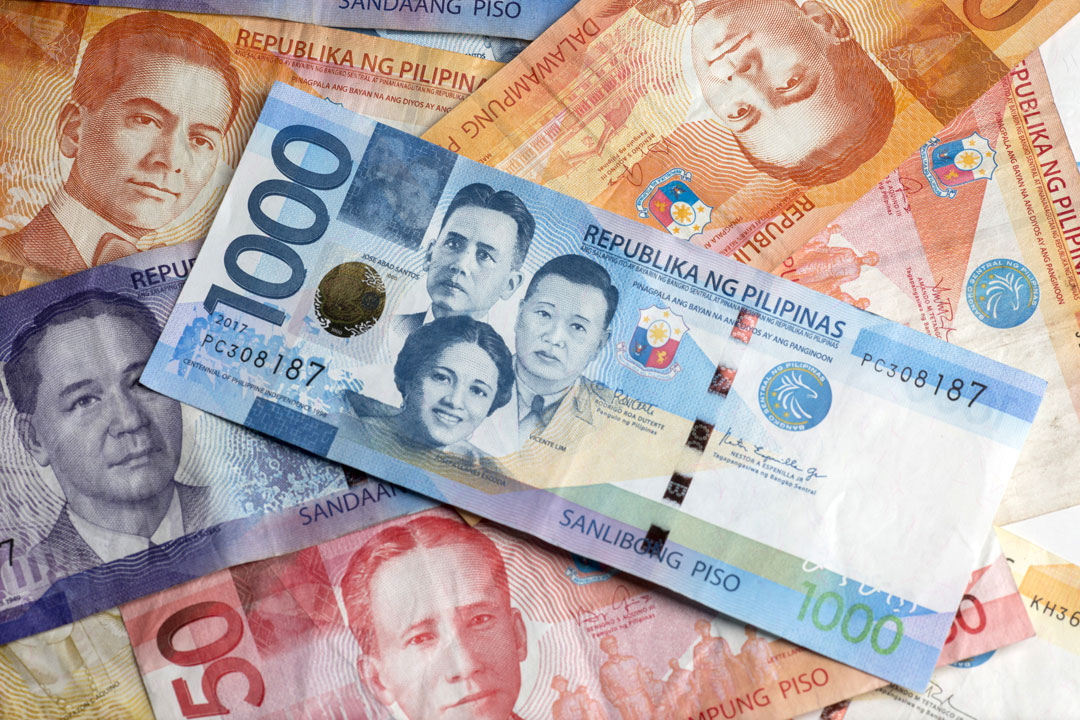
THE Philippine peso is likely to sink to new lows against the dollar as the country’s outsized vulnerability to high energy costs offsets expected interest-rate hikes, analysts said.
Bangko Sentral ng Pilipinas (BSP) is estimated to raise policy rates by up to 100 basis points this year, Sumitomo Mitsui Banking Corp. said, a move that would normally support the peso. Yet rising import costs from higher oil prices, stemming from the US-Iran war, are weighing on growth and the trade balance, strategists at Sumitomo Mitsui, BNY, and MUFG Bank said.
The peso has dropped about 3% this year to 60.61 per dollar, while hitting a record low in late April. The strategists project further weakness toward the 62 to 63 range in the months ahead.
The murky outlook reflects the Iran war’s toll on the country uniquely exposed to slowing international commerce, with its dependence on overseas workers’ remittances and heavy imports of refined oil. The peso’s further weakness would only worsen some of these pressures, raising costs and hurting consumers’ purchasing power in an already weak economy.
“The peso is likely to retain its weakening bias in 2026 due to the uncertain growth outlook, wide current account deficit and elevated inflation risks,” said Khoon Goh, head of Asia research at Australia & New Zealand Banking Group in Singapore. His firm forecasts the peso to weaken to 63.0 by the year-end.
A BSP rate hike typically bolsters the peso by widening interest‑rate differentials and drawing in foreign investments seeking higher yields. But surging oil prices, which force the country to spend more dollars on imports, eat away at those gains. Such dynamics risk exerting greater downside pressure on growth, said Wee Khoon Chong, senior APAC market strategist at BNY.
INDIFFERENT
Market moves show investors remain indifferent to rate hike prospects. The peso lagged all Asian peers on April 24, even after the BSP governor signaled that day the central bank will likely deliver modest rate hikes to rein in inflation.
But further hikes also threaten an already fragile outlook. First-quarter gross domestic product rose by 2.8% on-year, missing estimates, while household consumption grew by the slowest pace in nearly 16 years outside the pandemic.
Global funds have pulled out over $400 million in stock investments since the war began, while the stock benchmark is down 1.5% this year, the worst Southeast Asian performer after Indonesia.
Meanwhile, inflationary pressures are intensifying, with April consumer prices rising at the fastest pace in three years. Even with Sumitomo’s forecast of up to 100 basis points in rate hikes this year, Jeff Ng, head of Asia macro strategy at the bank, remains near-term bearish on the peso. Elevated energy costs, he warned, may push the dollar-peso pair higher “to test the 62, and then the 63 resistance levels,” he said.
March remittance data, due May 15, will be closely watched for signs of the war’s impact. About 2.4 million Filipinos work in the Middle East, and the government warned that worker deployment to the region may be cut by half this year. Even before the conflict, remittance was slowing, with February’s inflows rising just 2.6% on-year, matching the total in March 2025.
Countries heavily reliant on Middle Eastern oil and lacking capacity to switch over to domestic energy production face heightened risks, Michael Wan, senior currency analyst at MUFG Bank, wrote in a May 6 note, forecasting the peso may weaken to 62-63 if the Strait of Hormuz remains closed.
“The Philippines, as we have been highlighting, falls into that vulnerable camp,” he said. — Bloomberg