Peso may be range-bound as traders eye US-Iran negotiations, BSP meet
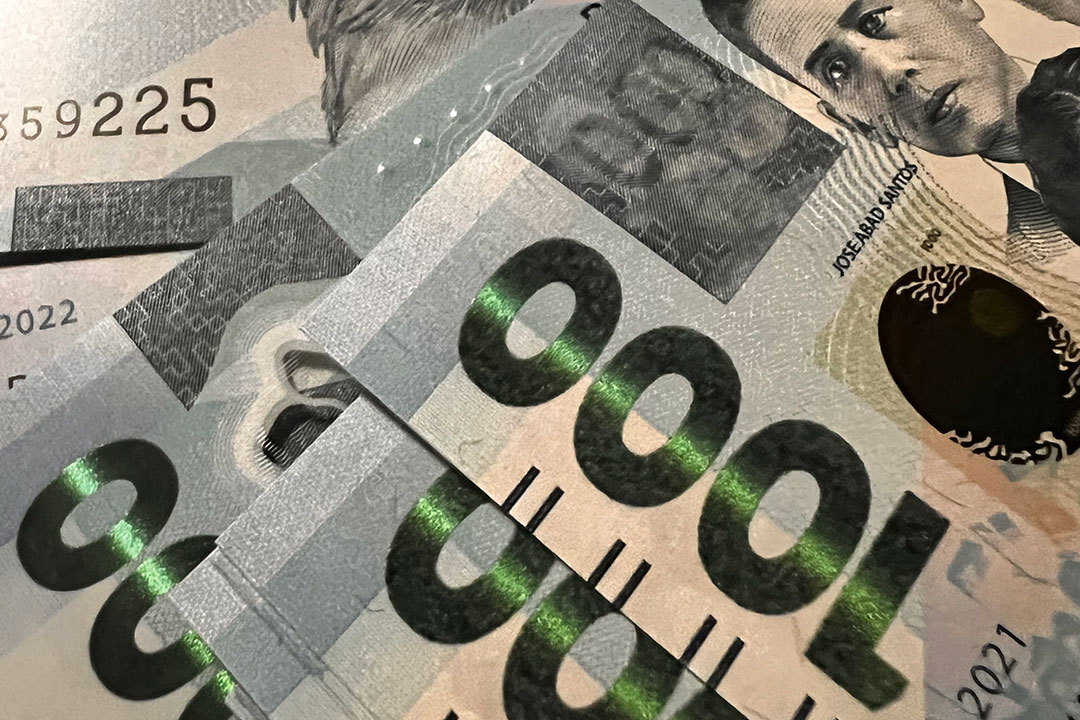
THE PESO could continue to move in a tight range against the dollar this week as markets continue to watch developments in the Middle East, with the Bangko Sentral ng Pilipinas’ (BSP) policy meeting on Thursday to also be a key source of leads.
On Friday, the local unit closed at P60.035 against the dollar, weakening by 6.5 centavos from its P59.97 finish on Thursday, Bankers Association of the Philippines (BAP) data showed.
Week on week, the peso likewise depreciated 6.5 centavos from its P59.97 finish on April 10.
“The market closed a tad higher but remained range-bound on a lack of major catalysts,” a trader said in a phone interview on Friday.
The peso was also dragged by higher global crude oil prices amid continued uncertainty over the Iran war, Rizal Commercial Banking Corp. Chief Economist Michael L. Ricafort said in a Viber message.
For this week, the trader said the peso may continue to move sideways against the greenback as markets await the outcome of the United States and Iran’s second attempt on peace talks.
Iran’s top negotiator said recent talks with the US had made progress but gaps remained over nuclear issues and the Strait of Hormuz, while President Donald J. Trump cited “very good conversations” with Tehran despite warning against “blackmail” over the key shipping channel, Reuters reported.
The peso could get some support if the BSP hikes benchmark rates at its policy meeting this week, the trader added.
The trader sees the peso moving between P59.80 and P60.20 per dollar this week, while Mr. Ricafort expects it to range from P59.75 to P60.25.
A BusinessWorld poll showed that 11 out of 19 analysts expect the Monetary Board to raise its target reverse repurchase rate by 25 basis points (bps) to 4.5% at its policy meeting on Thursday (April 23).
This would mark the BSP’s first tightening move since October 2023.
Meanwhile, the remaining eight analysts said the central bank could hold fire to support economic growth as current inflation risks are supply-driven.
The BSP slashed borrowing costs by a total of 225 bps from August 2024 to February this year amid manageable inflation. In an off-cycle meeting last month, it kept rates steady but signaled vigilance and readiness to act amid the war-driven oil shock, which it expects to stoke domestic consumer prices.
BSP Governor Eli M. Remolona, Jr. told BusinessWorld on the sidelines of the International Monetary Fund and World Bank’s 2026 Spring Meetings in Washington, D.C. last week that the central bank has room to raise rates to cool rising inflation amid the conflict as they expect government spending to support growth.
He said second-round effects may emerge sooner than expected as the global oil shock is expected to spill over into domestic food and transport costs. In March, elevated oil prices due to the war drove inflation to a near two-year high of 4.1%, faster than the BSP’s 3.1%-3.9% forecast and 2%-4% target for the year. — A.M.C. Sy with Reuters