ADB signals readiness to backstop Asia-Pacific economies during crisis
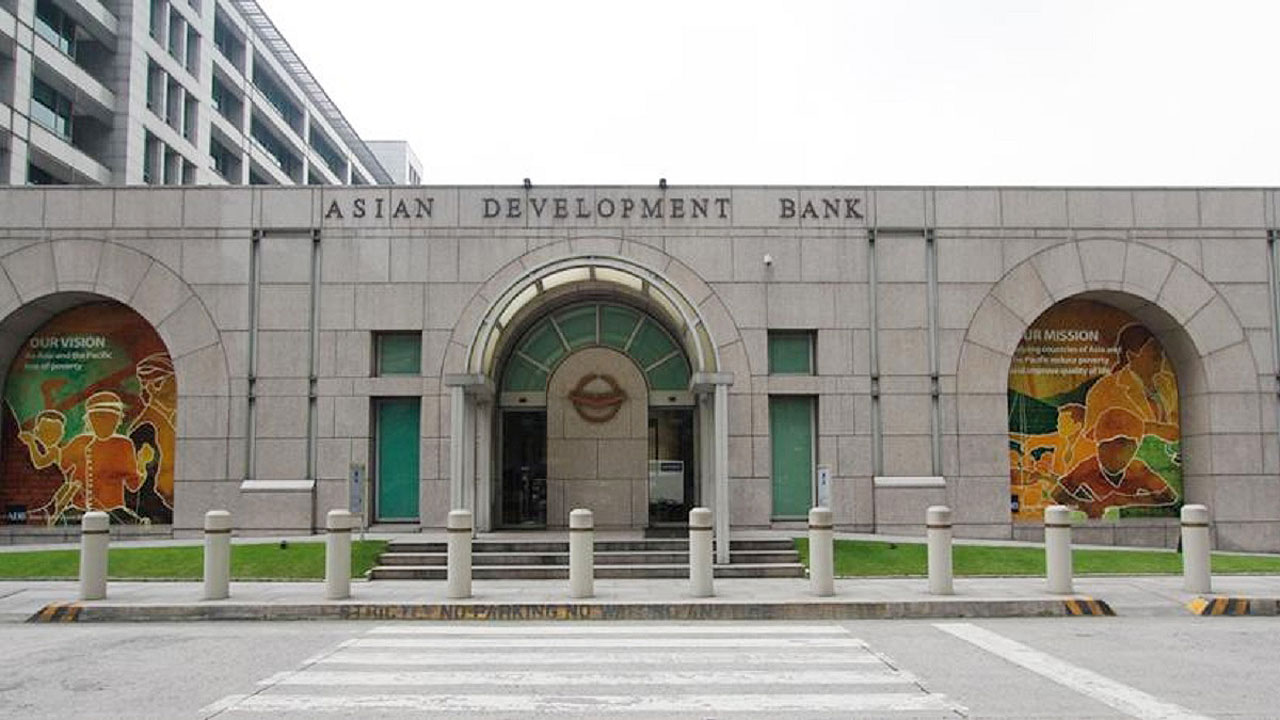
THE Asian Development Bank (ADB) said it is ready to provide support to countries in Asia and the Pacific in the face of global economic uncertainty.
“The Middle East conflict is a hit to the global economic engine, and Asia and the Pacific is the region most severely affected,” ADB President Masato Kanda said in a statement on Monday.
“The priority is clear: keep economies running, strengthen domestic economies, and support regional cooperation to build collective resilience. ADB stands ready to support,” he added.
According to the ADB, geopolitical shocks impact Asia and the Pacific through rising fuel, freight and finance costs.
“ADB is acting with speed and scale to stabilize economies via fast-disbursing budget support and expanded trade finance,” it added.
In its Asian Development Outlook for April, the ADB cut its growth projections for developing Asia and the Pacific to 5.1% from 5.4% previously due to the fighting in the Middle East and continuing trade uncertainty.
It slashed growth projections for the Philippines to 4.4% from 5.3% previously, below the Philippine government’s 5-6% gross domestic product target range.
Mr. Kanda also led discussions on strengthening collaboration for resilience at the Multilateral Development Bank Heads meeting.
“The Heads advanced priorities to foster private sector development, collaborate on critical minerals and water security, and improve effectiveness through mutual reliance and a common Value for Money procurement framework,” the ADB said.
Meanwhile, Mr. Kanda discussed the vulnerability of concentrated supply chains at a G7 ministerial event on critical minerals.
The Department of Finance said on Sunday that the overlapping global instability and climate-related crises continue to put pressure on developing countries like the Philippines.
To address these, Finance Secretary Frederick D. Go cited the need for scaled-up and more flexible financing, deeper mobilization of private capital, sustained support for jobs and human capital, and stronger and faster support for disaster and climate resilience. — Justine Irish D. Tabile