Toyota expects EVs, hybrids to make up 20% of PHL sales
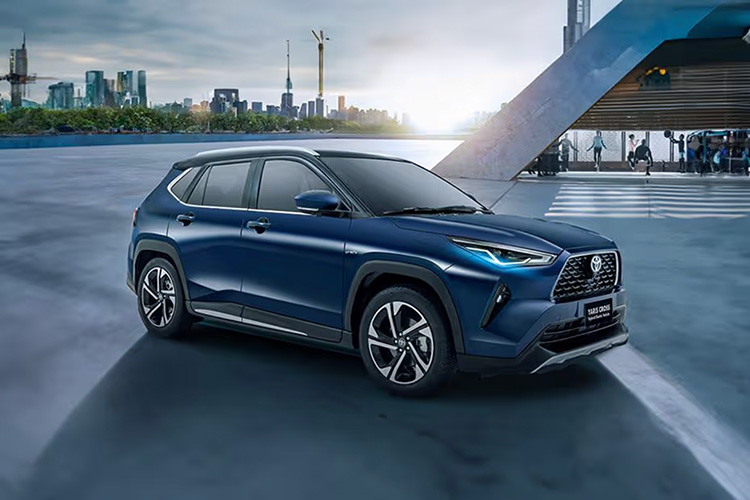
TOYOTA MOTOR Philippines Corp. (TMP) said it expects electric vehicles (EVs), which include hybrids, to account for 20% of its sales this year.
“About 20% of our volume is electrified,” TMP Chairman Alfred V. Ty told reporters on the sidelines of a Stratbase Institute conference on Tuesday.
“Electrified to us is full-electric and hybrid, and that continues to multiply,” he said. “Even before the war, there were plans for models to come in,” he said, on the assumption that the rollout is not disrupted.
In 2025, TMP recorded a 38.83% increase in EV sales to 19,516 units. This includes 17,825 Toyota EVs and 1,691 Lexus EVs.
“We’re really moving towards electrification, but of course, you have your diesel models, especially for the provinces, so that’s why… we’re making sure that we have all the different technologies for everybody,” Mr. Ty said.
TMP, automotive unit of GT Capital Holdings, Inc. reported a 49.33% market share, despite a 6.3% decline in sales to 34,300 units at the end of February.
GT Capital said it is looking to revisit its capital expenditures this year amid the impact of rising oil prices caused by the escalating conflict in the Middle East.
“We haven’t finalized, of course, but I guess everything’s on the table for discussion,” Mr. Ty, who is also the vice-chairman of GT Capital, said.
GT Capital is involved in the automotive, banking, property development, infrastructure, utilities, life and non-life insurance, and motorcycle financing industries.
Meanwhile, Mr. Ty also cited the need to update the Japan–Philippines Economic Partnership Agreement (JPEPA) to include incentives for EV makers.
“The automotive incentives written in the JPEPA…only considered big engines, wala pa ‘yung mga small engines, wala pang electrification (it did not consider small engines or electrification)” he said.”
JPEPA, the Philippines’ first bilateral free trade agreement, came into force in 2008.
It covers trade goods, rules of origin, customs procedures, investment, movement of natural persons, intellectual property, and government procurement. — Beatriz Marie D. Cruz