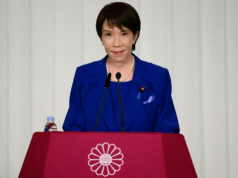
DUBAI — The United Arab Emirates’ decision to exit OPEC and OPEC+ was not directed against anyone but meant to serve national interests, Abu Dhabi National Oil Company CEO Sultan Al Jaber said on Monday.
The oil-rich Gulf country left the group on May 1, widening a rift with its neighbor Saudi Arabia, effectively the leader of the Organization of the Petroleum Exporting Countries.
“The United Arab Emirates’ sovereign decision to reposition itself within the global energy landscape, and to exit OPEC and OPEC+, is not a decision directed against anyone,” Mr. Al Jaber said in a speech at the “Make It In The Emirates” conference.
Once firm allies, the UAE and Saudi Arabia have developed a simmering rivalry, clashing on issues from oil policy and regional geopolitics to the race for foreign talent and capital.
Mr. Al Jaber said the move to leave OPEC served the UAE’s national interests and long-term strategic objectives, giving it greater ability to accelerate investment, expand and create value, while remaining a trusted and responsible partner in global energy markets.
He also called on the private industrial sector and the UAE’s sovereign wealth funds to make bold decisions despite the US-Israeli war with Iran, saying the UAE had shown resilience and stood firm against Iranian attacks.
“This phase requires serious and bold decisions. Investing at home, or direct domestic investment, is no longer an option; it is a priority,” Mr. Al Jaber said.
The UAE has long been seen as a stable regional business and financial hub, and a close US ally in the Middle East. However, Iranian missile strikes on US bases and Gulf states have shattered the region’s safe-haven aura and rattled investors. — Reuters