OCD: No evacuees left following heavy rains in Davao City
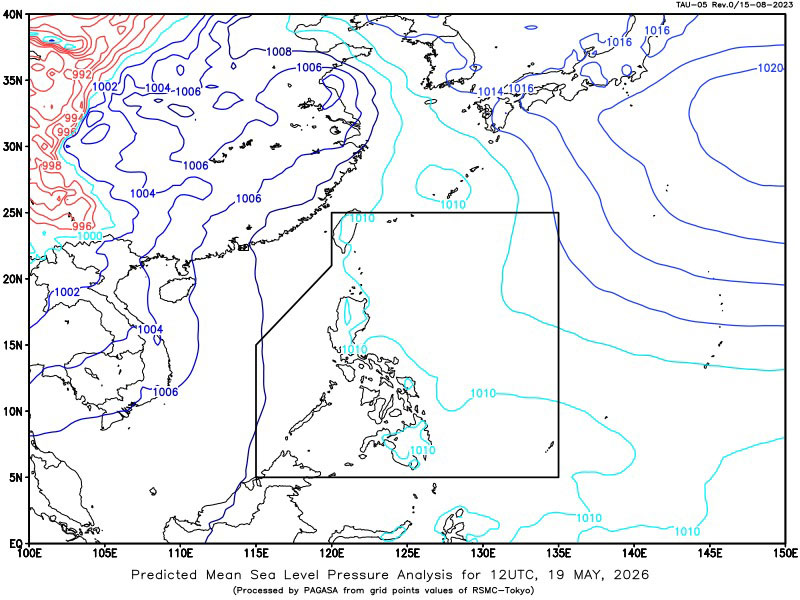
All families in Davao City who evacuated due to the combined effects of the Intertropical Convergence Zone (ITCZ) and easterlies, which caused widespread flooding in the city, have already left the evacuation centers, according to the Office of Civil Defense (OCD) on Wednesday.
“The evacuees have returned to their homes. There are no longer ECs (evacuation centers) and evacuees,” Diego Agustin Mariano, deputy spokesperson of OCD, told reporters via Viber in mixed English and Filipino.
In an earlier situational report released Tuesday at 5:00 pm, 347 families, or 1,453 individuals, all from Davao City, were reported to have sheltered in 16 ECs throughout the city.
This was due to heavy rains on Monday caused by the two weather systems, triggering widespread flooding and rain-induced landslides in several areas of Davao City and Davao del Sur.
It also prompted suspensions of work and classes, power interruptions, and the collapse of a bridge in the city connecting two barangays.
The casualty report remained unchanged since the last situational update, the NDRRMC said, with one reported death and zero injuries.
The Davao City government reminded the public through a post it shared on Facebook that prophylactic medication to prevent leptospirosis is available at its local health centers for residents who were exposed to floodwaters.
Meanwhile, ITCZ is not expected to affect any part of the country within 24 hours, while easterlies will continue to prevail, bringing generally hot and humid conditions, the Philippine Atmospheric, Geophysical and Astronomical Services Administration (PAGASA) said in its 4am released 24-hour weather forecast.
However, easterlies may still bring isolated rain showers and thunderstorms over parts of the Visayas, MIMAROPA, and the Bicol Region during the forecast period, while similar conditions are also expected in Metro Manila and the rest of the country due to localized thunderstorms.
PAGASA still warned of possible flash floods and landslides during severe thunderstorms on affected areas. — Edg Adrian A. Eva