Congress urged to revise soda tax amid health worries
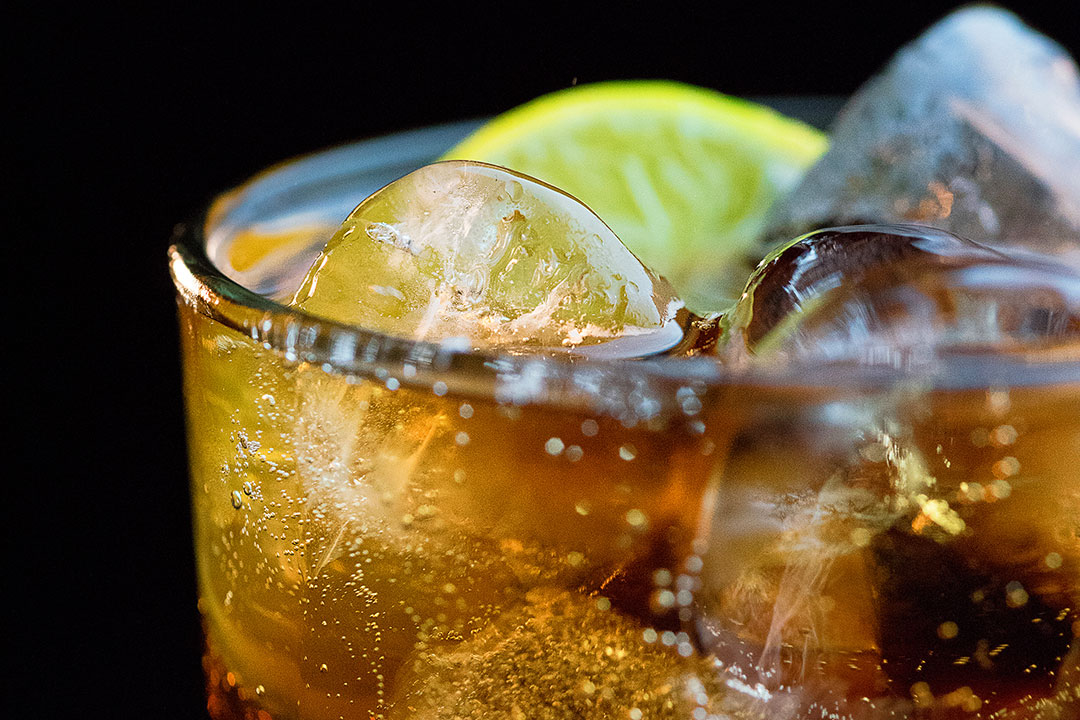
LAWMAKERS should overhaul the Philippines’ tax on sugar-sweetened beverages, with a congressional think tank warning that the design might be falling short of its public health goals.
In a policy brief, the Congressional Policy and Budget Research Department (CPBRD) of the House of Representatives said the excise tax under the Tax Reform for Acceleration and Inclusion law is “volumetric,” imposing a flat P6 per liter regardless of sugar content.
This structure treats low-sugar and high-sugar drinks the same, weakening incentives for consumers to shift to healthier options or for manufacturers to reformulate products.
The agency said this limits the tax’s impact on curbing rising cases of obesity, diabetes and hypertension, noting that sugar intake is not directly factored into how the levy is computed.
The brief also examined House Bill No. 5003, which proposes higher taxes on sweetened beverages. The measure seeks to raise the tax on drinks with sweeteners to P20 per liter from P6, and to P40 per liter from P12 for those using high-fructose corn syrup.
It also proposes removing exemptions for products such as 3-in-1 coffee and flavored milk, subjecting them to a P6 per liter tax. The CPBRD estimates that regular consumers of 3-in-1 coffee could pay an additional P2,880 annually if the proposal is enacted.
Government revenues from the tax could rise sharply — from P43.8 billion to as much as P127.7 billion — depending on how consumers respond to higher prices. However, the agency warned that even moderate consumers of sugary drinks might feel the impact of the increase.
Instead of relying on flat rates, the CPBRD said policymakers should consider shifting to a sugar content-based system, similar to those used in Thailand and Malaysia, where beverages with higher sugar levels are taxed more heavily.
Such a structure, it said, provides a clearer price signal tied directly to sugar consumption and encourages both behavioral change and product reformulation.
The agency added that tax measures alone might not be enough to drive healthier consumption patterns.
It urged the government to pair reforms with stronger public information campaigns and behavioral interventions to help consumers make more informed choices about food and drinks. — Pexcel John Bacon