6 new firecracker-related injuries logged in CAR
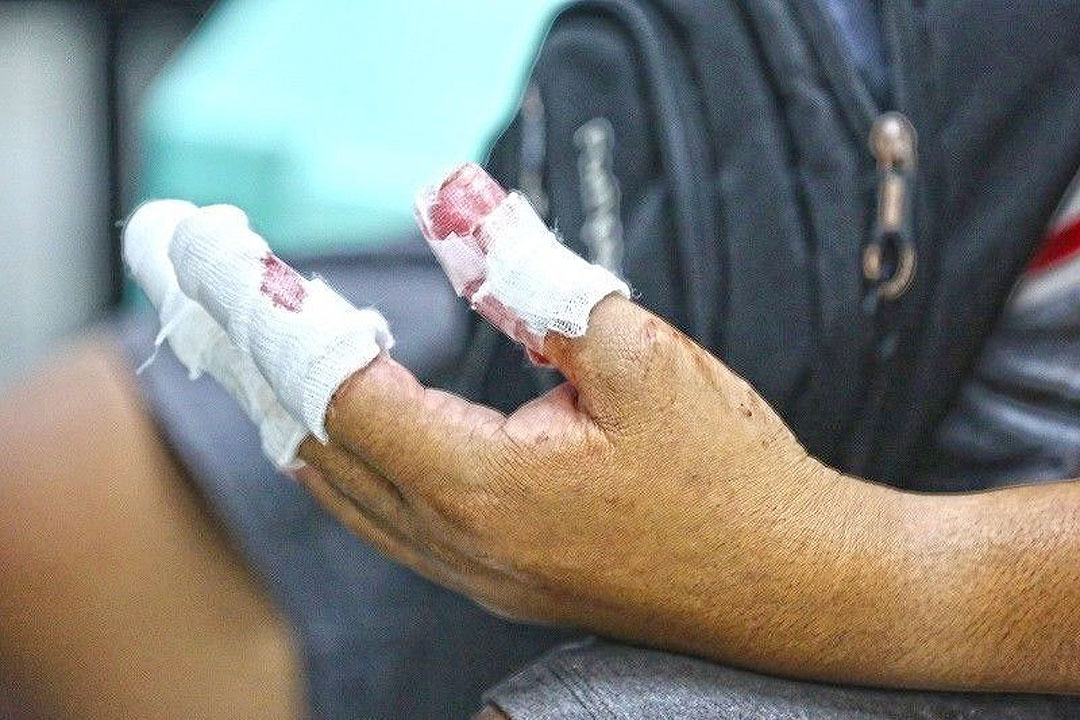
BAGUIO CITY — The Health department in the Cordillera Administrative Region (CAR) has recorded six new firework-related injuries (FWRI) in the region, as of 6 a.m., on Saturday.
The latest cases hiked the total number of FWRI incidents in the region to 41 since monitoring began on Dec. 21, 2025, following the holiday season celebrations.
According to Department of Health (DoH) in CAR, the newly reported cases came from Abra with three incidents, Ifugao with two, and Kalinga with one.
These additions reflect continued injuries linked to firecracker use even after the New Year festivities, prompting renewed calls for public vigilance and safety awareness.
Kalinga currently has the highest number of FWRI cases in the region with 16, followed by Apayao with 10 cases. Abra has logged seven cases, while Baguio City has recorded four.
Benguet and Ifugao have reported two cases each, making Mountain Province the only province in the Cordillera that has not recorded any firework-related injury so far.
Data from DoH-CAR also show that the majority of those injured are male, accounting for 38 of the total cases, while only three cases involved female patients. Health officials noted that most victims are children and young adults, consistent with trends observed in previous years.
In terms of causes, kwitis (skyrocket) remains the leading source of injuries with 12 cases, followed by boga (improvised cannon) with six. Whistle bomb and 5-star firecrackers caused four cases each, while dynamite resulted in three injuries. Lusis (sparker) and pla-pla, a triangle-shaped firecracker, were responsible for two cases each, and one case each was attributed to judas belt and bawang, a small garlic-shaped firecracker.
Six injuries were caused by still unidentified firecrackers or fireworks, highlighting the ongoing risks posed by unsafe or illegal pyrotechnics. — Artemio A. Dumlao