

DOST, Palawan State University to launch Philippines’ first petroleum engineering R&D lab
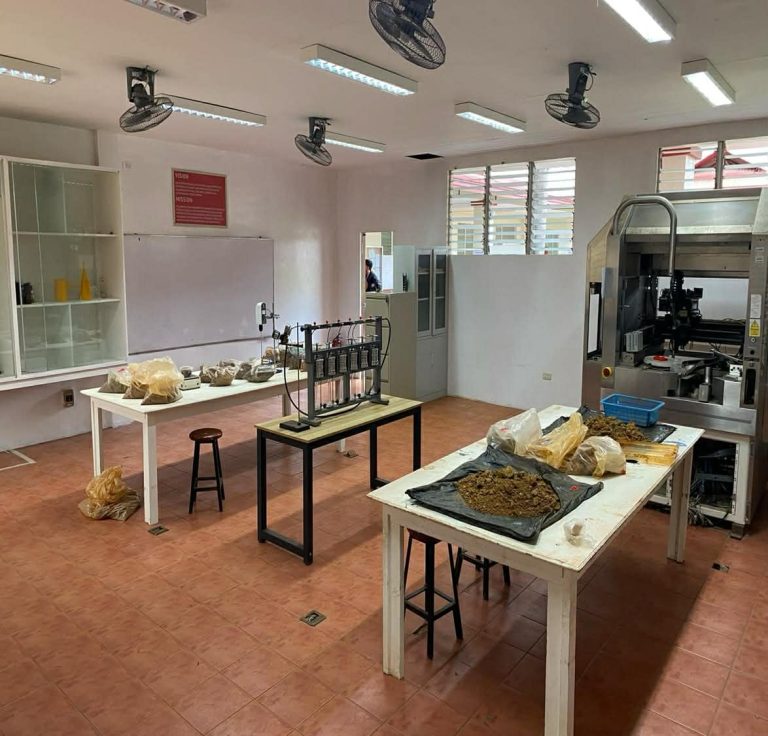
The Department of Science and Technology (DOST) and Palawan State University (PalSU) are set to launch the Philippines’ first petroleum engineering R&D laboratory to support the country’s oil and gas exploration efforts amid the ongoing global oil crisis.
The P4.9-million Drilling Fluids Research and Innovation (DFRI) Laboratory will be launched on March 25 in Puerto Princesa, Palawan, DOST-Philippine Council for Industry, Energy and Emerging Technology Research and Development (DOST-PCIEERD) said in a statement on Thursday.
It is expected to help the country develop its own sustainable drilling fluids, specialized liquids crucial to modern oil and gas exploration and operations.
The facility is funded through the Institution Development Program (IDP) of DOST-PCIEERD and will house highly specialized equipment.
DOST Secretary Renato U. Solidum Jr. said developing drilling materials locally has become strategically important amid volatile fuel prices driven by growing tensions in the Middle East. The region accounts for 98% of the country’s crude oil imports, according to the Department of Energy (DOE).
“Given the ongoing instability in global oil supply chains and persistent fuel price hikes, the ability to develop local substitutes for critical drilling materials becomes strategically important to secure our future in sustaining our own petroleum products like drilling fluids,” Mr. Solidum said in a statement.
Among the developments at the facility are drilling fluids enhanced with nano iron oxide and nanosilica, developed by PalSU researchers led by Morlie L. Talimbay.
DOST-PCIEERD said these developments are part of ongoing research to create local alternative drilling fluids that are lower in cost and more environmentally sustainable than conventional counterparts.
“For now, we are looking at conducting further studies, including field validation, which are needed to assess their cost-effectiveness and overall performance,” Mr. Talimbay said.
He added that the new DFRI Laboratory could contribute to the country’s energy and economic needs.
DOST-PCIEERD said outputs from the facility will be recommended to the DOE as it seeks to increase oil and natural gas exploration yields.
Looking ahead, DOST-PCIEERD aims for the DFRI Laboratory to become a national center for petroleum R&D and related research in the coming years. — Edg Adrian A. Eva


