Home Blog Page 7907

Culture, calamansi and more to see and do in Pangasinan

TOURISM Secretary Bernadette Romulo-Puyat harvests Philippine lime at the Calamansian ed Lekep-Butao in San Fabian, Pangasinan. The agri-tourism site, owned by farmers in the community, also sells juice, cake and other dessert products. — @PANGASINAN.TOURISM

PANGASINAN, among the first provinces north of Manila to resume tourism operations, formally unveiled on Monday another attraction, the Casa Real as a National Historical Landmark.

Casa Real, located in the capital town of Lingayen, is a mid-19th century building that served as the province’s first government center during the Spanish era.

Officials of the National Historical Commission of the Philippines, Department of Tourism, and the provincial government led Monday’s inauguration ceremony for the restored landmark.

Prior to the Casa Real event, Tourism Secretary Bernadette Romulo-Puyat arrived in the province Sunday and visited some popular as well as newly-developed tourism sites.

Among her stops were: prayer park in Bayambang town, which holds a Guinness World Records for its statue of St. Vincent as the tallest bamboo structure in the world; Bella’s Puto Calasiao Factory, one of the pioneers in the town’s well-known rice cake delicacy; and the agri-tourism site Calamansian ed Lekep-Butao in San Fabian, a two-hectare calamansi plantation owned and managed by farmers in the community, which also sells calamansi juice and various dessert products.

Visitors coming to the province may check out the requirements and guidelines at the Pangasinan Provincial Tourism & Cultural Affairs Office’s official site www.seepangasinan.com or Facebook page @pangasinan.tourism.

ILOCOS REGION
Going further north, Ms. Puyat said the Tourism department is looking at developing cycling and motorbike trails that traverse Pangasinan and the other provinces in the Ilocos Region — La Union, Ilocos Sur, and Ilocos Norte.

“Region 1 holds so much potential to appeal to tourists under the new normal, given its abundance in nature sites. That is why we are very excited to launch the tourism recovery plan that will introduce new and exciting activities that will provide additional opportunities for the micro, small, and medium enterprises in the region,” Ms. Puyat said in a statement.

Other tourism recovery initiatives in the region include: the Marian Pilgrimage Tour; specialized training for Inabel textile weavers in Ilocos Sur; the Eastern, Western and Central Pangasinan Tourism Circuit; Bird Watching Tourism Circuit in Ilocos Norte; and the development of eco/nature trails in La Union. — Marifi S. Jara

VP office, Manila team up for drive-thru vaccination for transport workers

VP LENI ROBREDO FB PAGE

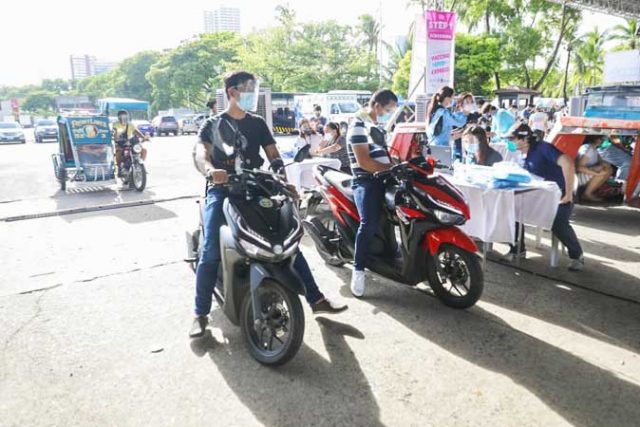
THE OFFICE of the Vice President and the city government of Manila have tied up for a drive-thru coronavirus vaccination for transport workers.

The two-day initiative called “vaccine express” was rolled out on Tuesday with a target to inoculate 5,000 pedicab drivers and delivery riders in the Philippine capital.

Vice President Maria Leonor G. Robredo, who launched the project together with Manila City Mayor Francisco Domagoso, said drivers and riders were given P500 gas cards as an incentive.

About 900 vaccines have been given out as of Tuesday noon, Ms. Robredo said in a Tweet.

The mayor, meanwhile, said the city is grateful for being chosen as one of the beneficiaries of the vaccination on wheels program.

Manila had 1,135 active coronavirus cases as of June 22. — Kyle Aristophere T. Atienza

The convergence of society, science, and technology towards climate resiliency

FREEPIK

Recently, the Philippine Atmospheric, Geophysical, and Astronomical Services Administration (PAGASA) warned of the high probability of near to above normal rainfall conditions in the following months. At the same time, PAGASA also said that up to 19 tropical cyclones may enter the country until November of this year.

Climate risks are not uncommon in the Philippines. In fact, the Germanwatch Global Climate Risk Index ranks the Philippines as the fourth most affected country by extreme weather events from 1999 to 2019. The World Bank (WB) International Disaster Database also shows that a total of 72 storms entered the Philippine Area of Responsibility (PAR) from 2011 to 2018, affecting some 68 million Filipinos. Each year, the country incurs $3.5 billion in estimated total damage to private and publicly owned assets.

According to Dr. CP David, who spoke at the Stratbase ADR Institute and Philippine Business for Environmental Stewardship’s (PBEST) virtual event on the need for our communities to adopt best practices for a proactive approach to climate resilience, despite our generation occupying the majority of the leadership roles today, climate risks are still “not a top-of-mind issue.” The reality is, due to other pressing problems such as the COVID-19 pandemic and because of its slow onset effect on humanity, climate issues are downplayed. The lack of understanding and proper communication is another reason for the lack of awareness of the climate risks.

The damaging impacts of climate risks to our communities will grow every year if we fail to keep pace with the warming and fast-changing world and waste the shrinking window of opportunity we have to address climate change.

However, not all opportunities are lost as Philippine communities’ can still build up their climate resilience if they adopt best practices now and not when these risks present themselves in full force. Because of the climate risks’ complex and long-standing nature that often affects every Filipino, solving it will require a collective effort from all stakeholders across all levels of our society.

For instance, Governor Dax Cua shared best practices from the province of Quirino where the local government there utilizes data gathered from its Community-Based Monitoring System (CBMS) to inform its citizens and plan ahead for possible calamities. The province also uses the Advanced Geographical Information System (GIS) to aid the local government in making accurate science- and evidence-based decisions and actions.

Collaboration among stakeholders is key to achieving sustainability and climate resilience, he added. Under the Union of Local Authorities of the Philippines (ULAP) dialogue series with private and community development partners, the province has been able to explore climate-resilient pathways to economic growth and inclusive development through the introduction of modern technologies and innovative solutions to reduce carbon emissions while promoting resilient economies, ecosystems, and communities.

Dr. Mahar Lagmay of Project NOAH also stressed that responses should be people-centered and data-driven. To save more lives and livelihood, warnings should be hazard- and area-specific, and time-bound. This can be done through openly available real-time monitoring applications or data platforms and other technologies which have advanced to such a degree that it helps people make better decisions.

Meanwhile, as creating sustainable and climate-resilient communities is too crucial to be left to the responsibility of the government, the private sector plays an active role in strengthening disaster resilience through its expertise, financial capabilities, resources, and technological know-how.

Among private-sector groups that lead in this undertaking is the Philippine Disaster Resilience Foundation (PDRF). Through its strategic partnerships with companies, government agencies, civil society organizations, and other stakeholders, the companies can nimbly mobilize efforts towards building disaster-resilient businesses in communities across the nation.

PDRF President Butch Meily shared their flagship project, the Emergency Operations Center (EOC) in Clark, Pampanga, the world’s first ever in the region that runs on a national basis. The center tracks tropical weather patterns, storms, volcanic and earthquake eruptions around the world. PDRF also uses the center to track the Philippine pandemic situation daily.

Another worthy example of multisectoral initiatives is the data-backed Liveable Cities Dashboard, a project of Globe Telecom, PDRF, the Liveable Cities Challenge, and the League of Cities. The dashboard aims to provide an interactive visual profile of the 146 cities in the country and aid the LGUs in utilizing data and innovation to enable local governments to quickly spot trends and correlations for effective decision-making and help them diagnose areas for improvement.

Jaime Augusto Zobel de Ayala, a co-chair of PDRF, summed up the importance of multisector collaboration: “Now, more than ever, everyone must play a role in building resilience and mitigating risks as more devastating calamities arise in the future. I think we should be contributors of resilience and help minimize the contributions we make in worsening the situation.” He added that “climate change is an existential threat to everyone, whether you are a business, a government institution, or just an individual.”

The real problems in creating climate-resilient communities are in front of us, and we just have to acknowledge them.

Multi-sector engagements and best practices must be discussed and more widely adopted to address climate risks proactively before they even happen. With these, the vulnerability of communities to physical, social, and economic shocks will be minimized, and many lives saved.


Felix Vitangcol is a Fellow for Environment at the Stratbase ADR Institute, and Secretary-General of Philippine Business for Environmental Stewardship.

Addressing the Philippine education crisis

PCH.VECTOR-FREEPIK

(Part 1)

Among the 17 Sustainable Development Goals (SDGs) of the United Nations, quality education ranks fourth after: 1.) No poverty; 2.) Zero hunger; and, 3.) Good health and wellbeing. It is obvious, however, that the SDGs are highly interdependent and cannot be addressed in isolation. As we shall discuss in greater detail in this series of articles, quality education for all, for example, is unattainable if a large number of children are undernourished or malnourished in the first years of their lives. Lack of sufficient nutrients in early childhood does significant damage to the brain, making learning difficult in later years. The same thing can be said about unhealthy children (SDG 3). For that matter, at least the next three other SDGs are also closely intertwined with quality education. These are: 5.) gender equality; 6.) clean water and sanitation; and, 7.) affordable and clean energy.

Before we examine the ongoing education crisis the Philippines is facing, exacerbated by the pandemic during which some 2.7 million students were forced to drop out of school for economic reasons, let us fully understand the role of quality education in the attainment of integral human development, which is the goal of every society. Let us avoid the mistake of thinking of education as just a means of providing workers for the economy, especially a free market economy. Especially as an economist, I try hard not to think of education solely as a means of addressing the supply side of the labor market, considering human beings as mere factors of production. Especially after being traumatized by a TV series entitled North and South produced in the United Kingdom, which depicted the inhumanities of the industrial revolution in the late 18th century in England, I want to follow the lead of the Department of Economics and Social Affairs of the United Nations in the manner in which it explained the fourth SDG goal which is “quality education.”

It is heartening to know that the United Nations considers education as a human right of every individual, independently of his or her economic utility to society. Every human being has a right to education because of his or her inherent dignity. In introducing the fourth SDG, the mission-vision statement (to use business terminology) reads as follows: “Ensure inclusive and equitable quality education and promote lifelong learning opportunities for all…  Education liberates the intellect, unlocks the imagination and is fundamental for self-respect. It is the key to prosperity and opens a world of opportunities, making it possible for each of us to contribute to a progressive, healthy society. Learning benefits every human being and should be available to all.” As a strong advocate of liberal education, I am especially glad to read such phrases as “lifelong learning opportunities” and “education liberates the intellect.” A very practical consequence of these statements is that it is the responsibility of the State to provide free education to all at the K to 12 level, which is what the Philippine Constitute mandates. This free basic education for all is geared towards making every Filipino citizen capable of living a fully human life, whatever special skills he or she may decide to acquire through additional formal, informal, or non-formal education to earn a living.

In formulating the curriculum for the K to 12 phase of education, the responsible authorities must focus on equipping the students with the appropriate skills so that they will be enabled to engage in lifelong learning. That is why there is the emphasis on competences in reading, math, and science, which are the foundational skills that will make it possible for an individual to continue learning for the rest of his or her life. Especially during the junior and senior high school years (Grades 7 to 12), the core curricula should consist of what is known as the liberal arts, precisely consisting in those subjects that “liberate the intellect” such as the humanities, math, science, literature, philosophy, history, the social sciences, and languages, among others. What used to be covered in the first two years of college before the onset of the K to 12 curricula should be taught during the junior and high school years. As an economics educator for more than 50 years, my admittedly biased recommendation is that if economics is taught as part of an over-all social sciences subject during junior high school, every effort should be exerted to include Economics as a separate subject during the senior year level. Objectively, an introductory course to Economics as a separate academic discipline, is arguably the most effective means to help a young adult integrate the different disciplines such as math, science, history, philosophy, and the other social sciences as they are helped to analyze the complex economic problems faced by every nation and the entire globe. If the teaching materials used in this introductory course in economics are judiciously prepared and the teachers are trained properly to take a multidisciplinary approach in teaching Basic Economics, it is going to be more possible for the students to “contribute to a progressive, healthy society.”

The conditio sine qua non to providing quality education for all is “to ensure that all girls and boys complete free, equitable and quality primary and secondary education leading to relevant and effective learning outcomes.” This is easier said than done because of widespread poverty which has worsened because of the pandemic. During the first four years of the Duterte Administration, poverty incidence was cut down from 21% of the population to a little over 16%. Today, it is estimated that because of massive loss of jobs and business opportunities for micro and small enterprises (witness jeepney and taxi drivers turning to begging on the streets), the poverty incidence is back to the 20% level. In fact, some 2.7 million students have dropped out of school because of the lack of employment and income of their parents. More than ever, our government has to devote funds for the Social Amelioration Program (SAP) or the four Ps to make sure that as many of the children possible are able to continue with schooling, no matter how imperfect under the blended learning system. This will be possible only if the parents are given cash assistance to provide for the most basic necessities, especially food. As a condition for the cash transfer, the parents will ensure that their children will continue to attend classes in whatever form possible. In this regard, because of the paucity of digital devices and internet connections among the poor households, it is imperative that physical classes be resumed as early as possible once herd immunity is reached. Blended learning will not work for the vast majority of C, D, and E households (which constitute as much as 60% of the population) because of lack of internet connections and inadequate digital devices. Only the children of the upper-middle income and high-income classes can continue with blended learning (three days attending physical classes and two days working from home).

I am pessimistic about the UN target of providing equal access to quality pre-primary education which ensures that all girls and boys have access to quality early childhood development, care, and pre-primary education so that they are ready for primary education. This is supposed to happen by the year 2030. We have to keep in mind that 75% of those who fall below the poverty line are in the rural areas where decades of neglect of agricultural and rural development have forced many parents to look for employment opportunities either in the urban areas or overseas. Parents have an indispensable role in quality early childhood development, care, and pre-primary education. Although there are signs that our government officials have finally realized how important it is to improve rural and agricultural incomes, especially under the present leadership in the Department of Agriculture, increase in agricultural productivity will be a slow process. At least for the next decade or so, we will continue to see massive migration of parents and other adults, especially to countries in Europe and Northeast Asia that are suffering from a serious demographic crisis. It will not be easy to give equal access to quality pre-primary education to the girls and boys in economically depressed areas.

What should be given a high priority is the goal of giving equal access to affordable technical and vocational education. This is the biggest gap in our pool of human resources. It is paradoxical that, despite our having a young and growing population, certain technical skills — especially in the construction industry which is booming because of the Build, Build, Build program of both the public and private sectors — are getting scarcer. There must be greater efforts by both the government and the business sectors to convince many young Filipinos to take up technical courses in TESDA-type of schools instead of being obsessed with acquiring college diplomas that are no guarantee to employment. I have discussed this issue many times in the past and am now reiterating that this is one of the most serious challenges to our educational sector: how to convince both parents and the youth that even before being overly concerned about being ready for Industrial Revolution 4.0, at least in the next 10 years, our greatest need for human resources will still be those related to Industrial Revolution 1.0 (people with mechanical skills); Industrial Revolution 2.0 (those related to the electricity industry); and Industrial Revolution 3.0 (those that have electro-mechanical skills such as those being produced by leading technical schools like Dualtech, CITE, and MFI Training Institute. These are the skills that are going to be in greatest demand as we transition from a low-middle income to an upper-middle income economy which has to provide more job opportunities for the marginalized sectors of society.

Because of the greater role of technical education in combatting mass poverty and attaining a more equitable distribution of income, I would recommend that we reduce the number of low-quality state universities and colleges and instead put up more state-sponsored technical and vocational schools, including schools that produce agribusiness technicians needed in modernizing our agricultural sector. These technicians will not only be employed in the farming sector but in the whole value chain of agribusiness including post-harvest, cold storage, logistics, food processing, and retailing. Since it is the private universities that account for the larger percentage of students enrolled in tertiary education, the State can just subsidize the costs of tuition and other education-related expenses of poor but deserving students in the best private universities in addition to supporting scholars to the various campuses of the leading state university, the University of the Philippines.

As we shall discuss in a future article, instead of taxing private schools that are established for profit, the State should consider them as valuable partners in delivering quality education to more and more post-secondary graduates.

To be continued.


Bernardo M. Villegas has a Ph.D. in Economics from Harvard, is Professor Emeritus at the University of Asia and the Pacific, and a Visiting Professor at the IESE Business School in Barcelona, Spain. He was a  member of the 1986 Constitutional Commission.

bernardo.villegas@uap.asia

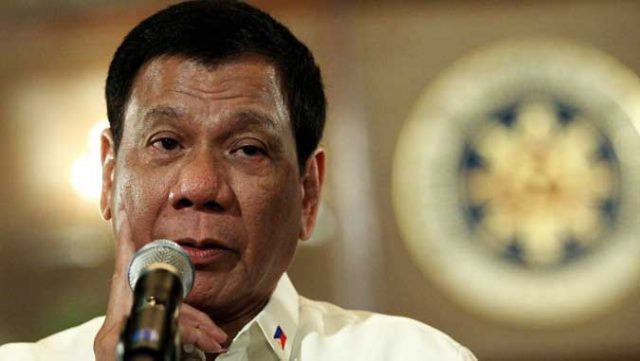
After Duterte, the Philippines may get more Duterte

THE WAY things are taking shape in the Philippines, Rodrigo Duterte could soon be out — and back.

Barred by the constitution from standing again for the presidency, Duterte is preparing for life after next year’s elections from a position of unprecedented strength. He will almost certainly test norms well-established even in a country where personality and name have long mattered above all else. The anti-Duterte camp will cringe at the prospect of having a coarse, pugnacious populist around for years to come. Yet it’s the nation’s democracy and its coronavirus-battered economy that would suffer most.

Since strongman Ferdinand Marcos was driven from power in 1986, the Philippines has limited the presidency to a single six-year term to clip the wings of would-be autocrats. The unintended consequence is that leaders become lame ducks in their last years. Influence and popularity sink. Becoming the serving president’s anointed candidate is usually a guarantee of defeat. Only one, Fidel Ramos, has scraped in, with the blessing of the post-Marcos icon Corazon Aquino.

Duterte, by contrast, has remained consistently popular through a brutal but ineffective drug war, a painful inflation spike in 2018, a poorly handled pandemic, deep recession and now an unimpressive vaccination rollout. Despite taking a shot of China’s Sinopharm vaccine live on social media, the president is under pressure from Filipinos demanding Western alternatives. Official promises of at least 500,000 daily doses (across vaccines) to hit herd immunity later this year appear distant, with the country running at a quarter of that.

Yet last October, when the pandemic in this nation of 110 million people was already one of the worst in Southeast Asia, pollster Pulse Asia published a survey that put his approval rating at 91% — eyebrow-raising even with help from cash handouts for coronavirus relief. Data gathering has been impeded by COVID-19, but a survey done by a different outfit in March this year, as cases were surging, still put his support level at 65%. At a similar stage in 2015, former President Benigno Aquino III was at his most unpopular after his role in a disastrous mission to arrest militants on the southern island of Mindanao.

COVID-19 has had no such crushing effect on Duterte. It means that the showman president is well-placed to orchestrate what happens in next May’s polls, straining this fragile democracy even further. First, by pressing a continuity candidate into the Malacañang Palace, most likely his daughter, Sara. Then, potentially, by running for the vice-presidency himself. The shuffle would replicate a job swap that the pair carried out in the southern city of Davao, their power base, where Sara Duterte-Carpio is now mayor.

Duterte-Carpio has repeatedly said that she has no plans to stand for the presidency, and her father hasn’t officially backed her. Duterte has instead suggested that women are too fragile for the top job — on-brand but unconvincing, given that his daughter has rarely been coy about disagreeing with him and made headlines in 2011 for punching a local official. Never mind that the post-Marcos Philippines has already had two female presidents. Her father’s comments certainly won’t stop Duterte-Carpio from eventually being called to the national stage.

Dark horses tend to emerge late in Philippine politics, as Duterte père did in 2016. But, with her powerful regional base and the right name, Duterte-Carpio would be hard to beat. Of course, others are vying for Duterte’s blessing and may run even without it. There’s popular boxer-turned-politician Manny Pacquiao, an ally likely to turn into a well-resourced star rival, Duterte’s former aide Senator Christopher “Bong” Go, and Ferdinand “Bongbong” Marcos, Jr., the former dictator’s only son. Other likely contenders include Manila Mayor Francisco Domagoso, who goes by his screen name Isko Moreno. Candidacies must be formally registered by early October.

Dynasties are common enough in the Philippines where politics is a family affair, but preparing a tilt at the vice-presidency breaks with convention — and arguably with the spirit of the constitution. Yet Duterte’s party has voiced the plan and he welcomed it as “a good idea.”  The role has had little clout historically. Crucially, though, it is directly elected and allows two six-year terms — potentially keeping Duterte, now 76, shielded from legal action for years.

That’s key. Indeed, neither gambit is exactly a power grab, as Aries Arugay, professor of political science at the University of the Philippines Diliman, pointed out to me. It’s about protection — and that’s no small concern, given Duterte’s use of the judiciary to pursue opponents at home, and the International Criminal Court moving toward an investigation into thousands of killings during his war on drugs. The court tries individuals charged with crimes against humanity. As Arugay argues, pressure will also increase with a new US administration highly motivated to further a democracy-promotion agenda. Duterte drew closer to China during much of his presidency.

Favoring bombast over real achievements, Duterte has been testing the Philippines’ democracy for years. He sidestepped institutions intended to check his power, pursued opposition voices in the media, and weaponized the legal system. An anti-terrorism law passed last year broadens powers of arrest and detention, allowing his administration to more effectively silence dissent.

None of this is likely to help nurse what was once one of the region’s fastest-growing economies back to health. The government wants to see at least 6% growth this year, but the first quarter suffered a 4.2% contraction. Slow vaccinations mean the consumption that will fuel recovery is some way off. Unemployment is still high. Duterte’s big socio-economic promises, including an infrastructure push, remain unfulfilled. Tax reform has gone further, particularly in bringing down an elevated corporate rate, but is incomplete. And despite his attacks on powerful families, wealth is no less concentrated than before.

The scars of the coronavirus cataclysm will linger. Consider that one of the world’s strictest lockdowns kept youngsters at home for months on end — children and teens make up 40% of the population — with unequal access to education. The war on drugs has too long masked the need to counter the reasons people fall in that trap in the first place.

Whoever replaces Duterte has a lot to do to right the ship. He isn’t making it easy.

BLOOMBERG OPINION

Exploring Philippines seas today, for the generations of tomorrow

IN MARCH 2021, a leading Philippine oceanographer and an American explorer, together, reached the deepest point of the Philippine trench — a historic voyage to one of the least-explored places on Earth. By partnering on marine issues, whether on marine sustainability or maritime domain awareness, we protect and explore the world’s interconnected waters, including the Philippine seas.

This June, we celebrate not only World Oceans Month, but also the 75th anniversary of diplomatic relations between the United States and the Philippines. Our cooperation on maritime issues stands out for its incredible promise. Since the launch of the Peace Corps and USAID in the Philippines 60 years ago, Americans and Filipinos have been working together to protect Philippine marine spaces and marine species. In the years to come, we must redouble our efforts to protect the richness of Philippine seas.

When Dr. Deo Florence Onda and Victor Vescovo reached the Emden Deep, even there, they discovered ocean plastics. Plastic debris in our oceans is a global problem that costs the world as much as $2.5 trillion annually. Earlier this month, during a marine-focused “Oceans of Opportunities” conference, the US Center for Strategic and International Studies and University of Philippines International Maritime Law of the Sea characterized the Philippines’ marine environmental situation as “stark.” They noted that the country and its neighbors are “literally choking on plastic debris,” 750,000 metrics tons of which leach into the sea from the Philippines every year.

However, in the face of this challenge, one expert claimed US-Philippine marine cooperation is one of the “most productive endeavors we have seen historically.” Together, we are improving waste management and developing innovations in packaging and recycling to keep debris out of the ocean, while raising community awareness to change handling of plastic waste. Our work to make Philippine waters plastic-free will revive coral reefs, strengthen fish populations, clean up the beaches, support tourism, and reduce greenhouse gases in the atmosphere.

Illegal, unreported, and unregulated fishing costs the Philippines an estimated P63 billion a year and endangers the marine species that produce food and income for millions of Filipinos. We’ve partnered with the Philippine Bureau of Fisheries and Aquatic Resources and local government units throughout the Philippines to help stop these destructive practices. Through USAID Fish Right, we’re also working to ensure safe, legal fishing practices are not only sustainable but profitable for Filipino fisherfolk.

Because waters are all connected, we are committed to increasing regional and multilateral cooperation on marine issues. Through regional projects like USAID Oceans, events like the Leaders’ Summit on Climate, and organizations like the Young Southeast Asian Leadership Initiative (YSEALI), we are bringing international partners together to take action to improve the management and sustainability of our shared resources.

This past April, a team of Filipino and American explorers jointly discovered a sunken Navy destroyer, the USS Johnston, lost during the Battle off Samar on Oct. 25, 1944, as Americans and Filipinos fought to liberate the Philippines during World War II. The shipwreck, the deepest of its kind at 21,000 feet underwater, presents a unique opportunity to learn more about marine habitat and history. This amazing discovery, more than 75 years after the USS Johnston was thought lost for good, highlights the need for more research and visibility into our waters. Ocean and reef health help us measure changes in key environmental indicators and can affect conditions in coastal waters hundreds of miles away. The more data we can gather on fish populations, the more accurate the baseline we have from which to measure climate change effects and implement policies to best protect our maritime riches for future generations.

To jumpstart this critical work, our leading youth exchange program YSEALI, piloted a Marine Accelerator Program this year to train 62 emerging leaders of 33 marine conservation projects from across Southeast Asia. These projects will enable emerging conservation leaders to improve regional cooperation and address maritime and inland waterway issues, such as illegal, unreported, and unregulated fishing, river or marine ecosystem degradation, and marine debris.

While conservation efforts are critical, preserving marine species requires protecting marine spaces. This August marks the 70th anniversary of the Mutual Defense Treaty (MDT), which underpins our security alliance. The security benefits of MDT enable cooperation to improve maritime domain awareness and deter nations from committing environmental crimes. Using tools like the Visible Infrared Imaging Radiometer Suite and satellite imagery, the United States and the Philippines are working together to stop environmental damage before it happens.

With much at stake — sovereignty, food security, and livelihoods — we must continue to do our utmost to protect the world’s waters.


John Law is the US Embassy Chargé d’Affaires.

US directs millions of COVID-19 shots to Asia, Latin America

REUTERS

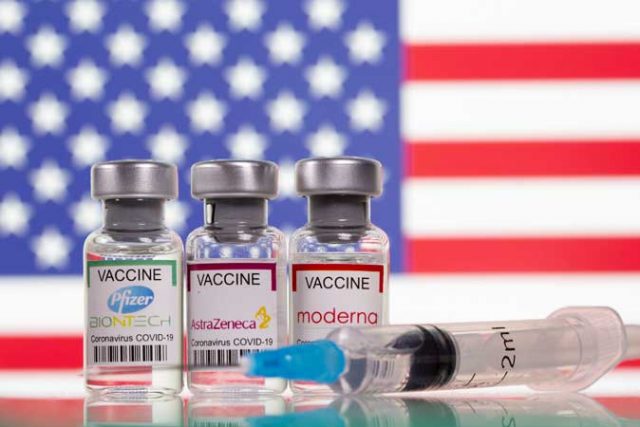
THE WHITE House laid out a plan on Monday to share 55 million US COVID-19 vaccine doses globally, with roughly 75% of the doses allocated to Latin America and the Caribbean, Asia and Africa through the COVAX international vaccine-sharing program.

The plan fulfills President Joseph R. Biden’s commitment to share 80 million US-made vaccines with countries around the world. The President sketched out his priorities for the first 25 million doses from that pledge earlier this month.

The United States has come under pressure to share more of its vaccine supply with countries that are still struggling with the deadly virus and its variants. With more and more Americans getting the shots, the White House increasingly has turned its attention to getting vaccine out internationally.

Of the 55 million remaining doses, some 41 million will be shared through COVAX, the White House said, with approximately 14 million going to Latin America and the Caribbean, some 16 million to Asia, and roughly 10 million to Africa.

The other 25%, or roughly 14 million doses, will be shared with “regional priorities,” including Colombia, Argentina, Iraq, Ukraine, the West Bank and Gaza.

White House spokeswoman Jen Psaki said the United States had faced logistical issues getting vaccine to other nations.

“We have plenty of doses to share with the world, but this is a Herculean logistical challenge,” she told reporters, noting safety and regulatory information had to be shared, proper storage temperatures for the vaccines had to be ensured, and language barriers at times had to be overcome.

“We have announced today where these doses are going. We will continue to announce as they land on the ground and as they are being shipped, and we’re looking forward to doing that as quickly as possible,” she said.

The 55 million doses will be taken from the US supply of Pfizer, Inc., Moderna, Inc., and Johnson & Johnson shots, though if AstraZeneca’s vaccine gets a green light from the Food and Drug Administration, it would likely be added to the mix as well.

The White House said it wanted the doses to be prioritized for health care workers and those who are most at risk.

International partners are eager to get US help. Mr. Biden has announced the United States will buy 500 million doses of Pfizer’s vaccine and donate them to the world’s poorest countries.

The White House’s breakdown of its allocation of the 55 million vaccine doses is below.

THROUGH COVAX:

• Latin America and the Caribbean (approximately 14 million shots): Brazil, Argentina, Colombia, Peru, Ecuador, Paraguay, Bolivia, Uruguay, Guatemala, El Salvador, Honduras, Haiti, and other Caribbean Community (CARICOM) countries, Dominican Republic, Panama, and Costa Rica

• Asia (approximately 16 million shots): India, Nepal, Bangladesh, Pakistan, Sri Lanka, Afghanistan, Maldives, Bhutan, Philippines, Vietnam, Indonesia, Thailand, Malaysia, Laos, Papua New Guinea, Taiwan, Cambodia, and the Pacific Islands.

• Africa (approximately 10 million shots): Recipient countries will be selected in coordination with the African Union.

THROUGH DIRECT SHARING: Colombia, Argentina, Haiti, other CARICOM countries, Dominican Republic, Costa Rica, Panama, Afghanistan, Bangladesh, Pakistan, Philippines, Vietnam, Indonesia, South Africa, Nigeria, Kenya, Ghana, Cabo Verde, Egypt, Jordan, Iraq, Yemen, Tunisia, Oman, West Bank and Gaza, Ukraine, Kosovo, Georgia, Moldova, and Bosnia. — Reuters

Great Barrier Reef should be listed as ‘in danger,’ says UNESCO committee

REUTERS
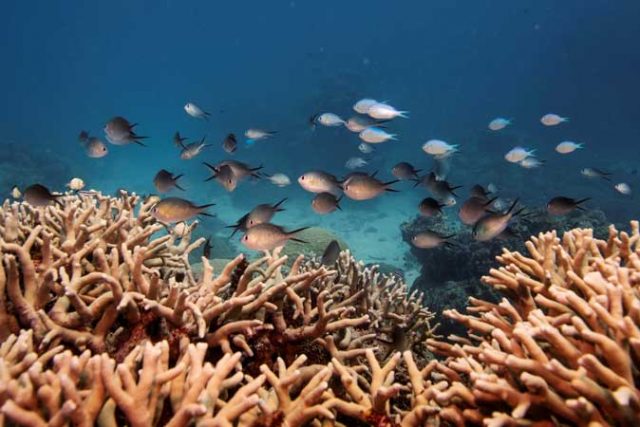
A SCHOOL OF FISH swim above a staghorn coral colony as it grows on the Great Barrier Reef off the coast of Cairns, Australia Oct. 25, 2019. — REUTERS

CANBERRA — The Great Barrier Reef should be added to a list of “in danger” World Heritage Sites, a UN committee recommended on Tuesday, prompting an angry response from Australia which said it had been blindsided by the move and blamed political interference.

The long-term outlook for the world’s biggest coral reef system had deteriorated and action was needed to counter the effects of climate change, said the United Nations Educational, Scientific and Cultural Organization committee, which sits under UNESCO.

Australia’s Environment Minister Sussan Ley said Canberra would challenge the recommendation, saying it went against advice given just a week ago, and defended Australia’s protection of the reef.

“This is a complete subversion of normal process,” Ms. Ley said.

Australia has for years been battling to keep the Great Barrier Reef, a major tourist attraction that supports thousands of jobs, off the “in danger” list, a step that could potentially lead towards its eventual removal as a World Heritage Site.

In 2015, its lobbying included hosting UNESCO World Heritage delegates on a trip to an unspoiled stretch of the reef, but since then, scientists say, the world’s largest living ecosystem has suffered three major coral bleaching events due to severe marine heatwaves.

Ms. Ley said she and Australia’s Minister for Foreign Affairs Marise Payne raised their concerns overnight with the Director General of UNESCO, Audrey Azoulay.

“This decision was flawed. Clearly there were politics behind it,” she said, without elaborating.

A government source said Canberra believes China, which chairs the committee, is responsible for the move amid a souring of relations between the two countries. “We will appeal but China is in control,” the source said, declining to be named as he is not authorized to talk to the media.

China’s embassy in Canberra did not immediately respond to a request for comment.

Environmental groups, however, rejected that the recommendation was political and said it was clear Australia was not doing enough to protect the reef, especially on climate change.

“There is no avenue for any government to have any input. This recommendation is reached by world renowned scientists,” said Richard Leck, Head of Oceans for the World Wide Fund for Nature, Australia.

Mr. Leck was part of a group of conservationists that lobbied 13 members of the UNESCO committee to reach its recommendation, which will now be considered by all 21 countries on the committee.

Australia is part of the committee, but by convention it will not be able to vote if a consensus is unable to be reached.

Australia’s reliance on coal-fired power makes it one of the world’s largest carbon emitters per capita, but its conservative government has steadfastly backed the country’s fossil fuel industries, arguing tougher action on emissions would cost jobs.

Relations between Canberra and Beijing soured last year after Australia accused China of meddling in domestic affairs, and worsened when Prime Minister Scott Morrison sought an independent inquiry over the origins of the coronavirus pandemic. — Reuters

Singapore widens mandatory testing area to contain new coronavirus cluster

SINGAPOREAN authorities identified two more coronavirus clusters in a large neighborhood outside the city center where the government widened mandatory testing in response to an outbreak from mid-June.

More residents and housing blocks in the Redhill neighborhood will have to get tested as viral fragments were found in waste water samples collected from the area, raising concerns of a fast-moving, undetected spread. Some of the 13 cases detected on Monday were part of the new clusters that have emerged, the government said in an update on Monday, while three of the infections were untraceable.

Singapore has been pursuing a strategy of ringfencing clusters with aggressive testing as the authorities remain cautious over the loosening of restrictions. The government has said vaccination rates are still not high enough to warrant a faster reopening in Singapore, although it has achieved a key threshold of inoculating more than half of its population with a first dose.

The first cluster that emerged from the market and food center in the Redhill area in mid-June is now the largest in Singapore with 78 infections, according to updated data. The government said on Friday that about half of the people found to be infected at the time were not vaccinated.

“We are adjusting our reopening plans in light of the latest outbreak,” Finance Minister Lawrence Wong, who co-leads the country’s virus taskforce, said in a recent Facebook post. Singapore is “treading a careful way forward” so as to “to buy us time to speed up vaccinations,” he added.

Since Monday, dining-in has resumed in groups of up to two people — instead of five as previously planned. Group sizes will likely be raised to five from mid-July, barring any superspreader events or big clusters.

Singapore reported one death linked to the virus, bringing the total to 35. Singapore has one of the lowest case fatality rates in the world at 0.06%, in part due to quick contact tracing and mandatory mask-wearing as well as the majority of the coronavirus disease 2019 (COVID-19) patients being young migrant workers who were less affected. — Bloomberg

Kaya takes on Shanghai Port in AFC Champions League playoffs

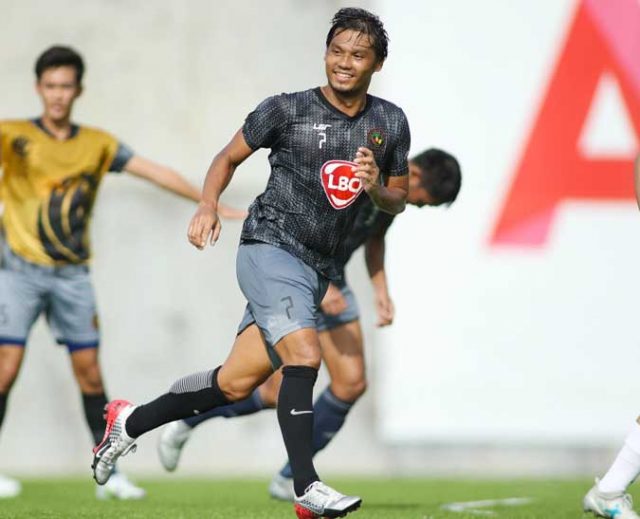
KAYA FC-ILOILO seeks to book a spot in the group stages of the 2021 AFC Champions League (AFC CL) as it takes on Shanghai Port FC in a playoff match on Wednesday in Thailand. — KAYA FC

By Michael Angelo S. Murillo, Senior Reporter

KAYA FC-Iloilo seeks to book a spot in the group stages of the 2021 Asian Football Confederation (AFC) Champions League (CL) as it takes on Shanghai Port FC in a playoff match on Wednesday in Thailand.

Happening at the Pathum Thani Stadium in Bangkok, Kaya will try to make the most of its first appearance in the continental tournament and go deep in the competition.

At stake in the Kaya-Shanghai Port match is a spot in Group F of the AFC CL, where waiting are champion squads BG Pathum United of host Thailand and Viettel of Vietnam, and defending Champions League titleholder Ulsan Hyundai of Korea.

The Philippine side was originally set to take on first Brisbane Roar in the playoffs before the latter and other Australian clubs decided to pull out from the tournament, leaving Kaya with one less roadblock to hurdle.

For the competition at hand, Kaya has a new coach at the helm in Englishman Graham Harvey and will be parading new signings which include young Philippine Azkals player Jarvey Gayoso.

Mr. Harvey will be working with assistant coach Yu Hoshide in trying to lead the team in the prestigious biennial football meet.

“The boys really did well in training and we will just prepare for whichever Shanghai team plays us,” said Mr. Harvey in the lead-up to the Shanghai match.

For Mr. Gayoso, who is coming off a stint with the national team in the recent joint FIFA World Cup and AFC Asian Cup qualifiers in the United Arab Emirates, playing for Kaya now is something he is looking forward to.

“It’s great to be here. It helps that I know most of the players. We’ve been busy training and I’m ready and we’re ready,” he said.

Apart from Mr. Gayoso, other new signings of Kaya are JhanJhan Melliza and Fitch Johnson Daviz Arboleda from Stallion Laguna FC, midfielder Ryo Fujii and striker Patrick Asare.

In the event Kaya wins over Shanghai Port, it will join reigning Philippines Football League champion United City Football Club, which is already through to the group stages and set to play in Group I along with Japan’s Kawasaki Frontale, China’s Beijing Guoan and Korea’s Daegu FC.

On the other hand, if Kaya falls short, it will have to settle playing in the AFC Cup where it has played three times previously and reached the Round of 16 back in 2016.

At least 19 Filipino athletes could see action in Tokyo Olympics, says Fernandez

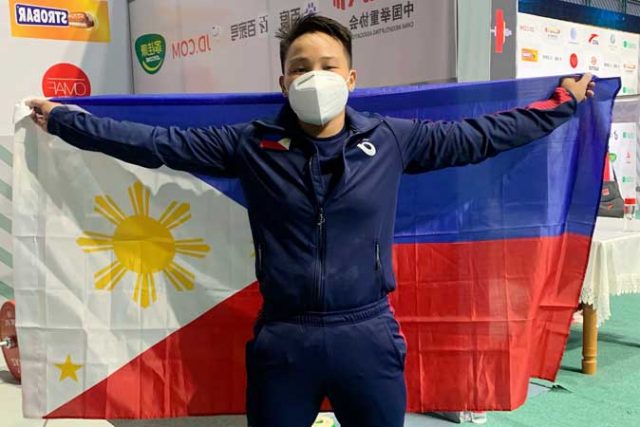
WEIGHTLIFTER Erleen Ann Ando was one of the latest Filipino athletes to have qualified for the Olympic Games in Tokyo. — ERLEEN ANN ANDO FB PAGE

THE number of Filipino athletes qualifying for the Olympic Games in Tokyo has steadily been increasing of late and could actually reach at least 19, said Philippine Sports Commission commissioner Ramon Fernandez.

The PSC official shared their projection in his session on the online Philippine Sportswriters Association Forum on Tuesday where he talked about the developments in the country’s preparation for the Olympics and Southeast Asian Games in Vietnam later this year.

“We have officially 12 athletes who have qualified but based on our projections we could have at least 19 or more. We are really hoping to send more athletes to the Olympics,” said Mr. Fernandez.

“These athletes have been stepping up their game for the last two years at the highest level as they compete at top-level competitions worldwide. I think we could break some records as to the number of athlete delegation for the Tokyo Games,” he added.

Currently, 12 athletes have already qualified for the Tokyo Olympics, one shy of the total delegation which saw action in the Summer Games in Rio, Brazil, in 2016.

They are pole-vaulter EJ Obiena, gymnast Caloy Yulo, boxers Eumir Felix Marcial, Irish Magno, Nesthy Petecio and Carlo Paalam, weightlifters Hidilyn Diaz and Erleen Ann Ando, rower Cris Nievarez, taekwondo jin Kurt Barbosa, skateboarder Margielyn Didal, and shooter Jayson Valdez.

More are expected to qualify, Mr. Fernandez said, coming from golf, judo, athletics and swimming, among others.

The most recent who has qualified is Mr. Valdez, 25, who welcomed the news last weekend.

He earned qualification for the Summer Games in the men’s air rifle 10-meter event through the quota system implemented by the International Shooting Sports Federation.

Mr. Valdez became the latest Filipino shooter to qualify for the Olympics after Paul Brian Rosario who competed in men’s skeet as a wild card entry in London 2012. He made the minimum qualifying scores for his participation in the World Cup and Asian qualifying tournaments.

Mr. Fernandez said as the Olympics draws near, they at the PSC continue to prepare for what is expected from them for the country’s Tokyo bid, notwithstanding the challenges presented by the pandemic.

“I think the Olympics is definitely happening so we continue to prepare. It has been challenging especially during this time with the pandemic, but we’re trying to address everything,” he said, including having the athletes fully vaccinated in time for the Games.

The rescheduled Olympic Games happens from July 23 to Aug. 8. — Michael Angelo S. Murillo

PHL Sports Commission summit tackles religion, ethics and sports

RELIGION, ethics, and sports take center stage at the 19th session of the National Sports Summit 2021 (NSS) on Wednesday with redemptorist brother and renowned author Br. Carlito “Karl” Gaspar CSsR.

Mr. Gaspar, a Doctor of Humanities at Xavier University, will spotlight the relationship of sports and religion, and its most pronounced impact on the philosophy of modern sport through the various beliefs across nations.

The Davao City native also gives a glimpse on new developments that helped create a shift which brought sports and religious practices together, and the development of the ethical value in promoting sports especially in terms of promoting fair play, sportsmanship while building the moral character and leadership of youth.

“This is a good topic for the Summit, as it will give us a better understanding of how sports and religion can peacefully coexist with each other and be tools for development and unity,” expressed Philippine Sports Commission (PSC) Chairman William Ramirez.

Mr. Gaspar has written more than 20 books on ethnographic studies of Indigenous People, peace-building in Mindanao, and Mindanao history and theological discourses. His book Manobo Dreams in Arakan won the National Book Award for Social Sciences in 2013.

He was also awarded the Lifetime Achievement award as author by the Cardinal Sin Catholic Mass Media Awards, and was given the Parangal ng Sambayanan award by Ateneo de Manila University, and the Datu Bago Award by Davao City in 2017.

ADVERTISEMENT
ADVERTISEMENT