Home Blog Page 7673

Petron to deliver ‘good financial performance’ in 2021

By Angelica Y. Yang, Reporter

LISTED oil company Petron Corp. said it is hoping to deliver a good financial showing this year as long as authorities do not impose a stringent lockdown, its top official said on Tuesday.

“We certainly believe it (Petron) will continue to deliver a good performance unless there is a strict lockdown again,” President and Chief Executive Officer Ramon S. Ang said during the company’s annual stockholders’ meeting which was virtually held on Tuesday.

The firm was able to return to profitability by the second half of last year, as its net income from July to December hit P2.8 billion.

Petron’s Chief Finance Officer Emmanuel E. Eraña said during the event that this was a modest recovery from “huge losses” incurred the first half of 2020, which the firm earlier placed at P14.24 billion.

“The results from last two quarters of 2020 fueled our optimism as we entered 2021,” Mr. Eraña said, citing Petron’s first-quarter consolidated net income of P1.73 billion.

He added that the company’s refinery in Bataan served as the main import facility which ensured a stable and reliable supply of petroleum products during the global health emergency.

For Mr. Ang, Petron’s 180,000 barrels-per-day refinery is “very competitive,” and the firm sees no reason in shuttering the facility.

“In fact, we are set… to restart the refinery this coming June, unless there is a hard lockdown and the volume drops down tremendously,” he said, adding that the refinery remains a viable business.

Previously, Petron temporarily halted the operations in its Limay refinery in February to reduce losses due to weak margins.

Sought for comment on the impact of the coronavirus disease 2019 (COVID-19) pandemic on Petron’s overall financial performance, Mr. Ang said that volume sales were affected.

“Pandemic has brought down the volume of Petron. Revenue-wise, we are down practically 44% decline and volume drops by 27%,” he explained.

“Luckily, Petron’s balance sheet is very strong, and we have prepared the company to be able to weather this kind of storm. Rest assured that this company will survive and will make good return for everyone,” he added.

Petron’s attributable net income for the three months ending March stood at P1.4 billion, swinging from losses of P4.61 billion in the same period last year, even as the number of oil barrels sold declined and revenues decreased during the period.

Shares of Petron in the local bourse shed 0.32% or 1 centavo to close at P3.09 apiece on Tuesday.

Ty’s GT Capital core income up 19% to P3.4B

GT Capital Holdings, Inc. posted a 19% growth in core net income in the first quarter to P3.4 billion from P2.8 billion year on year on the back of the performance of Metropolitan Bank & Trust Co. and Toyota Motor Philippines Corp.

“The solid performance of Metrobank and the strong rebound in the auto business led to significant earnings growth for GT Capital in the first quarter,” Carmelo Maria Luza Bautista, president of GT Capital, said in a statement on Tuesday.

The Ty-led conglomerate said its consolidated net income amounted to P4.1 billion for the period, soaring by 60% from P2.5 billion a year ago.

For the first three months of 2021, Metrobank’s net profits went up by 27% to P7.8 billion from P6.1 billion as non-interest income increased by 28% to P7.9 billion.

“With nonperforming loans ratio stable at 2.4%, the bank was able to reduce provisions by 50% year on year to P2.5 billion,” GT Capital said.

Meanwhile, Toyota’s consolidated net income improved by 39% in the January-to-March period to P2 billion from P1.4 billion a year ago. Consolidated revenues also went up by 18% to P33.9 billion from P28.8 billion.

Its retail vehicle sales totaled 33,095 units, while 74,585 units were sold in the automotive sector. GT Capital said Toyota earned a record 44.4% overall market share in the first quarter.

Toyota launched a new Innova unit in February, and the Vios GR Sport and a new Vios in March.

“We look forward to our entry into the pre-owned vehicle segment, through our joint ventures with JBA Philippines and Premium Warranty, which will continue to expand our automotive value chain footprint,” GT Capital Auto Dealership Holdings, Inc. Chairman Vince S. Socco said.

Real estate arm Federal Land, Inc. saw its consolidated net income fall by 12.8% to P327 million from P375 million last year as pandemic restrictions continued to affect construction and sales activities. Its topline went down by 27% to P2.4 billion from P3.3 billion.

Federal Land’s reservation sales for the quarter amounted to P3.5 billion, suffering a 55% fall from P7.9 billion a year earlier. Lease revenues also declined by 12.8% to P327 million from P375 million.

Meanwhile, Metro Pacific Investments Corp.’s (MPIC) consolidated core income declined by 26% to P2.5 billion for the first three months from last year’s P3.4 billion.

However, GT Capital said: “Compared to the 34% full-year decline in 2020, the first-quarter earnings decline of 26% shows a gradual improvement in performance, notwithstanding the continuing quarantine across the country.”

Of MPIC’s total operating income, power made up for 66% or P2.5 billion, toll roads accounted for 21% or P783 million, and water contributed 14% or P534 million. Other businesses like hospitals, light rail, and logistics incurred a P49-million loss altogether.

“Consolidated reported net income rose 272% to P7.0 billion in the first quarter, benefitting from the gain recognized from the sale of Global Business Power and Don Muang Tollways,” the company said.

Insurance firm AXA Life Insurance Corp. “also supported GT Capital’s performance during the period,” as its consolidated life and general insurance gross premiums amounted to P12.5 billion. It is a 32% hike from last year’s P9.5 billion.

AXA Life’s consolidated net income in the first quarter declined by nearly 12% to P324 million from P367 million year on year.

GT Capital is remaining optimistic for the rest of 2021.

“We look forward to the escalated vaccine deliveries by the second half, the faster inoculation of the general public, and the reopening of more sectors of the economy,” Ms. Bautista said.

Shares of GT Capital at the stock market went up by 0.57% or P3 to close at P530 each on Tuesday. — Keren Concepcion G. Valmonte

DMCI expects return to pre-pandemic levels in 2023

DMCI Holdings, Inc. said it expects to revert to pre-pandemic levels starting 2023, as the firm anticipates the recovery of its units amid the global health emergency.

“Considering the (coronavirus disease) vaccine rollout is only starting, it will probably end by the first quarter of next year. So, the side effects of this pandemic would probably end up at the end of 2022. So, pre-pandemic economic condition will probably begin in 2023,” DMCI President and Chief Executive Officer Isidro A. Consunji said during the company’s annual stockholders meeting, which was virtually held on Tuesday.

He made the comment when asked about when DMCI is expected to return to pre-pandemic profits.

During the event, he gave an outlook on several units under the holding firm, including its construction, real estate and power segments.

Mr. Consunji, who is also DMCI chairman, said that he expects a strong bounce-back from the firm’s construction arm D.M. Consunji, Inc. this year, because of its substantial order book, higher barracks capacity and additional workers.

“Productivity is also higher because unlike last year, essential and priority infrastructure projects are allowed to continue even during ECQ (enhanced community quarantine),” he said.

He said the firm’s real estate segment DMCI Homes is likely to fare better this year due to its considerable unrecognized revenues, better construction productivity and efforts in optimizing resources. But he noted that “softening demand for mid-segment projects caused by job insecurity and unemployment may negatively impact its profitability by 2023.”

However, he is optimistic that resort-type developments will sustain buyer interest.

Mr. Consunji said that the firm expects the earnings of its coal producer Semirara Mining and Power Corp. (SMPC) to improve on the back of better market conditions. But the water seepages at the Molave North Block 7 in Antique and prolonged outage of a unit of its Calaca power plant will “temper” the company’s financial results.

Operational headwinds will likely persist for SMPC, he said.

He added that mining unit DMCI Mining Corp. could increase its reserves by 276 million wet metric tons, if all pending mineral production sharing agreements are approved.

Mr. Consunji also gave updates on DMCI Power Corp., which is continuing with its expansion plans. He said the unit begun the construction of a 15-megawatt (MW) thermal plant in Palawan, which is seen to stabilize power supply in the area.

DMCI Power is also building a 4-MW hybrid solar-diesel plant in Masbate that is targeted to go online by next year.

Mr. Consunji said that DMCI intends to participate in the government’s Build, Build, Build (BBB) program as joint-venture partner or sub-contractor, since the projects “will not allow DMCI to participate as a single entity.”

DMCI’s first-quarter attributable net income rose by nearly seven times to P4.25 billion, from P616.45 million in the same period last year.

Shares of DMCI in the local bourse improved 0.37% or 2 centavos to close at P5.46 apiece on Tuesday. — Angelica Y. Yang

Bringing art into the workspace

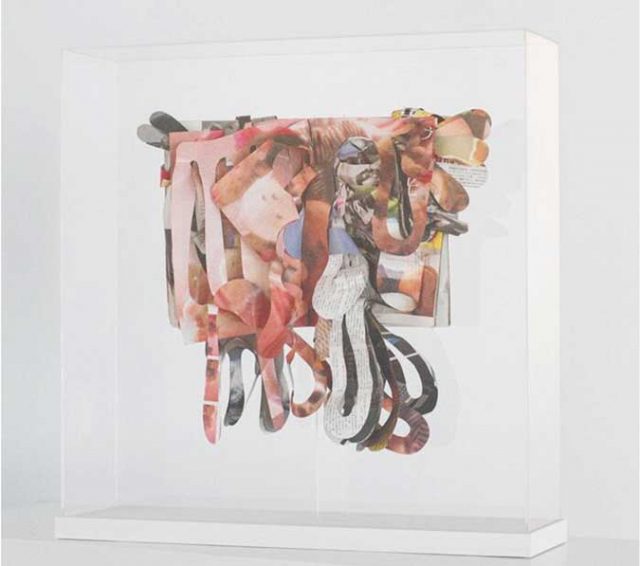
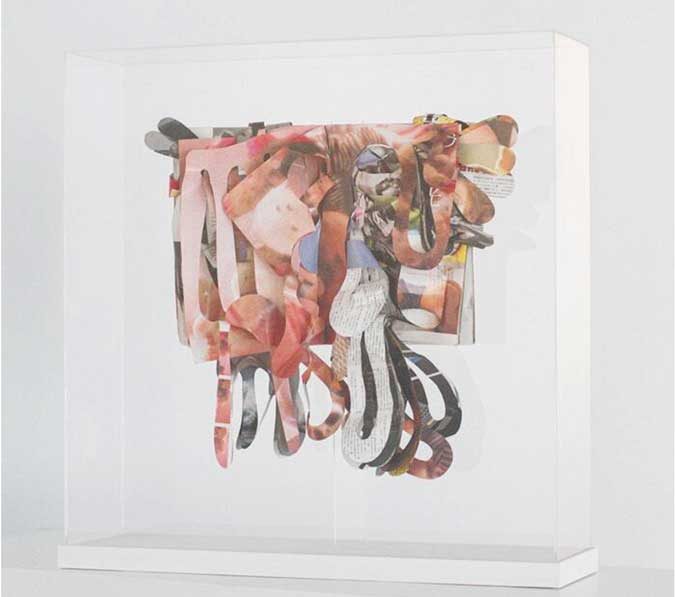
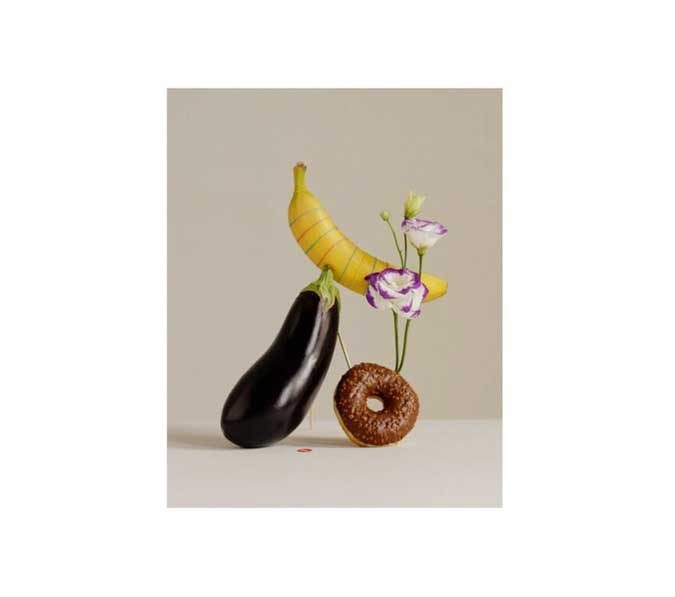
WORKS from Modeka X KMA exhibit ‘Defy Limits: Art at KMC’ exhibit.

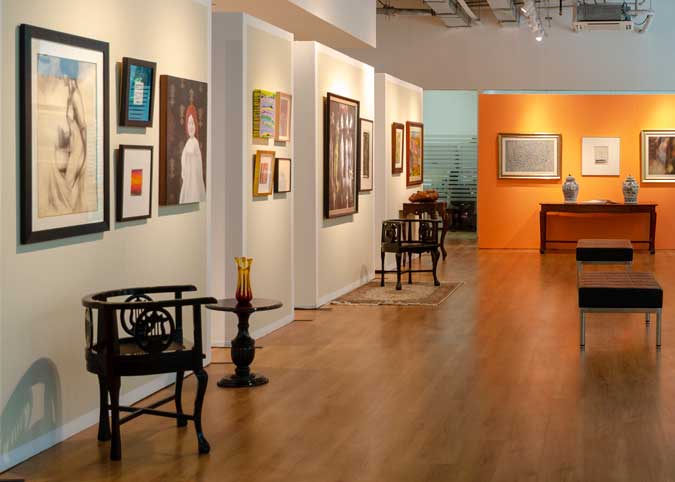
DURING the strict lockdowns, workspace provider KMC Solutions offered the employees of its member brands a very stable desk, a chair, and a computer or laptop while they worked from home. When restrictions eased, employees didn’t have to come to the city but were allowed access to workspaces within the proximity of their residences. And now they can view art as they work as, for the first time, KMC Solutions, is showing art in its co-working spaces in a team up with Modeka Art.

The workspace provider adds creativity to its co-working space at the KMC Podium West Tower with its first Modeka Art pop-up exhibit, “Defy Limits: Art at KMC.”

As a workspace provider, KMC Solutions offers office spaces to more than 400 global brands and local businesses across multiple industries in the Philippines. It currently has more than 55 flexible workspaces in over 23 locations around Metro Manila, Cebu, Clark, and Iloilo.

Meanwhile, Modeka Art, which opened in 2019, is an independent, artist-led contemporary art gallery, creative space, and art consultancy located in Makati.

“There have been many studies showing how workplace design and aesthetics can improve well-being. It was in this spirit that we decided to partner with Modeka Art to bring in their paintings from great local artists. We wanted to further enliven our already thoughtfully designed workplaces with even more art at a time people need it the most,” Gian Reyes, Vice-President of Marketing and Strategic Partnerships at KMC Solutions, said in a statement.

“[The artworks] really add beautiful and attractive content to the offices and the KMC community. Having Modeka Art displaying the art of their artists to our portfolio of offices, really adds to the vibe and the interior design,” Gregory Kittelson, Chairman of KMC MAG Solutions, said during an online press launch on May 17 held via Google Meet.

Curated by Stephanie Frondoso, “Defy Limits: Art at KMC” features paintings, sculptures, photos, and sketches by 270501, AK Ocol, Alyssa Hueze, Aze Ong, Bjorn Calleja, Buboy Cañafranca, Dini Nur Aghina, Gary Ross Pastrana, Geremy Samala, Jed Escueta, Jolo Salvador, Mac Valdezco, Mara Fabella, Miles Villanueva, MM YU, Monica Delgado, Nasser Lubay, Pablo Bermudez, Peter Yuill, Romina Diaz, and Rosit Mulyadi.

The pop-up exhibit takes the experience of art appreciation outside the usual gallery setting, bringing it to a wider audience.

“From the very start of Modeka Art, we have always been championing new ways of experiencing and collecting art. While the industry is moving digital, being able to enjoy art in person is still challenging during these times,” Riccardo Corsini, founder and Creative Director of Modeka Art said in a statement.

During the online press launch, Mr. Corsini said that the pandemic has allowed the art community to expand its audience by going virtual since most people are spending their time at home. The galleries have been able to rethink their business model and create a digital strategy, going beyond a physical stage.

Mr. Kittelson is looking into the idea of expanding the partnership to various branches. “We would love to see Modeka Art’s artworks through our offices continuously,” he said.

Tenants and guests who will visit the pop-up exhibit must schedule an appointment (https://kmc.solutions/defy-limits-art-at-kmc-podium-west-tower/) to comply with health and safety protocols. An online declaration form has to be accomplished prior to entering.

“Defy Limits: Art at KMC” is open for viewing until Aug. 14. The KMC Podium West Tower is at the 26th and 27th Floor, Ortigas Center, Mandaluyong City. For more information, visit KMC Solutions at https://kmc.solutions/ and Modeka Creative Space at https://modeka.space/. — Michelle Anne P. Soliman

DoubleDragon nets P6B in 2020, P444M in first quarter

DOUBLEDRAGON Properties Corp. said on Tuesday its consolidated net income in 2020 amounted to P6.03 billion, a 43.38% drop from its P10.65-billion income in the previous year as revenues also declined.

The company’s topline went down by 29.41% to P14.26 billion from P20.20 billion “mainly due to the absence of substantial fair value gains booked the prior year,” it said in a statement on Tuesday.

DoubleDragon’s recurring revenues amounted to P4.10 billion in 2020, improving by 3.9% from P3.95 billion due to the 10.2% growth of its rental revenues to P3.90 billion from P3.27 billion.

The company now has a portfolio spanning 1.024 million square meters of gross floor area.

Its 41 retail malls nationwide are said to maintain a 90.53% occupancy rate “as [the] majority of the leasable space in CityMalls are dedicated to essential services such as supermarket, pharmacies, clinics, and banks.”

The office portfolio of DoubleDragon’s real estate investment (REIT) trust, DDMP REIT, Inc., also has an occupancy rate of 97.23% due to the stable office sector.

Meanwhile, 518 rooms of its Hotel 101 chain in Manila were 80.1% occupied in 2020 despite the pandemic restrictions. The company said that the occupancy rate bumped up to 86.39% in the last quarter of the year.

For the first three months of 2021, the company generated P443.81 million in consolidated net income, down by 40.41% from P774.74 million a year ago.

Consolidated revenues declined by 20.72% to P1.52 billion, which is also due to the absence of fair value gains booked in this year compared with the same period last year.

Recurring revenues grew by 11.44% to P1.03 billion in the first quarter from P927.91 million on the back of a 15.75% rental revenue climb, which totaled P897.05 million for the period.

The company’s total equity increased by 20.73% to P59.23 billion in the January-to-March period after the initial public offering of its REIT, which is “substantially higher” than the company’s total debt.

“2021 is a milestone year for DoubleDragon as its debt-to-equity (D/E) ratio is only at 0.77x vs the maximum allowable cap of 2.33x making DD (DoubleDragon) now among the listed companies in the Philippines with the lowest D/E ratio,” DoubleDragon Chairman Edgar “Injap” J. Sia II said in a statement.

On Tuesday, shares of DoubleDragon at the stock exchange went down by 0.49% to close at P12.12 each. — Keren Concepcion G. Valmonte

The beauty of the Philippines’ blades

Book Jacket

By Jonathan Best

Book Review
A Warrior’s Armament
and Ornament: The Edwin R. Bautista
Collection of Philippine
Bladed Weapons
Published by the
MusKKaT Museum

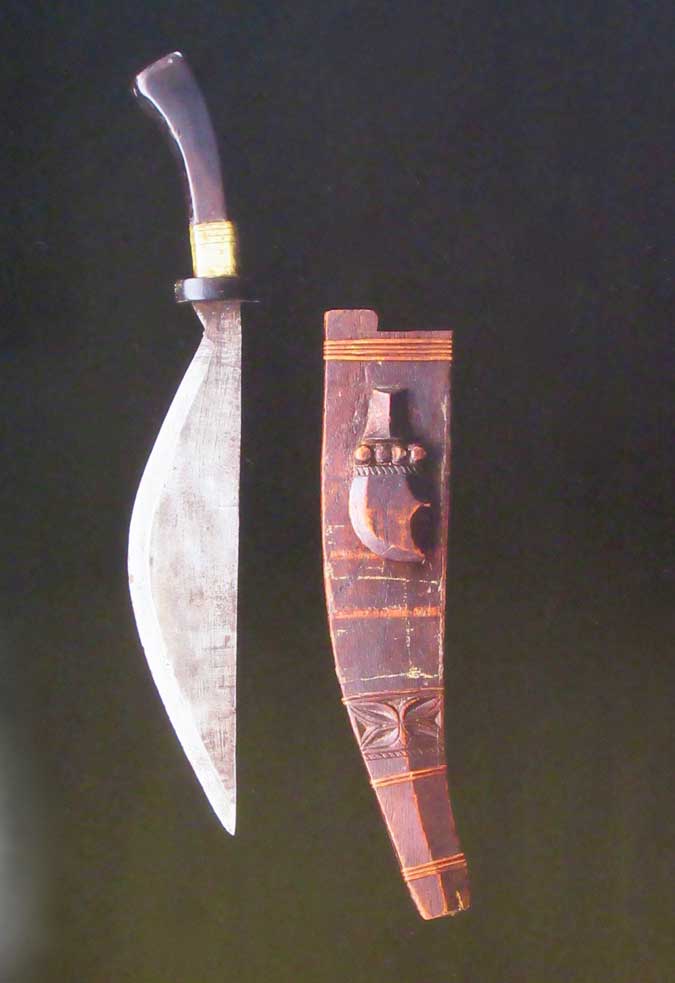
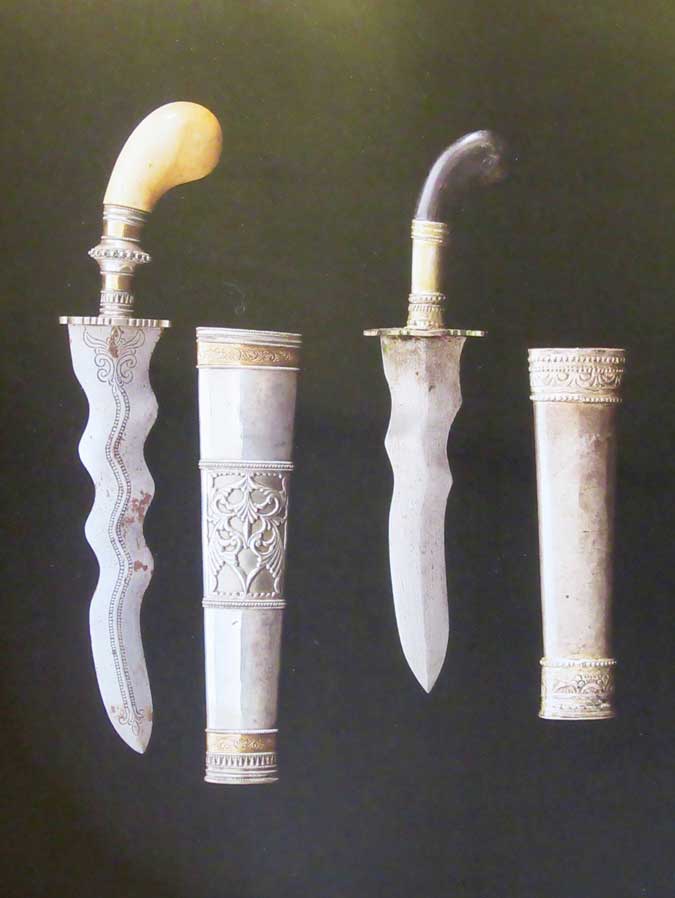
THE RECENTLY published fine arts book, A Warrior’s Armament and Ornament is a collection of scholarly essays documenting the Edwin R. Bautista collection of Philippine antique and vintage bladed weapons which were recently acquired by the MusKKaT museum. The Museo ng Kaalamáng Katutubò (MusKKat) is a foundation engaged in museum development, cultural education, material culture research and conservation, a long term philanthropic project of the Unilab Corporation based in Mandaluyong City, Metro Manila. The museum does not have its own permanent building yet and currently uses offices at the Unilab headquarters in Mandaluyong with its own archival storage and state-of-the-art conservation facilities in Laguna province south of Manila. The Museum has a small highly trained staff headed by Director Corazón S. Alvina, the former director of the Philippine National Museum and author of numerous books and articles on Philippine art and culture.

Over the last few years, the MusKKaT museum has been assembling an impressive collection of Filipino ethnological material, textiles, wood carvings, antique and vintage weapons, indigenous metal work, betel nut boxes, maps and other ethnological reference books and documents. Their collection, which will eventually be available for public display, has been gathered locally and from various international sources. Currently, during the pandemic, the museum is busy with its publishing projects and hosts informative lectures and online cultural and educational events.

Their latest publication, a 217-page full color, hardbound, large format edition is the museum’s second major publication. Their first was a study of the insular communities living on the Batanes Islands north of Luzon. Due to its size and copious full-page illustrations, this new publication could easily be mistaken for just another elegant coffee table book. However, this book is not only for display or casual browsing as a great deal of very serious scholarship and painstaking research has gone into its production. All the items illustrated in the book have extensive descriptive captions and are accompanied by their museum accession numbers.

Ms. Alvina is the book’s primary editor and she has put together a distinguished team of well-trained experts in the field of Filipino material culture, crafts and art conservation. The original owner of this valuable collection of Filipino bladed weapons, Edwin R. Bautista, spent many years assembling hundreds of items, primarily long knives, daggers and swords known locally as kampilan, kris, bolo, tálibong, and countless other names for weapons with various shapes, sizes, and different function, and local origin. Each category of weapon has its own distinctive blade, hilt, pommel, and sword guard and is usually accompanied by ornamented leather, wooden, or metalic scabbards or sheaths.

Mr. Bautista is a native of Iloilo and is currently CEO of Union Bank in Manila. He is a board member of the Philippine Map Collectors Society (PHIMCOS), and a trustee of the Museo Iloilo in his home province. He provides an opening essay for this book, giving an outline of how and why he amassed this comprehensive collection which he has now very generously donated to the MusKKaT Museum.

The other contributing writers are Jaime C. Laya Ph.D., who provides the official introduction and a synopsis of the book; Patrick D. Flores Ph. D., the noted art historian and curator who writes on the physicality and functionality of the bladed weapons; Eusebio Z. Dizon Ph.D., who gives an “archaeo-metallurgical assessment” of the subject collection; Narciso C. Tan, an avid researcher and collector of Philippine ethnological material, writes on the weapons of Northern Luzon; and, Lorenz Lasco, another major collector and Southeast Asian scholar, who writes on the social, spiritual and talismanic significance of the weapons and their ornamentation.

In addition to the principal writers there are a number of shorter ancillary contributions which give helpful insights into the collection’s social and artistic significance. Ms. Alvina offers a descriptive list of materials used for the weapons and their adornment: bone, ivory, leather, mother-of-pearl, giant clam shell, turtle shell, bamboo, coconut shell, cotton, rattan, hardwood, and numerous locally forged metals such as brass, bronze, copper, gold, iron, nickel, and silver. Focusing on the form and function of these indigenous materials elucidates how the weapons were very much a product of the Philippine’s indigenous culture and tropical, archipelagic environment.

Orlando V. Abinion, the former head of the conservation department of the National Museum of the Philippines, gives pointers on the proper care and handling of metal artifacts. Raymond Santiago, the registrar of the UNILAB and MusKKaT Museum’s collections, writes a short, well researched, piece on the traditional leaf shaped barong of Mindanao and Sulu, while Rosch Emille C. Manuel writes on the kris knives of Sulu and Muslim Mindanao. Jose Ma. Lorenzo P. Tan, the well-known naturalist, writer, and photographer, discusses the curve bladed panabas which was used for both agricultural work and warfare. Samuel M. Briones gives the history of the famous wavy bladed gunong of the Maranao and the superstitions regarding its shape and length.

Photographer At Maculangan’s full color illustrations are handsomely set off against dramatic black or sheer white backgrounds, showing full length weapons and sharply focused details of the ornamentation. Narciso C. Tan’s essay is well illustrated with contemporary and vintage photographs of weapons from his and his wife Sharon Ann Azarcon Tan’s own extensive weapons and photograph collection.

Overall the book is handsomely laid out and complete with an essential bibliography and well researched end-notes — unfortunately these are somewhat difficult to read given their small font size.

Since the introduction of forged metals many centuries ago, and before guns became ubiquitous, knives, swords, and spears were the universal personal weapons of choice for armed men and occasionally of women as well. Bladed weapons have also had many other important functions other than just for hand-to-hand combat or for warfare — they are important utilitarian tools for agriculture and hunting and have also been used as ceremonial insignia of rank and social status, as well as simply for prestigious adornment in societies ranging from the primitive to the most refined and civilized.

The Philippines may not have achieved the same levels of opulence as the royal courts of the traditional Hindu rajahs and Islamic sultans of India, Malaysia, and Indonesia with their magnificent gold, ivory, and jewel-encrusted ceremonial and prestige weapons. However, many of the designs and decorative motifs, birds’ heads, leaf scrolls and mythical, symbolic talismans from these countries are subtly reflected in the simpler Filipino weapons from Sulu, Mindanao, and even the Visayas as seen in this collection. Traders, seafaring peoples, and pirates were very active throughout Southeast Asia for many centuries before the Europeans arrived and continued exchanging goods and ideas after the Spanish began colonizing the Philippines, so this is not surprising.

This elegant book, A Warrior’s Armament and Ornament, makes an important contribution to the study of the Philippine’s material culture and examines the esthetic details and historical development of these weapons throughout the Philippine’s ethnically diverse archipelagic communities. The obvious influences of greater East Asian and Southeast Asian cultures found in these items helps to further identify the Philippines’ place in the history and cross currents of Asian civilization. For Filipino scholars and for the general reader, this book is a beautiful and fascinating look at material which helps instill greater pride in indigenous craftsmanship and shared history.

A Warrior’s Armament and Ornament was published as a limited edition and sells for P5,000. It can be ordered directly from the MusKKat Museum via e-mail: administrator@muskkat.org.

Jonathan Best is the senior consultant for the Ortigas Foundation Library, Greenhills, Manila.

Chelsea Logistics trims net loss after loan restructuring

CHELSEA Logistics and Infrastructure Holdings Corp. said Monday that its attributable net loss narrowed to P218.07 million in the first quarter compared with a net loss of P345.08 million in the same period a year ago.

“This is due to reduced financing costs by P78 million or 22% resulting from the loan restructuring, share in net loss of an associate by P34 million or 26%, and recognition of P320 million other income from a pre-terminated co-loading contract this period,” the company said in a statement to the stock exchange.

The company’s total revenues declined 28.6% to P1.15 billion from P1.61 billion previously. “Squeezed by the surged in freight revenue by P101 million or 20%, from P517 million in 2020 to P618 million in 2021 due to higher volume and average freight rate,” Chelsea Logistics noted.

It said passenger revenue remained low in the first quarter at P71 million, 82.8% lower than the P413 million reported in the same period in 2020.

Cost of sales and services decreased 9.5% to P1.14 billion from P1.26 billion previously.

The company also said the cost reduction was “unparalleled compared to revenue decline of 28% as operating vessels were running at low load factor especially the Ropax ships.”

“The group continues to manage and contain costs, reducing total other operating expenses by P151 million or 48%, from P317 million in 2020 to P166 million in 2021,” it added.

Chelsea Logistics shares closed 1.43% lower at P2.76 apiece on Tuesday. — Arjay L. Balinbin

Duterte renews franchise of DITO for another 25 years

PHILIPPINE President Rodrigo R. Duterte on Tuesday signed a law renewing the franchise of DITO Telecommunity Corp. for another 25 years.

The President signed Republic Act No. 11537 a day after the firm owned by Dennis A. Uy launched its services in the capital region.

The company initially launched its commercial services in Visayas and Mindanao in March. It has now reached more than 100 cities and municipalities.

The National Telecommunications Commission in February said the population coverage of the country’s third telco player had reached 37.48%, while its minimum average broadband speeds delivered reached 85.9 Mbps and 507.5 Mbps for all 4G and 5G sites, respectively. — Kyle Aristophere T. Atienza

Tycoon’s art trove unveiled in Paris, home to billionaires’ culture contest

François Pinault showcases his vast art collection in the French capital. — PINAULTCOLLECTION.COM

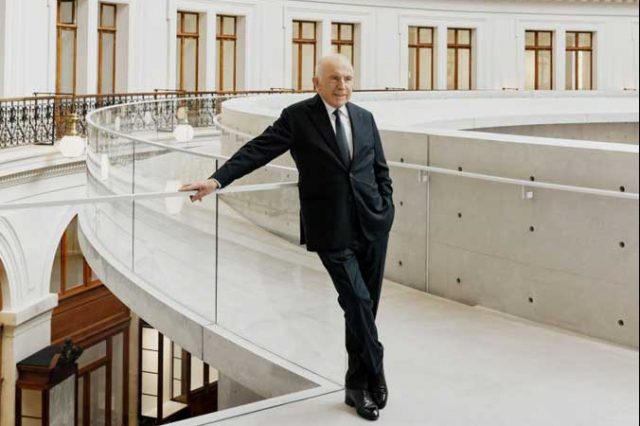
PARIS — The reopening of Paris museums this week finally gives billionaire tycoon Francois Pinault the chance to showcase his vast contemporary art collection in the French capital, with works ranging from stuffed pigeons to slowly melting chairs.

The museum’s launch in a converted 19th -century commodities exchange, blocks away from the Louvre, was put on hold twice due to the coronavirus pandemic after having suffered earlier planning mishaps, with an initial project abandoned in 2005.

Mr. Pinault, 84 —  who made his fortune in timber trading before shifting into retail under the group now known as Kering, run by his son —  joins rival French luxury goods tycoon Bernard Arnault in trying to stamp his legacy on Paris’ art scene and landscape, with museums and renovation projects.

But the “Bourse de Commerce — Pinault Collection,” opening on May 22, will also give visitors a glimpse of the businessman’s vast trove of art purchases since the 1980s, including pieces by photographer Cindy Sherman and painter Peter Doig.

The 200 works on display for the opening, many straight out of storage, feature artists who have never had restrospectives in France, such Kerry James Marshall, known for his paintings of Black figures and explorations of African-American history.

An ephemeral work by Swiss-born artist Urs Fischer will take center stage at the launch, with wax sculptures installed in the central space, including of chairs and a marble-like statue, set to slowly melt over six months as they are set alight.

Overhead, stuffed pigeons peer down into the gallery, in an art installation called Others by Maurizio Cattelan, designed to give visitors a startling sense of being observed.

The project follows Mr. Pinault’s attempt to build a new museum in western Paris on the site of a former Renault car factory, which became bogged down in wrangling with local authorities. The billionaire has since opened two museums in Venice, Italy. Mr. Arnault, who is behind the LVMH luxury goods conglomerate, built his Louis Vuitton foundation in the west of the French capital, opening the futuristic ship-like Frank Gehry design to public exhibits in 2014. The Cartier Foundation, linked to the jewelry brand owned by Switzerland’s Richemont CFR.S, has been a cultural hotspot for contemporary art exhibits in Paris since the 1980s.

CROWDED ART
Many museums in France are re-opening for the first time since October on May 19 as coronavirus disease 2019 (COVID-19) restrictions ease. The “Bourse de Commerce — Pinault Collection” will welcome 600-700 visitors a day, a reduced intake compared to its 1,700 capacity.

In Paris’ crowded art world, once dominated by public institutions, private museums now offer a fresh perspective, the Bourse de Commerce’s managing director Martin Bethenod said.

“Now it’s a much more balanced art scene, it’s a kind of ecosystem in which private and public can work together,” Mr. Bethenod told Reuters.

Housed in a circular former grain trading hall, the Bourse de Commerce’s exterior has been restored, while inside old and new mingle. A cement walkway imagined by Japanese architect Tadao Ando gives visitors a closer view of the imposing glass dome, as well as a late 19th-century painting depicting an antiquated Europe-centric world view, with colonial stereotypes.

Part of the concept was to keep the work, in a form of dialogue with contemporary artists, Mr. Bethenod said.

“Mr. Pinault’s point of view is very much linked to issues in society, social issues, political issues, gender issues, cultural issues,” he added. — Reuters

AboitizPower profit nearly triples on lower expense

ABOITIZPOWER.COM

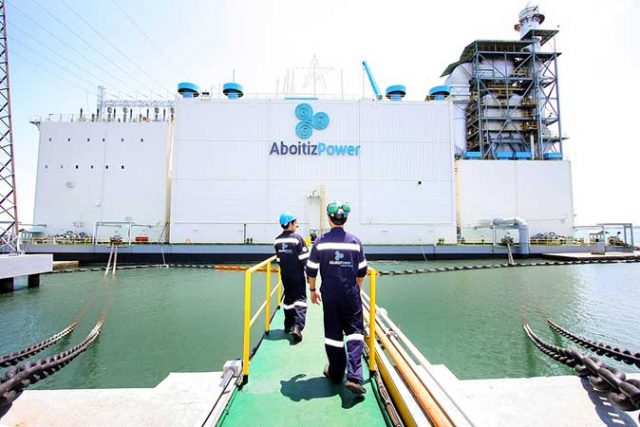
LISTED Aboitiz Power Corp. said that its first-quarter net income attributable to equity holders has almost tripled to P6.18 billion, from the P2.52 billion in the same period last year amid a decline in operating expenses.

In its quarterly report shared with the local bourse on Tuesday, AboitizPower said that its operating expenses for the three months ending March fell by around 8% to P19.98 billion, from P21.83 billion year on year.

“The decrease in operating expenses was mainly due to the lower cost of purchased generated power during the first quarter of 2021 brought about by COVID-19 (coronavirus disease),” the firm said in its regulatory filing.

Meanwhile, AboitizPower’s operating revenues shed around 4% to P26.85 billion from January to March, compared with P27.88 billion in same period last year. The slight decrease is mainly attributed to lower power demand due to the global health emergency and the resulting community quarantine. But these were offset by better water inflows, higher availability of the firm’s thermal facilities and increased spot sales.

The firm’s attributable net income for the full-year 2020 dropped by 27% to P12.58 billion from the P17.32 billion recorded in 2019.

Last month, AboitizPower President and Chief Executive Officer Emmanuel V. Rubio said that the firm plans to build around 3,900 megawatts of renewable energy in a decade, with a goal of reaching equal sharing of renewables and thermal energy capacity in its power mix.

Shares of AboitizPower at the stock exchange improved 0.45% or 10 centavos to finish at P22.10 apiece on Tuesday. — Angelica Y. Yang

Gavel&Block’s ‘The Great Indoors’ online auction

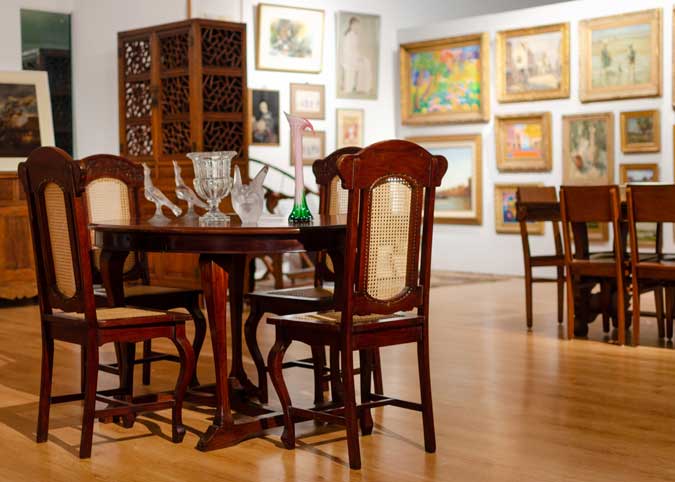
OVER 500 lots in categories such as decor, tribal art and furniture, modern and contemporary art, and prints, maps and books. Will go under the hammer at Gavel&Block’s upcoming “The Great Indoors” online auction

The auction will be held on May 22, 10 a.m., at salcedoauctions.com.

Also coming up for auction are artworks by National Artists Vicente Manansala and Arturo Luz, as well as modern artists Fernando Zobel, Nena Saguil, Macario Vitalis, Norma Belleza, Gus Albor, Mauro “Malang” Santos, and contemporary artists Ronald Ventura, Joseph Tecson, and Jonathan Olazo.

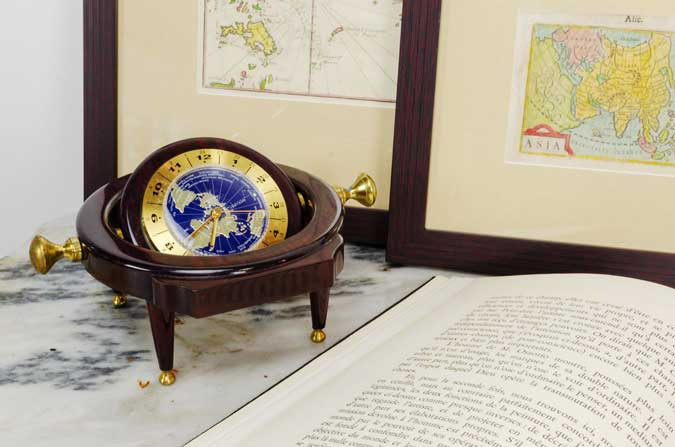
There will also be a selection of prints and maps, including 18th and 19th century engravings depicting the inhabitants of Manila a vintage Maritime Quartz chronometer; a mini Batangas altar table, a two-segment Chinese “cracked ice” cupboard; a set of six kamagong and burl wood dining chairs, and a massive three-segment Bohol aparador (cupboard).

“We love the idea of people curating their own spaces. Whether you have a background in interior design or simply enjoy looking at well-curated spaces, the fact is that everyone knows how they want to feel when they’re at home,” Salcedo Auctions Managing Director, Victor Silvino said in a statement. “Depending on what experience you want to have while working, studying, or even just relaxing, that will determine what pieces you surround yourself with.”

“The Great Indoors” builds up to the upcoming Salcedo Private View mini-retrospective of modern artist Norberto “Lito” Carating’s works which will run from May 29 to June 19, as well as the Salcedo Auctions online auction “Finer Pursuits” on June 26.

The Gavel&Block The Great Indoors online catalogue is available at salcedoauctions.com. The collection is on view daily at NEX Tower, Ayala Ave, Makati City. To schedule visits to the gallery, contact 8823-0956 or 0917-107-5581.

BTr makes full award of seven-year bonds

BW FILE PHOTO

THE GOVERNMENT fully awarded the seven-year Treasury bonds (T-bonds) it offered on Tuesday and also opened its tap facility, even as the tenor fetched a higher rate as investors remained cautious over inflation risks.

The Bureau of the Treasury (BTr) raised P35 billion as planned via the reissued seven-year T-bonds it auctioned off on Tuesday. The auction was 2.4 times oversubscribed as total bids reached P84.305 billion.

The demand seen on Tuesday, however, was lower than the P90.386 billion in tenders logged during the previous auction on April 20.

The BTr also opened its tap facility to borrow another P10 billion via the tenor.

The bonds, which have a remaining life of six years and 11 months, fetched an average rate of 3.678%, up by 5.3 basis points from its 3.625% coupon.

At the secondary market on Tuesday, before the auction, the seven-year bonds were quoted at 3.6024%.

National Treasurer Rosalia V. de Leon told reporters via Viber after the auction that investors continue to be concerned over prices, which caused the average rate for the seven-year bonds to edge up on Tuesday.

Meanwhile, a bond trader said the higher yield fetched for the papers shows that the market’s “interest is only up to this tenor” as the country’s economic outlook remains uncertain as the pandemic stretches on.

Headline inflation was unchanged at 4.5% in April, but still faster than the year-ago level of 2.2%, amid a slower increase in food prices. The four-month inflation average stood at the same pace.

The Bangko Sentral ng Pilipinas (BSP) last week lowered its inflation outlook for this year to 3.9% from its previous estimate of 4.2%. This will put inflation back within the central bank’s 2-4% annual target. On the other hand, the 2022 forecast was raised to 3% from 2.8% previously.

The central bank held its key rate at a record low for a fourth straight meeting on Wednesday amid this easing price outlook and as it continues to support the economy’s recovery from the pandemic.

The Monetary Board maintained the overnight reverse repurchase rate at its record low of 2%. Both the lending and deposit rates were also kept at 2.5% and 1.5%, respectively.

The central bank’s decision to keep rates steady came a day after release of disappointing first-quarter gross domestic product (GDP) data. For the first three months of 2021, GDP shrank by an annual 4.2%, keeping the economy in recession for a fifth consecutive quarter.

The BTr on Monday made a full P25-billion award of its offer of Treasury bills (T-bills) as rates inched down across the board. It raised another P5 billion via the papers through its tap facility.

The Treasury wants to raise P170 billion from the local bond market this month: P100 billion via weekly offerings of T-bills and P70 billion from T-bonds to be auctioned off fortnightly.

The government is looking to borrow P3 trillion this year from domestic and external sources to help fund its budget deficit seen to hit 8.9% of gross domestic product. — B.M. Laforga