Home Blog Page 7118

BW Insights: Fintech’s Place in the Growth of Cryptocurrencies

In the past years, the use of cryptocurrencies has thrived in the Philippines and is even expected to grow mainstream. Early in 2021, the Statista Global Consumer Survey revealed that the Philippines is the third highest adapter of cryptocurrency, with remittance payments playing a significant role in its widespread use.

As the awareness on cryptocurrency continues to widen, what will the cryptocurrency’s place in the Philippine economy be in the long run?

Join BusinessWorld Insights and experts on a discussion themed “Fintech’s Place in the Growth of Cryptocurrencies.”

This session of #BUSINESSWORLDINSIGHTS is supported by Bank Marketing Association of the Philippines, British Chamber of Commerce of the Philippines, Management Association of the Philippines, Philippine Chamber of Commerce and Industry, and The Philippine STAR.

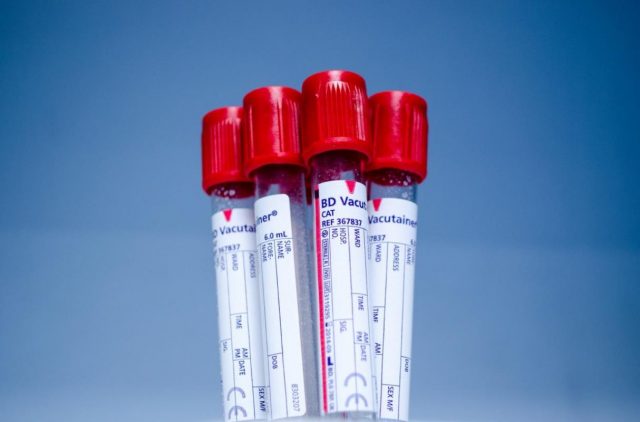
Religion, blood transfusion, and vaccination

PXHERE 

Jehovah’s Witnessa Christian denomination that avoids blood transfusions, views vaccination against coronavirus disease 2019 (COVID-19) as a personal decision. 

“Many of Jehovah’s Witnesses choose to get vaccinated,” said Gideon L. Aves, director of Hospital Information Services for Jehovah’s Witnesses in the Philippines. 

Since the pandemic broke out, he added, the denomination has published reminders in hundreds of languages that encourage adherence to safety protocols.  

Jehovah’s Witnesses choose to receive medical care that is compatible with their Bible-based beliefs to avoid blood transfusions.   

The denomination’s Hospital Liaison Committees (HLCs) have been working with healthcare professionals and hospitals to offer assistance to Jehovah’s Witness patients, their families, and the physicians who care for them.   

The Christian ministers are chosen based on their capacity to render pastoral care for fellow Witnesses even during times of emergency, said Mr. Aves, director of Hospital Information Services for Jehovah’s Witnesses in the Philippines, in an e-mail to BusinessWorld 

The ministers are trained on the basic functions of the blood, as well as knowledge on the different clinical strategies to avoid blood transfusions in cases that include surgery, critical care medicine, and gastroenterology.  

There are 1,700 HLCs in 100 worldwide. In the Philippines, there are 22 HLCs that collaborate with physicians and hospitals, including Asian Hospital and Medical Center, Makati Medical Center, National Children’s Hospital, Vicente Sotto Memorial Medical Center Cebu, Eastern Visayas Medical Center in Tacloban, and Cagayan Valley Medical Center in Tuguegarao.  

For diseases like anemia and surgeries like caesarian sections that typically require blood transfusion, Jehovah’s Witness focus on controlling blood loss through improving hematopoiesis (or the patient’s own production of blood cells), reducing the quantity and frequency of phlebotomy (or the drawing of blood for analysis), and minimally invasive surgical techniques (if noninvasive approaches are unavailable). 

The advantages of bloodless medical procedures are the zero likelihood of being affected by blood-borne pathogens, as well as unknown blood transfusion reactions.  

Techniques used by the US Johns Hopkins’ Center for Bloodless Medicine and Surgery include pre-surgery medications that increase the number of red blood cells; the dilution of blood which lessens the impact of blood loss during surgery; advanced hemostatics (products that stop bleeding) that can be used before, during, and after surgery; and electrocautery that quickly seals off bleeding blood vessels.  

Patients have the right to make decisions about their medical treatments, per the Patient’s Bill of Rights, and the care of patients requires meeting their individual needs, culture, and beliefs.  

According to Cultural Religious Competence In Clinical Practice, published in 2021, preservation of life overrides guidelines: In a life-threatening situation, there are no restrictions on medications and surgical interventions.   

There are 232,587 Jehovah’s Witnesses in the Philippines. — Patricia B. Mirasol 

To address vaccine inequity, boost regional manufacturing capacity — International Vaccine Institute

REUTERS

The world makes two billion coronavirus disease 2019 (COVID-19) vaccine doses a month, yet 95% of people in low-income countries have yet to receive a single dose, said Dr. Jerome Kim, director general of the non-profit International Vaccine Institute.  

“Manufacturers deserve a lot of credit for developing vaccines within 11 months of the identification of a pathogen,” Dr. Kim said in a Nov. 22 discussion at the Future of Healthcare Week Asia event organized by The Economist. With the uneven global distribution, however, “there’s something about making regionally that we have to work on in order to achieve the kind of equity we’ve been talking about.”  

To prepare for the next inevitable pandemic, issues on equitable distribution — including strengthening manufacturing and diagnostics capacities on the regional level — have to be addressed. 

Funding for COVID-19 treatments, diagnostics, and equipment is short by $13.7 billion as of October, according to the World Health Organization (WHO). 

“When you look at the map of where variants are being sequenced, when you look at the map of where COVID-19 diagnostics are being done, they’re not being done in countries with the burden of the highest number of unvaccinated people,” Dr. Kim said. “What’s emerging in those areas and what have we really done to address this?”  

Omicron, COVID-19’s latest variant, was first reported to WHO from South Africa on Nov. 24Only five of Africa’s 54 countries are on track to reach the target of fully vaccinating 40% of the population by end-2021.  

Asian countries, said Dr. Kim, have done well on keeping people alive while having reasonably functioning economies.  

“It’s hard to say there was a country with a playbook that everyone knew was going to work,” he said. “I don’t want to say cut them some slack, but it is very difficult to devise policy in the middle of the pandemic.”   

Taiwan, which had a streak of 253 days without a single reported infection between April to December 2020, was earlier hailed as one of the world’s COVID-19 success stories. 

“We have done to the extent possible the best we could,” said Kung-Yee Liang, president of Taiwan’s National Health Research Institutes, adding that government transparency helped gain public trust. “We learned from SARS, MERS, and influenza. I think the public has been well-educated on wearing masks and washing hands.”   

WATCH OUT FOR AMR 
Not to be discounted is the looming threat of antimicrobial resistance (AMR), which was also tackled at the Nov. 22 event. AMR refers to drug resistance that is driven by the misuse and overuse of antibiotics, which encourages bacteria to evolve to survive and develop new ways of beating the drugs.  

“The current crisis has reinforced the need to develop medicines now — to prepare for the next public health,” said Pierre Gaudreault, Pfizer Biopharmaceuticals Group’s president of Asia (emerging markets). “Unlike COVID-19, AMR is a threat that we’ve seen coming for years.”  

The World Bank’s 2016 research shows that AMR could cost 3.8% of the annual global Gross Domestic Product by 2050.  

China, Mr. Gaudreault said, has a very strong antibiotic stewardship program. The said program was created in synchronization with the pharmaceutical industry, and encompasses physician training, tracking systems, as well as the deployment of educational tools for patients.  

“It’s a good example of what we could replicate in some other countries in Asia,” he added.  

In Taiwan, a survey found that 85% of individually acquired AMR in came from the farm system.  

“There were constant talks between the Ministry of Health and the Ministry of Agriculture on whether we could have better regulation to prevent this,” Mr. Liang said. The balance between farming for profit and human health is not easy, he added. “I am hopeful that this crisis will draw attention to this [concern].” — Patricia B. Mirasol 

Is foam rolling effective for muscle pain and flexibility? The science isn’t so sure

PIXABAY

By Ken Nosaka 

Many physically active people get muscle pain after exercise, known as “delayed onset muscle soreness” or DOMS. 

Foam rolling has emerged as a popular means of alleviating delayed onset muscle soreness and stiff muscles. 

You’re likely to find foam rollers in any gym, or you may have one yourself, and many people swear by using them before and after exercise. 

But what does the science say? Is foam rolling actually effective in reducing delayed onset muscle soreness, and in increasing flexibility? 

Unfortunately, it’s often the case that scientific studies don’t necessarily support anecdotal evidence. 

This seems to be the case with foam rolling. The evidence doesn’t strongly support the use of foam rollers — though some studies do show a small benefit. 

Foam rolling is a type of self-massage, usually using a cylindrical foam roller. 

They were first used in the 1980s, and are now usually used in warm-up and/or cool-down exercises. 

Proponents say foam rolling can reduce muscle pain, and increase flexibility (also known as range of motion). 

But the mechanisms underlying these claims are not well known. 

Foam rollers and other similar devices are claimed to release the tightness of “myofascia.” 

Myofascia is a thin connective tissue that surrounds our muscles. It prevents friction between tissues, and transfers force generated by muscle fibres to the bone. 

Myofascia can become sticky and tight because of a sedentary lifestyle, repetitive movements that overworks one part of the body, injury, or surgery. Tight myofascia can reduce flexibility. 

My research team and I at Edith Cowan University investigated the role of myofascia in delayed onset muscle soreness. 

Participants in our study did 10 sets of six bicep curls, and developed very sore arms in the following days. 

We assessed their muscle soreness one, two, and four days after the exercise. 

We also assessed their pain using an “electrical stimulator” to quantify the sensitivity of the bicep fascia and muscle to electric current. 

We found the fascia surrounding the muscle became more sensitive to electrical stimulation than the muscle itself. 

Scientists think tiny tears in muscle fibres are responsible for delayed onset muscle soreness. But our research suggests damage to, or inflammation of, myofascia is more associated with delayed onset muscle soreness than damage to muscle fibres. 

Foam rolling claims to stretch the myofascia and thereby could reduce such soreness and inflammation. 

The evidence is still emerging, but there have been some studies into foam rolling. 

A systematic review article of foam rolling based on 49 studies concluded foam rolling reduced muscle stiffness and pain, and increased range of motion. But the authors stated it should be used in combination with dynamic stretching and an active warm-up before exercise. 

Another study examined whether foam rolling was effective in reducing delayed onset muscle soreness and enhancing muscle recovery. The participants performed two workouts four weeks apart, each involving ten sets of ten back squats. 

One group then foam rolled for 20 minutes immediately, 24 and 48 hours after exercise, while another group did no foam rolling at all. Foam rolling had a moderate effect on reducing delayed onset muscle soreness. 

But another recent review article with meta-analysis (which combines the results of multiple scientific studies) of 21 studies on foam rolling concluded the effects of foam rolling on performance and recovery were very minor, and foam rolling should be used as a warm-up activity rather than a recovery tool. 

The article also found foam rolling before exercise resulted in a small improvement in flexibility by 4%. And rolling after exercise reduced muscle pain perception by 6%. 

But statistical significance doesn’t necessarily reflect practical significance. A 4% increase in flexibility and 6% reduction in pain may not be noticed very much by most people. 

Also, multiple studies found foam rolling increased range of motion, but only for roughly 20 minutes. 

So, the effects of foam rolling on flexibility do not appear to be large and the long-term effects are inconclusive. 

One problem with this area of research is the rolling protocols used in the studies were diverse with no definitive agreement regarding the ideal number of sets, duration, rolling frequency, or intensity. 

Interestingly, the magnitude of the effect on range of motion following foam rolling is similar to that of stretching. 

So if your goal is to increase range of motion, both stretching and foam rolling can be considered as adequate warm-up routines. No previous studies have clearly shown foam rolling was more effective than other interventions to improve flexibility before exercise. 

But remember: though foam rolling is generally considered safe, it’s better to avoid it if you have a serious injury such as a muscle tear, unless your doctor or a physical therapist has cleared you first. 


Ken Nosaka is a Professor of Exercise and Sports Science at Edith Cowan University in Australia. 

This article is republished from The Conversation under a Creative Commons license. Read the original article. 

 

Biden to warn Putin of economic consequences of Ukraine invasion, says official

REUTERS

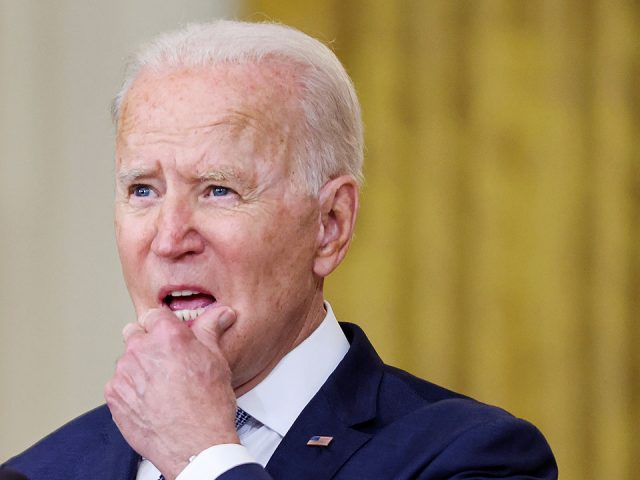
WASHINGTON – U.S. President Joe Biden will warn Russian President Vladimir Putin of severe economic consequences should Russia go ahead with an invasion of Ukraine, a senior U.S. administration official said on Monday.

Biden and Putin are to hold a video call on Tuesday as the United States tries to head off Russia from launching military action against Ukraine after Moscow massed tens of thousands of troops on the Ukraine border.

Biden spoke to the leaders of France, Germany, Italy and Britain ahead of the call on Monday, discussing their “shared concern about the Russian military build-up on Ukraine‘s borders and Russia’s increasingly harsh rhetoric.” They also called on Russia to de-escalate tensions. The official, in a briefing reporters, said the United States has been working with European allies about a strong response should an invasion go forward. He added that the United States and Europe would impose severe economic pain.

“We believe there is a way forward to allow us to send a clear message to Russia that there will be enduring and meaningful costs” should an invasion take place, the official said.

Russia has dismissed U.S. media reports about a possible Russian attack on Ukraine, accusing Washington of trying to aggravate the situation while blaming Moscow.

U.S. Secretary of State Antony Blinken spoke on Monday with Ukraine President Volodymyr Zelenskiy and reiterated Washington’s “unwavering support” for Ukraine in the face of “Russian aggression,” the U.S. State Department said.

Zelenskiy said in a tweet that he and Blinken agreed to continue “joint and concerted action.”

Russia has a potential diplomatic off-ramp through the Minsk agreement if it wishes, the official said. This is a previously negotiated agreement aimed at ending war in the Donbas region of Ukraine.

“We’re encouraging Russia to return to dialogue through diplomatic avenues,” the official said, without detailing the economic sanctions that are ready to be imposed.

But a source familiar with the situation said targeting Putin‘s inner circle with sanctions had been discussed and no decision had been made. The person added that Biden was not expected to get deep into details of the potential actions with Putin but instead would warn of economic costs.

Another person familiar with the situation said sanctions against Russia’s biggest banks were also being considered by the United States and its European allies. Another option was going after Russia’s ability to convert rubles into dollars and other currencies, the source said.

CNN reported the United States could include the extreme step of disconnecting Russia from the SWIFT international payment system used by banks around the world.

Bloomberg reported that the U.S. and European allies are weighing sanctions targeting the Russian Direct Investment Fund as well as the country’s ability to convert rubles for dollars and other foreign currencies should Putin invade Ukraine.

The U.S. could also restrict the ability of investors to buy Russian debt on the secondary market, Bloomberg added, citing people familiar with the matter.

The White House declined comment.

More than 94,000 Russian troops are believed to be massed near Ukraine‘s borders. Ukraine Defense Minister Oleksii Reznikov said on Friday that Moscow may be planning a large-scale military offensive at the end of January, citing intelligence reports.

The U.S. official said it was still unclear whether Putin had made a final decision to launch an invasion.

The United States does not seek conflict with Russia but when necessary will impose meaningful consequences for harmful actions, the official added.

CIA Director William Burns said that while Putin‘s intentions were not clear, he would never underestimate the Russian leader’s “risk appetite.”

“What we do know is that he is putting the Russian military, the Russian security services in a place where they could act in a pretty sweeping way,” Burns said at a Wall Street Journal event.

Russia has said it can move troops around on Russian territory as it sees fit and that they pose no external threat.

Ukraine‘s ties with Russia collapsed in 2014 after Moscow-backed forces seized Ukraine‘s Crimean Peninsula, which Kyiv wants back. Kyiv says some 14,000 people have been killed in fighting since then.

Since the latest crisis started, Moscow has set out demands for legally binding security guarantees from the West that NATO will not admit Ukraine as a member or deploy missile systems there to target Russia. – Reuters

U.S. financial regulators investigate Trump social media deal

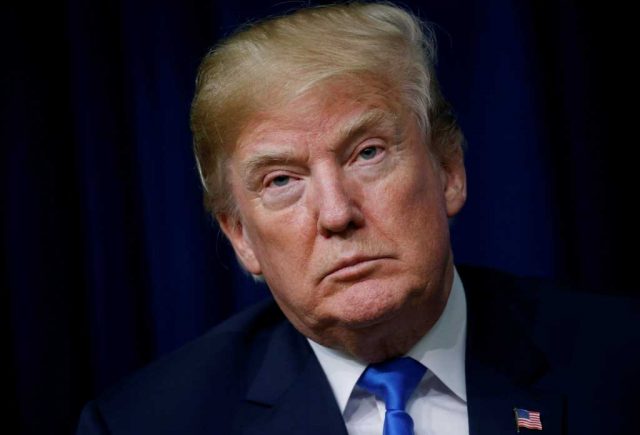
U.S. President Donald Trump — REUTERS/LEAH MILLIS/FILE PHOTO

Wall Street’s top financial regulators are investigating former U.S. President Donald Trump‘s $1.25 billion deal to float his new social media venture on the stock market, a filing showed.

Digital World Acquisition Corp, the blank-check acquisition firm that agreed to merge with Trump Media & Technology Group Corp (TMTG), disclosed in a regulatory filing on Monday that the U.S. Securities and Exchange Commission (SEC) and the Financial Industry Regulatory Authority (FINRA) were probing the deal.

TMTG did not respond to requests for comment.

Digital World said the SEC asked for documents in early November relating to communications between Digital World and TMTG, meetings of Digital World’s board, policies and procedures relating to trading, the identification of banking, telephone, and email addresses and the identities of certain investors.

The SEC stated in its request that its investigation does not mean the regulator has concluded that anyone violated the law, Digital World added.

U.S. Senator Elizabeth Warren had asked the SEC to investigate TMTG’s proposed merger with Digital World over potential violations of securities laws, including whether they had sufficiently disclosed when deal talks began.

The SEC declined to comment on Monday.

The investigations come amid excitement among Trump supporters and retail investors over the planned deal. Frantic trading of Digital World’s shares has driven TMTG’s valuation from $875 million in October to close to $4 billion.

Digital World, whose shares ended trading on Wednesday down 2.6% at $43.81, said FINRA had asked for details in late October and early November about “surrounding events,” including a review of trading, that preceded the announcement of the merger.

A Reuters review of trading data showed unusual activity on Oct. 20 ahead of the merger’s announcement later that day. Over 1 million warrants, worth a total of around $500,000, were traded, compared with only 119,000 warrants on Oct. 19, according to Refinitiv data.

FINRA said in its request that its inquiry should not be construed as an indication that any violations of Nasdaq rules or federal securities laws have occurred, Digital World added.

FINRA declined to comment.


TOTAL PROCEEDS

TMTG said on Saturday it had entered into agreements to raise about $1 billion from a group of unidentified investors, bringing the deal‘s total proceeds to $1.25 billion.

But TMTG will receive this money only if the deal is completed. A vote required for Digital World shareholders to approve the transaction has yet to be scheduled.

Some on Wall Street have been reluctant to associate with Trump, and the Digital World filings did not disclose which investors backed the $1 billion fundraising.

Trump was banned from top social media platforms after the Jan. 6 attack by his supporters on the U.S. Capitol amid concerns he would inspire further violence.

The Capitol attack was based on unsubstantiated claims of widespread fraud in last year’s presidential election.

With the exception of Trump being named TMTG chairman, the company had not identified any of its top executives until Monday, when it announced that Devin Nunes would step down as a U.S. representative to join as its CEO in January.

Nunes, the top Republican on the House Intelligence Committee, has been one of Trump‘s staunchest allies in Congress.

In its first financial projections since the announcement of the merger, Digital World said it expected the average revenue per user of Trump‘s social media app, TRUTH Social, to grow to $13.50 in 2026, with 81 million total users.

That is despite the app not having reached even trial mode. TMTG plans to launch the beta version of Truth Social in the first quarter of 2022.

Digital World also said it expected TMTG to reach 40 million total subscribers by 2026. By comparison, social media platform Twitter Inc has over 200 million daily active users. – Reuters

Global finance system partly to blame for inequality – World Bank’s Malpass

WASHINGTON – World Bank President David Malpass on Monday said fiscal and monetary policies were operating in “uncharted territory” since the start of the COVID-19 pandemic and may be contributing to a sharp rise in global inequality and poverty.

Malpass told a roundtable hosted by Chinese Premier Li Keqiang the number of people in extreme poverty had increased by over 100 million since the beginning of the pandemic even as global spending has increased to an all-time record.

Advanced economies have rebounded, while the poorest countries had seen only a weak rebound, or none at all, he said. This was causing “tragic reversals” in median incomes, women’s empowerment and nutrition, he said, and inflation, supply chain bottlenecks, and high energy prices were aggravating these trends.

“Part of the inequality problem is global finance itself and the unequal structure of the stimulus,” Malpass said, noting that prevailing sovereign debt, fiscal and monetary policies were adding to inequality.

Malpass said monetary policy in the advanced economies had long focused on reserve requirement ratios and limited growth in bank reserves to achieve stability in currencies and prices, an approach still used by China.

Other major central banks had switched to a “post-monetarism system” of using very large amounts of excess bank reserves to purchase and hold long-duration bonds and other assets, which he said provided price support for a highly select group of assets.

That approach, he said, excluded small businesses and developing countries, while restraining policy through regulation of liquidity and bank capitalization ratios.

Fiscal policy was also channeling resources to narrow groups within major borrowers, while leaving others behind, and sovereign debt policies were contributing to inequality.

Malpass repeated his call for greater transparency in debt contracts and a freeze in debt payments for countries with unsustainable debt. He said creditors should move away from collateral and escrow arrangements.

“As one of the largest creditors of developing countries, China’s active participation and strong voice in debt reduction efforts are very much needed and would benefit all participants by encouraging sustainable investment and debt,” he said. – Reuters

Global oil CEOs stress need for fossil fuels despite push for cleaner energy

HOUSTON – A global energy conference devoted to future technologies and low-carbon strategies kicked off in Houston on Monday with top executives from energy companies affirming the need for more oil for decades to come.

The World Petroleum Conference’s four days of discussion started with chief executives from global giants Exxon Mobil Corp, Saudi Aramco, Chevron Corp and Halliburton Co all promoting the need to deliver oil and gas globally even as the world transitions to cleaner fuels.

World fossil fuel demand has rebounded sharply in 2021, with natural gas already at pre-pandemic levels and oil nearing levels reached in 2019. As demand has soared, economies in Europe and Asia have had to face power and heating supply shortages, forcing them to scramble for fuel or limit demand, and prices have surged. At the same time, numerous large oil-producing countries have not been able to keep up with output targets.

“The world is facing an even more chaotic energy transition,” said Saudi Aramco CEO Amin Nasser. “Energy security, economic development and affordability are clearly not receiving enough attention. Until they are, and we clear the gaps in the transition strategy, the chaos will only intensify.”

Large global majors, especially those based in Europe, are limiting exploration and production in an attempt to shift to renewable power development and as governments promote efforts to cut carbon emissions to deal with rising worldwide temperatures.

Anders Opedal, CEO of Norway’s Equinor, said energy companies have a responsibility to bring down emissions and provide energy. “We will need oil and gas for many years to come but with reduced emissions,” he said.

Exxon is targeting net zero greenhouse gas emissions from its U.S. Permian assets by 2030, as part of a plan to reduce upstream emissions.

“The fact remains, under most credible scenarios, including net zero pathways, oil and natural gas will continue to play a significant role in meeting society’s need,” Exxon CEO Darren Woods said at the conference.

More than 80% of the world’s energy demand is supplied by oil and gas, said Stephen Green, Chevron’s head of North America exploration and production. Chevron is committed to reducing carbon emissions until “game changing technologies” allow a lower carbon energy environment, Green said.

“The world will continue to need energy to get us through the transition,” he said.


FIRST MOVERS

U.S. officials took the opportunity to talk about President Joe Biden’s clean energy agenda while insisting on the need to address high fuel prices. The Biden administration has had a strained relationship with the fossil fuel industry in its first year in office.

Oil majors need to “step on to the plate” and be part of the climate solution, said David Turk, deputy U.S. Secretary of Energy. “First movers will have significant advantages.”

Washington will not “stand in the way” of companies willing to increase domestic oil production as the industry tries to fully recover, he said.

“We need to make sure everyone has affordable, reliable and resilient energy,” he said.

The conference was sapped of some of its star power at the outset due to COVID-19 travel restrictions that forced OPEC’s secretary general and energy ministers from top oil producing nations like Saudi Arabia, Kazakhstan and Qatar, to bow out, along with the CEOs of BP, Sonatrach and Qatar Energy. – Reuters

Job quality worsens in October despite reduced unemployment

THE LATEST labor data in October showed a mixed picture as the ranks of Filipinos who are jobless and looking for work declined, while those that are already employed but wanting more work increased compared with the previous month.  

The preliminary report of the Philippine Statistics Authority’s (PSA) October round of the labor force survey (LFS) put the unemployment rate at 7.4%, compared with 8.9% in the previous round. It was the lowest jobless rate in three months, or since July 2021’s 6.9%.  

In absolute terms, there were 3.504 million unemployed Filipinos in October, down from 4.255 million in September.  

Meanwhile, the quality of available jobs declined as the underemployed rate – the proportion of those already working but still looking for more work or longer working hours – increased to 16.1% from 14.2% in the previous month, equivalent to 7.044 million Filipinos, from 6.183 million a month ago.  

The underemployment rate in October was the highest since July’s 20.9%. 

The size of the labor force was about 47.330 million in October, down from 47.847 million in September. This brought the labor force participation rate to 62.6% of the working-age population in October from September’s 63.3%. 

The employment rate stood at 92.6% of the labor force in October, down from 91.1% in September. This is equivalent to 43.826 million employed individuals during the period from 43.592 million previously.  

In an online Q&A, the PSA attributed the slight improvements in employment to the easing of granular level lockdowns. However, they reiterated the full effects of the easing of restrictions will be reflected in the November data.  

Services and industry made up 57.6% and 17.8% of total employment in October, respectively, down from 57.8% and 18.7% in September. Meanwhile, agriculture’s share of employment increased to 24.6% from 23.5% a month earlier. — Bernadette Therese M. Gadon

INFLATION EASES TO FOUR-MONTH LOW IN NOVEMBER

Inflation eased for the third straight month in November to its lowest level in four months but continues to be above the government’s forecast for the year. 

Philippine Statistics Authority (PSA) data released earlier this morning showed headline inflation at 4.2% in November – the lowest since July’s 4%.  

The result was also down from 4.6% in October, but still higher compared with the 3.3% print in November 2020.  

The latest reading, which was higher than the median estimate of 4% in a BusinessWorld poll conducted last week, fell beyond the Bangko Sentral ng Pilipinas’ (BSP) 3.3%-4.1% forecast range for November.  

The downtrend in the overall inflation was primarily brought about by the slowdown in the inflation for the heavily weighted food and non-alcoholic beverages index which slid at 3.9% during the month, from 5.3% in October 2021. In addition, lower inflation was also recorded in the indices of alcoholic beverages and tobacco at 7.5% [from 9.8% in October], and furnishing, household equipment and routine maintenance of the house at 2.4% [from 2.5%],” the PSA said in a statement.  

Inflation has so far averaged 4.5% for the year. This was higher than the BSP’s forecast of 4.3% for 2021, as well as its 2-4% target band for the year.  

Food inflation registered at 4.1% in November compared with 5.6% in October and 4.5% last year.  

Core inflation, which excludes items such as food and energy that are prone to volatile price swings, inched down to 3.3% from 3.4% in October. This was, however, still faster than last year’s 3.2%. 

Meanwhile, inflation for the bottom 30% income households logged in at 4.2% in November. This was slower than the previous month’s 4.8%, but still faster than the 3.6% print in November 2020.  

From January to November, the bottom 30% inflation averaged 4.8%. 

The consumer price index (CPI) for the bottom 30% modifies the model basket of goods to reflect the spending patterns of the poor. This is compared with the headline CPI which measures inflation as experienced by the average household.  — Lourdes O. Pilar

A pioneering leader in car rentals

For over four decades, Diamond Rent-a-Car readily meets corporate, individual transport needs

In 1978, Diamond Rent-a-Car was founded with only one car to serve a single client. Now, after more than 40 years since being one of the industry pioneers, Diamond Rent-a-Car has expanded and kept its lead in providing a range of transportation solutions for corporate clients and short-term car rentals for individuals.

“In an industry and product where it is just thought as another form of vehicle acquisition or transportation outsourcing, we want to differentiate ourselves with other players in the market by providing top service,” the company said.

Diamond Rent-a-Car’s main business is the corporate operating lease of cars and short-term rentals.

In 2000, the company began to mainly focus on corporate transport and provide long-term leases as the core business, with more than 90% corporate clients.

Isagani G. Buenaflor, Chairman of Diamond Rent-a-Car and Teodorica S. Buenaflor, Corporate Secretary/Marketing Director

“It is not a core business activity of many corporate clients to manage all the activities that go with owning a car, especially if your fleet size is quite high,” Juan Quincy S. Buenaflor, managing director of Diamond Rent-a-Car, observed. “It can be daunting, and a lot of unnecessary and avoidable costs can be incurred if you manage your fleet ineffectively. Not to mention inefficiencies from downtime as well, which when left unnoticed, can snowball into major expenses.”

As such, Diamond Rent-a-Car offers a comprehensive transportation outsourcing tool to help corporate clients to make their costs minimized and predictable, as well as cut inefficiencies from downtime or handling non-core tasks.

Rates to avail these transport services for businesses, particularly on leasing, are tailored to the client’s requirements. The rate will mainly be determined by the type of vehicle and the length of the term. Some clients rent one car for the short term, while some companies reach up to hundreds of car leasing for as long as five years.

“If a company has a vehicle requirement, then we believe we have a solution for them,” Mr. Buenaflor assured. “We would be more than happy to have our sales division schedule a presentation for clients to understand the services we can provide them and find the best way to outsource their vehicle requirements to us.”

Meanwhile, Diamond Rent-a-Car also ensures that the level of service to individual clients is the same as that of corporate for their short-term car rental needs, which can be as short as 12 hours to monthly rentals.

The company’s cheapest car to rent daily is the Toyota Wigo MT, which clients can get for only P999 per day.

Individual clients can go to the Diamond Rent-a-Car’s physical offices or contact the company online to make a reservation. When the pandemic situation gets better, the company awaits to reactivate its outlets in SM malls.

And for the renters’ peace of mind, the cars of Diamond Rent-a-Car have comprehensive insurance and 24/7 roadside assistance.

Further, amid the rise of technological advancements, Diamond Rent-a-Car enhances its services and provides innovative solutions like predictive maintenance systems and online payments.

“We never stop developing our product to stay ahead of the competition,” Mr. Buencaflor said. “We may be the largest Filipino car rental company in the Philippines, but we act as if we are chasing a leader with how we strive to improve and be the best.”

Diamond Rent-a-Car had reached 1,500 vehicles at its peak before the pandemic. But due to the crisis effects on the industry, the company currently has over 1,200. It looks forward to the return of its growth in mid to late 2022.


Spotlight is BusinessWorld’s sponsored section that allows advertisers to amplify their brand and connect with BusinessWorld’s audience by enabling them to publish their stories directly on the BusinessWorld Web site. For more information, send an email to online@bworldonline.com.

Join us on Viber to get more updates from BusinessWorld: https://bit.ly/3hv6bLA.

A solid investment every ‘Southerner’ should have

One of the main reasons why Filipinos abroad work hard is to provide a good life for their families back home. For several years, they save up to invest for their future and at the same time explore various income-earning opportunities.

A real estate investment is highly recommended for overseas Filipino workers’ (OFW) not just as a potential source of income but also as a tangible testament of their diligent work.

RLC Residences once again sets Condo-living in the Philippines on a whole new standard as it introduces its latest nature-inspired development in the South that lets you stay connected to the people and places that matter. From modern-day furnishings to nature-inspired amenities sitting in verdant landscapes, Woodsville Crest is guaranteed to be more than your money’s worth.

A Place to Settle Down

When you’ve been working several years away from home, you start thinking of a retirement plan that ensures none of your hard work goes to waste. Buying properties for yourself is not something only you can own and benefit from. You will also have the opportunity to pass them on in the future.

Pegged as your oasis South of Metro, this property is ideal for those seeking a relaxing and quiet environment for their loved ones. Find your own breathing space around lush surroundings found just within the premises.

Woodsville Crest prides itself with its environment-conscious features and amenities that bring urban living to a whole new level. This residential sanctuary is home to open spaces that empower your leisure activities such as the jog trail, pools, grilling stations, veranda, and the resort-like clubhouse featuring a lounge area.


When the time comes that you decide to settle down, this place will give you your well-earned retreat everyday as you commune with nature in your very own refuge.

The Smart Choice

The high quality of living is no longer a dream that you see people abroad enjoy. Experience an upgraded life in the suburbs at Woodsville Crest.

Every unit is all for convenience and efficiency. Equipped with fiber-optic readiness and Smart Home features, working remotely has never been this easy. Here, you can have seamless control of your devices and appliances within your fingertips as these can easily be accessed via an exclusive homeowners’ mobile app.

In addition, you are entitled to various unit upgrades that cater to your every need, such as the must-have work-from-home nook, built-in pantry in the kitchen, shower enclosures, and even walk-in closets in the two-bedroom units.

All these and added storage solutions for whenever you need an extra room for your personal belongings and even bike parking slots to support and value your hobbies.

Stay Close to Life’s Essentials

Worry no more about jet lag or the long hours in traffic when coming home from the airport. In just minutes, you can arrive at Woodsville Crest as it is neighboring major airport NAIA.

This property is strategically located in Merville, Paranaque and within the established neighborhood of Woodsville Complex so you can be close to life’s essentials in no time. It’s also in close proximity to various health, BPO, and bank companies as well as within reach of major thoroughfares like EDSA, SLEX, C5, and C6, and two main highways. Furthermore, it’s a familiar and convenient location if you’re travelling to nearby provinces such as Tagaytay and Batangas.

With this new development, RLC Residences continues its commitment to raise the bar of living and presents you with a home that has you and your family’s future in mind.

Start a well-rounded lifestyle that is one with nature at Woodsville Crest and take advantage of the 5% launch discount offered for a limited time period. For more updates, check out www.rlcresidences.com, and follow on Facebook at facebook.com/RLCResidencesPH, and on Instagram @rlc_residences.


Spotlight is BusinessWorld’s sponsored section that allows advertisers to amplify their brand and connect with BusinessWorld’s audience by enabling them to publish their stories directly on the BusinessWorld Web site. For more information, send an email to online@bworldonline.com.

Join us on Viber to get more updates from BusinessWorld: https://bit.ly/3hv6bLA.

ADVERTISEMENT
ADVERTISEMENT