Home Blog Page 6254

NBI arrests investment fraud suspect in Cavite 

NBI FACEBOOK PAGE

A SUSPECT for investment fraud who allegedly collected as much as P17.8 million has been arrested in Kawit, Cavite, according to the National Bureau of Investigation (NBI). 

In a statement on Thursday, the NBI said the suspect was captured through an entrapment operation on June 9 following a complaint filed by the victim.    

After the arrest, the suspect returned the money, which was supposedly an investment in what turned out to be a non-existent business.   

The suspect is facing charges for violation of Article 315 of the Revised Penal Code in relation to the Cybercrime Prevention Act of 2012.  

Under the law, swindling is considered a cybercrime if the violation was committed through the use of information and communications technologies.   

Those convicted of fraud under the cybercrime law may face six to 12 years in prison and a fine of at least P200,000.  

The suspect had contacted the victim through Facebook offering a “rare opportunity” to diversify funds and represented herself as the owner of Frontier Freight Forwarders shipping importing company.John Victor D. Ordoñez

Hobbling along

US PRESIDENT RICHARD M. NIXON

The country that every survey says Filipinos trust the most marked, on June 17, the 50th year of the 1972 Watergate scandal that led to the resignation of then US President Richard Nixon in 1974.

Its anniversary occurred in the middle of a US Congressional investigation into the Jan. 6, 2021 “insurrection” during which a mob of several hundred white supremacists and neo-fascist thugs tried to forcibly prevent the official certification of the victory of Joseph Biden in the November 2020 Presidential elections.

Watergate was an office building in Washington, DC that housed the Democratic Party’s National Committee (DNC). Five men broke into the DNC offices in June 1972 to photograph campaign documents and install wire-tapping and other listening devices. But they were apprehended and their connection to Nixon’s Committee to Re-elect the President (CRP) was established through, among other means, a series of investigative journalism reports by Washington Post reporters Robert Woodward and Carl Bernstein which they later republished in book form with the title All the President’s Men.

A Congressional inquiry found that Nixon had approved the criminal act and was legally accountable. Rather than risk impeachment and prolong the crisis, he resigned as US President on Aug. 8, 1974.

The conjunction of the commemoration of the 50th year of the scandal with the ongoing investigation and hearings by the January 6th Congressional Committee on what has  been described as “an insurrection,” an “attempted coup,” and “an attack on US democracy” has invited comparisons between then and now.

In interviews with US media, Carl Bernstein, now in his 70s, said that the difference between the 1972-74 crisis and the current situation in the US is that “the system worked” then, but is currently failing.

During that time the media closely followed the issue and in fact managed to find evidence that showed Nixon knew about and approved the break-in. The US Congress diligently did its job of getting at the facts, with both Republicans and Democrats working together. The Courts ruled that Nixon had to surrender to Congress the tape recordings from his White House office in which he and his co-conspirators discussed the break-in. And 60% of the US population believed that he should either be prosecuted or impeached, or should resign.

In contrast, despite the January 6th Committee’s findings that the 2021 attack on, and occupation of US Congressional offices was egged on by former President Donald Trump so he could stay in power, only a handful of Republicans have condemned him and called his claim that there was fraud in the 2020 elections a lie.

Some police officers were killed and injured during that attack, which endangered Trump’s own Vice-President Mike Pence, House of Representatives Speaker Nancy Pelosi, and several other congresspersons and senators from the Democratic Party. But a number of Republicans who support what much of US media refer to as “Trump’s big lie” that Biden and the Democrats stole the election are likely to win the Republican primaries — which decide who the party will run in this November’s mid-term elections for state governors and members of the US House of Representatives — over those who don’t.

Neither is there unanimity among Americans that Biden defeated Trump in a fair and honest election in 2020 — and rather than withdraw from public life as Nixon did, Trump is likely to run for President again in 2025. Because he has the support of most Republicans, and his base is still intact, he could recapture the Presidency then, and further feed the violence and hate that afflict so much of US society.

The US is deeply divided, even as gas prices soar, mass shootings threaten communities almost every week, and the inflation rate surges to nearly unprecedented levels. In defense of its global hegemony, the world’s only remaining superpower is also waging a proxy war in Ukraine against Russia.

Founded in 1776 and now 246 years old, the United States of America is supposed to be a mature democracy. But it is nevertheless in the throes of the economic and political crises that are usually perennial conditions of life only in the Third World countries of Asia, Africa, and Latin America.

But more troubling than the economic difficulties its citizenry is experiencing are the challenges its democratic institutions face, whose consequences are likely to affect the way the US is governed for years to come. Those challenges are due in large part to right-wing greed for power, in combination with the misinformation and disinformation that afflict vast sectors of its population.

If those two factors sound as if they are equally the causes of the weakness if not the outright demise of democracy in some of the poorest countries of Planet Earth, it is because they are.

As in those other countries, what little is left of democracy has again given way to despotism in the Philippines, and there is little evidence to suggest that it will pass either sooner or later. What recent events have established is that, because of a largely disinformed public among other factors, it is likely to be the rule rather than the exception in the coming decades of the foreseeable future. History indeed repeats itself — and the second time is no less tragic than the first.

Because democratic governance is crucial to economic and social development, there is little hope that the perennial poverty and its lethal consequences on the lives and fortunes of the Filipino millions will ever give way to even the most minimum levels of prosperity. What is likely is that this country will continue to hobble along from one crisis to the next without any change-making solution in sight.

But wait. Much of the rest of the planet is in the same dire straits of mass unemployment, high prices and runaway inflation, social injustice, and lives of quiet desperation, even as global warming threatens the very existence of the entire human race.

The culprit responsible, say those of a liberal bent, is unbridled greed for pelf and power, and the democratization of wealth and governance the solution. But democracy is being blamed by its enemies, whether directly or by implication, for the world’s ills, and curtailed by the very same forces responsible for those infirmities.

Just as Donald Trump uses the US Constitution and democracy to attack both, so does the Philippine oligarchy do the same. In democracy’s name it condemns as “rebels,” “reds,” and “terrorists,” and causes the arrest of those who dare exercise their rights to free expression, peaceable assembly, and the other entitlements the Constitution protects.

The oligarchs have also frustrated every effort at democratizing governance, for example by turning the Party-List System into just another means for them and their surrogates to continue to monopolize State power.

The fall of socialist regimes and the restoration of capitalism in many countries in the 1990s provoked the view that the current stage of history is also its last. The adherents of the theory that liberal democracy is the pinnacle of political evolution are correct: individual freedom and self-rule are the prerogatives of all of humanity. But democracy has never been as imperiled as it is today by the tyrants who rule in its name. Despite the economic and social crises that afflict not only the poorest countries of the world but also the wealthiest, no alternative seems to be available, the only prospect being more of the same.

Rather than repeating itself, perhaps history is indeed coming to an end.


Luis V. Teodoro is on Facebook and Twitter (@luisteodoro).

www.luisteodoro.com

Managing inflation, avoiding social unrest

PHILIPPINE STAR/KRIZ JOHN ROSALES

A couple of days ago, US Fed Chairman Jerome H. Powell clarified before the Senate Banking Committee that the central bank was “not trying to provoke” a recession while admitting that it is “certainly a possibility.” To those who are incurably averse to tightening monetary policy, Powell’s clarification is very helpful in assessing the Fed’s thinking, even as one should agree it was hopelessly behind the curve. There is a cost to doing too late, and too little, and definitely, playing catch-up is not exactly neat.

Powell’s calvary began with his insistence that the creeping inflation early last year was only transitory. It turned out inflation was more long-lasting as it was broad in scope, with prices of goods and services rising by as much as 8.6% last month. Consumer expectations of higher prices led workers to demand higher wages and their employers to impose higher prices for their goods and services. That is how the inflationary cycle was motivated in the US, such that the Fed was forced to run apace with a 25-basis-point increase in March and 50 basis points in May and a massive 75 basis points this month.

There is no denying the fact that inflation has gone global due to skyrocketing fuel prices. For instance, GlobalPetrolPrices.com reported that in Germany, gasoline prices averaged €1.894 or $1.991 per liter as of June 20. At P54 to a dollar, that should be around P107.51 in the Philippines. A jeepney driver in Manila was quoted by the Associated Press (AP) to be spending $16.83 or P900 for diesel to run his vehicle before this oil price run-up. Today, he has to shell out $41.40 or P2,200. “That should have been our income already. Now there’s nothing, or whatever is left,” or only 40% of what he used to make.

More from AP: “A motorcycle taxi driver in Vietnam turns off his ride-hailing app rather than burn precious fuel during rush-hour backups. A French family scales back ambitions for an August vacation. A graphic designer in California factors the gas price into the bill for a night out. A mom in Rome, figuring the cost of driving her son to camp, mentally crosses off a pizza night.”

When habits and personal finances are altered by this latest round of huge oil price increases, inflation could be more entrenched. With the light at the end of the Russia-Ukraine war tunnel seeming to be distant, and the higher likelihood of another surge in COVID-19, the collateral effect on growth could not be trivial. Reducing consumption, the biggest determinant of economic growth, could also shave off several percentage points from domestic output and economic welfare.

Of course, US Treasury Secretary Janet Yellen argued that while she expected the US economy to slow down, “I don’t think a recession is at all inevitable.” She must be coming from the view that tightening monetary policy was aimed at stabilizing the US economy by addressing the risks to runaway inflation. It is the Russia-Ukraine war, high fuel prices, and supply chain snarls that undermined market sentiment for growth.

What do we make of that in the Philippines?

The recent editorial of the Philippine Daily Inquirer has an interesting take as captured by the question: What can be done by the incoming administration of Bongbong Marcos, Jr. to mitigate the impact of inflation on the lives of ordinary Filipinos this year and the next? We stress, as we stressed in the past, inflation inflicts pain on everybody but not everybody shares the same threshold for pain.

It is sad that some members of Congress would rather take the easy way out by proposing to suspend the collection of taxes on diesel, gasoline, cooking gas and other fuel products. While this move could bring immediate relief to consumers, both rich and poor, this would also reduce public revenues for equally important budget items for social services, capital spending, and infrastructure. More perverse is that while fuel taxes are proposed to be suspended, they are also opposing new taxes designed to help pay for the budget including the servicing of the P12.7-trillion national government debt.

In a recent blog, IMF’s David Amaglobeli, Emine Hanedar, Gee Hee Hong, and Celine Thévenot reported their survey of how member countries responded to the unprecedented surge in oil prices. Many countries limited the increase in domestic prices either by cutting corresponding taxes on these imported products or providing direct price subsidies. Both measures actually impinged on government budgets that had already been weakened by the two-year-old pandemic.

The best approach, based on the IMF study, is not to cap the price pass-through but to allow it while protecting the most vulnerable households. “That’s ultimately less costly than keeping prices artificially low for all irrespective of their ability to pay.”

More than half of the 134 member countries surveyed had at least one response to higher energy and food prices. In the case of the emerging and developing economies, there were fewer new policy measures, as the Fund noted, due perhaps to existing subsidies and policies to limit or avoid changes in local prices. But there were fewer attempts to limit the pass-through of higher global prices. The reason could either be smaller fiscal space or their ability to upgrade the social safety net could be constrained.

Limiting price-through could affect the good market decision to be more energy-efficient. Subsidizing consumer prices could encourage more consumption and in the process fuel higher energy prices.

What is more equilibrating is for a time-bound, targeted relief for the most vulnerable sectors of the poor as well as public transport drivers. A more efficient and less-prone-to-corruption modality of cash transfers should be explored. Local government units should be bypassed as much as possible.

In effect, we need to allow global oil prices to pass through to local prices and the way to mitigate it is to protect households and other sectors most likely to be seriously affected.

For the sake of our people and country, the incoming Marcos administration could very well consider the Fund advice to focus on investing in social safety nets and restructuring existing policies on subsidy. What can be expected from it is stronger resiliency and productive spending to ensure more sustainable and inclusive growth.

Failure of government to arrest runaway inflation and cushion its negative impact on the people’s economic welfare risks the possibility of social unrest. We should recall that the same issue of a gasoline price increase triggered the Diliman Commune of Feb. 1-9, 1971, even as it subsequently escalated into a military assault of the University of the Philippines. Even through the pandemic where social distancing protocols could be a disincentive for mass action, the IMF reported anti-government and anti-lockdown social unrest in Canada, New Zealand, Austria, and the Netherlands. This pandemic-related activism seems to be waning, but public frustration with sharply rising oil and food prices is bound to produce more social unrest of the kind we last saw some years ago.

This risk is growth-negative. Consumption is likely to level off because of uncertainty. Output is likely to be lost both in manufacturing and services. Foreign and domestic investors alike might be disincentivized from increasing their exposure in the economy, whether in manufacturing, mining, agriculture, or even in infrastructure.

It should therefore be no surprise that in previous surveys of the key concerns of Filipinos, it has always been inflation that topped the list. No, we don’t suggest that Marcos Jr. should take over the Bangko Sentral ng Pilipinas (BSP) because inflation is expected to breach the target this year and perhaps next year. The BSP is an independent constitutional agency. Most important, its Monetary Board and economists are more than competent to handle the job.


Diwa C. Guinigundo is the former deputy governor for the Monetary and Economics Sector, the Bangko Sentral ng Pilipinas (BSP). He served the BSP for 41 years. In 2001-2003, he was alternate executive director at the International Monetary Fund in Washington, DC. He is the senior pastor of the Fullness of Christ International Ministries in Mandaluyong.

Nuclear is the future: Trouble is, nobody wants a reactor in their backyard

FREEPIK

As energy security becomes a growing source of angst, it’s clear that large-scale, reliable use of renewable resources remains a distant reality in many countries. That’s allowed a more controversial — and almost perfect — alternative to make a comeback: nuclear. Trouble is, nobody wants a reactor in their backyard and the memories of past accidents remains a serious concern.

But with costs rising and few solutions at hand, both governments and companies are turning to nuclear power as a cleaner and cheaper source to help them reach their ambitious climate goals.

Even if a few years away, the development of, and investment in, nuclear energy sources and storage methods could ensure industrial operations highly dependent on pre-heating processes for raw materials and high temperatures are able to function as the world navigates its way through this energy crisis. With all the supply chain snarls over the past year, a power shortage is the last thing consumers and businesses need.

In Japan, the median levelized cost of energy* is far lower than utility scale solar and offshore wind. A recent survey showed that more than 80% of Japanese companies are in favor of restarting nuclear reactors to meet power needs. Electric utility Kansai Electric Power Co. is resuming work at one its idled reactors earlier than planned to manage energy demand. Bringing the Mihama No. 3 reactor online will lower the need for liquefied natural gas, and the firm’s nuclear generation could grow 76% by 2023 as it brings back more reactors, according to Bloomberg Intelligence.

In India and China, it’s proving competitive, too, where dirtier options like coal are now more expensive. South Korea is focused on reviving nuclear power, which contributes to about 27% of the nation’s energy mix.

Earlier this year, the Biden administration issued a notice of intent for the implementation of a $6-billion nuclear credit program that supports the operation of reactors — “the nation’s largest source of clean power” — across the country. Last week, the US Department of Energy awarded over $60 million for 74 nuclear projects. British jet engine maker Rolls-Royce Motor Cars Ltd., backed by the UK government and other investors, said late last year it was going to begin building smaller and cheaper reactors. Some of its compact modular reactors are expected to come online by 2029 and the regulatory processes are already underway.

The return to nuclear makes sense: The cost of extending the lifetime of power plants and building reactors in countries that have stuck by the energy form is cheaper and competitive. Those that haven’t are now struggling with their aging fleet of reactors and lack of other sources.

The biggest stumbling block, though, is the deep-seated anxieties around safety and waste disposal. Memories of nuclear accidents like Three Mile Island in 1979, Chernobyl in 1986, and Fukushima Daiichi in 2011 continue to loom large in both public and corporate memory. Yet what’s often forgotten is that on a deaths-per-unit of electricity basis, nuclear remains at the bottom of the list, while coal is at the top.

The progress that’s been made on alleviating issues around nuclear power is underappreciated. For instance, safety in reactors is typically based on an assessment of the core melting. To address these concerns, 14 countries have come up with lower-risk designs and development of a new generation of reactors. These systems will use different coolants, like molten salts or liquid metal, and methods that ultimately make nuclear power production cleaner, secure, and more efficient. Reactors that use such materials seek to reduce or cut the production of dangerous gases that explode under pressure.

A host of startups are working on making nuclear power more acceptable. NuScale Power LLC is building small modular reactors that could eventually power 60,000 homes per unit. The firm, which has received more than $450 million of support from Washington, is working with the US and Romanian governments to build a plant in the eastern European country. Meanwhile, Sweden’s Seaborg Technologies has teamed up with Samsung Heavy Industries Co. to build a floating, compact molten salt reactor that could change energy use in logistics. Bill Gates-backed TerraPower — also focused on small reactors — has partnered with South Korea’s industrial conglomerate SK Group to build these plants.

Nuclear power stands to be the solution, or at least fill major energy gaps, in the coming years. In addition to the existing nuclear fission used in commercial reactors, startups are now pushing towards nuclear fusion technologies and have raised billions of dollars from the likes of Tiger Global LP and Bill Gates. Rejecting the power source out of fear isn’t going to get us too far, and nor will scare-mongering. Companies and countries shouldn’t be shying away from openly discussing nuclear energy and raising awareness. Public acceptance is key. Without it, we’ll be breathing dirty air and living through outages.

*Present cost of energy generation of a generator over its lifetime.

BLOOMBERG OPINION

US urges nations to reach out if having issues with Russian food, fertilizer

ST. BASIL’S CATHEDRAL is seen during the Victory Day Parade in Moscow, Russia, June 24, 2020. — REUTERS/SHAMIL ZHUMATOV

NEW YORK — Countries should ask the United States for help if they have any problems importing Russian food and fertilizer, a senior US official said on Wednesday, stressing that such goods were not subject to US sanctions over Moscow’s war in Ukraine.

“Nothing is stopping Russia from exporting its grain or fertilizer except to own policies and actions,” US State Department Bureau of Economic and Business Affairs Assistant Secretary, Ramin Toloui, told reporters.

But he added that concerns had been raised about “so-called over compliance with sanctions.” Washington has slapped Moscow with a broad range of sanctions since Russia invaded neighboring Ukraine on Feb. 24.

Facilitating Russian food and grain exports is a key part of attempts by U.N. and Turkish officials to broker a package deal with Moscow that would also allow for shipments of Ukraine grain from the Black Sea port of Odesa.

A meeting between Russia, Ukraine, Turkey and U.N. officials would likely be held in Istanbul in coming weeks, sources in the Turkish presidency said on Tuesday.

“We are fully supportive of this and want to see that play out,” Mr. Toloui said of the U.N. efforts. “We’ll continue close coordination with the U.N. delegation and the government of Ukraine on ways to mitigate the impacts to global food security of (Russian President Vladimir) Putin’s war in Ukraine.”

Russia’s war has stoked a global food crisis. Russia and Ukraine account for nearly a third of global wheat supplies, while Russia is also a key fertilizer exporter and Ukraine is an exporter of corn and sunflower oil.

Moscow denies responsibility for the food crisis, blaming Western sanctions and Ukraine for mining its Black Sea ports.

“The United States does not want there to be impediments to the ability of countries, companies to purchase Russian food, Russian fertilizer, and for those goods to access international markets,” Mr. Toloui said.

He encouraged countries to contact the US Treasury Department or local US embassies if they were having issues.

US Secretary of State Antony Blinken will attend a food security ministerial meeting in Germany on Friday ahead of a three-day Group of Seven (G7) nations summit, also in Germany, starting Sunday. — Reuters

Moderna booster candidate shows strong response against Omicron subvariants

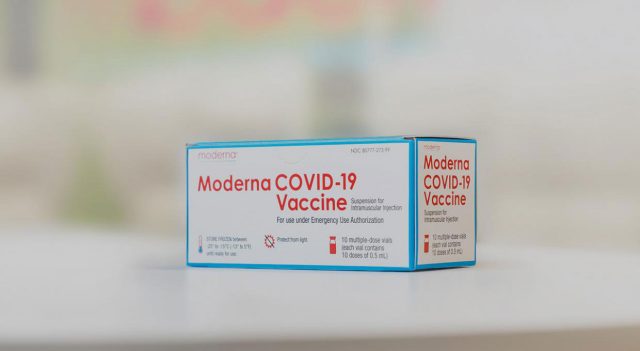
MODERNA, INC. said on Wednesday that an updated version of its COVID-19 vaccine designed to target the Omicron variant also generated a strong immune response against the fast-spreading Omicron subvariants BA.4 and BA.5, which have gained a foothold in the US in recent weeks.

The updated vaccine, which Moderna is hoping will be approved for use as a booster shot for the fall, is a bivalent vaccine, meaning it contains vaccine designed to target two different coronavirus variants — the original variant from 2020 and the Omicron variant that was circulating widely last winter.

Moderna said that while the shot elicited a weaker response versus BA.4 and BA.5 than it does against the BA.1 subvariant it was specifically designed to combat, the data suggests the new shot could produce “lasting protection against the whole family of Omicron variants.”

“This is a strong, powerful antibody response,” Moderna Chief Medical Officer Paul Burton said at a news conference. “It is probably long lasting and I think the conclusions are that boosting or primary vaccination with (the updated vaccine) really could be a turning point in our fight against SARS-cov-2 virus.”

Moderna has been producing the updated vaccine on its own dime ahead of any regulatory approvals, and Chief Executive Stephane Bancel said the company could begin supplying the shot in August.

The company plans to submit applications to regulators in the coming weeks to ask for approval of the shot — which it calls mRNA-1273.214 — for the fall season.

The two sublineages, which were added to the World Health Organization’s monitoring list in March and designated as variants of concern by the European Centre for Disease Prevention and Control, accounted for more than a third of US cases last week.

The US Food and Drug Administration plans to hold a meeting of outside experts next week to discuss the best composition of booster shots for the fall.

Pfizer and BioNTech are also testing several possible variant-adapted COVID-19 vaccines, including a bivalent candidate similar to Moderna’s.

The European Medicines Agency last week launched a rolling review of their candidates, although the companies have yet to release any data on how well they work. BioNTech this month said market clearance could come as early as August but could also take until September or later in the fall. — Reuters

Tech space seen as leader in setting inclusive policies

UNSPLASH

By Brontë H. Lacsamana, Reporter

Stories that feature Lesbian, Gay, Bisexual, Transgender, Queer and/or Questioning (LGBTQ+) themes now occupy a sizable chunk of mainstream Filipino media, according to Darwin D. Mariano, founder of digital event solutions company Ticket2Me and producer of a boys’ love (BL) series called Boys’ Lockdown

“I think it’s important to show the [LGBTQ+] community and the country that these kinds of stories can be successful but also to be able to show kids … that you know what, there are stories like these and it’s okay to be different,” he said at a Pride event hosted by Google Philippines on June 21. 

Cristina Elise A. del Rosario, head of design for fintech company First Circle, added that there are now so many queer content creators to be seen in social media alone. 

“The great thing that tech has done for us is to really connect us all and let us know that we’re not alone. Social media has given a great platform to share our stories,”  she said. 

FROM VISIBILITY TO ACCEPTANCE 
It’s one thing for a diverse LGBTQ+ population to be more visible, but it’s another to make its members feel more included and equal.  

For Mark Lester C. Lacsamana, user interface (UI) design lead of talent recruitment software PageUp, it’s all about setting off a chain reaction so that more and more people will be inspired to cultivate a more accepting workplace. 

“I didn’t realize that being as authentic as I am could change much when it comes to people. That’s why I continue to do that,” he said at Google’s event. “Beyond that, I always try to remind people that, no, gay and queer people have always been here.” 

The tech space, with its emphasis on innovation and the future, should become a place where forward-looking standards of inclusion are set, the panelists agreed. 

Policies are one way to ensure this, according to Rafael Arturo “Raffy” S. Fajardo, president and general manager of Procter & Gamble (P&G) Philippines. 

“We value diversity and I think many companies say that, but maybe the deeper twist I want to talk about here is that it takes [appreciating] individualism,” he said at a June 20 media roundtable on workplace equality and inclusion. 

Last year, P&G Philippines was named a champion for the gender inclusive workplace category in the United Nations’ 2021 Women’s Empowerment Principles Awards

One of its programs that showed inclusivity is affinity group GABLE (meaning Gay, Ally, Bisexual, Lesbian, and Transgender Employees), which connects LGBTQ+ employees. Most lauded was the company’s “Share the Care” policy that grants new parents eight weeks of fully paid leave, regardless of gender, identity, orientation, or marriage status.  

“This is available to all P&G employees. Male or female, LGBTQ+, adoptive or biological parents, single or married — it doesn’t discriminate,” said Anna Legarda-Locsin, P&G Philippines’ communications director, at the roundtable. 

ELIMINATING BIAS
Mr. Fajardo added that, despite all progress, no workplace is perfect: “Gender continues to be a bias, even on the LGBTQ front … We find it because we have conversations with employees [and it] comes out, whether from those with biases or those affected by it.” 

He shared that since bias is something people grow up with, removing it requires work — from team meetings and morning sessions on equality and inclusion to LGBTQ+ employees themselves coaching leadership teams about pronouns and the like. 

Biases remain even at the top of global institutions, according to Chantale Y. Wong, the first lesbian ambassador in United States history. As the appointed US director to the Asian Development Bank (ADB), she’s also the only female board member. 

“I am hopeful that there will be others joining me soon. It is very lonely always being one of a kind,” she said in her keynote speech at the American Chamber of Commerce of the Philippines’ general membership meeting on June 15. 

“I have this role and I carry this extra burden of ensuring that gender equity and social inclusion is a part of every dollar that we provide,” said Ms. Wong, adding that having more LGBTQ+ people of color in high positions can greatly improve society. 

She also warned that representation for the sake of it is not real inclusion, something she was wary of when the news broke about her appointment as ambassador. 

Similarly, Mr. Fajardo of P&G explained that even though gender quotas can be a good barometer for whether there is equality or not, hard targets can’t be the only basis. 

“Everyone is equally capable of rising, but sometimes there are trip wires that you don’t even know existed for some people,” he said. “It’s about looking back [and thinking], are we really healthy in the organization? Maybe there’s still trip wires we need to remove.”

On the rise: Valeria Doctors — your one-stop premium medical and dental aesthetics clinic

Launched on April 2, 2022, Valeria Doctors aims to redefine the landscape of Dentistry and Aesthetic Medicine in the Philippines. Owned by three young and promising professionals, Dr. Patricia Diana Suiza, Dr. Lieth Momani and Dr. Brian Punzal, Valeria is set to leave footprints in the global industry as they venture not only in providing excellent and world-class clinical practice but also in promoting Medical and Dental Tourism.

Dr. Suiza, president of Valeria Doctors, shares that she always wants to be different and to make a difference. Valeria is her brainchild. While her colleagues build multilocated practices, she embarks on learning the ins and outs of Aesthetic Medicine since her husband, Dr. Momani is a certified Aesthetic Doctor and Cosmetic Surgeon. Together, they build an empire rooted on their skills and passion. She hired business coaches and mentors and took up Entrepreneurial Development courses to further her knowledge outside her dental profession. She is now being tagged as the Queen of Veneers by her growing number of patients and supporters. She also specializes in Periodontics and Implant Dentistry.

Dr. Momani is a rising superstar in the field of Cosmetic Surgery and is being known for his natural-looking and scarless techniques which he developed himself. Dr.Punzal, a pride of Ilocos Norte, who is also a cosmetic dentist, wows the world with his superb skills in Oral Surgery and Endodontics.

Valeria Doctors boasts about providing patients a VIP experience apart from quality services. “There are a lot of doctors who can do what we can. After all, we all go through rigorous studies and trainings so we don’t want to underestimate our colleagues. However, not everyone can do things the way we do. It is the ‘how’ that sets us apart. While others aim to be known for what they do, we wish to be remembered for how we make people feel — the confidence that they gain after going through smile transformation or cosmetic enhancements, the feeling of being important and the total improvement on perception of oneself among a lot,” says Doc Tricia. “Me, when I talk, I always say that we should treat every patient the way we would want our mothers to be treated; or to be attended to.”

Valeria Doctors also vows to adapt to current trends by going into Digital Dentistry and investing on quality aesthetic machines and LASERs. They also operate on a paperless system and even provide virtual consultations. The founders believe that the key to survive a fast-changing world is to not get tired of learning. “It is through continuous education that we sustain a high standard of practice and it is a commitment to our patients.” “In Dentistry and Aesthetic Medicine, even our minimum standard should be high — at the very least, a clinic should have licensed and well-trained doctors, doctors’ procedures should not be done by non-doctors and an outstanding sterilization protocol is a must,” Doc Tricia mentioned.

Since Valeria Doctors is technically a baby, the people behind it are rabid game-changers. “The goal is to always be able to deliver the ultimate treatment for the patients and the cost should be a secondary consideration. At the end of the day, we get what we pay for. To exalt the practice, we need to keep pushing the needle and we have to keep raising the bar of excellence. We have to be the change that we wish to see in the industry and it starts with the willpower.”

“It has always been my dream to be a household name in whatever path I choose to pursue. I have been very vocal about my ambition to be known for my advocacies and my skill set. Truth is, finding my passion has been difficult. In the beginning, I thought it was surgery; I thought it was blood; until I figured it’s in “beauty.” In the journey, I realized that the best way to emerge is by viewing my dreams from the perspective of help. I used to question myself about what I want but everything changed when I started to ask how I can help — how can I help the industry? How can I give more integrity to our profession? How can I best serve our patients? How can I make a significant change that will create an impact in a global state?” says Doc Tricia.


In our current world where beauty is viewed differently and critically, Valeria Doctors finds a space to build and nurture. As doctors, Valeria focuses on three things in specific order of importance: HEALTH, FUNCTIONALITY and AESTHETICS.


Spotlight is BusinessWorld’s sponsored section that allows advertisers to amplify their brand and connect with BusinessWorld’s audience by enabling them to publish their stories directly on the BusinessWorld Web site. For more information, send an email to online@bworldonline.com.

Join us on Viber to get more updates from BusinessWorld: https://bit.ly/3hv6bLA.

G7, NATO leaders to ratchet up pressure on Russia, keep eye on China — US officials

North Atlantic Treaty Organization/Flickr

WASHINGTON — Leaders from the Group of Seven (G7) rich democracies and the NATO alliance will work to increase pressure on Russia over its war in Ukraine next week, while underscoring their continued concerns about China, senior US officials said on Wednesday. 

President Joseph R. Biden, Jr., leaves Saturday to meet with other G7 leaders in southern Germany before heading to Madrid for a summit where the North Atlantic Treaty Organization (NATO) is expected to announce plans to expand its forces in eastern Europe and Washington will lay out steps to strengthen European security. 

Inclusion, for the first time, of leaders from Australia, Japan, South Korea and New Zealand in the NATO summit was aimed at showing that the war in Ukraine has not detracted from Western nations’ focus on China, the officials said. 

G7 leaders, meeting at an alpine castle an hour south of Munich on June 26–28, are also expected to address China’s “coercive economic practices,” which have become even more aggressive in recent years, one of the officials said. 

“Russia’s war against Ukraine has galvanized our partnerships around the world,” a second official said. “It’s also showing how Ukraine is not causing us to take our eye off the ball on China. In fact, quite the opposite.” 

In fact, a new strategic concept to be endorsed by NATO leaders when they meet in Madrid June 29–30 will address threats posed by Russia, and for the first time, China, the official said. 

Germany, which leads the G7 this year, has also invited Argentina, India, Indonesia, Senegal and South Africa to participate in select sessions at the summit. 

G7 leaders will launch a new infrastructure initiative aimed at offering low- and middle-income countries high-quality, transparent investment alternatives, officials said, a clear reference to China’s Belt and Road project, which has been criticized for opaque contracts and onerous loan terms. 

“At the summit, we will roll out a concrete set of proposals to increase pressure on Russia and demonstrate our support collectively for Ukraine,” one of the officials said, without providing details. 

The impact of Russia’s war in Ukraine in driving energy and food prices sharply higher and jeopardizing low- and middle-income countries will be another focal point, officials said. 

“Leaders will also advance a vision of the world grounded in freedom and openness — not coercion, not aggression, not spheres of influence. They will strengthen our cooperation on economic issues, cyberspace and quantum, and in particular, the challenges posed by China,” the official added. 

Ukrainian President Volodymyr Zelenskyy will address both meetings virtually, mapping out his battle plan to counter Russia and the security assistance his country needs to carry it out, US officials said. 

Mr. Biden will meet bilaterally with German Chancellor Olaf Scholz and will meet in Madrid with Spanish President Pedro Sanchez and King Felipe, the officials said. 

There was no announcement about any bilateral meeting between Mr. Biden and Turkish President Tayyip Erdogan, who is blocking plans for Finland and Sweden to join NATO, but one of the officials said Washington was confident that Turkey’s concerns would be addressed and consensus could be reached. — Andrea Shalal and Humeyra Pamuk/Reuters

Mass biodiversity loss would slash global credit ratings, report warns

WIKIMEDIA COMMONS

LONDON — Major global biodiversity loss could cause enough economic damage by the end of the decade to severely cut more than half of the world’s sovereign credit ratings — including China’s, the first major study on the issue has warned. 

The research published on Thursday by a group of British universities looked at a range of scenarios, including one where a partial collapse of key ecosystems savaged nature-dependent industries such as farming and fishing that some economies rely on. 

It estimated that the detrimental impact would result in 58% of the 26 countries studied facing at least a one notch downgrade of their sovereign credit rating. 

As ratings affect how much governments have to pay to borrow on the global capital markets, the downgrades would result in between $28 to $53 billion of additional interest costs annually. 

“The ratings impact under the partial ecosystem services collapse scenario is in many cases significant and substantial,” the report said, adding that those additional debt costs would mean governments have even less to spend and that things like mortgage rates would go up. 

The study carried out by the University of East Anglia, Cambridge, Sheffield Hallam University and SOAS University of London shows that China and Malaysia would be most severely hit, with rating downgrades by more than six notches in the partial collapse scenario. 

India, Bangladesh, Indonesia, and Ethiopia would face downgrades of approximately four notches, while almost a third of the countries analyzed would see more than three. 

For China, that drop in creditworthiness would add an additional $12 to 18 billion to its yearly interest payment bill, while the country’s highly-indebted corporate sector would incur an additional $20 to 30 billion. 

Malaysia’s costs would rise between $1 to 2.6 billion, while its companies would need to cover additional $1 to 2.3 billion. 

“More importantly, these two sovereigns would cross from investment to speculative-grade,” the report said, referring to what investors usually dub a higher risk “junk”-grade credit rating. 

“Biodiversity loss can hit economies in multiple ways. A collapse in fisheries, for example, causes economic shockwaves along national supply chains and into other industries,” said co-author Dr. Patrycja Klusak, affiliated researcher at Cambridge’s Bennett Institute and Associate Professor at the University of East Anglia. — Marc Jones/Reuters

Some Brits turn to gambling, crypto to make ends meet, charity warns

PIXABAY

LONDON — Britain’s worsening cost-of-living squeeze is pushing some people into gambling and cryptocurrency investments in last-ditch attempts to make ends meet, a gambling charity warned on Thursday.

GamCare said it had increasingly received calls from people receiving state welfare payments who had gambled in the hope they could cover soaring energy and food bills, and lost.

The charity reported that some people who it had helped successfully in the past had relapsed into gambling again under the growing financial pressure.

British households are grappling with the highest rate of inflation out of the Group of Seven advanced economies, which hit a new 40-year high of 9.1% in May. The Bank of England has warned of inflation exceeding 11% by October.

A YouGov survey of more than 4,000 people commissioned by GamCare and published on Thursday showed 46% were worried about their financial situation.

More than half of those polled said they had gambled over the past 12 months, and most of this group had lost money.

“Our helpline advisers are hearing that the cost of living is impacting people’s gambling behaviors — particularly those gamblers who have recovered,” said Anna Hemmings, chief executive of GamCare.

“We also know that our team are hearing from more and more people who are reaching out for help around crypto trading.”

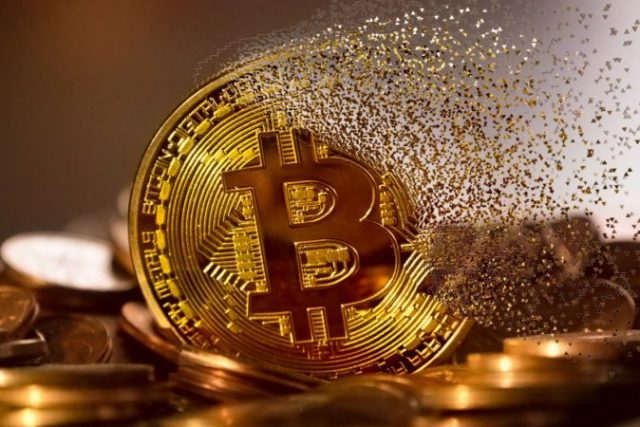
Someone who paid in sterling to invest in Bitcoin six months ago to help hedge against the rising cost of living would have lost 55% of their investment as of Thursday.

GamCare said 43% of problem gamblers had invested in cryptocurrency, and 25% out of this group said they wanted to invest more to chase losses — compared with only 7% of the wider population of crypto investors. — Reuters

Why is there a worldwide oil-refining crunch?

RAWPIXEL

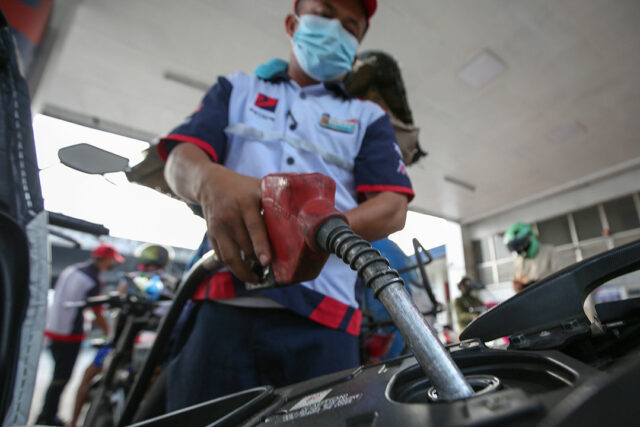
Drivers around the world are feeling pain at the pump with fuel prices soaring, and costs are surging for heating buildings, power generation, and industrial production. 

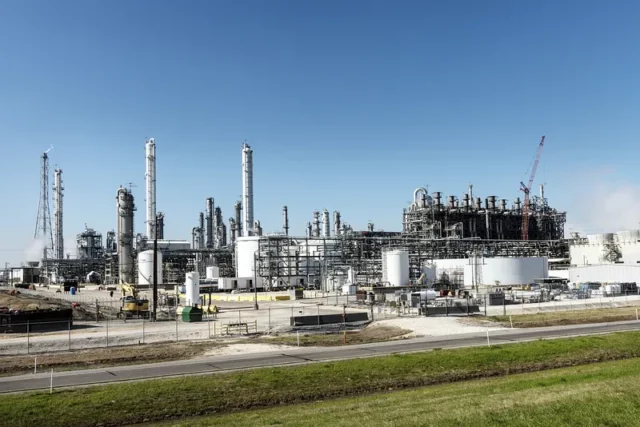
Prices were already elevated before Russia invaded Ukraine on Feb. 24. But since mid-March, fuel costs have surged while crude prices are up only modestly. Much of the reason is a lack of adequate refining capacity to process crude into gasoline and diesel to meet high global demand. 

  • HOW MUCH CAN THE WORLD REFINERIES PRODUCE DAILY? 

Overall, there is enough capacity to refine about 100 million barrels of oil a day (bpd), according to the International Energy Agency (IEA), but about 20% of that capacity is not usable. Much of that unusable capacity is in Latin America and other places where there is a lack of investment. That leaves somewhere around 82–83 million bpd in projected capacity. 

  • HOW MANY REFINERIES HAVE CLOSED? 

The refining industry estimates that the world lost a total of 3.3 million barrels of daily refining capacity since the start of 2020. About a third of these losses occurred in the United States, with the rest in Russia, China, and Europe. Fuel demand crashed early in the pandemic when lockdowns and remote work were widespread. Before that, refining capacity had not declined in any year for at least three decades. 

  • WILL REFINING PICK UP? 

Global refining capacity is set to expand by 1 million bpd per day in 2022 and 1.6 million bpd in 2023. 

  • HOW MUCH HAS REFINING DECLINED SINCE BEFORE THE PANDEMIC? 

In April, 78 million barrels were processed daily, down sharply from the pre-pandemic average of 82.1 million bpd. The IEA expects refining to rebound during the summer to 81.9 million bpd as Chinese refiners come back online. 

  • WHERE IS MOST REFINING CAPACITY OFFLINE, AND WHY? 

The United States, China, Russia and Europe are all operating refineries at lower capacity than before the pandemic. U.S. refiners shut nearly one million bpd of capacity since 2019 for various reasons. 

Nearly 30% of Russia’s refining capacity was idled in May, sources told Reuters. Many Western nations are rejecting Russian fuel. 

China has the most spare refining capacity, refined product exports are only allowed under official quotas, mainly granted to large state-owned refining companies and not to smaller independent companies that hold much of China’s spare capacity. 

As of last week, run rates at China’s state-backed refineries averaged around 71.3% and independent refineries were around 65.5%. That was up from earlier in the year, but low by historic standards. 

  • WHAT ELSE IS CONTRIBUTING TO HIGH PRICES? 

The cost to carry products on vessels overseas has risen due to high global demand, as well as sanctions on Russian vessels. In Europe, refineries are constrained by high prices for natural gas, which powers their operations. 

Some refiners also depend on vacuum gasoil as an intermediate fuel. Loss of Russian vacuum gas oil has prevented certain from restarting certain gasoline-producing units. 

  • WHO IS BENEFITING FROM THE CURRENT SITUATION? 

Refiners, especially those that export a lot of fuel to other countries, such as U.S. refiners. Global fuel shortages have boosted refining margins to historic highs, with the key 3-2-1 crack spread nearing $60 a barrel. That has driven big profits for U.S.-based Valero and India-based Reliance Industries 

India, which refines more than 5 million bpd, according to the IEA, has been importing cheap Russian crude for domestic use and export. It is expected to boost output by 450,000 by year-end, the IEA said. 

More refining capacity is set to come online in the Middle East and Asia to meet growing demand. — Laura Sanicola/Reuters

ADVERTISEMENT
ADVERTISEMENT