Home Blog Page 6200

India’s largest multiplex operators to merge, creating cinema giant

Image via pvrcinemas.com

NEW DELHI — India’s two largest multiplex firms said on Sunday they would merge to create a giant cinema operator with more than 1,500 screens across 109 cities as the entertainment industry recovers from the coronavirus disease 2019 (COVID-19) pandemic. 

PVR and INOX Leisure said the merger, which is subject to regulatory approvals, would help both companies improve efficiency, reach newer markets, and optimize cost. 

“The film exhibition sector has been one of the worst impacted sectors on account of the pandemic and creating scale to achieve efficiencies is critical for the long-term survival of the business and fight the onslaught of digital OTT platforms,” PVR Chairman Ajay Bijli said in a press release. 

Over-the-top, or OTT, platforms such Netflix, Amazon’s Prime Video, and Disney have made deep inroads in India, where the pandemic ravaged a film industry known for song-and-dance spectacles watched by millions. 

PVR is India’s largest multiplex chain with more than 850 screens, followed by INOX Leisure with about 650 screens. 

The merger follows a two-year period when most theaters were shut due to COVID-19 restrictions. — Reuters

Hong Kong to halve COVID flight-ban penalty to 7 days

Hong Kong International Airport. Image via hongkongairport.com

HONG KONG — Hong Kong said on Sunday it is shortening the ban on airlines that are found to have carried three or more passengers who test positive for coronavirus disease 2019 (COVID-19) upon arrival, as the number of local cases continues to ease from its peak. 

Starting on Friday, the ban on individual airline routes will be halved to seven days as part of an ongoing “flight suspension mechanism,” the government said in a statement. 

The change comes after the government said last week a ban on flights from nine countries — Canada, India, Pakistan, Nepal, Britain, the United States, France, Australia, and the Philippines — would be lifted on April 1. 

If there is at least one positive test and at least one case of non-compliance with pre-departure testing on any single flight, the airline will also be suspended from flying the route for seven days. 

Hong Kong reported 8,037 new COVID-19 infections on Sunday and 151 deaths, the second day in a row below 10,000 cases, as its latest wave of infections continues to ease. 

The financial hub will relax the social distancing measures in phases starting April 21, allowing restaurant dining after 6 p.m. with tables of four people, up from two currently. 

Hong Kong’s economy is set to contract in the first quarter, breaking four quarters of recovery streak, as retail sales fell for the first time in 12 months in February and export growth slowed, Financial Secretary Paul Chan said on his blog. 

Businesses and the city’s economy are reeling from widespread closures, as the government has imposed stringent social distancing rules since January amid a dramatic spike in the Omicron variant. 

While the former British colony has officially stuck to a “dynamic zero” coronavirus policy similar to that of mainland China, which seeks to curb all outbreaks, it has been shifting to mitigation strategies as deaths skyrocketed. — Reuters

How to save the Amazon? Brazil company says NFTs are the answer

Andre Deak/CC BY 2.0/Wikimedia Commons

BRASILIA — A Brazilian company that owns 410 square kilometers (158 square miles) of Amazon rainforest is offering a new way to fund conservation: selling non-fungible tokens (NFTs) that allow buyers to sponsor the preservation of specific areas of jungle. 

NFTs are a kind of crypto asset that exploded in popularity last year, with a unique digital signature guaranteeing they are one of a kind. Other efforts to fund conservation via NFTs include plans for a South African wildlife reserve. 

In Brazil, a company called Nemus on Friday began selling NFTs granting buyers unique sponsorship of different sized tracts of forest, with the proceeds going to preserve the trees, regenerate clear-cut areas and foster sustainable development. 

Token holders will not own the land itself, but will have access to key information about its preservation, from satellite imagery to licensing and other documentation, said Nemus founder Flavio de Meira Penna. 

He said Nemus had sold 10% of an initial offer of tokens for 8,000 hectares on the first day. 

“My guess is this will accelerate rapidly in coming weeks,” Mr. Penna told Reuters, adding that blockchain technology would ensure transparency in the use of the funds. 

Plots vary in size from a quarter of a hectare to 81 hectares (0.6 to 200 acres), which buyers will be able to locate with online maps. 

NFTs for the smallest plots sell for $150 and the largest fetch $51,000, said Mr. Penna, who is hoping to raise $4 million to $5 million to buy an additional 2 million hectares of land already under negotiations in the municipality of Pauini in Amazonas state. 

Along with preserving the forest, Penna said the funds would support sustainable development efforts such as harvesting acai berries and Brazil nuts by local communities in Pauini, which is the size of Belgium. 

Each token comes with artwork of an Amazon plant or animal and is processed by San Francisco-based Concept Art House, a content developer and publisher for NFTs. 

Critics have questioned the value of NFTs for environmental causes because tokens using the blockchain technology require intense computing power, driving up demand for electricity generation that releases climate-warming greenhouse gasses. 

Mr. Penna dismissed that view, saying preservation of threatened areas of the Amazon far outweighs the environmental cost of NFT transactions. — Anthony Boadle/Reuters

Filipino MSMEs turn to friends and family amid business funding roadblocks

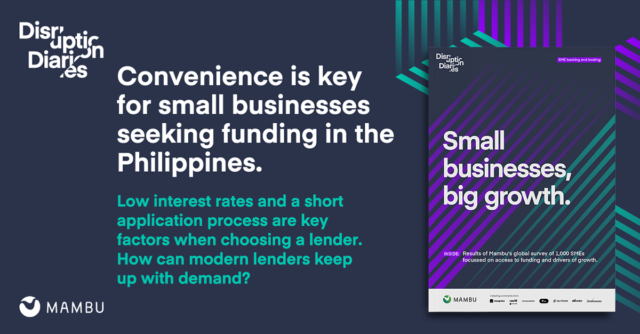
Three in four Filipino MSMEs unable to secure adequate funding

Micro, small and medium-sized enterprises (MSMEs) make up more than 99% of businesses in the Philippines and employ around 62% of the workforce, however these essential businesses experience significant barriers to growth when it comes to accessing business funding.

A new report from cloud banking platform Mambu, titled the ‘Small businesses, big growth’ report, surveyed over 1,000 MSME owners globally, including Filipino SME owners, who set up their company and applied for a business loan in the last five years.

The survey found that three in four (77%) of micro, small and medium-sized enterprises surveyed have been unable to secure sufficient, or any, funding on at least one or more occasion over the last five years. Of these businesses unable to secure sufficient funding, 48% went on to experience cash flow issues, 48% were unable to launch new products or services and 35% struggled to pay back creditors.

While Filipino banks and financial institutions were previously required to set aside a minimum of 8% of their loanable funds for micro and small enterprises (Republic Act No. 9501), this law lapsed in 2018, and the most recent estimates show that current bank loan funds allocated to MSMEs is well under this threshold at around 5.4%[1].

To overcome these barriers to growth, MSMEs are turning to challenger banks and tech-enabled alternative lenders for funding, embracing the benefits that technology can bring to the lending process, such as faster applications and loan processing. With 93% of Filipino MSMEs indicating they would consider changing lenders for a better experience, there is a clear opportunity for new entrants.

Technology enabling superior customer experiences in lending

Tech-enabled lenders leverage technology like artificial intelligence, machine learning, data analytics and cloud to offer faster loan applications and processing, with much less arduous application requirements. In fact, some digital lenders offer applications that can be completed in just five minutes, with loans approved and funds processed within 24 hours. This is a vast improvement on the traditional lending journey for MSMEs.

In order for the Filipino economy to recover from the impact of the pandemic, it is vital that banks and lenders embrace these new technologies that can dramatically improve the lending experience for MSMEs. Mambu’s survey also identified that the length of time it takes to apply for a loan is a major influence on businesses when choosing a lender, so there is also a clear business case for financial service providers to transition to a more digital approach.

What’s next?

The message from our research is clear: SMEs want better support and they’re not afraid to change lenders to find it. 93% of Filipino businesses say they are open to changing lenders for a better offer. If this demand goes unaddressed, it is a huge missed opportunity for the economy and SME banks and lenders.

Download Mambu’s ‘Small businesses, big growth’ report to learn about the pain points being experienced by SMEs when it comes to lending.

[1] Business World: The SME finance gap during the pandemic, Sept 17, 20221


Spotlight is BusinessWorld’s sponsored section that allows advertisers to amplify their brand and connect with BusinessWorld’s audience by enabling them to publish their stories directly on the BusinessWorld Web site. For more information, send an email to online@bworldonline.com.

Join us on Viber to get more updates from BusinessWorld: https://bit.ly/3hv6bLA.

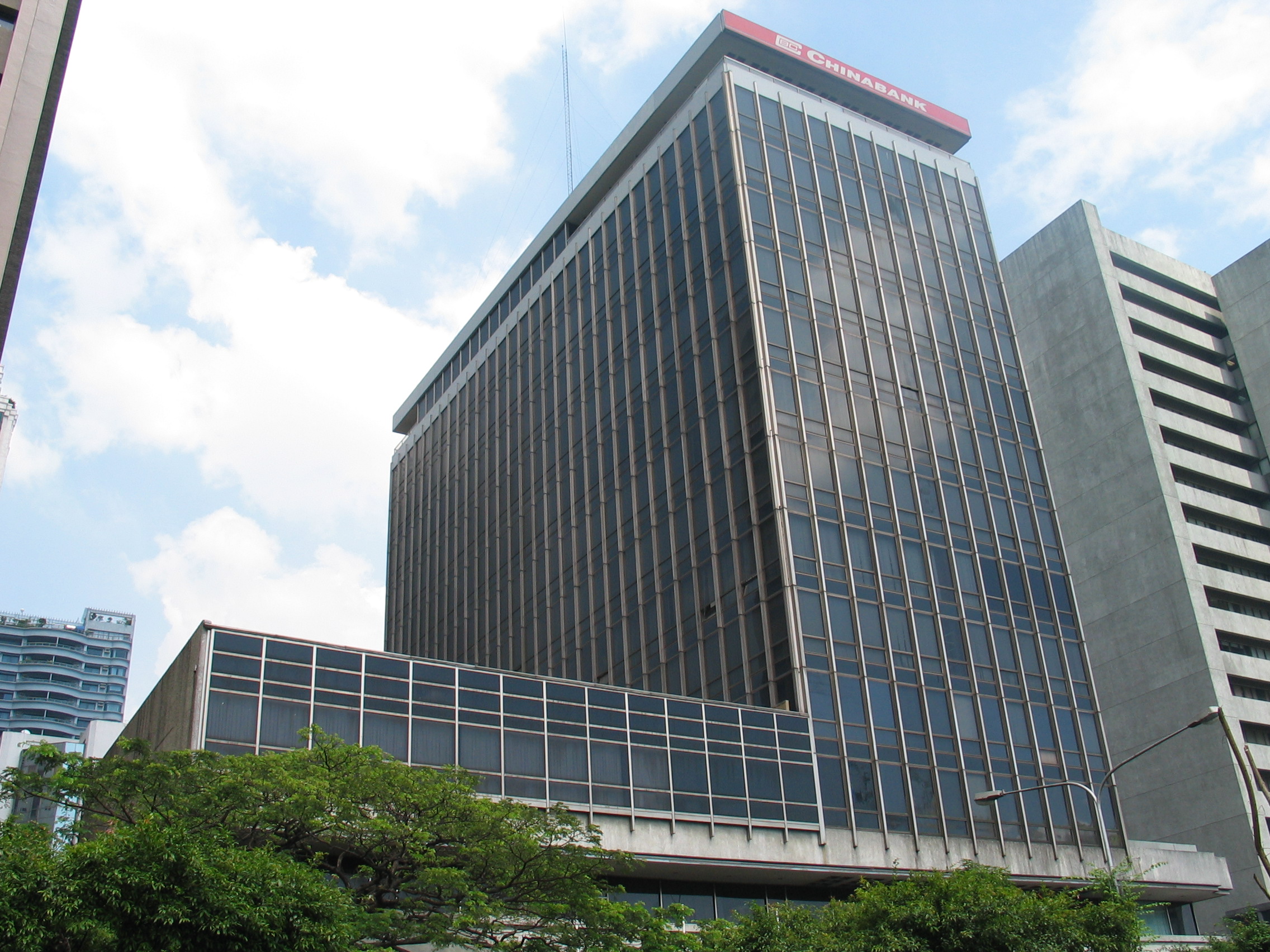
China Bank Capital tops 2021 debt league table, continues to strengthen the domestic capital markets 

China Bank Capital maintained its position as the leading investment bank in the domestic debt capital markets and the number one bookrunner for corporate fixed income deals in the Philippines.

For the full year 2021, China Bank’s investment banking arm led 13 out of the 16 corporate retail bonds that were issued in the local market, of which two were sole mandates. In addition, China Bank Capital also participated in a wide range of transactions spanning sovereign issuances, bank bonds, and US Dollar securities. Amidst the challenges of the pandemic, these issuances were crucial in helping raise funds for proponents to be able to reignite their growth and capital expenditure programs, most of which were put on hold during the last 18 months but are now being revisited with expectations of recovery.

For its reliable structuring and adept execution of landmark deals in 2021, China Bank Capital was named The Best Bond Adviser-Domestic by The Asset for the 6th year in a row; The Best Bond House, alongside BDO Capital, by the Investment House Association of the Philippines; and Top Corporate Issue Arranger / Manager (Investment House Category) by the PDS Group.

“Our debt markets leadership and various awards attest to the strong trust placed in us by our clients, our ability to deliver excellent results, and the good working partnerships we have with our peers in the industry,” said China Bank Capital President Ryan Martin L. Tapia.

China Bank Capital continued to be at the forefront of developing and deepening the domestic debt capital markets by introducing the most number of new issuers like D&L Industries, Inc., PHINMA Corporation, and AllHome Corp.; enabling repeat issuers like the SM Group, Aboitiz Group, Ayala Group, Filinvest Group, San Miguel Group, and Century Properties to efficiently tap strong onshore liquidity; and providing compelling investment options for institutional and retail investors.

In addition to servicing the private sector, China Bank Capital also partnered with its peers to act as issue manager for three major issuances of the Republic of the Philippines in 2021 – the 25th retail treasury bonds with exchange offer (RTB 25), the very first retail onshore dollar bonds, and the 26th retail treasury bond with exchange offer (RTB 26). This year, China Bank Capital also served as joint issue manager for RTB 27. These issuances not only helped the government with its efforts to combat the pandemic and support economic recovery, but they also served as a way to promote financial inclusion to the broader population.

Established in 2015, China Bank Capital has built a strong reputation for understanding issuer and investor requirements and for achieving oversubscribed orderbooks and the best pricing for clients.


Spotlight is BusinessWorld’s sponsored section that allows advertisers to amplify their brand and connect with BusinessWorld’s audience by enabling them to publish their stories directly on the BusinessWorld Web site. For more information, send an email to online@bworldonline.com.

Join us on Viber to get more updates from BusinessWorld: https://bit.ly/3hv6bLA.

Building the bridge to connect Filipino startups to the global stage

By Bjorn Biel M. Beltran, Special Features Writer

Every industrial revolution has brought with it a wave of globalization, which in turn caused an increase in global trade and commerce, and heightening competition in the labor market.

As Gita Gopinath, first deputy managing director at the International Monetary Fund, put it, in an interview with the World Economic Forum, “The advantages of globalization are actually much like the advantages of technological improvement. They have very similar effects: they raise output in countries, raise productivity, create more jobs, raise wages, and lower prices of products in the world economy.”

Moreover, the uptick in international trade meant reduced prices of consumer goods, and an overall boost in productivity, more job creation, and higher wages in both advanced and developing economies. More exposure to the global markets also allows local enterprises to expand their horizons, but for many finding that particular avenue of opportunity is a challenge in of itself.

This is why the International Trade Center (ITC) in collaboration with QBO Innovation Hub and the Department of Trade and Industry created the ARISE Plus Philippines Young Entrepreneurs (YE) Boost Accelerator, under the ARISE Plus Philippines project.

Twelve local startups have been announced to join the 14-week virtual program, which aims to prepare Filipino youth-run enterprises for internationalization. The top 12 selected startups are: Alaga Health, Anthologie, Cerebro LMS, Diverzion Express, Empath, IOL Inc., Kippap Education, Metamorphosis Group, Panublix, PAYHIRAM, Petkluv, and RideRadar App.

“I’ve watched the growth of the startup ecosystem in the Philippines through the years, and there’s always been one hurdle: that’s how to get startups onto the global stage and get them access to markets outside the country. It’s a key piece of the puzzle,” Butch Meily, president of QBO Innovation Hub, said during the program’s launch.

“The ARISE Plus Ye! accelerator program has provided that critical bridge between our entrepreneurs and the ASEAN and EU regions. A startup can take advantage of these opportunities and see horizons and profits expand,” he added.

Maria Esperanza Alconcel, national project coordinator of ARISE Plus Philippines, said that the project aims to foster inclusive economic growth and poverty reduction in the Philippines by improving the county’s trade performance and competitiveness.

“When we say strengthening trade performance and competitiveness, our main focus are the MSMEs which is very important here in the Philippines given that over 99% of our businesses are MSMEs and contribute to about 60% of jobs,” Ms. Alconcel said.

“The project provides a platform to bring together various stakeholders in the Philippines, the government, business support organizations, and the business sector to discuss, share insights and collaborate in helping MSMEs, and that includes women and young entrepreneurs’ ventures in overseas markets,” she explained.

Funded by the European Union and implemented by the ITC, the ARISE Plus YE! Boost Accelerator Program seeks to provide targeted support to address critical gaps to participation in global value chains that are hindering exports in priority products or industries, through linkages with EU industry, especially concerning inclusive innovation and the entrepreneurship ecosystem. Particularly, the program aims to equip youth-led Filipino startups with the relevant skills to boost their competitiveness, such as digital skills and building familiarity in the EU market.

The ARISE Plus YE! Boost Accelerator is ITC’s solution to enhance the capacities of existing BSOs in the Philippines; to offer support to youth-led businesses ready to internationalize; and to provide access to markets, networks and funding opportunities. The project builds upon an existing acceleration program by adding modules on several key entrepreneurship topics including internationalization, investment readiness, with a focus on digital skills and, in the context of the Philippines, Intellectual Property protection.

The YE! Boost Accelerator also leverages the network of local experts and stakeholders to support the programming and bring in a local perspective on key markets for international expansion, market trends, and the investment climate.

This solution builds on ITC’s expertise and experience in collaborating with accelerators in developing countries and the ‘Accelerate2030’ program, an initiative of the Impact Hub Network that aims at scaling up social entrepreneurs from developing countries.

“Given the potential for making it big in business, I believe the youth can do more as entrepreneurs,” A.D. Emma Asusano, Bureau of Small and Medium Enterprises Development assistant director at the Department of Trade and Industry, said.

“Going through entrepreneurship may mean passing through a very rough and winding road. Thus, it may not be an easy way to success, but the rewards of a successful entrepreneurship is definitely a thousand times greater than any challenges you will face along the way,” she stressed.

The legacy of President Duterte

President Rodrigo R. Duterte — Photo from Philstar

“No leader, however strong, can succeed at anything of national importance or significance unless he has the support and cooperation of the people he is tasked to lead and sworn to serve.”

These were among the first words of Philippines’ 16th President, Rodrigo Roa Duterte, when he took office on June 30, 2016 and addressed the public at the Rizal Ceremonial Hall in Malacañan Palace, Manila.

It was a bold premise to build a presidency on, especially one backdropped by much controversy. Regardless, President Duterte’s administration continued to remain popular with the Filipino public, with even the latest Social Weather Stations survey finding that 75% of adult Filipinos are satisfied with his performance.

Such trust was not unfounded. Vilified as his administration was in certain groups, the Duterte government had managed to leave an impact on the country in various aspects and lead it through the worst global pandemic the world has seen in a century.

For one, President Duterte began the Comprehensive Tax Reform Program, designed to accelerate poverty reduction and to sustainably address inequality by making the tax system simpler, fairer, while also providing more efficient, additional — and a more sustainable stream of — revenues for the government.

The tax reform included the Tax Reform for Acceleration and Inclusion Law (TRAIN Law), which corrected inequities in the tax system by reducing income taxes for 99% of income taxpayers, and the Corporate Recovery and Tax Incentives for Enterprises (Create) Act, which aimed to provide private enterprises, particularly micro, small, and medium enterprises, more than P1 trillion worth of tax relief over the next 10 years.

It was also under Mr. Duterte that the Bangsamoro Organic Law was signed into law, creating the Bangsamoro Autonomous Region in Muslim Mindanao, finally ending the decades-long peace negotiations between rebel groups in Mindanao.

Other significant legislations approved under the Duterte administration include the Bureau of Fire Protection (BFP) Modernization Act, Anti-Terrorism Law, Sin Tax Law, Tax Amnesty Law, the 105-Day Expanded Maternity Leave Law, as well as the Mental Health Law. Programs like the One-Stop Service Center for OFWs, Overseas Filipino Bank (OF Bank) and OFW Hospital, OFW e-Card, salary increase for cops and soldiers, government workers’ pay hike and Balik-probinsya were also implemented.

Among the most easily recognizable of the Duterte administration’s accomplishments are the implementation of the 10-year passport and five-year driver’s license validity, as well as the rehabilitation of Boracay, Manila Bay, and Marawi.

The Duterte administration’s ‘Build, Build, Build’ was created to push the country into a ‘Golden Age of Infrastructure’. — Photo from pna.gov.ph

The Build, Build, Build infrastructure development program, the centerpiece of the Duterte administration, was created to push the country into a “Golden Age of Infrastructure.”

Transportation Secretary Arthur Tugade said in a recent event, “Since 2016, the Department of Transportation has completed a total of 212 airport projects and working on 102 more. This 2021, we are set to inaugurate various completed airport projects in Clark, Catarman, Butuan, Busuanga, Zamboanga, Siquijor, General Santos, and Bicol.”

“Across the archipelago, we have also completed a total of 446 seaport projects, while 117 more are ongoing. New railways are also being built and existing rail lines are getting much-needed upgrades. In fact, this month, we will finally inaugurate the LRT-2 East Extension, and before the year ends, the massive rehabilitation of the MRT-3 and the Common Station will be completed. To date, we have a total of 1,090 kilometers of railway length with ongoing project implementation. To decongest EDSA, we have established the EDSA Busway, and built Bike Lanes to promote active transport,” Mr. Tugade added.

These, alongside the government’s economic recovery efforts during the pandemic, have helped the Philippines earn and maintain high credit ratings, despite the wave of downgrades globally. The Palace said that such ratings have allowed the government to quickly access emergency financing with concessional terms for its COVID-19 response.

Leading through crisis

Many have criticized the lack of quick, proactive action by the government in response to the COVID-19 pandemic. Nevertheless, the Duterte administration has managed to implement the COVID-19 Biosurveillance Program, the establishment of COVID-19 PCR laboratories in 64% of all provinces in the country, and the increase in testing capacity from an average of 30,000 to 40,000 tests each day in 2020 to an average of 75,000 to 80,000 tests every day in 2021.

It was also reported that a total of P635,810,000 worth of COVID-19 sickness services — involving severe or critical and mild or moderate cases — were provided by the government, consistent with the Universal Healthcare Law that the President signed in 2019.

On the national vaccination program against COVID-19, a total of 107,277,506 doses have been administered since March 1, 2021 until Dec. 28, 2021. As of the end of 2021, the number of fully vaccinated individuals was at 48,647,158, while 1,614,505 individuals have received booster doses.

’Malasakit; Tunay na Pagbabago; Tinud-anay (real) nga Kausaban (change) — these are words which catapulted me to the Presidency. These slogans were conceptualized not for the sole purpose of securing the votes of the electorate. ‘Tinud-anay nga kabag-uhan (real change). Mao kana ang tumong sa atong pang-gobyerno (this is the direction of our government)’,” President Duterte continued in his inaugural speech.

“Far from that, these were battle cries articulated by me in behalf of the people hungry for genuine and meaningful change. But the change, if it is to be permanent and significant, must start with us and in us,” he added. — Bjorn Biel M. Beltran

Startups showcase progress at B2B AQELERATION program

Photo from pch.vector - freepik

Three startups pitched and presented their progress throughout the six-month accelerator program of QBO Innovation Hub and Microsoft Philippines.

The SHOWQASE: Microsoft B2B AQELERATION held on March 24 put on spotlight the startups Mayani, Steer, and Last Mile, Inc., which completed the program AQELERATION: B2B Startups Disrupting Industries.

QBO and Microsoft launched the AQELERATION program last July to support startups that develop B2B (business-to-business) solutions to digitalize businesses in the country. The three chosen startups received intensive training and mentorship, a financial grant from QBO, and strategic support. The program ran from September 2021 to February 2022.

AQELERATION participant Mayani is the country’s fastest-growing farm-to-table platform with over 70,000 farmers, 11,000 B2C customers, and a B2B portfolio that counts in Shell, Robinsons, and WalterMart, among others.

“What we did was we built an agri-tech platform. We can fully unlock the $10-billion agricultural output value in the Philippines. And we’re doing this by consolidating production or harvest at scale, optimizing the agricultural supply chain by taking out middlemen, and digitizing it end-to-end,” explained JT Solis, Mayani’s CEO and co-founder.

Mr. Solis said they exceeded their initial revenue target set for and during AQELERATION by 198.5%, with over P9-million revenue. The startup’s initial farmers base size target also went beyond by 154%, now having over 77,000 smallholder farmers within the network. It has also formed new partnerships, among which are with FlowerStore.ph, Tsaa Laya, and CloudEats.

Furthermore, the startup was able to augment its crop engine through the technical knowledge and insights gained from the mentors.

Burns Puzon, head of marketing and sales of Steer by QuickReach, afterward talked about how the startup sought to digitize the country’s traditional construction industry.

“We built Steer to help companies synchronize processes, people and systems, and move towards a connected construction,” he explained. “Under the hood of Steer is QuickReach, which is a no-code platform that provides Steer customers unparalleled flexibility and configurability that they need.”

Some of the startup’s key accomplishments in the past six months while working under the program were the pivot of Steer from a no-code platform into a construction management software; generating over 100 leads, including Maynilad, Metro Pacific Tollways Corp., and FF Cruz; and being recognized as the Best Industrial/Supply Chain Startup at the X-Pitch Asia 2021 and recently qualified for the DTI-QBO Global AQELERATION Program.

Another startup that completed the AQELERATION was Last Mile, a shared logistics service innovation company seeking to “change the way businesses operate their last-mile deliveries.” Its digital products include Deliveries.ph, Fleet.ph, and Riders.ph.

Last Mile co-founder and CEO Jeff Sarmiento shared that, during the six-month program, the startup created over 100 new client presentations and onboarded 21 new customers, which generated $55,000 new contract value. It also has three new platform and service partners on board and earns $25,000 average monthly recurring revenue.

“We have also recently onboarded two new enterprise customers with a large volume of transactions that would increase Last Mile revenues by 900% before the end of Q2 2022,” he added.

“For the last six months, we truly appreciate the support provided by Microsoft and QBO through this incubation. A lot of which [is] the introduction to the right people that we can work with to improve Last Mile as a company and be more future-prepared to aggressively scale,” Mr. Sarmiento expressed.

The SHOWQASE also featured keynote talks led by Georgia Martelino, program lead for Microsoft for Startups Philippines; and Gabriel Villanueva, channel account manager of Crayon Philippines. It also provided a chance to network with the three startups. — Chelsey Keith P. Ignacio

‘Build, Build, Build’: A centerpiece program

Aerial drone view of Tarlac-Pangasinan-La Union Expressway segment between Sison, Pangasinan and Rosario, La Union, northward past the Bued River bridge — COMMONS.WIKIMEDIA.ORG

Hopeful for the next administration’s support on President Rodrigo R. Duterte’s “Build, Build, Build” (BBB) program, government officials are optimistic about the implementation of most of the proposed infrastructure projects under BBB as they also emphasized its long-term economic impact.

With roughly three months towards the end of President Duterte’s administration, 18 out of 112 infrastructure flagship projects under BBB will be completed by June this year, with 12 additional projects to conclude by the end of 2022 while 89 more are scheduled for implementation by 2023 and to be accomplished in the next six years.

“Most of these projects have been properly reviewed by the NEDA-ICC (National Economic and Development Authority-Investment Coordination Committee) Board… The national return is huge. There’s no way the next administration will shelve most of these projects but instead may look at it and revisit,” Department of Public Works and Highways (DPWH) Undersecretary Emil K. Sadain said in a virtual briefing last Feb. 8.

Upon his assumption of office in 2016, President Duterte changed the tempo of infrastructure spending by doubling the budget from the previous administration. Supporting his advocacy for a more balanced countryside development, he focused on solving the congestion in the metropolis by dispersing economic activities throughout the region.

In his 10-point socioeconomic agenda, among the reforms that will drive the reduction of poverty is the acceleration of infrastructure and the development of industries that will yield robust growth across the archipelago, as well as create jobs and uplift the lives of Filipinos. Based on DPWH data, from 2016-2020, BBB generated 6.5 million jobs with 1.6 million workers hired from March 2020 to the end quarter of 2021.

The program has also encountered some setbacks in the realignment of a part of its budget to finance the government’s response to the health and socioeconomic crises brought by the COVID-19 pandemic, funding facilities for community quarantine, isolation, off-site dormitories and modular hospitals.

Nevertheless, a number of flagship infrastructure projects were completed amid lockdowns. These include the Angat Water Transmission Improvement; Tarlac-Pangasinan-La Union Expressway Rosario & Pozorrubio Exits; Sorsogon City Coastal Road; New Clark City [Phase 1A]; Harbor Link; Sangley Airport; Broadband project with Facebook [Luzon Bypass Infrastructure]; Bohol-Panglao International Airport; Cagayan de Oro Port; New world-class passenger terminal in Mactan-Cebu International Airport; Lal-lo International Airport; Puerto Princesa International Airport; and other infrastructure developments for domestic airports, classrooms, and flood mitigation structures.

As it is among the first major economic activities to resume post-quarantine operation in the country, the construction of six railway projects is also underway. Additional railway, bridge and seaport projects are also in the pipeline.

Department of Finance Secretary Carlos G. Dominguez III said that the infrastructure modernization through President Duterte’s BBB program will remain as one of the cornerstones of the country’s recovery plan. — Allyana A. Almonte

Broader potentials in the Philippine data center market

By Adrian Paul B. Conoza, Special Features Assistant Editor

Data centers are becoming a growing opportunity in the Philippines in the past few years, especially as the coronavirus disease 2019 (COVID-19) pandemic further accelerated digital transformation among organizations and individuals. From a few facilities that cater solely to telco players, much more have been emerging and are serving a wider range of demands, creating a more welcoming market for data centers.

According to a report from industry research company ResearchandMarkets.com published last year, the Philippine data center market is projected to witness investments of US$535 million by 2026, growing at a compound annual growth rate of 11.40% during 2021-2026.

In addition to existing centers, more are in the pipeline. These include one from DITO Telecommunity Corp. in Mabalacat, Pampanga; a P1-billion facility from Converge ICT Solutions, Inc. in Cebu; Alibaba Cloud’s first data center in the country, announced to be set up in Manila; and one from YCO Cloud Centers, to be located in Malvar, Batangas.

Reynaldo R. Huergas, president and chief executive officer of local IT solutions provider Bee Information Technology PH, Inc. (Beeinfotech PH), observed that before the company opened its first data center in the Philippines in 2020, the country was hardly seen as a growing destination for data centers.

“Beeinfotech PH went aggressive with the messaging that the Philippines is the perfect new destination for data centers. Suddenly, the market realized that they are missing the potential of the Philippines as the next jurisdiction to set up data centers,” Mr. Huergas said in an e-mail.

The Beeinfotech PH president added that what has driven the demand for data centers in the country was the clamor for a “true neutral facility where all telcos, ISPs (Internet service providers), and global providers is spurring the demand.”

“If you check with the NTC (National Telecommunications Commission), there are hundreds of small to medium ISPs. If you look at their IT setup, they should have a data center facility to handle their equipment and interconnect links,” he observed. “Because Beeinfotech PH is not a telco-based data center and does not compete with them, they are more comfortable and more at ease in setting up their facilities with us.”

Other demand drivers previously noticed to be raising the interest in data centers include, among others, the government’s push to develop infrastructure and digitize many processes, the talent pool of engineering and IT professionals, and the uptick in e-commerce.

Moreover, real estate services firm Jones Lang LaSalle (JLL) shared in a recent webinar that while the market is “still at its early stages” and dominated by telco providers, data centers are gearing up for hyperscalers, or companies that process huge amounts of data they use in their day-to-day operations.

“Data localization is requiring data collected from a population to be physically stored within the borders of the country. As it stands, majority of the Filipinos’ data are stored in data centers overseas,” Carl Dizon, a senior analyst in JLL Philippines, was quoted as saying in a statement.

This is what Mr. Huergas of Beeinfotech PH sees data centers, including their company’s hyperscale facility, are addressing now — enhancing data access.

“Because of how dense we access data now (Netflix, YouTube, online games, Zoom/Teams), even if you have a fast Internet, because of the voluminous traffic that a person consumes, it is very important then to bring the data closer to the user,” he stressed.

“With the aid of faster Internet, it becomes the repository of all apps and data, and when it is nearer to the one who consumes the data, then the service delivery is faster and the service quality is much better — which then translates to services that cost less,” he further explained.

This is why the company did not initially build a massive facility and instead started one with an optimal size of a data center, named The Hive and consisting of more than 2,800 racks.

Following this facility, Mr. Huergas added, Beeinfotech PH looks at smaller “edge data centers” with less than 1,000 racks to further spread data throughout the country.

“In this way, data is decentralized, clients can spread their resources across a larger area and availability is maximized. Plus, if the natural growth is building smaller edge data centers, then we can spread the load across multiple locations, which then removes any power load pressure in a single location,” Mr. Huergas said.

Alongside the increasing demand for data centers, intentions are emerging from regional and global data centers to set up local instances, which Mr. Huergas welcomes. “Through our facility, they can set up one without the arduous and lengthy process of building or legal-driven [joint-venture] agreements,” he said.

Another trend for the country’s data centers to look at is the growing preference for hybrid work environment, which brings the question of where the servers and computers need to be housed.

“The data center is the perfect place to set up these servers, because the truth is, there are certain business operations and business equipment,” Mr. Huergas added.

ResearchandMarkets.com also noted in its report that data from the Internet of things (IoT) is likely to offer new opportunities for data center providers.

“IoT expects to bring applications and workloads that demand near real-time responsiveness, which is expected to promote the deployment of edge data centers,” the firm said in a statement.

How do we better anticipate and respond to patients’ unmet needs in a rapidly changing healthcare landscape?

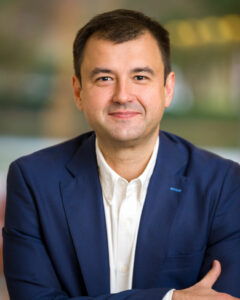
Alexander Bedenkov – VP, Global Evidence, BioPharmaceuticals Medical & Global Health Innovation Hubs (A.Catalyst) Network Head

A call to action to keep ahead of a diversifying ecosystem

The Patient of the Future has arrived. Who are they? What do they want? How do they make decisions? What do they value, how they behave and what they choose to spend on is different to the patient of yesteryear.i This new type of patient emerges in a rapidly changing healthcare ecosystem.

Within this new and changing healthcare ecosystem, there are a number of changes taking place:

1. We are witnessing changes in disease burden, evident in the rise of non-communicable diseases. The World Health Organization states that the top three causes of all deaths are coronary heart disease, stroke and chronic obstructive pulmonary disease. Non-communicable diseases are responsible for approximately 71% of global deaths annually.ii

2. At the same time, the threat of communicable diseases is increasing as seen with the recent COVID-19 pandemic.iii

3. Another public health challenge is the global ageing population. The World Population Prospects 2019 state that “by 2050, 1 in 6 people in the world will be over the age of 65, up from 1 in 11 in 2019.”iv

The rise in diseases — communicable and non-communicable, in addition to an ageing population, are some of the challenges facing the new healthcare ecosystem.

At the same time, the healthcare sector has never been so innovative. We are seeing an increase in new technologies, especially personalized medicine. In addition, improved availability of data in the sector is enabling better prediction and tracking of healthcare outcomes. This leads to patients having greater control over their health and therefore, paving the way for a new type of healthcare ecosystem which puts patients at the center of everything — a PATIENT-CENTRIC ecosystem.

Stakeholders are adapting

Stakeholders of this new healthcare ecosystem are also adapting to keep up with the changes. How are these stakeholders changing? What industries are they from? Whilst we are seeing new players coming in from technology (e.g. Amazon) and the food industry (e.g. Danone), to name a few.

Traditionally, the healthcare ecosystem has often been fragmented and disjointed with stakeholders having their own agendas and priorities. But now, we see that many healthcare providers are working with government agencies, social services, faith-based organizations towards a common goal of population health.v We should ensure that these organizations work towards common objectives together as partners to achieve a greater collective impact. Experts within healthcare forecast more tech investments and increased collaboration between home health and hospitals.vi There is also a need for enhanced cohesion and clearer alignment on stakeholders’ priorities and efforts are required to address patients’ current and future unmet needs in a holistic and sustainable way.

A.Catalyst Network

Given the current and future healthcare ecosystem, AstraZeneca aims to strengthen local healthcare ecosystems whilst ensuring they can thrive and develop to better meet patients’ needs. One of the ways AstraZeneca is trying to do this is through the A.Catalyst Network.

“Through A.Catalyst Network, we are bringing together diverse stakeholders across industry and geographical boundaries, facilitating collaborative action, and opening up new opportunities to enhance patient-enabled innovation.” — Joris Silon, US Country President, BioPharmaceuticals Business Unit at AstraZeneca

What is the A.Catalyst Network?

The A.Catalyst Network is an interconnected and dynamic global network of more than 20 AstraZeneca health innovation hubs, made up of physical locations and virtual partnerships. It aims to address healthcare challenges, increase access to healthcare and scale and showcase patient-enabled innovation through partnerships within the local health ecosystems.

The network serves as a mechanism for country hubs to connect, collaborate and share their experiences in healthcare solutions. Through these joint efforts, hubs are focused on delivering these treatments according to patients’ needs, thus providing them with tailor-made therapies.

What’s the impact? The network has helped to reach over 559,000 patients through various projects — all aiming to improve patient’s health outcomes and experiences. Through the network, over 223 start-ups across a range of therapy areas were able to flourish.

What does it look like?

INDIA Project Heart Beat carried out by the India Innovation Hub uses a digital platform to initially screen patients in remote areas with symptoms of heart disease, enabling specialists to detect whether patients require access to urgent medical care in remote areas.

Gulf Cooperation Council — Launched in 2020, following the signing of an MoU with UK-based innovation partners, Gendius, the hub based in GCC provides access to a wealth of resources and information from partners around the globe. The integration of the region into this comprehensive biomedical ecosystem will help to further local medical capabilities, improving the ability of HCPs and the lives of patients.

Key initiatives:

AZ EduGATE: a digital network of medical professionals (targeting 17,000 HCPs in GCC in 2021).

HealthGATE: an app developed and implemented in GCC to provide online consultation and e-prescriptions. It also provides diabetes education and remote support for diagnosis and treatment by connecting patients to a comprehensive network of HCPs and will support a lung cancer screening and diagnosis project with Qure.AI. In 2021, a new user interface was introduced, incorporating technologies that support HCP practice and enable the connection with the patients.

GCC Medical Digital Workshop: bootcamp for internal stakeholders, designed to leverage digital capabilities, generate new approaches for the AstraZeneca GCC digital platforms and share best practices across GCC markets.

SWEDEN — Another of the partner’s, OnDosis, is a collaboration project which works in conjunction with the Swedish government. OnDosis creates new projects based on existing ideas from companies and develops a platform aimed at maximizing the benefits received from prescribed therapies, through easier ways for patients to take medicines.

At the end of the day, patients’ needs have to be at the center of everything the healthcare ecosystem does

The A.Catalyst network provides an example of how a collaborative model can help meet current and future healthcare needs at
country level with interconnectedness at the global level. This enables
opportunities for further collaborations and sharing of learnings across countries and sectors. What drives the network is the need for hubs to continue to reevaluate their work, seek gaps in the market for innovative healthcare treatments, and
create new ways for these to be carried out effectively and for the benefit of those who are at the center of their work — PATIENTS.

What more can be done? Stakeholders within the healthcare ecosystem should focus on increasing collaboration through enhanced alignment of their priorities, and crucially — putting patients at the forefront of their work, vision and care. For the healthcare ecosystem to continue progressing, stakeholders could realize their potential for being part of innovative and advanced ways for meeting patients’ needs. Increasing collaboration efforts coupled with an enhanced alignment of objectives, should serve as the catalyst in furthering the response to patients’ changing needs.

i Janus. S (2021) How Patients are Changing the Healthcare Landscape. Available at: https://knowledge-leader.colliers.com/shawn-janus/how-patients-are-changing-the-healthcare-landscape/ (Accessed March 2022)

ii World Health Organization (2020) The top 10 causes of death. Available at: https://www.who.int/news-room/fact-sheets/detail/the-top-10-causes-of-death (Accessed March 2022)

iii World Health Organization (2021) WHO Coronavirus (COVID-19) Dashboard. Available at: https://covid19.who.int/ (Accessed March 2022)

iv United Nations (2019) World Population Ageing 2019 Report – Highlights. Available at: https://www.un.org/en/development/desa/population/publications/pdf/ageing/WorldPopulationAgeing2019-Highlights.pdf (Accessed March 2022)

v Society For Health Care Strategy & Market Development (2021) Evolving Healthcare Landscape. Available at : https://www.shsmd.org/resources/bridging-worlds2.0/evolving-healthcare-landscape (Accessed March 2022)

vi Cerner (2019) 9 Concepts Shaping the Health Care Landscape in 2019. Available at: https://www.cerner.com/perspectives/9-concepts-shaping-the-health-care-landscape-in-2019 (Accessed March 2022)


Spotlight is BusinessWorld’s sponsored section that allows advertisers to amplify their brand and connect with BusinessWorld’s audience by enabling them to publish their stories directly on the BusinessWorld Web site. For more information, send an email to online@bworldonline.com.

Join us on Viber to get more updates from BusinessWorld: https://bit.ly/3hv6bLA.

Globe to hold annual stockholders’ meeting on April 26

NOTICE OF ANNUAL STOCKHOLDERS’ MEETING

NOTICE IS HEREBY GIVEN that the annual meeting of stockholders of GLOBE TELECOM, INC. will be conducted virtually via https://www.globe.com.ph/asm2022 on Tuesday, APRIL 26, 2022 at 9:00 o’clock in the morning with the following

AGENDA

1. Call to Order

2. Notice of Meeting, Determination of Quorum and Rules of Conduct and Procedures

3. Approval of Minutes of the Stockholders’ Meeting held on April 20, 2021

4. Annual Report of Officers and Audited Financial Statements

5. Ratification of All Acts and Resolutions of the Board of Directors and Management Adopted During the Preceding Year

6. Approval of Amendments to the Articles of Incorporation:

Seventh Article – To increase the Authorized Capital Stock

7. Election of Directors (Including the Independent Directors)

8. Approval of Increase in Directors’ Fees

9. Election of Independent Auditors and Fixing of their Remuneration

10. Consideration of Such Other Business as May Properly Come Before the Meeting

11. Adjournment

Only stockholders of record as of March 11, 2022 are entitled to notice of, and vote at, this meeting.
Given the current circumstances and pursuant to our By-Laws, our Board resolved on February 8, 2022 that our Annual Stockholders’ Meeting (ASM) be held in a virtual format, hence, stockholders may only attend the meeting by remote communication, by voting in absentia or by appointing the Chairman of the meeting as proxy1.
Duly accomplished proxies shall be submitted on or before April 13, 2022 to the Office of the Corporate Secretary at 4/F Tower One and Exchange Plaza, Ayala Triangle, Ayala Avenue, Makati City or by e-mail to corporatesecretary@globe.com.ph. Validation of proxies is set for April 19, 2022, 9:00 a.m. at the Office of the Corporate Secretary. Stockholders intending to participate by remote communication should notify the Corporation by e-mail to corporatesecretary@globe.com.ph on or before April 13, 2022.
Stockholders may vote through remote communication, or in absentia subject to validation procedures. The procedures for participating in the meeting through remote communication and for casting their votes remotely or in absentia are set forth in the Information Statement.
Bonifacio Global City, Taguig City, Philippines.


March 18, 2022.

EXPLANATION OF AGENDA ITEMS

1. CALL TO ORDER. The Chairman of the Board of Directors, Mr. Jaime Augusto Zobel de Ayala, will call the meeting to order.

2. NOTICE OF MEETING, DETERMINATION OF QUORUM AND RULES OF CONDUCT AND PROCEDURES. The Corporate Secretary will certify on the date when written notice of the time, date, place and purpose of the meeting was sent to all stockholders of record as of March 11, 2022 and the date of publication of the notice in the newspapers of general circulation.

The Corporate Secretary will further certify the presence of a quorum. The holders of record for the time being of a majority of the stock of the Company then issued and outstanding and entitled to vote, represented in person or by proxy, shall constitute a quorum for the transaction of business.

Pursuant to Sections 57 and 23 of the Revised Corporation Code which allow voting in absentia by the stockholders, the Company has set up a designated online web address (uniform resource locator or URL), which may be accessed by the stockholders to register and vote in absentia on the matters for resolution at the meeting. A stockholder who votes in absentia as well as a stockholder who participates by remote communication shall be deemed present for purposes of quorum.

Unless otherwise amended, the following, are the rules of conduct and procedures at the meeting:

(i) Stockholders may attend the meeting by remote communication through the URL provided. Questions and remarks may be sent via e-mail prior to or during the meeting to corporatesecretary@globe.com.ph, and shall be limited to the items in the Agenda of the meeting.

(ii) Stockholders must notify the Company of their intention to participate in the meeting by remote communication through corporatesecretary@globe.com.ph to be included in the determination of quorum, together with the stockholders who voted in absentia and by proxy.

(iii) In the event that physical attendance will be allowed at the meeting –

  1. Anyone who wishes to make a remark shall identify himself after being acknowledged by the Chairman and shall limit his remarks to the item in the Agenda under consideration;
  2. Stockholders present at the meeting may opt for manual or electronic voting. For manual voting, each stockholder will be given, upon registration, a ballot where he can write his vote on every item in the Agenda or proposed resolution. For electronic voting, there will be computer stations near the registration table where stockholders may cast their votes electronically using a digital version of the ballot.

(iv) Each of the proposed resolutions will be shown on the screen during the livestreaming as the same is taken up at the meeting.

(v) Voting shall only be allowed for stockholders registered in the Company’s Voting in Absentia & Shareholder (VIASH) System or through the Chairman of the meeting as proxy. Detailed requirements and instructions pertaining to the VIASH System and the use thereof are provided in the Information Statement.

(vi) Stockholders voting in absentia, who have previously registered in the VIASH System, may cast their votes electronically at any time using the VIASH System prior to or during the meeting.

(vii) All the items in the Agenda requiring approval by the stockholders will need the affirmative vote of stockholders representing at least a majority of the issued and outstanding voting stock present at the meeting, unless the law requires otherwise.

(viii) Election of directors will be by plurality of votes and every stockholder will be entitled to cumulate his votes. Each outstanding share of stock entitles the registered stockholder to one vote.

(ix) The Office of the Corporate Secretary will tabulate all votes received and a firm selected for this purpose will validate the results. The Corporate Secretary shall report the results of voting during the meeting.

(x) The meeting proceedings shall be recorded in audio and video format.

3. APPROVAL OF MINUTES OF THE STOCKHOLDERS’ MEETING HELD ON APRIL 20, 2021. Copies of the minutes of the stockholders’ meeting held on April 20, 2021 will be made available to the stockholders before the meeting. Likewise, the minutes of the meeting are available at the Company website, www.globe.com.ph.

4. ANNUAL REPORT OF OFFICERS AND AUDITED FINANCIAL STATEMENTS. The Chairman, Mr. Jaime Augusto Zobel de Ayala, and the President and Chief Executive Officer (CEO), Mr. Ernest L. Cu, will deliver a report to the stockholders on the highlights of the Y2021 Company performance as reflected in the audited financial statements (AFS 2021), and the outlook for Y2022. The AFS as of December 31, 2021 will be included in the Information Statement to be sent to the stockholders at least 28 days prior to the meeting. The AFS 2021 will be released by the Company at least 60 days from the financial year end and available at the Company website, www.globe.com.ph.

A resolution noting the annual report and approving the AFS 2021 will be presented to the stockholders for approval by the affirmative vote of the stockholders representing at least a majority of the outstanding voting stock present at the meeting. Likewise, the stockholders will be given an opportunity to ask questions prior to submitting the AFS 2021 for their approval. Copies of the Information Statement and AFS 2021 will be made available to the stockholders before the meeting.

5. RATIFICATION OF ALL ACTS AND RESOLUTIONS OF THE BOARD OF DIRECTORS AND MANAGEMENT ADOPTED DURING THE PRECEDING YEAR. Ratification by the stockholders will be sought for all the acts and resolutions of the Board of Directors, Executive Committee, and other Board Committees and all acts of Management of the Company taken or adopted since the ASM on April 20, 2021 until April 26, 2022. The acts and resolutions of the Board and its Committees were reflected in the minutes of the meetings including approval of contracts and agreements, projects and investments, treasury matters and acts and resolutions covered by disclosures to the Securities and Exchange Commission, the Philippine Stock Exchange and applicable regulatory agencies. The acts of Management were those taken to implement the resolutions of the Board or its Committees or taken in the general conduct of business.

6. APPROVAL OF AMENDMENTS TO THE ARTICLES OF INCORPORATION TO INCREASE THE AUTHORIZED CAPITAL STOCK. Management will obtain approval of the Board on the proposed increase of Authorized Capital Stock (ACS) on or before April 25, 2022. In accordance with the Revised Corporation Code2, approval by the stockholders representing at least two-thirds (2/3) of the outstanding capital stock will be sought to increase the Corporation’s ACS from Ten Billion Two Hundred Forty-Six Million Seven Hundred Eighteen Thousand Six Hundred Fifty Pesos (Php 10,246,718,650.00) consisting of One Hundred Forty-Eight Million Nine Hundred Thirty-Four Thousand Three Hundred Seventy-Three (148,934,373) Common Shares with a par value of Fifty Pesos (Php 50.00) per share, One Hundred Sixty Million (160,000,000) Voting Preferred Shares with a par value of Five Pesos (Php 5.00) per share, and Forty Million (40,000,000) Non-Voting Preferred Shares with a par value of Fifty Pesos (Php 50.00) per share to Eleven Billion Two Hundred Forty-Six Million Seven Hundred Eighteen Thousand Six Hundred Fifty Pesos (Php 11,246,718,650.00) divided into One Hundred Sixty-Eight Million Nine Hundred Thirty-Four Thousand Three Hundred Seventy-Three (168,934,373) Common Shares with a par value of Fifty Pesos (Php 50.00) per share, One Hundred Sixty Million (160,000,000) Voting Preferred Shares with a par value of Five Pesos (Php 5.00) per share, and Forty Million (40,000,000) Non-Voting Preferred Shares with a par value of Fifty Pesos (Php 50.00) per share.

7. ELECTION OF DIRECTORS (INCLUDING THE INDEPENDENT DIRECTORS). In accordance with the By-Laws of the Company, the Manual of Corporate Governance as revised, and the SEC Rules, any stockholder including minority stockholders, may submit to the Nomination and Governance Committee the names of nominees to the Board of Directors. The Nomination and Governance Committee, in the exercise of its assigned task, will determine whether the nominees for the Board of Directors including the independent directors, have all the qualifications and none of the disqualifications to sit as members of the Board of Directors of the Company before submitting the nominees for election by the stockholders of the 11 members of the Board of Directors including the 3 independent directors. Copies of the curriculum vitae and profiles of the nominees to the Board of Directors will be provided in the Information Statement and on the Company website for examination by the stockholders.

8. APPROVAL OF INCREASE IN DIRECTORS’ FEES. Management will obtain approval of the Board on the proposed increase in directors’ fees on or before April 25, 2022. In accordance with the Revised Corporation Code and Company By-Laws3, the Company will seek approval of the stockholders representing at least a majority of the outstanding capital stock to increase the directors’ fees in the form of retainer fees, in addition to the current attendance fees for each non-executive director. Executive directors do not receive per diem compensation or any attendance fees per meeting.

9. ELECTION OF INDEPENDENT AUDITORS AND FIXING OF THEIR REMUNERATION. The Audit and Related Party Transactions (ARPT) Committee will endorse to the stockholders the appointment of the Independent Auditor for the ensuing year as well as the proposed remuneration of the Independent Auditor. The profile of the Independent Auditor will be provided in the Information Statement and on the Company website for examination by the stockholders.

10. CONSIDERATION OF SUCH OTHER BUSINESS AS MAY PROPERLY COME BEFORE THE MEETING. The Chairman will open the floor for comments and questions by the stockholders, and take up items included on the agenda received from stockholders in accordance with existing laws, rules and regulations of the Securities and Exchange Commission4.

11. ADJOURNMENT. Upon determination by the Corporate Secretary that there are no other matters to be considered, and on motion by a stockholder duly seconded, the Chairman shall declare the meeting adjourned.


1 The Corporation shall hold a physical meeting if so requested by stockholders holding at least 10% of our outstanding capital stock and provided that the same is allowed by government regulations and issuances. Stockholders have until 22 February 2022 to submit their requests to corporatesecretary@globe.com.ph.

2 Sections 6 and 15 of the Revised Corporation Code of the Philippines or Republic Act No. 11232.

3 Section 29 of the Revised Corporation Code of the Philippines or Republic Act No. 11232; Article II, Section 7 of the Globe By-Laws.

4 SEC Memorandum Circular No. 14, series of 2020 or “Shareholders’ Right to Put items on the Agenda for Regular/Special Stockholders’ Meetings”: https://www.sec.gov.ph/mc-2020/mc-no-14-s-2020shareholders-right-to-put-items-on-the-agenda-for-regular-special-stockholders-meetings/.


Spotlight is BusinessWorld’s sponsored section that allows advertisers to amplify their brand and connect with BusinessWorld’s audience by enabling them to publish their stories directly on the BusinessWorld Web site. For more information, send an email to online@bworldonline.com.

Join us on Viber to get more updates from BusinessWorld: https://bit.ly/3hv6bLA.