OVERSEAS Filipino workers at the Parañaque Integrated Terminal Exchange. — PHILIPPINE STAR/EDD GUMBAN
All throughout the continuing saga of US Women’s National Basketball Association (WNBA) player Brittney Griner, we had wondered whether it is the obligation of governments like the Philippines to defend every citizen who is accused of a crime in a foreign land. The US government provided counsel to Griner and other forms of assistance. Last Thursday, however, a Russian court sentenced Griner to nine and a half years in prison, almost the maximum number, for the crime of international drug smuggling.
Griner’s ordeal started with her arrest for carrying less than one gram of cannabis or hashish oil in vape cartridges. Griner claimed during her trial she had mistakenly put the cartridges in her luggage in her rush to catch a flight to Moscow to play in Russia’s women’s professional basketball league. Over the last five years, she had been going to Moscow during the WNBA off-season, as most WNBA players do. The Russian league reportedly paid five times more than the WNBA. Griner, in effect, was an American overseas worker or an expat. That arrest at the airport on Feb. 17 was totally a surprise to her as during all those earlier trips to Moscow, she never encountered any problem.
It was Griner’s misfortune, however, that relations between Washington and Moscow were heating up. On Feb. 24, the Russians invaded Ukraine. Other sources stated that being black and being in a same-sex marriage further invited the attention of the Russians. The detention of Griner should therefore be viewed in the light of tensions between the US and Russia. Griner was charged with international drug smuggling, a major offense in Russia. To further strain relations between the two nations, the US claimed there were unjustified delays in Griner’s trial and that she was “wrongfully detained.”
As the Russia-Ukraine war escalated, Griner vanished from sight even if she was detained in a Russian jail. Fellow athletes, civil society groups, and the US government itself denounced the athlete’s disappearance. Eventually, Russian authorities produced Griner.
At this point, it is clear that Griner is what is called a “diplomatic hostage” and is now in the center of a prisoner swap together with another American detained in Moscow, ex-Marine Paul Whelan. Whelan is one of 64 Americans detained in prisons in Iran, China, Venezuela, and other countries that could use these detainees as bargaining chips in any dispute.
Apparently, the Russians have decided to do just that: use Griner as leverage to extract concessions from the Americans such as the release of Russian arms dealer, Viktor Bout. Bout, a military interpreter, is spending time in a US jail for smuggling weapons from Eastern Europe to Africa and the Middle East. A spokesman of the Biden administration has said that they had made Russia a substantial offer to bring both Griner and Whelan home. If they are indeed brought home, the negotiation would be considered a success.
At this time when plain citizens, tourists, businessmen, journalists, and researchers can be picked off the street and used as some kind of pawn in a diplomatic crisis, it is understandable that athletes like Griner would hesitate to travel to countries that have a diplomatic axe to grind with other nations. An added dimension here is that Russia seems to be in some kind of mood to get back at those responsible for the ban on their athletes in the Olympics and other world competitions because of state-sponsored doping.
Let us go back to our original question of whether governments like the Philippines have an obligation to defend or provide for the defense of their citizens who are charged with criminal offenses in countries hosting these citizens. The question becomes relevant because of the big number of Filipinos working or living overseas. Secretary of Labor and Employment Bienvenido Laguesma says that there are between 10 million and 12 million Filipinos working abroad, depending on who is making the estimate.
The 71-year-old Laguesma, now on his second stint as Secretary of Labor after having occupied the same position in 1998 during the administration of President Joseph Estrada, says that it is indeed the legal and moral obligation of the government to do its best to defend a Filipino who is in some kind of legal trouble overseas. Laguesma, however, adds that we must take into account our resources and respect the sovereignty of the host country, as they should respect ours.
Laguesma says that, then as now, Overseas Filipino Workers (OFWs) are made to undergo pre-departure orientation seminars (PDOS). These seminars are supposed to guide departing workers on essentially how to behave in their country of work. It’s like briefing workers on codes of conduct, the “do’s and don’t’s,” if you will, and can be specific to the country where one is assigned. Despite these seminars, however, a number of OFWs manage to get into some kind of trouble. Some departing workers don’t attend such seminars and even submit forged certificates of attendance. And, as admitted even by some labor officials, some of our countrymen do instigate the problem out of need, frustration, and loneliness. When there are signs that our fellow citizens may be at fault, the government is very careful in extending legal assistance. Government representatives, however, do exercise moral responsibility and assist the worker in whatever way they can.
The question that is asked now is, if it is the obligation of government to provide legal assistance to an embattled fellow Filipino, are the agencies tasked to provide such legal assistance provided with the budget, the wherewithal to hire the counsel who can adequately defend the accused Filipino? Laguesma says that the Department of Foreign Affairs (DFA) and the newly created Department of Migrant Workers will have the funds for such purposes.
The example of the US government going all out in defense of Griner who is “wrongfully detained” is probably inapplicable in the case of the Philippines. To begin with, Griner and Whelan have become pawns in US-Russia relations. However, with millions of Filipinos working overseas, we are most vulnerable to all sorts of crisis situations involving our nationals stationed overseas. And the potential for each crisis becoming an opportunity to blame the government for its inability to come to the aid of the lowly and lonely overseas worker is great.
The most celebrated case of a Filipino being executed abroad was Flor Contemplacion who was accused of killing a fellow Filipino maid, Delia Maga, and the three-year-old son of Maga’s employer. All attempts to save Contemplacion from the death penalty were unsuccessful. The Singaporean government executed her at Changi prison. Relations between the Philippines and Singapore were strained for some time.
Despite all the efforts of the government to save Contemplacion, organized labor still blamed the government for her execution. It was clear that overall frustration with the plight of OFWs had reached a boiling point and had become a political issue in the Philippines with the May 1995 elections just around the corner.
It was expected, that the execution of an overseas worker — regarded as a “Bayani ng Bayan” (Hero of the Country) — will always be a political and emotional issue among many Filipino families whose well-being is dependent on those offshore dollars that their loved ones send to the country.
Philip Ella Juico’s areas of interest include the protection and promotion of democracy, free markets, sustainable development, social responsibility and sports as a tool for social development. He obtained his doctorate in business at De La Salle University. Dr. Juico served as secretary of Agrarian Reform during the Corazon C. Aquino administration.
THE FINANCIAL CAPITALS of the world have lost their luster. The bright lights of New York City seem to have dimmed. London has far too many issues to contend with, from inflation, messy politics, and homes not built for the heat to a dysfunctional international airport. Hong Kong is a dark shadow of what it once was: A former British colony filled with tycoons and billionaires whose fast, wheeling-dealing, free spirit has faded.
Other close contenders like Tokyo, Singapore, and Shanghai don’t hold the same allure as they once did. So, what’s left?
Financial centers have typically been places with well-formed regulatory oversight and deep capital markets. Naturally, an ecosystem of workers is created around this, drawing in professionals like bankers, lawyers, accountants, and headhunters.
Factors like tax rates and the ability to draw capital — equity and debt — that facilitate business and bolster a city’s competitiveness help, too. There are various ways to measure that: The size and depth of capital markets, along with detailed, weighted indices that take into account everything from tax rates to office occupancy and legal jurisdiction.
These measures, though, ignore an underappreciated but increasingly relevant factor in the post-COVID era: human capital. We can no longer measure workers based on one-dimensional factors like education level or income bracket. Where do people want to live? And where can professionals do their jobs smoothly and, therefore, successfully? That’s changed since COVID turned our world upside down.
The latest rankings of the Global Financial Centers Index, or GFCI, based on 150 quantitative measures and almost 75,000 assessments of cities, as well as around 12,000 survey respondents, put New York, London, Hong Kong, and Shanghai at the top of the list. Notably, human capital was the most-mentioned area of competitiveness when respondents were asked what issue they considered the most important.
Contrary to popular understanding, financial-sector development was the lowest on that list because remote working and the ease of digital services through the pandemic have shown that there’s a different way to do business. The caveat, however, is the need for “a reliable and trustworthy ecosystem.”
It’s time to redefine global financial centers based on more subjective criteria. But where do you even begin? Cost and quality of living, for instance, help set a baseline to assess the cities that help attract — or put off — talent. Hong Kong remains the most expensive city, with its sky-high rents and COVID-19 measures that have made the cost of logistics, and life in general, exorbitant. Even the price of beer has shot up there. It ranks 71 on consultancy firm Mercer LLC’s quality of living index, while places like Vienna and Zurich top the list. London is 41, while the world’s foremost global financial center, New York, comes in at 44.
Then there’s connectivity. Travel to and from any of the top three financial centers is currently in shambles during what executives have described as the busiest season ever. Hong Kong barely has any flights out, and let’s not even start talking about its quarantine system, while London can’t handle passengers and New York remains hectic and full of delays.
It isn’t hard to see why, then, people in the US and elsewhere are leaving their jobs for greener pastures. The Great Resignation has been as much about people doing what they want — and not being tied to work — as the other economic factors that have allowed it. People choose to live in big cities because being employed in the finance world, or the ecosystem around it, is lucrative. Yet, it’s also expensive to live in and around these areas. Consider what’s happening with tech jobs — the first sector to go remote: US white-collar salaries are converging across the country, regardless of whether they are in a major hub or away from headquarters. Wages in DC are reaching those in the Bay Area.
To retain talent and lure the best and brightest, businesses will have to shift tactics. As BlackRock, Inc.’s and Goldman Sachs Group, Inc.’s office openings in places like West Palm Beach and Birmingham show, it isn’t all that difficult. Spreading talent out across places that offer better living standards, easy travel, and flexible work hours to match time zones and trading hours could go a long way to resolve the current labor problems and, ultimately, the cost of human capital.
This isn’t to say companies should let workers head off to remote islands with spotty wi-fi and poor infrastructure. Instead, it’s about acknowledging that places traditionally thought of as white-collar finance workers’ hubs just aren’t that anymore.
Globally, there are now few places where the world’s financiers want to live. One fast emerging hub for instance, is Dubai. (Full disclosure: I’ve lived in New York, London, and Hong Kong, and am a recent Dubai transplant.) It isn’t just the influx of expats fleeing other less-friendly regimes like Singapore and Hong Kong. Capital is flooding in too. The emirate has put in place measures to attract talent through visa programs, housing, and incentives for asset managers to set up shop. Schools are plenty and increasingly well-established. Its neighbor, Abu Dhabi, has done similar things, too.
There are, no doubt, shortcomings, like Dubai’s move to protect its telecom operator at the expense of consumers (you can’t use applications like WhatsApp or FaceTime to make voice or video calls, for example).
But history shows financial centers can evolve quickly, breaking with their traditional molds. In the aftermath of the global financial crisis, hubs vying for importance like Dubai, Shanghai, and Sao Paulo emerged, although some haven’t quite lived up to their promise.
One of the most significant changes was the evolution of financial technology, or fintech, which raised questions over whether it would eventually make financial hubs unnecessary for the global economy to function.
Such changes — and the ability for employees and employers to live with them and make it work — show that it’s time for a reassessment.
RELATIONSHIPS between the greatest superpower and a certain territory claimed by the other superpower can amble along with “strategic ambiguity.” Lines are not broken but just pushed a bit. Can personal relationships also benefit from a vaguely undefined status? Household arrangements or rearrangements are not always straightforward. Neat labels are no longer solicited — it is what it is.
How often do we hear those in an undefined arrangement that is bumpy, if not off the road, maybe with detours and extended foray into the woods involved, struggling to be in the general vicinity? What’s the obsession with definitions and setting things straight? Can’t things just be left dangling and vaguely undefined? Is it necessary to specify what the new status is? (Let’s just be friends without benefits?)
Ambiguity can be an uncomfortable status in any alliance, even one that is all done and for which a modus vivendi, like no longer taking calls or ghosting, prevails. Celebrity couples whose joint accounts have been raided by one of the parties, or both, may still feel obliged to issue a public statement that they are trying to work out a process on the best way to bring some closure — to the joint bank account, anyway.
A definitive ending that allocates responsibility for payment of utilities and trips to the beach has nothing to do with the loss of reciprocal affections. Anyway, payments are seldom current. Even for unmarried live-in couples, an arrangement no longer exceptional nowadays, explanations to the easily shocked spinster aunts fall in the category of a long engagement — we’re saving up for a condo.
The only negotiated conditions, not left open to any ambiguity, refer to financial obligations. What is a pre-nuptial contract, after all, but a setting down of the terms and condition of the break-up of a merger without further acquisitions?
It is for these mundane details perhaps that some clarity is required. Also, new parties may have joined the old duets to make a discordant quartet sing off-key. (Are we on the same music sheet?) So, closure brings with it mostly unsavory fiscal issues that intrude into an eroded relationship where love no longer conquers all.
Complications set in when the estranged couple (this modifier seems to be favored over the more accurate “toxic”) cross paths on a quotidian basis, say working in the same office, or dealing with each other in business transactions as client and service provider, or in the entertainment business being in the same noontime program — we’re all professionals here, we only claw each other’s eyes out off-camera.
In business too (let’s not forget this is a business column in a business paper) ambiguity is allowed after a deal is concluded in principle with certain provisions still dependent on due diligence. (Do we have veto power on nominated independent directors?) Tender offers to minority shareholders are postponed to a later date, even when the company has already been taken over by a new set of charioteers whipping the old horses. Still, not all eventualities can be foreseen and provided for. Some vagueness driven by the desire to make the deal work must be addressed later in an agreed conciliation process.
What about the ambiguous status of an early political appointee? No forthright denial is issued when the matter of a forced resignation is bruited about in media. The ambiguous denial (I was just here at my office) brings up more questions than answers. Sometimes, “fake news” (this is always the default excuse for unconfirmed rumors) has some basis. Where there’s smoke, there’s somebody smoking.
Still, in business as in social relations, ambiguity suffices for those in the middle of an unresolved conflict. The boss who has remorse over an appointment may continue to give lukewarm support to his successor — of course we meet regularly. And there are no slide presentations needed: Do you see my chart?
An ambiguous person is afforded some flexibility. His commitments are vague — we can do a virtual lunch. Buy your own burger.
The word “ambiguous” comes from Latin ambi — both, plus agere — to drive. To be able to drive both ways clearly allows the driver to set the direction and the destination at the last minute and determine how long the trip will take with all the detours. Will he eventually reach his destination? Perhaps… but not always the one either party expected.
NEARLY three dozen people in China have been sickened by a newly identified virus from the same family as the deadly Nipah and Hendra viruses, though there’s no evidence the pathogen can be transmitted from person-to-person.
The virus, named Langya henipavirus or LayV, was found thanks to an early detection system for feverish people with a recent history of exposure to animals in eastern China. The patients — mainly farmers — also reported fatigue, cough, loss of appetite and aches, with several developing blood-cell abnormalities and signs of liver and kidney damage. All survived.
Among the 35 patients, 26 were infected only with LayV, according to a report published in the New England Journal of Medicine.
There was no evidence they had been in close contact or had a common exposure history, suggesting human infection may be sporadic, the researchers said. Tests detected the virus in 27% of shrews, a known vector for similar henipaviruses, suggesting the small, furry mole-like mammals may be a natural reservoir, they said.
Further investigation is needed to better understand the infection, according to the researchers from Beijing, Singapore and Australia. Taiwan’s Centers for Disease Control said it is paying attention to the report, and plans to start screening for the virus.
The spread of germs from animals to humans, called zoonosis, is common, accounting for more than six of out of every 10 known infectious diseases in people, according to the US Centers for Disease Control and Prevention.
Most of the time they cause limited disease, dying out without having a major impact. In the aftermath of COVID-19, however, more tracking systems now are in place and picking up novel pathogens. — Bloomberg
A GENERAL VIEW of the submerged Han River Park by torrential rain in Seoul, South Korea, Aug.10. — REUTERS
SEOUL — Torrential rains that have slammed South Korea’s capital, Seoul, diminished on Wednesday after killing at least nine people and damaging about 2,800 homes and other buildings.
More rain was forecast for Wednesday, but less than the heavy downpours on Monday and Tuesday that submerged some streets and buildings, trapping people in flooded apartments and stranding cars.
At least five people had been killed in Seoul as of early Wednesday, as well as three in the neighboring Gyeonggi Province and one in Gangwon Province, according to the Central Disaster and Safety Countermeasures Headquarters.
At least 17 people have been injured, and seven are missing.
Flooding in some buildings around the glitzy Gangnam district continued on Tuesday, while subway stations and several roads there had been blocked.
Data showed at least 2,800 public and private facilities had been damaged across South Korea, and more than 1,100 households had been displaced. Most highways and subway lines had been cleared by Wednesday.
The accumulated rainfall in Seoul since midnight Monday stood at 525mm as of 7 a.m. Wednesday, according to the Korea Meteorological Administration (KMA), with more forecast. In neighboring Yangpyeong County, total rainfall hit 532.5 mm. — Reuters
A globe is seen in front of Chinese and Taiwanese flags in this illustration, Aug. 6, 2022. — REUTERS/DADO RUVIC/ILLUSTRATION
TAIPEI/BEIJING — Chinese navy ships remained active off both Taiwan’s east and west coasts on Wednesday morning, a source briefed on the matter told Reuters, as Beijing kept up military drills in protest against last week’s visit to the island by US House Speaker Nancy Pelosi.
A furious China has extended its largest-ever exercises around the self-ruled island it claims as its own beyond the originally scheduled four days. The drills last week included ballistic missile launches, some of which flew over the island’s capital Taipei, and simulated sea and air attacks in the skies and seas surrounding Taiwan.
Video released by Chinese state broadcaster CCTV on Wednesday showed Chinese fighter jets scrambling and refueling while airborne, as well as navy ships on what it said were drills around Taiwan.
The Eastern Theatre Command of the Chinese People’s Liberation Army said the drills were focused on blockades and resupply logistics, “under a complex electromagnetic environment to refine joint containment and control capabilities,” according to CCTV.
About 20 Chinese navy and Taiwan navy ships remained close to the median line of the Taiwan Strait, an unofficial buffer separating the two sides, as of Wednesday morning, a source briefed on the matter told Reuters.
Several other Chinese ships continued to conduct missions off Taiwan’s eastern coast, according to the source, who spoke on the condition of anonymity.
Taiwan’s foreign minister said on Tuesday that China was using the military drills as a game-plan to prepare for an invasion of the self-ruled island.
“It is conducting large-scale military exercises and missile launches, as well as cyberattacks, disinformation, and economic coercion, in an attempt to weaken public morale in Taiwan,” Joseph Wu said on Tuesday, without providing evidence or offering a timetable.
“After the drills conclude, China may try to routinize its action in an attempt to wreck the long-term status quo across the Taiwan Strait.”
Ms. Pelosi, a long-time China critic and a political ally of President Joseph R. Biden, visited Taiwan last week on the highest-level visit to the island by an American official in decades, despite Chinese warnings. She said her visit showed unwavering US commitment to supporting Taiwan’s democracy.
China says its relations with Taiwan are an internal matter and it reserves the right to bring the island under its control, by force if necessary. Taiwan rejects China’s claims, saying only Taiwan’s people can decide their future.
Washington was sticking to its assessment that China would not try to invade Taiwan for the next two years, a Pentagon official said on Monday.
Taiwan’s Defense Ministry on Wednesday released a video showing its armed forces on exercises, saying its military is “at the ready keeping our country safe” and China had not stopped its “incursions” in areas near Taiwan.
Taiwan troops were guarding their posts “24-7” and have increased their alertness level, the ministry said, following the guidelines of “defending median line, defending territorial waters and defending sovereignty” to maintain the status quo. — Reuters
SHANGHAI — About 66,000 people in Southeast Asia are infected each year with SARS-related coronaviruses, and nearly 500 million people live near habitats where bat hosts of those viruses are found, according to a study released on Wednesday.
The research, published by Nature Communications, said viral transmission from bats to humans may have been “substantially underestimated,” adding that its mapping of bat species in the region could aid efforts to determine the origins of COVID-19.
The researchers focused on 26 species of bat known to host SARS-like coronaviruses in a region of 5.1 million square kilometers, stretching from China to Southeast and South Asia. They then incorporated data on antibody levels among people who have reported bat contact.
Southern China, northeastern Myanmar, Laos and northern Vietnam were identified as the regions with the highest diversity of bat species that host SARS-like coronaviruses (SARSr-CoVs).
“Our estimate that a median of 66,000 people are infected with SARSr-CoVs each year in Southeast Asia suggests that bat-to-human SARSr-CoV spillover is common in the region, and is undetected by surveillance programs and clinical studies in the majority of cases,” they said. “These data on the geography and scale of spillover can be used to target surveillance and prevention programs for potential future bat-CoV emergence,” the paper said.
Coronavirus disease 2019 (COVID-19) is caused by the SARS-CoV-2 coronavirus strain.
The authors of the study include Peter Daszak, a member of the World Health Organization (WHO) team that was tasked with investigating the origins of the COVID-19 and visited Wuhan early last year, where the pandemic was first identified at the end of 2019.
The WHO said in June that the lack of data from China made it difficult to determine when and how the coronavirus first crossed over into the human population.
A study published by the journal Science at the end of July said live wildlife trade was still the best explanation for the origins of the pandemic, with two separate spillovers likely to have taken place at the Huanan Seafood Market, where many of the earliest cases were clustered. — Reuters
Japanese Prime Minister Fumio Kishida — KYODO/VIA REUTERS
TOKYO — Japan’s Prime Minister Fumio Kishida reshuffled his cabinet on Wednesday, removing some ministers with links to the Unification Church in a bid to stem plunging support amid growing public outrage over the ruling party’s ties to the controversial group.
Mr. Kishida, in office since last October, announced his new government team in a shake-up that came earlier than analysts had expected.
While key personnel like foreign minister Yoshimasa Hayashi and finance chief Shunichi Suzuki held on to their posts, some high-profile ministers were removed, including Nobuo Kishi, the younger brother of slain former premier Shinzo Abe, replaced as defense minister by Yasukazu Hamada.
In the month since Mr. Abe was gunned down, a spotlight has been turned on the Liberal Democratic Party’s (LDP) long-standing ties to the Unification Church, with polls showing plunging approval ratings for Mr. Kishida with respondents citing a need to know just how close those ties might be.
Mr. Abe’s suspected killer has said his mother was a Unification Church member bankrupted by donating to it, and blamed Mr. Abe for promoting it.
In the latest survey, his support had fallen to 46% from 59% just three weeks ago, public broadcaster NHK said on Monday, the lowest rating for Mr. Kishida since he became prime minister.
“He’s basically doing damage control,” said political commentator Atsuo Ito. “What people are really watching is the Unification Church.”
The religious group itself is set to hold a rare news conference with foreign media late on Wednesday.
In other changes, Koichi Hagiuda, the trade minister, became head of the LDP’s policy research council, a heavyweight job in the party. That appointment is seen as an attempt to appease members of the Abe faction, the party’s biggest, though Hagiuda has publicly acknowledged attending an event held by a Unification Church-related group. — Reuters
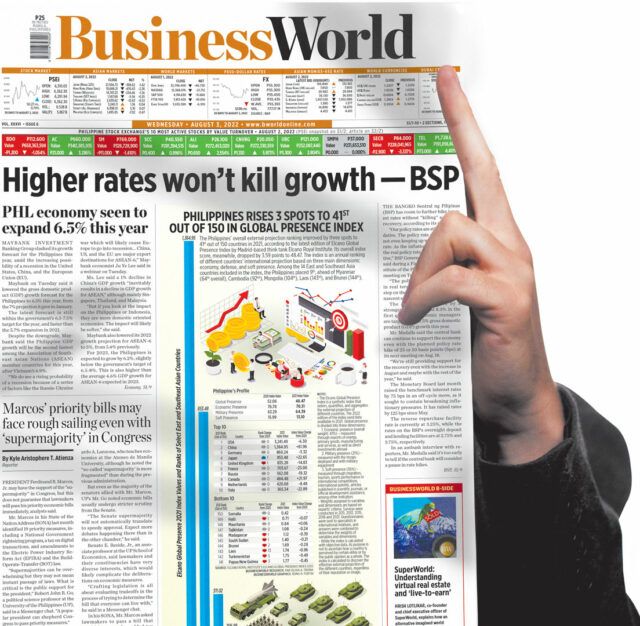
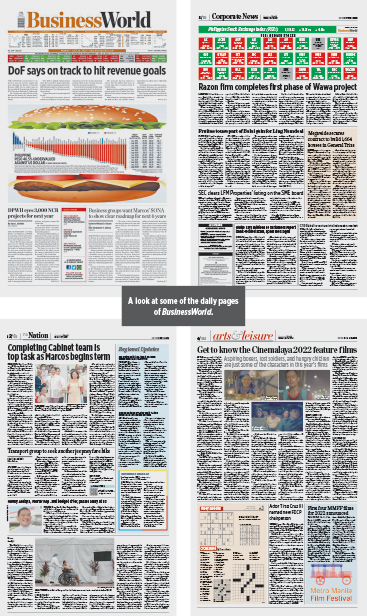
BusinessWorld celebrates 35 years of service to the Philippine business community
By Bjorn Biel M. Beltran, Special Features Writer
BusinessWorld, from its roots when it was founded as ‘Business Day’ in 1967, was Southeast Asia’s first business daily. It was founded on the promise of providing “competent and responsible reporting of the news” under Raul L. Locsin, who served as its first president and editor-in-chief.
Through the years, Business Day has garnered a stellar reputation among Filipino businessmen, becoming a standard of professional economic journalism in the country and creating a tradition of excellence it still holds to this day.
As it celebrates the 35th year since its reformation under its new name in July 1987, BusinessWorld now represents more than five decades of commitment to that vision, guided by Mr. Locsin’s ever-enduring belief that a newspaper is a public trust.
Even as modern journalism struggles to find its place amid disruptions to the landscape, whether due to the continued evolution and growth of digital media, or the ever-changing behavior of Filipino readers, BusinessWorld holds fast to its ideals.
Reacting to a recent Reuters report that found that more people are avoiding the news nowadays due to a perceived oversaturation of “negativity” and “political influence,” Miguel G. Belmonte, president & chief executive officer (CEO) of BusinessWorld, could only chuckle.
“This isn’t even the worst report I’ve seen,” he said in an interview. Mr. Belmonte recalled reading a study once that found that as much as 50% of people nowadays do not want to look at traditional media, preferring instead to acquire their news through social media platforms like Facebook and Twitter.
The Digital News Report of the Reuters Institute for the Study of Journalism found that while the majority of people surveyed consume news regularly, 38% said they often or sometimes avoid the news — up from 29% in 2017. Around 36% — particularly those under 35 — say that the news lowers their mood.
Trust in news is also declining, with only 42% of people said they trust most news most of the time. That figure has fallen in almost half the countries in the report and risen in seven.
“The concept of people not wanting to read bad news is nothing new to us. Just a few years ago at the PhilSTAR, we made an effort to include good news in the front page, which no other newspaper was doing at the time,” Mr. Belmonte said.
“My feeling is that BusinessWorld is not that affected, because its content is not that concerned about bad news. Businessmen are not like regular readers, who are avoiding the news because it lowers their mood or some other reason. Businessmen want to hear the truth.”
It only makes sense. Businessmen need unbiased, verifiable facts for them to make the correct decisions regarding their daily operations. There is money involved, Mr. Belmonte noted, and no proper businessman will risk their operations by entertaining filtered but easier-to-swallow narratives as opposed to the direct, hard-hitting truths.
Moreover, BusinessWorld had overcome challenges of similar gravity in the past. The reason for the change in its name, for instance, was because the organization had to close down due to labor problems following the Martial Law period.
The non-striking workers got together barely a month later to form BusinessWorld Publishing Corp., ushering in the paper’s rebirth under the new name. This rebirth also saw the full computerization of its production process.
When Mr. Locsin passed away in May 2003, the paper underwent significant changes. His wife, Leticia Locsin, who was the executive editor and chief operating officer of the newspaper at that time, took over as president, publisher, and chairperson of the company until she passed away in August 2005.
The year after Mrs. Locsin’s death, telecommunications giant Philippine Long Distance Telephone Co. (PLDT) acquired a minority stake in BusinessWorld through its beneficial trust fund unit, MediaQuest Holdings, Inc. This eventually led to the group assuming control of the paper with its subsidiary Hastings Holdings, Inc. in September 2013, after it increased its stake from 30% to 76.67% and infusing P100 million into the company over a 12-month period. Ray C. Espinosa was appointed as BusinessWorld chairman.
That was when the board of directors of BusinessWorld elected Mr. Belmonte as head of the company. He had also been leading The Philippine STAR at the time as its president & CEO. In July that year, Philippine Star Printing Company, Inc. (PhilSTAR) acquired 76.63% of BusinessWorld Publishing Corp. from Hastings Holdings, Inc. in a move meant to “strengthen the distribution and operations” of the country’s premier business daily.
Guided by a timeless purpose
The fact that BusinessWorld has managed to succeed thus far in maintaining a core audience of decision-makers and leaders is a testament to the paper’s enduring quality.
“For me, BusinessWorld exists in the first place and why it still exists is because of a responsibility and a duty to report the news as accurately and fairly as we can. The fact that we’re still around and that the paper still maintains its influence in Philippine society proves that we’re still relevant,” Mr. Belmonte said.
However, he said that it was not a reason for them to rest easy on their laurels. “We also have to look where we can innovate, so as not to be left behind. Things are changing at a very fast pace. We have to keep up with the times, and that’s part of the challenge,” he said.
Wilfredo G. Reyes, editor-in-chief of BusinessWorld, echoed the sentiment. “I think that every challenge we face is an opportunity to up our game and alerts us to even the slightest change in the market we serve. How such challenges will affect the way we do things is something all of us in the company will have to discern and agree on as we beat the path ahead. There will always be a need for verified, accurate information, especially during emergencies and crises — more so for BusinessWorld’s public — but the question is in the form and mode of delivery.”
Mr. Reyes further pointed out that people have been claiming that “print is dead” for more than two decades now, and yet it still maintains its place in society. “I think that every medium has its use and it is up to us to find out what that is amid changing needs and preferences, and how to maximize each platform,” he said.
“It is just our ‘luck’ that the current crisis since 2020 opened a door for us to monetize digital initiatives,” Mr. Reyes said. “Digital initiatives have been accounting for more of our products and revenues, that I now always refer to BusinessWorld more generally as a publication, rather than just a newspaper.”
“If anything, this crisis has shown that, more than specific actions, we have the right mindset (to begin with) and processes to promptly tap emerging opportunities when and however they come,” he added.
Much like Mr. Belmonte, Mr. Reyes believes that guided by the timeless purpose BusinessWorld was founded on, it can continue to exist and be relevant to the Philippine business community.
“By going back to our core values, best described by the overall principle that what we do here is a public trust. That informs all of our initiatives and efforts, and everything else flows from that conviction. One can think of a whole list of initiatives we can explore — of which there are many, to be sure — but forget that foundation and you are lost,” Mr. Reyes said.
What’s more, it is because the opinions of the reading public have become jaded and influenced by other media, Lucien C. Dy Tioco, executive vice-president of BusinessWorld who also heads its sales and marketing, pointed out, that the role of newspapers and publications like BusinessWorld are more important than ever.
BusinessWorld’s current office located in New Manila, Quezon City
“It’s really important to underline the role of the newspaper in providing credible and factual news. That’s what people need to realize,” he said.
“For me, this is just a temporary thing. Given the times, it’s a sign for people now to assess what’s going on. To disengage is not an option for us because eventually, more or less, you have to face the reality of things.”
“For newspapers, it’s important to fight for our role in this space, especially since there’s a need for us to level things in providing accurate and truthful information. With BusinessWorld, it’s more important to provide confidence to the business community, giving them information on what is going on with the economy and what are the developments happening around the globe,” Mr. Dy Tioco added.
It is part of BusinessWorld’s service to the public and the country to continue as it has done before, Mr. Belmonte noted. “We must continue to report the news as we have been always doing it. We maintain our integrity, credibility, accuracy, and unbiased reporting,” he said.
“That’s part of our service to our reading public, and our service to our country. To provide information that is useful for the decision-makers both in the public and private sector. It’s challenging but so far so good. We’re still here so we must be doing something right.”
Top experts share their insights on how the Philippines and businesses can speed up the country’s economic recovery, grow further, and build a more inclusive and sustainable future for all
Asian Development Bank
The pace of the Philippines’ economic recovery this year shows remarkable resilience, with the country’s growth among the fastest in the Asia-Pacific region. We expect the economy to reach its pre-pandemic level in the third quarter this year, and continue its solid expansionary phase going forward. We project growth for the Philippines of at least 6.5% in 2022, thereby returning to its ideal rate of growth over the medium term. Sustaining economic growth above 6% for the next six years requires maintaining infrastructure investments above 5% of gross domestic product, and continuing improvements in the investment framework to attract quality investments, both domestic and foreign.
New growth opportunities are emerging in information technology, renewable energy, logistics and in agriculture. Further investments in technical and vocational skills and education are critically important for preparing Filipinos to maximize the benefits from these opportunities. Climate change will pose major challenges to the Philippines’ growth trajectory, and therefore green investments in climate mitigation, adaptation and conservation are needed.
The government’s 8-point socioeconomic agenda recognizes these opportunities and the challenges ahead, and well places the Philippines to address them and sustain high and inclusive economic growth for the next six years and beyond.
Kelly Bird Philippines Country Director Asian Development Bank
Bangko Sentral ng Pilipinas
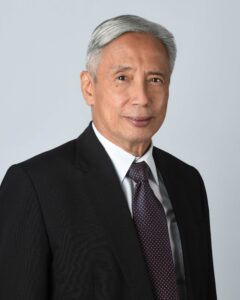
Dr. Felipe M. Medalla
The Bangko Sentral ng Pilipinas (BSP), together with the national government, is committed to bringing the economy back to its pre-pandemic growth level.
On our part, BSP is determined to help sustain economic recovery by creating an appropriate, growth-enabling and growth-enhancing macroeconomic environment through its three pillars of price stability, financial stability, and safe and efficient payments and settlements system. By successfully fulfilling its three core mandates, the BSP can help create the conditions conducive to economic growth. Nurturing the economy, including addressing inequality and resource distribution, is not the direct mandate of the central bank but a by-product of doing its three duties — and doing these well. That said, we will endeavor to do so, mindful of the risks from developments both locally and globally.
As we remain vigilant against risks to the inflation outlook. We will also carefully coordinate with other government agencies in implementing non-monetary interventions, so as to mitigate the impact of persistent supply-side factors on inflation.
We will continue to craft banking policies and regulations that would help ensure that the Philippines’ financial system continues to be sound and stable. We are aware of the key role that MSMEs (micro, small and medium enterprises) play in propelling growth at the grassroots, so we will continue to develop policies that will address their needs, as the country continues to lift itself from the deep impact of the pandemic.
Financial inclusion and the digitalization of financial services are also important to our economy as they enable more Filipinos to reap the benefits of economic growth. As such, we will foster an environment where financial innovation would be safe and responsive to the needs across sectors of the economy.
Against this backdrop of creating a growth-enabling macro environment, the BSP believes the county will achieve a faster, sustainable and inclusive economic recovery as we focus on key areas including:
Strengthening the health-care system. The government needs to craft long-term plans and strategies for the healthcare system so that it will emerge from the crisis stronger than before. It should foster closer public-private collaboration to bring about innovations in the health sector and further develop the country’s health-care infrastructure. In addition, it should increase investments in human capital, particularly in doctors, nurses, and other health-care professionals. The universal health-care system must be overhauled. The use of digital and IT systems must be promoted to make health services readily available, particularly in remote areas.
Modernizing and boosting agriculture. Low labor productivity has plagued the agriculture sector due to inefficient production methods and low investments in the sector. Also, government funding to agriculture must be increased but should be well targeted to sub-sectors and goods that have comparative advantage. Modernizing agriculture will require upgrading R&D, investing in new and climate-smart technologies, and providing the right incentives for farmers and agricultural workers to increase productivity.
Promoting manufacturing through sound industrial policy. Sound industrial policy focuses on innovation and new technologies at the national and regional levels. The government can promote manufacturing by supporting sectors that have strong backward and forward linkages. Manufacturers that have high labor absorption, especially those that can provide opportunities for less educated workers, must also be adequately supported. This industrial policy should also foster closer academe-private sector collaboration to maximize commercial returns to innovations resulting from R&D.
Accelerating information technology and digitization. Faster adoption of technologies should increase productivity in the industrial sectors, including manufacturing, power, mining, oil and gas, and agriculture. These technologies exploit improvements in data collection, computing power, and connectivity. They include internet of things (IoT), advanced analytics, robotics, automation, and advanced engineering techniques like 3-D printing. Various programs can be implemented to help MSMEs benefit from these new technologies faster. One-stop platforms and training programs could also be created to ease the transformation of these businesses in areas like targeted marketing, consumer behavior insights, logistics, and procurement
Preparing for a blended and hybrid educational system. Covid-19 derailed efforts to improve the quality of education. Significant investments in blended learning must be made such that the most essential learning competencies are highlighted. A curriculum review towards rationalizing and strengthening the K-12 and tertiary programs must also be done. Investment in teachers’ training and professional development must also be increased. Collaboration of community, school, parents, and learners in school improvement plans and governance must be fostered.
Dr. Felipe M. Medalla Governor Bangko Sentral ng Pilipinas
International Finance Corporation
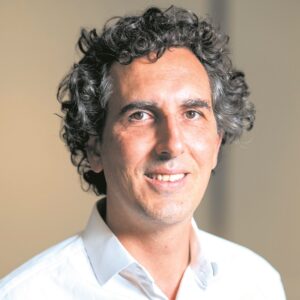
Jean-Marc Arbogast
The Philippines, like most countries in the region, is slowly starting to recover from the impacts of COVID-19. The latest estimates by the World Bank show the economy grew 8.3% in the first quarter. Despite favorable economic conditions ahead, the reality is the needs of the Philippines still greatly exceed the government’s financial capacity. Just as in other countries, billions of dollars in private finance will be needed to bridge the country’s gaps in infrastructure and connectivity and improve its resilience to climate change.
So, to move forward faster towards a better Philippines, the private sector can help create a digital economy far more accessible to people through improved infrastructure and digital platforms. The Philippines is home to over 73 million internet users. The country needs a significant number of new towers and data centers to keep up with rapidly increasing network capacity requirements. Shared infrastructure will be key in addressing this need. It can be done. IFC just partnered with a new tower company, CREI Phils. Inc. to build 600 new towers by next year to be shared on an open-access basis, a first for a telco company in the Philippines.
Let’s also make it easier for small businesses to access digital platforms. The pandemic has shown us digital tools are crucial for micro, small, and medium enterprises (MSMEs) to thrive and survive. Growsari, an IFC client, is part of this digital transformation by providing sari-sari stores with e-services including telco loads, bills pay, e-commerce and wifi, allowing store owners to maximize their capital and easily expand their business. GrowSari’s platform also generates crucial data and insights into the stores’ operations while providing affordable, on-demand inventory and working capital loans.
Clearly, the private sector will also be vital in helping move towards a better country by bringing in the financing needed to meet other challenges, such as with infrastructure and health.
But an overarching need is to work together to meet the financing needs to tackle climate change. It’s not just a job for government. The private sector and financial institutions play a crucial role in aligning and transitioning their business to support the country’s climate goals.
IFC has played a big role in creating a market for sustainable finance in the country, not only through the issuance of the first green bond, but also in helping the Bangko Sentral ng Pilipinas (BSP) become a member of the Sustainable Banking Network, to support the BSP in promoting good governance and effective risk management among Philippine banks. IFC also helped the country’s largest private bank, BDO Unibank, to issue its first blue bond, with proceeds to tackle marine pollution and preserve clean water resources.
For securing the Philippines’ future, there’s clearly a need to keep up the momentum. Ahead of COP27, IFC will stage a climate finance forum in September, bringing together global and industry experts to promote green lending and climate investment opportunities. It’s part of an IFC initiative to encourage banks in the Philippines, Egypt, Mexico, and South Africa to boost climate lending.
There is a lot of ground to cover, with zero time to waste. But we know securing a more inclusive and sustainable future for the Philippines will only be possible by drawing on the innovation and financing of the private sector.
Jean-Marc Arbogast Country Manager for the Philippines International Finance Corporation
UNDP Philippines
Dr. Selva Ramachandran
The pandemic has reversed decades of progress made in the fight against poverty. It has also brought in a “new normal” that is detrimental to the poor: more difficult access to healthcare, setbacks in educating our children in a remote set-up, risks to our environment and, the limited access of families to clean water and sanitation. COVID-19 worsened inequalities and exposed the precarity being faced by millions of Filipinos in the fringes of society.
As we pave the way to sustainable recovery, it is vital that we align our collective actions with the Philippine Development Plan and the UN Agenda 2030 to achieve the 17 Sustainable Development Goals (SDGs).
The 17 SDGs are integrated — that is, action in one SDG will affect outcomes in others, and that development must balance social, economic and environmental sustainability. The 2030 Agenda puts forward targets to recreate a world where NO ONE lives in extreme poverty. Where there is no inequality. Where we use our resources wisely and sustainably. Where we do not continue to degrade our environment. Where our governments are accountable to the people and the people are accountable to the planet we live in. The SDGs are far more than inspirations or words of good intent. They provide a guide for action in the key areas where countries, including the Philippines, will have to invest in order to move forward better after years of battling a pandemic.
Government plays a critical role to set a clear polies that can create an enabling environment for the Global Goals. They play a major role in shaping where and how resources are used. It is possible to avoid the waste, inefficiency, and corruption that ambiguous and contradictory policies – such as fossil fuel subsidies – encourage today.
The private sector, undoubtedly, also makes a significant contribution towards pandemic recovery and achieving the SDGs. By being “greener,” they can create:
MORE JOBS: Approximately 380 million jobs can be created, 90% of these are in developing countries
MORE OPPORTUNITIES: $12 trillion worth of market opportunities can be opened with sustainable business models
MORE VALUE: 2-3x growth compared to average GDP growth over the next 10-15 years
Mobilizing investment and an action agenda towards delivering the Global Goals requires the alignment of interests, incentives and policies between the public and private sector. To deliver, all parties need to cooperate more than ever before and for that to happen, trust across them is crucial. Portfolios and investment decision-making need to be shifted to make SDGs, green finance, sustainable infrastructure and development become the norm. Businesses must make sure they create well-paid jobs and provide decent working conditions and training.
In order to get there, investors must adapt their strategies to deliver not only financial results, but positive social and environmental outcomes as well. We look forward to seeing more investors and business leaders commit to investing in innovative opportunities that deliver strong financial returns while reducing poverty and inequality, advancing health and education, and protecting the environment.
Dr. Selva Ramachandran Resident Representative
United Nations Development Programme (UNDP) Philippines
Acumen Strategy Consultants
Pauline Fermin
To speed up business recovery and grow faster, there are three major imperatives we are seeing based on all our researches and client engagements:
First, Customer Centricity. Reconnecting with customers to understand the needs and motivations behind their behaviors, decision making and purchasing patterns has never been a more pressing imperative given a lot of market shifts that we saw during the pandemic. This requires a deliberate effort and real discipline, not just lip-service. Identifying a core target segment of customers whose needs can be met by the business’ products and services in a relevant, differentiated, and credible way is the fundamental starting point. The rest of the task is to execute very well across the marketing and sales mix — pricing, distribution, customer service, communications, and logistics.
Second, Strategic Thinking coupled with Agile Execution. Market sizes have contracted, competitive heat is up and resources are limited — financial, time and organizational energy. Business leaders need to invest time in stepping back, assessing the situation as rigorously as possible and making hard, deliberate choices on where to play and how to win. Once there is a plan, be ready to execute but with an agile mindset of constantly learning, re-applying successes, and adjusting for wrong assumptions.
Third, Organizational Transformation. This is the most challenging yet one of the most critical imperative C-leaders have told us in our pandemic research. The organization must be calibrated – its team structure, culture, as well as leadership approach – in order to meet changing customer needs and challenging market dynamics. Old ways of working must be unlearned (especially with digitalization), foundational skills must be re-learned and new skills must be learned and embedded. All these start with deep employee listening and organizational assessment.
Bottomline, businesses will go forward faster if they calibrate their business and organizational engines in response to changing landscapes. To do so, they’d benefit from external expertise to navigate through these steps who can provide objective, unbiased perspectives to enable them in making the tough decisions and adapting to change.
Pauline Fermin President and CEO Acumen Strategy Consultants
Bain & Company
Patricia Buenaventura Nichol
We are excited to have established Bain & Company’s physical presence in Manila this year and look forward to helping businesses in the Philippines. With a more challenged and disrupted macro-economic environment (e.g., rising energy prices, supply chain turmoil, looming recession), our local leadership team together with our global experts have continued to help our clients work through their mitigation plans. The good news is that we have seen increased investment activity through COVID, attracted by the pace of consumer change, increased digitalization and a dynamic entrepreneurial environment.
Looking at 2022-2023, GDP (gross domestic product) forecasts have been revised downwards; however, we believe a couple of factors are helping to insulate Southeast Asian economies from broader macro turbulence resulting in a business outlook that is relatively more positive than the rest of world. Actions taken by companies today will be pivotal. Our research has found that companies gains and losses are significantly magnified in periods of economic downturns than during stable times. Businesses in the Philippines can position themselves for growth by carefully tweaking their strategies to adapt for a recession. These include actions such as (i) surgically restructuring costs before the downturn, (ii) diligently managing liquidity and the balance sheet, (iii) obsessively focusing on customers, and (iv) aggressively pursuing M&A opportunities.
The ‘new normal’ has become far more complex, with the now rising cost of capital, ambitious environmental, social, and corporate governance (ESG) commitments and material shortages in the global supply chain. These are critical nuances that will determine whether companies can ride out the recession and emerge from it more successful than when they began.
Patricia Buenaventura Nichol Partner and Office Head Bain & Company’s Manila office
Boston Consulting Group
Anthony Oundjian
When faced with the extraordinary challenge of a global pandemic in 2020, the business community and public sector came together and collaborated at an unprecedented speed and scale to meet the challenge. In adversity, new ways of collaborating have come to life and ‘symbiotic’ relationships have helped mitigate both health and economic damages. The new Presidency has clearly registered the value of close public-private collaboration with the set up of its Private Sector Advisory Council, as a way to actively address and sustain dialogue between sector groups.
Defining a bold ambition for the country across a set of national priorities (e.g.: healthcare, education, financial inclusion, competitiveness) should help crystalize the national change agenda and provide clarity to all stakeholders. Businesses should act with boldness and confidence to further unlock the Philippines growth potential for the next decade, with a specific focus on addressing the most acute pain points and challenges of more market segments. Accelerating financial inclusion, digital inclusion, and work force inclusion would specifically be among the priorities.
Anthony Oundjian Managing Director & Senior Partner Boston Consulting Group
Ipsos Philippines
Vicky V. Abad
We are in a period of continued change. In our recent Ipsos surveys, both local and global, we see signals of moving on from the COVID-19 pandemic (turning endemic) and consumers’ worries shifting towards the rising inflation rates. Are we still in an era of constant disruption? How can we move Forward Faster as businesses and as a nation? If we apply long-term foresight and map out our certainties, we will have better-informed strategies and decisions in the future as it occurs.
While it is too early to tell the full impact of our current realities, we can look at the macro forces shaping our Planet, People, Systems, and Technology. Let’s look at “People” as a macro force, one of Philippines’ strengths is having a young and dynamic population ready to drive growth. When businesses and government initiatives focus on supporting and empowering this segment through education, we can better equip them as the world shifts to a service and knowledge economy. Aside from this, improving connectivity by strengthening communication infrastructure creates an even more literate and globally connected society. Down the line, funneling resources to education allows for better opportunities for employment and livelihood creation.
In the Ipsos 2021 Global Trends Survey, 89% of Filipinos surveyed believe there is a climate emergency. This is evident with our new economy of disrupted [just-in-time] supply chains and growing concern for food and water insecurity due to agricultural issues. Considering these and looking at the macro forces “Planet” & “Technology”, we know that technological solutions can help lead to efficient management of resources to address agricultural issues. Should our Nation’s focus on modernizing the agri-business bear fruit, we can anticipate improvements or even recovery in our economy.
Overall, we know that growth is no longer a long-term given. Aiming to move Forward Faster and prioritize inclusivity and sustainability will be a great challenge. Despite this and knowing how polarizing situations may get, if we learn to transcend our differences and take on our respective roles & functions in society, we will be able to move as one — even as the shifting power dynamics lead to new and emergent ways of being.
Vicky V. Abad Country Manager Ipsos Philippines
Isla Lipana & Co.
Roderick M. Danao
The Philippines is poised to post strong economic growth, post pandemic, given its strong economic fundamentals.
There is a consensus that the country will grow somewhere between 6 and 7% this year despite the expected headwinds brought about by inflation, underpinned by rising domestic consumption and sustained government expenditure on critical infrastructure.
However, despite our expected economic growth, the poverty rate remains to be a problem for the country. Official government data reported that our poverty incidence among Filipinos increased to 23.7% in the first half of 2021, higher than the 21.1% for the same period in 2018. This translates to 26.14 million Filipinos living in poverty or an additional 3.9 million.
So the challenge is: How do we accelerate our growth to build a truly inclusive and sustainable economy? Here are some of my dreams for the country:
a) Invest, adopt and support policies to build the resilience of micro, small and medium sized enterprises (MSMEs). They play a vital role in the country’s economy as they generate employment opportunities for the unemployed or underemployed Filipinos. The public and the private sectors need to work together to upskill and upgrade workers’ competencies, provide easier access to capital that they generally lack, and support the sector’s digital transformation. This will enable them to grow, expand and be more resilient. A thriving MSME sector is a big boost to the economy.
b) Increase investments in critical infrastructure across the country, either through government spending or credible/transparent public, private partnerships (PPPs). We need better physical and digital infrastructure across the country that will create and/or accelerate economic activities.
c) Increase productivity in, and make genuine transformation happen, for the agriculture sector. I am from a farming town in northern Luzon. The farming system has not changed since my elementary school days except for the isolated presence of tractors, which make land tilling fast and efficient. Beyond this, nothing has changed. Farmers remain under the control of unscrupulous traders, who charge usurious interest at a minimum of 5% per month. What about the institutionalized countrywide cooperative system and shift to high-value crops? Imagine if we reduce our dependence on imported agricultural products? These will surely enable our poor farmers to achieve economic prosperity.
d) Increase manufacturing output, new manufacturing facilities and investments. How do we achieve this? We need to attract more investments, be it local or foreign investors expanding in the Philippines. But we need to be more competitive and implement genuine reforms to improve the ease of doing business. While we improved our ranking in the World Bank’s 2020 Doing Business Report, we are still lagging behind our major ASEAN neighbors. Thanks to Cambodia, Laos and Myanmar, we are not at the tail end.
e) Accelerate transition to digital economy. E-commerce, no doubt, enables larger market access, drives expansion, hence a real economic multiplier. Based on a think tank study, the digital economy can raise economic output by at least P5 trillion by 2030. However, our workforce of the future must be technologically enabled, too. Real reforms are needed by the country’s education system so that we will not be left behind.
As a Filipino, I continue to dream and believe that one day, we will achieve an inclusive society where there will be no hungry Filipinos, where economic prosperity is felt and shared equitably. God bless our country.
Roderick M. Danao Chairman and Senior Partner Isla Lipana & Co.
Kantar Philippines, Inc.
Gary de Ocampo
As we try to move on from the COVID crisis, we increasingly realize how crucial it is to adapt to how the pandemic has upended life and livelihood.
Most recent Google Mobility data shows that, despite the return to retail places, groceries, pharmacies, parks, transit stations and workplaces, the frequency of staying home remains higher than before the lockdowns, which indicates that the life-lived-at-home, or better yet, life-lived-close-by, behaviors continue. Sari-sari stores, in general, have recovered quite quickly from the business slump after lockdowns were imposed, and have been the primary source of growth for brought-home fast moving consumer goods purchases as of Q1 2022.1
People have a new set of concerns that have already affected priorities. The pandemic and other threats to public health continue to worry people. In addition to this, social justice and climate change have also become more salient topics of interest.2 Filipinos, especially those exposed to online conversations about the matter, understand that we are in this situation because of people’s own doing, and we are willing to do the right thing to try to remedy the situation. However, Filipinos need a lot of help to take the appropriate actions.3
Another source of worry is about the economy with two fifths of online adult Filipinos concerned about inflation4 even though most do not understand what it is and why it happens. All people know is that their money can buy much less than it could before, which then makes spending a much more difficult decision to make. There is also the global plague that affects mental health5, which, in tandem with the overhauling of priorities, has driven, to a large extent, the Great Resignation, which continues to be a big headache for businesses.
Digital is here to stay after its adoption has been brought to a point of no return through the lockdowns. eCommerce in the Philippines remains small, especially when compared to most other countries, but its continued growth is evident6.
For businesses to move forward faster, empathy will be key. The extent that consumers, customers, shoppers and even employees see and feel genuine empathy in the product and service innovations, and work arrangements that businesses make happen to address new or amplified friction points will determine in a big way how quickly these businesses can stage a rebound or sustain their recovery.
More than ever, businesses need to be where their target markets are and be ubiquitous there whether this means digital, delivery, pop-up stores or using any other relevant media and retail touch point.
People know and want to do what is right to avoid another calamity, but they look to businesses and the government to help them do what they know they must do because sustainable practices, products and services remain expensive and unwieldy.
It is not time for brands and businesses to be quiet because people continue to look for guidance as they navigate the new environment that remains in a flux. The businesses that can translate genuine empathy into products and services that address new or more relevant needs and that can deliver topnotch experience will be secure in the hearts and wallets of the Filipino.
1,6: Worldpanel Division, Kantar. Q1 2022 2,4,5: Kantar Global Issues 2022 3: Kantar Sustainability Foundational Study 2022
Gary de Ocampo Managing Director, Insights Division President Kantar Philippines, Inc.
P&A Grant Thornton
Maria Victoria C. Españo
More than two years after the COVID-19 pandemic hit, experts are seeing an asymmetrical or an uneven post-pandemic economic recovery. Not all countries are moving at the exact same speed toward economic recovery. Concrete government actions, including improvement of existing fiscal or monetary policies and programs to address high inflation, are needed. In the Asia Pacific (APAC) region, increased regional cooperation were cited by experts as one way to prevent a skewed economic recovery across APAC.
But while the government plays a pivotal role in leading the Philippine economy toward recovery and growth, businesses and even professional partnerships play a part in achieving this goal.
Agility and Innovation
The pandemic has tested the business community’s ability to survive; nonetheless, some companies have found a way to not only survive but also thrive amidst the continuing pandemic effects. Some of the ingredients to pivot the company with cautious optimism are:
Listening to the changes in the needs of the customers
The needs and focus of customer have changed, the channels where customer are also have changed. Companies need to continue to become more relevant in creating value to the customers.
Being flexible in the needs of the employees
News of the great resignation or the great talent reshuffle is felt by businesses. The expectations of employees i.e. hybrid and work from home arrangements, criteria of focus and sustainability when choosing companies, etc. continue to evolve brought with the shift of working generation and escalated by the pandemic scenario. As an opportunity, companies now can look at expanding talent geographically and taking in better talent. As a focus, strategic human capital and culture has now become a board agenda.
Reviewing and reinventing the business model
With the pandemic, companies are bound to look at the basics, i.e cash flows, business continuity, reinforcement of the vision, mission, and purpose. At the same time, companies employ their creativity to actualize opportunities out of the situation. This may mean changes in the business models, exploring partnerships, and developing new services, products, or channels.
For example, entering into partnerships, where two companies contribute and raise bigger funds for operating expenses, does not only ensure greater financial strength for business. The economy will also benefit from positive business outcomes as a result of strategic partnerships because successful businesses create jobs and help the government generate more revenue.
In all these, companies need agility and resilience in pushing forward by creating opportunities for themselves.
Digitalization and Technology Advancement
The fourth industrial revolution has been upon us even before the pandemic; nonetheless, the situation has allowed for greater reception and adoption of technology, has pushed for urgency in digital transformation in organizations, and has made itself indispensable in everyday life. The government, businesses, and other organizations have to continue going digital in improving processes, optimizing costs and revenues, and creating value to customers, stakeholders, and society. This is critical if we want the country to move forward and create a brighter future.
Collaboration and support
Different stakeholders have a role to play. The government is critical in developing policies and executing programs that can propel economic growth, encourage key growth sectors, support disadvantaged sectors, and create a stable and reliable economic environment. The business groups and the professional organizations have a role in advancing the needs of the business community and the people they represent and guiding them, as well as finding ways to communicate concerns to and [judiciously] support initiatives of the government. Businesses have a role as corporate citizens in contributing to society and environment. Collaboration and support of different stakeholders are needed to move forward faster and create a prosperous future for the country.
The impact that we hope for — Growth, Sustainability and Inclusivity
Growth
Different stakeholders support the country’s growth. Businesses help the Philippine economy recover amid challenging times like this. Improved collaboration with the government and stakeholders, promotion of sustainability and inclusivity – all these are initiatives that can help us go beyond in ensuring continuous economic recovery and an inclusive and sustainable future.
Sustainability
Companies can likewise help accelerate the realization of the UN’s Sustainable Development Goals. An example is using technology and digitalization in reducing their carbon footprint. Through automation and digital processes that speed up work processes and lessen, for example, the number of product shipments which contribute to carbon emission, the carbon footprint of supply chains can be reduced . Remote or hybrid work arrangements, now considered the future of work, also reduce a company’s carbon footprint. These policies, on top of putting a premium on CSR initiatives, can contribute a lot in ensuring a sustainable future while still securing work productivity and business growth.
Inclusivity
Grant Thornton’s 2022 Women in Business Report showed that the Philippines ranked third in the list of countries which recorded the highest number of women leaders in mid-size firms. This figure is also in line with the average percentage of women in leadership roles across ASEAN.
While there remains a lot to be done in terms of breaking gender barriers and ensuring workplace parity, progress, no matter how small, is still progress. Businesses must continue to adopt a shift in mindset to make significant strides in addressing gender inequality in the workplace. Also part of bridging the gender gap is building more diverse and inclusive leadership teams.
Maria Victoria C. Españo Chairperson and Chief Executive Officer P&A Grant Thornton
Palafox Associates
Felino “Jun” Palafox, Jr.
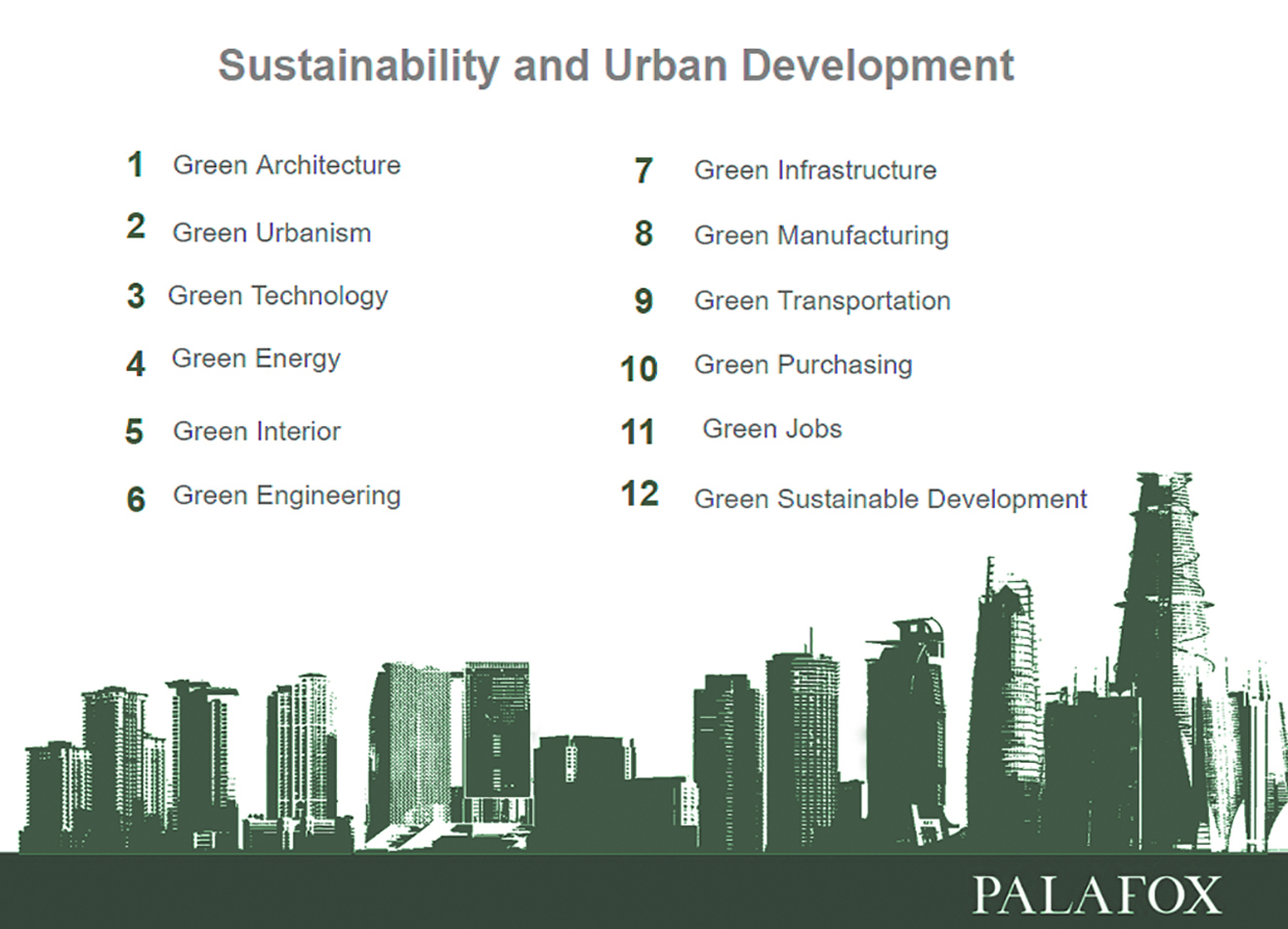
The Philippine population is projected to rise to 148.3 million by 2050. According to our studies, we will need 100 new well-designed, properly planned cities by 2050 to bring the Philippines to first world status. Critical social issues for the country include food security, which can be attained with designing an agropolis (city anchored on agriculture) encouraging urban, suburban and rural farming; and healthcare infrastructure in which we need at least 5500 new good quality hospitals in the next years. Right now, in a country of 110M people, around 2000 of our hospitals are substandard.
In 2021, Savills published a report listing the most resilient and future-proof cities in the world which includes New York, Los Angeles, London, Tokyo, San Francisco, Paris, and Seoul. We can study and learn from these cities — how they dealt with their cities’ problems, what worked for them and what didn’t — then we adapt these lessons to benefit the Philippines.
However, while a mission of building well-designed and empathetic built environments lead us to progress, affirmative change will only follow with vision and good leadership.
As evidenced by one of the quickest cities in the world to reach first world status, radical growth is led by visionary leadership, good governance, strong political will, and excellent management along with good appreciation of architecture, urban planning, and good design.
Even a leader with excellent foresight will struggle leading a country to progress if there is no vision and persistent will to do so. On the other hand, definitely, a dishonorable one will only bring us to our descent. Hence, good governance by a good, capable selection of leaders is critical to give the country a head start. We should address corruption, red tape, inequality, and criminality and promote transparency, open data, ease of doing business.
Among these, we must also emphasize on climate change adaptation where we modify our ways – from something as personal as proper trash disposal to wider applications like environmental policies and green building. We should not only “Build, build, build” but should “Build, better, berde”.
Linking the whole Philippines will also aid in spreading development and progress throughout the country which will alleviate poverty and bring about elevated living standards for Filipinos.
Building considering nationwide mobility, connectivity, and accessibility. Basic necessities at the minimum should be accessible to all.
Felino “Jun” Palafox, Jr. Principal architect and urban planner; founder Palafox Associates
Philippine Business for Education
Ramon R. del Rosario, Jr.
A healthy and educated workforce is the key to shared prosperity. When we talk about economic growth, often we put priority on physical infrastructure, but education is at least equally important. Investing in the learning of our people, upon whom nations are built, is an investment that comes with enduring benefits.
Everybody wins in education. For each individual, it bears promise of better employment, earnings, health, and quality of life. For our country, it is the key to long-term economic growth, poverty reduction, innovation, and social cohesion. Individual prosperity leads to the whole country’s prosperity.
In his first state of the nation address, President Marcos set out a big economic goal of slashing Philippine poverty to a single digit and growing the economy up to 8%. How do we take this giant leap? The challenge is daunting, but we must start by making major strides through proper education reforms. When well-nourished students stay in school to learn, they have an increased likelihood to break the cycle of poverty. Based on a simulation from Stanford economists, if we reform our education system in the next 15 years resulting in learners reaching the basic literacy and numeracy proficiencies based on international standards, our GDP (gross domestic product) is expected to increase on average, 28% per year, immediately after that 15-year period. And this effect is expected to last 80 years.
Right now, what is keeping us from achieving this goal is the longstanding education crisis. We cannot address our learning losses without sufficient resources. Historically, only 3% of our GDP has been allotted for the education sector. While the proposed budget for basic education now is at 4.3%, we still do not meet the global standard of 6%. We should spend as much for education as we do for physical infrastructure.
Just as with public and private partnerships in infrastructure building, the government can also count on private sector support in improving our education system. The convergence of tools, resources, networks, and technical expertise from the education and private sector is needed to address our country’s learning crisis. With Education Commission 2 (EdCom 2) finally becoming a law, we hope the private sector can be given a seat at the table and considered an equal partner as we strive for greater education and industry alignment.
Here are some of the strategies that we at Philippine Business for Education (PBEd) and our other partners in the business community propose in improving our education system:
Bring all children to quality pre-Kindergarten to Grade 3 education and developmental programs.
Improve the quality of instruction and teachers with the target that all learners meet basic skills based on international standards.
Use the lens of lifelong learning in workforce development.
Fully leverage private education to better complement delivery of services.
Strengthen autonomy, coupled with accountability, of school leaders and local governments.
Shared prosperity in the Philippines can be achieved, within our lifetime, through education reforms. To move forward faster, this time let us try prioritizing investment in education.
By Ramon R. del Rosario, Jr. Chairman, Philippine Business for Education (PBEd)
Philippine Disaster Resilience Foundation, QBO Innovation Hub, and IdeaSpace Foundation
Rene “Butch” S. Meily
Poverty is the country’s greatest ill. So we need to create jobs to give people an income and lift them up. We can start by focusing on MSMEs (micro, small and medium enterprises) since they make up over 90% of the Philippine economy. Government institutions and private banks can loan money to small businessmen to help them restart their livelihoods, many of which were affected by the COVID-19 pandemic and lockdown. Several startups, the telcos and others are pushing for the digitalization of MSMEs which would open them up to the growing world of online ordering and distribution.
We should encourage this trend and train our small business owners so they have the technological skills to avail of new resources. We need to incentivize the private sector including foreign companies to invest in the country by giving them tax breaks, easing restrictions on the flow of capital, and removing unnecessary regulation. Let’s make it easier for foreigners to put their money to work here and that includes lifting limitations on the ownership of land and various industries. Their investments will generate jobs and improve the infrastructure while increasing competitiveness in the local economy and freeing it from self-defeating protectionism.
Disasters knock Filipinos back into poverty. Therefore, we should develop tax-free PEZA (Philippine Economic Zone Authority) zones in disaster-stricken areas to enable them to rebound faster by encouraging investment and the creation of businesses and jobs. The government will earn more from the added revenues and higher property taxes than it ever would in a normal tax environment. We should upgrade our health care system so that all of our people are healthy and ready to work. In addition, we need to build more resilient communities so that we are better prepared for the more than 20 typhoons that hit the Philippines every year plus the earthquakes and volcanic eruptions that come from living in the Pacific Rim of Fire. People are ready when they have business continuity plans in place, emergency supplies, sturdier houses and can move their boats away from danger areas.
We should also advocate for population control to relieve the pressure of having to produce more and more jobs for over 110 million people. Any increase in our growth rate is reduced by increases in population size. We need to improve the educational system to restore our lost advantage of speaking English, as the President has mentioned, to allow Filipinos to compete globally for employment and locally for jobs in the BPO (business process outsourcing) industry. Good governance and a fair and impartial legal system will give our countrymen the best opportunity to rebound from the pandemic and rebuild their lives in safety and prosperity. It is said that fortune favors the bold and if we act boldly, we can finally achieve our dream of making the Philippines a First World country.
Rene “Butch” S. Meily President
SGV & Co.
Wilson P. Tan
These are challenging times that call for greater collaboration between the government and the private sector in areas such as education, health, food security, energy sufficiency, employment, investments in infrastructure and technology, and climate change. We see businesses striving to regain their footing as the economy reopens after more than two years of crippling lockdowns. The pandemic has forced them to be agile and transform their business in order to make it through this global health crisis. But beyond surviving, they will have to shift gears and begin to focus on thriving.
The government can prop up businesses with the enabling infrastructure and environment. Time and again the Filipino’s entrepreneurial spirit has proven to be indomitable, but this is a special time for the government to lend a hand and nurture entrepreneurship as small businesses nurse their way back to healthier bottom lines. At no time has business and industry ever stopped emphasizing their preference for clear and consistent government rules and policies, but in this difficult time, policy stability should be a key ingredient in our business and economic recovery goals.
In all this, we believe that the quality of leadership in business becomes all the more significant, as leaders face changes in the way talents and even consumers interact with organizations and brands. For professional services firms like us, we see these challenging times as an opportunity to be of service by staying true to our Purpose as an organization – to nurture leaders and enable businesses for a better Philippines.
The crisis has called upon business leaders to lead with empathy, to protect the health and wellbeing of people, and to contribute to economic recovery. These are responsibilities that we will continue to cultivate in our conversations and interactions with business leaders. Our experience with the pandemic over the past two years has strengthened our resolve at SGV to continue to build trust in the capital markets and in business transactions, and to remain a strong catalyst for socio-economic development as we have always done so for more than 76 years now.
Wilson P. Tan Chairman and Managing Partner SGV & Co.
By Adrian Paul B. Conoza, Special Features Assistant Editor
BusinessWorld has established itself as a daily essential reading for the Philippine business community — from executives, managers, and leaders, right up to entrepreneurs — as well as a good alternative to the usual titles. In every print issue of the paper, one can expect to get a thorough and comprehensive briefing on the latest developments and other information readers need to know and be aware of for the day.
It takes a collective effort within BusinessWorld — from the editorial staff to the people in the sales and marketing department — to bring reports, columns, stories, images, advertisements, and advertorials together and fit them all well within the pages and sections.
“The process of coming out with a newspaper every day is a team effort. You may only see the names of reporters and editors, but there are more people behind the scenes who work to make sure the newspaper comes out every day — the layout artists, proofreaders, researchers, editorial assistants, and graphic artists,” BusinessWorld Managing Editor Cathy Rose A. Garcia shared in an e-mail.
As managing editor, Ms. Garcia assigns stories for reporters to write and submit within the day, while the other editors decide which stories should be prioritized for the front page and which ones go to different sections. “We also make sure that all stories are not just well written but factual and objective,” she added.
Further describing an editor’s work, Alicia A. Herrera, one of the paper’s associate editors, notes that the work even begins before getting into the desk — which in her case includes checking on reporters and looking for leads over breakfast — and sometimes continues after.
Once at the desk, she sifts through e-mail messages, the submitted pieces from reporters and contributors, and relevant stories from the wires — then the main editing work begins.
“Depending on how well a story is written, I may just have to do some minor tweaks, perhaps adding some background. Other times, a full rewrite may be required. I search for photos and illustrations to go with the stories,” continued Ms. Herrera, noting that BusinessWorld editors traditionally did the actual layouts themselves.
Moreover, editors lend their time to train reporters, as Special Reports Editor Norman P. Aquino shared.
“That includes teaching them how to come up with stories that are compelling, balanced, fair and accurate — attributes that have always set our paper apart from the rest,” he shared. “After editing the Nation page in the afternoon, I also make sure that the reporters get feedback on their reporting and writing — from grammar and writing style to other aspects of the news gathering process. Being in contact with them during the entire process of news production ensures that stories are complete, well-researched and true.”
On the other hand, Sales and Marketing Director Jay R. Sarmiento is on top of ensuring that advertisements — from the full-page ones to the little ones detailing job openings — and advertorials get published on their respective pages as scheduled.
“Since we are on the advertising side and we sell multimedia advertising platforms, we make sure that everything is in place as far as meeting clients’ requirements and deliverables are concerned. At the same time, we make sure we do an integrated effort on print and digital implementation of ads,” Ms. Sarmiento shared.
Compiling these materials and putting each in the right places require close coordination, as creative director Crecencio I. Cruz explained.
“Laying out a page is like putting up a jigsaw puzzle,” Mr. Cruz said. “You try to fit the articles given. Although you are dealing mostly with text, you have to set the stories appealing enough to catch a reader’s attention,” Mr. Cruz added.
Once much of the materials get arranged, Hilario T. Matundan, production coordinator, handles the placement of ad materials before the entire issue gets printed.
“After the final proofreading of the pages by the proofreaders, I will now need to prepare for the final copy and process it by inserting the ad materials,” Mr. Matundan explained. After checking the page with the ad materials included, I can now send it to the plant via Internet for the printing of the newspaper copies.”
Managing through changes
With the coronavirus pandemic initially causing restrictions, closing the paper was a challenge at the start.
“While most employees were doing work-from-home setup, I was still reporting in the office. I’ve never heard silence that loud before,” Mr. Matundan recalled. “But I took that as a new challenge in my career to strengthen and improve my skills further. I felt that at that moment, the company needed me to be more committed and dedicated.”
For Mr. Cruz, putting up the paper became a little complicated. “The flow of work depends on the working style of the page editor. There are times when putting up a page is like laying it out three times — using the raw articles to check out the length, then the edited version and, finally, the proofread article available online.”
Two years since the pandemic, however, the sudden adjustments have become things the staff already get used to.
“It may have been difficult at first, but BusinessWorld editors have now become used to the new normal. Editing can be done without being physically present at the office,” Ms. Garcia said. “It’s still better, of course, to be at the office so that I can coordinate with people faster and more efficiently.”
Among the editors, Marifi S. Jara, the paper’s Mindanao bureau chief, is likely the one who is most used to working remotely. She observed, nonetheless, that covering stories have been much different than before.
“Having been a remote employee for the last eight years, the work-from-home (WFH) setup prompted by the pandemic was actually an ‘old normal’ for me,” she shared. “But the rise of webinars, online press briefings, and streaming of events made people and other sources of information so much more accessible. It also allowed for broader coverage possibilities across the regions.”
As a reporter, Michelle Anne P. Soliman witnessed this shift in fieldwork firsthand. “During the lockdown, events and conferences were conducted through Zoom. In 2020 to 2021, Zoom events are scheduled within the week. Per day, there were a maximum of three to four events on Zoom,” she shared.
“With the return of physical events early this year, I cover two to three physical events in a day. Some conferences remain online such as pressers for local series, film, and album launches,” she added, noting that fieldwork has gone more hybrid recently.
This shift to hybrid work is something reporter Patricia B. Mirasol shared she very much appreciates, especially that covering on-site events has a distinct edge. “When the pandemic struck, everything literally shifted to the virtual platform,” Ms. Mirasol said. “Zoom is super great, but nothing beats the energy of physical interactions.”
Editor Victor V. Saulon observed, however, that recent situations have made it harder for reporters to do ambush or chance interviews since in-person events and press conferences are still limited. “Now, sources can choose to ignore you when you text, send an email or call. But it’s easier in a way because you don’t have to suffer Metro Manila traffic, for now,” he added.
For Josielyn Luna-Manuel, the paper’s special features editor, remote work has shown many advantages.
“For special features and advertorials, most of our coverages or interviews with our sources are now done virtually or through e-mail compared to pre-pandemic days when writers usually need to attend physical events or do personal interviews with executives,” Ms. Manuel explained. “The whole process of producing content — from client briefings to interviews, writing and editing, layouting, and securing approvals — has been less time-consuming and more efficient now.”
In sum, amid the said challenges and perks, putting up a newspaper has surely gone paperless, as Ms. Herrera noted. In fact, the late Raul L. Locsin, BusinessWorld’s founder, predicted this beforehand.
“Mr. Locsin had said decades ago that with e-mail and with wires accessible via terminals (rather than the old teletype-style machines with their huge rolls of paper) we would stop using paper in the office,” Ms. Herrera shared. “This never really happened until the COVID lockdowns. Press releases are now sent to us via e-mail — no more stacks of envelopes to sort through in the morning. This is a welcome change as it is now a matter of cut-and-paste then editing rather than having to type up the release ourselves.”
Motivations
Amid all these changes, nonetheless, a dedication to continue to serve the purpose of BusinessWorld, which also translates to a commitment to excellence, remains a driving force for the people behind the paper.
“We believe in the mission of BusinessWorld. We love our readers and clients, and we have employees and their respective families to take care of. Those are more than enough inspiration for us to do our role in closing the paper despite the challenges,” Ms. Sarmiento shared.
For Ms. Jara, what keeps her motivated is the fact that BusinessWorld gives a platform “to somehow contribute to nation-building, particularly in terms of highlighting growth potential and opportunities outside the capital region.”
For Ms. Manuel, in spite of work-related and personal challenges brought by the pandemic, keeping in mind the impact that their team’s work could bring serves as an inspiration.
“Knowing that our work today makes an impact tomorrow — both for the company and the public it serves — no efforts are wasted. We only get stronger, more skilled, and prouder to be part of something bigger than ourselves,” Ms. Manuel said.
For others, it is more about experiencing the joy in the work they do, as well as in seeing the finished product.
“I consider the fieldwork I do as a life bucket list,” Ms. Soliman said. “It’s been an enriching experience to be in a room with, and to interview or converse with young and established people in arts, culture, and entertainment.”
“It is also a privilege to see and watch their body of work and listen to them talk about their craft. There is also a lot to learn of our history and culture when traveling to provinces, and other cultures from abroad,” she added.
“Working on a newspaper for more than two decades and seeing your work on the following day in print and online is enough [motivation],” Graphic Artist Bong R. Fortin said. “Stress is always a part of it. Finishing everything and pushing your work before the off stone is the challenge.”
Family and loved ones also serve as an inspiration, nonetheless.
“I always tell myself that I have to do my best in my job no matter what as if this will be my first and last job, by God’s will. But if there are moments when it is really difficult or stressful, I always think of my family. I am happily married with five children, who are all my inspiration to continue striving in life,” Mr. Matundan shared.
A medium to stay
The past years saw BusinessWorld fulfilling its purpose through new means, particularly on-the-ground and digital platforms. Yet, even in these times when people often turn to screens for information and diversion, a newspaper that can be held and flipped through still remains a useful and indispensable medium.
Aside from providing a public record of history, Ms. Garcia stressed, newspapers like BusinessWorld have an important role in highlighting deep, insightful stories over “clickbait” news flooding social media.
“For me, there’s still nothing like the look, feel, and even the smell of the printed newspaper,” she added. “Flipping through the pages of the paper, you can find stories that you would never see on your Facebook timeline but are more important than the latest celebrity news.”
“The barrage of information that we get can be overwhelming especially in the advent of fake news, so it really matters where you get it. I think that’s where traditional mass media comes in,” Mr. Aquino noted.
A physical paper is even still preferred at present, even among the paper’s target audience. “Many of the business sources that we have talked to are now physically back in the office. They still look for a printed newspaper when in the workplace,” Mr. Saulon shared.
Print also has a distinct way of presenting information and catching and keeping attention — which seems to be a hard thing to get nowadays.
“I think that because the editorial choices are made by people, you see a greater variety of topics on paper than you would online. You flip a page and find yourself engaged by a headline that would never have been presented to you online,” Ms. Herrera said. “The world expands in print; because of the algorithms, it shrinks online.”
“I think printed newspaper, like a traditional book, has a power of forcing the reader to fully focus on that thing on hand, which probably means better knowledge absorption, understanding, and critical thinking,” Ms. Jara said. “And there is joy in holding, reading that paper — something that perhaps needs to be discovered by the digital generation.”
By Adrian Paul B. Conoza, Special Features Assistant Editor
The past 35 years have seen BusinessWorld evolving from solely a newspaper covering business developments to a platform for events where its intended audience get to hear discussions about the latest insights and outlooks. Among these events that the media outfit holds regularly, the BusinessWorld Economic Forum has established itself as one of the most-awaited annual gatherings for the Philippine business community.
The forum started in 2016, when BusinessWorld saw potential in mounting an annual on-ground large-scale event as an additional revenue stream and content platform. By that time, the newspaper industry started seeing a continuous decline in print revenue.
The inaugural Economic Forum was themed “Charting Progress to 2020,” with MVP Group of Companies Chairman Manuel V. Pangilinan, former Finance Secretary Carlos G. Dominguez III, and former Vice-President Maria Leonor G. Robredo as key speakers, alongside several panelists from both public and private sectors. The forum was attended by 850 top executives, business owners, and decision-makers from different sectors in the country.
Succeeding editions further made the Economic Forum an event that the business community cannot afford to miss since it highlights the latest key issues, developments, challenges, and opportunities shaping the economy.
Bringing these things to the fore has been the forum’s trademark, BusinessWorld Executive Vice-President Lucien C. Dy Tioco noted.
“The Economic Forum really speaks of BusinessWorld’s clout over the business community, and it has served as the brand’s premium that people have regarded as the benchmark for knowing the state of our economy,” he shared in an interview.
The annual BusinessWorld Economic Forum is also notable for bringing together government officials, executives, thought leaders, and industry experts from the country and even abroad in one place.
“It (the forum) helps bridge the gap between the private and public sector, and it gives them the opportunity to dialogue and eventually work together for the benefit and growth of the country as a whole,” BusinessWorld Sales and Marketing Director Jay R. Sarmiento shared.
“Even when we were doing a physical event (of the forum), you could really see the people who are the ‘Who’s Who’ of business in one place. That is remarkable, which you don’t see in other business conferences,” Mr. Dy Tioco added.
Year 2020 brought a long lockdown across the country due to the coronavirus disease 2019 (COVID-19) pandemic, but this did not stop BusinessWorld from holding the forum. Instead, it shifted from on-site to online in November that year as the BusinessWorld Virtual Economic Forum (BWVEF), with the theme “Forecasts 2021: Reboot. ReThink. ReShape.”
That edition had 43 local and international personalities, including Børge Brende of the World Economic Forum (WEF), Bernardo Mariano, Jr. of the World Health Organization, Ndiamé Diop of World Bank, and Kelly Bird of Asian Development Bank (ADB). The discussions focused on how businesses and the economy can move forward amid the pandemic, with topics like “The Great Reset,” COVID-19 vaccination, digital transformation, and “new normal” trends, among others.
As digitalization has accelerated during the pandemic — from businesses digitally upgrading their operations to consumers turning to digital tools for work and transactions — BusinessWorld put the digital economy in focus with a special edition of the BWVEF, themed “The Digital Economy PH: Towards a Faster Economic Recovery,” in May 2021.
Keynote addresses were delivered by Fernando Zobel De Ayala, president and chief executive officer (CEO) of Ayala Corp.; Bernadette Nacario, country director of Google Philippines; and Kais Marzouki, chairman and CEO of Nestlé Philippines. Discussions centered on bridging the ‘digital divide,’ hybrid work, and omnichannel strategies, to name a few.
The following November, the virtual forum brought together almost 50 international and local experts to draw and form the “Recovery Roadmap PH: 2022 and Beyond.” This edition was highlighted by keynote presentations from Changyong Rhee of the International Monetary Fund and Francisco Betti of the WEF. Discussions tackled pandemic-led shifts, business resilience and sustainability, emerging industries, and connectivity, smart cities, climate change, and circular economy, among many others.
“It really showcases the Philippines’ resiliency… because we have provided several cases where there have been success stories and several innovations by the Filipino business community,” Mr. Dy Tioco said of the 2021 edition.
Conversations on moving forward in the new normal continued last May when the forum delved into the various accelerated and emerging changes that are set to influence businesses in the near future.
With the theme “Revolutions 2022: Navigating the Changed World,” the recent BWVEF featured presentations on four tracks characterizing the ‘revolutions’ that are set to define the global landscape, namely Sustainability, Industrial, Internet, and Human Revolutions.
An economic outlook and agenda for developing Asia, delivered by ADB Chief Economist Albert Park, set the tone for the forum’s track presentations and related discussions, which covered topics like transformations in corporate leadership, setting net-zero targets, shifting business game plans, the metaverse, and the “Great Resignation” trend, among others.
BWVEF has been hosted on an interactive platform featuring a 360-view degree, animated videos mimicking a physical venue; an open room for networking opportunities; exhibit hall; live polls; photo booth; and a comments and questions tab for interaction with the speakers.
MEANINGFUL DIVERSIFICATION With the insightful discussions it has held with top local and global minds, the BusinessWorld Virtual Economic Forum has become a valuable asset for BusinessWorld, making the brand further stand out among other media companies. Along with other digital-focused initiatives, the forum has helped the company ride the disruptive tides of the pandemic.
The BWVEF in 2020 is notable for having gathered 1,200 attendees, with 40% of attendees comprising C-level executives and department heads. Going beyond its target attendees by 108%, BWVEF 2021 had a total of 538 attendees, 66% of which are presidents, vice-presidents, C-level executives, directors, and regional heads. BWVEF 2022, on the other hand, garnered 651 registrants.
Complementing these numbers, feedback from attendees, speakers, and sponsors further shows the forum’s established relevance.
“The expressions of gratitude given to us by the attendees from the comments box, the positive feedback from speakers as well as their willingness to always accept our invitation, the influx of new sponsors, and the other sponsors’ continued patronage of our forum from physical to digital are clear proof of the success of the forum,” Ms. Sarmiento shared.
Further testifying to the Economic Forum’s solid relevance are recent recognitions BusinessWorld received from esteemed award-giving bodies.
The first BWVEF is among the winning entries in the 19th Philippine Quill Awards, which honors the best communication programs, tools, and research projects. That edition is also one of the top contenders under the Communication Skills division of the awards program. The top awardees of the 19th Philippine Quill Awards will be announced on Aug. 18.
BWVEF 2021, meanwhile, won a special award from the 21st Asian Media Awards (AMA) of the World Association of News Publishers, the global organization of the world’s press.
The said edition was given a special Silver award for the Best Revenue Diversification Project/Product/Service under small/medium news media companies with annual revenue of less than US$10 million. The category recognizes “new innovative news-related projects/products/services which engage audiences and increase media brand awareness while creating a new and sustainable revenue stream.”
For BusinessWorld Editor-in-Chief Wilfredo G. Reyes, this most recent award proves how BusinessWorld can effectively and productively transcend from the paper into a very different platform.
“This achievement acknowledged our ability to promptly seize opportunities to produce and deliver content, and at the same time earn from doing so. Meaningful revenue diversification has been newspapers’ elusive quest for decades,” Mr. Reyes said.
With the special award from AMA, BusinessWorld joins this year’s roster of reputable Asian publications, which include Japan’s Nikkei Asia, Hong Kong’s South China Morning Post, Singapore’s SPH Media, and Indonesia’s Media Indonesia.
“I just feel that our win on the Asian stage is just one step over being recognized globally,” Mr. Dy Tioco shared.
The next BusinessWorld Economic Forum is planned to be held this November in a hybrid mode. Delegates can choose between attending online or on-site.
“We’re really excited because it’s a chance to be seeing face-to-face again. Fingers crossed, hopefully, there’s nothing untoward that will happen by that time,” Mr. Dy Tioco said.


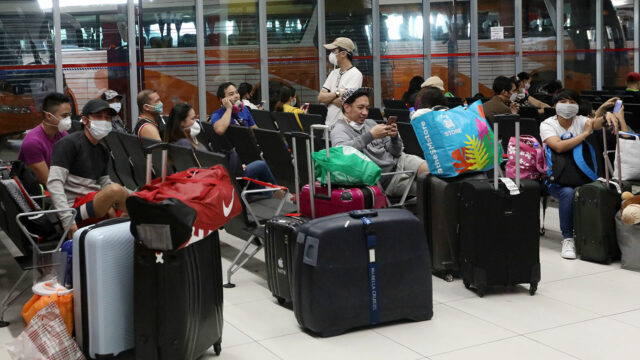

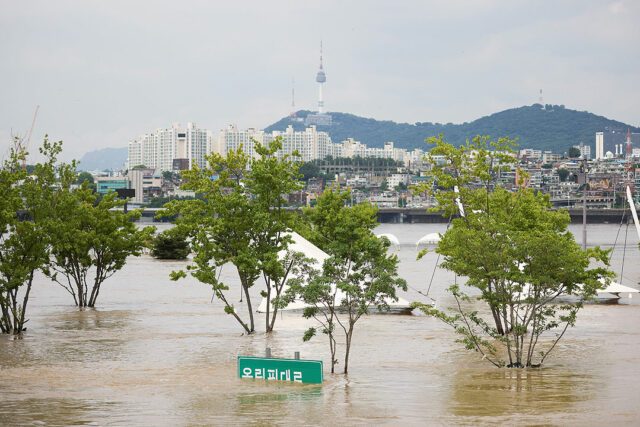
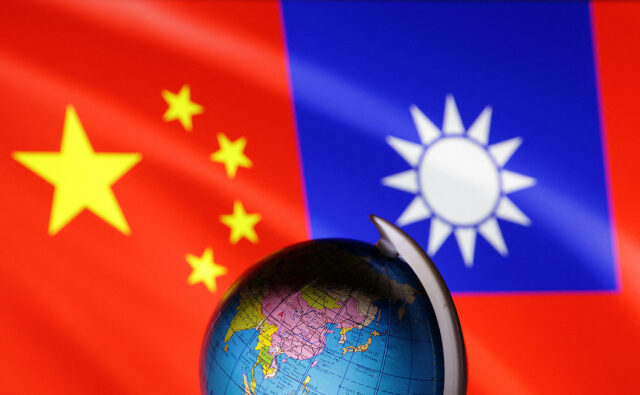
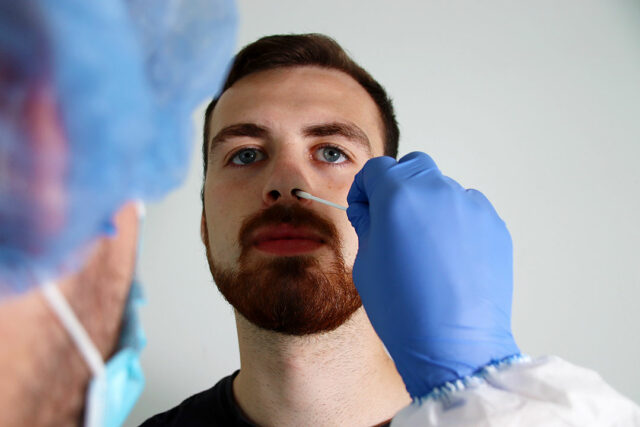
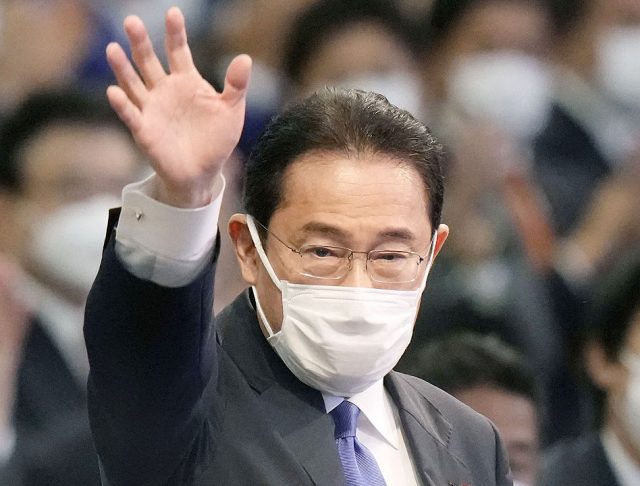




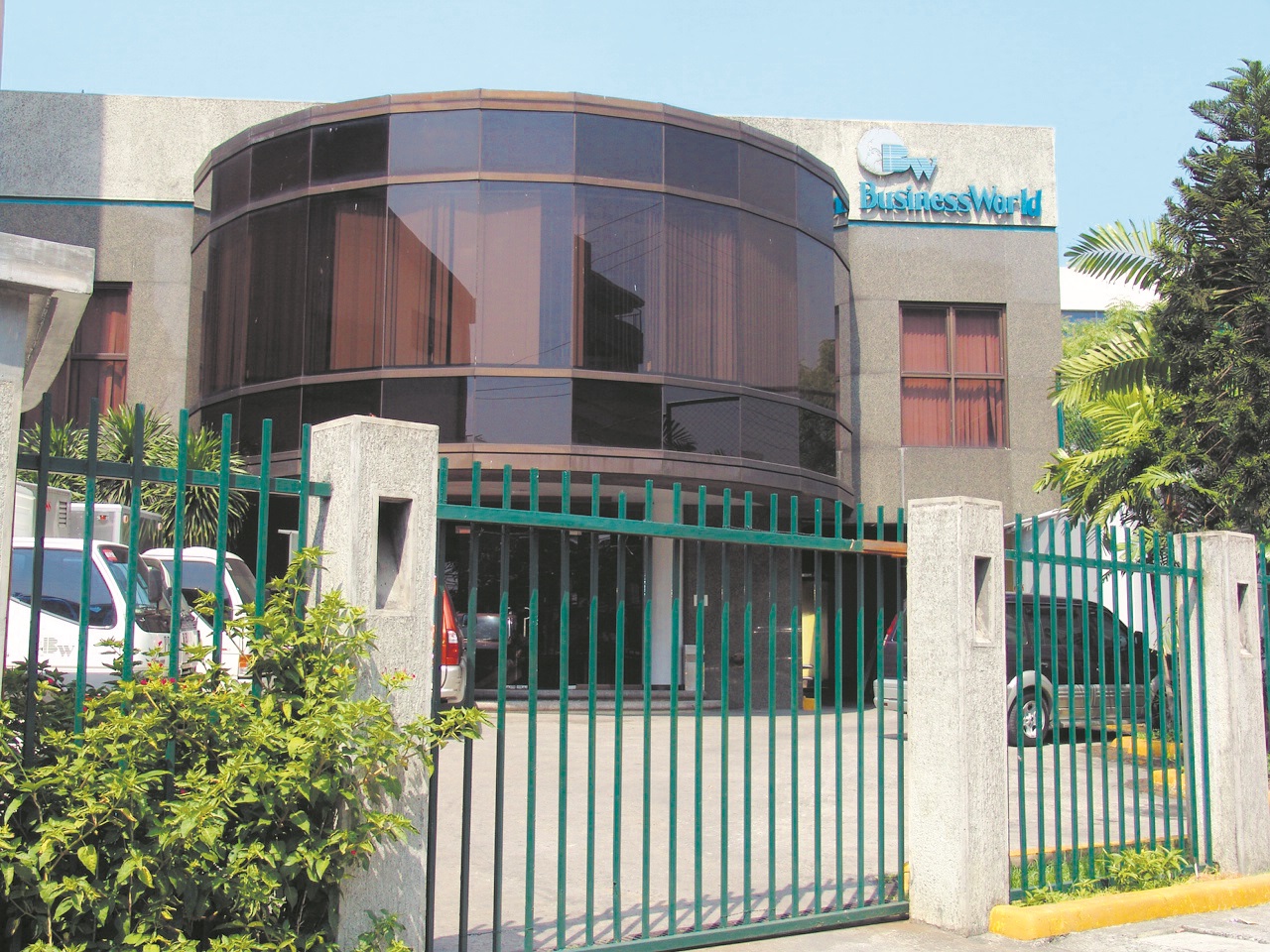
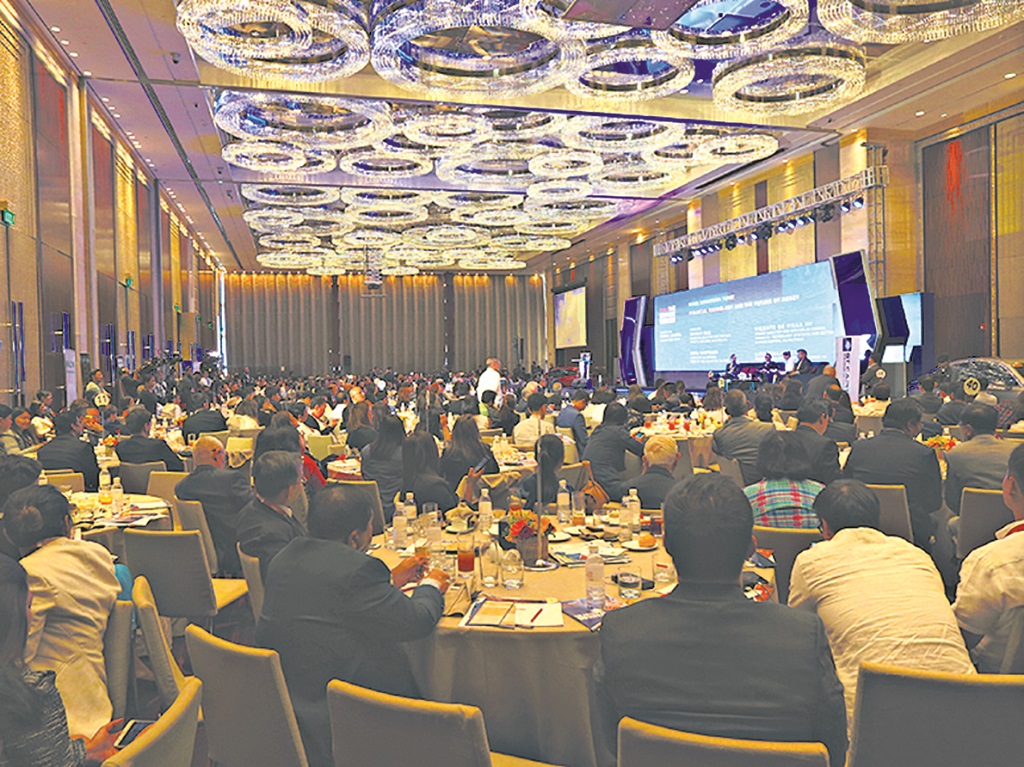

 The pace of the Philippines’ economic recovery this year shows remarkable resilience, with the country’s growth among the fastest in the Asia-Pacific region. We expect the economy to reach its pre-pandemic level in the third quarter this year, and continue its solid expansionary phase going forward. We project growth for the Philippines of at least 6.5% in 2022, thereby returning to its ideal rate of growth over the medium term. Sustaining economic growth above 6% for the next six years requires maintaining infrastructure investments above 5% of gross domestic product, and continuing improvements in the investment framework to attract quality investments, both domestic and foreign.
 New growth opportunities are emerging in information technology, renewable energy, logistics and in agriculture. Further investments in technical and vocational skills and education are critically important for preparing Filipinos to maximize the benefits from these opportunities. Climate change will pose major challenges to the Philippines’ growth trajectory, and therefore green investments in climate mitigation, adaptation and conservation are needed.