Home Blog Page 5738

Pushing forward and growing together
By Frederic C. DyBuncio, SM Investments Corp.
AS BUSINESSWORLD marks its 35th year in an ever-changing and fast-paced industry, it must have recognized the need to move forward even faster, remaining agile and constantly overcoming the challenges of this pandemic.

We share this path.

SM Investments Corp. continues to evolve and invest in our country through the years, regardless of the prevailing economic conditions. This reflects our firm belief in the resiliency of the Philippines and its people that will continue to transcend these economic cycles.

GROWING TOGETHER
While we remain watchful of headwinds from geopolitical risks and their effects on inflation, we are optimistic about consumer outlook as we have seen this gaining momentum in the last quarter.

With renewed prospects for a retail recovery, we expanded our footprint nationwide. As of the first quarter, our store network reached 3,278 stores. And with more than 30 brands across our retail footprint, we serve as a platform for these local and international brands to be more accessible to the Filipino market.

SM Prime Holdings, Inc. has also signaled its optimism, laying out an P80-billion capital expenditure program for the year for its expansion, led by its malls and residential businesses.

SM Prime through SM Hotels and Conventions Corp. recently opened SMX Convention Center Clark, a nod to the growth prospects in the Clark Freeport Zone, with the facility poised to become the area’s preferred MICE (meetings, incentives, conferences and exhibitions) and tourism destination. 

Our banks, BDO Unibank, Inc. and China Banking Corp., both delivered strong net income from sustained growth from their core businesses, increasing their nonperforming loan coverage and ensured strong balance sheets. As of the first quarter, both banks have a combined network of 2,209 branches and 5,547 ATMs.

Across our portfolio investments, we continued to see improved operations and resilient performance. These provide us good growth opportunities as we look for further investments in high growth areas in the Philippines.

Our continued growth is a testament to both the fundamental relevance of our businesses to Filipino consumers and to our long-standing financial prudence that helps fuel our expansion and growth.

But more than this, our growth means more opportunities to uplift the lives of communities.

DIGITAL TRANSFORMATION
Since the onset of COVID-19, SM has reinvented ways it can bring its products and services closer to customers. We are committed to deliver excellent customer experience by combining the online shopping experience with our very own brand of service in our brick and mortar spaces. Our enhanced digital platforms allow our customers to use a multitude of devices and platforms which further complement our continued physical expansion.

One example is The SM Store’s Call to Deliver launched in 2020, a hybrid shopping platform that allows customers to get all their daily essentials from their chosen SM Store branch with the help of a personal shopper.

In 2021, Call to Deliver accounted for 10% of total non-grocery sales last year. We expect this share to shift to foot traffic in our stores as alert levels are relaxed further.

For the younger set who are savvy and comfortable shopping online, there is SM Retail’s ShopSM where they can shop for fashion, beauty and personal care essentials from the SM Store on an online shopping portal.

For our food business, SM Markets Online provides a one-stop grocery shopping platform to customers in Metro Manila, Cebu, Davao and other key cities in Luzon and Visayas. The platform offers an assortment of wet and dry market goods as well as offerings from house brand SM Bonus. SM Markets Online is also available through the ShopSM App.

BDO for its part continues to invest in digital infrastructure to make services more accessible, easier to use and operationally efficient. It launched BDO Pay, the country’s first bank-backed mobile wallet.

Our logistics arm, 2GO Group, continued to modernize its fleet and systems to meet future customer demands and help with the revival of tourism. Our other logistics company Airspeed started its digital transformation even before the pandemic by launching several services to help micro, small and medium entrepreneurs and global Filipinos.

We will continue to invest in online technology as we see e-commerce growing even more long-term. As we keep adapting to our customers’ preferences, we will combine our strengths in both the physical and online spaces and innovate further into the future.

SUSTAINABLE TOGETHER
As an advocate for sustainability, we made a strong commitment with our recent investment in Philippine Geothermal Production Co., Inc. (PGPC). The acquisition of PGPC, which operates the Tiwi and Mak-Ban steam fields, will boost our sustainable portfolio through an investment in renewable energy production.

BDO recently issued its maiden Blue Bond amounting to $100 million, through an investment from the International Finance Corp. (IFC), which will support financing for projects that help prevent marine pollution and preserve clean water resources, while supporting the country’s climate goals.

This is a milestone for BDO, being the first private sector issuance in Southeast Asia to issue a Blue Bond. The issuance reinforces the bank’s commitment to sustainable finance, particularly in critical areas such as water conservation, wastewater treatment, plastic recycling, sustainable tourism, fisheries and sustainable seafood processing, among others.

This year also marks our second year of reporting under more stringent International Integrated Reporting Council (IIRC) guidelines. We have disclosed additional information according to the Taskforce on Climate Related Financial Disclosures (TCFD) framework, which lays out our approach and high-level roadmap relating to Climate Change.

Going forward, we recognize that protecting our environment is one of the biggest challenges we will face.

We stepped up our climate action program and together with SM Prime and NEO, a part of portfolio investments, we signed on as supporters of TCFD in 2021. We join more than 3,000 supporters worldwide to make clear our unequivocal support for private sector action, transparency in our own programs and our partnership toward common needs and goals.

SM Prime continues to lead in disaster resilience planning across all of its developments particularly as a partner in UN ARISE and by dedicating 10% of our capital expenditures to disaster resilient designs and features.

SM Prime also made one of the boldest announcements related to energy usage in the country to date, committing that 50% of their energy will be provided by renewable sources by end-2022.

Through our various businesses, we have also introduced the SM Green Movement that aims to improve the quality of life of communities through priority sustainability solutions to promote a green planet, green living and a green culture.

We continue on firmly with our journey of expansion and growth based on a long-term, sustainable approach to our environment while integrating technology into our businesses. Our vision remains, despite the uncertainties ahead, to build an ecosystem of sustainable businesses that are catalysts for responsible development to serve our communities better.


Frederic C. Dybuncio is the president and chief executive officer of SM Investments Corp. He is leading the company’s expansion and growth via landmark deals to diversify its portfolio into high growth sectors. Prior to this post, he was a career banker, spending over 20 years with JPMorgan Chase and its predecessor institutions.
Unfinished business in Bangsamoro

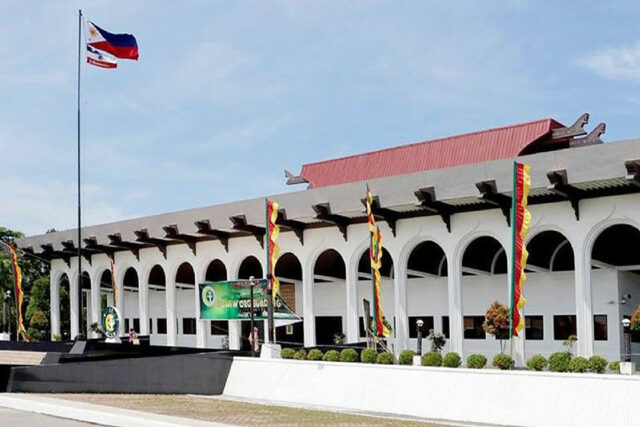
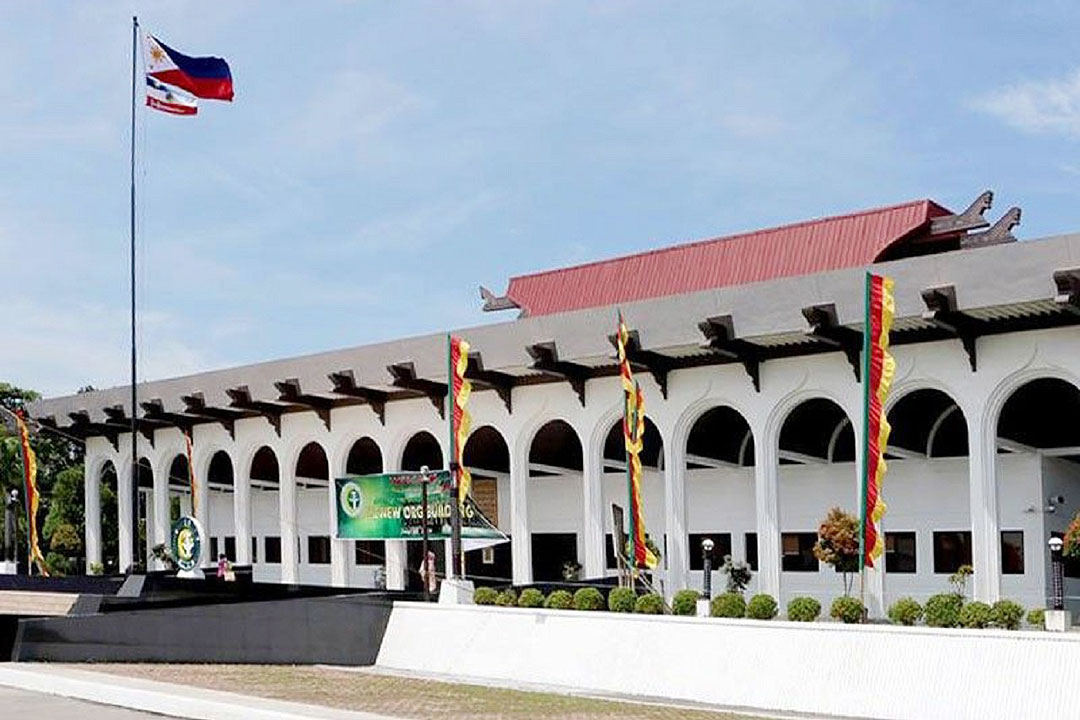
PHILSTAR FILE PHOTO
PHILSTAR

By Marifi S. Jara, Mindanao Bureau Chief

THE NEW Philippine leadership is inheriting a Bangsamoro Region that is at its most peaceful in recent years, and where economic prospects are most auspicious since the 1970s when the armed separatist movement was born.

The past two Presidents, the late Benigno S.C. Aquino III and Rodrigo R. Duterte, laid out the foundations for the Bangsamoro Autonomous Region in Muslim Mindanao (BARMM) with the signing of the peace agreement in March 2014 and the passage of the Bangsamoro Organic Law in July 2018. 

These milestones made headway despite serious tangles: the 2015 Mamasapano mishap during Mr. Aquino’s term; and the 2017 Marawi siege under Mr. Duterte, the costliest single conflict in post-World War II Philippines in terms of loss of life and property.

BARMM is now a region in transition with an expanded territory, holding greater power for self-determination, and more fiscally independent.

“The gains in peace have facilitated private-sector confidence as evidenced by the increase in investment generation, and socioeconomic improvement as seen in the decrease in poverty incidence which is at its lowest in the BARMM,” Presidential Peace Adviser Carlito G. Galvez, Jr. said during the Duterte Legacy Summit on May 31.

In 2019, the first year of the transition period under a new regional government, violent incidents dropped by 9% to 2,655 from 2,910 in 2018, according to the Conflict Alert 2020: Enduring Wars report released in January 2021.

Previously, violent incidents stood at 4,363 and 4,140 in 2016 and 2017, respectively. The decline was sustained in the first half of 2020 as mobility restrictions were imposed to contain the coronavirus outbreak, based on the report.

The Philippines as a whole climbed four spots to 125th in the Global Peace Index (GPI) 2022.

“The improvement in peacefulness was driven by changes in the Safety and Security and Ongoing Conflict domains,” according to the annual report produced by the Institute for Economics and Peace (IEP) headquartered in Australia.

“The Philippines has actually improved every year in the last four years,” IEP Founder and Executive Chairman Steve Killelea said in an online interview with BusinessWorld.

He discounted the risk of terrorism intensifying in the Philippines, allowing the country emerging as a hub in Asia.

“The hotspot for terrorism today is the Sahel (region) in Africa, where 10 countries there accounted for 43% of all deaths from terrorism in 2021.”

Mr. Killelea said the biggest threat to peace in the medium term is the economic disruption being felt globally from the tail end of the pandemic and the war in Ukraine.

“There are storm clouds brewing globally that will impact the Philippines,” he said. “The backend of COVID, supply chain issues that push inflation, and now we’ve got the Ukraine war. And even in places as far away as the Philippines, this is having an impact, again on supply chains, but especially on food and the cost of energy.”

“And so economic management becomes exceptionally important,” he said.

RECOVERY
Between 2018 and 2021, government data show the Bangsamoro area posted its biggest drop in poverty incidence within the first semester period, with the rate improving to 39.4% last year from 55.9% four years prior.

The latest poverty rate, however, remains the highest among 17 regions in the country.

BARMM’s economy, as measured through gross regional domestic product, posted the second-highest growth among all regions in 2021 at 7.5%, a significant recovery from the contraction of 1.9% in 2020. This is consistent with the national gross domestic product rebound from the first year of the coronavirus pandemic.

Keeping the recovery momentum in the BARMM should not be a problem in terms of financial resources. Spending available funds, however, is a major test for the Bangsamoro Transition Authority’s (BTA) governance capacity.

The region — with an annual block grant from the National Government guaranteed under the law plus a special development fund — has an approved budget this year of P79.86 billion.

Almost half of the total budget or 48% is allocated to education, health and social services. Economic services account for 26.6%, which cover infrastructure development and programs for key sectors such as agriculture, transport and communications, trade, and tourism.

General public services have a 23.5% share while 1.8% goes to public order and safety.

The regional government can also use its unspent 2020 and 2021 budgets until the end of 2022, based on a law passed by the Bangsamoro Parliament in December last year.

Datu Hilmie Khan C. Haron, chief budget and management specialist of the Ministry of Finance, Budget, and Management, underscored during a January forum on the budget monitoring system that the regional government has been able to institutionalize reforms and set up mechanisms for sound fiscal management.

“(The funds) are entrusted to us as guardians and financial managers of the public resources,” Mr. Haron told budget and planning officers and other representatives of the BARMM ministries.

“It is our sole responsibility to protect the integrity of the Bangsamoro Government, upholding the principles of moral governance in everything that we do in pursuit of genuine and meaningful autonomy,” he said.

Political analyst Ramon C. Casiple said while the Bangsamoro shifts towards greater autonomy, the Marcos administration must not think that the regional government should now be left to its own devices.

“Bangsamoro is a project in transition… this is a different level of governance, it’s not part of the normal system in the Philippines that we have regional governments,” said Mr. Casiple, executive director of the Institute for Political and Electoral Reform.

“Recognizing this transition requires that the National Government should pay attention to the ideas coming from that particular area since this is a new beginning for them.”

As a startup region, its leadership, composed of the members of the transition authority, is contending with a multitude of issues, both old and new, that are all linked to keeping the peace and ensuring inclusive development in the poorest part of the Philippines.

The independent Third Party Monitoring Team (TPMT) that is keeping watch on the normalization process has underscored the need to synchronize the rollout of socioeconomic programs alongside the decommissioning of former armed combatants of the Moro Islamic Liberation Front (MILF).

“Decommissioning is perhaps the most challenging part of the normalization process,” the TPMT said in its 7th Public Report covering the period November 2020 to January 2022.

Under the decommissioning process, the MILF, which signed a peace deal with the government in 2014, committed to turn over weapons in phases, to be complemented by development and social service programs for former rebel camps and communities.

“All these (socioeconomic support projects) have been rather slow in coming… this is something which really should be addressed,” TPMT Chair Heino Marius said at the report launch in March.

Director Wendell P. Orbeso of the Office of the Presidential Adviser on Peace, Reconciliation and Unity said programs for the normalization as well as political tracks of the peace process did gain momentum despite the additional challenges posed by the coronavirus crisis.

“We are currently in Phase 3 in the implementation of the normalization track wherein we are in the process of decommissioning an additional 35% or 14,000 MILF combatants which commenced on Nov. 8, 2021,” Mr. Orbeso said during the last meeting of the Duterte government’s Inter-Cabinet Cluster Mechanism on Normalization (ICCMN) in late June.

TRANSFORMATION
The transformation of former MILF camps, meanwhile, is getting multi-sectoral support, with projects involving the security forces, civil society, foreign governments, and international agencies.

One of these projects, the Access to Legal Identity and Social Services for Decommissioned Combatants, deals with something fundamental: Documenting and establishing individual identities of not just decommissioned combatants but also those who are still non-decommissioned and civilians who live in and around the camp communities.

“We are assisting the national ID program in registering these individuals… as part of the camp transformation, their reintegration into civilian life,” said Marco Bayadog, program manager of IDEALS, Inc.

The nonprofit organization is implementing the program, funded by the European Union, United Nations Development Programme, and the Australian government.

“So they’ll be ready, they have legal documents for them to access socioeconomic benefits (from the government),” he said.

In the course of their ground work, Mr. Bayadog said the most striking encounter he had was with an 80-year-old man whom he noticed was looking intently at his document after registration.

It turned out that the man could not read and he was curious where his name was indicated and what everything else on the paper meant.

“I explained that this is your name, the family name of your mother, father, where you were born, your home address, your rank among your siblings,” Mr. Bayadog said in an online interview.

“And he said to me: This is a wonderful document because now my children and my grandchildren have a reference for where I came from.”

Mr. Bayadog, who also worked on initiatives for Marawi City’s displaced residents, said he was moved by the realization that for the old man, receiving social benefits such as a senior citizen allowance was not as valued as establishing a tangible piece of history — and being able to connect his roots to his family and the generations to come.

SUSTAINING THE GAINS
Mr. Galvez, speaking at his last ICCMN meeting under the Duterte administration, said the “dividends of peace” are now being felt in the Bangsamoro.

He also rallied career officers and employees in the ICCMN member agencies “to provide the same level of support to the incoming administration” in order to sustain the gains in the BARMM.

Mr. Galvez, one of the key generals who led security forces in the Marawi battle against Islamic State-linked local terrorist groups, has been designated by President Ferdinand R. Marcos, Jr. as holdover peace adviser until the end of the year. 

Another national-regional mechanism, the Intergovernmental Relations Body, which was set up to address concerns and speed up the transition process, also left a detailed report on its achievements as well as pending issues that need attention — including coordination in natural resource management, transfer of public assets, and the rights of indigenous communities within BARMM, among others. 

“With this report, we hope to guide the next administration in building on the significant gains we have made and in driving the BARMM’s transition process towards completion,” former Finance Secretary Carlos G. Dominguez III said during a presentation ceremony in Malacañang in mid-June. 

Mr. Dominguez co-chaired the body with BARMM Education Minister Mohagher Iqbal, who was also the MILF’s chief negotiator during the peace talks.

Mr. Casiple said the Bangsamoro is “certainly an important and pressing matter” that the Marcos administration could not simply put on the back burner.

“This (the BARMM establishment) is already progress in itself,” he said, but “the Duterte administration has not finished the job.”

Sustaining the peace efforts, Mr. Galvez said, ultimately benefits the whole country in terms of reputation and economic gains.   

“The region has now become a show window for peace and development. It has certainly come a long way since the days when investors shied away,” he said in a statement in early June.

Brian Harding, Southeast Asia senior expert at the United States Institute of Peace (USIP), said what happens to the BARMM peace process matters not just for the region and the Philippines, but globally.

Speaking at a USIP-organized conference on June 14 in Cotabato City, BARMM’s regional center, Mr. Harding said the world needs to see “peace-building success stories” as in the unfolding tale of the Bangsamoro.

As food security issues weigh on the Philippines: Here is where fisheries management might be headed

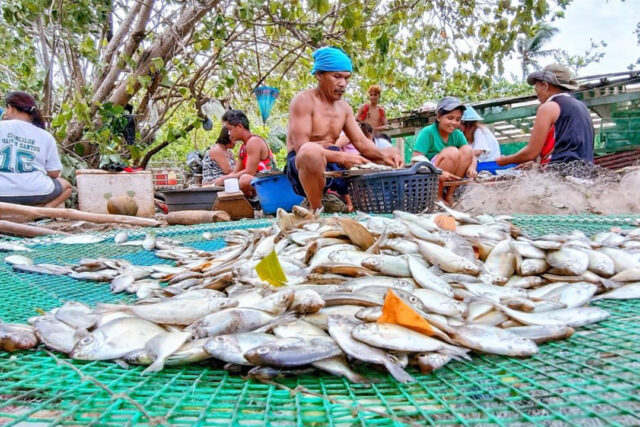
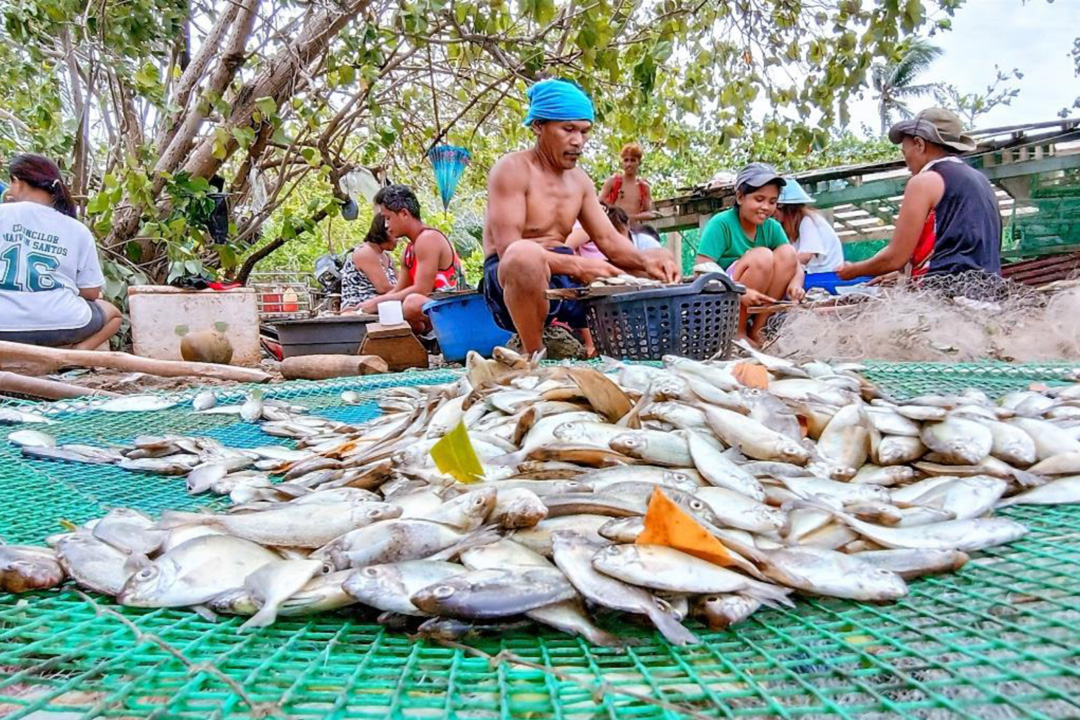
A FAMILY of siganids fishers in Eastern Samar. — MARCIAL VILLANIA BOLEN

By Edwina D. Garchitorena and Caterina Maria Po, Environmental Defense Fund

FISHERIES are a vital source of nutrition, jobs, and community well-being for millions of Filipinos — and yet they are increasingly at risk from climate change, overfishing and data-poor management structures. To enhance community well-being and improve the lives of fishers and those involved in the industry, we must take steps to build greater resilience into the way we manage this vital national resource.

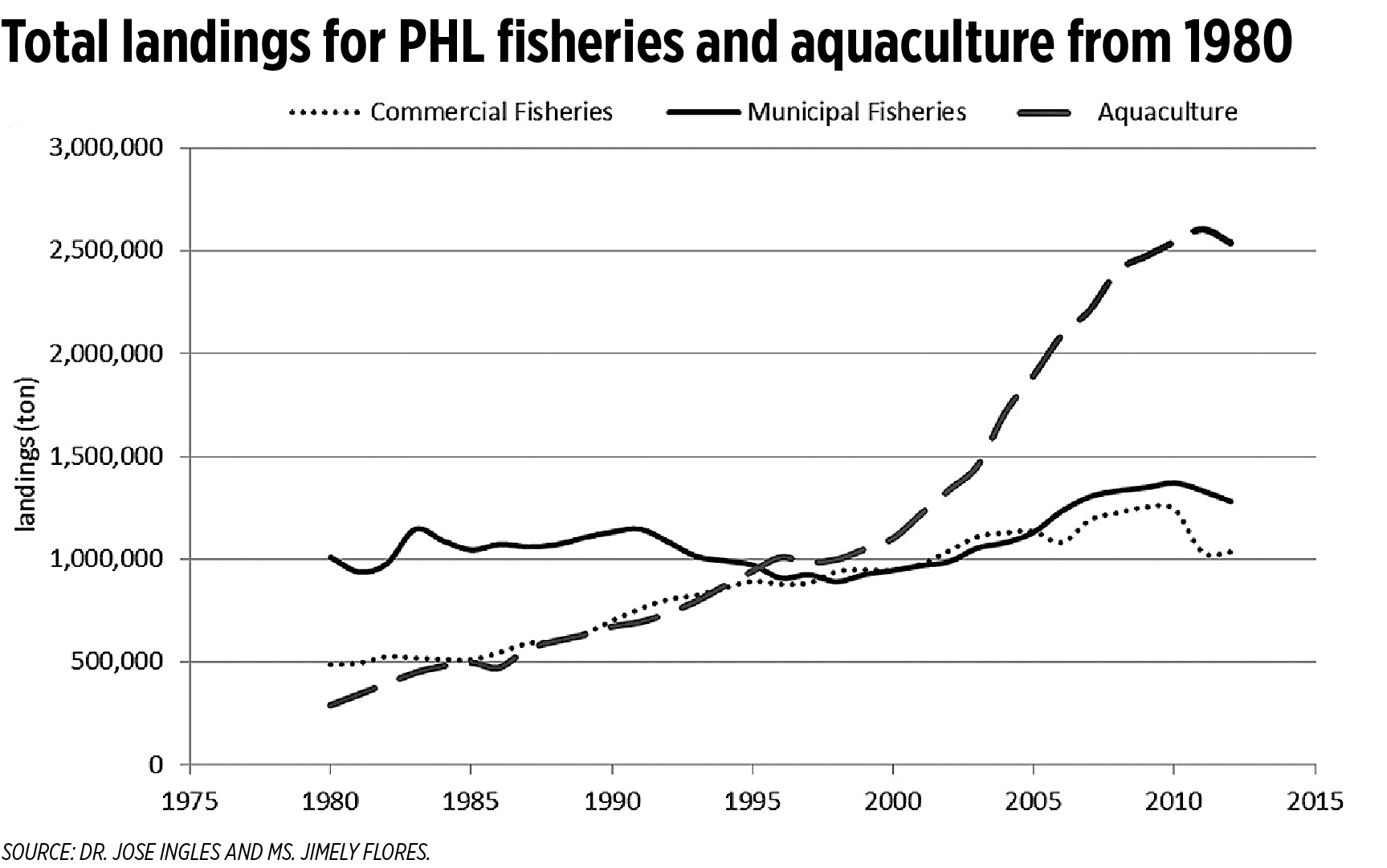
But there are challenges to creating greater sustainability in tropical fisheries. For one thing, they’re complex, with many species and types of fishing gear involved, where different species can be caught at the same rate. In addition, catches are brought into multiple small landing areas, which makes effective monitoring and sustainable management extremely challenging. The situation is made even more complex by climate change, which will have oversized impacts on catch, availability of fish, and species. That said, overfishing is an equally critical driver of declines in production. We have been systematically depleting our fishery resources since the 1950s, from nearshore reef and soft-bottom species (such as shellfish, and rabbitfish) to offshore ground fish and pelagic fish (such as tuna, skipjack, sardines, mackerel, and scad) in a kind of slash and burn pattern.

Although data show a steady increase in production from 1950 to 2010, a closer look indicates that fleets started plying the nearshore areas, and as the more valuable reef and soft-bottom finfish and shellfish species ran out, they mechanized and moved further and further out in search of catch. Today the Philippine fisheries are composed primarily of sardines, galunggong (scad) and other small pelagics and forage fish like anchovies, which are important sources of food for larger fish such as tuna, as well as for humans.

The impacts of the way we have fished, and continue to fish, include shifts in ecosystem balances, biodiversity loss, changes in species composition, and reductions in volume and quality of fish. And we have not started documenting the adverse effects of climate change on our fish stocks.

COVID-19 has also affected the sector. The United Nations Food and Agriculture Organization (FAO) has noted, “The impacts of COVID-19 have affected fisheries management processes. Some fish assessment surveys have been reduced or postponed; obligatory fisheries observer programs have been suspended; and this postponement of science and management meetings will delay implementation, monitoring, and enforcement of these measures. 

A lack of monitoring and enforcement may encourage a less responsible level of management, monitoring, and control of fishing operations and there is a risk that levels of illegal, unreported and unregulated (IUU) fishing will increase.”

Now, more than ever, the need for the scientific management of fishing operations, driven by evidence and supported by its stakeholders, is key.

Within the context of the pandemic, NEDA released its “We Recover As One” paper, stating that “the new normal for the agriculture and fishery (A&F) sector calls for a heightened policy focus on food security. As one of the key production sectors, NEDA emphasized the need for the government to “continue the strict enforcement of the government’s policy measures to ensure agriculture/food production and supply chain.”

Fisheries Management Area (FMA) 8, on the country’s eastern seaboard, covers the Leyte Gulf from eastern Samar to the Dinagat Islands, as well as the Surigao Strait and the waters around Siargao. It is among the most vulnerable areas to climate change, typhoons, and extreme weather events, as evidenced by Typhoon Yolanda and the more recent Typhoon Odette.

FMA 8 fisheries are typical of the tropics – they are complex multispecies and multi-gear fisheries, primarily small-scale or municipal, with limited data and information for sound decision making. 

The planning process, guided by the EAFM principle, integrates both science (including climate) and stakeholder involvement, towards a fisheries management plan that is based on biological as well as social and economic goals expressed by stakeholders. Management measures will be chosen in consultation with fishers and communities, to ensure a higher level of compliance. While the final plan will be specific to the area and the particular fish stocks within the FMA, the process will set a solid foundation so that it can be replicated in other FMAs across the Philippines. 


Edwina D. Garchitorena is Philippine director of the Oceans Program for Environmental Defense Fund. Caterina Maria Po is a recent graduate of the University of Hawaii at Mānoa, where she studied natural resource management. She aspires to a career as a conservationist.

The jobs outlook: Take care of farmers and the rest will follow

JCOMP-FREEPIK
JCOMP-FREEPIK

By Kyle Aristophere T. Atienza, Reporter

CHEAPER FOOD, more jobs, and a continued focus on infrastructure were among President Ferdinand R. Marcos, Jr.’s promises when he ran in the 2022 presidential election. He urged migrant workers to return and help rebuild the economy.

Mr. Marcos’ landslide victory has been attributed to “nostalgia” for the days when his father, Ferdinand E. Marcos, Sr., ran the country, though the tail end of the latter’s rule was marked by an economy in collapse.

The younger Mr. Marcos signaled in calling for food self-sufficiency a turn in a decidedly populist direction, a policy choice which he is well-placed to implement after appointing himself Agriculture Secretary. It follows that much of his attention will be occupied by farming matters early in his term. How must he go about achieving his goals?

To limit food imports “as much as possible,” Mr. Marcos needs to ensure that new jobs in the agriculture and food sector are created while improving the lot of the farmers and workers in those industries, according to Roy S. Kempis, a retired professor at the Pampanga State Agricultural University. 

“To overcome food shortages in the Philippines, we need import substitution and food sufficiency measures,” Mr. Kempis said, adding that this starts with boosting the agricultural production workforce.

The imperative to create and improve jobs must operate side-by-side with the need to modernize the industry, which means the jobs should be heavily weighted towards higher-value occupations like equipment operators and, ideally, jobs with more technology content to harness whatever the sciences have to offer in improving yields and making crops more resilient, he said.

This is in keeping with the United Nations Food and Agriculture Organization’s (FAO) call to governments to invest heavily in sustainable agricultural mechanization, long neglected in developing countries.

The FAO said increasing mechanization levels does not necessarily mean big investments in machinery, noting that farmers just need to “choose the most appropriate power source for any operation depending on the work to be done and on who is performing it.” 

“The level of mechanization should meet their needs effectively and efficiently,” it said.

Mr. Kempis said the push for modernization, as promised by Mr. Marcos, will require a review of the agriculture curriculum in schools to ensure that students and their teachers are ready to meet the challenges faced by the industry. Future jobs are likely to include machinery operators guided by global positioning systems (GPS) in land preparation, irrigation, fertilizer application and harvesting.

“We need teachers and trainers who are also practitioners,” he said. “We need fair wages or salaries for these teachers and trainers.”

The President’s self-sufficiency goals over the long term will build the agriculture value chain and generate more jobs in related industries, according to Ayn G. Torres, an agricultural economist and researcher.

“If indeed a significant increase in agricultural labor is expected, other sectors will follow suit,” she said.

Ms. Torres said migration of workers to areas where the demand for agriculture and food jobs is high may be expected.

The government needs to ensure that labor supply is sufficient and that equilibrium in the labor market is maintained, she added.

“If agri labor is to be increased, from what other sector do we anticipate the shift to come — services or industry?” she said. “What is the target and the optimal balance of employment to labor output for the economy?”

“Are we prepared to increase minimum wages for the agriculture sector, which have historically been way below the minimum?”

She said the new administration will face decades-old challenges confronting agriculture, which she said has been stunted by low wages and declining productivity.

These point to the need to draft a roadmap for the entire agriculture value chain, which should address the labor aspect, Ms. Torres said.

“Despite many claiming that the Philippines is an agricultural country, we can observe in the past decades since the late 1980s that in terms of labor and output, other sectors have overtaken the agriculture sector,” she said.

Employment in the agriculture sector was reported at 22.52% as of May, against 59% for the services sector.

“There are many factors for the low employment rate in agriculture and one of them is the low minimum wage,” Ms. Torres said.

In 2019, farm workers received wages averaging P331.10 per day, according to the Philippine Statistics Authority (PSA).

“Labor productivity in agriculture has also been very low, in contrast with industry where despite a small share of workers, contributes greatly to gross domestic product (GDP),” Ms. Torres said.

These problems are “compounded by the fact that those who venture into small- and medium-scale businesses have very few incentives,” she said. “In order to address agricultural labor, the root cause — (the lack of support for) investment — should also be addressed.”

BEYOND AGRICULTURE
Mr. Marcos, 64, has also pledged to address the climate crisis by increasing the Philippines’ investments in renewables.

Mr. Kempis said that the administration needs to fulfill this promise “to overcome power outages” in agricultural areas badly hit by typhoons. “We need to substitute costly fossil fuel-based crude oil and dirty coal with accessible and renewable energy sources.”

Mr. Kempis said the green promise could mean more jobs in the clean energy sector — ranging from crews installing components of solar panels, controllers of battery storage systems, and workers building facilities tapping alternative energy sources.

Mr. Marcos has also promised to pursue an infrastructure program that will benefit farmers.

This could mean additional farm-to-market roads, irrigation facilities, flood barriers, and sewer and energy transmission lines.

Terry L. Ridon, convenor of InfraWatchPH, said the government needs to increase wages and benefits in the infrastructure sector to attract more talent to engineering and construction.

“Due to this very wide wage gap, we are losing them to other countries which can pay more than double local wages,” he said.

The government has signaled a shift to public-private partnerships (PPPs) in infrastructure development, which economists have welcomed.

In its transition report, the previous Agriculture leadership asked the new administration to award big infrastructure projects, including irrigation works, to the private sector.

“More PPPs should certainly generate more jobs for ordinary Filipinos, but this is dependent on how fast PPPs are greenlighted by the current government while ensuring social and environmental safeguards,” Mr. Ridon said. “There can be no massive job generation in PPPs until the last government approval has been secured.”

“The government can adopt the initiatives of the private sector to create new areas of study to support the country’s infrastructure push.”

Mr. Ridon said job creation in the infrastructure sector depends largely on how efficient the government is in implementing projects, citing underspending as a key risk.

As gov’t scrambles to achieve food security, it mustn’t forget about climate change

MIKEERSKINE HZ0-UNSPLASH
MIKEERSKINE-HZ0-UNSPLASH

By Luisa Maria Jacinta C. Jocson, Reporter

CLIMATE CHANGE is expected to reduce agricultural productivity and disrupt food availability if the government does not integrate mitigation measures in future policy, analysts said.

“We have been experiencing extreme weather events due to climate change. Torrential rains and strong typhoons lead to floods which cause heavy damage to crops. These calamities are occurring more frequently and it is expected that they will get worse,” Vincer V. Quibral, Food Security Cluster Coordinator of The Climate Reality Project Philippines, said in an e-mail.

According to the World Bank, storm surges are projected to affect about 14% of the Philippine population and 42% of coastal populations.

Informal settlements, which account for 45% of the Philippines’ urban population, are particularly vulnerable to floods due to less secure infrastructure, reduced access to clean water, and lack of health insurance.

“For the ordinary Filipino, climate change is increasing temperature and precipitation that leads to droughts and floods. When these are intensified by wind from typhoons, the physical destruction of agriculture and food production areas could be massive,” Roy S. Kempis, retired Pampanga State Agricultural University professor, said in an e-mail.

In agriculture, the effects of climate change manifest in pest damage, crop failure, and crop diseases, among others.

“As temperature rises, insects digest food faster, thereby damaging more crops. Crops also become more susceptible to pests when the temperature rises, which in turn affects the health of the crops. If these issues are not properly addressed, food production will diminish and it will be hard to provide food to all,” Mr. Quibral added.

According to the Intergovernmental Panel on Climate Change (IPCC), pests like the golden apple snail threaten the top Asian rice-producing countries.

“Increasing temperatures, changing precipitation levels, and extreme climate events like heat waves, droughts and typhoons will persist to be important vulnerability drivers that will shape agricultural productivity particularly in South Asia and Southeast Asia,” the report added.

Rowena A. Buena, a regional director with the Magsasaka at Siyentipiko para sa Pag-unlad ng Agrikultura (MASIPAG), said changing weather patterns and erratic rainfall brought about by climate change floods farms and destroys crops and agricultural infrastructure like roads, seed storage, and post-harvest facilities. 

“Specifically, intense drought and rainfall are hurting our rice farmers (to the extent that) planting is now seen as an unsustainable livelihood (because farmers are) unable to harvest and sell their crops. Their children and the youth in the rural communities who are supposed to continue farming and food production are now choosing to find work in urban areas to avoid agricultural work, becoming wage laborers instead, further weakening the future and continuity of the agricultural sector,” she said in an e-mail.

The IPCC said that recent studies have linked the frequency and extent of the El Niño phenomenon with global warming, which can substantially degrade crop and fisheries production.

According to the World Resources Institute, the Philippines will likely experience severe water shortages by 2040, with agriculture bearing the brunt.

“The looming impact is on food security because climate change can lead to hunger and malnutrition in some pockets of our population, in areas directly affected by droughts and floods brought about by high temperatures, high rainfall, or typhoons,” Mr. Kempis said.

“While only some pockets of the Philippine population will be affected by reduced physical supply of food, efforts to meet their needs from areas where there is sufficient supply could increase prices, not only in the physically affected areas but also in the areas where the supply comes from. So overall, there will be further impact,” he added.

Among the segments of agriculture, rice is considered one of the most at-risk crops when the climate changes.

“Rice farming is the most vulnerable agri-subsector in the Philippines against climate change. First, rice is the most important staple food in the Philippines. Despite that, the majority of rice farmers are living in poverty. Rice farmers can hardly protect themselves from extreme weather events,” Mr. Quibral said.

“Second, rice is mostly cultivated in lowland areas, which makes it vulnerable to floods. Most rice production depends on an abundant supply of water. With dwindling sources of water due to climate change, less rice is being produced,” he added.

Ms. Buena said it is getting harder to maintain a substantial crop yield as erratic weather conditions and intense typhoons either destroy farms or disrupt cultivation and planting schedules.

An analysis of temperature trends and irrigated field experiments at the International Rice Research Institute (IRRI) shows that grain yield declines by at least 10% for every 1°C increase in growing-season minimum temperatures during the dry season.

Apart from crops, the livestock industry is also at risk as farm animals become more susceptible to diseases due to fast-changing weather. 

“Moreover, livestock shelters are now more easily destroyed by strong wind and rain leaving them exposed and vulnerable to extreme weather events,” Ms. Buena added. 

A study on water buffalo production in Nueva Ecija cited feed availability and animal health as the factors most severely affected by extreme weather, according to the IPCC.

Moving forward, the government must ramp up its efforts to prepare farmers, fisherfolk, and agricultural workers to deal with the impending effects of the climate crisis.

“Government representatives from the agriculture sector must reach out to every farmer and show that their roles are very important in securing food for the country. It is important that farmers’ concerns are heard. Creating a healthy relationship will make it easier to educate farmers regarding climate issues,” Mr. Quibral said.

“The government must ensure the provision of wider insurance coverage for crops and livestock, as well as assistance and incentives for practitioners of environment-friendly farming practices. Our forests must also be rehabilitated to increase water supply, protect farmers from unfavorable weather conditions, and provide natural and regenerative resources,” he added.

Ms. Buena said conventional farming practices render farmers uniquely vulnerable to climate change.

“Conventional farmers have already become dependent on the use of costly chemical-based inputs which they can access usually through debt. The use of chemical inputs through time has weakened soil structure and degraded soil integrity which makes it more challenging for farmers to harvest more than the value of their input; and, increases the possibility of soil erosion,” she said.

“Thus, conventional agriculture does not only make farmers vulnerable to the hazard of landslides and flooding during disasters but also challenges them financially, limiting their resilience and ability to prepare for the impact of natural disasters aggravated by climate change,” she added.

Organic agriculture should also be promoted, as it offers a sustainable approach to ensuring food security while maintaining agrobiodiversity.

“Maintaining diverse crops and livestock, and the effective integration of different components, promote resilience that can support the communities’ need for food and reduce the hazards (from) natural calamities,” Ms. Buena added.

Mr. Kempis said some short-term solutions are to ramp up the replenishment of seed and seedling stock, as well as other crop production inputs, starter livestock and poultry stock including native chicken, fingerlings for aquaculture, and equipment for the fish capture industry.

“In the long run, the government should further strengthen research and development and innovation, starting with increasing budgets to hire more scientists, technology professionals, and marketing and logistics persons,’’ he added.

In order to deal with the changing climate, climate-smart technology and mechanics should be among the priorities, including “organic agriculture, agroforestry, bio-intensive farming, and many more,” Mr. Quibral said.

“This way, farmers will have increased production and income and will be adapted and resilient against climate change. On top of that, greenhouse gas emissions are either reduced or removed. Instead of harming the environment, agriculture can be a solution to climate change and other environmental issues,” he added.

Ms. Buena touted MASIPAG’s Collection, Identification, Maintenance, Multiplication, and Evaluation (CIMME) program, which identifies climate-resilient varieties of rice.

“Through CIMME, indigenous and local rice collected are organically grown and maintained in trial farms, while some are improved through breeding. Some of the varieties or selections are observed to have climate change resilient characteristics,” Ms. Buena added. 

Mr. Kempis said that the Early Warning Intelligence and Information System (EWIIS) is still among the best available measures for droughts, floods and typhoons.

In terms of farming practices, he said protection starts with identifying the vulnerable agricultural and food production areas. 

“A rotational schedule of enhancing production in less vulnerable areas and reducing production in vulnerable areas, according to data and information of projected occurrences using EWIIS, should be followed as a public policy and adhered to by communities. Crops will vary following this rotational schedule,” he said.

“Then there is the enhanced research and discovery of more resilient varieties of crops and breeds of animal. These resources must be made available by way of storing crucial stocks of certified seed and genetic material of animals in secure facilities,” he added.

The new government appears to recognize the threat from climate change and the need to finance mitigation projects, but Mr. Quibral called for active participation by farmers in policy making. 

“Project implementation should be encouraged and the government should bring the technologies and know-how to every Filipino farmer. Moreover, grants and projects for farmers must be climate-sensitive,” he said.

“Building the capacity of our farmers on climate-smart agriculture is also critical in the coming years. If properly educated, our farmers can eventually provide food for the country, instead of relying on importation,” he added.

“The Philippines is not lacking in ideas, talent, resources, and existing models of modern food and agriculture production,” Mr. Kempis added.

Marcos stakes his presidency on agriculture

PIXABAY
PIXABAY

By Timothy Roy C. Medina, Associate Editor

PRESIDENT Ferdinand R. Marcos, Jr.’s decision to appoint himself Agriculture Secretary dispenses with the usual expedient of appointing a fall guy to a difficult Cabinet post, to be fired later as needed, to insulate the Chief Executive from all blame. For this reason, the appointment has been called unwise, coming as it did after a campaign promise to bring the price of rice to an impossibly low P20. That’s one way of looking at it, at least. The other way is that he wants to make an honest-to-goodness effort at bringing rice prices down. To do so, unless rice productivity grows in a completely unexpected way, it is looking more and more like he will need to loosen the purse strings.

A President serving in the Cabinet is not unprecedented — President Gloria Macapagal-Arroyo was briefly her own Defense Secretary, twice, in 2003 and 2006-2007. And while Mr. Marcos has signaled that he will take on the Department of Agriculture (DA) in a temporary capacity, enough to get the ball rolling on what is likely to be a bit of housecleaning, it is not clear that a tenure as brief as Ms. Arroyo’s at Defense will be sufficient to make a dent on the inefficient agriculture industry.

There is quite a bit more precedent for up-and-coming politicians installing themselves in populist jobs as a stepping stone to higher office. As Vice-President, Ms. Arroyo ran the Department of Social Welfare and Development (DSWD), apparently on the calculation that looking after the welfare of the marginalized would boost her profile when she was ready to move on to the Palace. Senator Cynthia A. Villar, after topping her group of Senate candidates, seemed quite eager to chair the Committee on Agriculture and Food, which, at the very least, offers the opportunity to travel extensively and shake lots of hands in farms all over the country. Vice-President Sara Duterte-Carpio’s stint as Education Secretary gives her a department with a massive budget, schools to inspect in every town, and supervisory control over teachers whose summer job is counting ballots in May.

That makes Mr. Marcos’ decision to take on quite possibly the most demanding Cabinet job of the next few years all the more mysterious, because it’s a risk. The core of the mystery lies in the fact that he did not need to do so. He’s not exactly an up-and-coming politician eager to prove himself on the way to better things; he has already won the top job, and by a landslide. That he is in charge of Agriculture during the worst global food crisis in recent memory might suggest a certain recklessness, even an overconfidence in his own ability or that of his advisers.

While some experts do believe P20 rice is possible, just not immediately, the difficulty of getting rice down to that price is illustrated by the current price at which the National Food Authority (NFA) sells domestic rice to consumers. It lists well-milled rice at a highly concessional P25-P27 per kilogram, depending on variety. This NFA product is intended for poorer buyers who want to stretch their peso by not paying the asking price of commercial traders, though supply is determined by how much of the harvest the NFA actually purchases — a constraint defined by the NFA’s often limited procurement budget. Organizations that need rice for relief operations, such as the DSWD and the Red Cross, get to buy for even less — P23-25.

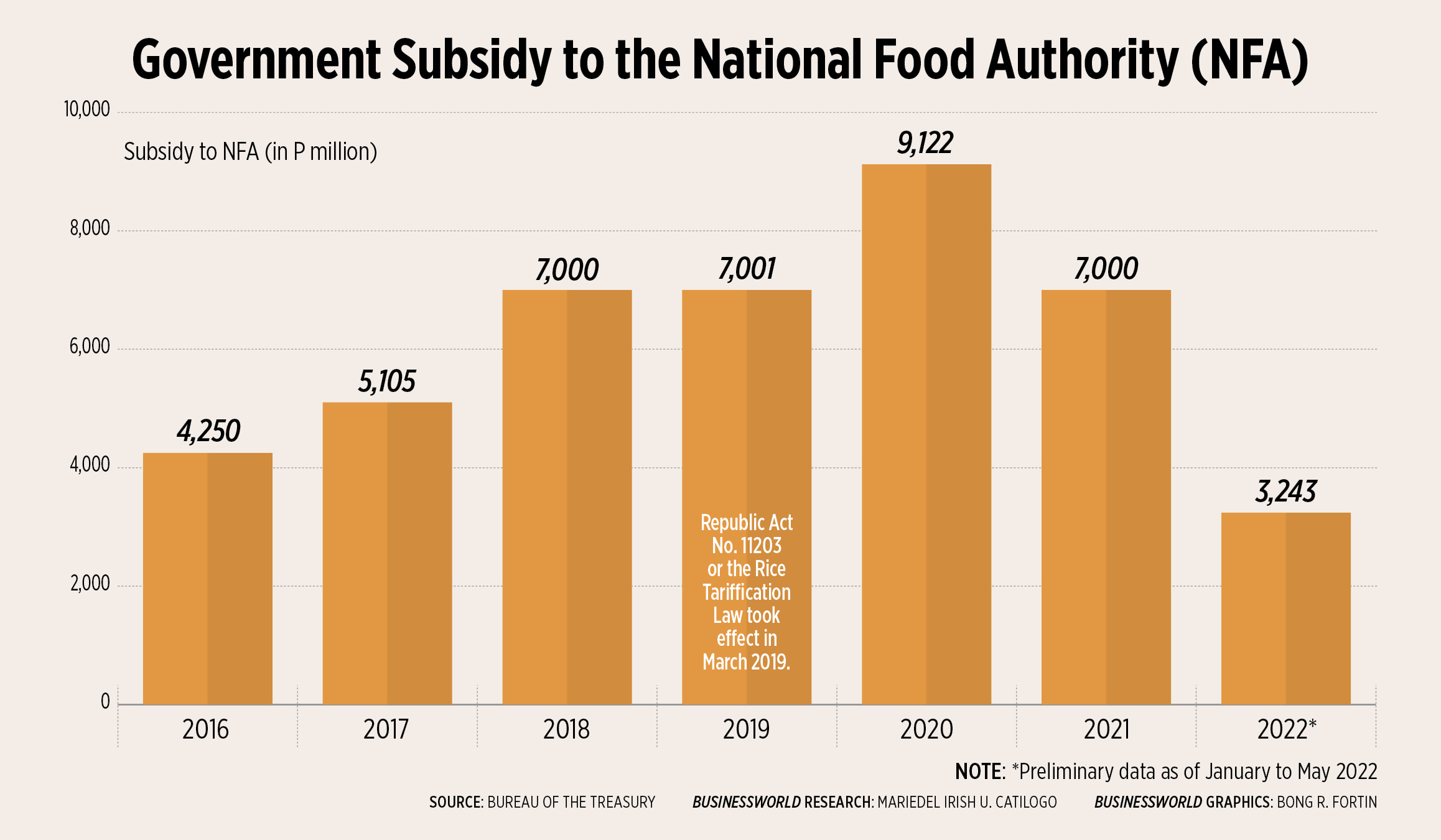
On the other hand, the NFA buys palay (unmilled rice) from farmers at P19 per kilogram. The gap between P19 and a selling price of P25-27 for retail buyers or P23-25 for institutions represents the margin with which the NFA hopes to recover its milling, storage, and distribution costs. This margin does not appear to be sufficient to break even — at the peak of the pandemic in June 2020, when many relief operations were in full swing and demand for concessional rice was at its height, the NFA took in subsidies from the National Government of P31.25 billion.

If the retail price of NFA rice was brought down to the P20 target, the NFA gross margin for institutional sales would narrow to P6-P8 for consumers and P4-6 for institutional sales. The NFA subsidy bill will therefore likely rise past what it was during the peak of the lockdowns, to the tune of dozens of billions of pesos every month, assuming the P19 palay buying price is not lowered.

Is there any actual wiggle room for lowering the palay buying price? Such a move would be, to put it mildly, taken negatively by farmers, who depend on the NFA palay price when commercial traders are driving a hard bargain. It’s never guaranteed that the NFA will buy the entire harvest, due to limits on the procurement budget and storage. However, the fact that it pays a higher-than-market support price signals a government commitment to step in and pay farmers a fair price for their harvest when it can. Taking away the P19 palay buying price leaves farmers completely at the mercy of commercial traders, who can offer farmers take-it-or-leave-it prices in the low teens (in extreme cases, the farmgate price has reportedly fallen into the single digits). Turning the farmers against the government, by giving consumers a subsidized price at the expense of the cultivators, defeats the purpose of going populist in the first place. Should that happen, Mr. Marcos will have taken on the DA job for nothing. The only way to please everyone, in the near term at least — happy consumers, happy farmers — is to subsidize. That is, until the promised productivity gains materialize and rice becomes cheap enough to sell at the target price while not having to prop up the NFA excessively.

The optics of Mr. Marcos’ announcement on June 20 that he was appointing himself to the Cabinet contain a key clue about his willingness to throw money at the problem. During the televised announcement, his Department of Finance (DoF) nominee, Benjamin E. Diokno, was standing behind him, just off his left shoulder, as if to signal concurrence by the very official who will have to raise the funds to pay for whatever slate of projects Mr. Marcos might dream up. If Mr. Diokno was nervous about a free-spending DA at a time of straitened government finances, he hid it well.

In fairness, Mr. Diokno does have a few tricks up his sleeve. He may have revealed some of his cards earlier this month when he said that he expects local government units (LGUs) to devote their increased allocation of National Government taxes to boosting agricultural productivity. The concept he outlined was to stage a sort of competition among LGUs to determine which one recorded the greatest productivity gains. He also warned that throwing money at the problem does not necessarily have a one-to-one correspondence with the degree to which output will rise.

If resources prove insufficient, he could also resort to public-private partnerships in agriculture, to allow companies to do the heavy financial lifting, though some legal juggling may be needed to ensure that companies can put together the large parcels of land they need to be efficient.

Whichever set of solutions is adopted, it seems clear that Mr. Marcos has at least found a way to sidestep the fiscal discipline traditionally imposed by the economic managers, who in the Duterte years had swatted away budget proposals worth hundreds of billions of pesos from the two most recent Agriculture Secretaries — Emmauel F. Piñol and William D. Dar. Final DA budgets were duly cut down to the tens of billions. It is difficult to imagine such budget-slashing when the Agriculture Secretary is also the President.

Setting aside the fact that no official ever thinks he or she has enough of a budget to work with, the view of those who know a thing or two about agriculture seems to be that the DA will need to spend in order to make rice more affordable. A party-list legislator representing agriculture called for a rice budget of at least P400 billion over a number of years, which would put a campaign for P20 rice on par with the kind of spending that was authorized to support the various Bayanihan stimulus bills.

Has Agriculture Secretary Marcos actually signaled that his program of government will consist of “Plant, Plant, Plant,” instead of “Build, Build, Build?” The magnitude of the spending plans will soon be clear once the 2023 budget proposals are revealed. Even before the May 9 elections, but with Mr. Marcos widely expected to win, his predecessor at the DA, Mr. Dar, swung for the fences by floating a 10-year agriculture funding proposal of P2.5 trillion, citing the need to insulate the Philippines from the risks of relying on imported food.

Should infrastructure lose its crown to agriculture in terms of volume of spending, a farm-heavy program might still be enough to win the cooperation of Congress. Inasmuch as Build, Build, Build was a means of persuading legislators to cooperate in exchange for their districts being showered with construction projects, Plant, Plant, Plant might similarly rain down untold riches on the agricultural provinces. This presents a dilemma for urban jurisdictions that cannot plausibly claim to be centers of agricultural production or innovation. Perhaps their only path to accessing that sweet, sweet DA money is to propose a bewildering array of urban gardening projects.

There is, in fact, an infrastructure component to Plant, Plant, Plant. Also this month, Mr. Marcos instructed the Department of Public Works and Highways (DPWH) to weight its priorities towards projects that improve food security. It’s still unclear how that will play out, but if a few billion pesos get diverted from railways and bridges towards, say, irrigation dams and post-harvest facilities, it is just possible to imagine agriculture spending growing significantly while not putting the DoF under as much pressure to raise funds.

The journey to P20 is not expected to be instantaneous — an agriculture expert who spoke to BusinessWorld last month, Roy S. Kempis, a retired professor at Pampanga State Agricultural University, thinks it is possible sometime late into Mr. Marcos’ term, though a price in the region of P30 appears to be immediately attainable. Until that happens, the P20 strategy likely will involve spending and subsidies to upgrade agricultural productivity.

Such an approach runs counter to the one adopted by former President Rodrigo R. Duterte’s economic team, which is to import grain from more efficient rice-growing countries to bring overall prices down and earn tariffs in the process. The Rice Tariffication Law, which largely defines the Duterte-era policy towards rice, has proved controversial, with farmers accusing the Duterte administration of neglecting them to satisfy the interests of importers and traders, and exposing them to foreign competition, to the detriment of their livelihoods. The Duterte government has argued that the law has eased inflation, such that rice is no longer the main source of upward pressure on the consumer price index (CPI). The previous government also appears to have taken a needs-of-the-many approach in concluding that, while farmers have claimed to suffer, consumers ended up paying less.

While Mr. Marcos has said little about amending the law, his likely policy choices could still serve to alter the basic approach behind rice tariffication. What pronouncements he has made about the law have focused on possibly expanding one of its disbursing components — the Rice Competitiveness Enhancement Fund (RCEF), which takes in P10 billion worth of rice import tariffs a year to finance mechanization, improving seed, and updating rice farming know-how. Should he expand the scope or prolong the effectivity of RCEF beyond its authorized six years, it’s clear he will need the tariff income to keep it going.

The DA job was a risk Mr. Marcos didn’t need to take, at a time when officials in charge of food are having sleepless nights all over the world. We need to entertain the possibility that he is dead serious about bringing down the price of the Philippines’ most important staple. He seems to have found a way at least to keep economic managers from summarily dismissing the DA’s funding requests. Now it’s up to the money men to raise the funds while keeping the deficit under control, and the program implementors to see to it that the funding is spent effectively. It remains to be seen whether he will reach P20 eventually. Perhaps we might also have to consider a scenario where he stops at some point between P27 and P20 and, having lowered the price by a significant amount, declares victory. When that happens, it will be up to the economists to pore over the government’s books and decide whether the price he paid was worth it.


Mr. Medina edits the Agriculture and Economy pages for BusinessWorld.

A consensus is forming around agri, tech as the hot new investment areas

FREEPIK

By Alyssa Nicole O. Tan, Reporter

FREEPIK

BETWEEN 1980 and 2010, the Philippines established its reputation as the “sick man of Asia,” growing by only 3.6% annually -— much slower than the “Tiger economies” of East Asia, which grew by over 6% a year over the same period. The Oxford Economics Country Economic Forecast in May has concluded that the country “missed a step” in industrializing. Now the question of the hour is how the country can make up for those years — and some experts believe investment in agriculture and technology will help it make up for its lost decades.

“These neighboring countries took advantage of export-driven industrialization, which the Philippines failed to do. Instead, the country essentially missed a step in the structural transformation process by quickly transforming from agriculture towards a services-driven economy,” Oxford Economics said, adding that its inability to move up the value chain was caused by “policy distortions that favored import substitution and foreign exchange and credit rationing.”

The absence of export-driven growth made the Philippines rely less on global trade, which insulated it from global economic downturns. That partly explains why the Philippines performed strongly relative to the rest of the region in the 2010s, growing at an average of 6.3% per year during the decade.

“The Philippines is a market with a lot of potential and prospects for foreign investors, especially now that the world economy is recovering from the pandemic,” European Chamber of Commerce of the Philippines (ECCP) President Lars Wittig told BusinessWorld in a Viber message.

He cited opportunities in agriculture, digitization, electronics and information technology and business process management (IT-BPM).

“Agriculture is and has always been a high-priority sector of the ECCP,” Mr. Wittig said. “It plays a vital role as one of the key sectors of the Philippine economy and is a crucial source of livelihood for the rural population.”

Opportunities in the industry may be enhanced if the government pursues connectivity projects like farm-to-market roads in a strategic manner, while increasing investment in agriculture-related infrastructure projects like irrigation systems, production and post-harvest facilities, processing and marketing facilities, and automated weather stations, he added.

The chamber also recommended that the Philippines amend the Agri-Agra law, noting that its implementation will make access to finance easier for the industry. The law prescribes lending quotas for banks in financing farmers and agrarian reform beneficiaries, though banks have been largely non-compliant because they view lending to farmers unacceptably risky.

“Lastly, we push for intensifying youth engagement efforts by furthering education, training, and extension programs to equip young farmer leaders and ‘agri-preneurs’ with the necessary skills to attract and encourage the younger population to pursue agribusiness opportunities,” Mr. Wittig said.

British Chamber of Commerce Philippines Executive Director Chris Nelson said his organization is looking to bring and attract more UK investors to the Philippines’ agriculture and food and beverage industries.

However, it said that to become an attractive destination, the Philippines must join the Regional Comprehensive Economic Partnership (RCEP), which is expected to improve market access and increase foreign direct investment (FDI).

The RCEP will provide for cheaper access to raw materials, broaden markets, make trade easier, and attract investment in smart agriculture and research and development, Mr. Nelson said. By not joining, the country’s neighbors will be in more advantageous positions and be more competitive.

Being a party to the world’s largest trade bloc will also allow the Philippines enhanced market access for its durian, papaya, preserved pineapple, coconut juice, coffee, canned tuna, and dried tilapia.

According to the International Trade Centre, agriculture, food, and beverages as a group have an export potential of approximately $10 billion, 51% of which is untapped. East Asia is currently the largest export market for these products, followed by North America.

“Unrealized export potential for these products, however, is greatest in the EU (European Union), where frictions are currently high. Identifying and addressing the frictions that prevent exports to the EU may thus open up significant opportunities,” the Department of Trade and Industry’s Export Marketing Bureau (EMB) told BusinessWorld in an e-mail.

“Single products and simple value chains, as well as complex value chains, have significant export growth potential in agriculture, food, and beverages,” it added.

The bureau specifically noted the potential for single products like bananas, pineapple, and tuna, as well as for products with complex value chains like coconut and processed food. 

A few other products with promising growth prospects include cocoa, it added. Coffee and palm oil are two new products with export potential for the Philippines and are likely to be in high demand in global markets, it said.

The EMB has set its sights on more investments in the fishing industry, noting that it has “strong potential for further expansion and development in view of the availability of vast resources.”

Fisheries also have a great impact on food security, it added.

According to the Fisheries Statistics of the Philippines 2018-2020, the Philippines had 4.6 million square kilometers of marine resources and 1.3 million hectares of inland resources.

“However, in the case of the Philippines, more integrated infrastructure support is required,” the EMB said. “Improved logistics and transportation systems could help to boost the fisheries sector’s growth and competitiveness.”

“Sustained investment in an integrated infrastructure system would reduce production and transportation costs across the various supply chains associated with the country’s fisheries management areas,” it added.

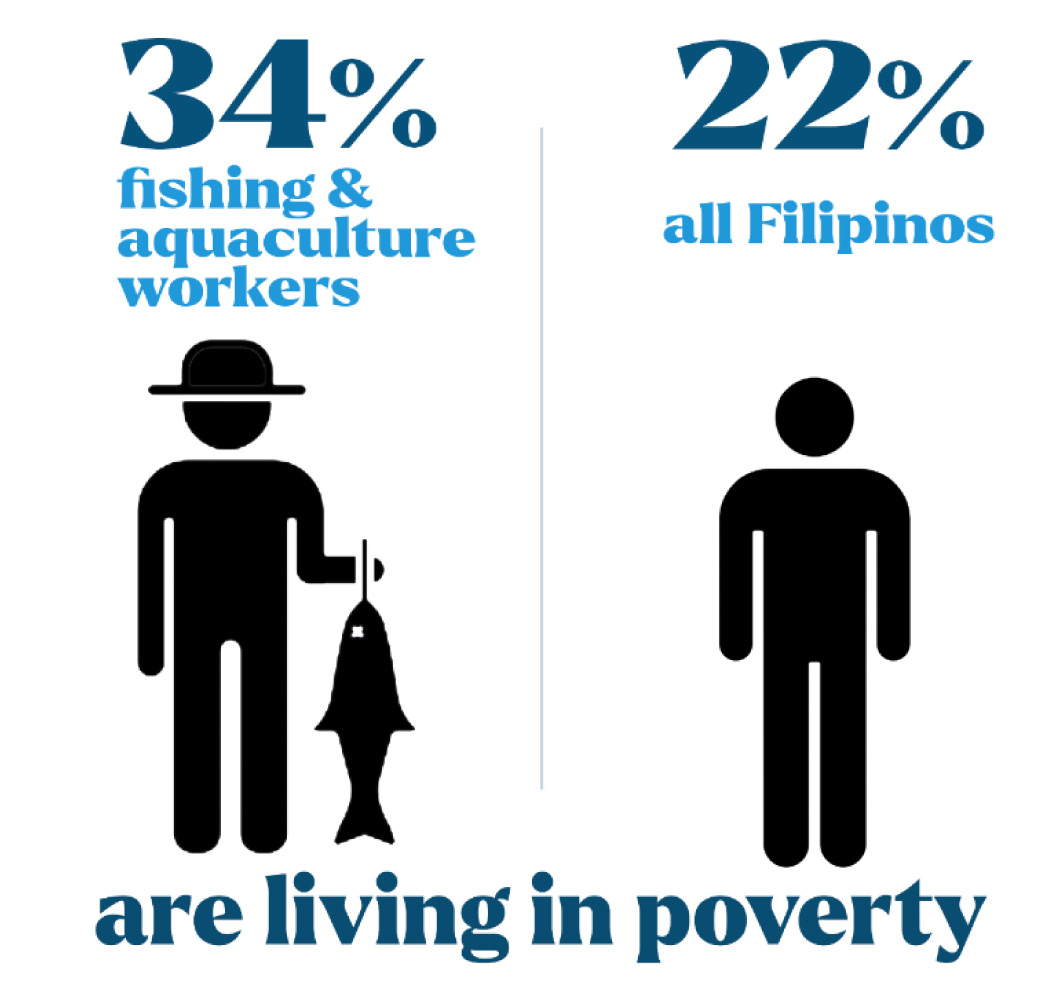
Encouraging private sector investment in cold storage, where various technological adaptations may be applied, will also enhance the industry, the bureau said. Residents of fishing communities are among the poorest in the Philippines.

Philippine Chamber of Commerce and Industry (PCCI) President George T. Barcelon told BusinessWorld that agriculture will need more attention from the government as food security remains top of mind all over the world.

“We have to reinvigorate,” Mr. Barcelon said. “We need to tweak the agrarian reform law since it is a little restrictive, and then (pursue) some of the infrastructure needed like post-harvest storage facilities and insurance for the farmers.”

Technological advances will make the younger generation more interested in the industry, as well as increase productivity, he said, adding: “The farmers need to learn and digitize.”

“Agriculture digitalization, in which farmers use digital technology to access customized, actionable agricultural information in real time, has the potential to revolutionize how agricultural communities secure and improve their livelihoods,” the EMB said.

“The massive deployment of a decentralized extension system led by the provinces and catalyzed by digital technology could have a significant impact on agriculture digitalization and science-based innovations,” it added.

Some of the technology priorities for investment include sustainable water technologies, drones, smart farms, greenhouses, biosecurity measures, and aquaculture and fish farming technologies.

Regarding digital transformation, the EMB pointed out potential growth in trade and investment in the electronics and electrical machinery industry; and IT-BPM, which includes game development, animation and telemedicine.

PhilExport President Sergio R. Ortiz-Luis, Jr. told BusinessWorld that the Philippines has an advantage in electronics since it has “very skilled manpower that also has industrial design capability.”

However, he noted the need for “industry-academe coordination to develop job-ready workers especially in this Fourth Industrial Revolution and the trend towards a circular economy.”

Mr. Ortiz also expects higher demand for so-called “soft skills’ in the near future, with companies and enterprises needing to implement their own skills upgrading programs to keep up with rapid change.

Mr. Nelson noted the need to enhance the digital competency of the workforce to meet the increasing demands of work, including strengthening foundational skills through education.

He expects the government to encourage new entrants and opportunities in the financial sector, telecommunications, business services, manufacturing, and IT-BPM, and to maintain a stable environment for e-commerce and the digital economy.

Mr. Barcelon, on the other hand, said the Philippines should seek out major investments to enhance connectivity.

“We need to have more players in our broadband and telecom because our pricing compared to other countries is still rather high, while the availability is limited to the developed regions and urban cities, but the outskirts barely have connectivity,” he said.

Improving connectivity will be beneficial to economic activities like tourism, he said, by persuading people to look beyond cities and developed areas as coverage of blind spots in far-flung areas improves.

“We trust the incoming government leaders to look out for the best interests of the country,” Mr. Nelson said, noting that easing regulation will also promote entry and innovation in financial technology.

“We stand ready to work with them in accelerating recovery and progress, as well as in shaping a more inclusive and sustainable growth story for the Philippines through increased trade and investment, improved competitiveness and ease of doing business, as well as relaxation of restrictions on foreign ownership,” he added.

The British chamber said it sees “improved export competitiveness on Philippine key products of interest such as agricultural products, automotive parts, processed food, and garments in the 14 countries (of RCEP)” in the coming years.

It is also looking forward to a stable and predictable business environment for investors as well as professionals.

“Given focus and support, the Philippines can break ground in those areas,” Mr. Barcelon said. “We are cautiously optimistic.”

“Nothing comes easy. Our growth based on what we can see is around 7-8% GDP (gross domestic product), but that is still using our old playbooks (that conceive of the Philippines as) a consumption economy. Now if we factor all of these new areas of focus… I don’t see any reason why we should not grow,” he added.

Earth Day is the worst time to be planting trees

JANNOON028-FREEPIK

(and other practical advice for companies trying to get to net zero)

By Jose Andres A. Canivel, Executive Director, Forest Foundation Philippines

JANNOON028-FREEPIK

MANY PEOPLE want to plant trees on Earth Day, April 22, which is in the middle of our summer. We don’t encourage planting on that day. We tell our partners, unless you’re planting in your own backyard, do not have any illusions about planting on Earth Day. The best time to plant is during the rainy season. There’s plenty of water for the plants and the soil is just cool enough for their growth. The core considerations for tree planting are planting the right species, at the right time, in the right area, for the right reasons. These are the “four rights.”

Typically, companies prefer to plant in sites that are accessible by road. Which is fine, we can bring them to sites like these. But the effort might not amount to much, especially if our sites are not suitable for our planting objectives. If you’re planting to protect trees, plant in protection zones. If you’re planting for food, plant in agricultural land. If you want to harvest non-timber forest products for livelihood, plant in multiple-use zones.

Aside from tree planting, there are many ways to contribute to the protection and conservation of our forests. Forest Foundation Philippines implements a four-pronged approach to conservation. We grow forests, livelihoods, partnerships and advocates in the most critical forest landscapes of the country: the Sierra Madre range, Palawan, Samar and Leyte, and Bukidnon and Misamis Oriental.

GROWING FORESTS
We have meaningful partnerships with communities in the forests. Since these are in remote areas, it’s difficult to market these planting sites. However, these sites can absorb carbon, improve forest biodiversity, and positively impact the lives of indigenous peoples and forest-dependent communities. That’s the kind of tree planting project that we offer. Tree planting that will be sustained beyond project timelines because we work with tenured communities, not just organizations that come and go. Last year, we partnered with Origins to reforest a hectare of land in Palawan. Together with our community partners, we planted 1,000 mangrove seedlings that are now being nurtured and maintained by forest guards, who are deputized by the Department of Environment and Natural Resources to protect the site. Beyond planting trees, we also need to protect mature trees. Early this year, we worked with Co Ban Kiat Hardware to facilitate their donation of tools and equipment to the forest guards in Mt. Balabag, which serves as the boundary line of Ipo Watershed, a critical part of the Umiray-Angat-Ipo Watershed that supplies 98% of Metro Manila’s water.

GROWING LIVELIHOODS
It is also important to support livelihoods that are consistent with managing and protecting forests. We’re doing this because we want to incentivize communities who protect the forests, so they will veer away from illegal activities. Of our livelihood projects that are connected to forest conservation, our exemplar is coffee. We have a partner, the Philippine Coffee Alliance, that works with indigenous peoples and forest-based coffee farmers in Bukidnon and Misamis Oriental. By providing livelihood support to the forest-dependent communities and forest guards, they are able to plant better coffee using upgraded technology, while earning a livelihood. During the pandemic, we were also able to sustain the livelihoods of forest-dependent communities in Samar and Palawan by providing diversified income streams to the community, so they can sustain their forest conservation and protection activities. They were able to successfully pivot from ecotourism to food security projects despite challenging times.

GROWING PARTNERSHIPS
Growing partnerships allows us to work with the private sector. In 2012 and 2013, we worked with Condura through their Condura Skyway Marathon program to plant 20 hectares of mangrove forests in Zamboanga Sibugay. More recently, we worked with Cebu Pacific so they can offset their carbon emissions to meet the requirements set by the Civil Aeronautics Board. Together, we are planting 5,200 native seedlings on forest land in Rizal. The area serves as a window to the Sierra Madre, which we consider to be the backbone of Luzon because it protects the country from the onslaught of typhoons. These native trees will recover and expand forest habitats for wildlife, protect watershed and freshwater resources, improve the local natural landscapes, connect forest fragments and secure the livelihoods of forest-dependent communities.

GROWING ADVOCATES
To ensure that the trees that we plant will be nurtured and protected by the people, we must rally them into becoming forest advocates. You cannot grow forests in three years’ time, which is why some of our grants fund advocacy projects, like documentaries and visual projects. We are working with Diinsider Philippines to produce a film documentary called Bantay Bukid, which highlights the important role of forest guards in protecting the forests. It will be released later this year. We are also working with Ms. Cynthia Bauzon-Arre to mainstream the important role of native trees in tree planting. Our experience shows that rather than planting a great number of fast-growing exotic trees, native trees are better options because they have higher chances of growth and have the ability to nurture local wildlife. 

WORKING TOGETHER FOR THE FORESTS
Guided by our experience, we have developed measures that have allowed us to leverage private sector investment towards sustainable development.

Measuring results. We have metrics for what it costs to restore and protect the forests. We also have environmental and social safeguards to ensure that our projects do not have any negative impacts on the environment and the communities. With this, we are confident that we can protect the investments made by the private sector.

Accelerating impact. Rather than starting from scratch, by working with us, the private sector can contribute to various ongoing initiatives that protect, restore, sustainably manage and conserve forests. We can also build private sector capacity by providing technical assistance in nursery management and tree planting, among others. We hope these initiatives can encourage more stakeholders in the private sector to support our work.

Promoting inclusive development. We can leverage the support of the private sector by forging partnerships between communities and businesses to implement nature-based solutions that will grow forests, while addressing other issues, such as water security, food security, and disaster risk management. We do not just plant trees. We also look after the communities that we plant in and the people that we plant with.

Having said all of that, of course, you can always join us and plant trees. Just not on earth day.


Jose Andres A. Canivel is a lawyer and environmental policy expert. He previously served as development assistance specialist at the Office of Energy and Environment of USAID Philippines and executive director of the Environmental Legal Assistance Center (ELAC).

What I’ve learned after helping write the 1987 Constitution

FREEPIK
FREEPIK

By Patricia B. Mirasol, Reporter
speaking to Bernardo M. Villegas

WITH EVERY CHANGE of administration comes the question of what needs to change, and what needs to be retained. In this episode of BusinessWorld B-Side podcast, multimedia reporter Patricia B. Mirasol takes a look back at how the 1987 Philippine Constitution was drafted with Bernardo M. Villegas, an economist and one of its framers. They also discuss foreign ownership liberalization, the additional factors driving foreign direct investments, plus the key area the next administration needs to focus on.

Don’t enshrine provisions that can change with circumstances.

“Except for vital issues like the right to life and the family as a foundation of society, all other issues are debatable and should not be enshrined in the constitution,” Mr. Villegas said in response to possible drawbacks to the recent constitutional amendments pertaining to foreign ownership and liberalization.

Things can change decades down the road that can necessitate changing the laws, he added. Right now, however, “we need (foreigners) badly, because we’re buried in debt.”

The ideal constitution is a short constitution — a defect the 1986 Constitutional Commission was not able to address, according to Mr. Villegas.

“It’s too verbose…” he said. “You should understand that we were traumatized by Martial Law and the EDSA revolution. We overdid it by putting in too many restrictions.”

The Filipino First mentality is backward and must be expunged.

“I’m very happy we have those three amendments,” Mr. Villegas said, referring to Republic Act (RA) No. 11647 (The Amended Foreign Investment Act), RA 11595 (The Amended Retail Trade Liberalization Act), and RA 11659 (The Amended Public Service Act).

RA 11647 eases restrictions and requirements on foreign ownership in businesses. RA 11595 removes the categorization of enterprises and reduces the minimum paid-up capital of foreign retailers from $2.5 million to P25 million. RA 11659 allows full foreign ownership in sectors like telecommunications, railways, subways, and airlines.

All three are expected to generate more jobs, improve basic services, allow the exchange of technology, and help the economy recuperate from the COVID-19 pandemic.

These are also expected to inject much-needed foreign capital into the economy that will ultimately help fund programs such as “Build, Build, Build.”

He was one of the few in the constitutional commission who wanted to do away with the “Filipino First” provisions, Mr. Villegas told BusinessWorld. Because there wasn’t much competition from overseas, the ultra-nationalist protections soon gave rise to oligopolies, an outcome he described as “Rich Filipinos First, Damn the Rest of Us.”

While the Duterte administration has done a good job with “Build, Build, Build,” Mr. Villegas added that the next two administrations will have to do even better, since the country’s infrastructure as compared with its neighbors is “still so poor.”

AGRICULTURE IS THE ACHILLES HEEL OF THE ECONOMY
The National Economic and Development Authority’s AmBisyon Natin 2040 vision of having every Filipino “enjoy a strongly rooted, comfortable, and secure life” is doable, Mr. Villegas said.

It will, however, hinge upon equality of education, infrastructure development, and a focus on agriculture. The latter alone will reduce the poverty rate, Mr. Villegas added, as about three-quarters of the poor are from rural areas. 

“I would like to emphasize — for the next administration — the importance of rural and agricultural development,” Mr. Villegas said. “Our biggest failure came from decades of neglecting poor farmers.”

Apart from continuing to build farm-to-market roads, Mr. Villegas told BusinessWorld that small-scale farmers can adopt models, such as the nucleus estate, to achieve economies of scale even with their small landholdings.

In such a model, small-scale farmers lease their land to corporations, who are then responsible for coordinating the transfer of technology, as well as the processing of the produce to higher-value products. 

“We were able to do it with pineapples. (We can do it) in cacao, coffee, durian, avocado… but that requires leadership,” said Mr. Villegas. “That requires cooperation between the executive and the legislative.”

Preparing the workforce for the digital job market

JOHN SCHNOBRICH-UNSPLASH

By Brontë H. Lacsamana, Reporter

THE EMPLOYMENT LANDSCAPE has forever changed due to the coronavirus disease 2019 (COVID-19) pandemic, something the new administration must address, especially for a workforce that is still struggling to adapt to the new normal.

In this episode of B-Side, multimedia reporter Brontë H. Lacsamana taps the ideas of Philip A. Gioca, the country manager of online job portal JobStreet Philippines, against a backdrop of digitalization and automation threatening to transform many people’s jobs.

“Early movers and fast movers are becoming the real deal nowadays,” he said, adding that various industries are recognizing the demand for skills.

On June 12, the Department of Labor and Employment (DoLE) offered more than 120,000 jobs nationwide in an Independence Day job fair while JobStreet and the Department of Trade and Industry (DTI) held a virtual career fair from June 13 to 17.

E-commerce platform Shopee started an apprentice program for tech talent in 2021, while the Philippine Business for Education and Citi Foundation launched in 2022 a training program in artificial intelligence and cloud computing, among others.

Though efforts of such private and public institutions do empower workers, Mr. Gioca posted that it will take a change of mindset for the Philippines to truly adapt to the changing work environment.

“This is the time where employers or companies need to really understand what’s really happening on ground,” he said.

Benefits need to be adjusted for a changing economy.

A recent study by e-commerce website iPrice group found that the highest paid entry-level workers in the digital field, like junior project managers and junior UI/UX (user interface or user experience) designers, can barely afford to rent a one-bedroom apartment in the Philippines’ central business districts (CBDs).

Add all the other stressors: the rising prices of commodities and gasoline, poor public transportation, and expensive internet and healthcare services.

“Benefits have changed to internet subsidy, working freely — meaning flexible in terms of working, in terms of shifts, in terms of timing. (Employees) would also like additional healthcare benefits not just to cover themselves but also the family,” Mr. Gioca said.

Work-from-home and hybrid setups, which have muddled the lines between one’s work space and personal space, also require mental health support.

By understanding what’s worth the while and effort of employees, companies will be more able to attract talent due to an employee-centered work environment, he added.

In its “Southeast Asia: Rising from the Pandemic” report published in March 2022, the Asian Development Bank (ADB) concluded that labor market scarring due to the pandemic worsened an already-wide gap between employee skills and workplace expectations.

Both training programs and social protections are needed to ease this gap, the ADB said.

Human resources (HR) services company Sprout Solutions also found in a survey in June that HR professionals’ wish lists include systems that will automate personnel functions, mental and physical health resources, and allowances for transportation, electricity, and internet.

This “Great Reshuffle” of priorities is not only an opportunity for jobseekers to upgrade skills, but also a chance for employers to re-evaluate the role of teams in the company, according to Mr. Gioca.

He explained that 53% of employees now prefer a remote work setup while 41% would rather move to a more affordable location, such as in the provinces, to save more.

“The big question that’s evolving now is, is my company or my work worth it?” he said.

Future-proofing the workforce to withstand automation.

JobStreet’s 2021 study with Boston Consulting Group on the global talent market found that customer service and administration roles may be obsolete in the next three to five years.

“You need to prepare for contingencies for your employees because, sooner or later, because of digitalization and automation, those roles will diminish,” said Mr. Gioca.

A quarter of jobs in outsourcing and electronics will also be affected, but this will be offset by new roles within those industries, the ADB also said in its report.

In September, leaders from the Philippine business process outsourcing (BPO) industry revealed partnerships with the Department of Information and Communications Technology (DICT) to upskill employees in order to address industry demands.

Mr. Gioca of JobStreet believes the approach should no longer be to focus only on so-called “in demand” industries, since upskilling demand has become unpredictable, ever-evolving, and essential everywhere, whether one is a nurse or in tech.

Upskilling, reskilling, and digital learning must be pushed for the job market to keep up with the times, he said. While industries like information technology (IT), healthcare, and science quickly caught up, others are still struggling.

Jobseekers can also easily access platforms like YouTube, Go1, Coursera, and FutureLearn, due to companies and institutions being aware of the upskilling need.

Online training service Coursera, for example, committed in 2021 to more partnerships with Philippine businesses, schools, and government to build accessible, mobile-friendly learning experiences, after recording 85% year-on-year growth in the Philippines.

As of 2022, 1.5 million Filipinos have registered with Coursera, which offers separate programs for businesses and for campuses.

These massive open online courses (MOOCs) shot up over the pandemic with students and working professionals alike availing of them whether in their free time or as an opportunity presented in the school or workplace, Mr. Gioca said.

“Availability nowadays is not an issue because we have seen in the last two years a proliferation of free online training,” he added.

Don’t forget soft skills.

The Philippines ranked 51st out of 134 economies in the Digital Skills Gap Index 2021 released by multinational publishing group Wiley, based on indicators of how prepared an economy is in the digital skills needed for growth, recovery, and prosperity.

When it comes to what kind of training is needed, hard skills like coding, programming, and updated know-how in technical industries should definitely be improved, but soft skills have become in demand too, according to Mr. Gioca.

Critical thinking and active learning skills, for instance, help build an environment where teams easily learn new technologies and eventually better connect with others online.

“How do you now monitor just at home looking after your teams? How do you problem-solve? These are the things now that are very important,” he said.

Technology company HP Philippines also said in June that hybrid setups mean teams must be well-versed in cybersecurity.

Companies must “upgrade their own hardware and software and brief employees on cyber threats and how to respond to them,” HP Philippines said.

Mr. Gioca added that, without teamwork and critical thinking skills tailored for remote setups, employees might not be equipped to do their best work and face problems.

“You have to reintegrate yourself, your employees, to teams, because they have been individuals, working in an environment.… How do you now communicate and engage them, because you will never see them while they’re working?” he said.

Collaboration: A key in creating sustainable agri-enterprises

Kabalikat Sa Kabuhayan (KSK) Farmers’ Market Day at SM City Sta. Rosa

Limited market information and market access are two major obstacles to increased smallholder farmers’ income. According to studies, farmers in grassroot communities often lack access to profitable, value-added markets. In the absence of critical supporting functions, such as infrastructure and service provision ­— farmers struggle to transform their traditional subsistence farms into a feasible commercially oriented production. Buyers, on the other hand, such as wholesalers, find it difficult to get the quantity and quality of produce that they need for processing on a timely basis.

Because of this challenge, SM Foundation, Inc. (SMFI) collaborated with various government agencies, and engaged various SM business units such as the SM Development Corp. (SMDC), SM Supermalls and SM Markets to ensure that local farmers under the Kabalikat Sa Kabuhayan (KSK) program have venues where they can sell their produce amid the COVID-19 pandemic.

From training KSK participants in practicing sustainable farming technologies via technology transfer and product development, SMFI, together with various SM business units, used the power of collaboration to create farm-market linkage ­— which intends to create a powerful driver of rural poverty reduction.

Team social good

The Good Guys Market is a weekend market set up in SMDC properties to connect small-scale farmers directly with consumers — condo residents. This initiative links around 26,000 small-scale farmers directly with consumers.

Together with SM Supermalls, SMFI launched the Green Lane initiative. Led by the wives of the KSK farmers, the social enterprise offers a wide variety of quality yet affordable indoor and landscape plants which cater to every enthusiast’s preference. In addition, the team also launched the KSK Farmers’ Market Day to provide farmers with market exposure in select SM Malls nationwide.

Locally farmed onions by KSK farmers in SM Markets

Meanwhile, SMFI also partnered with SM Markets in creating market for onion farmers. Through the partnership, SMFI was able to establish specialized onion pop-up booths creating a stable market for small-scale onion farmers.

Millions of smallholder farmers are seeking ways to improve the productivity of their farms and to improve their market performance. Modern farming technologies, paired with market linkage, such as the SM KSK, plays a vital role in improving the livelihood of small-scale farmers and their families.

SM Foundation’s Kabalikat Sa Kabuhayan is SMFI’s Social Good program on sustainable agriculture that intends to uplift the lives of Filipinos in grassroot communities through sustainable agriculture via technology transfer, product development and farm-market linkage. To date, the program has trained more than 28,500 farmers from more than 900 cities/municipalities nationwide.


Spotlight is BusinessWorld’s sponsored section that allows advertisers to amplify their brand and connect with BusinessWorld’s audience by enabling them to publish their stories directly on the BusinessWorld Web site. For more information, send an email to online@bworldonline.com.

Join us on Viber to get more updates from BusinessWorld: https://bit.ly/3hv6bLA.

The clock is ticking: The office of the future is here

ANNIE SPRATT-UNSPLASH

By Claro Cordero, Jr., Cushman & Wakefield

ASIDE FROM the current and impending global economic challenges seeping through the local economy, attracting employees back to the office remains one of the top concerns faced by corporates and employers. The imperative to protect workers’ health during the COVID-19 pandemic has shifted working practices and caused workers and businesses to reconsider how often to use their offices, how to use the office differently in the future, and how much office space they will require.

Using real-time data captured from Cushman & Wakefield’s bespoke workplace strategy tool, Experience per Square Foot TM, the rising trend towards greater workplace flexibility is expected to take further shape in the post-pandemic period.

Interestingly, the evolution of the role of the office was underway even prior to the pandemic. Agile and flexible working has gained popularity due to recent technological advancements. Telecommuting or remote work for jobs requiring minimal client-facing interaction was encouraged to enhance overall employee well-being and talent retention while lowering cost and improving productivity.

POST-PANDEMIC OFFICE SPACE DEMAND
The long-term outlook for the major demand drivers of office space remains favorable, especially in the Asia-Pacific region. In its recent study, “Asia Pacific Office of the Future Revisited,” Cushman & Wakefield estimated over 23 million office-using jobs (which represent approximately 76% of all total global jobs) will be available in the Asia-Pacific over the 2020-2030 period. This employment growth is estimated to translate to about 100 million square meters (sq.m.) of office space. In the Philippines, total employment in office-using jobs is expected to grow by more than 2.4 million, equating to more than 8.3 million sq.m. in office space demand — which is equivalent to a more than 70% increase in the current stock of office space in the country.

The near-term outlook on net office space absorption in the Philippines will still be lower than the estimated average in the last 15 years. The expansionary demand in the medium term, however, will come from the continued growth of the outsourcing and information technology and business processing management (IT-BPM) companies. Beginning in the fourth quarter of 2021, net absorption in the Metro Manila market has recovered after breaching negative levels for five previous consecutive quarters.

EMPHASIS ON URBAN DOMINANCE
Unlike the trend towards urban decentralization in mature markets in the US and parts of Europe, rural-to-urban migration flow is still the predominant pattern in the Philippines. Major cities will continue to be the economic centers and attract talent. From a real estate strategic plan perspective, maintaining a solid presence in the commercial business districts (CBDs) and urban centers with modern facilities will be crucial to entice employees to return to the office. On the other hand, some industries, such as the IT-BPM industry, will thrive in a “hub-and-spoke” strategy, where maintaining operations in second-and third-tier cities and locations will ensure a steady flow of available qualified workforce.

THE EMERGENCE OF THE ‘PHYGITAL’ WORKFORCE
Generation Z (born 1997-2012) currently accounts for around 330 million or roughly 25% of the entire Asia-Pacific (APAC) population, but only approximately 13% of the working-age population (20-64 yrs.). By 2030, Gen Z will grow to around one billion and will comprise more than 30% of the working-age population in APAC. Being digital natives, Generation Z is looking at the seamless integration between the physical (which includes bonding with their team and growing their network) and digital (remote working experience) — or “phygital” — spheres in their workplace. The growing influence of this generation in instilling up-to-date policies and technology attracting and retaining the working population will determine the success of companies in retaining top-notch talent across the various workforce classes.

THE ROLE OF TECHNOLOGY IN WORKPLACE TRANSFORMATION
The central role of technology is crucial in instilling a paradigm shift on how the workforce view the workplace transformation amidst the rise of COVID-induced flexible working practices. Technology needs to be leveraged to enable the change in workplace strategy and as a platform to measure the impact of that change. In conjunction with this change is the alignment towards the corporate goals of Diversity, Equity, and Inclusion (DEI) and Environmental, Social, and Governance (ESG). Both DEI and ESG can help in understanding the demand of the workforce and in evolving the workplace strategy.

NO ‘ONE-SIZE-FITS-ALL’ STRATEGY
The various workforce segments will have different responses to their current work experience, as well as different needs. However, while the future of workplace is still evolving, the underlying change should begin with how both corporates and employees view the office space. Both occupiers and employees should treat the workplace as a focal point to inspire and be inspired to strengthen employee engagement. The challenge of enticing the workforce to return to the office rests on an optimal work environment for employees where productivity, satisfaction, and well-being are equally prioritized with the organization’s goal towards enriching culture and enhanced profitability.

CREATE INSPIRING WORKPLACES THAT DRAW PEOPLE BACK
Global corporate occupiers have started to implement ground-breaking workplace models to entice their employees back to the physical office space. Employees long for a diverse and inclusive environment and workspace that they can showcase to clients. The future of the workplace for each organization should undergo thoughtful occupancy planning to apply innovative workplace strategies and people-centric change programs that must have buy-in from all the relevant stakeholders.

To this end, we can expect a significant flight to quality among corporate occupiers, with state-of-the-art buildings featuring smart technology considered attractive by employees. Moreover, office spaces with flexible floor plans are preferred, to accommodate increased allocation for collaboration areas and well-being facilities (including nursing rooms, prayer rooms, and vending machines that dispense healthy snacks, among others). Workplace technology applications such as seamless booking of desks and meeting rooms, face recognition program for easier access, automatic doors and smart toilet systems will all contribute to efficient facility management of the transformed workplace.

The transformation of the workplace should be focused on the people, not just the place, to ensure that it translates to high levels of employee engagement. As the COVID-19 pandemic has underscored, attracting, and retaining the right talent should be given the same attention as occupancy costs in drafting the corporate occupier’s future workplace strategy.


Claro Cordero, Jr. is director and head of research, Consulting & Advisory Services at Cushman & Wakefield.