Home Blog Page 5437

PHL garments industry warns of more layoffs, temporary closures

REUTERS

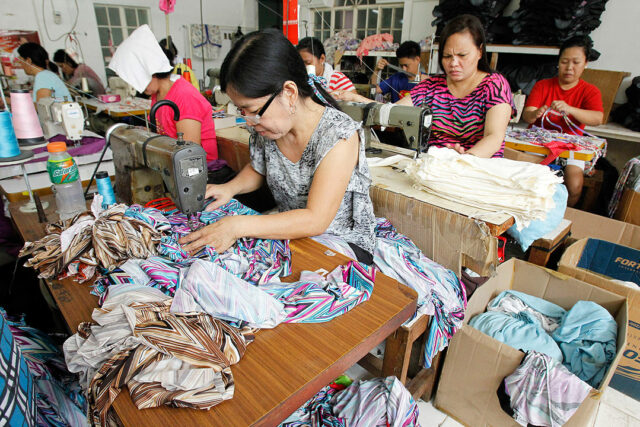
THE PHILIPPINE garments industry is struggling amid a slump in global demand, warning of temporary closures and more worker layoffs in the next few months.

Confederation of Wearable Exporters of the Philippines (CONWEP) Executive Director Maritess Jocson-Agoncillo said factories may have to further cut their workforce if demand continues to decline. This after around 4,000 workers were laid off by garment firms in Mactan, Cebu. 

“What happened to our Mactan, Cebu-based members should not be singled out at this moment. This will be a trend for some factories whose customers are starting to cut their projections, so we expect temporary closures or partial retrenchment of workforce in the next few months,” she said at a virtual briefing on Wednesday.

In a separate Viber message, Ms. Jocson-Agoncillo clarified that around 9,440 workers employed by CONWEP members are temporarily on forced leave or have been laid off. This represents 3.5% of the 270,000-worker base, and covers four sectors: apparel, shoes, bags, and textile, she added.

“It might reach to a maximum range of 8-10% if the current trend extends longer or global demand conditions worsen,” Ms. Jocson-Agoncillo said.

The global apparel market has weakened amid the pandemic, rising inflation, supply chain disruptions and the ongoing Ukraine-Russia conflict.

Ms. Jocson-Agoncillo noted there has been a drop in consumer confidence in the United States, which is the top garments export market of the Philippines.

“This is brought about by current global trend wherein consumers tend to spend less, hold back on discretionary spending such as apparel and other consumer goods,” she said.

“The uncertainty of the war in East-Central Europe, rising fuel cost, the disrupted supply chain, and trepidation of another pandemic directly impacts on consumer behavior across the globe,” she added.   

Global clothing brands are now reducing their order projections.

“Brands and buyers would rather move their existing inventories. This is what the wearables sector is up against, when orders are canceled midstream. Some exporter-manufacturers are struggling to maintain full operations and need to lay off workers given fewer orders and operate in lesser capacity required. Affected brands are buying less,” Ms. Jocson-Agoncillo said.

She noted companies are looking to shift their portfolios out of the Philippines and into other Southeast Asian countries such as Vietnam, Cambodia and Indonesia over high labor costs, logistics and production flexibility.

“The recent wage hire order further aggravated the competitiveness of our export sector,” she added.

Based on data from the Philippine Statistics Authority, the combined Philippine exports of apparel, textile, travel goods, and footwear from January to July this year rose by 14% to $1.155 billion from $1.009 billion in the same period last year. — Revin Mikhael D. Ochave

World Bank ready to boost support for PHL

Annual Meetings signage greets participants and staff members at the International Monetary Fund-World Bank headquarters in Washington, DC, Oct. 11. — WORLD BANK/ SIMONE MCCOURTIE

THE WORLD BANK Group (WBG) is ready to increase its support for the Philippines, especially in agriculture, education, tourism, water and energy.

WBG President David Malpass on Tuesday met with Finance Secretary Benjamin E. Diokno on the sidelines of the International Monetary Fund-World Bank annual meetings in Washington, DC.

“President Malpass affirmed to Secretary Diokno the WBG’s readiness to increase support to the Philippines — particularly in the areas of agriculture, tourism, water, energy, and education — and was glad to hear Secretary Diokno’s thoughts on priority projects for fiscal year 2024,” the multilateral lender said in a readout from the meeting posted on the World Bank’s website.

As of March, the World Bank was the Philippines’ third-largest source of official development assistance, with loans and grants representing 23.38% of the total.

The World Bank is currently supporting 15 ongoing programs and projects worth $4.96 billion, in areas like transport, rural development, disaster risk reduction and management, social protection, Customs modernization, and COVID-19 response.

During the meeting, Mr. Malpass also stressed the importance of the continuation of tax reforms in the Philippines, and discussed the economy’s growth outlook and vulnerabilities with Mr. Diokno.

“President Malpass noted the importance of the Philippine’s continuation of tax reform efforts and work to broaden the tax base and affirmed the WBG’s readiness to support further work on domestic revenue mobilization, including the digitalization of the tax system to increase compliance,” it said.

Mr. Diokno previously said he will focus on digitalizing tax administration, leveraging technology to improve tax collections.

The World Bank upgraded its growth forecast for the Philippines for this year and 2023, citing an “accommodative” fiscal policy conducive to recovering domestic demand.

The World Bank projects the Philippine economy will grow by 5.8% in 2023, from 5.6% previously, but still below the government’s 6.5-8% assumption for next year. — KBT

DTI imposes safeguard duty on polyethylene imports

FREEPIK

THE DEPARTMENT of Trade and Industry (DTI) ordered the imposition of safeguard duties on imports of high-density polyethylene (HDPE) pellets and granules for three years in a bid to protect the local industry.

In Department Administrative Order (DAO) No. 22-13 dated Sept. 30, the DTI said the safeguard duty will be slapped on imported HDPE pellets and granules from various countries “to implement the adjustment plan of the local HDPE industry within that period.”

For the first year, a safeguard duty of P1,338 will be slapped on each metric ton (MT) of HDPE pellets and granules. This will go down to P1,271 per MT for the second year, and to P1,208 per MT for the third year.

HDPE resins are used in consumer and industrial packaging.

DTI-Bureau of Import Services Director Maria Guiza B. Lim said in a Viber message that safeguard duties will be imposed on imports from countries such as Thailand and Malaysia.

The DTI’s decision comes after the Tariff Commission (TC) in June recommended safeguard measures against HDPE imports.

The TC had noted a “sudden, sharp and significant enough” increase in the volume of imports of HDPE pellets and granules beginning the first half of 2021.

“There exists an imminent threat of serious injury and significant overall impairment to the position of the domestic HDPE industry in the near future,” the TC said, citing the high likelihood that HDPE imports will continue to spike in the near future.

It also cited the “substantial freely disposable production capacities of top suppliers Malaysia, Thailand, Singapore and Indonesia,” as well as the significant deterioration in the overall position of the domestic HDPE industry during the surge in imports.

“While the DTI is mandated to protect consumers, there is a need to balance this with other sectors such as investors and industries which provide employment to Filipinos,” the department said in the DAO.

The DTI said users of HDPE pellets and granules will still be able to choose between the local and imported products.

“The imposition of the safeguard measure will only be temporary and is not expected to cause shortage of HDPE pellets and granules in the domestic market considering that the HDPE manufacturer has sufficient capacity to meet domestic demand,” the DTI said.

JG Summit Olefins Corp. (JGSOC), which merged with JG Summit Petrochemical Corp. (JGSPC), had sought the imposition safeguard duty on imported HDPE pellets and granules.

JGSOC is the lone domestic manufacturer of HDPE pellets and granules, which are used for film extrusion process, injection molding process, blow molding process, pipe extrusion process, and monofilament extrusion process. — Revin Mikhael D. Ochave

New BOT Law IRR in effect

Estrella-Pantaleon bridge pictured on July 8, 2021. — PHILIPPINE STAR/ MICHAEL VARCAS

THE revised implementing rules and regulations (IRR) for the Build-Operate-Transfer (BOT) Law took effect on Wednesday, which the Finance department hopes would help the Philippines attract more private investments in infrastructure projects.

“The revised IRR of the BOT Law will allow us to mobilize private sector resources as an engine for capital and a catalyst for growth. This move will produce exponential returns for our country that will span generations to come,” Finance Secretary Benjamin E. Diokno said in a statement.

The IRR, which was published on Sept. 27, amended key provisions that addressed concerns “over the financial viability and bankability of public-private partnership (PPP) projects as well as clarify ambiguous provisions that might have caused delays in the PPP process.”

For instance, the definition of the Material Adverse Government Action (MAGA) was revised to cover all government actions, not just the Executive branch.

The IRR was amended in response to criticisms by business groups that the previous version of the rules compels private proponents to shoulder more risk while relieving the government of responsibility for delayed deliverables.

Mr. Diokno said the new rules will be crucial in unlocking the benefits of PPP, as well as “reap higher multiplier effects for the economy.”

“Projects that fit into the approved master plans and connect regions would be given priority to ensure that all Filipinos benefit from economic growth,” Mr. Diokno said.

Meanwhile, PPP Center Executive Director Ma. Cynthia C. Hernandez said the amended rules will boost PPP projects.

“The PPP Center is hopeful that the amended IRR will speed up the process of doing viable PPPs and bring in more jobs and help deliver better services to the public,” she said in a separate statement.

The PPP Center said there are currently 74 projects worth P2.25 trillion in the pipeline as of end-August. These include 53 national projects and 21 local projects. — A.O.A.Tirona

DoE: Oil contracts assure ‘just returns’ on risks

PHILIPPINE STAR/KRIZ JOHN ROSALES

THE Energy department expects an initial investment of $72 million in two adjacent offshore petroleum exploration projects northwest of Palawan island, calling early activities in the “indisputable” Philippine waters a start of more foreign investors coming in and taking risks.

“Initially, with the drilling of these two wells, one in each service contract, the well cost would be around $16 million per well as per the project they have submitted,” said Department of Energy (DoE) Undersecretary Alessandro O. Sales in a media briefing on Wednesday.

He was referring to Service Contract (SC) 6B and SC 54A, which are under Nido Petroleum Philippines Pty. Ltd., the local unit of Australian energy firm Sacgasco Ltd.

SC 6B, which covers the Cadlao oil field, is expected to be ahead with a production test. Energy officials described the areas as closer to Palawan island than the country’s operating Malampaya gas field and Galoc oil field.

“In Cadlao, they will be undertaking an extended production test and the budget submitted for this is an additional $40 million. So when they drill it, they will test the flow rate for a period of time to determine how to optimize future production and determine the more appropriate way in installing the permanent production facilities,” Mr. Sales said.

“So if you count that, that’s $16 [million], $16 [million] and another $40 [million], [for a total of] $72 [million] for both contracts,” he added.

However, he said that the expected oil recoveries In the area should be framed from the proper perspective. He said in Cadlao, the target is a “small volume” of 5 million to 6 million barrels.

In terms of daily production, the volume could be a high of 15,000 barrels to a low of 5,000 barrels from the oil fields, which will decline in time.

“In terms of actual impact, I think in fluid consumption, [the] Philippines consumes about 320,000-barrel-equivalent of fuel [per day],” he said.

For DoE Secretary Raphael P.M. Lotilla, the Cadlao drilling is just “a first step.”

“What is important and significant in this is that foreign investors have taken the assurances made by the Philippine government that our PD (Presidential Decree) 87 framework for giving incentives to the service contractors is going to be upheld,” he said.

He said PD 87 talks about hastening the discovery and production of indigenous petroleum through the use of government or private resources, either local or foreign.

“The ultimate objective is to yield the maximum benefit to the Filipino people and at the same time, to assure just returns to participating private enterprises, particularly those that will provide the necessary services, financing, and technology, and fully assume all exploration risks,” Mr. Lotilla said.

On Tuesday, the DoE announced that it had allowed Nido Petroleum to proceed with the on-site survey for drilling locations under SC 6B by the fourth quarter of this year.

Meanwhile, Mr. Lotilla said that the DoE approval of the sale of the 45% stake of Shell Philippines Exploration B.V. (SPEx) in the Malampaya deepwater project to a subsidiary of Prime Infrastructure Capital, Inc. was premised on the Razon-led company’s commitment to expand gas production, and develop nearby indigenous sources.

“I am confident that this trend will continue as we reaffirm to prospective investors the openness of our economy to foreign and local investors and we assure them of the continued stability of our legal framework, especially in the upstream oil and gas sector,” he said.

The Malampaya project is one of the country’s most important power assets, producing natural gas for power plants in Batangas City that provide up to 20% of Luzon’s total electricity needs. Its concession agreement is set to expire in 2024. — Ashley Erika O. Jose

Metro Pacific Health targets 40 hospitals under its network in 7-8 years

METRO Pacific Hospital Holdings, Inc. (MPHHI) is targeting 40 hospitals under its network in the next seven to eight years, or double the figure it expects by end-2022.

“We were able to build or invest in 19 hospitals in the last 15 years. So that’s an average of 1.3 hospitals per year,” MPHHI President Augusto P. Palisoc, Jr. said at the company’s brand equity launch event.

Aside from hospitals, the company also has 22 outpatient care centers, giving it a 3,829-bed capacity that caters to 3.8 million patients. Its hospital network has 9,535 doctors and 16,566 nurses.

“If you do the math, it will take us another 15 years to get to 40,” Mr. Palisoc said, adding that because of the company’s experience, it should reach the target faster.

“So, I think we can cut it down to seven to eight years instead,” he said, partly in Filipino.

The company’s target is expected to increase its hospital beds to 5,000. It comes as MPHHI rebrands to Metro Pacific Health to make healthcare affordable and accessible to more Filipinos.

“Now that we are moving towards ‘network’ operations, we thought that it is time for us to introduce ourselves to the public and that we are here to help provide better healthcare to our people,” Mr. Palisoc said.

MPHHI, in which listed firm Metro Pacific Investments Corp. (MPIC) has a 20% economic interest, is on track to expand its hospital network to 20 before the year ends.

“Today, we rename Metro Pacific Hospitals to Metro Pacific Health — symbolizing not only a wider spectrum of investments in health services but also our enhanced mission of responding to the most pressing concern of our people,” MPHHI Chairman Manuel V. Pangilinan said on Wednesday’s event.

To do this, Mr. Palisoc said MPHHI plans to widen its hospital network which will in turn make running all of the affiliated hospitals easier and standardized.

“If you run your hospitals more efficiently, then in effect you’re able to deliver service at a lower cost,” Mr. Palisoc told reporters on the sidelines of the event.

“Since we buy as a group, we probably buy medicine supplies at the lowest cost now in the country and all of that helps [in] reducing the cost of healthcare in our hospitals,” he added

Aside from widening its hospital network, MPHHI plans to widen its outpatient care centers network by asking its partner hospitals to build their networks.

“[Its number] depends on how fast the individual hospitals implement their satellite strategies,” Mr. Palisoc said.

According to Mr. Palisoc, Davao Doctors Hospital recently opened two care centers in SM City Davao and SM Lanang Premier.

“We are probably just halfway in achieving our dream of a nationwide chain of hospitals and healthcare businesses in all key cities in the Philippines, our way of doing our fair share towards providing Filipinos accessible, dependable, and affordable healthcare,” Mr. Palisoc said. — Justine Irish D. Tabile

Crown Asia shares jump after Metro Manila Subway partnership

SHARES in Crown Asia Chemicals Corp. surged on Wednesday after it announced that it will be supplying pipes to the Metro Manila Subway project.

In a disclosure on Wednesday, Crown Asia said that its pipes “had been rigorously tested” by the Department of Transportation. The project is a joint venture of the department with Japanese and Philippine construction companies.

Crown Asia said consultants accredited by the project proponents had conducted visits to its plant “for inspections to observe production processes, warehouses and logistical facilities.”

On the stock market, shares in Crown Asia climbed by 26 centavos or 18.4% to P1.67 apiece.

The P357-billion subway, the first underground railway in the Philippines, will run from Valenzuela City to Ninoy Aquino International Airport (NAIA). It will have 17 hop-in and hop-out stations. The 33-kilometer subway’s Ortigas and Shaw Boulevard stations recently broke ground.

Metro Manila Subway is funded by official development assistance administered by the Japan International Cooperation Agency. It is expected to be operational by 2027 to accommodate more than 370,000 passengers daily. It aims to ease Metro Manila traffic congestion and the public’s commuting experience.

Crown Asia said its Crown pipes had been preferred in other infrastructure projects such as North Railway Commuter System, Metro Manila Skyway Stage 3, Metro Rail Transit Line 7, Tarlac-Pangasinan-La Union Expressway, Cavite-Laguna Expressway, Wawa Water Resources, and NAIA Expressways.

Its pipes were also used in the development of commercial, industrial, residential, institutional, and energy projects and carried across the country.

Crown Asia operates two regional sales depots located in Cebu City and Davao City. — Justine Irish D. Tabile

Going Japanese every day

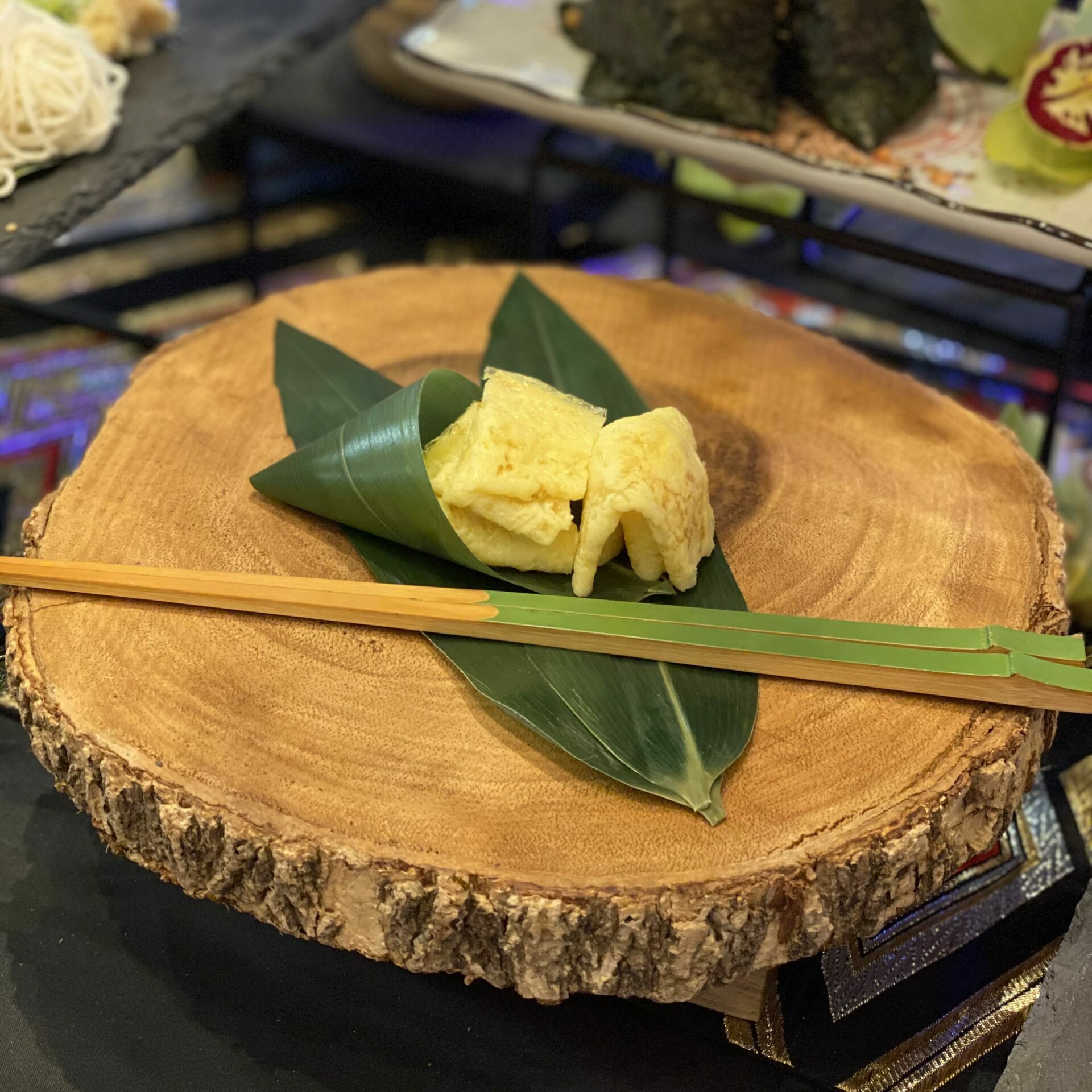
TAMAGOYAKI

IF we’re going by a cooking demonstration by the Japan External Trade Organization (JETRO), we can have Japanese food at home every day, should we wish it.

During an event at The Seasons Residences Showroom in BGC, Jetro brought a boatload of ingredients that one can use to taste Japan without going out of the house — or even the country.

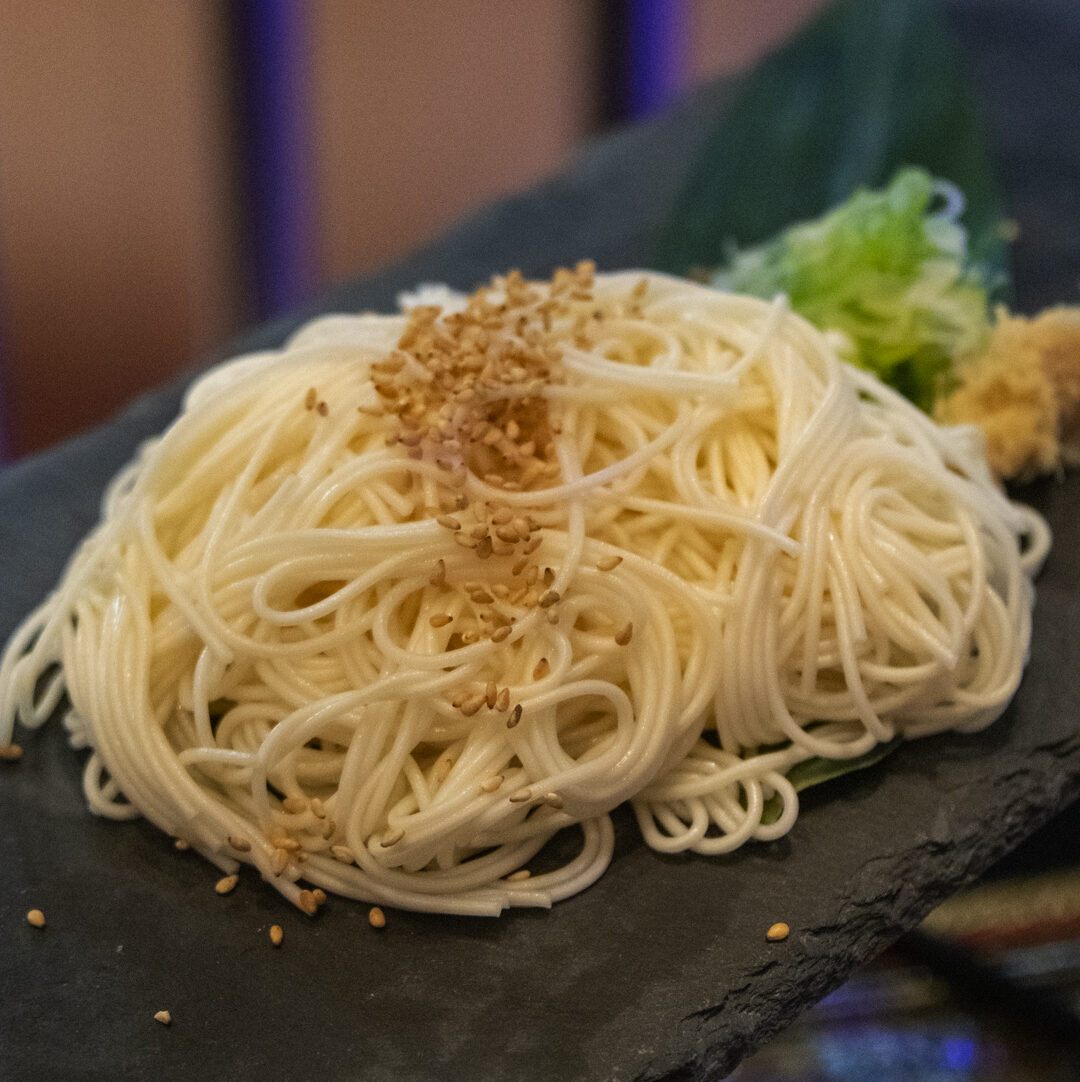
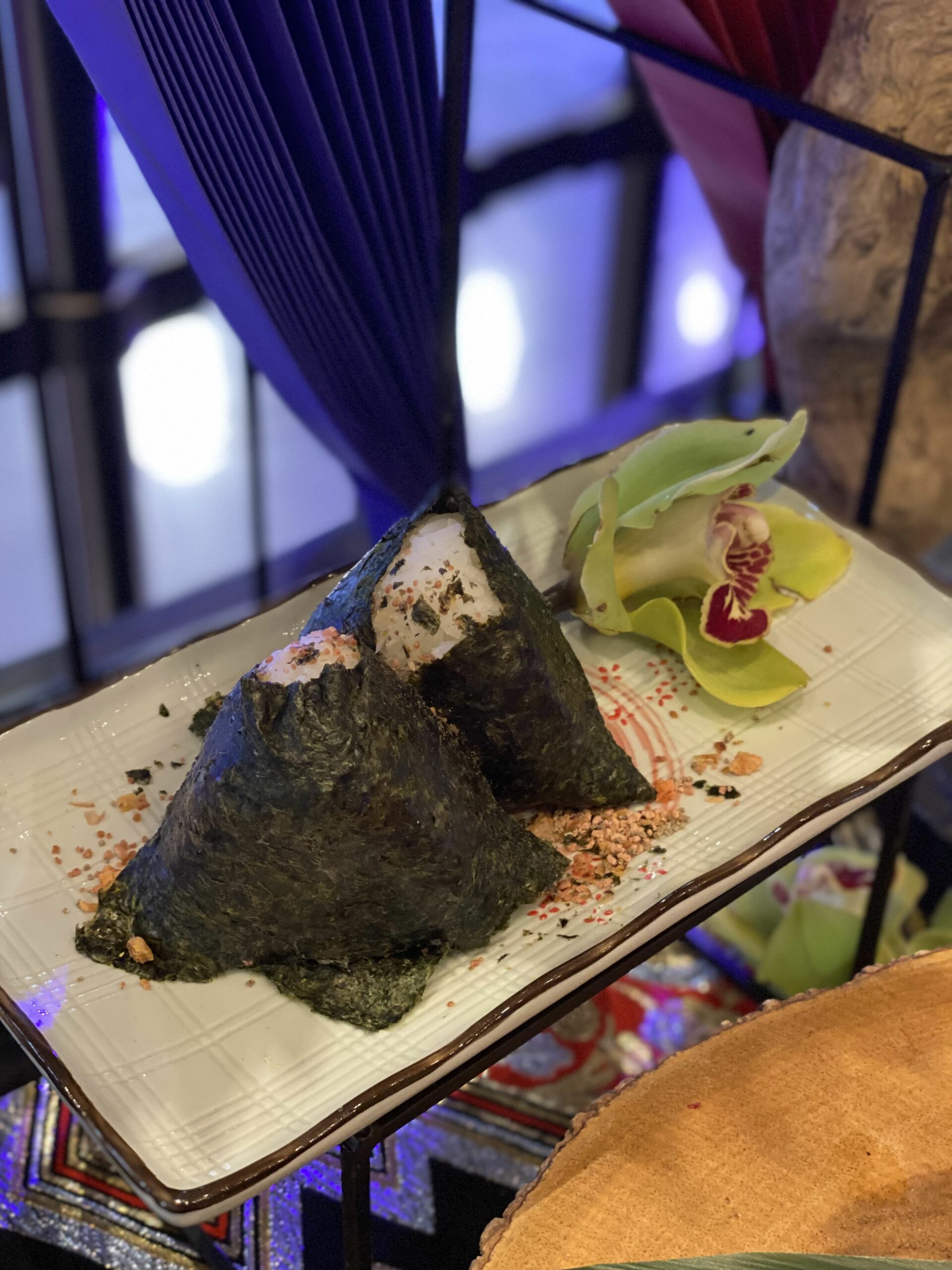
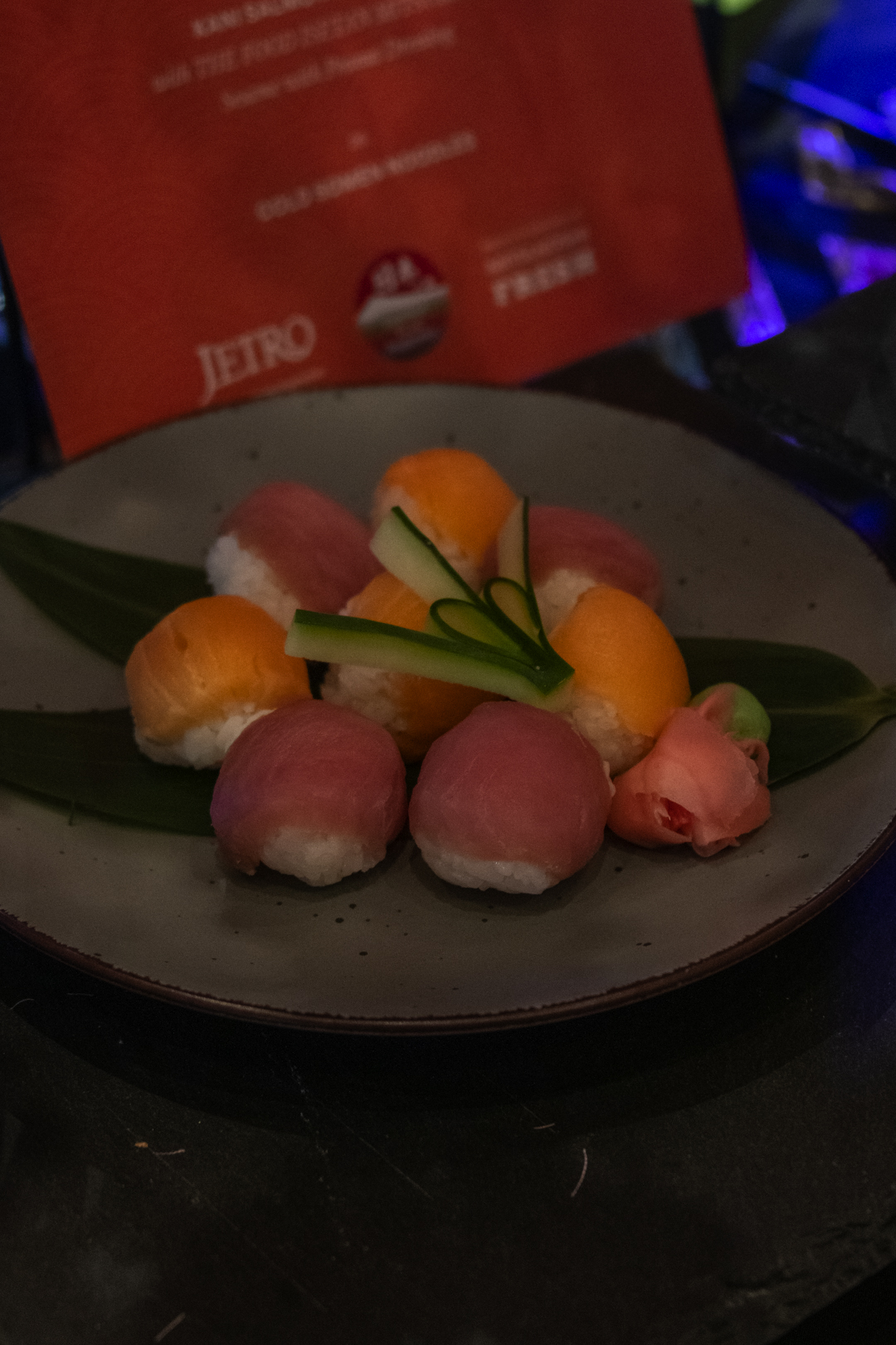
Ozaki Kani Sticks, Ozaki Japanese Mayonnaise, and Ozaki tobiko (salmon roe) were used to make a Kani (crabstick) salad by Japanese chef-consultant Masaaki Ishikawa. Futaba Shiro Dashi, or white soup stock (made of white soy sauce, blended fish such as bonito, mackerel, and sardines) was used to flavor eggs for a Tamagoyaki (Japanese rolled omelets). Mitsukoshi Katsuo Furikake (seaweed seasoning) and Ozaki Nori Sheets (seaweed sheets) were used for Onigiri (rice balls); while Ozaki Kani makes an appearance again for Temari (bite-sized, ball-shaped sushi). Mitsukoshi Sesame Dressing, Katagi Sesame Seeds, and S&B Togarashi Shichimi Chili Powder were used for salmon rolls, and Jinenjo Somen Noodles with Yamasa Somen Sauce and sprinkled with Katagi Sesame Seeds were used to make Cold Somen Noodles. These were followed by cocktails made with Ozeki Sake (rice wine).

JETRO also launched the Japanese Food Supporter program. Restaurants that serve Japanese dishes prepared using ingredients sourced from Japan and retail stores that sell Japanese food products can apply for certification as Japanese Food Supporters. Certified Supporters will be able to display the Japanese Food Supporter logo at their establishments. This seal indicates that they use high-quality, safe, and trusted Japanese ingredients.

They will also gain access to more information about Japanese food and distribution networks and be able to utilize PR opportunities provided by the Japanese Ministry of Agriculture, Forestry, and Fisheries on its official website.

The ingredients, condiments, and drinks highlighted during the event will be available at Mitsukoshi FRESH, a Japanese supermarket concept set to open later this year at The Seasons.

Sudo Makoto, Director at JETRO, told BusinessWorld, “Today’s event is under the theme Bring Home a Taste of Japan. We focused on the products which you can enjoy at your home.

“It’s ordinary recipes Japanese people are usually eating at home,” he said. — Joseph L. Garcia


Tamagoyaki Recipe

INGREDIENTS
Egg, 250 gm
Shiro Dashi, 13 gm
Sugar, 13 gm
Water, 13 gm

1. Mix all ingredients together and mix until well-incorporated.

2. Using a well-oiled tamago pan over medium heat, pour enough egg mixture to cover the pan.

3. Once the egg mixture is almost set, gently roll the omelet until it resembles a log.

4. Place the rolled omelet on one end of the pan and pour another layer of the egg mixture.

5. Repeat the process until the desired thickness is achieved.

6. Secure the rolled omelet by using a sushi mat, then set aside to cool. Slice before serving.

First physical Mrs. Garcia’s Meatshop opens in Quezon City

MEATWORLD International, Inc. launched its first Mrs. Garcia’s Meatshop physical store along Congressional Ave. in Quezon City.

“This is our newest channel of distribution which is our community meat shop. It’s a neighborhood meat shop that emulates a supermarket-type of grocery experience. As you walk in, there will be skilled butchers and merchandisers to sell you the meats that you want. We carry various meat products from beef, pork, chicken and some seafood products,” Bernadette M. Lee said in a press conference on Wednesday.

“Recently we’ve established our distribution in territories like Visayas and Mindanao and we are a supplier to a lot of hotels and restaurants. Our core business is retailing and distribution of meat products,” she added.

Over the pandemic, the firm had to adapt to the situation and establish an online shop and work with e-commerce.

“We do have our presence in a lot of online platforms. We’ve launched our stores in Shopee and Lazada. We have more projects in the pipeline, the end goal is to bring our meat products to our consumers wherever they are,” Business Unit Head Miguel Macaalay said.

This year, the firm said it experienced a primarily flat performance. “It’s a flat year for us. No growth but we’re flat. It’s the same performance as last year,” Ms. Lee said.

She said that inflationary pressures have driven prices up and resulted in lower consumption.

“Prices have gone up by about 20%. We had a situation in the Philippines, which was the African Swine Fever (ASF) outbreak. The hog herd has been affected, which means most commercial farms have not been producing pork because the herd is sick. What the government has done is that it allowed us to import more, but with more imports, it has affected the cost of materials,” she said.

“In the fresh meat category, because prices are up, the consumption has gone down quite a bit. We see that about 15% of consumption has gone down,” she added.

The firm is hopeful that there will be more revenge buying with the incoming holiday season.

“But everything is still a wait-and-see situation, especially now that foreign exchange has gone up. The working class has a limited budget,” she said.

“We feel that this is temporary because protein, particularly pork and chicken, is an integral part of the Filipino diet,” she added.

Meatworld is also planning on expanding to other areas across the country.

“We intend to continue because we know the market will bounce next year therefore, we need to be present in most supermarkets,” she said.

“There are gaps in the market, which means there are a lot of locations not being served by the supermarkets, so we’d like to tap on those,” she added.

The firm also said that it is offering franchising for its Mrs. Garcia’s Meatshops. It will cost around P3-4 million to operate and own a fully functioning meat shop.

“We guarantee all our products are the highest of quality and adhere to the strictest standards in the industry. All franchises can ensure all products are safe, high quality, and affordable,” Meatworld Marketing Manager Sheila Padilla added. — Luisa Maria Jacinta C. Jocson

Exclusive dinner reflects credit card exclusivity

TXULETA — a steak from an older, more fulfilled cow

MASTERCARD presented a dinner at Gallery by Chele that reflected the invitation-only status of their top credit card tiers, namely, the MasterCard World and World Elite cards. The dinner on Oct. 3 took invitation-only diners around the world on a plate.

Dinner kicked off with White Snapper Ceviche with Roasted Hazelnut and Tomato Sorbet (inspired by the country of Peru), and an Oyster Omelette with Scallions and Cilantro (inspired by Singapore). Tasting Club founder Kevin Charuel, meanwhile, led guests through the wine pairings. A Beaumont Hope Marguerite Chenin Blanc 2018 from South Africa was paired with these two starters. Displaying notes of apricot and green apple, this brought out the freshness of the fish; while cleaning out the oceanic flavor of the oysters.

Lobster Tail with Hollandaise, Ikura, and French Beans came next, as well as a Mackerel and Asparagus Risotto. These were paired with a Whispering Angel 2021 Rose from Côtes de Provence in France. The wine had notes of ripe peach and a lightly musky scent, and with the lobster, captured the essence of light luxury, and giving levity to the risotto.

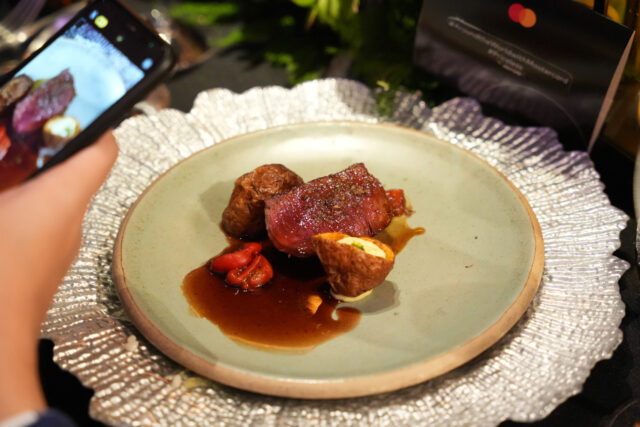
Most everyone looked forward to the Txuleta (steak from an older, more fulfilled cow), paired with a Bodega Numanthia Termes 2018 from Toro in Spain. The steak was sweet and smoky, and the wine’s cacao notes and balance between lightness and tannic qualities gave gravitas to the steak. Both benefited from the pairing in an exchange of complexity.

Dessert was the Mango MNL from Gallery, with Coconut, Dayap, and Lemon Balm; then another Gallery signature, the Bibingka Cheesecake. These were paired with a Chateau Imperial Late Harvest 2015 from Hungary, with a sweet, fruity taste and a scent leaning to the floral. These notes gave an accent and cut through the rich creaminess of the desserts.

WHAT THE DINER REPRESENTED
MasterCard Philippines’ Country Manager Simon Calasanz talked about why they chose to show off the cards’ powers through a dinner at Gallery by Chele. “We thought it matched very well with the proposition of World and World Elite.”

Benefits of the card include a complimentary one-year membership to Centr: By Chris Hemsworth, a personalized digital health and fitness program; complimentary unlimited Doctor Chat, Teleconsultation and medicine delivery provided by Allianz Partners and MyDoc; discounts of up to 50% on green fees at 42 premium golf clubs all over Asia; access to Mastercard’s curated travel experiences on Priceless.com; and exclusive discounts on trips such as 12% off on hotels booked through Agoda and 5% off on attractions and in-demand tours booked through Klook. Apart from the benefits, cardholders also get access to additional travel and concierge services such as global data roaming, airport concierge and destination limousine rides (subject to terms by the card issuers).

Mastercard World cardholders are automatically entitled to annual e-Commerce Protection coverage of up to $200, and World Elite cardholders have annual premium e-Commerce Protection of up to $1,000 when they shop or pay online when traveling.

World Elite cardholders also automatically get access to Purchase Protection and Travel Insurance of up to $20,000 and $500,000 coverage, respectively.

“You can apply for a MasterCard World or World Elite Card with any of our partner issuers that issue these cards,” said Mr. Calasanz. He mentioned BDO and RCBC as two of their partner issuers. BDO’s website lists the qualifications for the card as “A By-Invitation only credit card.”

“One card issuer might have a different qualification from the others,” he said. “They’d be happy to assess you if you’re accepted,” he said.

More than the perks, perhaps part of the appeal of having the World and World Elite Cards is the emotional value of having something few people have. “Not everybody is chosen,” said Mr. Calasanz. — JL Garcia

Spectrum set to energize Riverbanks mall

MSPECTRUM, Inc. (Spectrum) is set to energize the Riverbanks mall with its solar panels after signing a contract for the installation of a 1.5-megawatt-peak solar photovoltaic system for Riverbanks Center.

In a media release on Wednesday, Spectrum said that it partnered with Riverbanks Development Corp. for the solar energy project that will support the latter’s push for sustainability.

It said that the project is expected to be completed by March 2023, with an expected power generation of about 2 million kilowatt-hours of clean energy per year. This would translate to about P14 million of savings in energy costs, the company said.

“Providing a clean energy solution specifically designed for Riverbanks’ needs and goals is Spectrum’s mandate as a renewable energy company. This pilot solar rooftop project with Riverbanks is just the beginning, and Spectrum will be with them as they embark on this journey towards becoming a sustainable business,” Spectrum Chief Operating Officer Patrick Henry T. Panlilio said in a media release.

Renewable energy firm Spectrum is a wholly owned subsidiary of Manila Electric Co. (Meralco). It provides tailor-fit solutions for industrial, commercial, and residential customers through an in-depth understanding of energy consumption behavior. It is backed by Meralco’s energy expertise and proven safety track record.

Meralco’s controlling stakeholder, Beacon Electric Asset Holdings, Inc., is partly owned by PLDT, Inc. Hastings Holdings, Inc., a unit of PLDT Beneficial Trust Fund subsidiary MediaQuest Holdings, Inc., has an interest in BusinessWorld through the Philippine Star Group, which it controls. — Ashley Erika O. Jose

A visa-free trip to the South Korean countryside

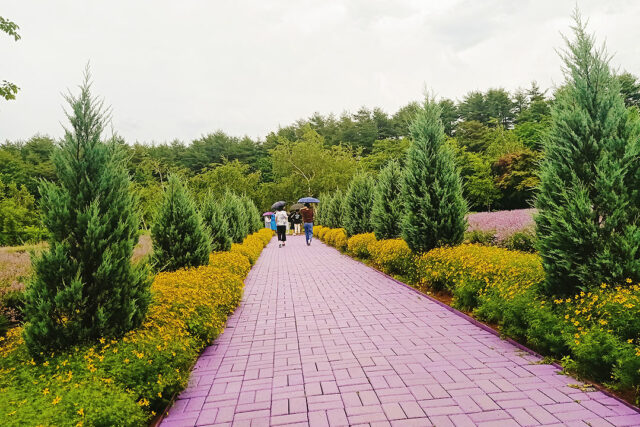
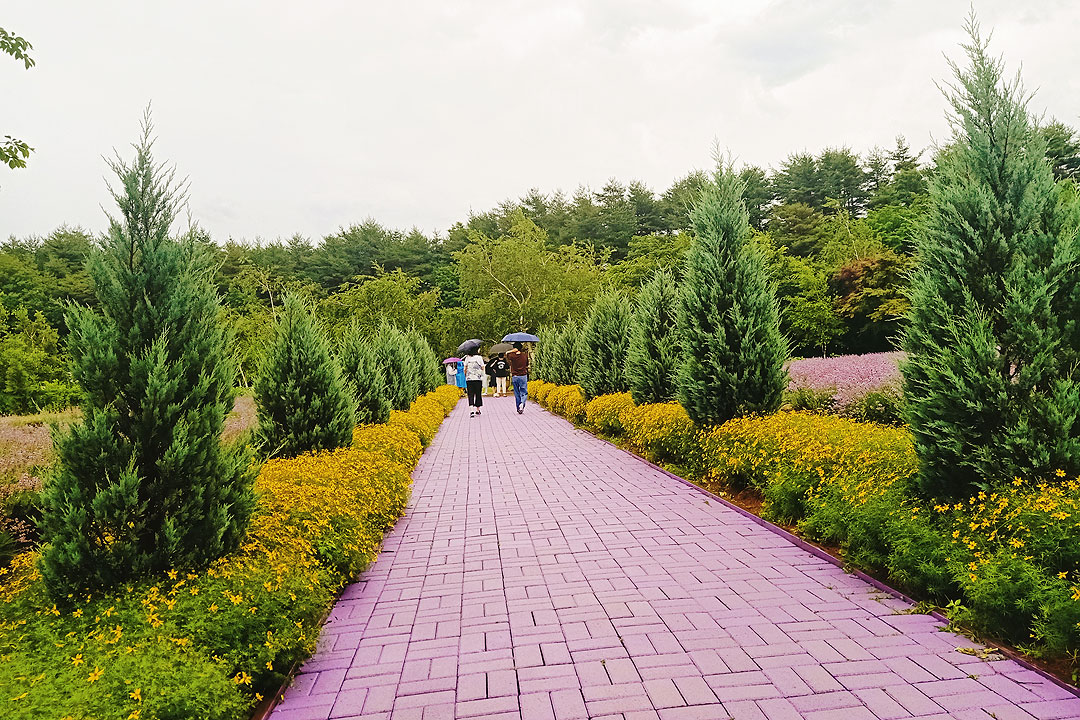
Hani Lavander Farm road — PHOTO BY MICHELLE ANNE P. SOLIMAN

By Michelle Anne P. Soliman, Reporter

WHEN the COVID-19 pandemic led to the closure of international borders, fans of all things Korean turned to watching Korean dramas, learning to cook the dishes featured in scenes from their favorite Korean series and films, and watching Korean singers perform in virtual concerts.

Now that countries are opening up, travel is once again possible, and those interested in going to the land of K-pop finally can. And, depending on where they are going, they don’t even need a visa.

Visitors entering Korea via the Yangyang airport with accredited tour operators can do so visa-free ( https://overseas.mofa.go.kr/ph-en/brd/m_3275/view.do?seq=760897&page=1).

The Yangyang International Airport serves as the gateway to the province of Gangwon. The South Korean low-cost airline Fly Gangwon offers direct flights from Clark Airport in the Philippines to Yangyang Airport in Gangwon, Korea.

“We all know that securing a visa is one of the deciding factors of tourists when deciding their next travel destination. Introducing visa-free travel this year is one way to overcome the obstacle,” Korean Tourism Board Assistant Manager Bhea Iwarat told BusinessWorld in an e-mail.

Visa-free entry for Filipinos through Gangwon Province began in 2018, during Pyeongchang Winter Olympics. “[The visa-free trips] were supposed to return at the start of 2020, until the pandemic happened,” Ms. Iwarat said.

“One unique point we would like to highlight regarding Filipino tourists is that traveling with family members are very common….,” she said. “As the popularity of Korean culture, and travel continue to grow, we would like to tap into that market so we could encourage every Filipino family to spend their holidays in Korea.”

Data from the Korean embassy in the Philippines recorded 516,503 Filipino visitors to South Korea in 2019. Data about Filipino visitors since the opening of international travel between both countries after the pandemic lockdowns ended has yet to be determined.

(https://www.mofa.go.kr/eng/nation/m_4902/view.do?seq=27).

GANGWON, SOUTH KOREA
The province of Gangwon is located the east side of the Korean Peninsula — an hour and a half drive from Seoul. The province has seven cities, 11 counties, and a population of 1.56 million.

During the winter, Gangwon is popular for its numerous ski resorts. But during the summer, its top tourist spots are its beaches and coastlines.

During a three-day weekend to Gangwon back in June, we visited the cities of Sokcho, Goseong, PyeongChang, and Gangneung.

PLACES TO EXPLORE
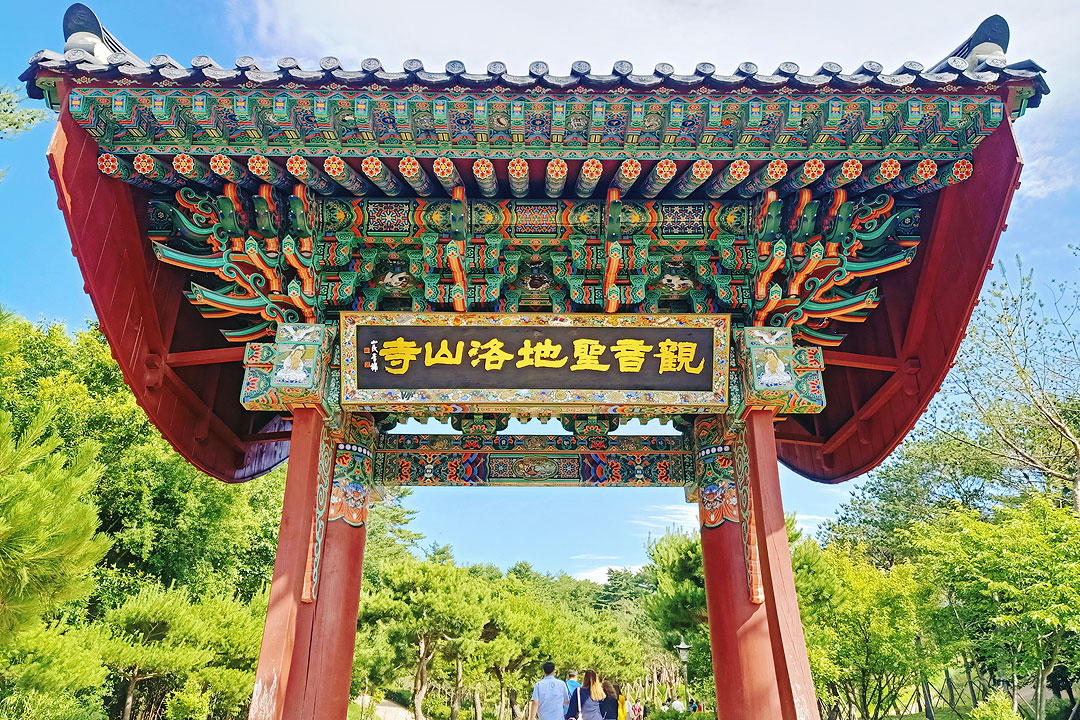
The trip’s first stop was the Naksana Temple in Yangyang. It was built by Ui-Sang, the ambassador of the 30th King of Silla Period (57 B.C. to 935 A.D).

While walking in the temple’s vicinity one sees various assemblages of stacked stones. Our tour guide said that stacking a stone on top of another is commonly done when making a wish.

At the end of an uphill trek is the 16-meter white granite statue of Avalokiteshvara Bodhisattva (the Goddess of Mercy) and a breathtaking view of the East Sea.

BEACHES AND THE BTS BUS STOP
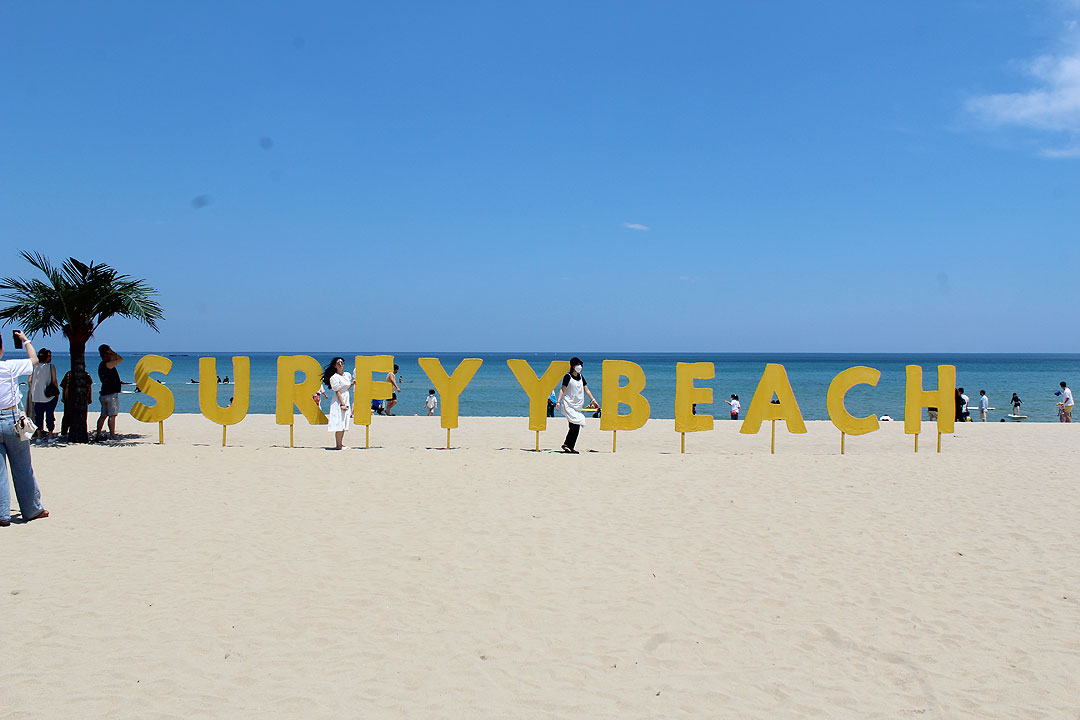
Yangyang Surffy Beach is (as one can glean from its name) a place for surfers and students of the water sport. The beach has a separate zone for surfers and swimmers. While we did not go for a swim, we did lounge at the bar and restaurant where guests can enjoy food, drinks, and music. It also has souvenir shops and a camping area.

The second beach we visited is Sockho Beach which is nearer to commercial establishments. One also finds the Sokcho Eye, a 65-meter Ferris wheel, at the beachfront. The ride has 36 passenger cars that can hold six people each. The top of the Ferris wheel offers an expansive view of the beach and the Seorrakan Mountain.

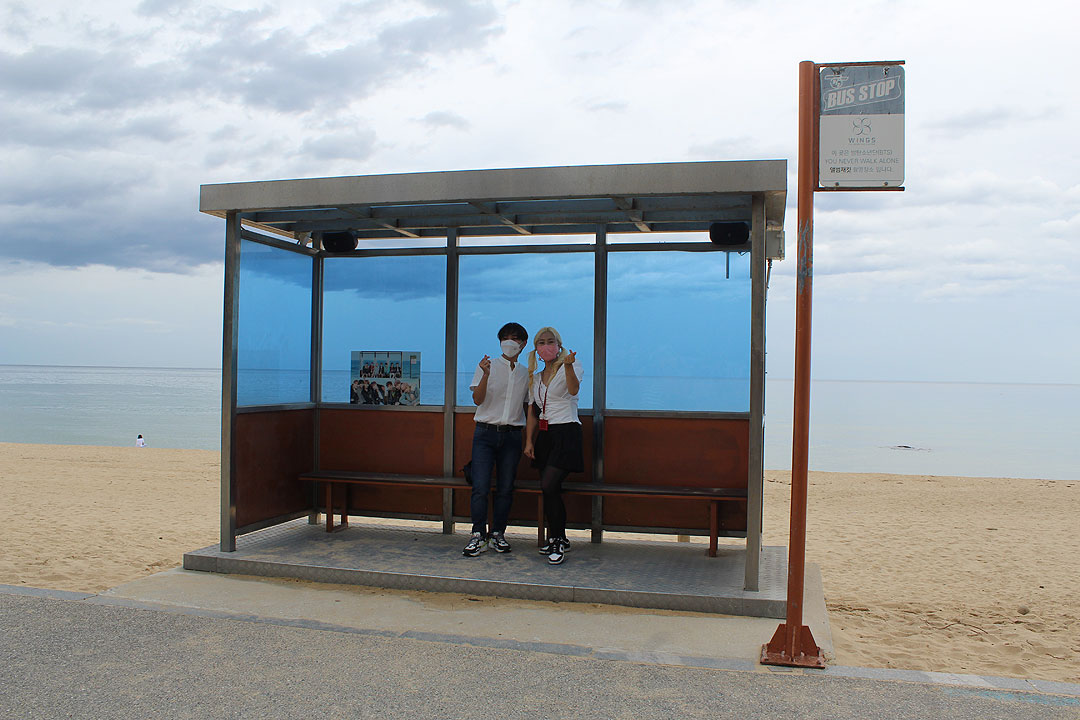
Another beach to visit is Yeongjin Beach, located in Juminjin which is one of the filming locations of the popular K-drama, Guardian: The Lonely and Great God (2016).  Near the Juminjin Breakwater is the “BTS Bus Stop” where the famous Korean boy band shot the photographs for You Never Walk Alone (2017), a repackage of their second studio album, Wings (2016). Note that the BTS Bus Stop is not an actual bus stop, but a recreated photo zone for visitors and fans.

HANI LAVENDER FARM
It was a rainy morning on the way to the Hani Lavender Farm in Goseong. After a 30-minute drive from the hotel, we noticed that the asphalt on the way to the farm was, appropriately, painted purple.

Hani Lavender Farm was founded in 2006 by Ha Deok-ho.  Mr. Ha moved from Gyeonggi province where he used to operate an herb shop, to Goseong to cultivate his lavender farm.

Aside from lavender, the picturesque 33,000 sq.m. farm is also planted to crops such as rye and chamomile. The farm also has a souvenir shop with products made with lavender such as herbal tea, soap, lotion, and essential oils.

The farm is a lovely place to take photos. However, the continuous rains made that a challenge on the day of our visit.

During the summer, the areas of Eochin-ri in Goseong-gun are covered with purple blooming lavender fields. Every June, the Lavender Festival is celebrated for three weeks.

MARKET AND RESORT
A trip would not be complete without a stop to buy gifts and try Korean street food. One good place to visit is the Sockcho Jungang market, a traditional market which opened in 1980. Each alley designated for various products such as seafood, chicken, vegetable, and fruits.

Another stop on our tour was found at the foot of Balwangsan Mountain. The Yongpyong Resort is a popular ski resort in Pyeongchang which also served as the venue for skiing events during the 2018 Winter Olympics. The country’s first ski resort, it opened in 1975. In the winter, it sees an annual average snowfall of 250 centimeters. The ski resort was also the filming location for the Korean drama Winter Sonata (2002).

Since it was summer during our visit, we instead went for a Mt. Balwangsan Cable Car tour, which stretches over 7.4 kilometers. At the end of the cable car tour is a skywalk at a Swiss-style building called Dragon’s Peak.

Tourists can also visit the skywalk via an elevator in the Dragon’s Peak building or climb 136 steps to reach it. According to information painted on the steps, climbing 136 steps burns a total of 34 calories.

ARTE MUSEUM
Immersive media art can be found at the Arte Museum. The museum is inside what used to be a speaker manufacturing company. The 4,600 sq.m. space is filled with digital art, colorful 10-meter-tall installations of lights and sounds. Each room flashes a variety of images including beaches, thunder and lightning, forest, waterfalls, a garden, and geometry.

Navigating the museum can be tricky as the space is very dim with the images on the walls as the only light source. It is also surrounded by tall mirrors and glass partitions.

After wandering through the museum, guests can enjoy refreshments at the Arte Tea Bar, where even the milk tea is artistic. We were served the best-seller, Strawberry Moon, a cold milk tea. Once it arrives, the table’s sensor is activated and shows an image of an artwork of blooming pink flowers surrounding the glass. A portion of the artwork is also reflected inside the glass. As one drinks, the artwork around the glass also shrinks, and it disappears when the beverage is fully consumed.

At t exit of the Tea Bar is a souvenir shop with products such as scented candles, bags, gadget accessories, art, and decorative materials.

BEACH, COFFEE, AND A WOODEN HOUSE
At the front of Gangneung Anmok Beach is a stretch of coffee shops. During the trip, we were all allotted an hour to choose a coffee shop. I chose a place called Bossa Nova due to its industrial design and an al fresco second floor overlooking the beach.

There I enjoyed a cup of Ethiopian brew, and a surprising find (since there was no label on the pastry): a semla, a Swedish Lenten bun. The coffee shop also sold packed croissant-shaped treats for dogs.

The Ojukheon Complex gets its name from the robust black bamboo trees that surround it. One of the oldest residential and wooden buildings in Korea, the Ojukheon house is the maternal family home of Shin Saimdang, a Korean artist, writer, calligraphist, and poet of the Joseon period. The house is Treasure No. 165 on Korea’s list of cultural heritage.

Shin Saimdang’s image is seen on the Korean 50,000 won bank note. She is considered the best female artist of the Joseon Dynasty and a role model of a good wife and mother. Meanwhile, Yi L, her son who was born in the Ojukheon house, became a noted politician and scholar. His image is found on the 5,000 won bank note.

TRAVEL REQUIREMENTS
Health requirements to enter Korea have been eased considerably. There is no required vaccination level for international passengers and negative COVID-19 test results are no longer required.

According to the Korean Tourism Board’s website, the requirement for a post-entry PCR test within one day upon entry to Korea was lifted on Oct. 1, while the pre-entry negative PCR test result requirement was lifted in early September.  (http://english.visitkorea.or.kr/enu/AKR/FU_EN_15.jsp?cid=2862555&fbclid=IwAR0wTvm1OqREmdrer04N0PoetT2fMtYE2mwJE1tfWWDKBRx5kGjULkWCmgE).

But to travel visa-free, one has to book a tour through a travel agency.

“[The] visa-free entry through Yangyang is only possible through booking group tours from designated travel agencies by the Korean Embassy, and their partners. One group must be five or more in number and must travel together at all times,” the Korean Tourist Board’s Ms. Iwarat said. (https://overseas.mofa.go.kr/ph-en/index.do).

Prior to the flight back to the Philippines, tourists are to accomplish the One Health Pass (https://www.onehealthpass.com.ph/) to be filled up on the same day as their date of arrival.

BusinessWorld traveled as a guest of the Korean Tourism Board (KTO).