Home Blog Page 4729

A tale of two Kia shops

PHOTO FROM AUTOHUB GROUP

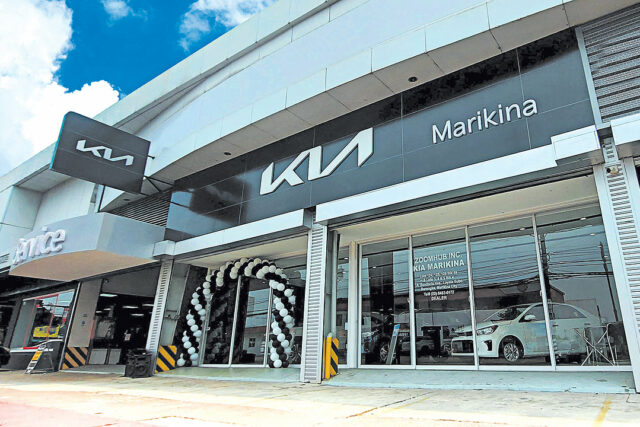
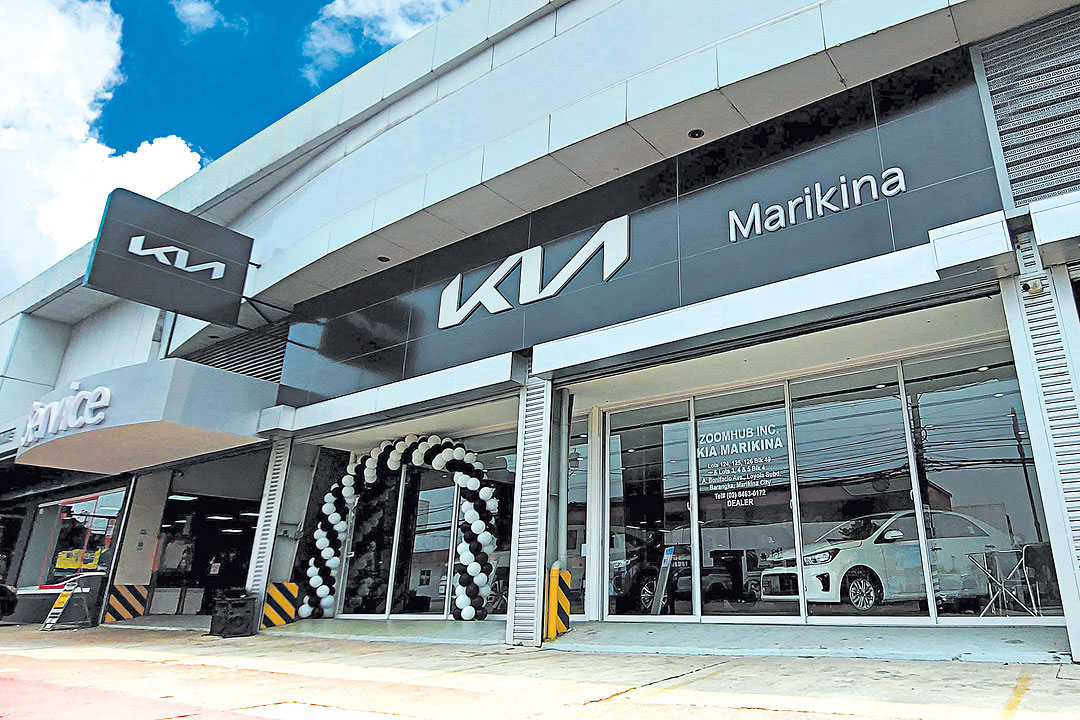
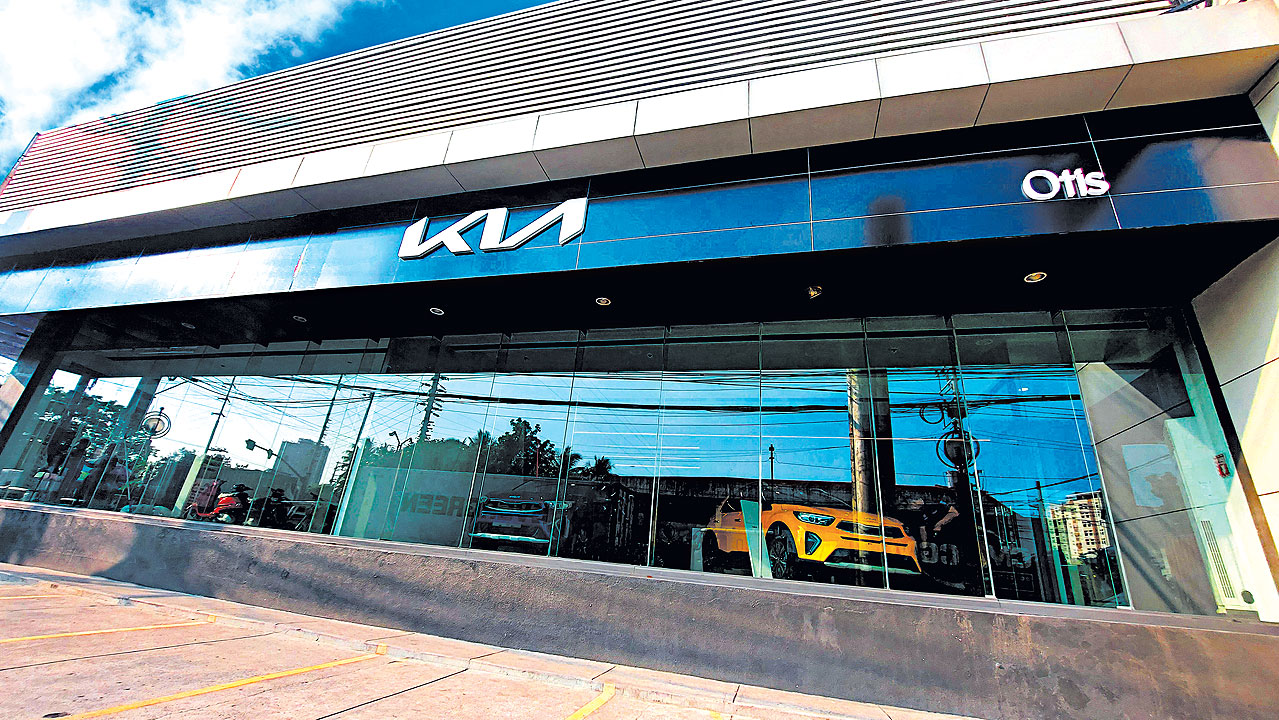
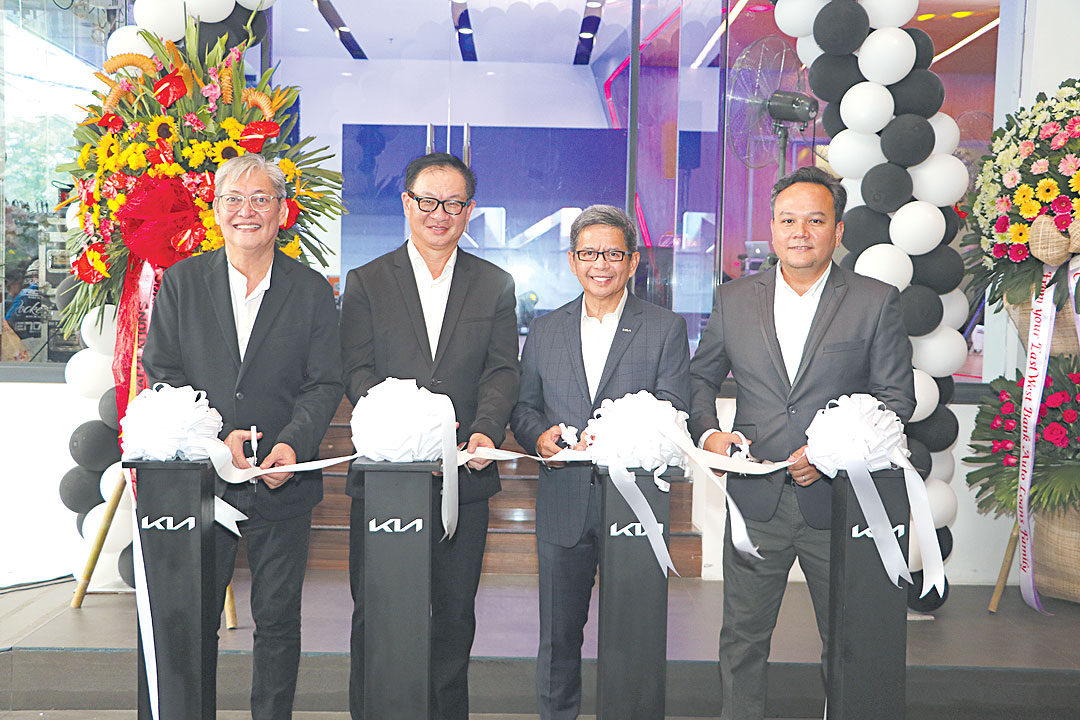
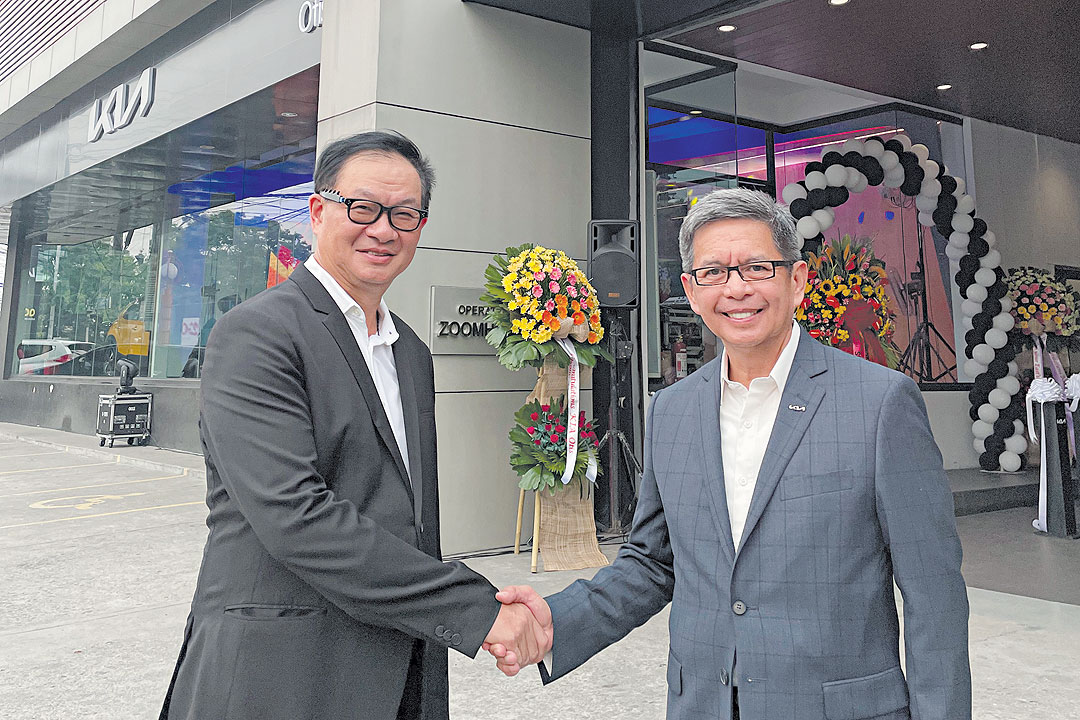
Autohub Group holds simultaneous opening of Kia Otis and Kia Marikina

THE RAPID EXPANSION of Kia Philippines has been further accelerated by the simultaneous opening of Kia Otis and Kia Marikina — both under the multi-branded Autohub Group.

These dealerships are the 43rd and 44th Kia dealerships in the country. Both dealerships, which also showcase Kia’s new global look, bring the Kia brand experience closer to car buyers in the Manila and Marikina areas.

Kia Otis and Kia Marikina will enhance the ownership journey by offering next-level service, thanks to their very convenient locations and comfortable facilities. Sales, after-sales, maintenance, and support services make sure that all customers’ needs are taken care of in a timely and professional manner.

These two new dealerships are strategic in their locations. Kia Otis, located in the heart of the bustling city of Manila, offers a convenient venue that is easily accessible to those who live and work near Manila Bay and the Port Area.

Meanwhile, Kia Marikina will cater to the growing population in the shoemaking capital of the Philippines, and the sprawling urbanized eastern countryside.

The opening of Kia Otis and Kia Marikina embodies Kia’s tagline and its commitment to its loyal customers. “This event brings a ‘Movement that Inspires’ closer to the people, and we are proud to welcome the Autohub Group into our growing family,” said Kia Philippines President Manny Aligada.

“Opening not just one but two new dealerships is indeed a milestone for us. Under the experienced management of the Autohub Group, we are confident that Kia Otis and Kia Marikina will bring even more joy to our treasured customers. We look forward to a meaningful and fruitful partnership with the Autohub Group in the years to come,” Mr. Aligada added.

The Autohub Group has been the purveyor of some of the most iconic brands renowned throughout the world like Mini, Rolls-Royce, Lotus, Vespa, and Triumph. With 24 years of experience in the automotive industry, the Autohub Group continues to forge new partnerships.

“We believe in the Kia brand, which is why we have committed to opening two dealerships at the same time. Kia is very desirable, its model mix is very timely, and we feel that it is a perfect fit for our growing portfolio of trusted car brands — while providing an array of automotive choices in all segments and fleet solutions to our customers,” said Autohub Group President Willy Tee Ten.

“The decision to carry Kia is an obvious one. The brand has shown strong growth and has massive potential, and that’s what we need now in Autohub,” added Mr. Tee Ten.

Kia Otis is located at 1120 Pres. Quirino Avenue Extension Brgy. 827 Zone 89, Paco, Manila with contact numbers (02) 8561-0973 or 74 and 0917-834-7986, while Kia Marikina is located at A. Bonifacio Avenue, Loyola Subdivision, Barangka, Marikina City with contact numbers (02) 846-30172 and 0916-544-1142.

For more information on Kia, visit the Kia Philippines website at kia.com, like and follow Kia Philippines on Facebook and Instagram, and subscribe to its YouTube channel.

BlueFloat: Offshore wind to bring PHL energy security

GLOBAL offshore wind developer BlueFloat Energy said accelerating the development of the vast wind energy resources in the Philippines will help hasten the country’s energy security ambition.

“We are thrilled to bring BlueFloat Energy’s expertise and experience in offshore wind energy to the Philippines. We believe that by tapping into the country’s vast clean energy potential, we can make a significant contribution towards reducing carbon emissions and fostering a sustainable future for generations to come,” Carlos Martin, chief executive officer of BlueFloat Energy, said in a media briefing on Friday.

Headquartered in Spain, the company said that it had secured four wind energy service contracts in four sites in the Philippines, namely: Central Luzon, Northern Luzon, Southern Luzon, and Southern Mindoro.

The four service contracts have a combined potential capacity of 7.6 gigawatts (GW) or 7,600 megawatts (MW), with each project having an estimated capacity of about 1.5 GW to 3.5 GW.

Mr. Martin said the projects require an estimated investment cost of between $3 million and $5 million per MW at current prices.

Pierre-Antoine Tetard, vice-president for business development of BlueFloat Energy, said the projects will not be developed simultaneously but the estimated timeline for the execution phase and operations of at least one of four projects will be by the end of the decade.

Meanwhile, Mr. Martin said that while they acknowledge the country’s wind energy potential, the development of the grid is also needed to integrate additional renewable energy capacity.

“It is never easy [to address grid integration]. First of all, offshore wind is probably easier to integrate. Production is more stable and predictable, you can produce more power,” Mr. Martin said.

In May, the Department of Energy issued implementing guidelines for Executive Order 21, which will adopt a whole-of-government approach to expedite the processing of permits and requirements for offshore wind energy projects.

Last month, the department said it had awarded 65 offshore wind contracts with a combined potential capacity of 51.23 GW, which it deemed enough to supply the country’s future energy demand.

Under the Philippine Offshore Wind Roadmap, the Philippines has an estimated potential capacity of 178 GW from offshore wind resources. This is expected to help the country reach its aim of increasing the share of renewables to 35% to the country’s energy mix by 2030 and 50% by 2040. — Ashley Erika O. Jose

Is the future of motoring (still) electric?

PHOTO BY KAP MACEDA AGUILA

Yes, but not yet — at least for most of us

A TRIP to any of the advanced economies in Asia and Europe will show how ubiquitous electric vehicles (or EVs) are in the motoring landscape of these countries. The recently held Manila International Auto Show (MIAS) clearly highlighted the investments that automotive brands are making on EVs.

This is especially true for manufacturers from China, as this focus on electrics is mandated by the central government, which strongly encourages use of what it terms “new energy vehicles” in highly urbanized city centers, such as Shanghai. In Beijing, EVs are also given preference for vehicle registration, while non-EV buyers are subjected to a “license plate lottery” just to get their cars registered.

So where does that leave our market? In the ASEAN region, many other countries have already adapted government policies to encourage the use of EVs. Thailand, for example, gives substantial subsidies (equivalent to P200,000) to buyers of EVs. In Singapore, electric vehicles accounted for 12% of new car sales last year — spurred on by government incentives (worth more than P1 million) to promote the sales of EVs. Of course, Singapore is an anomaly in the region, as the prohibitively high COE (Certificate of Entitlement) means that the typical Singaporean buyer is skewed toward a more affluent demographic. This same demographic is where we may start to see some headway for EVs in the Philippine market.

I am fortunate to have experience in both the mainstream and luxury automotive segments, and it is absolutely true that the purchase considerations of mainstream automobile clients are vastly different from those in the luxury segment. EVs have already become a fixture in the premium showrooms throughout Metro Manila, and within this segment, the electrified dream has already become a present reality.

As expected, this is largely due to the luxury car buyer being able to consider the extensive number of benefits of an electric vehicle — and there are many — without being put off by a price tag that may be prohibitive for most. It also helps that many premium car buyers live in gated villages or high-end apartments, and have access to an enclosed garage with electrical access for charging. Additionally, since vehicle cost is not the primary consideration of these buyers, other more altruistic issues such as protecting air quality and preventing the depletion of fossil fuels may come into play. Though the environmental impact of the traditional internal combustion engine (ICE) is widely known, for many, the ability to find a safe and reliable mode of transportation is a more pressing necessity.

If EVs are going to establish a significant presence in the mainstream Philippine automotive market, they are going to need to have a clear fiscal benefit to the buyer.

The first, and perhaps most significant, hurdle for widespread EV sales is the cost of the vehicle itself. The cost of EV technology, specifically battery technology, has gone down drastically over the past decade. Despite this, the cost to produce an EV is still roughly double that of an equivalent ICE-powered vehicle. As mentioned earlier, some markets have established tax incentives and subsidies to push buyers toward EV choices. Over here, the Electric Vehicle Industry Development Act (EVIDA) Law held much promise in its initial versions. However, the final form that was passed turned out to be severely watered down, and the primary fiscal incentive for imported EVs is merely exemption from excise taxes, which was already available during the rollout of the TRAIN law in 2018. Perhaps the most talked-about benefit of EVs is the exemption from the UVVRP (Unified Vehicular Volume Reduction Program) in Metro Manila, commonly referred to as number coding. Being able to use your car for another day in the week, however, is not compelling enough to pay double the price for a new car. Most households would then just buy two cars, which is precisely what they did — further aggravating the traffic congestion in the city.

But what about the reduced cost of fuel? Surely, that is a strong enough reason to choose an EV. Well, if you spend P15,000 a month on fuel, and an EV is P1 million more expensive than a gasoline or diesel counterpart, then it would take more than five years for you to recover the marginal cost of the EV. And that does not even consider the increased electricity bill from home charging.

One may also argue that maintenance costs of EVs are significantly lower than traditional fossil fuel-powered engines, and that would partially offset the high upfront purchase cost. This is true, as EVs remove many of the traditional engine components that need to be tightened, lubricated, or replaced on a periodic basis. But one challenge that remains is the battery, which only has a limited number of useful charging cycles before the entire unit needs to be replaced. As most dedicated EV platforms are essentially built around the battery, the effort and cost in replacing an obsolete battery can be higher than the depreciated value of the vehicle, which can affect the resale value of an EV. One quick search on Facebook Marketplace will show that early adapters of EV technology bore the brunt of heavy depreciation. An EV with an obsolete battery is similar to a modern cellular phone with an obsolete battery. For the affluent, this simply signals the need to purchase a new unit.

Perhaps one factor that needs to also be considered in the promotion of electric vehicles is the availability and cost of electricity in our country. While we in Metro Manila often take electric supply for granted, for many of our countrymen, electricity remains to be an elusive luxury. In regions where rotating blackouts of several hours are a regular part of life, and the hum of diesel generators permeate the rural silence, how can EVs possibly gain a foothold? It doesn’t help that the Philippines continues to have one of the most expensive electricity rates in the region. And to top it all off, nearly half of the electricity produced in our country comes from the burning of coal and other fossil fuels. Without nuclear power plants, our electricity will remain expensive. And without sustainable power solutions, our electricity will remain dirty.

Hybrids provide a sort of compromise, where customers enjoy a measure of the benefits of electric propulsion, while having both feet still firmly planted in internal combustion technology.

We must remember that the whole concept of a car powered by electricity is not a new idea. Electric motors were used in the early 20th century to propel some of the first examples of horseless carriages. One of the primary reasons why the world had widely adopted internal combustion vehicles is because petrol was one of the cheapest fuels available when automobile use started gaining popularity. It made the most fiscal sense.

EVs are powerful, dependable, sustainable, enjoyable, and environmentally friendly. They are the next step in the evolution of the automobile. But until we are able to make them affordable to buy and to own, they will continue to be a dream for majority of the motoring public.


Chris Lee Yu, with 12 years of experience in the automotive industry, is an executive of The Covenant Car Company, Inc. and Scandinavian Motors Corp.


Wearing your faith on your wrist, and neck, and ears

Italian religious jewelry brand opens shop in PHL

IN SEEKING the divine, we turn to the best of what the earth has to offer. Jewelry is never too far from religion: we remember the Breastplate of Judgment in the Bible, made of 12 precious stones; and the numerous rosaries, reliquaries, and other religious items made of precious stones and metals that adorn Catholics and their ceremonies.

Amen, an Italian jewelry brand, arrived at the Philippines earlier this year, and it urges one to wear their faith. The line consists of bracelets and necklaces that could function as rosaries, made of silver and crystals. Other items include earrings in the shape of four-leaf clovers, and crucifix pendants studded with crystals, in sterling silver.

Another item is the Prayer bracelet, made of Italian leather stamped with either the words of the “Our Father” prayer or the “Hail Mary.” There’s also the Vita Cristi et Maria line, which shows highlights from the life of Jesus Christ and the Virgin Mary.

The brand’s website says, “Amen comes from the desire to give words of faith in order to be close to their loved ones because they feel protected, loved, never alone.” Meanwhile, its founder, Giovanni Licastro, who once designed jewelry for an Italian luxury brand, said in a release, “At the heart of this project, there is faith and love and a deep willingness to share words and meaningful symbols through jewelry with the loved ones so that they can feel protected. Amen means wearing a feeling, an emotion that rises almost casually but that stands by choice and brings us every day wherever we want to be with the people we want to share our deepest values with.”

Dawn Dacanay, Director of Amen Philippines and the person who brought the brand here, talked about how she discovered it. “On a business trip, a friend saw my scapular around my neck and he immediately said that he knows of a brand that would just be perfect for us,” she told BusinessWorld in an e-mail. “He did not lose time in patching us up with Giovanni Licastro, the founder of Amen, whom we met in the flagship store in Florence.

“The message, the collections, and the designs are what appealed to me personally and I was confident that it will resonate with my fellow Filipinos. The brand’s message ‘Wear Your Faith’ meant that I could wear uniquely designed jewelry pieces that carried a personal touch of something I am proud to live by,” said Ms. Dacanay. “To share such a powerful emotion in a fashionable accessory is something I knew Filipinos would appreciate as well and would share with everyone.”

The Filipino is no stranger to religious jewelry: frequently, a Filipino’s first piece is a gold cross, and we remember Maria Clara’s locket/reliquary in Noli me Tangere (that would play a role as well in its sequel, El Filibusterismo), made of emeralds and diamonds and (supposedly) carried a piece of the True Cross.

Ms. Dacanay said, “The Philippines is strong in both faith and fashion. We see them in everyday life with rosaries hanging from the rearview mirror of cars, to crosses accenting the outfits of fashionistas. There is a natural connection between faith and fashion for Filipinos.”

Ms. Dacanay as well points to the brand’s Italian origins, citing that the country is one of the world’s capitals for design — but also religion. “Historically, Italy, or Rome… was once the center of the world and later on became the center of Christianity. Given how naturally inclined Italians are for fashion and design and combined with a strong history rooted in Christianity, it comes as no surprise how Amen is able to stylishly blend design, fashion, and faith,” she said. She quotes Mr. Licastro, saying, “Faith and fashion need not clash.”

She points to her own experience of wearing Amen: “I wear my leather prayer bracelets by Amen every day and I mix and match the colors depending on my outfit,” she said. Discussing the prayer stamped on it, she said, “It is this subtle yet powerful detail that constantly reassures me when I am anxious or reminds me to be thankful of everything that happens in my day.”

Amen comes at a price: the prayer bracelets cost about P2,800, while a sterling silver and multicolored jade rosary/necklace costs P7,000.

Matthew 6:19-21 says, “Do not lay up for yourselves treasures on earth, where moth and rust destroy and where thieves break in and steal, but lay up for yourselves treasures in heaven, where neither moth nor rust destroys and where thieves do not break in and steal. For where your treasure is, there your heart will be also.” How does one then reconcile an expensive expression of faith with what the bible says about luxury?

“The word ‘celebrate’ is mostly associated with faith and coincidentally, with fashion as well. Faith and fashion go hand-in-hand and to do it in a trendy way is to get the best of both worlds while celebrating one’s individuality in both faith and fashion,” said Ms. Dacanay. “This is what Amen brings to the forefront – fashionable jewelry pieces that serve as a reminder of something greater, an affirmation of our own style, and a stylish way to intimately celebrate and share what we personally believe in.”

Amen’s first kiosk location is in Alabang Town Center, and one can shop through their website at amenshop.asia. — Joseph L. Garcia

Appellate court denies PAL’s P20-M refund

CTA.JUDICIARY.GOV.PH

THE Court of Tax Appeals (CTA) has denied Philippine Airlines, Inc.’s (PAL) refund claim totaling P20.06 million representing its excise taxes for importations of liquor, wine, and tobacco for the period covering August 2014 to February 2018.

In a 25-page decision dated May 30 and made public on June 2, the CTA Special First Division said it did not find any illegal excise taxes that were refundable in favor of PAL.

“Petitioner (PAL) failed to present sufficient and convincing evidence to prove that the imported tobacco and alcohol products were not locally available in reasonable quantity, quality, or price, at the time of importation,” according to the ruling penned by Associate Justice Catherine T. Manahan, citing Presidential Decree No. 1590, or the law establishing the flag carrier.

The tribunal added the firm failed to provide evidence such as price lists of the said products to show that they were not locally available, which is mandated under law.

Under the law, PAL is exempted from the payment of excise tax on its tobacco and alcohol if the said products are not locally available in a reasonable quantity, quality, or price, and if the said supplies are important for the use of the franchisee in its transport and other incidental operations.

The case stemmed from separate demand letters issued by the Bureau of Customs that sought payment from PAL on imports worth P20.06 million.

In a separate dissenting opinion, Associate Justice Marian Ivy F. Reyes-Fajardo said PAL should be excused from excise tax imposition on its wines and liquors based on the testimony of its manager for in-flight materials purchasing division.

Citing Supreme Court jurisprudence, the magistrate said the manager’s declaration that the products were not locally available and the presented price lists from various local suppliers should be enough to grant the refund claim.

The tax court ruled that the manager’s testimony, standing alone, was not enough to prove that the imported tobacco products were not locally available.

“Taking my cue from PAL, petitioner adequately proved that its liquor and wines, imported from August 2014 to February 2018, were not locally available in a reasonable quantity, quality, or price,” Ms. Fajardo said. — John Victor D. Ordoñez

Logistics firm takes delivery of full-electric Foton Tornado

The Foton Tornado 3.6 EV — PHOTO FROM FOTON PHILIPPINES

DB SCHENKER PHILIPPINES, the local arm of 150-year-old German logistics solutions supply chain management firm DB Schenker, recently took delivery of the country’s first commercially available fully electric truck, the Foton Tornado 3.6 EV, from Foton Motor Philippines, Inc.

The Foton Tornado 3.6 EV, available in cab and chassis form, is priced at P3.6 million. “We at Foton Motor Philippines are thrilled to have been chosen by DB Schenker Philippines to be the provider of their first fully electric truck. It is an honor for us to be an integral part of this game-changing partnership,” said Foton Philippines General Manager Levy Santos.

The vehicle features similar EV technology found in more premium electric cars and SUVs. It employs a permanent-magnet synchronous motor with peak output of 154hp and 300Nm — enough to accelerate the electric truck from zero to 50kph in nine seconds and reach a top speed of 90kph. It boasts a full-charge range of 208 kilometers (per global WLTP standards), and charging may be done via AC or DC charger (two to four hours on DC and 12 hours on AC from 20% to 100% charge).

The braking system is a traditional hydraulic, said to promise ease of maintenance and repair. The truck’s gradeability — the steepest hill a truck can climb using maximum torque at the lowest gear — is said to be rated at 20%. The Foton Tornado 3.6 EV truck has a gross vehicle weight (GVW) of 6,000 kilograms with a payload of 3,600 kilograms and a curb weight of 2,400 kilograms. It measures 5,960mm x 1.925mm x 2,260mm (LxWxH) and boasts a 3,360-mm wheelbase.

Comfort, convenience, and safety features include an air-conditioning system, multimedia (MP3/Aux/USB) audio system, adjustable steering wheel, power windows, central locking with remote key, reverse sensor, ABS, electronic brakeforce distribution (EBD) — among others.

“It is Foton Motor Philippines’ aim to help Filipino businesses achieve a zero-cost strategy on fuel, experience more efficient logistics, lower operating costs, and reduce carbon footprint, while enjoying accessible charging opportunities and excellent after-sales services,” added Mr. Santos.

Building on its strengths year on year for the last 16 years and as the first Chinese brand to enter the list of top 10 car companies in the Philippines in terms of sales volume, Foton Motor Philippines has established itself as one of the best-selling automotive brands in the country and a leader in the commercial vehicle industry. The company has forged partnerships with large local, regional, and multinational companies like J&T Express, Shopee Philippines, YTO Express, Flash Express, Coca-Cola, Arrow Go Express, GoGo Xpress, San Jose Del Monte Transport Cooperative, and even the Province of Pampanga.

Skills development strategies for future labor markets in the Philippines

JASON GOODMAN-UNSPLASH

In today’s fast-paced and rapidly evolving business environment, the need for skilled and adaptable labor is more vital than ever before. The Philippines, like other nations, is facing a steadily evolving job market, with novelty technology and digitization transforming the way we do business. The current pandemic crisis has only accelerated this shift, necessitating the need for skilled labor to function in a remote and digital world. To stay ahead of the curve, the Philippines must formulate strategies aimed at advancing workforce skills development, enabling the workforce to adjust to changing market patterns and stay competitive in the future labor market.

There are several skills development strategies that policymakers and organizations can implement to address the needs of the future labor market in the Philippines. First and foremost, education and training must be regarded as a fundamental driver of skills development. Institutions of higher learning must emphasize the education and training of skills relevant to a variety of professions, including finance, commerce, human resources, and information technology. The Philippine government should also increase investments in education to ensure that the youth are equipped with the necessary skills to thrive in the future workforce. Curriculums should prioritize the teaching of critical thinking, analytical skills, and problem-solving skills for the benefit of the incoming workforce. Furthermore, the education system should also emphasize the importance of “soft skills” such as teamwork, communication, and adaptability, which are all necessary in any work environment.

More importantly, education and training must be accessible to all, especially those in rural areas.

Another effective way to develop skills is through work experience. Employers should encourage job placements and internships for students and fresh graduates to gain firsthand experience in their respective fields. Offering opportunities for apprenticeships, mentorships, or job shadowing can help bridge the gap between what is taught in universities and what is demanded by the industry. Furthermore, companies can also promote job rotation to allow employees to gain exposure to different departments within a company, leading to a diverse and well-rounded set of skillsets.

Additionally, lifelong learning should also be emphasized to ensure that those already in the workforce are equipped with the necessary skills to remain relevant in an ever-changing work environment. The government should encourage measures that promote continuous learning, such as subsidizing training and development programs or offering tax incentives to companies that invest in upskilling their employees. Employers and employees alike should also take the initiative to continuously educate themselves and stay abreast of the latest trends and technological advancements in their respective fields. Adaptive reskilling programs would help employees transition into new roles or sectors, ensuring that their talents and experience do not become obsolete.

Encouraging public and private partnerships and collaborations is also essential in promoting skill development. An active public-private association would increase access to training, facilitate new training opportunities, and develop relevant industry skill certification systems. Furthermore, the close collaboration of universities and industries would better align the academic curriculum with industry needs, ensuring that future graduates have the relevant skills and knowledge required by the labor market.

Moreover, the government and private organizations must put digital change at the core of their strategies, as digitization is one of the most prominent agents of change and the ability to adapt to technological advancements and innovation will be essential for future labor markets. Technology and automation will play a significant role in the Philippines’ future workforce, and individuals who possess the necessary skills to navigate these technological advancements will have an advantage in the job market. Investment in technical and vocational education will be crucial in staying up-to-date with the new technological advancements. Focusing on data-driven analysis and decision-making, digital innovations, and optimization will assist in attracting and retaining employees while also contributing to the growth of local and international companies.

The government must be proactive in devising laws and policies that support the advancement of a fluid labor market. Concerns about employee mobility across sectors and international boundaries must be addressed. Policies can be put in place, such as customizing laws that permit the hiring of remote freelancers, to enable a more dynamic job market in the Philippines.

As the Philippines progresses into the future, the landscape of the labor market is expected to constantly change and evolve. The emergence of new industries and advancements in technology will require individuals to develop new skills in order to remain competitive and relevant in the job market. In order to prepare for these changes, it is imperative that the country adopts new and effective strategies to develop various skills essential for future labor markets.


Kristine C. Francisco-Alcantara is the founding partner of Legalgorithm Law, a member of the Board of Trustees of the Foundation for Economic Freedom, and co-author of Momen2m: More Reforms for Economic Growth.

Roberto Cavalli launches ‘disruptive’ capsule collection in London

INSTAGRAM.COM/ROBERTO_CAVALLI

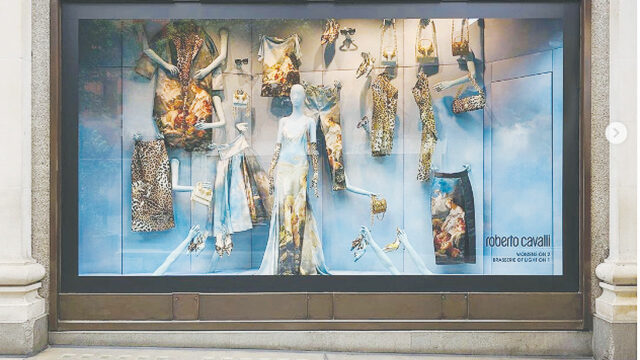
LONDON — Roberto Cavalli launched a “disruptive” capsule collection outside the traditional catwalk calendar on Thursday as the Italian fashion label seeks to rebrand itself after a few shaky years.

Designer Fausto Puglisi looked to a 1994 print drawn by the brand’s founder Roberto Cavalli, itself inspired by a rococo depiction of the Greek myth of Leda and the swan, for the “Wild Leda” line, on show at London’s Selfridges department store.

Previously seen in the fashion house’s spring-summer 2023 line, the depiction, matched with animals prints, features on floaty dresses, beachwear, accessories and homeware.

“So rather than saying ok let’s have the ritual of September fashion week and all the trimmings… how do we twist that, how do we give a better understanding of what the brand stands for… and therefore do something that is, in a way, disruptive,” Chief Executive Sergio Azzolari told Reuters.

“Roberto Cavalli was always famous for obviously the gowns but… he created really a lifestyle… So you have your plates, you have your coffee cups, you have your shoes, you have your bag, you have everything…. (we thought) let’s do something that is a bit larger and invites you to discover the world of Roberto Cavalli.”

The label, founded by designer Roberto Cavalli in the early 1970s and known for its animal prints, is owned by Dubai’s Damac Properties founder Hussain Sajwani, who rescued the Florence-based group in 2019 through his private investment company Vision Investments.

The fashion house had been struggling for years to relaunch its sales.

Mr. Azzolari joined in April.

“We are really in the midst of recreating a brand that was the epitome of luxury over the last 50 years,” he said, adding he was looking to do things “very respectful to the past but bring the brand in another dimension with a different… point of view.”

“We’ll relaunch the website… we’re working on expanding quite a bit on retail, we’re opening a couple of new stores in the US, we’re looking at London to have a stronger presence… we’re looking at revamping our flagship in Milan.” — Reuters

AppleOne considers expansion outside Cebu

PROPERTY DEVELOPER AppleOne Properties, Inc. is looking at growing outside its base in Cebu province as it is keeping a positive outlook for developments in Visayas and Mindanao areas.

“At this point, we are unable to disclose upcoming developments, but AppleOne group is working on expanding and growing our portfolio both in and outside Cebu,” AppleOne President and Chief Executive Officer Ray Go Manigsaca told BusinessWorld last week.

“We are taking advantage of the demand for hospitality, commercial, residential, and mixed-use properties and developments anchored on the positive outlook for growth in the VisMin region,” he added.

Mr. Manigsaca said several branded projects are in the company’s pipeline, one of which is a branded luxury development in Bohol.

Asked about why the company plans to expand outside Cebu, Mr. Manigsaca said: “AppleOne has quite established its footing in Cebu. With this, our main goal is to really expand and grow AppleOne group’s portfolio outside Cebu.” 

“We are continuously working with partner companies and global brands in bringing developments in and outside Cebu. As we grow and expand, and with the company’s wide range of property portfolio, we also aim to bring these developments and enrich the industries in the regions, particularly the VisMin area,” he added.

In the short term, the company is focusing on growing its existing portfolio and not looking at venturing into other property segments.

“Right now, we are channeling our energy in growing our portfolio in residential, hospitality, commercial, and mixed-use properties and developments anchored on the positive outlook for growth in the VisMin region,” said Mr. Manigsaca.

“Coming off from the pandemic, people are very much eager to travel and we’re banking on that in advancing our hotel or resort properties and developments, such as Sheraton and Mahi Center. As we continue to expand, we are also always on the lookout for new opportunities that are aligned with our business strategy and values,” he added.

In 2022, the company recorded a 152% sales growth, driven by sales in its The Residence at Sheraton Cebu Mactan Resort.

Meanwhile, the company is interested in doing an initial public offering.

“Entering the equity market is also in the pipeline. AppleOne is still looking into it. But as of now, we are more focused on our upcoming partnerships and projects that bring world-class facilities and properties in the regions,” he said.

AppleOne is a real estate company in Visayas with two residential, four commercial, four hotel and resort developments. It also has three healthcare facilities under its Apple medical group subsidiary. — Justine Irish DP. Tabile

Hog industry seeking details of ASF vaccine trials

REUTERS

THE hog industry pressed the government for detailed results of clinical trials for a vaccine against African Swine Fever (ASF), and to prepare a plan to subsidize hog farmers seeking to use it.

“We welcome all efforts in developing vaccines against ASF on a commercial scale, but we caution (against) the promotion of a particular vaccine brand without the proper protocols, testing procedures and prescribed guidelines,” Jayson H. Cainglet, executive director of Samahang Industriya ng Agrikultura, said in a Viber message.

Mr. Cainglet called on the Bureau of Animal Industry (BAI) to release in detail the field trial results to allow the industry to assess the efficacy of the vaccine.

He also asked the government to stand ready with subsidies for the vaccine to help hog farmers recover from the outbreak, which began in the Philippines in 2019.

“The hog industry remains predominantly backyard and small-scale. The cost of vaccines should at least be subsidized by the government so that backyard hog raisers are given the same chance of recovering lost income and destroyed livelihoods for the past four years,” Mr. Cainglet said.

BAI Assistant Director Arlene V. Vytiaco announced on Friday that the safety component of the trials was conducted by the BAI while the efficacy trials were conducted at six Luzon farms.

She said that the vaccine tested is the AVAC ASF LIVE vaccine from Vietnam. It has been established that the vaccine produced no side effects on pigs receiving it.

“At the end of the trial, 100% of the vaccinated (pigs) produced antibodies against ASF,” she added.

The bureau has sent a letter of endorsement to the Food and Drug Administration (FDA) for the issuance of a certificate of product registration.

The AVAC vaccine is the third vaccine to undergo clinical trials. The manufacturer is ready to supply 600,000 doses of ASF vaccines, according to Ms. Vytiaco.

Alfred Ng, vice-president of the National Federation of Hog Farmers, Inc., said there might be reluctance to use the vaccine with farmers burdened by the expense of repopulating their herds.

“If the (vaccine) has low levels of protection, then it would be easy for the virus to enter but if the vaccine itself causes the infection within the farm, that is a bigger risk. Those are the things we think might happen,” he told BusinessWorld by phone.

He added a bigger sample size of successful vaccinations might persuade more farmers.

“I am not sure how FDA evaluates and approves vaccines for use, but commercial farmers need to be convinced that the commercial trials are successful and indeed give protection to the pigs against ASF,” he added.

FDA spokesman Job Aguzar said in a Viber message that the BAI endorsement remains subject to a pre-assessment process.

“If acceptable, the FDA shall facilitate the evaluation of the submitted dossier to determine the quality, safety and efficacy of the ASF vaccine,” he said.

“At the same time, a request for permit to import additional doses of the vaccine was received today to support the ongoing phase 2 clinical trials being conducted by the applicant with BAI,” he added.

Janice S. Garcia, cluster coordinator of the BAI-National African Swine Fever Prevention and Control Program, said 15 provinces had active ASF cases as of June 1.

“For the last two weeks, the cases have been confined to the Visayas region. We have few detections from very few municipalities and provinces in Luzon and Mindanao,” Ms. Garcia said. — Sheldeen Joy Talavera

T-bill, bond rates likely steady

BW FILE PHOTO

RATES of Treasury bills (T-bills) and bonds (T-bonds) on offer this week could be broadly steady as investors await the next policy meetings of central banks here and in the United States.

The Bureau of the Treasury (BTr) will auction off P15 billion in T-bills on Monday, or P5 billion each in 91-, 182-, and 364-day papers.

On Tuesday, it will offer P25 billion in reissued 10-year T-bonds with a remaining life of four years and nine months.

Rates on the papers may move sideways as investors expect the US Federal Reserve to pause its tightening cycle this month, which could be matched by the Bangko Sentral ng Pilipinas (BSP) in its own review, Rizal Commercial Banking Corp. Chief Economist Michael L. Ricafort said in a Viber message.

“The larger market risk is whether the BSP will match the upcoming Fed rate hike of 25 bps (basis points) if the latter event materializes,” Union Bank of the Philippines, Inc. Chief Economist Ruben Carlo O. Asuncion said in a report.

The US central bank raised borrowing costs by 25 bps for a 10th straight time at its May 2-3 meeting, bringing the Fed funds rate to 5% to 5.25%.

The Fed has hiked borrowing costs by 500 bps since March 2022.

Its next policy meeting is on June 13-14.

Meanwhile, the BSP on May 18 paused its tightening cycle, keeping its policy rate unchanged at 6.25% for the first time after nine meetings.

Since it began its aggressive monetary tightening cycle in May 2022, the central bank had raised borrowing costs by 425 bps.

The Monetary Board will next meet to review policy on June 22.

T-bill rates could also track the week-on-week declines seen at the secondary market after the BSP on Friday said it would start offering 56-day bills on June 30, which could siphon off some of the excess liquidity from the financial system, Mr. Ricafort added.

At the secondary market on Friday, the 91-, 182-, and 364-day T-bills went up by 2.43 basis points (bps), 9.98 bps, and 3.53 bps week on week to end at 5.7657%, 5.963%, and 5.9314%, respectively, based on the PHP Bloomberg Valuation (BVAL) Service Reference Rates data published on the Philippine Dealing System’s website.

Meanwhile, the five-year tenor, the benchmark closest to the remaining life of the bonds on offer on Tuesday, inched down by 2.09 bps week on week to 5.7394%. The 10-year bond’s rate likewise went down by 10.22 bps week on week to end at 5.8375% on Friday.

Last week, the BTr raised P15 billion as planned from the T-bills as the offer was more than thrice oversubscribed, with total bids reaching P48.726 billion.

Broken down, the Treasury borrowed P5 billion as programmed via the 91-day T-bills, with tenders reaching P13.68 billion. The average rate of the three-month papers inched up by 0.6 bp to 5.783%, with accepted rates ranging from 5.688% to 5.799%.

The government likewise made a full P5-billion award of the 182-day securities as bids for the tenor reached P16.53 billion. The six-month T-bill was quoted at an average rate of 5.879%, down by 1.9 bps from the previous week, with accepted rates from 5.748% to 5.9%.

Lastly, the BTr raised the planned P5 billion from the 364-day debt papers as demand reached by P18.516 billion. The average rate of the one-year T-bill climbed 0.3 bp to 5.948%. Accepted yields were from 5.813% to 5.975%.

Meanwhile, the reissued 10-year T-bonds to be auctioned off on Tuesday were last offered on Dec. 4, 2018, where the government raised P38.136 billion. The papers were awarded at an average rate of 6.975%.

The Treasury wants to raise P185 billion from the domestic market this month, or P60 billion via T-bills and P125 billion via T-bonds.

The government borrows from local and foreign sources to help fund its budget deficit, which is capped at 6.1% of gross domestic product this year. — A.M.C. Sy

AXA Philippines, Toyota introduce first ‘pay-how-you-drive’ insurance product

PHOTO FROM AXA PHILIPPINES

INSURANCE PROVIDER AXA Philippines partners with Toyota Motor Philippines (TMP) for Connected Toyota Insure, the first “pay-how-you-drive” car insurance product in the country. Connected Toyota Insure is an advanced and comprehensive car insurance product under the MyToyota Connect suite of services. It factors in how the vehicle is used when computing for the premium due. This insurance product makes use of a connected device, a technology that monitors vehicles via a network to achieve safe, secure, comfortable, and convenient vehicle usage which users can access through the MyToyota app. Customers will be given a driving score based on driving habits such as cornering, braking, and acceleration. A higher score with low mileage driven corresponds to a bigger premium discount wherein customers can receive a renewal premium reduction of up to 25%.

The product also offers comprehensive coverage for loss and damage, third-party liability, and medical expenses for injuries to the driver and any passenger in the vehicle in case of an accident. It also comes with exclusive value-added services for policyholders such as 24/7 claims assistance, easy filing of claims through the Emma by AXA Ph app, exclusive access to AXA Motor Club’s personal emergency assist services, and repairs through the Toyota Insure Program.

“AXA Philippines and TMP are both committed to further advance road safety through improved driving behavior. Connected Toyota Insure aims not only to incentivize drivers to drive safely and protect what matters, but to help teach drivers how to be smarter and safer on the road to benefit both themselves and society,” said AXA Philippines Chief Marketing Officer Nandy Villar. The offer is exclusively available on Toyota vehicles with connected devices (RAV4, Hiace, Hilux, and Fortuner). For more information, go to https://bit.ly/axatytcti and download the MyToyota app for Android or iOS.