Home Blog Page 1922

BusinessWorld named Business News Source of the Year

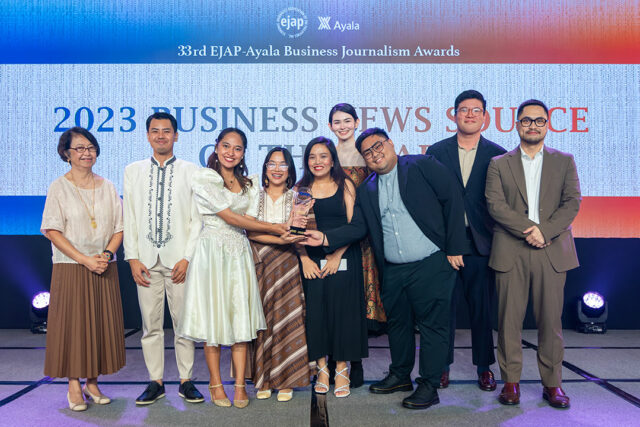
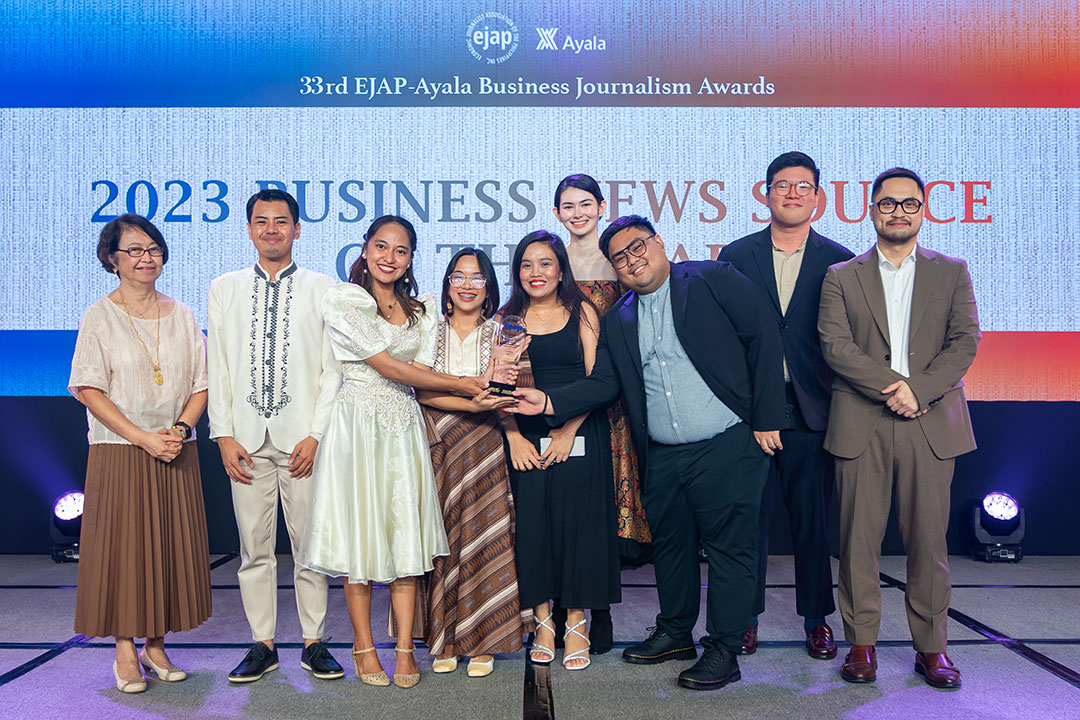
BUSINESSWORLD was named the Business News Source of the Year at the 33rd annual awards of the Economic Journalists Association of the Philippines (EJAP), Friday. In photo (from left): Board of Judges Chair Dr. Milwida Guevara, EJAP President Neil Jerome Morales, BusinessWorld reporter Justine Irish D. Tabile, former BusinessWorld reporter Keisha B. Ta-asan, BusinessWorld reporters Ashley Erika O. Jose, Luisa Maria Jacinta C. Jocson, Adrian H. Halili, Aaron Michael C. Sy, and Ayala Corp. Strategic Communications Group’s Gian Carlo Borromeo. — COURTESY OF EJAP

BUSINESSWORLD, the country’s oldest business newspaper, was recognized as Business News Source of the Year at the 33rd annual awards of the Economic Journalists Association of the Philippines (EJAP).

Luisa Maria Jacinta C. Jocson received two awards Reporter of the Year for the Finance and Macroeconomy categories.

Ms. Jocson covered the Department of Finance, Department of Budget and Management and National Economic and Development Authority last year. She currently covers the Bangko Sentral ng Pilipinas (BSP).

Justine Irish D. Tabile was named Reporter of the Year for the Telecommunications and Transportation category. She covered the beat from February to August 2023 and is now assigned to the Trade beat.

Former BusinessWorld reporter Keisha B. Ta-asan received the Reporter of the Year award for Banking. Ms. Ta-asan covered the Banking beat for nearly two years for BusinessWorld, before moving to the Philippine Star.

Other awardees include Jasper Arcalas from BusinessMirror (Agriculture and Mining), Richmond Mercurio from the Philippine Star (Energy), Brix Lelis from the Manila Times (Capital Markets), Alden Monzon from the Philippine Daily Inquirer (Trade and Industry), and Jon Viktor Cabuenas from GMA News Online (Online).

Reporters were judged based on the content and style of their work.

Tyrone Jasper Piad of the Philippine Daily Inquirer won the Business Feature of the Year.

The board of judges was chaired by Synergeia Foundation Chief Executive Officer and former Finance Undersecretary Milwida M. Guevara. 

The board also included former Finance Assistant Secretary Ma. Teresa S. Habitan, Michael Arthur C. Sagcal, Joel C. Yu, former Chinabank Senior Vice-President Alexander C. Escucha, Francis Saturnino C. Juan, Romeo S. Recide, Hans B. Sicat, former Trade Director Senen M. Perlada and Rene Pizarro.

EJAP, the umbrella organization of business journalists in the country, handed out the awards in partnership with the Ayala Group.

Bank lending jumps 11%, fastest in nearly 2 years

BW FILE PHOTO

By Luisa Maria Jacinta C. Jocson, Reporter

BANK LENDING continued to grow in September, hitting its fastest pace in nearly two years, according to preliminary data from the Bangko Sentral ng Pilipinas (BSP).

Outstanding loans of universal and commercial banks jumped by 11% year on year to P12.4 trillion in September from P11.17 trillion a year ago.

This was also the fastest growth since the 13.7% posted in December 2022.

Month on month, big banks’ outstanding loans picked up by 0.8% on a seasonally adjusted basis.

BSP data showed outstanding loans to residents rose by 11.3% in September, faster than the 10.9% a month ago.

On the other hand, loans to nonresidents dipped by 0.3% during the month, a reversal from the 1.5% growth logged in August.

Outstanding loans for production activities, which accounted for the majority (85.5%) of overall lending, grew by 9.8% to P10.6 trillion. This was faster than 9.4% in the previous month.

“This growth was largely driven by bank lending to key industries such as real estate activities (14.2%); wholesale and retail trade, repair of motor vehicles and motorcycles (12%); manufacturing (10.6%); and electricity, gas, steam & air-conditioning supply (7.5%).”

Meanwhile, the expansion in consumer loans to residents slowed to 23.4% in September from 23.7% a month prior, though the central bank noted the “sustained growth in credit card loans.”

Data from the BSP showed credit card loan growth quickened to 27.7% in September from 27.4% in August.

However, slower loan growth was seen in motor vehicles (18.6% from 19.3%) and salary-based general purpose consumption loans (15.2% from 16.4%).

Rizal Commercial Banking Corp. Chief Economist Michael L. Ricafort said the quicker loan growth can be attributed to the start of the central bank’s rate-cutting cycle.

The BSP began its easing cycle in August with a 25-basis-point (bp) rate cut, its first reduction since November 2020. Since then, the central bank has cut borrowing costs by a total of 50 bps, bringing the key rate to 6%.

The Monetary Board’s last meeting this year is scheduled for Dec. 19. BSP Governor Eli M. Remolona, Jr. has signaled the possibility of another 25-bp cut before the year ends.

For the coming months, Mr. Ricafort said easing inflation “could justify further local policy rates that would lead to lower financing costs, but with some lag effects, going forward.”

Headline inflation quickened to 2.3% in October from 1.9% in September but slowed from 4.9% a year ago.

Inflation averaged 3.3% in the 10-month period, still within the BSP’s 2-4% target but above the 3.1% full-year forecast.

MONEY SUPPLY
Meanwhile, domestic liquidity (M3) rose by 5.4% in September. This was lightly slower than 5.5% in August.

M3 — which is considered as the broadest measure of liquidity in an economy — jumped to P17.6 trillion as of September from P16.7 trillion a year earlier.

On a seasonally adjusted basis, M3 inched up by about 0.7% month on month.

Data from the BSP showed domestic claims increased by 9.6% in September, easing from 10% a month ago.

“Claims on the private sector grew by 12.4% in September from 11.9% in August with the sustained expansion in bank lending to nonfinancial private corporations and households,” the BSP said.

Meanwhile, the annual growth in net claims on the central government slowed to 6.6% in September from 8.5% in the previous month.

The central bank said this was amid the “increase in the National Government’s (NG) deposits with the BSP tempered the increase in NG borrowings.”

Meanwhile, net foreign assets (NFA) in peso terms jumped by 8.6% during the month from 2.4% in the month earlier.

“The BSP’s NFA grew by 14.2%, reflecting the increase in gross international reserves. Meanwhile, the NFA of banks contracted, largely on account of higher bills payable,” it added.

Mr. Ricafort said the slower M3 growth was due to “peso liquidity siphoning measures through the main liquidity management tools as part of the consistent monetary policy efforts to better manage inflation and ensure the central bank’s price stability mandate.”

Moving forward, he said that domestic liquidity could pick up following the cut in banks’ reserve requirement ratios (RRR).

Effective Oct. 25, the BSP reduced the RRR for universal and commercial banks and nonbank financial institutions with quasi-banking functions by 250 bps to 7% from 9.5%.

Mr. Remolona has also said the BSP is eyeing to slash big lenders’ reserve requirements to as low as zero before his term ends in 2029.

First Triple P Sustainability Awards honor Filipino trailblazers of ESG excellence

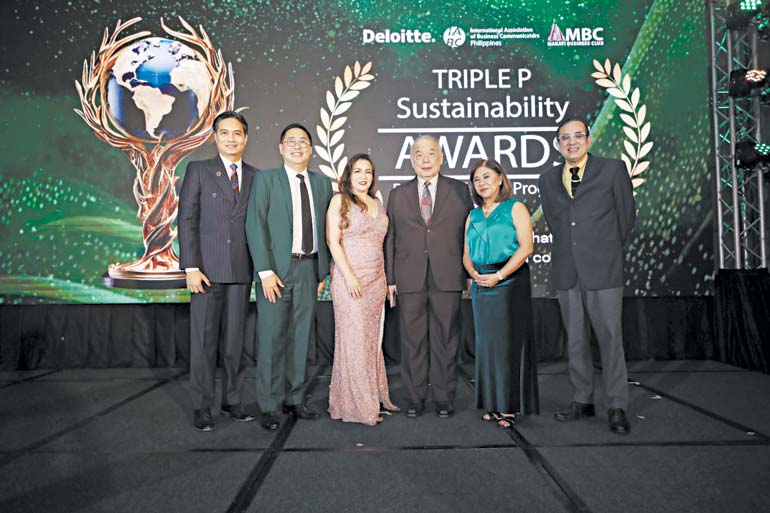
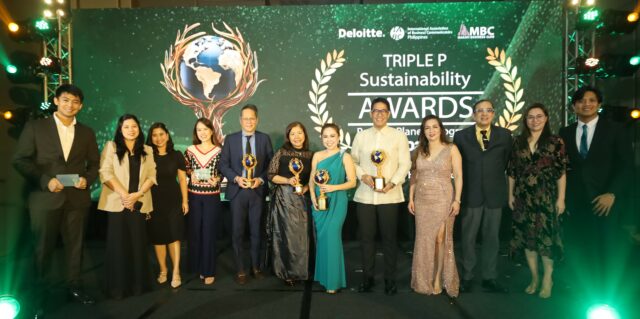
Pioneering winners of the first-ever Triple P Sustainability Awards (from third from left): MPIC, SMIC, Meralco, Mondelez, Maynilad, and LRMC. They were joined by (from left) Joe Zaldarriaga, Belle Tiongco, and Melody Del Rosario of IABC.

The International Association of Business Communicators (IABC) Philippines recently held the inaugural Triple P Sustainability Awards at the Marriott Hotel in Pasay last Oct. 25 to recognize Filipino companies that are serving as exemplary role models in environmental, social, and governance (ESG) practices in the country.

The awards, organized by the International Association of Business Communicators (IABC) Philippines alongside Deloitte and the Makati Business Club, aim to highlight organizations that have taken significant steps beyond regulatory requirements to foster sustainable practices across industries, focusing on the principles of People, Planet, and Progress.

The Triple P Sustainability Awards presented nine awards to six organizations that went beyond compliance to drive meaningful change and inspire sustainable practices across industries. As ESG principles continue to shape corporate operations, these awards recognize companies that have led the way in responsible innovation, accountability, and tangible impact.

International Association of Business Communicators Philippines Board of Trustees and Advisers present during the awarding ceremony (from left to right): Dave Devilles (chair of the Membership, Learning and Engagement Committee), Kane Errol Choa (adviser), Melody Del Rosario (chair of the Environment, Social and Governance Committee), Rey Anthony David (adviser), Belle Tiongco (president), and Joe Zaldarriaga (chairman and chair of the IABC Philippines Forum Series)

Deloitte Philippines partner Jesus Ma. Lava III, who served on the awards’ Technical Committee, said that the Triple P Awards were created to address shortcomings in current ESG recognition frameworks in the Philippines.

“The development of the Triple P Awards emerged as a direct response to gaps in existing sustainability recognition systems, motivating us to create an awarding framework grounded on four principles: ensuring comprehensiveness, prioritizing authenticity, fostering comparability, and upholding objectivity,” Mr. Lava said.

“Our goal since the awards’ inception in 2021 has been to establish a standard in sustainability recognition — one that meaningfully measures performance and commitment to stakeholders,” he added.

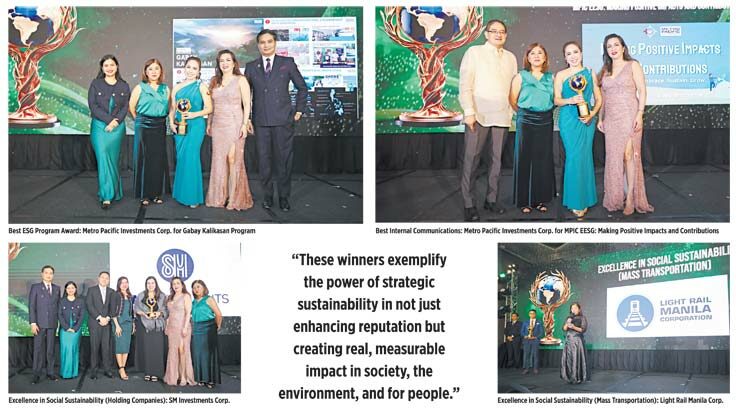
Metro Pacific Investments Corp. (MPIC) took home the Best ESG Program Award for its Gabay Kalikasan Program, which addresses key communication challenges and supports measurable progress in ESG goals.

Gabay Kalikasan is the environmental aspect of MPIC’s GABAY Advocacies, an organization-wide initiative encompassing the entirety of the MVP Group of Companies. Six GABAY Advocacies for a Sustainable Philippines aim to encapsulate the contributions of the organization toward the attainment of the United Nations Sustainable Development Goals, particularly those revolving around Livelihood, Youth and Leadership, Environment, Community Work, Health and Sports, and Education.

Under Gabay Kalikasan, the MPIC and MVP Group seek to become the catalysts for a cleaner, greener, and more resilient planet for every Filipino. Working with experts to protect and nurture vital ecosystems and habitats such as the Laguna de Bay, the program develops and pushes forward campaigns to engage their employees and the general public into becoming environmental champions and enactors of lasting change.

Meanwhile, additional awards also highlighted outstanding achievements in both environmental and social responsibility. SM Investments Corp. demonstrated leadership in social sustainability within the holding company sector, while Light Rail Manila Corp. excelled in promoting social responsibility within the mass transportation industry.

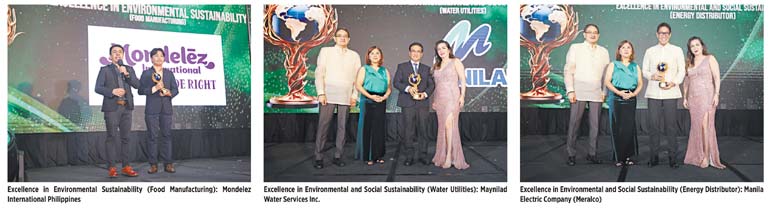
In environmental sustainability, Mondelez International Philippines set the standard in the food manufacturing sector, with Maynilad Water Services Inc. showing exemplary performance in both environmental and social sustainability within water utilities. Manila Electric Company (Meralco) distinguished itself by leading efforts in energy distribution, excelling in both environmental and social impact within the energy sector.

The event culminated with the most prestigious accolade of the night, the presentation of the Triple P Award, which recognized MPIC’s comprehensive sustainability leadership. This award celebrated MPIC’s commitment to net-zero emissions by 2050, proactive climate risk management, and efforts to reduce Scope 3 emissions.

MPIC was also recognized for encouraging a people-centered culture, ensuring fair wages, career development, and healthcare access for all employees, while investing 75% of its portfolio in sustainable ventures. The company’s holistic approach presents the importance of integrating social responsibility and environmental stewardship into core business strategies. 

“Through these awards, we honored companies that truly embodied the spirit of sustainability and set new standards within their respective industries. These winners exemplify the power of strategic sustainability in not just enhancing reputation but creating real, measurable impact in society, the environment, and for people,” Melody del Rosario, chair of the IABC ESG Committee, said.

Companies participating in the Triple P Sustainability Awards undergo a comprehensive evaluation across three core areas: People, Planet, and Progress. This process rigorously assesses each company’s overall performance based on a set of foundational sustainability metrics, focusing on sustained achievements rather than isolated initiatives or the outcomes of recent projects. The awards are structured to honor companies that have integrated ESG principles into their long-term operations, showing measurable progress across environmental and social responsibilities.

Award categories are specifically designed to cater to various industries and subsectors, promoting a fair and thorough evaluation. Each company is assessed within the context of its own industry, allowing for meaningful comparisons and ensuring that unique challenges and opportunities within different sectors are properly recognized. This approach provides a level playing field, spotlighting companies that exemplify sector-specific leadership in sustainable practices.

To be eligible for the Triple P Awards, companies and organizations must be registered and operational in the Philippines, with submissions highlighting work implemented between January 2023 and December 2023. The awards are open to a wide array of industries, including Holding Companies, Information Technology, Energy, Water Utilities, Construction, Infrastructure, Banking, Retail, Real Estate, Food & Beverage, and Transportation. This inclusive eligibility framework allows the awards to capture a broad spectrum of exemplary sustainable practices across the Philippine business landscape.

“This event reflects the evolving role of business communication as a driver of sustainable change. It’s inspiring to witness the commitment of these organizations to responsible business practices, proving that progress is not only possible but imperative in today’s world,” IABC Philippines President Belle Tiongco said.

The event was supported by key sponsors: Metro Pacific Investments Corp. as the Gold Sponsor; Ayala Corp. and Metro Pacific Tollways Corp. as Silver Sponsors; and Globe Telecom and Meralco as Bronze Sponsors. Media partners, including TV5, The Philippine STAR, BusinessWorld, Insider PH, and BusinessMirror, helped bring attention to the achievements of these leaders in sustainability.

Distinguished panel ushers in first Triple P Awards winners

As the first awards program to recognize companies for their progress in the environmental, social, and governance (ESG) standard, the Triple P Awards, organized by the International Association of Business Communicators (IABC) Philippines in partnership with Deloitte and the Makati Business Club, highlighted the sustainability efforts of businesses and strengthens their reputation for building a more sustainable future.

Behind the esteemed selection of the winning organizations, who were recognized last Oct. 25 at the Manila Marriott Hotel in Pasay, are the distinguished evaluators whose expertise has shaped and guided the selection of this year’s winners. The esteemed panel comprised of leaders in sustainability and corporate communications from some of the most respected organizations. Their insights have ensured that the awards spotlight the most transformative initiatives in environmental stewardship, governance, and strategic communication.

The evaluation process focused on long-term impact, using metrics tailored to the unique challenges of each sector, ultimately ensuring fair and meaningful recognition.

Evaluators for corporate sustainability

Leading the evaluation of sustainability initiatives are experts in environmental governance and climate advocacy. Floradema Eleazar, currently the Outcome Lead of the United Nations Development Programme (UNDP) Climate Action Team, brings over 30 years of experience in environmental planning, policy research, and climate change mitigation. Having held key leadership roles with the Department of Environment and Natural Resources (DENR) and managed high-impact projects for global organizations such as the World Bank and UNDP, Ms. Eleazar has ensured that companies are evaluated for both environmental impact and long-term resilience.

Joining her is Ludwig Federigan, a prominent figure in climate education and sustainability advocacy. With advanced training from Yale and Oxford, Mr. Federigan has mentored to global changemakers and held key roles in the Climate Change Commission. His expertise bridges science communication and environmental policy, ensuring that sustainability efforts are assessed with precision and insight.

Completing the panel is Aljo Quintans, a Sustainable Development Goals (SDG) Specialist with the UNDP, who brings a wealth of experience in sustainable development and public policy. As a former operations head at the Department of Social Welfare and Development and a Chevening scholar, Mr. Quintans has applied his 15 years of experience in development planning, poverty reduction, and sustainable financing throughout the evaluation process.

Evaluators for corporate communications

The Corporate Communications category has been evaluated by two seasoned professionals with expertise in strategic communication and reputation management. Belle Tiongco, president of IABC Philippines, brings 35 years of experience in product development, corporate communication, and CSR, having led her teams to win numerous Quill Awards. Ms. Tiongco’s expertise in shaping communication strategies that support business objectives has been instrumental in evaluating how companies cultivate engagement and unity within their organizations.

Alongside her is Dave Devilles, a veteran in sustainability communication with a background spanning industrial conglomerates, renewable energy, banking, and nonprofit sectors. As the acting president of SustainablePH, Mr. Devilles has spearheaded organizations across multiple industries toward effective communication strategies that promote sustainability. His expertise lies in helping companies adopt practices that enhance both reputation management and long-term impact.

With these esteemed evaluators at the helm, the Triple P Awards 2024 has completed a thorough and insightful evaluation process.

Melody del Rosario, chair of the IABC ESG Committee, expressed: “We are honored to have such a distinguished group of evaluators guiding the first-ever Triple P Awards. Their expertise and commitment to sustainability and communication excellence ensure that we will celebrate initiatives that truly make a difference. We look forward to revealing these leading companies whose efforts set new standards for meaningful, lasting impact.”

Maynilad eyes April or July 2025 for IPO

SIGNED INTO LAW on Dec. 10, 2021, Republic Act No. 11600 granted Maynilad a 25-year legislative franchise until 2047 to establish, operate, and maintain a waterworks system and sewerage and sanitation services in the west zone service area of Metro Manila and Cavite province. — PHILIPPINE STAR/JESSE BUSTOS

WEST ZONE water concessionaire Maynilad Water Services, Inc. plans to file its application for an initial public offering (IPO) by the first quarter of 2025, with a listing date in either April or July, its president said.

“Our plan is to be push-button ready. We are now pushing our team to apply already by the first quarter of next year,” Maynilad President and Chief Executive Officer Ramoncito S. Fernandez told reporters last week.

“Our target is to be prepared for two possible dates, before the elections in April, or after the elections in July,” he added.

Mr. Fernandez said Maynilad has yet to determine the valuation of its IPO but has already tapped three companies as financial advisors.

“We have already appointed three financial advisors: HSBC, Morgan Stanley, and UBS,” he said.

“This is a major listing that will not be funded only by local investors. We really need a portion of foreign investors,” he added.

Signed into law on Dec. 10, 2021, Republic Act No. 11600 granted Maynilad a 25-year legislative franchise until 2047 to establish, operate, and maintain a waterworks system and sewerage and sanitation services in the west zone service area of Metro Manila and Cavite province.

The law also provides that Maynilad should offer at least 30% of its outstanding capital stock within five years from the grant of the franchise.

The Philippine Stock Exchange previously said that Maynilad is one of the six expected IPOs next year.

Meanwhile, Mr. Fernandez said Japanese conglomerate Marubeni Corp. wants to retain its stake in Maynilad after the water provider’s IPO.

“Marubeni wants to stay. In fact, they are very sensitive about being diluted. They are the most sensitive, actually, about being diluted. No talks yet on whether the dilution will be equal. But ideally, it should be equal,” he said.

“They don’t want to dilute their board membership. That is what they are most critical about. Of course, they want to consolidate their financials,” he added.

Marubeni has a 20% stake in Maynilad after Pangilinan-led Metro Pacific Investment Corp. (MPIC) and Consunji-led DMCI Holdings, Inc. sealed an agreement in 2013. MPIC has a 53% stake in Maynilad, while DMCI has 25%. Other investors hold the remaining 2%.

Metro Pacific Investments Corp., which has a majority stake in Maynilad, is one of three Philippine units of Hong Kong-based First Pacific Co. Ltd., the others being Philex Mining Corp. and PLDT Inc.

Hastings Holdings, Inc., a unit of PLDT Beneficial Trust Fund subsidiary MediaQuest Holdings, Inc., has an interest in BusinessWorld through the Philippine Star Group, which it controls. — Revin Mikhael D. Ochave

How Arbolo is preparing IT-BPM workers for an AI-driven industry

ARBOLO COFOUNDER and Chief Executive Officer Martin B. Tan

By Beatriz Marie D. Cruz, Reporter

AS ARTIFICIAL INTELLIGENCE (AI) takes over simple office tasks, coaching and simulation platform Arbolo hopes to upskill information technology-business process management (IT-BPM) workers for more advanced roles to address their concerns about being replaced by AI.

“What we’ve usually seen with these technologies that are feared to replace humans is that the number of jobs for humans actually increases, but the nature of their work changes,” Arbolo Cofounder and Chief Executive Officer (CEO) Martin B. Tan said in an interview with BusinessWorld.

“They start doing more sophisticated, more complex tasks that require more marketing, sales, and emotional intelligence,” he said.

The demand for more advanced skills in the IT-BPM industry is increasing, as more firms adopt AI to take over basic tasks like customer experience.

“The way to help prepare a workforce is to help them transition from what I call ‘lifers’ — people who think, ‘I’m going to be a customer service agent forever and just be relaxed here,’ to becoming lifelong learners,” Mr. Tan said.

“With Arbolo, you can have IT-BPM workers perform more complex tasks within the customer experience segment, or transition them to roles like sales, which require more emotional intelligence.”

The IT and Business Process Association of the Philippines (IBPAP), an IT-BPM organization in the country, reported that 67% of firms saw enhanced productivity and operational efficiency after integrating AI into their operations. However, 8% of its members reduced their workforce because of AI implementation.

The number of job cuts due to AI will not increase if firms will retrain and upskill their talents, IBPAP President and CEO Jack Madrid said in October.

AI-POWERED TRAINING
Launched in January, Arbolo uses AI to provide automated training, feedback, and role play simulations for IT-BPM workers.

Its Cofounder and Chief Technology Officer Nicolás Rivas leads the development of the platform in Santiago City in Chile, a leading tech hub in Latin America.

The platform aims to solve inefficiencies in the traditional methods of IT-BPM training, such as delayed feedback and the longer waiting hours when conducting a one-on-one session with a trainer.

“You can imagine that the agent gets feedback quite sporadically, once a week, if not once a month,” Mr. Tan said. “With our tool, now they can get feedback right after every call.”

Arbolo’s AI-powered training seeks to address five key pain points of contact centers: reduce employee turnover, accelerate speed to competency, improve agent performance, automate quality assurance, and improve workforce management.

However, the Philippines still trails behind other markets rapidly adopting AI amid a skills gap as well as underdeveloped infrastructure.

According to Oxford Insights’s 2023 Government AI Readiness Index, the Philippines dropped 11 places to 65th out of 193 countries. It scored 51.98 out of 100, higher than the 44.94 average readiness of countries in adopting AI.

Mr. Tan said that to mitigate the risk of AI displacement, IT-BPM workers should enhance their skills by moving from customer experience roles, which are increasingly being automated, to more complex tasks such as sales and marketing.

With this, the platform also provides training for industry-specific roles like in sales, financial services, and telecommunications.

Mr. Tan compared the distribution of expertise in the IT-BPM industry to a pyramid, where the majority of workers with less complex skills are concentrated at the base.

“Our goal with the upskilling platform is to help that pyramid look more like a diamond, where the bulk of our people are in the middle area where [they specialize in] sales or complex types of tasks.”

“If the Philippines becomes a destination for these more complex jobs, we need to help prepare the workforce to transition to those more complex jobs,” he noted.

Mr. Tan said that once IT-BPM workers have enhanced their skill sets, Arbolo intends to deploy its own “AI agents” to handle the simpler tasks left behind by these upskilled employees.

Meanwhile, Mr. Madrid previously said that the talent gap in advanced skills such as AI, programming, and data analytics continues to be a significant concern for 21% of over 60 IT-business process outsourcing (BPO) companies in the country.

CAN AI REPLACE JOBS?
Arbolo derives its name from the bolo knife, used as both a tool and weapon in the Philippines, as it encapsulates the dual nature of AI as either a productivity tool or a potential threat.

A report published recently by the World Bank cited the Philippines, Thailand, and Malaysia as “relatively more exposed” to AI’s displacement compared to its East Asia-Pacific neighbors due to its “higher engagement in cognitive services sectors” such as customer service.

But for Mr. Tan, AI can increase the number of job opportunities for humans while changing the nature of their work, if they are trained well.

“In the ’70s, everybody thought that the introduction of ATMs (automated teller machines) would lead to a replacement of bank tellers,” he said.

“But what the ATMs also did was it made it much cheaper to operate a bank branch,” Mr. Tan said, noting that this led to the opening of more branches, thus increasing the number of job opportunities for tellers.

Additionally, the adoption of ATMs upgraded the job of bank tellers from simply handling cash withdrawals and deposits to specializing in sales and marketing functions, he added.

A basic subscription to Arbolo costs $25 (around $1,461) per agent per month, while an enterprise subscription with more advanced features would cost an average of $45 (around P2,630), Mr. Tan said.

Basic features include 20 customized role play situations, agent role play feedback, a summary of an agent’s strengths and weaknesses, calls integration and transcription, call feedback, and summary insights and analytics.

Last month, Mr. Tan announced that Arbolo had set up its headquarters in the Philippines and developed its Tagalog and Taglish capabilities.

It has also been in talks with a top BPO company that showed interest in training its workers through Arbolo, he added.

The Philippines, dubbed as the “call center capital of the world,” is the “ideal space” to kick-start Arbolo’s global expansion, according to Mr. Tan.

By 2025, the company aims to generate around $5 million of annual recurring revenue from the Philippine market alone, supporting around 15,000 IT-BPM trainees.

It also aims to capture around 31% of the Philippines’ IT-BPM market by 2029.

Mr. Tan noted that starting a large-scale expansion in Southeast Asia would be difficult amid language and cultural barriers.

“Whereas with the Philippines, we figured, 10% of this country’s GDP (gross domestic product) is generated by this industry (IT-BPM). It’s a large slice of the global pie,” he said.

“That means we can create a global market leader by simply focusing on this country.”

MVP Group triumphs at IABC PH Triple P Sustainability Awards, showcasing leadership in ESG excellence

Representatives from the MVP Group of Companies at the Triple P Sustainability Awards, including those from Light Rail Manila Corporation, Maynilad, Metro Pacific Investments Corporation, Meralco, and Metro Pacific Tollways Corporation.

The MVP Group of Companies has secured a remarkable victory at the inaugural Triple P Sustainability Awards, hosted by the International Association of Business Communicators (IABC) Philippines last Oct. 25 at the Marriott Hotel, Pasay.

A total of four companies from the MVP Group earned seven distinguished awards, reflecting the Group’s integrated approach to sustainability, where sustainable practices are embedded in the core operations of each company. These achievements highlight how the business practices of every member organization align with the broader mission of creating long-term value for people, the planet, and progress, demonstrating a deep-rooted com-mitment to environmental, social, and governance (ESG) initiatives.

Raymond B. Ravelo, Chief Sustainability Officer of Meralco, delivers his acceptance speech as the ESG Thought Leader of the Year at the Triple P Sustainability Awards.

MVP Group’s Impactful Wins

Leading the awards was Metro Pacific Investments Corporation (MPIC), which earned multiple recognitions, including the coveted Triple P Award for its outstanding sustainability programs across its operations. MPIC also took home the award for Best ESG Program for its Gabay Kalikasan Program, a key initiative that integrates environmental stewardship with community development. Furthermore, MPIC clinched the Best Internal Communications Award for its “EESG: Making Positive Impacts and Contributions” program, strengthening the importance of engaged employees in driving sustainability.

Kris Aldover-Ysmael, VP for Investor Relations and Data Protection Officer of Metro Pacific Investments Corporation, receives the Triple P Award.

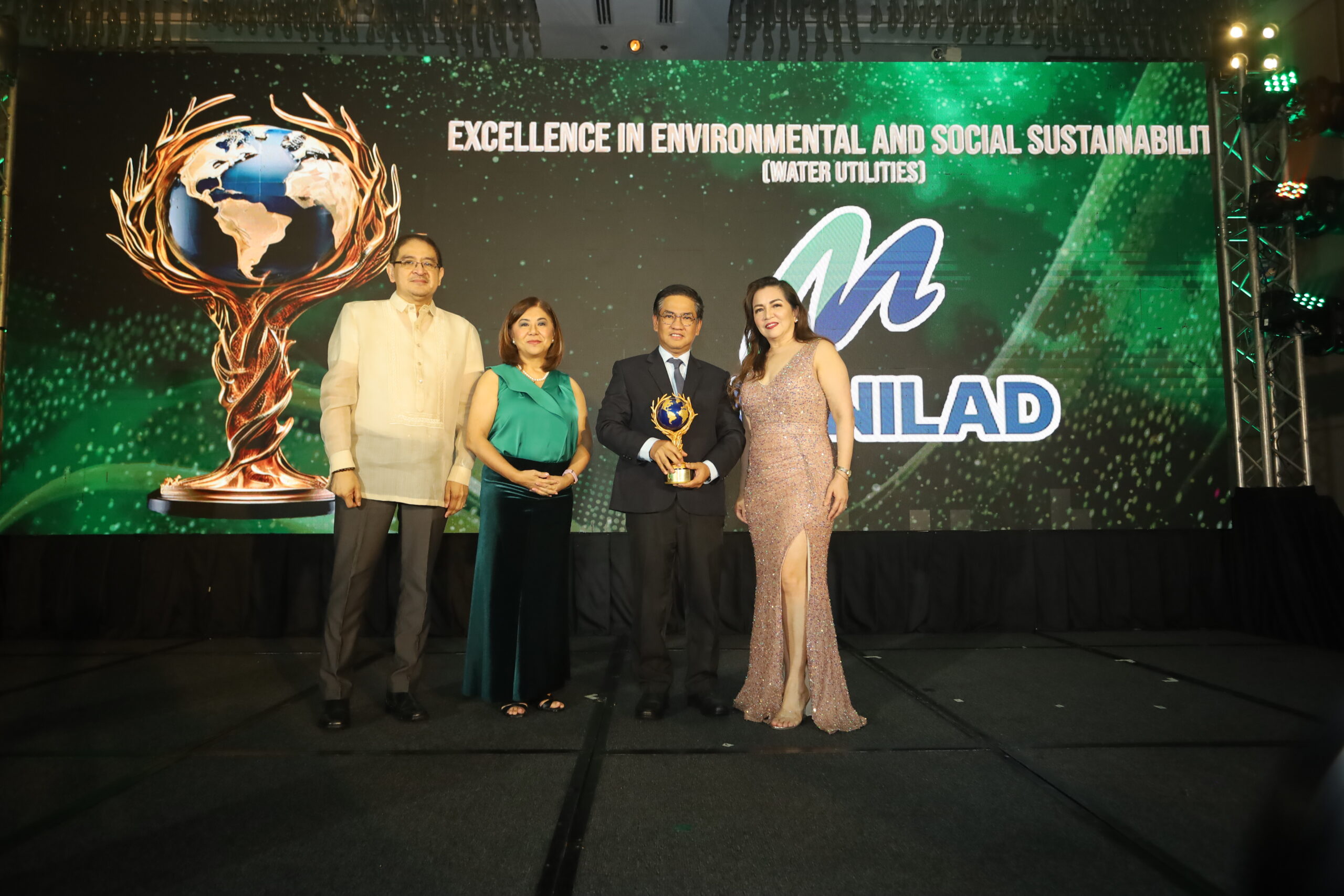
In the utilities sector, Maynilad Water Services, Inc. was recognized with the Excellence in Environmental and Social Sustainability Award, validating its leadership in water conservation and community engagement. Similarly, Manila Electric Company (Meralco) received the same distinction for the energy distribution industry, reaffirming its position as a leader in sustainable energy practices. Meralco also celebrated an individual achievement, with Raymond Ravelo named ESG Thought Leader of the Year for his pioneering role in advancing ESG principles across industries.

Excellence in Environmental and Social Sustainability was awarded to Maynilad for Water Utilities

The transportation arm of the Group, Light Rail Manila Corporation (LRMC), was honored with the Excellence in Social Sustainability Award for its impactful initiatives that enrich communities and look after inclusive workplaces within the mass transportation sector.

A Legacy of Leadership in Sustainability

The Triple P Sustainability Awards acknowledged organizations that exceed compliance, inspiring innovative and measurable ESG outcomes. The awards celebrate those making a meaningful difference by focusing on People, Planet, and Progress, all pillars reflected in the MVP Group’s diverse efforts across industries.

Excellence in Environmental and Social Sustainability was awarded to Meralco for Energy Distribution

Reflecting on the Group’s triumphs, Manuel V. Pangilinan, Chairman of the MVP Group, remarked: “Sustainability isn’t just a checkbox for us; it’s a guiding principle for everything we do. Each award our companies have earned today underscores our core mission: to drive progress that elevates lives and preserves the environment for the future.”

Excellence in Social Sustainability for Mass Transportation was awarded to Light Rail Manila Corporation

The MVP Group’s recognition in the inaugural Triple P Sustainability Awards highlights its dedication to advancing the United Nations Sustainable Development Goals (SDGs), particularly SDG 8 (Decent Work and Economic Growth), SDG 9 (Industry, Innovation, and Infrastructure), SDG 11 (Sustainable Cities and Communities), and SDG 17 (Partnerships for the Goals). Through innovation, collaboration, and purposeful action, the Group continues to drive meaningful change across industries and set new benchmarks for sustainable business practices.

The awards at the IABC Philippines’ milestone event presents the MVP Group’s standing as a thought leader in the realm of sustainability, embodying the spirit of responsible corporate citizenship that ensures progress benefits not just today but generations to come.


Spotlight is BusinessWorld’s sponsored section that allows advertisers to amplify their brand and connect with BusinessWorld’s audience by publishing their stories on the BusinessWorld Web site. For more information, send an email to online@bworldonline.com.

Join us on Viber at https://bit.ly/3hv6bLA to get more updates and subscribe to BusinessWorld’s titles and get exclusive content through www.bworld-x.com.

Aussie home store Anko opens in the Philippines

BW FILE PHOTO

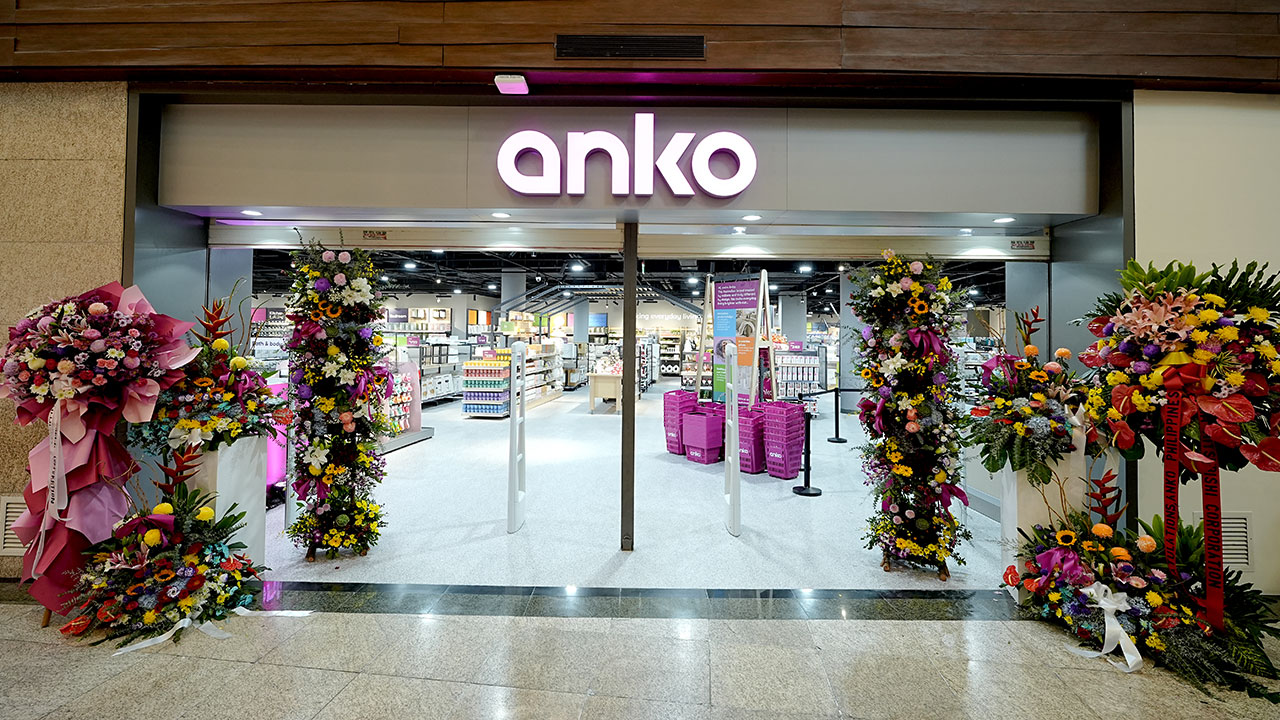
ANKO, the house brand of Kmart Australia, opened its first store in the Philippines in Makati’s Glorietta 2 on Nov. 7.

The brand was introduced in 2019 in Kmart-branded stores in Australia and New Zealand. On the day before the opening, Anko Global Chief Executive Officer Arjun Puri explained to BusinessWorld that Kmart (a US company) exists in Australia through a franchising agreement. “We design everything, we chose everything. We have nothing to do with the US Kmart. It’s just that we’ve used the name for the stores,” he said.

Anko, according to him, stands for “a new kind of,” and the letters also pay homage to Australia, New Zealand, and Kmart.

As for its product range, Mr. Puri said, “That is where we see a gap in the market, between what is available and what we are really good at,” he said. “This is a confluence of three things happening: there’s design, there’s pricing, and there’s quality,” he said. Items in the store can range from P60 to the low thousands. “We’re trying to make an offer for the Filipino customer where there is no compromise.

“It’s the same range which is available in Australia and New Zealand,” he added.

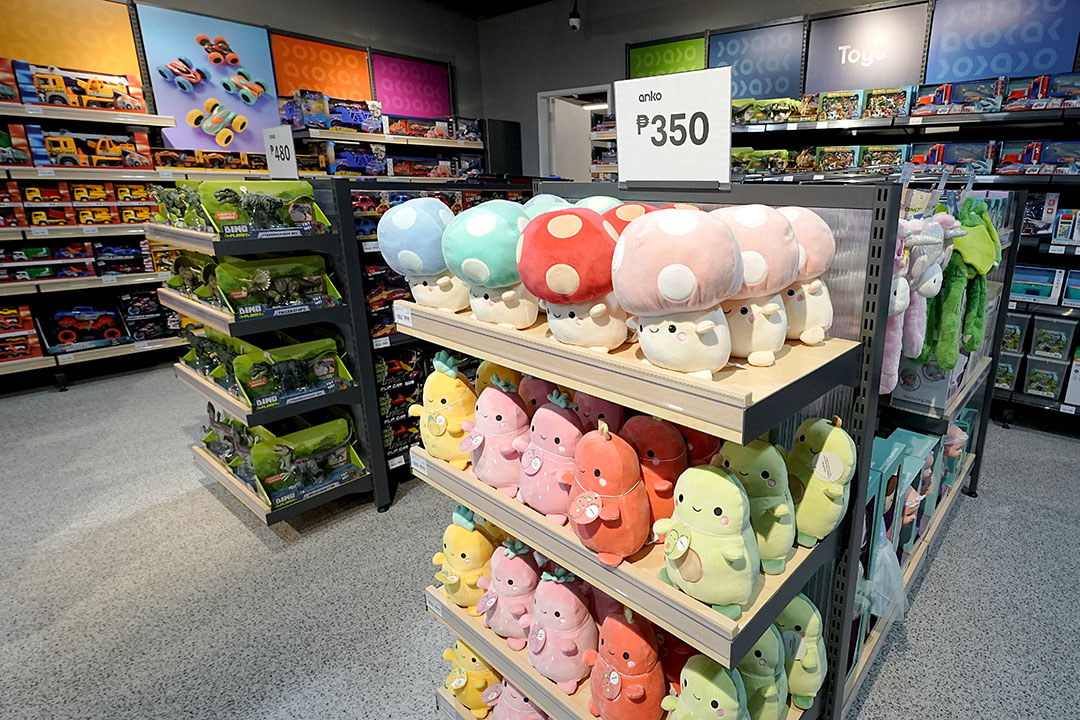
During BusinessWorld’s visit during the Nov. 7 opening, we saw home goods, electronics, pet products, toys, furniture, and even makeup and skincare products.

Anko also unveiled an exclusive Christmas bag designed by Filipino artist Jamie Bauza during the opening. The festive bag, featuring a unique blend of Anko’s signature style and Filipino artistry, showcases its dedication to bringing local flavor into its global brand.

Today, Anko is present in France, Canada, the US, Mexico, India, and the UK, among others.

Asked what makes the Philippines an attractive market for them, Mr. Puri said, “So many things. [It is] one of Asia’s fastest-growing economies. [It has a] growing middle class. Rising affluence. The Filipino customer is very home-proud. They want the best products.”

There are many stores which offer Anko’s price point in the country, with almost the same categories —some of them in the same mall. However, Australian design and its way of life lends an edge, he said: “Australia’s a really interesting place. It is very multicultural. You have people from all nationalities who are immigrants there. A lot of the brands also draw inspiration from the Australian lifestyle, which is very coastal.”

While Anko opened its first store on Glorietta 2’s ground floor, they’re slated to open two more stores next year. — Joseph L. Garcia

GCash says missing funds issue fixed; DICT starts probe

GCASH X (FORMERLY TWITTER) OFFICIAL ACCOUNT

ELECTRONIC WALLET giant GCash announced on Sunday it had fixed the system issues that caused missing funds and unauthorized transactions for some users.

“GCash has completed the necessary wallet adjustments to its affected users,” GCash said in a statement.

“Rest assured that customer accounts are safe, and customer account security will always be our top priority,” it added.

This announcement followed reports on Saturday of missing funds and unauthorized transactions, which GCash attributed to its ongoing system reconciliation process.

The company has not yet disclosed the number of users impacted by the system issue.

The incident is being investigated, according to Department of Information and Communications Technology (DICT) Undersecretary Jeffrey Ian C. Dy.

“I spoke with GCash and asked them if this was a hacking incident or a cybersecurity incident and if they need the assistance of the National Computer Emergency Response Team. They assured us that it was not, but the DICT is investigating the issue,” he said in a phone interview on Sunday.

Digital Pinoys national campaigner Ronald B. Gustilo said that appropriate measures should be considered.

“This issue has been long-running, and it seems that despite previous complaints, it has remained unresolved. This is alarming for consumers who put their trust in e-wallet providers to secure their funds. The funds lost due to unauthorized transactions should be returned immediately,” he said in a Viber message.

“GCash is very big right now, and if they are affected, it is a concern for the Republic. We will investigate this issue. But I think for the penalty, we should ask the Bangko Sentral ng Pilipinas, but that would depend on the results of the investigation if we found negligence on their part,” DICT’s Mr. Dy said, noting that the department is also willing to help strengthen GCash’s cybersecurity.

Mr. Gustilo said that while returning the lost money due to unauthorized transactions is important, it may not fully address the inconvenience experienced by affected account holders.

“GCash needs to show two things in this incident: transparency and accountability. As a leader in their industry, how GCash will handle this current issue will be one of their defining moments,” Sam Jacoba, founding president of the National Association of Data Protection Officers of the Philippines, said in a Viber message.

Mr. Dy also said that as e-wallets are increasingly becoming an alternative to traditional banks and are preferred by many users, GCash should enhance its security measures.

“They should also invest heavily in their processes and their technology not only for security because if it is true that this is due to reconciliation of accounts, they should make sure that this does not happen again,” he said. — Ashley Erika O. Jose

Rates of T-bills, bonds may end mixed after slower Q3 growth

BW FILE PHOTO

RATES of the Treasury bills (T-bills) and Treasury bonds (T-bonds) on offer this week could end mixed amid expectations of further rate cuts by the Bangko Sentral ng Pilipinas (BSP) following slower-than-expected gross domestic product (GDP) growth in the third quarter.

The Bureau of the Treasury (BTr) will auction off P20 billion in T-bills on Monday, or P6.5 billion in 91- and 182-day papers and P7 billion in 364-day debt.

On Tuesday, the government will offer P15 billion in reissued 20-year T-bonds with a remaining life of 19 years and six months.

T-bill and bond rates could track the mixed movements in secondary market yields as slower-than-expected Philippine economic growth last quarter report bolstered expectations of another rate cut by the BSP at its December meeting, Rizal Commercial Banking Corp. Chief Economist Michael L. Ricafort said in a Viber message.

“Most local financial markets already improved from their worst levels earlier during the week as they already priced in Trump victory in the US presidential election that would lead to more protectionist policies,” Mr. Ricafort added.

At the secondary market, the 91-day T-bill went up week on week by 18.11 basis points (bps) to end at 5.078% on Friday, based on PHP Bloomberg Valuation Service Reference Rates data as of Nov. 8 published on the Philippine Dealing System’s website. Meanwhile, the 182- and 364-day T-bills went down by 3.04 bps and 6.41 bps to end at 5.7651% and 5.7367%, respectively,

For its part, the 20-year bond’s yield rose by 0.72 bp to 6.056%.

The Philippine economy grew by 5.2% in the third quarter, slower than the revised 6.4% expansion in the second quarter and the 6% print in the same period last year, the government reported on Thursday.

This was below the 5.7% median GDP growth forecast in a BusinessWorld poll of 12 analysts.

In the first nine months, GDP growth averaged 5.8%, below the government’s 6-7% annual target. The economy now needs to expand by 6.5% in the fourth quarter to meet this goal.

The economy’s slowdown could open the door for further reductions in benchmark borrowing costs, analysts said.

The Monetary Board has cut rates by 50 bps so far this year since it began its easing cycle in August, bringing its key rate to 6%.

BSP Governor Eli M. Remolona, Jr. earlier signaled a possible 25-bp rate cut at its Dec. 19 meeting, which will be its last for the year. This would bring the policy rate to 5.75% by end-2024.

Meanwhile, US Treasury yields retreated on Friday as investors again cheered Donald Trump’s decisive victory, Reuters reported.

A day after the Federal Reserve delivered a quarter-point rate cut, as anticipated, focus turned back to the fallout of Tuesday’s US election.

US Treasury yields fell after Fed Chair Jerome H. Powell on Thursday signaled continued, patient policy easing, Reuters reported.

The Fed cut rates after a quarter-point cut from the Bank of England and a large half-point cut by Sweden also on Thursday.

Ten-year Treasury yields fell 8.3 basis points to 4.343%, having reversed sharp rises seen following the US election result.

Mr. Powell said Tuesday’s election result would have no “near-term” impact on US monetary policy.

Last week, the BTr raised P20 billion as planned from the T-bills it auctioned off as total bids reached P69.87 billion, more than thrice as much as the amount on offer.

Broken down, the Treasury borrowed P6.5 billion as programmed from the 91-day T-bills as tenders for the tenor reached P19.155 billion. The average rate for the three-month paper rose by 1.9 bps week on week to 5.605%, with bids ranging from 5.598% to 5.648%.

The government also made a full P6.5-billion award of the 182-day securities, with bids reaching P26.065 billion. The average rate of the six-month T-bill stood at 5.735%, down by 1.7 bps, with accepted bid yields at 5.724% to 5.76%

Lastly, the Treasury raised P7 billion as planned via the 364-day debt papers as demand for the tenor totaled P24.65 billion. The average rate of the one-year debt went up by 3.5 bps to 5.786%, with accepted rates ranging from 5.75% to 5.795%.

Meanwhile, the reissued 20-year bonds on offer on Tuesday were last auctioned off on Sept. 24, where the BTr raised P25 billion as planned at an average rate of 5.861%, below the 6.875% coupon.

The Treasury is looking to borrow P90 billion from the domestic market this month, or P60 billion via T-bills and P30 billion through T-bonds.

The government borrows from local and foreign sources to help fund its budget deficit, which is capped at P1.48 trillion or 5.6% of gross domestic product this year. — Aaron Michael C. Sy with Reuters

Watsons opens 8,000th store in Asia (in Mall of Asia)

(L-R): Danilo Chiong, managing director of Watsons Philippines, Hans Sy,chairman of the Executive Committee SM Prime Holdings Inc., Dominic Lai, chairman of AS Watson Group, Tessie Sy-Coson, vice-chairperson SM Investments Corp., Dr. Malina Ngai, Group CEO of AS Watson Group, Elizabeth Sy, president of SM Hotels and Conventions Corp., and Robert Sun, regional managing director, H&B Asia & International Commercial Director of AS Watson Group, celebrate the opening of Watsons’ 8,000th store in Asia.

WATSONS opens its 8,000th store in Asia at the SM Mall of Asia, an occasion so momentous that Filipino singer Regine Velasquez, dubbed Asia’s Songbird, performed in a mall show just for its opening on Nov. 7.

Dr. Malina Ngai, Group CEO of Hong Kong-based AS Watson Group said in a speech, “While we open this store in Mall of Asia for Watsons Philippines, it will be the 8,000th store for us in the whole of Asia.”

“The reason why we have selected the Philippines to mark this very important corporate milestone is that, one, we have an amazing partner in the Sy family,” she said to much applause. Watsons was brought here to the Philippines in 2002 through a joint venture with the Sy-controlled SM Group of Companies. “And, the Philippines is one of the fastest-growing economies in Southeast Asia.”

She added, “The Philippines is our largest market in Asia. We have over 1,100 stores already in the Philippines, and we have over 10,000 colleagues working hard every day.”

“Eight thousand represents a vast network that makes our products and services more accessible to customers everywhere. Combined with our O+O (online plus offline) model, we are committed to serving the community anywhere, anytime. Each store creates local jobs, customer loyalty, and strengthens brand trust,” said Ms. Ngai in a statement.

The brand was founded in 1841, and while it has 8,000 stores in Asia, Ms. Ngai noted a total of 17,000 stores are operated by Watsons worldwide.

The new Mall of Asia store has a Premium Beauty zone featuring brands such as innisfree, Clinique, and Round Lab, among others, an advanced skin analyzer, and dermatologist-recommended products. Meanwhile, a Sustainable Choices zone offers a refill station for selected Naturals by Watsons products, along with a wide array of Clean Beauty products. The store has also introduced more self-checkout counters and Click & Collect services, allowing customers to order online and pick up their purchases in-store within 30 minutes.

Teresita Sy-Coson, vice-chair of SM Investments Corp., said in a speech, “It is with great pride that we open the Watsons’ 8,000th store right here in the Mall of Asia. This milestone is a testament to the support of our Filipino customers and the great and fond partnership and collaborations between Watsons and SM.” — JLG

A journey to Beyond Zero

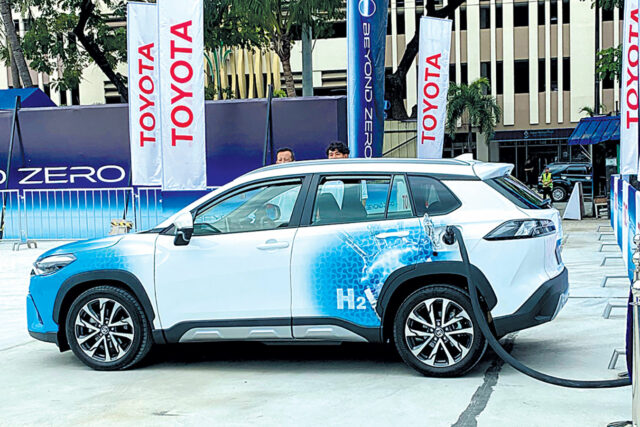
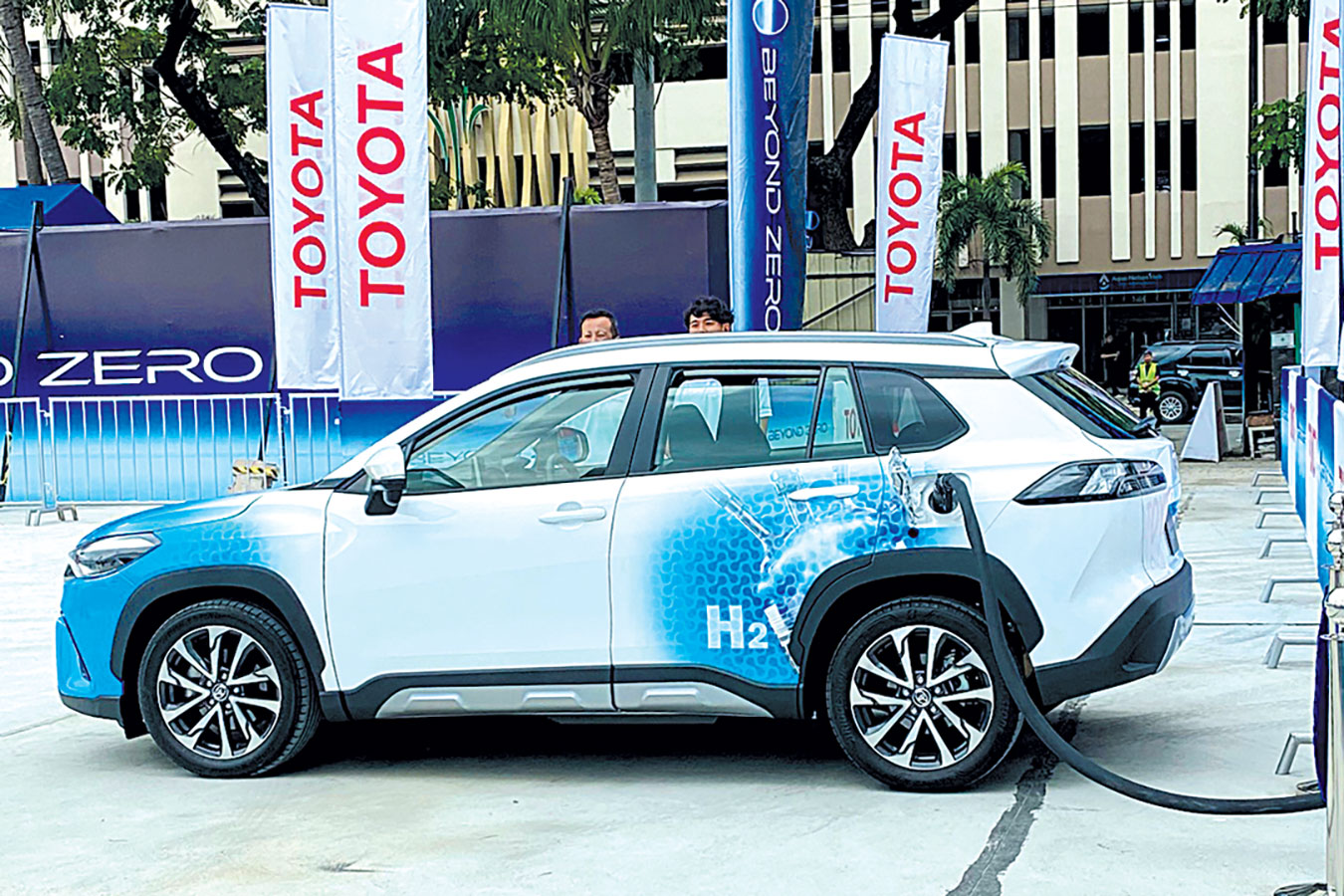
The Toyota Corolla Cross H2 Concept being refueled at Toyota Manila Bay — PHOTO BY MANNY N. DE LOS REYES

And how Toyota is taking us there

ASIDE FROM some blue graphics and an “H2” logo on the side, it looks like any ordinary Corolla Cross, Toyota’s popular compact crossover.

But step inside, and you’ll be surprised to see the steering wheel on the right side. That’s because this particular Corolla Cross has been shipped from Japan as a showcase of the automotive giant’s hydrogen technology, of which it is among the leaders in the industry.

We are at the back parking lot of the huge Toyota Manila Bay dealership to witness the hydrogen refueling of the Corolla Cross. Viewed from afar, it looks like your ordinary gasoline or diesel refueling. But up close, you’ll see the pump nozzle and the refueling opening of the car to be much smaller than the usual gas/diesel nozzle/opening.

That’s because refueling with hydrogen is more complicated than refueling with gas or diesel. Hydrogen is stored at near-freezing temperatures (both at the pump and in the hydrogen tank of the car) and it can switch between gas and liquid states. It’s also stored and pumped under pressure and is measured in kilos, not liters. Another difference is that there is no gasoline smell as hydrogen is odorless and colorless. One similarity though is that it takes about the same time to refuel a hydrogen car as a regular gas or diesel car.

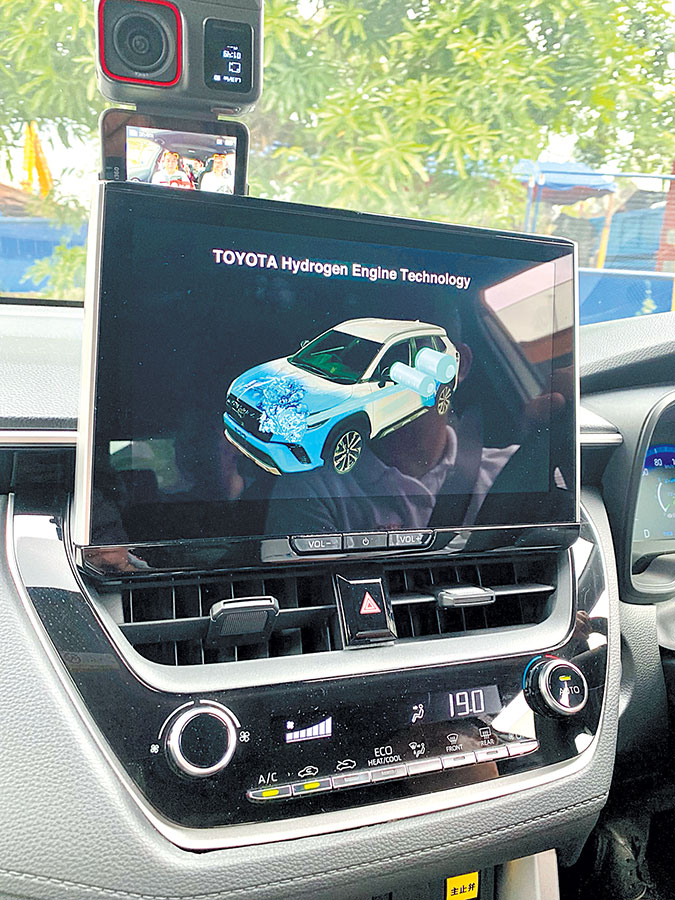
So how does it drive? In a nutshell, it drives and rides like any production Corolla Cross. Toyota officials invited members of the media to ride the prototype Corolla Cross (developed by Toyota Gazoo Racing in Japan) with a Japanese hydrogen specialist engineer from Toyota behind the wheel. He drove it at part throttle and also at pedal-to-the-metal and the car accelerated just like any normal gasoline engine car. It even sounds like any regular internal combustion engine (ICE) vehicle.

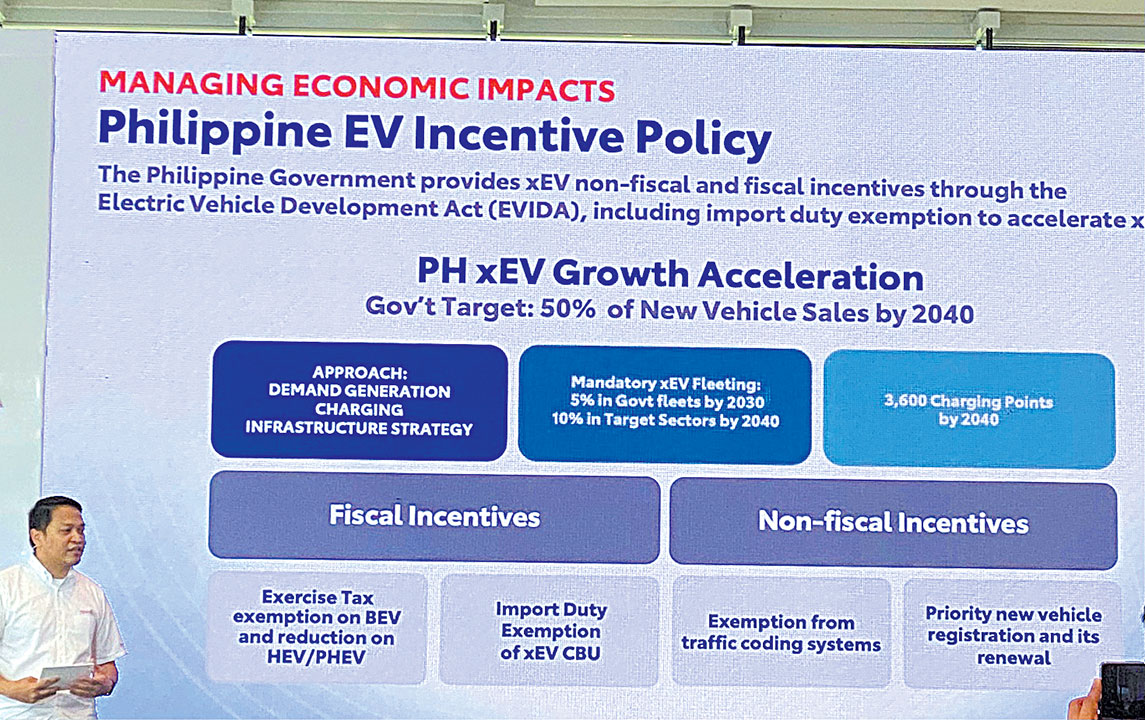
But before the drive, Toyota Motor Philippines (TMP) delivered a comprehensive presentation on its Beyond Zero global initiative with several speakers and decks. Reinforcing Toyota’s global commitment to carbon neutrality, Beyond Zero is Toyota’s corporate initiative toward clean energy and a low carbon economy transition. It aligns with key national policies related to the transportation sector such as the Electric Vehicle Industry Development Act (EVIDA) and Philippine Energy Plan.

Underscoring its multi-pathway approach to decarbonization, TMP presented the Corolla Cross H2 Concept of a hydrogen internal combustion engine vehicle (HICEV). The demo car utilized hydrogen gas supplied by a local producer and was filled through a hydrogen refueling station (HRS) exclusively imported from an end-use application provider in Malaysia.

“For Toyota’s point of view, we would like to provide the most suitable vehicle technology for the country’s specific energy strategy. Matching multi-pathways with energy, Toyota has many powertrains available and currently being developed,” said Toyota Asia Region Chief Executive Officer Masahiko Maeda.

Recognizing the country’s abundant resources, TMP also emphasized the potential of diversifying energy resources to develop related industries and complement the decarbonization goals of various sectors, including transportation. With Toyota’s widest array of xEV powertrain technologies, hydrogen has the potential to be one of the advanced alternative energy sources that presents the possibility of zero carbon dioxide (CO2) emissions.

Beyond its commitment to decarbonize the entire vehicle life cycle — from raw materials sourcing, manufacturing, distribution, to recycling cars and batteries — TMP stated it is also diversifying sustainable mobility with xEV usership services and exploring the benefits of data solutions and connected technology for travel or logistic efficiency resulting in CO2 reduction.

TMP’s commitment to sustainability extends throughout the entire vehicle life cycle. The company aims to achieve carbon neutrality in its vehicle manufacturing by 2035 through renewable energy and efficient practices such as responsible vehicle dismantling and battery recycling to minimize waste, among others.

The Corolla Cross hydrogen showcase is an excellent example that not all future zero-emissions alternative-energy or new-energy vehicles have to be electric. Toyota has models in every alternative- and new-energy technology from hybrid to full electric to hydrogen to fuel cell (in the Mirai, which is already available in the US, Europe and Japan).