THE PHILIPPINE pharmaceutical market is expected to grow to P759 billion by 2030, regulatory and financing barriers seen as the main brake to growth, according to Fitch Solutions unit BMI.
The projection implies a compound annual growth rate of 7.6%, it said.
“These interconnected challenges create a significant deterrent to pharmaceutical research investment in the Philippines, potentially delaying critical clinical studies that could address specific health needs of the population,” BMI said.
The Philippine pharmaceutical market remains import-dependent, it said.
In 2025, the Philippines had a pharmaceutical trade deficit of $2.3 billion due to limited manufacturing capacity.
The deficit can also be explained by the high value of imports of advanced biologics and specialty drugs, from the US and European Union.
BMI added that the domestic industry largely focuses on generic formulations and basic medication.
“Most concerning is the country’s nearly complete reliance on imported active pharmaceutical ingredients, particularly from China and India,” it added.
The Philippines also faces systemic challenges that hinder pharmaceutical research and design activities, BMI said.
It cited gaps in both financial resources and skilled human capital to carry out advanced pharmaceutical research, which “limits the country’s ability to move beyond basic manufacturing into higher-value innovation activities.”
BMI also noted regulatory issues that limit market entry.
“While the FDA (Food and Drug Administration) officially targets a 254-day timeline for drug approvals and Certificate of Product Registration issuance, the actual process frequently extends to two to four years,” it said.
BMI also noted the lack of coordination in government, particularly the Intellectual Property Office of the Philippines and the FDA.
“This institutional fragmentation prevents effective resolution of patent disputes prior to the market entry of generic pharmaceuticals, creating legal uncertainty that affects innovator companies seeking to protect their investments,” it said.
These bottlenecks delay clinical studies that could address specific health needs of the population and limit the country’s ability to boost innovation.
BMI noted that recent foreign investments in the pharmaceutical industry have been critical.
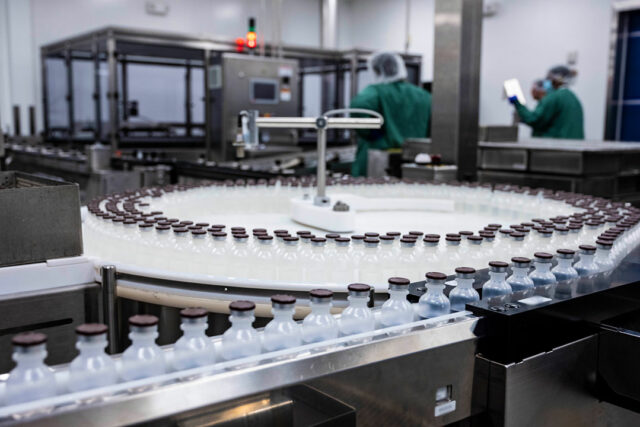
“These investments focus on manufacturing capacity building, with multinational pharmaceutical companies establishing or expanding local production facilities, bringing technology transfer opportunities for complex drug manufacturing,” it said.
BMI cited the Philippine Chamber of Pharmaceutical Industry and the FDA’s plans to introduce a green lane to expedite regulatory processes for pharmaceutical companies looking to operate in the Philippines.
The framework seeks to streamline the review process, clear up the documentation requirements, and ensure closer coordination between regulators and manufacturers.
“The initiative supports broader government goals of reducing import dependence, enhancing national health security and promoting sustainable industrial growth,” BMI said. — Beatriz Marie D. Cruz