Home Blog Page 1370

Choose leaders who are strong on security

STOCK PHOTO | Image from Freepik

Candidates should no longer underestimate the Filipino voter. They must go beyond the usual motherhood statements and focus on issues that strike deep at the core of being Filipino — specifically, the protection of our own sphere against the maneuvering of another country, one that seeks to dominate and intimidate. In the latest Social Weather Stations survey held Feb. 15-19, eight out of 10 Filipinos said they prefer candidates in the 2025 elections who believe in asserting the Philippines’ rights against China’s aggression in the West Philippines Sea.

Results from the survey show that 78% of Filipinos prefer “a candidate who believes that the Philippines must assert our rights against China’s aggressive actions in the West Philippine Sea,” while only 22% prefer “a candidate who does not believe that the Philippines must assert our rights against China’s aggressive actions in the West Philippine Sea.”

Indeed, more Filipinos are becoming aware that defense and security have come to be urgent issues, and that we need candidates who must champion the Philippines’ assertion of its sovereignty against anybody who threatens it.

DEFENSE OF TECHNOLOGY
These days, security can refer to two things. Traditional security pertains to the protection of our territory, maritime domain, and airspace. Here, China has unabashedly shown its intentions, and we must respond firmly and in accordance with international law.

But defense, too, can mean a fight against an unseen enemy.

Economic development and global competitiveness are no longer possible without technological advancement. To survive and thrive in the modern economy, digital readiness is necessary, and countries that are not able to keep up will certainly get left behind and miss out on opportunities.

According to the Department of Trade and Industry in November 2024, the Philippines has become the fastest-growing digital economy in Southeast Asia, surging from $26 billion to $31 billion in 2024. This tells us that consumers in the Philippines have a growing preference for online transactions. This also indicates a vast potential to be a major player in the global digital economy.

But there is a tradeoff, and it carries with it great risk.

People have come to rely on technology even for basic necessities like transportation systems, energy, water, and telecommunications. And some malign elements are just waiting to exploit this reliance for their own aims. They only need to know where our individual and collective vulnerabilities lie.

Critical infrastructure is always a prime target. Because of the scale of its reach, it affects both national security and economic stability. Once our critical infrastructure is attacked, we will see major disruptions in our way of life as we know it. Disruption could easily lead to chaos.

Last year alone, there were approximately 5.4 million malicious attempts against 32 government agencies that are connected to national security operations, according to the Department of Information and Communications Technology (DICT). In a separate report, the department said these cyber-attackers frequently target critical infrastructure, with the most affected sectors being government and emergency services (42%), the academe (22%), the telecommunications sector (19%), and others.

Businesses, too, are exposed to the risks. Studies by telcos found that one in four firms faces cyber-attacks, including malware and phishing with an alarming 200,000 attacks daily, specifically targeting the telecommunications industry and its critical infrastructure.

These threats are evolving and growing by the day, not only in number and reach, but more so in terms of sophistication. The DICT and the Cybercrime Investigation and Coordinating Center (CICC) reported that cyber criminals employ unauthorized use of International Mobile Subscriber Identity (IMSI) catchers to compromise the privacy and security of mobile devices and their users. This tactic is often used for financial scamming, which affects both consumers and businesses in the country.

From a larger viewpoint, cybersecurity has also figured as part of gray zone operations. These include digital propaganda, disinformation and misinformation campaigns, and malign influence, aiming to erode public trust and destabilize democratic processes such as local elections.

Some 86.75 million social media users, who are exposed to various forms of misleading narratives and disinformation campaigns, are at risk. They must know how to protect themselves.

ENEMIES WITHOUT A FACE
This threat is equally dangerous because of its stealthy nature — the enemies and attackers do not have a face, and yet they know our vulnerabilities too well and can strike us where we are weakest.

So, while we focus on defending our maritime domain, we should treat cybersecurity as a priority area that is essential to our national security. Stakeholders — the government, the private sector, telecommunication companies, and civil society — must collaborate to address multifaceted challenges in the digital sphere. We will help do exactly this as the Stratbase Institute, in collaboration with the Embassy of Canada in the Philippines, is organizing a two-day conference entitled, “Forging Collaborative Cyber Resilience: Protecting Critical Infrastructure and Democratic Institutions.” The event will enable us to assess the cyber landscape, discuss problems, and explore solutions with various stakeholders.

Finally, we should also invest in strengthening people’s digital literacy and critical thinking. These are vital as they navigate a complex, technology-driven world, and also as they choose the next set of leaders who could enact and implement the right laws and policies for the good of our nation.


Victor Andres “Dindo” C. Manhit is the president of the Stratbase ADR Institute.

Bloomberry advances land acquisition for Cavite project

BLOOMBERRY.PH

BLOOMBERRY Resorts Corp. is advancing land acquisition for its planned third Solaire-branded integrated resort in Paniman, Ternate, Cavite.

Bloomberry Resorts Corp., through its subsidiary Solaire Properties Corp. (SPC), had acquired 223 lots covering a total of 2.04 million square meters (sq.m.) as of Dec. 31, according to a regulatory filing.

In May 2022, Bloomberry, through SPC, entered into an agreement to purchase 2.80 million sq.m. of land in Paniman at an average price of P2,700 per sq.m. from landowners Boulevard Holdings Inc., Puerto Azul Land Inc., Ternate Development Corp., and Monte Sol Development Corp.   

“SPC intends to develop the Paniman property into an integrated resort and entertainment complex with a world-class casino, hotel, golf course, commercial, residential, and mixed-use development,” Bloomberry said.   

The development timeline for the Paniman project has yet to be finalized, the company said.   

“Bloomberry is continually exploring potential projects in the Philippines and other parts of the world,” it added.   

Bloomberry said it aims to develop and open the Paniman property within the next five to ten years as land acquisition progresses.   

The Paniman project will be Bloomberry’s third integrated resort in the Philippines, following Solaire Resort Entertainment City in Parañaque City and Solaire Resort North in Quezon City, which opened in May last year.   

Bloomberry also has a presence in Jeju Island, South Korea, through the Jeju Sun Hotel & Casino.   

In 2024, Bloomberry reported a 73% decline in net income to P2.6 billion from P9.5 billion in 2023, due to higher depreciation and interest expenses from Solaire Resort North, as well as a P706.3-million one-off gross receipts tax charge.   

Gross gaming revenue rose by 6% to P61.7 billion, driven by new contributions from Solaire Resort North.   

On Tuesday, Bloomberry shares dropped 5.56% or 21 centavos to P3.57 apiece. — Revin Mikhael D. Ochave

Rare Caravaggio masterpieces showcased in Rome exhibition

CARAVAGGIO2025.BARBERINICORSINI.ORG

ROME — A major exhibition dedicated to baroque master Caravaggio opened on Friday in Rome, including normally out-of-reach works from private collections and others not seen in the artist’s Italian homeland for centuries.

Caravaggio, born as Michelangelo Merisi, was a virtuoso of the chiaroscuro technique of lighting to make his subjects seem to come alive. He led a short and turbulent life, which included a forced exile from Rome after killing a man in a brawl.

The exhibition in the Palazzo Barberini museum covers 15 years of his professional life, from his arrival in Rome in 1595, where he established himself as a rare talent, until his death in 1610, aged 39, in southern Tuscany.

“The paintings we have here represent a journey through his remarkable life, showing his transformation as an artist from his first works in Rome, through to probably his final work, as he desperately sought to end his exile,” said Francesca Cappelletti, one of three curators for the exhibition.

Amongst the works on display is Ecce Homo (Behold the Man), a depiction of a suffering Jesus Christ in a crown of thorns, which was rediscovered in 2021 in Spain after it was lost in the 19th century.

Other highlights are the portrait of Monsignor Maffeo Barberini, which went on public display for the first time a few months ago, and iconic Caravaggio pieces such as Self portrait as Bacchus and The Cardsharps.

The exhibition is “Caravaggio in its purest form, and in massive doses,” Cappelletti told reporters.

In total, the exhibition counts 24 paintings, drawn from private and public collections in Italy, the US, Spain, Ireland and Britain.

“Hundreds of thousands of people are going to be able to admire the greatest collection of Caravaggio paintings that will be impossible to put together again in the coming years, or even decades,” said another of the curators, Thomas Clement Salomon.

Running from March 7 to July 6, it is being held in conjunction with the Catholic Holy Year, or Jubilee, which is expected to bring up to 32 million tourists to the so-called Eternal City.

Palazzo Barberini has already sold some 60,000 tickets for the show and is billing it as one of the most important art events of the year in Europe. — Reuters

Woolly mammoths? Mars? Let’s take care of what we’ve got

WOOLLY MICE — COLOSSAL BIOSCIENCES

LAST WEEK, science delivered a really cute experimental result. Researchers created a “colossal woolly mouse,” a fluffy rodent that’s purported to be a step on the way to resurrecting woolly mammoths from the age of dinosaurs. But that project — along with Elon Musk’s obsession with establishing a colony on Mars — makes me wonder: Wouldn’t the enthusiasm and resources be better devoted to protecting the animals and planet we already have?

Colossal Biosciences, Inc., a Texas-based startup, provided details in a paper earlier this month, which hasn’t yet been peer-reviewed. Each mammouse — forgive me — had seven genes altered to give it an abundance of golden fluff and an altered fat metabolism. The mice will be observed to see if they’re better adapted to cold temperatures. The company’s aim is to genetically modify Asian elephants to express woolly mammoth traits; the mice offered a comparatively easier way to test the impact of the proposed tweaks. But some scientists are skeptical about whether this really brings us closer to creating a living woolly mammoth.

“Colossal’s team made a number of genetic changes… that are already known to produce longer, thicker, wavier — or woollier — coats in mice,” Tori Herridge, a senior lecturer at the University of Sheffield, said in an e-mailed comment. “A mammoth is much more than just an elephant in a fur coat. It isn’t yet known which sections of the genome are vital for achieving the characteristics needed to make an elephant fit for life in the Arctic Circle.”

Why bother in the first place? Colossal says it’s focused on “de-extinction,” with projects aimed at raising mammoths, dodos, and thylacines (also known as Tasmanian tigers) from the dead. The motivations for each species seem to vary — the modern dodo would be “a symbol of hope,” according to the company’s website, while the mammoth is billed as a “vital defender of Earth” for its role as an ecosystem engineer in the Siberian steppe. By grazing the grassland and trampling snow cover, the theory is that heavy herbivores could protect the permafrost and stop it releasing large amounts of greenhouse gases.

Colossal also points to another crisis of our times: “The rapid and accelerating loss of our planet’s biodiversity.” We’re in the middle of the sixth mass-extinction event in Earth’s history; this time, we only have ourselves to blame. According to the International Union for Conservation of Nature Red List, more than 46,300 species — almost a third of all assessed species – are threatened with extinction thanks to threats such as global warming, habitat loss, invasive species, and overexploitation. Yet the gap between current biodiversity finance and future needs has widened to $942 billion, according to BloombergNEF.

The money being devoted to reanimating dead species might better be spent on conservation efforts for the long-suffering animals we have left. Reinserting extinct species back into their old ecosystems does nothing to avert the threats we’ve created. Mammoths would be returned to an Arctic that’s warming four times faster than the rest of the planet. Thylacines, which only went extinct in 1936 when the last of the species died in a zoo, would still likely face persecution from sheep farmers, competition with wild dogs and habitat loss. There are also ethical issues — cloning often results in unnecessary animal suffering, such as miscarriage, early death, and genetic abnormalities.

Colossal says it’s on track to introduce the first mammoth calves in 2028. Even if these babies are healthy, a long journey looms to create a genetically diverse herd that could be released into the wild. An elephant’s gestation period is 22 months, and they take upwards of a decade to reach sexual maturity. The potential environmental gains from reincarnating mammoths won’t be realized for many, many years; solutions with nearer-term benefits are desperately short of funding.

In many ways, Colossal’s endeavors remind me of Musk’s plans to inhabit Mars. Sure, there are arguments in favor of transporting humans to the red planet, including scientific exploration, new economic frontiers and creating a planetary backup for when we stuff things up irredeemably here. But Musk estimates creating a self-sustaining city on Mars would cost several trillion dollars, and take decades. Consider what we might achieve if that money was spent on our climate-change obligations at home, allowing our livable and beautiful planet to thrive.

Of course, the journey matters as well as the destination. Colossal also aims to produce breakthroughs for animals alive today and is working on a mRNA vaccine for elephant endotheliotropic herpesvirus, the biggest killer of Asian elephant calves in managed care and a threat to wild populations. One of the greatest threats to biodiversity is the loss of genetic diversity, and Colossal’s work could help there, particularly in species like the northern white rhino, which has just two living females left.

Perhaps the real problem isn’t the ambition to bring back the mammoth, but the fact that it takes a novel, sci-fi-esque mission to sufficiently excite investors to raise $435 million in total funding and give a conservation-minded startup a valuation of $10.2 billion.

Humans should strive to achieve things that are hard, not just easy. But peering into the past and looking too far beyond our planetary boundaries risks forgetting that what we already have is remarkable — and that saving it would be the greatest achievement of humanity thus far.

BLOOMBERG OPINION

Lack of literacy, infrastructure delays PHL financial inclusion progress

FREEPIK

LOW LITERACY continues to hold back the Philippines’ financial inclusion progress, even with digitalization helping bring banking services to the unbanked and underbanked.

“Digital technology is not the end-all and be-all, that is just the enabler. Digital will not solve the problem — it has to be the education component that would really drive adoption,” Fintech Alliance.PH Chairman and Rizal Commercial Banking Corp. Executive Vice-President and Chief Innovation and Inclusion Officer Angelito “Lito” M. Villanueva said in a panel discussion at the Asian Banking & Finance and Insurance Asia Summit held on Tuesday.

“It is also striking because we are seeing the proliferation of online lending providers, yet there is also an alarming rate of nonperforming loans because literacy faces a critical role. Filipinos are considered financially illiterate. This has been a challenge.”

Digital payments made up 52.8% of the volume of retail transactions in 2023, up from the 42.1% share in 2022, latest Bangko Sentral ng Pilipinas (BSP) data showed.

In terms of value, 55.3% of retail transactions last year were done online, also rising from 40.1% the year prior.

The BSP wanted at least 50% of the volume and value of retail transactions done online by end-2023 under its Digital Payments Transformation Roadmap and to bring 70% of adults into the formal financial system.

Mr. Villanueva said the second goal was not achieved. As of 2022, 65% of Filipino adults had financial accounts, according to available BSP data.

“So, it is still a work in progress,” Mr. Villanueva said.

The BSP is now working on the next phase of its Digital Payments Transformation Roadmap.

JPMorgan Philippines Head of Payments Sari D. Mortel said many Filipinos remain unbanked even with the high rate of mobile phone use in the country.

“We’ve always been talking about technology, right? But at the end of the day, there’s more to that than that. We’ve talked about collaboration; we’ve talked about education. But at the end of the day, it’s a combination of all,” Ms. Mortel said.

Adrienne Heinrich, Union Bank of the Philippines, Inc. AI and Innovation Center of Excellence head, said the lack of infrastructure is hampering financial inclusion in the Philippines.

“I think one important aspect that’s a bit different here in the Philippines compared to other more developed countries is the infrastructure,” she said. “More and more we see that digital financial services should be the future. There will be no turnaround from that.”

Boston Consulting Group Principal Boston Sitti Reyes said the Philippines’ progress towards financial inclusion has been sluggish, noting small businesses’ limited access to funding.

“I think we have not moved as fast as we would have wanted as a nation,” Ms. Reyes said. “We are way behind other nations, even the similar emerging markets like Indonesia, Malaysia. There is a lot that we can do.” — ARAI

ICTSI says Matadi terminal set for upgrades

INTERNATIONAL Container Terminal Services, Inc. (ICTSI) said it is working to upgrade the operations of its unit Matadi Gateway Terminal (MGT) in the Democratic Republic of the Congo.

These upgrades will expand MGT’s operational capacity and position it as the premier maritime hub of Congo, ICTSI said in a statement on Tuesday.

One of the projects scheduled for this year is the construction of a 2.65-kilometer road linking the Port of Matadi to other areas in Congo, such as the Kinkanda traffic circle, via Services des Entreprises Pétrolières Congo and Route Nationale 14.   

This project includes the construction of 906 meters of new road and the rehabilitation of 1,746 meters of existing infrastructure, ICTSI said.   

Once completed, the improved roadway is expected to reduce container dwell times and streamline cargo deliveries for trucking companies while also helping decongest the western part of Matadi.   

Additionally, MGT plans to expand its storage yard to accommodate the growing cargo volumes at the port.   

“Overall, MGT’s objective is not only to continuously improve its operations and customer service, but also to contribute to the creation of indirect jobs in Matadi. The company is dedicated to driving growth, ensuring seamless trade connectivity, and maintaining its position as the leading maritime terminal in the Democratic Republic of the Congo,” ICTSI said.   

In 2014, ICTSI entered a joint venture agreement with La Société De Gestion Immobilière Lengo (SIMOBILE) to develop a container and general cargo terminal on the Congo River in Matadi.   

ICTSI and SIMOBILE formed a joint venture company, Matadi Gateway, to operate and manage the facility.   

At the stock exchange on Tuesday, shares in ICTSI fell by P21, or 5.58%, to close at P369 apiece. — Ashley Erika O. Jose

Greek lawmaker attacks paintings he said were offensive to Christians

NATIONALGALLERY.GR

ATHENS — A far-right Greek lawmaker attacked four paintings in an exhibition at the country’s National Gallery on Monday, the gallery said, after he had described one as offensive because of its distorted depictions of Christ and the Virgin Mary.

The lawmaker, named by the gallery as Nikolaos Papadopoulos, from the ultra-religious Niki party, was temporarily detained, and the gallery said it had had to close for the day due to the incident.

The gallery said that with assistance from another person he had violently taken down four paintings included in the exhibition inspired by Spanish master Francisco de Goya.

“The above violently detached them from the wall and threw them on the floor, which resulted in their damage,” the gallery said in a statement.

Papadopoulos’ lawyer Constantinos Vathiotis told Reuters that he was illegally detained for five hours. Lawmakers are protected from arrest under the constitution and only parliament can lift their immunity.

The exhibition, The allure of the bizarre, is by a group of Greek artists, with works corresponding with 80 etchings from Goya’s late 18th century Los Caprichos series. It has been on display in Athens since January at the country’s main gallery, which is a major draw for Greeks and tourists alike.

In a question to the culture ministry submitted to parliament in January, the lawmaker said that one painting, among the group of four he is accused of damaging, was “clearly offending the Orthodox Christian faith, directly insulting the holy faces of Virgin Mary and Christ, which are depicted distorted.”

The culture ministry responded at the time that it “never engages in censorship.”

The Hellenic League for Human Rights condemned the lawmaker’s action, saying “freedom of art and freedom of expression are protected by the constitution and are not subject to the personal taste and religious and ideological beliefs of self-appointed judges and ultimately punishers.” — Reuters

Small businesses told to learn TikTok recommendation engine

MICRO, SMALL and medium enterprises (MSMEs) seeking to reach more customers should familiarize themselves with social media recommendation systems, according to TikTok.

Franco S. Aligaen, marketing lead for TikTok Shop, said they have a unique recommendation system that allows new sellers to be discovered by customers. He added that businesses with a basic understanding of how platform recommendations work could gain an edge.

“Knowing how content is recommended allows businesses to create posts that align with TikTok’s discovery system, increasing their chances of reaching a broader audience,” Mr. Aligaen said.

A social media recommendation system is an algorithm that curates content based on user interactions, preferences and engagement.

During a site visit to TikTok’s Transparency and Accountability Center in Singapore on Feb. 19, company officials shared insights into its For You Page (FYP), the platform’s main recommendation engine.

TikTok noted that while the FYP tailors content based on users’ previous engagements, it also diversifies the feed by introducing content from new or existing creators and sellers.

MSMEs can enhance their visibility on the FYP by creating high-quality, engaging and authentic content, Mr. Aligaen said.

This can include product demonstrations, behind-the-scenes content and customer testimonials to build trust and credibility.

Livestreaming also serves as a powerful tool for product discovery because its interactive nature fosters stronger customer connections, potentially driving higher conversion rates, he added.

“Sellers who go live regularly tend to gain more visibility because live sessions encourage direct engagement through comments and purchases,” he said.

Participating in TikTok Shop campaigns and seasonal sales also promises to improve sellers’ visibility.

TikTok Shop also offers sellers analytic tools like the ACE Indicator System, Mr. Aligaen said, where “sellers can identify trends, optimize their approach and focus on content that resonates most with their audience.”

To help MSMEs navigate the platform, TikTok Shop offers educational resources like the TikTok Shop Academy.

It has also partnered with the Department of Trade and Industry for workshops and training sessions, helping sellers optimize their TikTok Shop performance and refine their marketing strategies. — Edg Adrian A. Ava

Fed to deliver rapid-fire rate cuts if economic downturn happens, traders bet

REUTERS

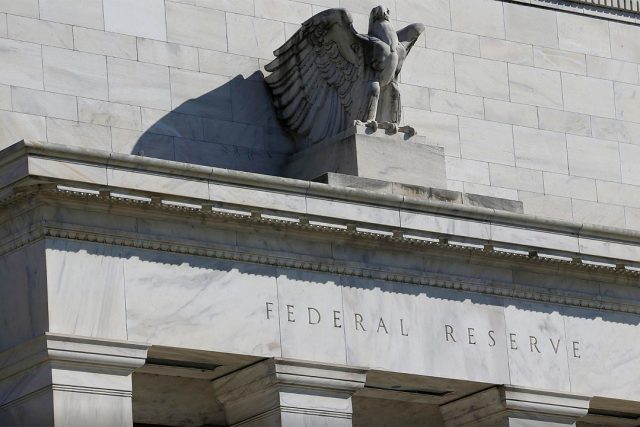
THE US Federal Reserve won’t lower interest rates at its policy meeting next week, but could deliver the first of a set of rapid-fire reductions in borrowing costs in June if rising fears of an economic downturn triggered by a trade war materialize.

At least that’s where the betting is in futures markets, where contracts that settle to the Fed’s policy rate were increasingly priced for quarter-percentage-point reductions in June, July and October following US President Donald J. Trump’s remarks last weekend about a “period of transition” as he ratchets up tariffs on China, Canada and Mexico. US stocks and Treasury yields also dropped on Monday on concern that his comments signaled a coming recession.

Fed Chair Jerome H. Powell on Friday said the US central bank is in no rush to cut rates, with the labor market still strong, inflation on a bumpy path toward the US central bank’s 2% goal, and uncertainty high over the effect of Trump’s trade, fiscal, immigration and regulatory policies.

Economists say those policies could drive prices higher and slow the economy at least in the near term. Goldman Sachs economists on Monday cut their US growth forecast to 1.7%, and raised their inflation forecast. Such a scenario could force the Fed to make a tough choice between keeping pressure on inflation by leaving its policy rate in the current 4.25%-4.5% range or cutting rates to cushion the labor market against deterioration.

While markets are betting on the latter approach, some economists see the Fed slow-walking rate cuts to keep tariff-inflated prices from stoking household and business inflation expectations, which could deepen the chance of persistently high actual inflation.

“Despite a calm exterior, (Fed policy makers) grow increasingly anxious about the rising risks to both sides of the mandate and the institution’s ability to resist pressure from US President Donald J. Trump to cut rates should the labor or financial markets begin to slide before the Fed can gauge the inflationary impacts of not just tariffs, but the entire Trump agenda,” Tim Duy, chief US economist at SGH Macro Advisors, wrote in a note. “A slow-to-react Fed will draw the ire of the Trump administration.”

The Fed has kept its policy rate unchanged this year after cutting it by a full percentage point in 2024. Policy makers will have more data to sift through this week, with a report on job openings due on Tuesday and the release of the consumer price index for February on Wednesday. Reuters

AI in the 2025 Philippine Elections: A game-changer for campaigns and a tool for political warfare

As the Philippines gears up for the upcoming elections in May, artificial intelligence (AI) is set to play a defining role in shaping public perception, influencing voter behavior, and revolutionizing campaign strategies. While AI offers a powerful advantage for candidates to streamline operations, enhance voter engagement, and analyze public sentiment, it also presents a darker side — one that includes deepfake videos, misinformation, and AI-generated attacks aimed at discrediting political opponents. The country must brace for both the promise and the perils of AI-driven electioneering.

AI has already reshaped political campaigns globally, and the Philippines is no exception. The ability to process vast amounts of data in real time has enabled AI-driven strategies that personalize voter outreach, predict electoral trends, and optimize resource allocation. Political campaigns can now use AI to analyze social media activity, survey data, and online sentiment to craft highly targeted messages for different voter segments. AI algorithms can predict voter concerns based on location, demographic profile, and browsing habits, allowing candidates to tailor their speeches, ads, and social media engagement accordingly. In the United States, political campaigns have used AI-powered tools like Cambridge Analytica (notorious for its role in the 2016 elections) to influence voter preferences through microtargeting. In the Philippines, similar strategies have already been deployed since the last two national elections, turning our social media pages into a political battlefield.

AI-driven tools are also making voter engagement more efficient. Chatbots can respond to voter inquiries, simulate human-like conversations, and reinforce campaign messages around the clock. Generative AI tools can draft speeches, create slogans, and even produce campaign visuals at scale, reducing the time and effort required for traditional content creation. During the 2020 US elections, AI was widely used in social media outreach, with tools like Persuasion AI helping candidates tailor persuasive messaging for undecided voters. AI can also monitor public opinion in real time, scanning social media platforms, news articles, and forums for mentions of a candidate or campaign. If a controversy or negative sentiment spikes, AI-powered tools can provide instant analysis, helping campaign teams craft rapid responses to control the narrative. In India, political parties have used AI-based analytics to predict voter reactions and fine-tune their messaging before it goes live, ensuring minimal backlash.

While AI can enhance political campaigns, it is a double-edged sword. The same tools that optimize messaging and engagement can be weaponized to mislead, manipulate, and discredit political opponents. Deepfake videos — where a politician’s likeness and voice are manipulated to say or do things they never did — have already been used in elections in the United States and Europe. In the Philippines, where social media is a major battleground for political narratives, deepfakes can be used to fabricate scandalous remarks, false endorsements, or staged incidents. A notorious example was the 2020 US election, where deepfake technology was used to manipulate videos of both Joe Biden and Donald Trump, casting doubt on the authenticity of campaign messages.

AI-generated disinformation campaigns are another emerging threat. AI can mass-produce fake news articles, misleading images, and false narratives, which are then spread across social media to create confusion and sway public opinion. Automated bots can flood comment sections, amplifying false narratives while drowning out opposing views. In Brazil’s 2022 elections, AI-generated fake news campaigns spread on WhatsApp targeted voters with misleading information about candidates, influencing voter perception. The Philippines, with its high social media penetration, is at risk of similar tactics. While I have seen various AI videos bashing certain candidates on TikTok, I have yet to see fake ones discrediting a candidate during this election.

Another risk lies in the manipulation of search results and social media algorithms. AI-powered algorithms determine which news articles, videos, and posts appear in search results and recommendations. Political groups with the resources to exploit these algorithms can use AI to push favorable content while burying damaging news about their candidates. In past elections in India and the US, algorithmic manipulation has been used to promote partisan narratives, making it difficult for voters to access objective information.

The upcoming elections in the Philippines will likely see both the positive and negative applications of AI at play. With a digital-savvy population and a history of social media-driven campaigns, the country is particularly susceptible to AI-fueled election tactics. The Commission on Elections (Comelec) has yet to establish strict guidelines on the use of AI in campaigns, particularly in identifying and banning deepfake content. Fact-checking initiatives and partnerships with tech companies should be strengthened to detect AI-generated disinformation early.

Voters must also be educated on how AI can be used to deceive or manipulate political narratives. Public awareness campaigns can help Filipinos critically evaluate online content, especially during the election period. Political parties should be transparent about their use of AI in campaigns and commit to ethical AI-driven strategies. Independent watchdogs and cybersecurity experts should be engaged to monitor the use of AI in election propaganda.

AI is here to stay, and its role in elections will only grow stronger in the coming years. While it offers unprecedented opportunities to engage voters and streamline campaign efforts, its misuse can erode trust in democracy and fuel misinformation. Philippine politicians, regulators, and the public must work together to harness AI’s potential while safeguarding against its darker applications.

As May approaches, candidates who strategically and ethically leverage AI will have a competitive edge. However, the real test will be in ensuring that AI is used to inform and empower voters, rather than mislead and manipulate them. The challenge is clear: will AI elevate Philippine democracy, or will it be used to distort it? The answer depends on how we all act now, and the actions this year will serve as a springboard for the bigger 2028 presidential race.


Dr. Donald Lim is the founding president of the Global AI Council Philippines and the Blockchain Council of the Philippines, and the founding chair of the Cybersecurity Council, whose mission is to advocate the right use of emerging technologies to propel business organizations forward. He is currently the president and COO of DITO CME Holdings Corp.

NTC wants SIM registrants to show up in person

PHILSTAR FILE PHOTO

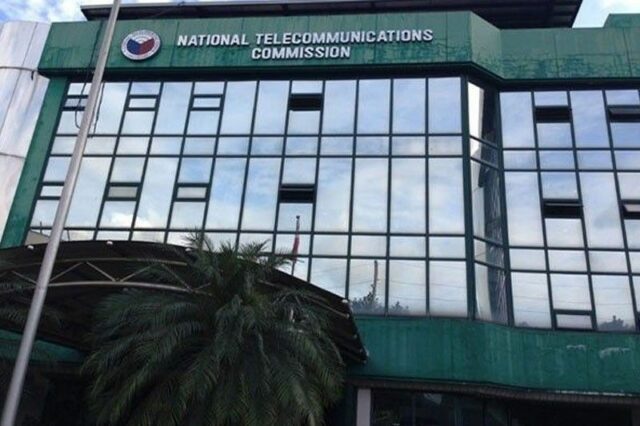
THE National Telecommunications Commission (NTC) is considering requiring personal appearance for SIM registration under the Subscriber Identity Module (SIM) Registration Act, which has been in effect for over two years since its implementation in December 2022.

This is part of NTC’s planned comprehensive review to amend the current online registration process under the SIM Registration Act, or Republic Act No. 11934.   

The proposal will be similar to the requirements for driver’s licenses and National Bureau of Investigation (NBI) clearance applications, the NTC said in a statement on Tuesday.

“The NTC remains committed to effectively implement the SIM Registration Act and achieve the declared objectives of the law.”

This follows rising concerns over fake identities and individuals selling their identities for potential illegal use, NTC said, adding that the proposal would also enhance security in the registration process.   

Currently, SIM card registration only requires individuals to take a photo, submit a government-issued identification card, and provide personal information.   

This process has been exploited by scammers, with some individuals selling their identities despite the existing penalties of imprisonment for two to six years and fines of up to P300,000.   

Last year, NTC proposed amendments to the SIM Registration Act to Congress. The commission sought provisions granting NTC the authority to regulate the number of SIMs an individual can own and the possibility of limiting valid government-issued ID cards.   

Additionally, NTC is recommending a provision mandating agencies responsible for issuing government-issued IDs to develop a validation platform accessible to public telecommunications entities (PTEs).   

In 2024, PTEs blocked 3.34 million scam messages and deactivated 3.12 million SIM cards, contributing to the overall reduction of text scams and SIM fraud.   

The SIM Registration Act requires mobile phone users to register their SIMs under their names or risk deactivation to deter text scams and other mobile phone-related crimes.   

For Terry L. Ridon, convenor of think tank InfraWatch, NTC’s proposal will severely limit the expansion of telecommunications companies, as personal appearance may be too cumbersome, particularly for minors, senior citizens, and persons with disabilities.   

“The onus to combat text and online fraud should rest mainly on the government and telcos, not end-users,” Mr. Ridon said in a Viber message.   

Digital Pinoys national campaigner Ronald B. Gustilo said the proposal would burden Filipinos, especially those in rural areas or those with limited mobility.   

“The SIM registration system should be able to detect registration attempts that may be considered questionable, such as mass registrations from a single device or location or the use of falsified identification cards,” he said. — Ashley Erika O. Jose

South Korean singer Wheesung found dead at home — Yonhap

EN.WIKIPEDIA.ORG

SEOUL — South Korean singer Wheesung has been found dead, Yonhap News reported citing police on Monday.

The 43-year-old’s body was discovered at his home in Seoul, less than a month after actress Kim Sae-ron was found dead after her career had taken a hit following a drunk driving incident in 2022.

Police were not immediately available for comment.

The singer’s management agency, Tajo Entertainment, issued a statement confirming his death. “We are deeply sorry to deliver such heartbreaking and tragic news,” said the statement. “On March 10th, our artist Wheesung has left us. He was found in cardiac arrest at his home in Seoul and was later pronounced deceased.”

The statement continued: “His bereaved family, fellow artists, and staff at Tajo Entertainment are all mourning this sudden and painful loss with heavy hearts.” — Reuters