ADB allocates $70B for new energy and digital infrastructure
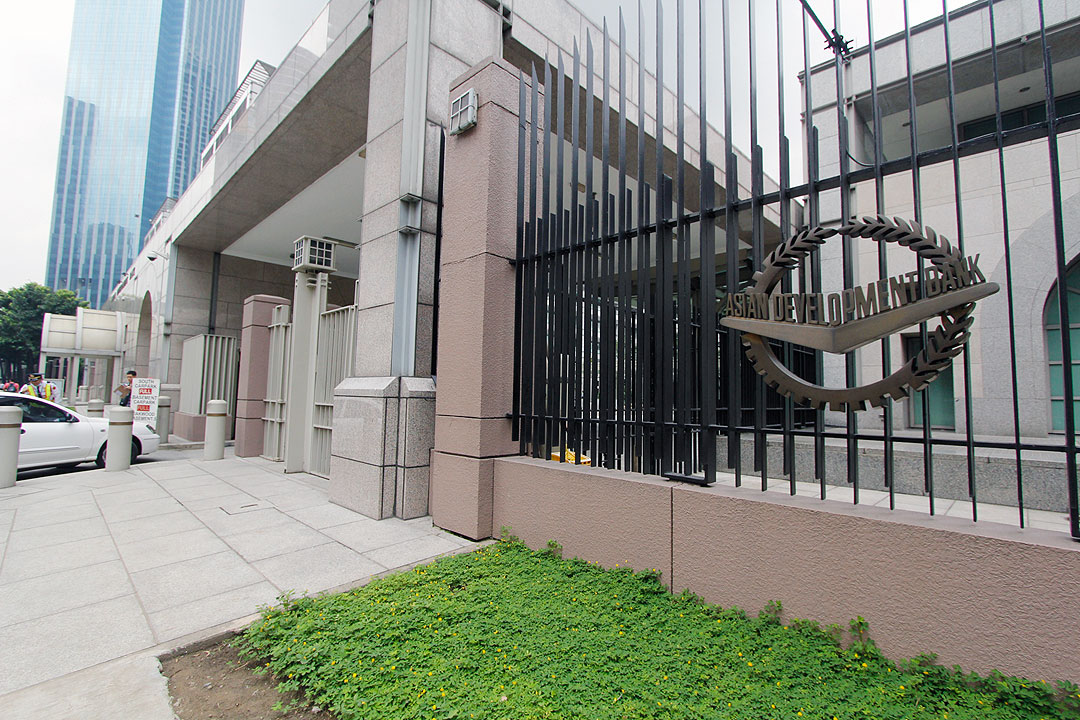
THE Asian Development Bank (ADB) said it will support new energy and digital infrastructure initiatives by 2035, setting aside $70 billion for the program.
“These two initiatives build the systems Asia and the Pacific need to grow, compete, and connect,” ADB President Masato Kanda said in a statement over the weekend.
“By linking power grids and digital networks across borders, we can lower costs, expand opportunity, and bring reliable power and digital access to hundreds of millions of people,” he added.
The first initiative, the Pan-Asia Power Grid Initiative, will see the ADB work with governments, utilities, the private sector, and development partners to mobilize $50 billion by 2035 and for cross-border power infrastructure.
The ADB will finance half of the $50 billion initiative and raise the rest through co-financing, with $10 million to be allocated for technical assistance.
“The Pan-Asia Power Grid Initiative marks a shift from country-to-country energy links to a regional approach to power trade,” it said.
Meanwhile, the Asia-Pacific Digital Highway will mobilize $20 billion to finance digital corridors, data infrastructure, and artificial intelligence (AI)-ready economies. It is expected to cut connectivity costs in remote areas by 40% and create 4 million jobs.
“Investments will focus on connected infrastructure, including terrestrial and subsea fiber networks, satellite links and regional data centers,” it said.
“ADB will also provide policy and regulatory support, including on cybersecurity risk management, and invest in skills programs to strengthen digital and AI readiness,” it added.
For the second initiative, the ADB will finance $15 billion from its own resources and raise $5 billion through co-financing.
It added that a center for AI innovation and development will be established in South Korea to support the initiative through promoting responsible and inclusive AI adoption and training about 3 million people in digital and AI-related skills.
The center will be backed by a $20-million contribution from the Korean government.
In a separate statement, the ADB urged the Asia and the Pacific region to “act together to develop together.”
“In this fragmented world, traditional and isolated development responses will fail,” said Mr. Kanda. “To survive and thrive in this new era, we must build deeply connected and resilient systems.”
He said that the shocks today hit communities that are least able to absorb them.
“Addressing these challenges requires coordinated regional solutions that go beyond national boundaries,” he added.
ADB earlier projected growth in developing Asia and the Pacific to slow to 4.7% this year from 5.4% in 2025, while inflation is expected to accelerate to 5.2% from 3%, due to the conflict in the Middle East.
In the severe scenario, which involves oil prices remaining elevated in May, growth could slow to 4.2% and inflation could hit 7.4% this year. — Justine Irish D. Tabile