THE Land Transportation Franchising and Regulatory Board (LTFRB) said it issued show-cause orders to 21 transport network vehicle services (TNVS) companies to explain their lists of fuel-subsidy beneficiaries, on suspicion they may have been inflated.
“We want to ferret out the truth in relation to this incident. Is there a deliberate attempt to increase the number of beneficiaries on their part, or is this a case of negligence and incompetence to comply with the LTFRB order,” LTFRB Chairman Vigor D. Mendoza II said in a statement on Monday.
According to LTFRB, the queried companies have five days from the receipt of the order to explain why their authority to operate should not be suspended or revoked for adding to their subsidy list vehicles that do not have authority or permission from the LTFRB to operate as TNVS units.
According to the LTFRB, the 21 TNCs are: My Taxi PH, Inc.; Metrohills Transport Association, Inc. (Ipick); Leggo Information Technology Solutions; Lalamove Technology Philippines, Inc., Peek Up Philippines Corp.; Para Xpress Technology Services, Inc. (Xpress); Pureride Corp.;
RL Soft Corp. (inDrive); Taxsee Philippines, Inc. (Maxim); Unified Transport Operation Corp. (Utol); Unla La Corp.; Ipara Technologies And Solutions, Inc.; Joyride Ph Corp.; Cloud Panda PH, Inc. (Toktok); Dbdoyc, Inc. (AngCars) E-Pick Me Up, Inc. (Epickmeup); Get Express Global Corp.; Gocab Corp Hail Transport, Inc.; Hirna Mobility Solutions, Inc.; and Aztech Solution International Corp. (Snappy).
BusinessWorld asked ride hailing app inDrive, and AngCars for comment but has yet to receive a replies at deadline time.
The Department of Transportation had ordered a halt to the onboarding of new drivers for TNVS and motorcycle taxi platforms, after finding that some operators had exceeded the cap on accredited drivers and riders.
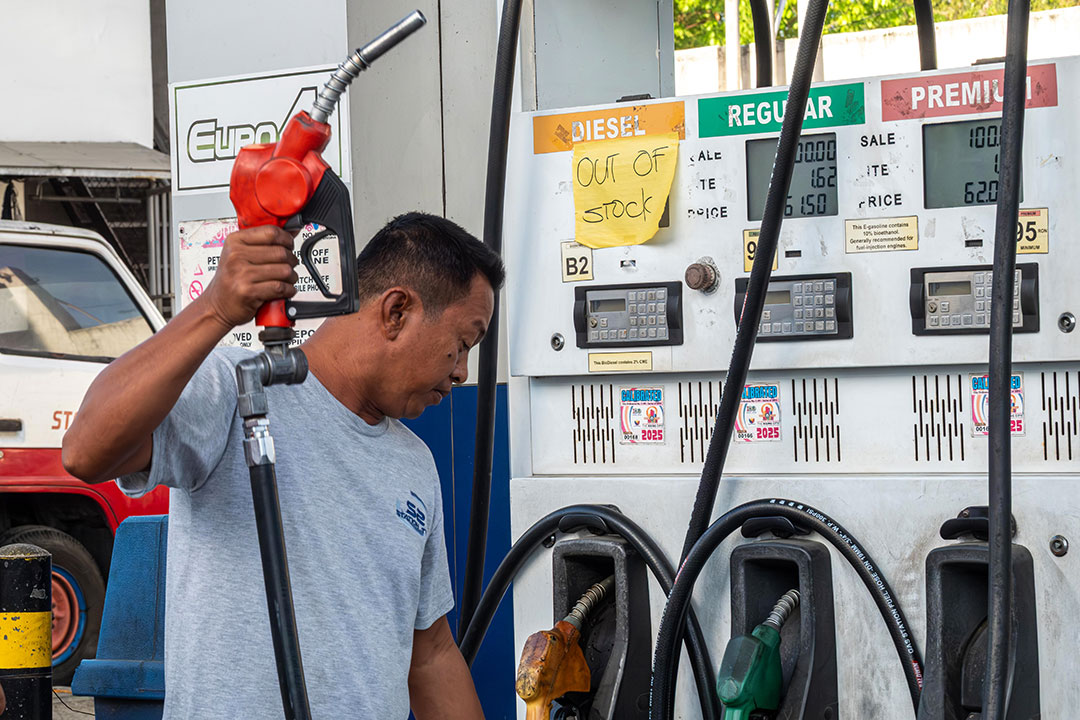
The LTFRB said some of the TNVS beneficiary lists were irregularly high, complicating the distribution of fuel subsidies.
“This is just a few of the questions that we want to be cleared about as we dig deeper into this discrepancy,” Mr. Mendoza said. — Ashley Erika O. Jose