THE Philippine Chamber of Commerce and Industry (PCCI) said it supports the government’s declaration of an energy emergency, citing the need to ensure stability in energy prices.
In a statement on Wednesday, the PCCI said the declaration was “timely and necessary to mitigate the economic impact of the global energy supply disruption” driven by the outbreak of fighting in the Middle East.
“The PCCI supports any measures of the government to absorb and stabilize the increasing prices of fuel and basic commodities,” PCCI President Ferdinand A. Ferrer said in the statement.
“It has been three weeks since the war started, and several increases have already been implemented, and now we are seeing its effect: higher costs of logistics, transportation, and goods,” he added.
He said that if the war extends beyond two to three months, it will be difficult for micro-, small- and medium-sized enterprises to bounce back.
“Energy stability is important to sustaining economic growth, protecting livelihoods, and ensuring competitiveness of Philippine industries … the government should ensure that domestic supply could last for more than 90 days and beyond,” he added.
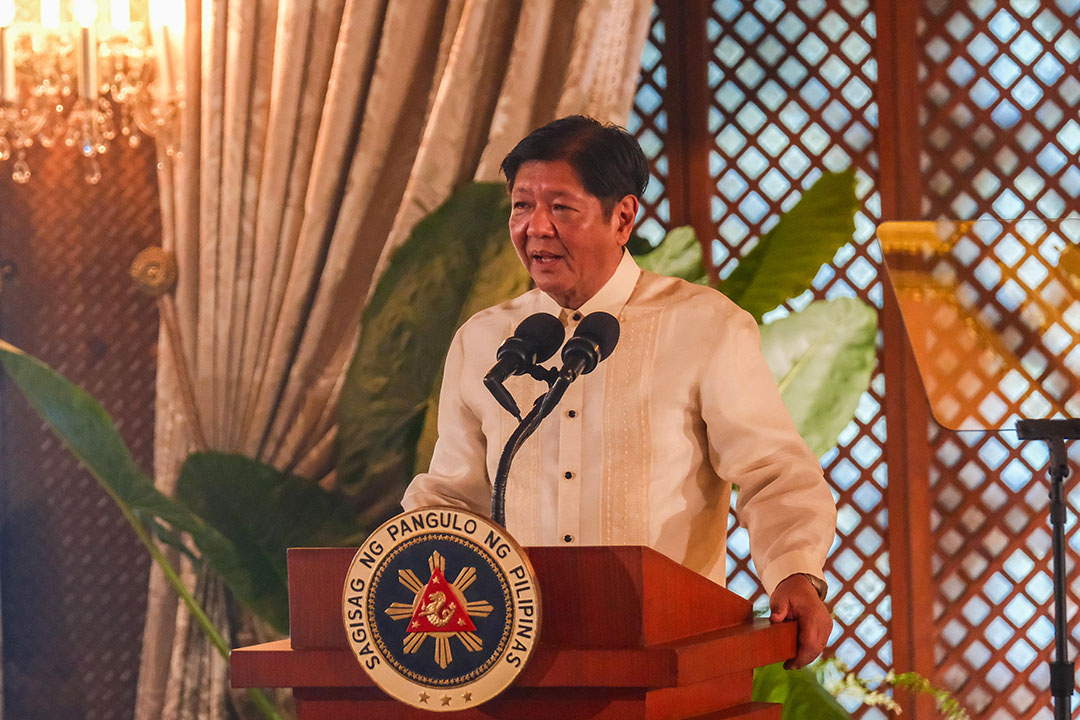
President Ferdinand R. Marcos, Jr. late Tuesday declared a national state of energy emergency, giving the government expanded powers to obtain fuel supplies and shield the economy from rising oil prices.
“The ongoing Middle East crisis is already driving oil price spikes, tighter shipping schedules, and rising input costs,” Federation of Philippine Industries (FPI) Chairwoman Elizabeth H. Lee said in a statement on Wednesday.
“For manufacturers, the pressure is multi-layered — hitting energy, transport, imported input materials, and production timelines,” she added.
To ensure uninterrupted production despite tighter margins, she said manufacturers have been pursuing measures to mitigate the impact of the crisis, including optimized production schedules, enhanced workforce flexibility, and remote work arrangements.
“On the cost side, companies are renegotiating supplier contracts, tightening energy efficiency across production lines through lean manufacturing, and streamlining logistics — such as consolidating shipments and maximizing load efficiency to reduce fuel consumption where applicable,” she said.
The declaration, issued via Executive Order (EO) No. 110, activates a coordinated response framework known as the Unified Package for Livelihoods, Industry, Food and Transport, or UPLIFT, indicating the likely direction of the flow of aid.
It will remain in effect for one year and will enable the government to act more swiftly by bypassing usual processes, Reuters reported.
“We recognize that the government’s proactive stance aims to ensure energy security, stabilize fuel prices, and safeguard the economy from further external shocks,” the Philippine Exporters Confederation, Inc. said in a statement.
“Recent measures — including intensified energy conservation protocols, contingency planning, and proposed emergency powers to manage fuel costs — underscore the urgency of addressing volatility in global oil markets,” it added.
The group said that the war has had an immediate impact on exports, as the higher logistics, shipping, and production costs stemming from rising oil prices have eroded the competitiveness of Philippine products.
“Disruptions in global supply chains and freight routes further compound these pressures, particularly for time-sensitive and energy-intensive export sectors,” it added.
Former National Economic and Development Authority Director-General Solita Collas-Monsod raised concerns about the speed of the response to the crisis.
“We have an emergency, obviously… He should have been given (the powers) by Congress two weeks ago, three weeks ago, right? So, is it slow in coming? Yes, it is slow in coming,” she said in an interview on Money Talks with Cathy Yang on One News ON Monday.
“The important question is what he is going to do with it,” she added.
She said where the government is getting the funding to aid the vulnerable segments of society must be clarified.
“If the funds are coming from the contingency fund of the President or contingency funds of all the government agencies who are not police or military, then I am for it,” she said.
She said that it is still unclear what steps the President will take following the declaration.
“I have not seen a single item that he has announced he will do under his emergency power,” she said.
She said the oil companies are only doing what they have always done, “Are we sure that these oil companies now are generating tremendous profits from the situation? I do not think so. I think they are just as concerned as we are about prices, but they cannot do anything about it.”
She said the government must ensure that the projects pursued after the declaration should be “vetted to find out whether the net effect is beneficial or disadvantageous.”
“The President acting with emergency powers has to act transparently,” she added.
PCCI’s Mr. Ferrer has called for “consultative and transparent implementation of EO 110 and UPLIFT, ensuring that the most affected sectors will receive and benefit from this temporary relief.”
He said the government should use lessons from the COVID-19 pandemic and pursue a master plan for self-sufficiency.
“We should rethink and reset our priorities so that our country will not panic in times of crisis. We should learn from our neighboring countries like Japan, which has reserves sufficient for eight months,” he added.
Philexport called for targeted support for exporters to complement the government’s energy emergency measures.
These include waiving the government’s take from port and toll fees, fuel subsidy programs, acceleration of trade facilitation and digitalization efforts to reduce non-energy costs, and monitoring of logistics providers to deter excessive rate increases.
“At the same time, we encourage exporters to continue or expand energy-efficient practices, optimize supply chains, and explore alternative markets and transport strategies to help mitigate risks,” it added.
FPI’s Ms. Lee said the crisis has magnified the Philippines’ vulnerabilities, which reflect the need for reforms to strengthen manufacturing.
“Reforms that will deepen and expand local manufacturing as a national imperative will help the Philippines achieve resilience, drive job creation, and help better shield the economy from global energy shocks,” she said.
“Industrial growth at scale — anchored on job creation, innovation, and sustainability — is no longer optional; it is the foundation of a more secure and competitive economy moving forward,” she added. — Justine Irish D. Tabile