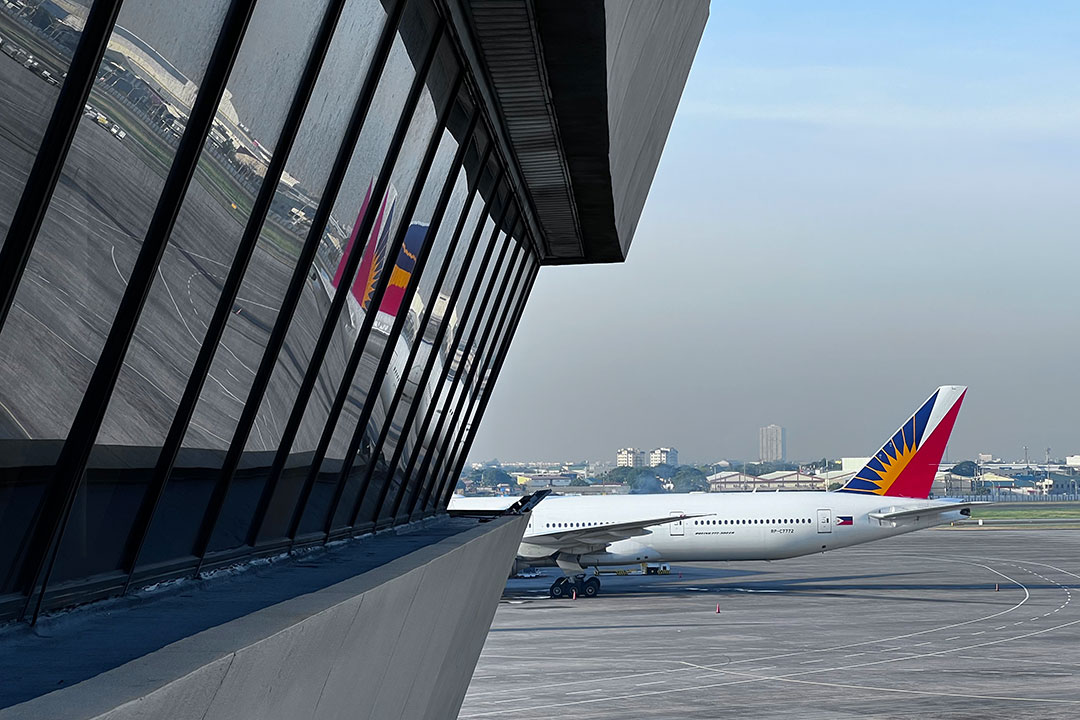
THE International Air Transport Association (IATA) expects the airline industry, particularly in Asia, to sustain growth in 2026, driven by strong demand across both passenger and cargo segments.
“The air transport industry continues to demonstrate resilience amid persistent non-fuel cost pressures and operational constraints,” IATA said in a report.
The airline trade association projects stronger revenue growth in 2026, as carriers adapt to softer yields by expanding ancillary services and sustaining high load factors through efficient fleet utilization.
“Cost discipline is central to sustaining profitability in this low-margin business. While fuel prices have stabilized, non-fuel costs, particularly labor and maintenance, are rising due to pilot shortages, wage inflation, and aging fleets,” IATA said.
Airlines in the Philippines continue to recover, Rizal Commercial Banking Corp. Chief Economist Michael L. Ricafort said, noting higher domestic passenger tariffs even with foreign tourist arrivals yet to return to pre-pandemic levels.
Passenger fuel surcharges have remained steady, with the Civil Aeronautics Board (CAB) maintaining the surcharge at Level 4 for the sixth month in January.
Jet fuel prices declined 3.8% to $86.73 per barrel for the week ending Dec. 26; on a year-on-year basis, the global average jet fuel price dropped 12.4%.
IATA projects the Asia-Pacific to lead global growth, as regional airlines report rising passenger traffic. For the nine months ending September, the CAB said air passenger volume rose 6.247% to 46.84 million driven by growth in domestic passenger traffic.
Domestic passenger volume was 24.95 million, up 5.36% from a year earlier. International passengers were up 7.25% at 21.89 million.
PAL Holdings, Inc., the operator of flag carrier Philippine Airlines, reported a rise in attributable net income of 33.58% to P9.03 billion for the first nine months, supported by passenger revenue of P116.56 billion, up from P115.66 billion.
Cargo and ancillary revenue contributed P6.71 billion and P12.67 billion, respectively.
Meanwhile, Cebu Air, Inc., the operator of budget carrier Cebu Pacific, recorded an attributable net income of P5.03 billion for the nine months, reversing a net loss of P12.05 billion a year earlier.
Consolidated revenue for the period climbed 78.3% to P66.90 billion.
Passenger revenue for the first nine months rose to P46.13 billion, more than double the P22.48 billion previously. — Ashley Erika O. Jose