Celebrating the foundation of a multicultural nation
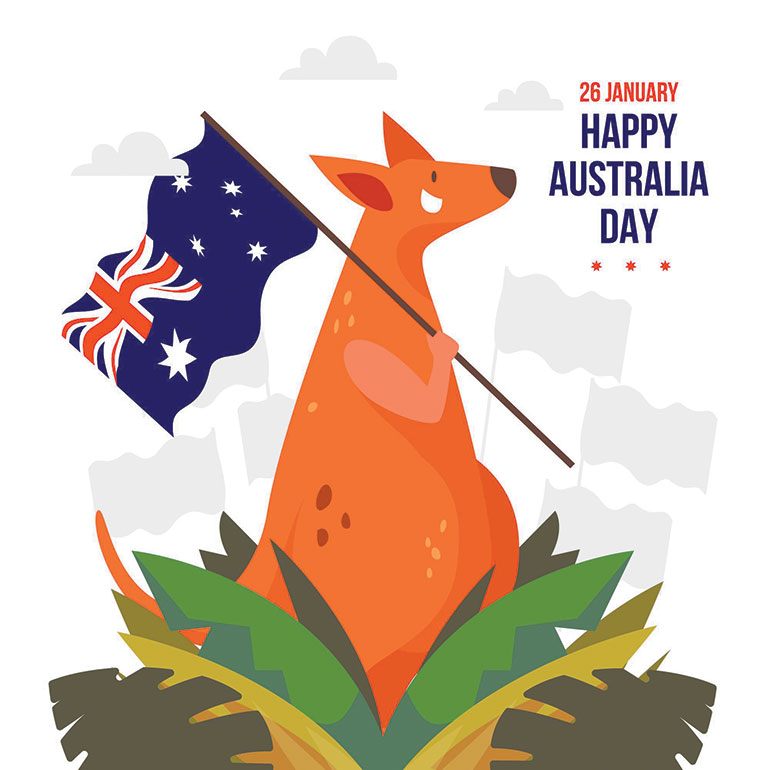
Over the past few years, Australia has become one of the country’s greatest allies in every facet of nation-building. With a recently developed strategic partnership and nearly 400,000 migrants, many Filipinos consider the “Land Down Under” as their second home. This close relationship makes Australia Day a moment that resonates as a day of gratitude, belonging, and Filipino appreciation.
Observed annually on Jan. 26, the day carries a complex history, one that is still a cause for debate in the present. The holiday has been a subject of discussion among Australians, with groups calling to change the date and rename Australia Day to “Invasion Day” or “Survival Day” and cases for maintaining the status quo on the other.
For many Australians, it is a time for celebrations, festivities, and a showcase of national pride. However, to some, particularly Aboriginal and Torres Strait Islander peoples, it can mean sorrow, resilience, and a painful reminder of the displacement and dispossession of ancestral lands that occurred nearly 250 years ago.
The national holiday celebrates the landing of British Captain Arthur Phillip’s fleet at Sydney Cove and signaled the founding of the colony of New South Wales (NSW) on Jan. 26, 1788. 30 years later, the colony’s governor, Lachlan Macquarie, officially acknowledged Australia Day as a public holiday in Sydney in 1818. In another 20 years, the holiday was proclaimed as an annual event celebrated in the whole of NSW.
The idea of Australia Day being adopted nationally began at the peak of the First World War, when fund-raisers were held to raise money for the war effort. Eventually, a group of white Australian-born men from the Australian Natives Association advocated for a unified celebration across the continent. Their efforts led to the first nationwide observance of Jan. 26 as Australia Day in 1935.
However, critics of the holiday argued about the recognition of the meaning of the date for Aboriginal and Torres Strait Islander Australians as early as 1938. In that year’s commemoration, an Aboriginal Day of Mourning was concurrently held, where detractors called for Indigenous people’s rights and for “full citizen status and equality in the community.”
A similarly significant event for the indigenous people of Australia occurred on Jan. 26, 1972, as the Aboriginal Tent Embassy was established. The Tent Embassy, a beach umbrella set up by four First Nations men on the lawns opposite Parliament House in Canberra, was a protest to then Prime Minister William McMahon’s announcement that there would be no recognition of Aboriginal land rights for the year’s celebration.
Despite these events, the practice of Australia Day persisted, became more formalized, and even grew to have its own traditions. Today, the holiday is celebrated with varying events including the Australia Day Citizenship and Awards Ceremony, the awarding of the Community Citizen of the Year Awards, different festivals, several concerts and dances, and even an athletics championship.
NSW Premier Chris J. Minns announced several activities planned for this year’s holiday. According to the Minns Labor Government, the state’s celebration will be the nation’s largest Australia Day program, “delivering an action-packed, Australia Day celebration that reflects NSW’s shared values and rich diversity.”
“This year, we are hosting the largest Australia Day celebration anywhere in the country, with free events from sunrise to nightfall that bring people together across Sydney Harbour and right around NSW,” Mr. Minns said in a statement.
Sydney will commemorate the day with a wide range of major celebrations held across the state, including the Australia Day Ambassador Program, which will feature more than 100 inspiring Australians, along with a number of meaningful ceremonies throughout New South Wales.
From early morning through to late evening, Circular Quay and Sydney Harbour will become the center of festivities, hosting events on land, water and in the sky, all designed to appeal to people of every age. At sunrise, the sails of the Sydney Opera House will glow during the Dawn Reflection, showcasing a powerful artwork by proud Aboriginal man Garry Purchase. This will be followed by the WugulOra Morning Ceremony held at Walumil Lawns in Barangaroo.
The Harbourfest daytime program will also deliver an exciting lineup, including the Midday Salute, which recognizes the service of Australian veterans with a tri-forces display. Visitors can also enjoy Maritime Mayhem, the Harbour Parade featuring brightly decorated vessels celebrating national pride, and the Australia Day Regatta.
For kids, Surf Life Saving NSW will present its Fun in the Sun activation at First Fleet Lawn, providing free games and activities where children can interact with volunteers and learn important water safety skills. Families can also look forward to the return of the beloved Mega Kidz Zone at the NSW’s Overseas Passenger Terminal, featuring oversized games, inflatable attractions, and arcade-style entertainment.
The much-anticipated Australia Day Live will feature an all-star Australian lineup, including Cody Simpson, Kate Ceberano, William Barton, and Jude York, alongside supergroup The Fabulous Caprettos, composed of Wendy Matthews, Rai Thistlethwayte, Dave Gleeson, and Joe Camilleri, complete with a tribute to the families and communities affected by the terror attack in Bondi Beach last month. Finally, the concert will conclude with a fireworks display and an aerial display over Circular Quay.
Even Filipinos living in Australia can partake in the celebrations with fellow countrymen. The Filipino Community Council of Victoria, Inc. recently announced a “day filled with community parade, cultural performances, storytelling, and food across different cultures.” The event titled “Feast of Cultures: Multicultural Australia Day 2026” will be held in Victoria, Australia, during the holiday.
Australia Day is a great reminder to reflect on the history, cultural diversity, and journey of the “Land Down Under.” Often celebrated with pride, it also serves as a symbol of reconciliation and the hope for a more inclusive future. As Australia and the Philippines’ relationship continues to grow, so too will their recognition of the diverse voices and stories that contribute to their identities, making each Australia Day a chance for growth, understanding, and mutual respect between both nations. — Jomarc Angelo M. Corpuz