Home Blog Page 92

FTI launches ‘Binhi’ rice brand as low-cost well-milled option

FACEBOOK.COM/FTIGOVPH

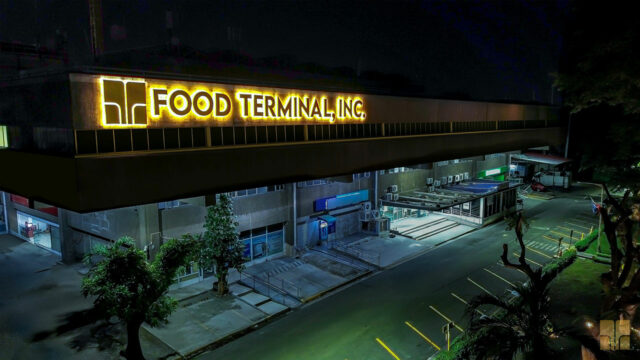
THE Department of Agriculture (DA) said Food Terminal, Inc. (FTI) has launched a brand of rice called Binhi, which is intended to introduce price competition in the market by leveraging FTI’s access to large volumes of rice and logistics advantages.

Binhi launched in February in selected markets in Metro Manila and Cebu, offering lower-priced well-milled rice.

Agriculture Secretary Francisco P. Tiu Laurel, Jr. said the government-owned food processing and logistics firm is selling Binhi for P48 per kilo in its Metro Manila outlets.

“FTI is selling this brand. It is now available in a total of 36 markets in less than a month (since launch), and there is ongoing distribution to other markets,” Mr. Laurel told BusinessWorld via WhatsApp.

Mr. Laurel said FTI plans to expand the distribution of Binhi to more markets in Metro Manila and Cebu as additional stocks arrive.

The DA said the brand is sourced from both imported and domestically produced rice.

The DA added that Planters Products, Inc. (PPI), a state-run agro-chemical trading and marketing firm, has also begun selling rice at P45 per kilo in Cebu Province, including selected markets in Danao City and Mandaue City.

The prices set by FTI and PPI are within the prevailing retail price range of P46 to P48 per kilo of well-milled rice in Metro Manila, according to DA price monitors.

However, these prices are lower than recent highs of around P50 per kilo for imported well-milled rice and about P57 per kilo for domestic well-milled rice.

Mr. Laurel said the initiative is intended to help stabilize rice prices by offering competitively priced options.

“We are creating competition so that the prices of imported rice become more reasonable. This should help consumers,” he said.

Meanwhile, the DA and the FTI said beneficiaries of the government’s P20-per-kilo subsidized rice program will continue to enjoy access to supply despite “unusually large crowds” observed at distribution sites.

“The flagship ‘Benteng Bigas, Meron Na!’ initiative — popularly known as the P20-per-kilo rice program — continues to be adequately supplied, the DA said in a statement on Sunday.

Mr. Laurel said in the statement that the National Food Authority is continuously milling rice to replenish inventories being sold at government-run KADIWA Program centers and other distribution sites managed by local government units.

The DA also urged beneficiaries not to abuse the subsidized rice program.

“We understand that the conflict in the Middle East is stoking anxiety among many Filipinos, especially those in vulnerable sectors,” Mr. Laurel said. “But acting out of panic will only worsen the situation. We have enough rice buffer and a good harvest.” — Vonn Andrei E. Villamiel

Banks urged to use tech to expand MSME lending

PHILIPPINE INFORMATION AGENCY

By Katherine K. Chan, Reporter

PHILIPPINE BANKS should invest in technology that can analyze informal financial records used by micro, small and medium enterprises (MSME) to help expand access to credit, a financial technology firm said.

In an interview with BusinessWorld, Munkh Abdullaki Mikael, head of sales at AND Solutions, said lenders need tools that could interpret nontraditional financial documents instead of relying on stricter regulations to boost MSME lending.

He said the Philippines should focus on improving banks’ ability to evaluate small businesses’ financial data rather than reimposing mandated lending quotas.

“Maybe it’s much better that they don’t reimpose that limit and the fees, because the fees are not the only actionable item to resolve this issue,” Mr. Mikael said via Zoom. “It simply needs a more cooperative approach.”

Many small businesses in the Philippines still keep financial records using handwritten logbooks, particularly small neighborhood shops and family-run enterprises.

Such records are often not accepted by banks as reliable documentation for income verification, making it difficult for these businesses to qualify for loans.

Mr. Mikael said most commercial banks lack the capability to analyze these types of documents as part of their credit assessment process.

“With today’s capabilities, the commercial banks we speak of do not have the tools to assess such documents as income verification,” he said. “They cannot confirm whether these businesses are able to pay back loans.”

He said banks could bridge the gap by adopting technologies that interpret informal records and convert them into usable financial information for credit evaluation.

One possible approach is for banks to provide standardized bookkeeping templates that MSMEs can use to record transactions.

The data from these templates could then be analyzed using algorithms designed to measure credit risk.

“There should be an algorithm that can calculate the risk to be quite lower for such documents,” Mr. Mikael said, adding that tools powered by artificial intelligence (AI) could help lenders analyze these records.

Technologies such as AI-based document recognition systems can extract data from handwritten or scanned records and convert them into structured information that banks can assess when evaluating loan applications.

Despite policy efforts to support small businesses, lending to MSMEs remains a small share of the Philippine banking system’s overall loan portfolio.

Data from the Bangko Sentral ng Pilipinas showed that banks extended P574.8 billion in loans to MSMEs as of end-December, up 5.23% from P546.22 billion a year earlier and 7.14% higher than the P536.51 billion recorded in the third quarter.

However, MSME loans accounted for only 4.73% of the industry’s P12.143-trillion loan book in October to December.

Mr. Mikael said reinstating mandated lending quotas might not necessarily address the problem, noting that banks might simply opt to pay penalties rather than meet the required lending levels.

Under the Magna Carta for MSMEs, banks were previously required to allocate 8% of their loan portfolios to micro and small enterprises and 2% to medium-sized firms.

The requirement expired in June 2018, a decade after the law was enacted.

While the lending quotas are no longer in place, the central bank continues to monitor banks’ MSME lending as part of its policy and supervisory oversight.

PSE seeks to attract investors through InvestPH

BW FILE PHOTO

THE Philippine Stock Exchange (PSE) said it will hold the second InvestPH conference this month to connect foreign and local institutional investors with publicly listed companies (PLCs) and highlight investment opportunities in the Philippine market.

“After the successful inaugural run last year, we are bringing back InvestPH (on March 17-19) to reconnect foreign and local institutional investors and fund managers with our listed firms. This is also an opportunity for other capital market participants to get updates on recent developments from the government and stakeholders of select industries,” PSE President and Chief Executive Officer Ramon S. Monzon said in a statement over the weekend.

InvestPH will follow last year’s format, starting with a plenary session featuring presentations and panel discussions on the country’s economic outlook, monetary policy, business landscape, capital markets, and key sectors.

The conference will also include one-on-one meetings between institutional investors and 47 participating PLCs during the main InvestPH program.

The event is co-hosted by HSBC, with UBS Securities and the British Embassy in Manila serving as session sponsors, while Bloomberg is the knowledge partner.

Maynilad Water Services, Inc. is the Grand VIP Sponsor of InvestPH 2026.

VIP sponsors include Apex Mining Co., Inc., Ayala Corp., Manila Electric Co., OceanaGold (Philippines), Inc., Philippine National Bank, and RL Commercial REIT, Inc.

Elite sponsors are DigiPlus Interactive Corp., DoubleDragon Corp., and San Miguel Food and Beverage, Inc.

Premier sponsors of the conference include Alliance Global Group, Inc., Bank of the Philippine Islands, Century Pacific Food, Inc., China Banking Corp., D.M. Wenceslao & Associates, Inc., East West Banking Corp., Globe Telecom, Inc., GT Capital Holdings, Inc., JG Summit Holdings, Inc., Megaworld Corp., Robinsons Retail Holdings, Inc., and SM Prime Holdings, Inc.

Broker partners are DBS, First Metro Securities Brokerage Corp., Maybank Securities, and Regis Partners, Inc. — Alexandria Grace C. Magno

When the Middle East burns, the Filipino nanay feels the heat

PHILIPPINE STAR/RYAN BALDEMOR

(Part 1 of 2)

On Feb. 28, the world watched as the US-Israel coalition launched coordinated airstrikes on Iranian nuclear and military infrastructure, which also killed Supreme Leader Ayatollah Ali Khamenei and top security officials. The Iranian Revolutionary Guard Corps launched retaliatory strikes on at least 27 US military bases across Bahrain, Kuwait, Qatar, and the United Arab Emirates (UAE). As a result, global oil markets have been shaken.

I also first learned of the vulnerability and strategic value of the Strait of Hormuz (a narrow waterway between Iran to the north and Oman and United Arab Emirates to the south) that serves as the world’s most critical oil chokepoint where roughly 20% of the world’s daily oil supply transits.

For Washington or Tel Aviv, this may be a strategic confrontation aligned with their reading of the geopolitical dynamics in the region. For a Filipino nanay (mother) running a sari-sari (sundry) store in Bulacan, or a tricycle driver in Iloilo, or the family in Tawi-Tawi waiting for their monthly padala (remittance) from a sister working in Dubai — it is a quiet catastrophe slowly arriving at their doorstep.

Currently immersed in the Philippine microfinance sector — serving nearly 2.5 million women entrepreneurs through ASA Philippines Foundation, Inc. and working with MFIs on livelihood recovery through RestartME, Inc. — I have witnessed firsthand how distant shocks compress the household budgets of those least able to absorb them. This article is written not from the vantage point of geopolitics, but from the vantage point of the MFI center meeting where the weekly loan installment and savings are done, and the mother who must decide whether to pay her loan or withdraw their savings to feed her children and pay their transportation to go to school.

I write this because I see a parallel between how this crisis could unfold and how we lived through during the COVID-19 pandemic. And I write it to share my insights with my fellow practitioners in the microfinance sector and other stakeholders of poverty alleviation and to provide a starting point for further discussions as we find concrete last mile solutions to cushion the impending economic shock of higher prices and a weaker purchasing power for the most marginalized and vulnerable families in the country.

A PANDEMIC PARALLEL: WHAT WE MUST NOT FORGET
The COVID-19 pandemic taught us three important lessons. First, the scale of impact was global and nationwide. Second, the uncertainty of the timeline was paralyzing: just as we could not know when vaccines would arrive, we cannot today know when a ceasefire will happen and if it will hold or when oil flows will normalize. Third, the effects were not acute — they were chronic. Long COVID ravaged the bodies of survivors; “long economic COVID” is still ravaging the finances of microenterprises that have yet to fully recover.

The Middle East crisis carries all three attributes. The scale is already global and nationwide — oil prices have dramatically increased while upward adjustments of food costs and freight rates are following suit. Repatriation of overseas Filipino workers (OFWs) has started, which in turn could affect remittance flows. The endgame is unknown: military analysts and diplomats cannot agree on the desired final state in the region, much less a timeline for reaching it. And the economic consequences — particularly for an import-dependent archipelago like the Philippines — will not resolve quickly. The Philippine inflation rate has not dropped to a negative level since the COVID-19 pandemic, which means that low income households are still dealing with the same high prices of goods pushed by the pandemic which could be further pushed up due to these recent developments. This makes it more difficult for families operating on daily cash flows to cope with such aggravated pressures.

HISTORY HAS ALREADY WRITTEN THIS SCRIPT
The Philippines has lived through Middle East conflicts before, and each one left a mark on ordinary families. That history is not reassuring. It is a pattern.

According to Federal Reserve History data, the 1973 Arab Oil Embargo Oil prices quadrupled practically overnight. This was the first major shock for the Philippines, which imports almost all its oil. It is like a family whose only source of fuel for cooking and transport suddenly became four times more expensive. Inflation spiked, jeepney fares rose, and the poor — who spend a significant share of their income on transport and basic goods — carried the heaviest burden.

The 1990 Gulf War was the most personally traumatic for Filipinos. According to a 2001 Philippine Star article, over 100,000 Filipinos were working in Kuwait and many of them had to be evacuated when Saddam Hussein invaded Kuwait. The government scrambled to assemble a ₱1 billion repatriation fund. The economic damage to families was severe and long-lasting. It took years for OFW deployment to the Gulf to fully recover.

SHOCKWAVES HEADING FOR FILIPINO SHORES
However, what started on Feb. 28 is not similar to the past conflicts. The scale is different and the endgame is still uncertain. It is not a targeted strike on one country and is now emerging as a protracted conflict affecting so many more Middle East countries where many Filipinos are gainfully employed.

In every major Middle East conflict, the Philippines is hit through three critical channels: 1. increased oil prices; 2. the inflation that follows; and 3. OFW safety and remittances.

SHOCKWAVE 1: OIL PRICES AND THE COST OF EVERYTHING
Oil is what moves jeepneys, tricycles, delivery trucks, and fishing boats. It is what keeps electricity running. When oil goes up, everything goes up — and the most vulnerable families, who spend the greatest share of their income on transport and food, absorb the greatest burden.

The Philippines imports almost all its oil. Analysts are already warning that a prolonged conflict could disrupt up to 20% of global oil supply. The most dangerous scenario is a Strait of Hormuz blockage. According to a Bloomberg report, the Strait of Hormuz remains effectively closed to almost all but Iran-linked traffic, with the conflict now in its second week. If this persists, it is predicted that global oil markets would face their most severe supply shock in decades.

In household terms: imagine the only road to the wet market is blocked. Every vendor must take a longer, more expensive route. Transport costs rise. And who pays at the end of that chain? The low-income family buying their kilo of rice and bangus.

SHOCKWAVE 2: THE PESO WILL WEAKEN AND INFLATION WILL BE HIGHER
It has been a pattern that when global uncertainty happens, investors flee to the US dollar. As a result the peso weakens. A weaker peso directly raises the cost of everything the Philippines imports, which are actually attached to many basic necessities of low-income families. The Bangko Sentral ng Pilipinas (BSP) had already nudged its inflation forecast upward to 3.6% for 2026 before this crisis. That number is now almost certainly going to be revised significantly higher.

The BSP, which had been in an easing cycle to stimulate domestic growth, may have to shift gears if inflation re-accelerates — potentially freezing or reversing the rate cuts that small businesses and microenterprises are banking on. For MFI clients that are operating on thin daily margins, even a slight increase in transport and food costs can tip a viable microenterprise into distress.

SHOCKWAVE 3: THE OFW LIFELINE IS THREATENED
Think of OFW remittances as the savings that one hardworking family member sends home every month. For the Philippine economy, that is roughly $40 billion a year — a valuable income stream for millions of low-income families. Unfortunately, that hardworking family member is working right in the middle of where bombs are falling.

A BusinessWorld article indicated that the Department of Foreign Affairs estimates around 2.41 million Filipinos across Middle East countries are caught in the crossfire of Iranian retaliatory strikes.

While we continue to pray that our OFWs will not be directly harmed by airstrikes, the possible disruption to their employment remain real. If the conflict is protracted, employers could shut down operations; airports could be closed. We are already seeing major disruptions in the Dubai International Airport with passengers stranded due to flight cancelations. When OFWs are retrenched, remittances stop.

(To be continued.)


Rafael C. Lopa is the president and CEO of ASA Philippines Foundation (www.asaphil.org), a microfinance NGO serving close to 2.5 million women entrepreneurs across all provinces of the Philippines. He is also the president of RestartME, Inc. (www.restartme.ph), an NGO mandated to work with microfinance institutions in addressing unexpected shocks to the lives and livelihoods of their clients and families. He co-funded the 2024 Philippine Microfinance Survey conducted by WeSolve Foundation.

SoFA Design Institute partners with Spanish university

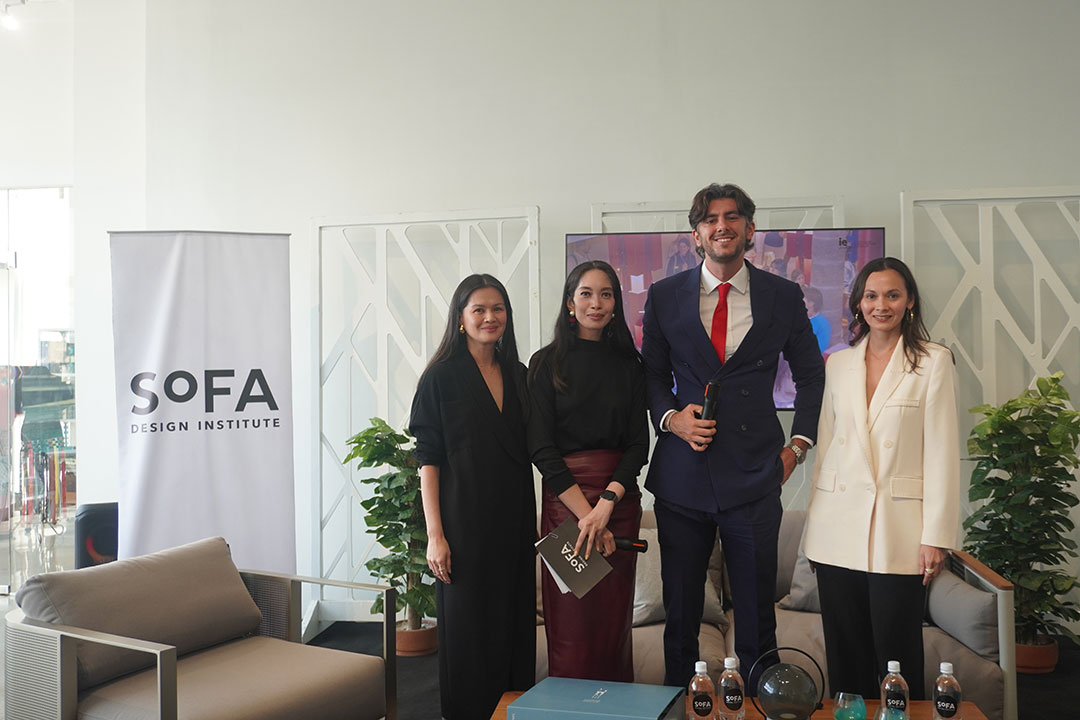
(L-R): SoFA Design Institute Co-Founder and President Loralee Baron-Soong, SoFA Design Institute Director for Academic Affairs Mads Constantino, IE University’s Andrea Pagani, and SoFA Design Institute Co-Founder and Chairwoman Amina Aranaz-Alunan.

SOFA DESIGN INSTITUTE, known for producing professionals in fashion, is entering a partnership with Spanish university IE University (Universidad Instituto de Empresa).

With campuses in Madrid and Segovia, IE University is internationally recognized for its integration of design, business, and innovation. Alumni include Colombian politician Carlos Eduardo Correa, singer Sofia Ellar, and beauty queen Diane Leyre.

“SoFA chose IE University because of its distinctive setting at the intersection of design, innovation, and entrepreneurship, a convergence that embodies our own institutional philosophy. Our studio-based instruction and IE’s liquid learning methodology complement each other perfectly, resulting in a natural synergy between the two universities’ approaches to learning,” said Leo Angelo Santos, growth director at SoFA Design Institute in an e-mail. “IE University’s community demographic makeup was equally attractive since we saw that their ecosystem offers global viewpoints. Compared to other European academic settings, a multicultural environment offers more pertinent training for students coming from a Philippine design school to be ready to take roles in the global creative sectors.”

The collaboration was introduced during a launch at SoFA Design Institute’s campus at The Proscenium Retail Row in Rockwell, Makati City, on March 11.

Through this partnership, students will gain access to international internship opportunities, immersive Spanish design tours, exchange programs, and summer school programs with IE University. “These initiatives will allow students to experience diverse learning environments abroad and participate in short-term international design experiences,” said a release.

According to Mr. Santos, the program at IE University equips students with frameworks that are not “typically provided solely in design-focused education.” This includes enterprise validation for design entrepreneurs, strategic brand positioning with a global perspective, and sustainable innovation. “These skills are not just additional knowledge; they are essential proficiencies for designers who need to effectively present the business rationale behind their creative choices,” he said.

“SoFA students gain insights into how design operates within diverse cultural, economic, and regulatory contexts, in addition to participating in exchange programs and summer schools,” said Mr. Santos. He added that Spain has a “distinct role as a bridge between European sophistication and creativity,” along with its history of craft-based industries evolving to meet modern market demands. “(This) provides valuable lessons for Filipino designers facing similar challenges between tradition and contemporary practices,” he said.

The SoFA Design Institute currently has around 300 to 450 students enrolled across their degree programs and continuing education courses per semester, according to Mr. Santos’ count. “We deliberately keep our design studio classes small, capped at a maximum of 15 students (with a minimum of eight students), so each learner receives personalized guidance, meaningful feedback, and ample studio time with their mentors,” he said, though their lecture classes can get bigger.

“IE’s Southeast Asian partnership portfolio previously concentrated on universities. Adding a specialized creative institution signals their commitment to engaging the full spectrum of higher education,” he said about IE’s partnership. “For an institution positioning itself as entrepreneurial and innovation-focused, partnering with a design school carries different symbolic value than partnering with another research university.”

“The relationship could enable potential curriculum co-development. SoFA’s expertise in design thinking applied to Southeast Asian contexts can inform how IE develops programming for emerging markets,” he said.

Meanwhile, the recent partnership will shape how SoFA partners with other universities in the future. “SoFA views the IE University partnership as establishing a template rather than a ceiling,” said Mr. Santos. “Our collaboration with IE demonstrates our capacity to develop substantive international alliances. Our strategic approach involves building a curated portfolio of partnerships, each addressing specific dimensions of our educational ecosystem.

“Future partnerships might address technical innovation in materials, specialization in specific design sectors, or access to emerging markets where Filipino designers have competitive advantages,” he said.

For more information on this partnership and SoFA Design Institute, visit sofa.edu.ph. — JL Garcia

Style (03/16/26)


Travel with Fendi

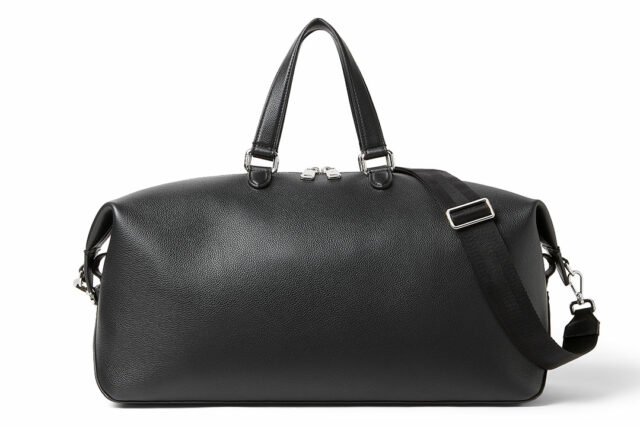
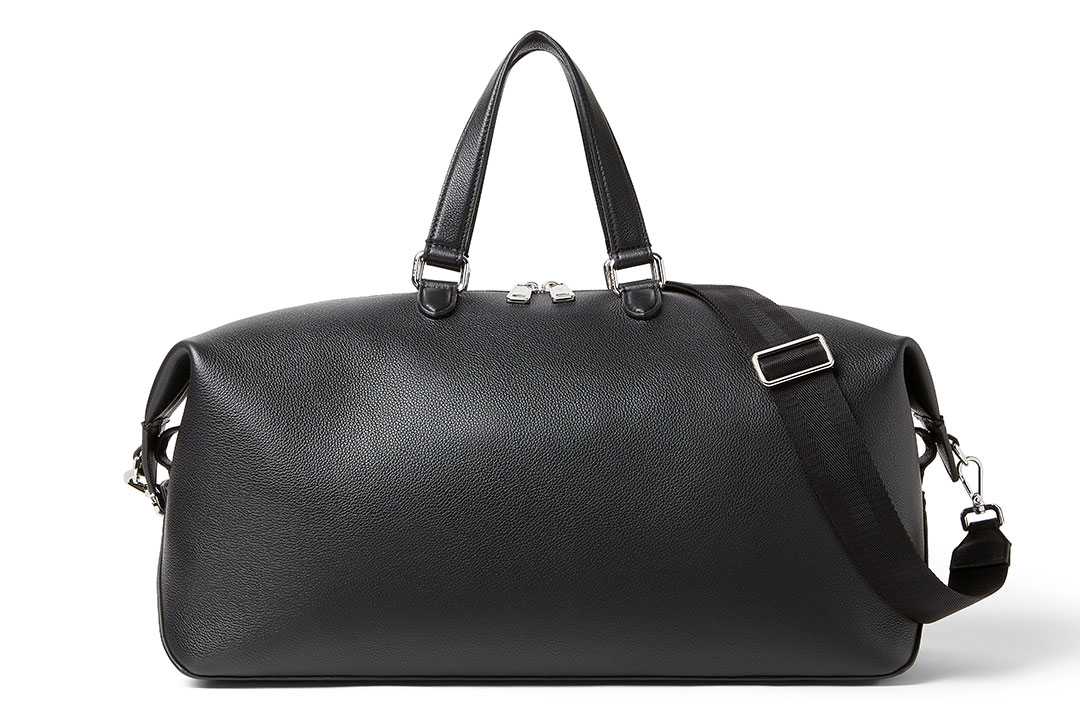
THE Fendi Lui Duffle bag was unveiled on the Fendi Spring/Summer 2026 catwalk, a new travel bag designed to accompany the modern man in every journey. The two sizes, 45 medium and 55 large, are crafted from soft granulated leather, enriched with signature FF metal applications at the corners. It features classic black and brown Selleria stitching — the signature code inspired by Roman master saddlers since 1925. Each piece is unique and is sewn by one single artisan from start to finish. A long zip with double sliders allows effortless access, while snap buttons on the sides enable the shape and capacity to be adjusted as needed. The spacious interior, lined in water-resistant technical fabric, includes a flat zip pocket, a water-repellent nylon dustbag and a leather strap with a hook for trolley attachment, enhancing its practicality. Padded handles and a removable and adjustable shoulder strap ensure maximum comfort, while palladium-finished hardware adds a subtle touch of sophistication. The new bags are now available in Fendi boutiques worldwide and at fendi.com.


Rustan’s Travel in Style Sale returns

THIS SEASON, Rustan’s brings back the Travel in Style Sale, happening from March 16 to 29 across Rustan’s Makati, Shangri-La, Alabang, Gateway, Cebu, and online at rustans.com. The sale brings together some of the world’s most trusted travel brands. At the heart of the sale is a carefully assembled range of luggage that blends performance with style. Shoppers can enjoy 30% to 45% off regular items from Samsonite, while American Tourister presents special offers of up to 40% off select pieces, alongside discounts on promo lines and regular collections. The sale also highlights an assortment of travel companion pieces. Brands such as Wanderskye, Gaston Luga, Alpaka, and Black Ember present modern backpacks and carry-ons that balance functionality with clean, sophisticated design. For practical accessories, Travel Blue, Clever Spaces, and Anomeo offer items that simplify packing while enhancing comfort. For pieces that transition seamlessly from airport terminals to city streets there are brands Tumi, Pacsafe, Herschel, Cabinzero, Targus, Lojel, and High Sierra. For updates and announcements, head to @rustansph on Instagram and Facebook.


Flying Tiger Copenhagen celebrates Easter, spring

FLYING TIGER Copenhagen’s newest collections are bursting with playful pastels, quirky details, and a touch of Danish charm. The Spring collection brings the freshness of the season into everyday life with carefully designed ceramics, pastel mugs, charming cushions, and quirky little details. There are leaf-shaped dishes, small pastel bowls, scalloped serving bowls, tumblers, mugs, spring napkins, and reusable pastel straws. Pastels from the collection mix and match naturally when anchored by a primary color repeated across at least two items, balanced with a subtle accent shade. Meanwhile, the Easter collection features matching mugs and bowls in soft pastels and a quirky fried-egg-inspired vase, debossed eggs for display, simple wreaths and subtle decorative accents. For kids, there are paint-your-own egg kits, water magic activity books, cheerful bunny bubbles, playful headbands, and plush companions. In the Philippines, Flying Tiger Copenhagen is exclusively distributed by Stores Specialists, Inc., with stores in major malls nationwide.

Growth concerns, governance issues drag markets in fourth quarter

By Heather Caitlin P. Mañago, Researcher

PHILIPPINE financial markets ended 2025 on a subdued note, as lingering concerns over domestic growth momentum and governance-related uncertainties offset the tailwinds from a sustained monetary easing cycle.

However, analysts warned that escalating Middle East tensions, which drove up global oil prices in early March, could trigger downturns in the local financial markets this year.

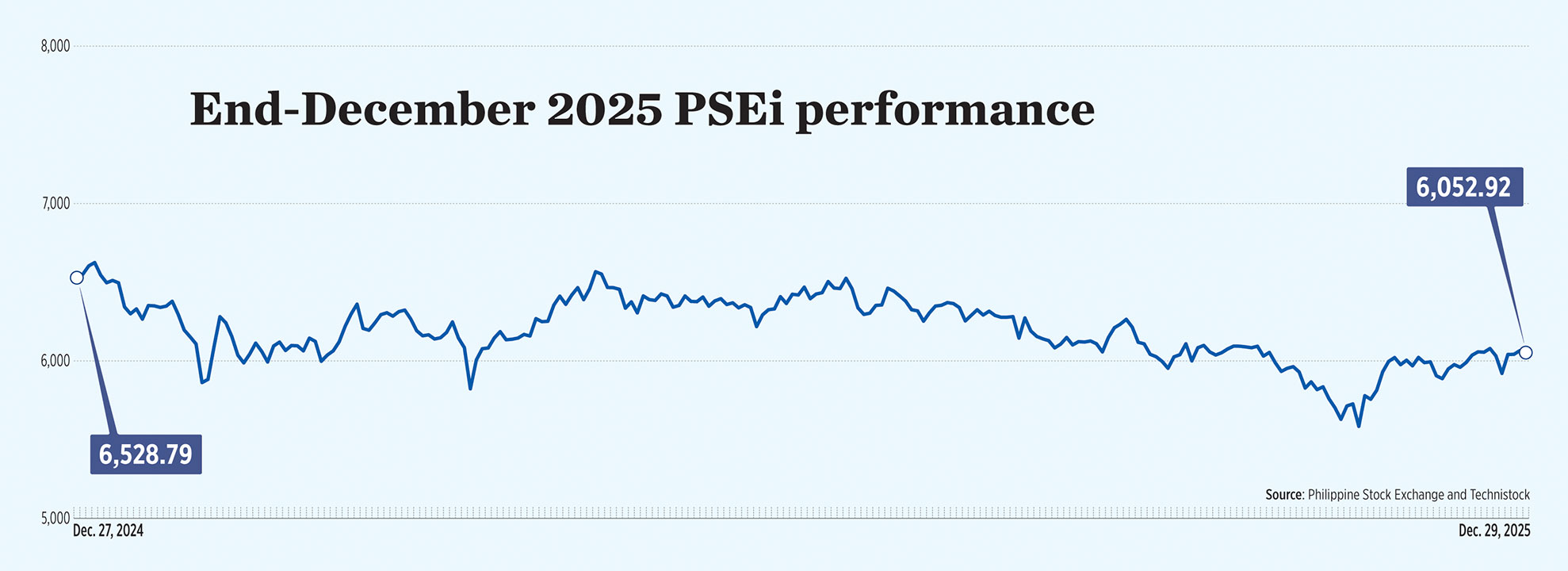
In the fourth quarter, the bellwether Philippine Stock Exchange index (PSEi) closed at 6,052.92. This was lower by 7.3% from 6,528.79 at the end of 2024.

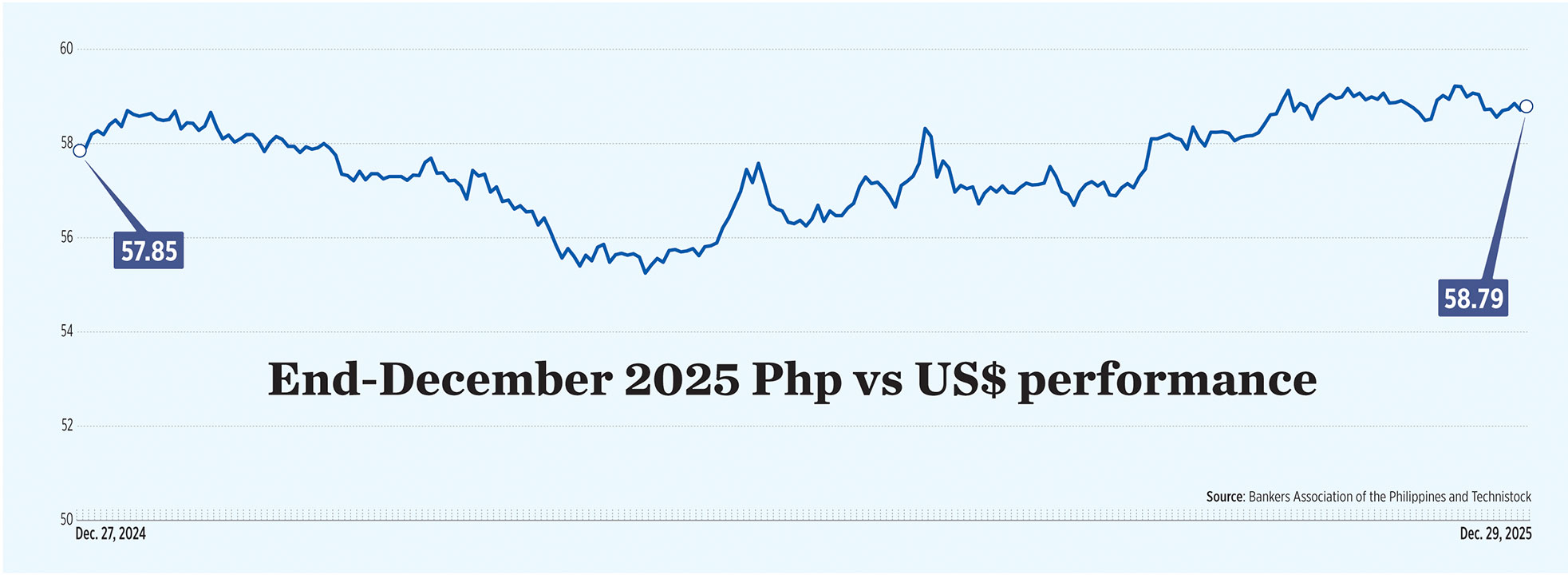
Meanwhile, data from the Bankers Association of the Philippines showed the peso closed at P58.79 to the dollar in the October-to-December period, weakening by 1.6% from a year earlier.

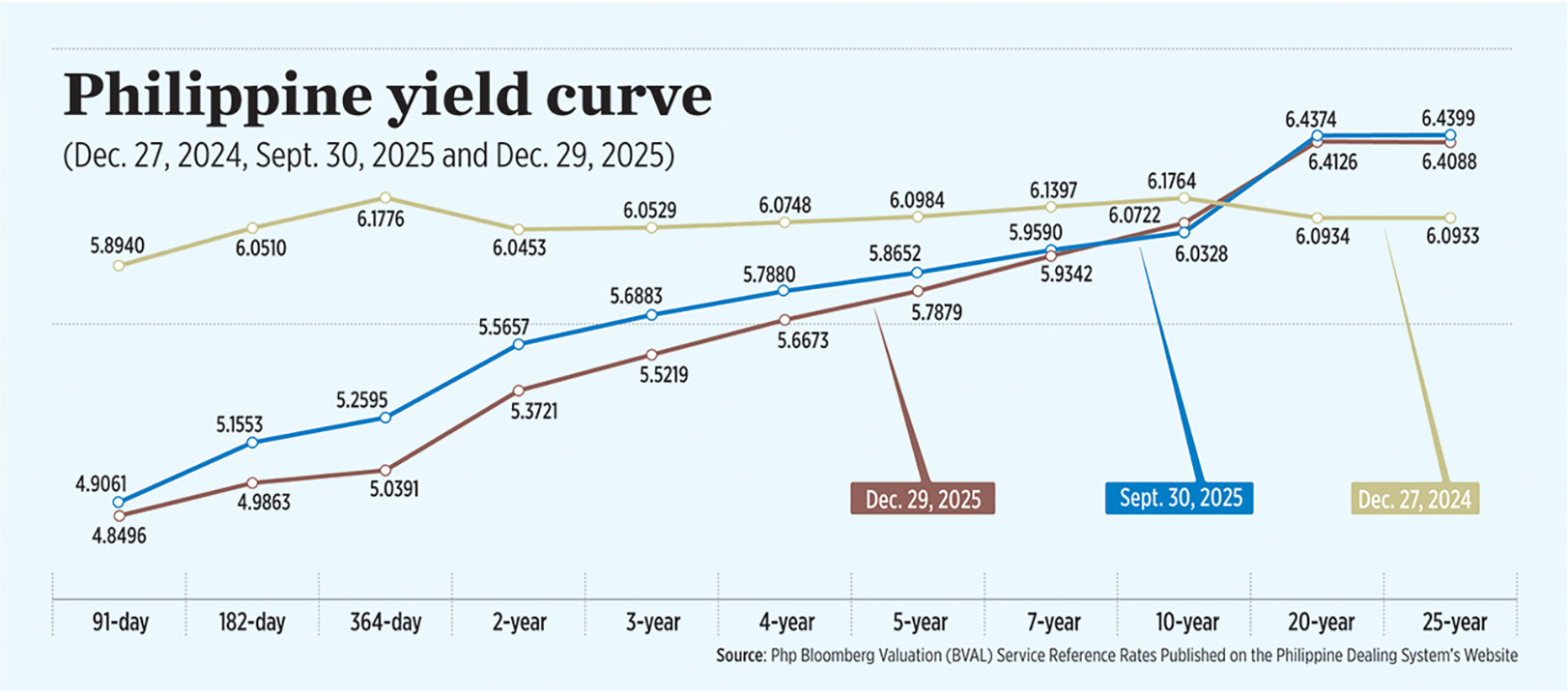
Yields on government securities slipped by 44.04 basis points (bps) on an annual basis based on the PHP Bloomberg Valuation Service Reference Rates (BVAL) published on the Philippine Dealing System’s website.

During the period, domestic markets were influenced by a tension between aggressive monetary easing and a sharp deceleration in economic activity, said analysts.

“Overall, the quarter was defined by the tension between supportive monetary settings on one hand and deteriorating growth momentum and weak sentiment on the other,” said Union Bank of the Philippines (UnionBank) Chief Economist Ruben Carlo O. Asuncion.

Metropolitan Bank & Trust Co. (Metrobank) Chief Economist Nicholas Antonio T. Mapa attributed the subdued market performance to “declining consumer and business sentiment” as concerns shifted from global factors to domestic economic activity.

“Macro drivers include sluggish GDP (gross domestic product) growth, benign inflation, and policy rate cuts,” said Security Bank Corp. Chief Economist Angelo B. Taningco.

The Philippine Statistics Authority (PSA) reported on that the fourth-quarter gross domestic product expanded by 3%, slowing down from 5.3% in the fourth quarter of 2024 and the revised 3.9% print in the third quarter of 2025.

In 2025, the economy expanded by 4.4%, much weaker than the 5.7% growth in 2024.

This was the weakest pace in five years, or since the 9.5% contraction in 2020 at the height of the pandemic. Excluding the pandemic, it was the slowest growth since the 3.9% expansion in 2011.

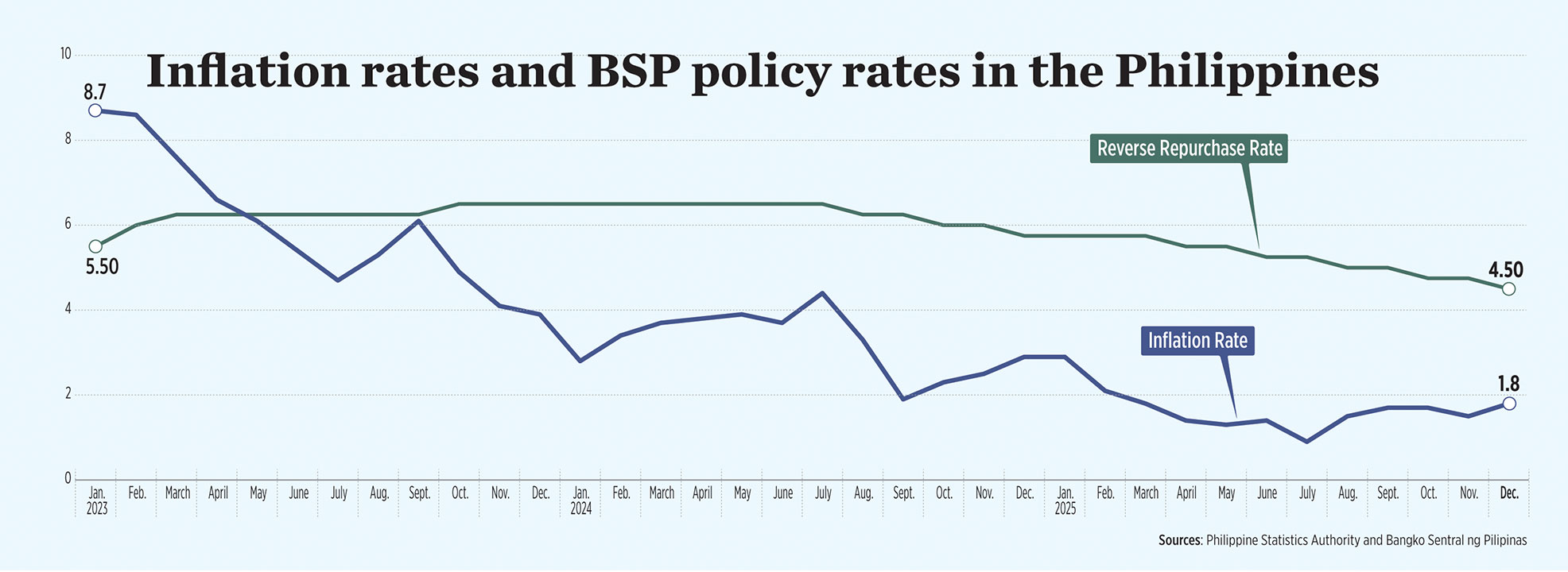
PSA data also showed that headline inflation quickened to 1.8% in December from 1.5% in November but slowed from 2.9% in December 2024.

December’s figure was the fastest since February 2025, although it matched the 1.8% print in March 2025.

December marked the tenth consecutive month that inflation undershot the Bangko Sentral ng Pilipinas’ (BSP) 2-4% target.

Latest PSA data showed inflation rising to 2.4% in February 2026 from 2% in January and 2.1% a year earlier — the highest since January 2025.

“With inflation below target and even lower than the tolerance band, BSP opted to lower policy rates to bolster sagging growth momentum,” said Metrobank’s Mr. Mapa.

By end‑2025, the BSP had lowered its benchmark policy rate by 25 bps to 4.5%, its lowest level since September 2022.

In February 2026, the Monetary Board cut the rate by another 25 bps to 4.25%, the lowest since August 2022.

This brought the BSP’s total reductions to 225 bps since it began its series of monetary policy easing in August 2024.

“The BSP’s two policy rate cuts in Q4 2025 helped support confidence in the domestic economy. Improved investor sentiment likely contributed to gains in select financial markets,” the BSP said in an e-mail.

Sun Life Investment Management and Trust Corp. economist Patrick M. Ella said the rate cuts and easing inflation helped push yields lower. However, he noted that further declines in the yield curve did not materialize due to uncertainty over potential US rate cuts.

From October to December, the US Federal Reserve implemented two interest rate cuts — one in late October, which lowered the federal funds rate to 3.75%-4%, and another in December, which further reduced it to 3.5%-3.75%, completing the Fed’s three rate cuts for 2025.

GOVERNANCE AND SENTIMENT
Sentiment was particularly bruised by the flood control corruption scandal and investigations into infrastructure spending.

The local stock barometer was characterized by “thin trading volumes, persistent foreign outflows, and lingering concerns over economic growth,” according to Mr. Asuncion.

Michael L. Ricafort, chief economist at Rizal Commercial Banking Corp. (RCBC), pointed to tightened infrastructure spending amid the fiasco, alongside political uncertainties that dampened investor confidence.

Philippine government spending on infrastructure fell for a fifth straight month in November.

State disbursements for infrastructure and other capital outlays plunged 45.2% to P48 billion from a year earlier, according to data released by the Department of Budget and Management (DBM) on Jan. 31.

Metrobank’s Mr. Mapa said that 2025 market issues were distinct from the global factors of the previous year, appearing instead to be driven by “concerns on slowing economic activity and fading confidence.”

ROAD AHEAD FOR 2026
Analysts expect remittances, tourism recovery, and resilient business process outsourcing firms (BPOs) to provide support, but they stressed that the broader economic outlook will depend on how quickly confidence rebounds from the governance shocks of late 2025.

“In 2026, market sentiment and financial conditions will depend on the interaction between domestic fundamentals and global developments. A key domestic driver will be how quickly confidence rebounds from recent governance shocks, hinging on the pace and credibility of governance reforms,” said the central bank.

RCBC’s Mr. Ricafort forecasts GDP growth to pick up to 5.3%-5.8% this year, driven by a P1.44-trillion “catch-up” government spending plan in the first quarter.

Finance Secretary Frederick D. Go said the government plans to spend P1.44 trillion in the first quarter as part of catch-up efforts to support the economy after last year’s growth slowdown.

The planned first-quarter outlay under the P6.793‑trillion national budget will help drive economic activity to meet the government’s GDP growth target, Mr. Go said at a Foreign Correspondents Association of the Philippines event on Feb. 2.

The government is targeting 5%-6% GDP growth this year.

“The trajectory of economic recovery will depend heavily on how quickly public spending normalizes and whether confidence can be rebuilt following governance-related disruptions,” Mr. Asuncion said.

Security Bank’s Mr. Taningco warned that “excessive rate cuts may carry risks as inflation could rise again in 2026,” suggesting a gradual easing path that could bring the policy rate down to 4%.

OIL PRICE SHOCK
Meanwhile, escalating geopolitical tensions in the Middle East, alongside soaring global oil prices, have introduced additional risks to the market.

“Overall, oil prices will remain an important swing factor shaping policy expectations, currency performance, and sector leadership through 2026,” said UnionBank’s Mr. Asuncion.

In the first quarter, higher fuel costs may push inflation upward, limiting expectations of deeper BSP rate cuts and nudging bond yields higher. These same dynamics could also pressure the peso by widening the trade deficit, particularly if energy imports continue to outpace export receipts, he said.

Beyond the first quarter, Mr. Asuncion added that market conditions will depend heavily on second‑round effects.

“If oil-driven inflation proves contained and demand conditions soften, the BSP should still have room to recalibrate policy later in the year, which would be supportive for bonds and rate-sensitive equities. However, a prolonged oil shock would favor defensives and energy-linked names, while keeping [foreign exchange] and equities more volatile,” he said.

Security Bank’s Mr. Taningco emphasized that the Philippines is particularly vulnerable to high global oil prices, given its status as a net oil importer and its heavy reliance on Middle Eastern crude.

According to Department of Energy data, about 98% of the country’s oil imports come from the region.

FIXED-INCOME MARKET
BSP: The BSP expects that improving growth prospects and manageable inflation will support market confidence.

Mr. Asuncion: The outlook for fixed income remains favorable, with easing inflation, supportive monetary policy, and steady demand for longer‑dated securities expected to keep yields contained. The curve is positioned for further flattening as investors continue to price in accommodative policy settings. Healthy liquidity conditions and strong demand in auctions should persist, barring any major supply surprises. Overall, fixed income is likely to outperform other asset classes in early 2026 as markets continue to digest the full effects of the easing cycle.

Mr. Mapa: The mix of policy easing from the BSP (although limited) and an eventual pickup in inflation should result in a steepening of the yield curve.

Mr. Ella: Taking its cue from the direction of Fed policy.

Mr. Taningco: Expecting downward pressure this first quarter largely due to risk-off sentiment triggered by the Middle East war, which sparked an oil price shock.

Mr. Ricafort: Fixed-income market remains positive, characterized by high demand for government securities and a trend toward lower yields. Future BSP rate cut/s possible amid relatively slower local economic growth/recovery and could match future Fed rate cut/s expected in the latter part of 2026 to better manage interest rate differentials.

EQUITIES
BSP: Equity market activity will be influenced by the interaction between domestic fundamentals and global developments, including how quickly confidence rebounds from recent governance shocks.

Mr. Asuncion: The equities market enters the first quarter of 2026 on a cautiously constructive footing. While lower interest rates and benign inflation create a supportive valuation environment, investors are likely to remain selective until clearer evidence of an economic turnaround emerges. The market may see intermittent rallies driven by rate‑sensitive sectors and improving sentiment, but sustained upward momentum will depend on better macro data — particularly on government spending, corporate earnings guidance, and consumer demand conditions.

Mr. Ella: Taking its cue from domestic GDP and the direction of Fed policy. We have just begun with corporate earnings season so that will influence the first quarter.

Mr. Taningco: Expecting downward pressure this first quarter largely due to risk-off sentiment triggered by the Middle East war, which sparked an oil price shock.

Mr. Ricafort: PSEi has shown signs of a firm recovery, completely erasing losses from late 2025 as it trades above the 6,000 mark amid continued market optimism about possible inclusion of Philippine government bonds into the JPMorgan Emerging Market Bond Index that would entail additional foreign buying of Philippine government bonds worth about US$3 billion and mostly better local corporate earnings results by local listed companies recently that could fundamentally support valuations.

FOREIGN EXCHANGE (FX) MARKET
BSP: Expects the economy to be buffered from external headwinds by robust remittance inflows, a recovery in tourism, and resilient service export revenues (especially from BPOs).

Mr. Asuncion: The peso is expected to trade within a relatively stable range during the first quarter, influenced by a combination of supportive domestic inflation dynamics, a more patient Federal Reserve, and improving risk sentiment. However, without a clear rebound in domestic growth, significant appreciation is unlikely. The currency is likely to move within the upper‑P57 to P59 band, with modest strengthening possible if global dollar conditions soften and if early economic indicators point to recovering domestic activity.

Mr. Mapa: We could see the FX market impacted by overall direction of the US dollar as well as on BSP policy direction.

Mr. Ella: Taking its cue from the direction of Fed policy.

Mr. Taningco: Expecting downward pressure this first quarter largely due to risk-off sentiment triggered by Middle East war, which sparked an oil price shock.

Mr. Ricafort: Provided that inflation remains stable and within the BSP’s inflation target range of 2%-4%, the peso exchange rate vs. the US dollar remains relatively stable or stronger; also, within the acceptable monetary and fiscal policy space.


Toyota Motor PHL honors achievers at dealer congress

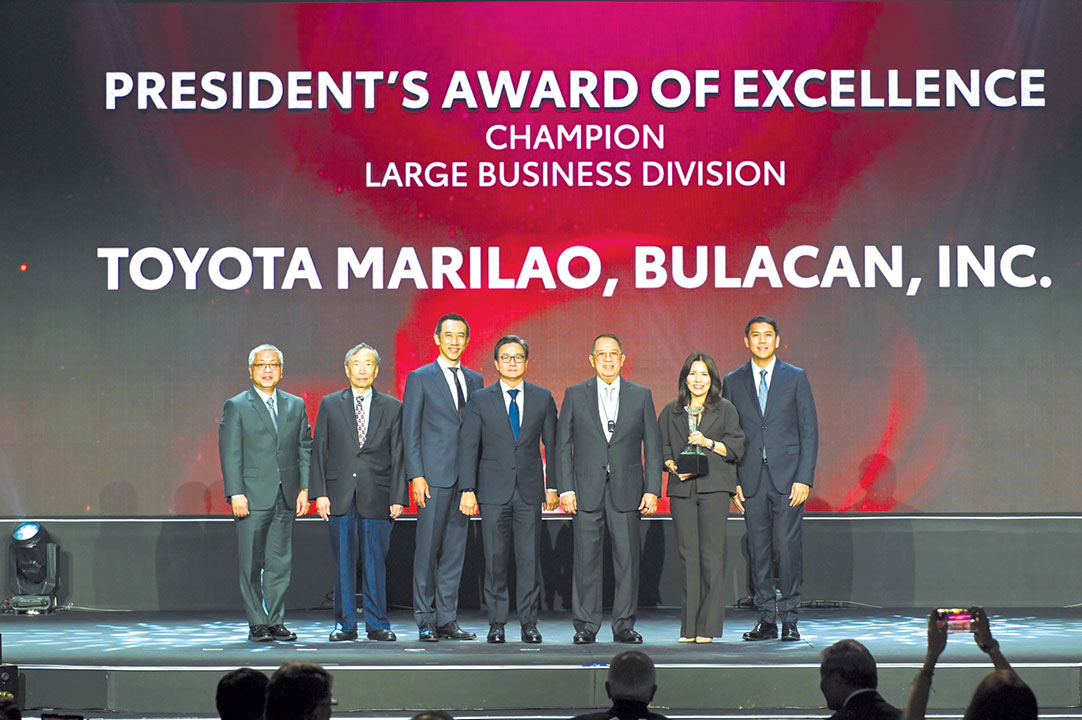
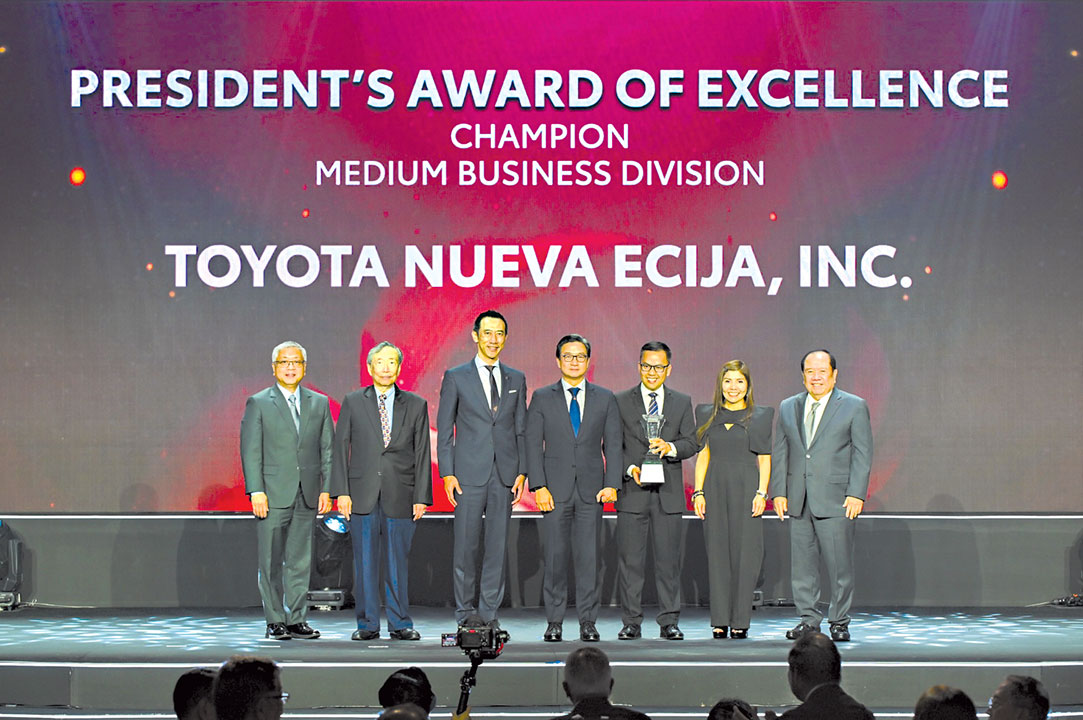
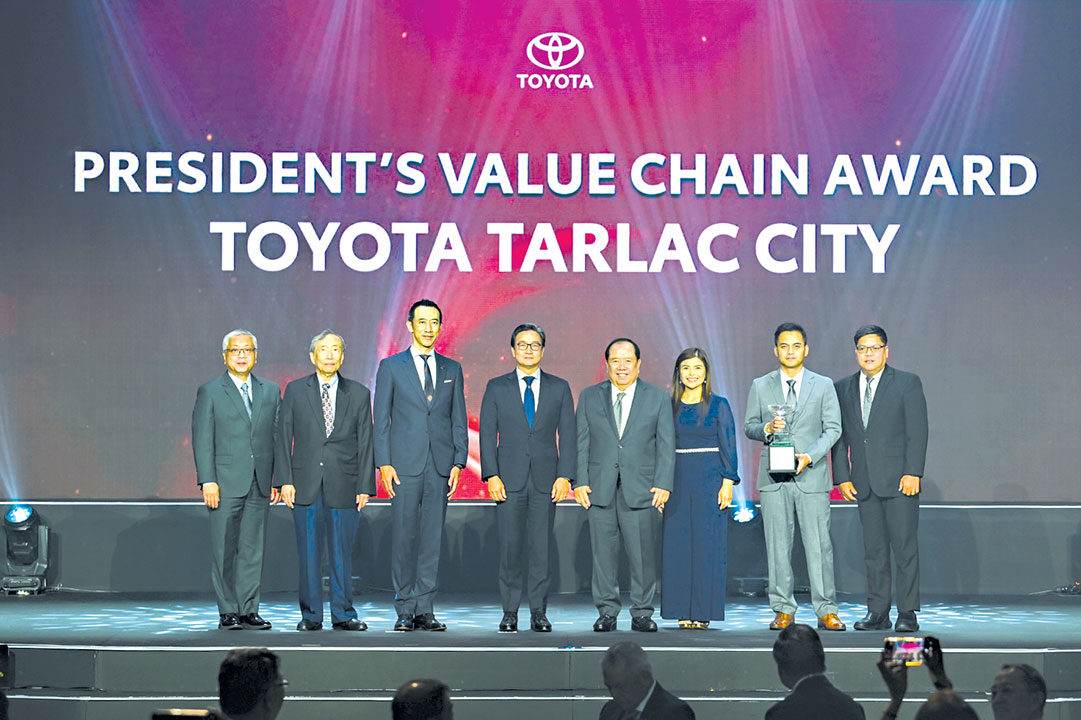
Toyota Motor Philippines (TMP) executives pose with dealer partners. — PHOTO FROM TOYOTA MOTOR PHILIPPINES

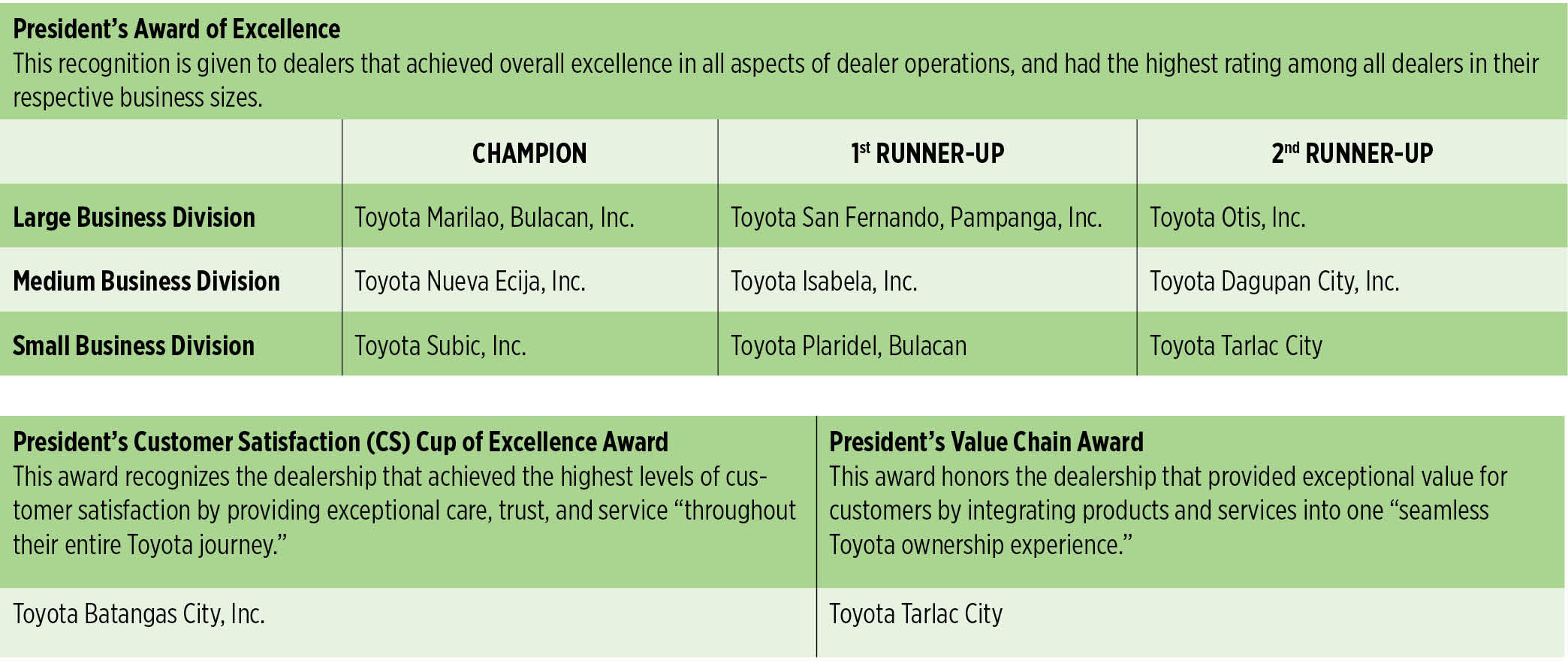
TOYOTA MOTOR PHILIPPINES (TMP) recently recognized its “top-performing dealers and outstanding individual achievers” for 2025 at the Toyota Dealer Conference and Toyota Outstanding Performers in Sales and Service (TOPS) Awards. The event brought together dealer-partner heads nationwide to recognize their efforts made in sales, service, customer satisfaction, and overall operations.

The annual event reviews Toyota’s yearly performance while “recognizing the teams who keep showrooms running, service bays full, and customers coming back,” said TMP in a release. TOPS Awards, on the other hand, “upholds high standards across the dealer network, with benchmarks spanning sales results, service quality, customer experience, and operational discipline, making it one of the network’s most anticipated programs.”

Said Chairman Alfred V. Ty, “Let us continue to create happiness and mobility for all. As one Toyota, let us continue to be the number one in the hearts, minds, and homes of every Filipino.”

PhilRice farm management apps being improved after LGU, farmer feedback

FACEBOOK.COM/DAPHILRICE

THE Philippine Rice Research Institute (PhilRice) said its farm management apps is undergoing a round of upgrades after consultation with local government units (LGUs) and rice farmers.

In a statement, PhilRice said developers are improving the PalayCheck App 2.0, the SMART-ICM Monitoring System, and the Scaling Rice Development Initiative Pest and Nutrient Management platform.

“These tools are being improved based on field feedback, which will support LGUs in helping farmers address yield gaps, limited machinery access, and climate risks,” Dindo King M. Donayre, SMART Farm Program lead, was quoted as saying in the statement.

PhilRice said the upgraded systems have been tested using real farm data to streamline data entry, improve workflows, and ensure accurate recommendations on fertilizer use, cropping sequences, and monitoring indicators.

An advisory feature is also being updated to include nutrient management guidance using diagnostic tools such as the minus-one-element technique, leaf color chart, and comparisons of around 20 rice varieties suitable for planting.

PhilRice said planned upgrades on its digital tools include offline functionality for use in the field, simplified farmer registration, and stronger data validation to improve record accuracy.

Mr. Donayre said PhilRice aims to roll out the upgraded PalayCheck App and monitoring platform by the first quarter of 2026, enabling wider adoption by LGUs and field technicians.

The agency said the upgrading of the digital tools is expected to benefit 3,780 farmers, including a 30-hectare clustered pilot site where local partnerships will help farmers access fertilizer and other inputs. — Vonn Andrei E. Villamiel

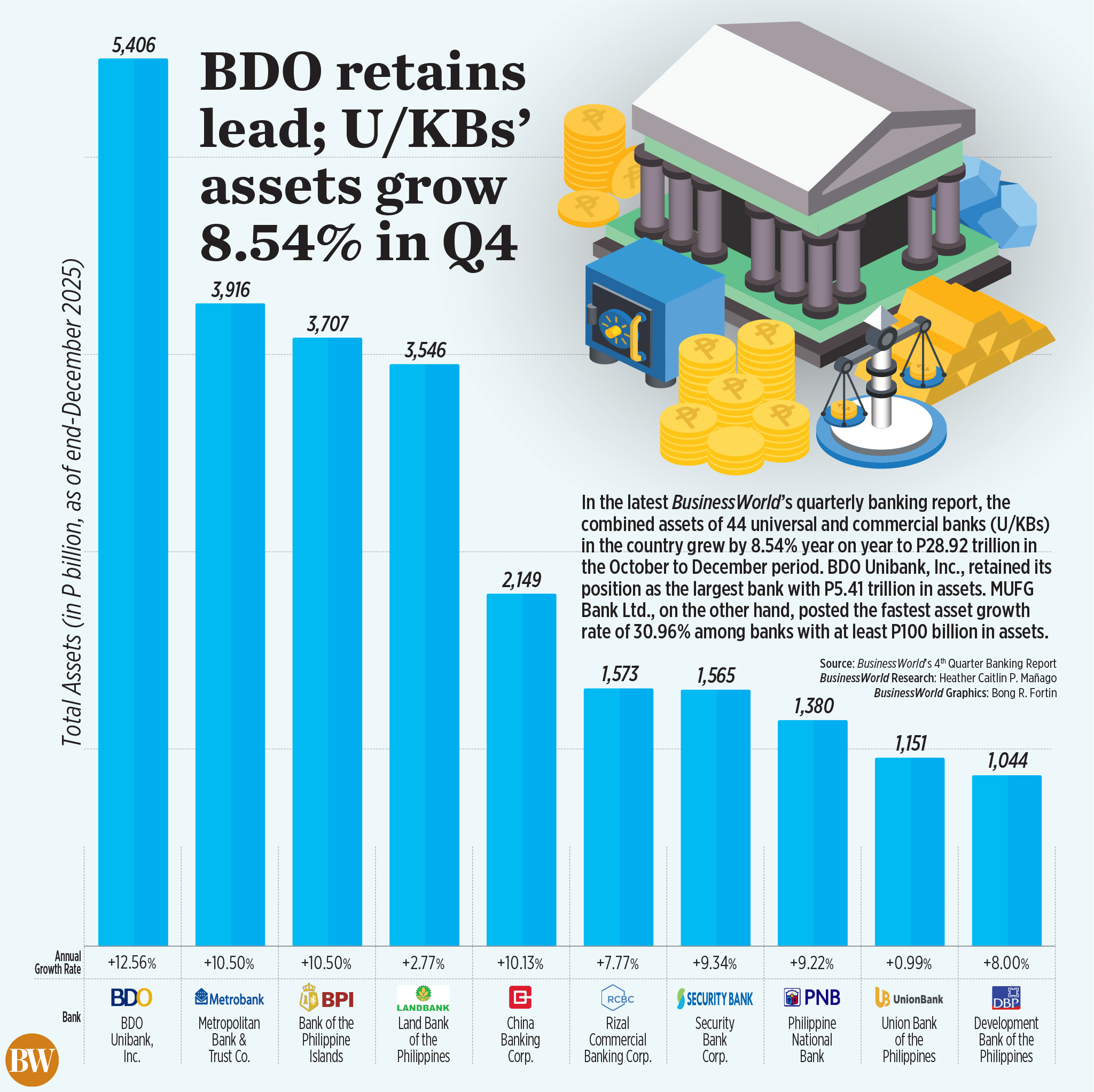
BDO retains lead; U/KBs’ assets grow 8.54% in Q4

THE PHILIPPINES’ largest banks saw asset growth ease in the fourth quarter of 2025 as lending expanded at its slowest pace in nine quarters, reflecting the broader economic slowdown. Read the full story.

BSP short-term bills fetch lower yield; demand up

BW FILE PHOTO

DEMAND for the Bangko Sentral ng Pilipinas’ (BSP) short-term securities rose on Friday, pulling the average yield lower after the central bank reduced the amount offered at auction.

Tenders for the 28-day BSP bills exceeded the amount placed on the auction block, allowing the central bank to fully award the offering. The weighted average yield declined from the previous week as investors sought the short-term papers.

“The 28-day BSP bill auction saw good demand,” the central bank said in a statement.

The BSP rimmed the size of the auction compared with the previous week, which helped boost demand and improve the bid-to-cover ratio.

Accepted yields came within a slightly narrower range compared with the prior auction, while the average rate declined on a week-on-week basis.

The BSP has not offered its 56-day bills in recent months, leaving the one-month tenor as the only maturity currently being auctioned.

The central bank uses its securities facility alongside its term deposit facility to absorb excess liquidity in the financial system and guide short-term market rates toward its policy rate.

Earlier, BSP Deputy Governor Zeno Ronald R. Abenoja said the central bank had scaled back issuance of short-term debt to improve the transmission of monetary policy and encourage banks to manage liquidity more actively.

BSP data show that a significant portion of the central bank’s market operations are conducted through its debt auctions, which help withdraw liquidity from the banking system.

The short-term bills also support price discovery for debt instruments in the local market while reinforcing the central bank’s monetary policy signals.

The BSP began auctioning its own securities weekly in 2020 as part of broader efforts to strengthen liquidity management tools. The program initially offered only 28-day bills before a longer 56-day tenor was introduced in 2023.

The central bank has since relied on the facility as one of its main instruments for managing liquidity conditions in the financial system. — Katherine K. Chan

PLDT ramping up decarbonization initiatives in network operations

BW FILE PHOTO

PLDT INC. and its wireless unit Smart Communications, Inc. are strengthening decarbonization efforts across their operations as they step up the use of renewable energy and energy-efficient technologies amid global energy uncertainty.

“Our strategic focus on greening and modernizing our network operations has been crucial in strengthening our readiness, especially at this time of global uncertainty. We remain steadfast in delivering stable and high-quality connectivity and in ensuring that our customers remain protected and prioritized,” PLDT Chief Operating Officer and Head of Network Menardo G. Jimenez, Jr. said in a media release on Sunday.

The listed telecommunications company said it is intensifying initiatives such as investments in renewable energy sources and energy-efficient network technologies to help reduce carbon emissions from operations.

About 27 major PLDT and Smart sites are now powered by renewable energy, shifting part of their power supply away from fossil fuels. The company added that five facilities in the Visayas have also installed solar rooftop systems.

PLDT said it will continue to pursue additional power supply agreements to diversify its energy sources in favor of renewables.

Smart has also adopted an artificial intelligence-based power management solution that enables network sites to automatically scale power consumption based on real-time demand.

The company said the use of this technology has helped reduce energy consumption by more than 10,000 megawatt-hours in a year.

Hastings Holdings, Inc., a unit of the PLDT Beneficial Trust Fund subsidiary MediaQuest Holdings, Inc., holds a majority stake in BusinessWorld through the Philippine Star Group, which it controls. — Ashley Erika O. Jose