Home Blog Page 9

The blind spot in Philippine credit and the case for full picture credit

A quiet contradiction sits at the heart of financial inclusion in the Philippines.

More Filipinos today are inside the financial system than ever before. Accounts have expanded rapidly, driven mainly by digital wallets and mobile connectivity. On paper, this is progress.

But access is not the same as recognition.

Millions of Filipinos transact every single day by paying bills, sending remittances, topping up mobile credits, earning through platforms, managing small businesses, among many other financial transactions. These are not marginal ac-tivities. They are the economy in motion. Yet when these same individuals apply for credit, much of this behavior is not reflected.

The system, quite simply, does not see them.

THE LIMITS OF TRADITIONAL CREDIT
Credit markets rely on information. But in the Philippines, that information remains narrowly defined and limited to formal financial histories such as loan records, credit cards, and deposit relationships. For many Filipinos, es-pecially those in the informal or semi-formal economy, these records are thin or nonexistent.

The result is predictable. Credit decisions are made with partial data. Risk is assessed conservatively. Borrowers without traditional histories are either excluded or priced unfavorably.

This is not a failure of discipline on the part of borrowers. Rather, it is a failure of visibility. A person who pays rent and utilities on time, keeps up with digital subscriptions, manages e-wallet spending, and even accumulates merchant rewards through consistent transactions is demonstrating financial discipline and a capacity to pay. But if these signals remain outside the credit system, that discipline goes unrecognized and unrewarded.

A DIFFERENT STARTING POINT
The conversation, then, should not begin with banking products. It should begin with how Filipinos actually manage money.

Financial responsibility today is no longer confined to banks, but is dispersed across digital channels that Filipinos use every day. In 2024, more than half of all retail payments (57.4%) were already digital, driven by e-wallets, QR payments, and online transactions. An estimated 58 million Filipinos now use e-wallets, generating a constant stream of transaction data from subscriptions and remittances to merchant purchases and platform income. These signals are measurable and verifiable. The issue is not their absence, but that they remain largely excluded from formal credit evaluation. Yet they remain largely disconnected from formal credit assessment.

This gap between economic activity and institutional recognition is now one of the central barriers to meaningful financial inclusion.

FROM ACCESS TO ADVANTAGE
If the first phase of inclusion was about opening accounts, the next phase must be about making those accounts (and the behaviors around them) count.

This is where the idea of full picture credit becomes relevant. Full picture credit is not a new product. It is a shift in perspective. It asks straightforward questions: what if creditworthiness reflected the full range of a person’s financial be-havior, not just their interaction with banks? What if, when assessing a person’s credit, lenders can actually see the full picture?

Under this model, individuals could, with their consent, allow lenders to access a broader set of financial data: utility payments, digital transaction histories, remittances, rewards points, and other indicators of financial disci-pline. This would be made possible through secure, standardized data-sharing mechanisms already being developed under the country’s open finance initiatives.

The effect is immediate. More data reduce uncertainty. Less uncertainty allows for more precise risk assessment. And more precise risk assessment leads to better outcomes: higher approval rates, more appropriate loan sizes, and fairer pricing.

WHY THIS MATTERS NOW
The urgency is not theoretical.

While account ownership has increased significantly, a substantial portion of Filipinos remain unbanked. Even among those with accounts, many use them primarily for payments rather than savings or credit-building. This cre-ates a paradox: a financially active population that remains credit invisible.

Small entrepreneurs, freelancers, and gig workers generate steady income streams. Households manage recurring expenses with discipline. But without recognized data, these patterns do not translate into formal financial opportunity.

Bridging this gap requires more than expanding access. It requires expanding recognition.

LESSONS FROM ELSEWHERE
As the case in many other advancements in law or policy, we have the benefit of hindsight and international successes to look to.

In the United Kingdom, open banking has enabled consumers to share transaction data securely with lenders, supporting cashflow-based credit models that evaluate real-time affordability. Brazil has gone further, building a na-tionwide open finance infrastructure that integrates multiple financial sectors. Early results point to improved credit allocation and more competitive pricing for borrowers with clearer data profiles.

India’s Account Aggregator framework demonstrates how consent-driven data sharing can operate at scale, enabling faster loan approvals and broader access for individuals and small businesses outside traditional credit sys-tems. Even in emerging systems like Cambodia’s Bakong, the digitization of everyday payments is laying the groundwork for future credit innovation.

Across these examples, the pattern is consistent: when systems evolve to capture real economic behavior, credit markets become more inclusive and more efficient.

THE PHILIPPINE ADVANTAGE
The Philippines does not need to start from scratch. Regulators have already established the foundations. The Bangko Sentral ng Pilipinas has adopted an Open Finance Framework centered on interoperability and consent. Pilot programs are underway. Regulatory sandboxes are active. The legal framework for data rights is firmly in place.

At the same time, Philippine digital ecosystem is unusually well-suited for this transition. Mobile usage is pervasive and e-wallet penetration is high. Digital payments are embedded in daily life.

Filipinos are already generating the data needed for full picture credit. The question is whether the system will use it.

MAKING DATA WORK FOR PEOPLE
There is a tendency to frame data sharing as a risk. It usually is, but only when control is absent.

The Philippines’ Data Privacy Act provides a strong counterbalance. It expressly provides that individuals own their data, and that its use depends on informed consent.

Full Picture Credit operates within this framework. It does not compel disclosure, rather, it enables choice. For example, a borrower who wants to demonstrate a fuller financial profile can approach any personal information controller and invoke the right of data portability, but instead of giving the data to the subject, it can be sent through secure Application Programming Interfaces (APIs) to the individual’s lender of choice. That way, the lender now has more of the person’s financial data to make a more informed decision on credit worthiness.

Data, in this sense, becomes an economic tool.

WHAT COMES NEXT
The next step is not conceptual. It is operational.

Policymakers, regulators, and industry participants must work toward expanding the range of data that can be securely and responsibly used in credit assessment. Standards must be clear, consent mechanisms must be robust, and consumer understanding must be strengthened.

Most importantly, the system must align with reality. Filipinos are already participating in the digital economy. They are already demonstrating financial discipline in ways that matter. What remains is to ensure that these be-haviors are recognized and rewarded.

Because what credit cannot see, it cannot value. And what it cannot value, it cannot unlock.

The views expressed herein are his own and do not necessarily reflect the opinion of his office as well as FINEX.


Ira Paulo Pozon is senior partner at Pozon Recto Petrache and Laiz Law Offices. He has an MBA (DLSU), JD (FEU), LLM (U. of Nottingham) and has been a fellow at the Asia Global Institute (U. of HK) and the Lee Kuan Yew School of Public Policy (Natl. U. of SG).

irapaulopozon@gmail.com

The Devil Wears Prada 2 returns with fun, fashion and ‘uncertainty of the moment’

LONDON — The Devil Wears Prada 2 brings back the flash and fashion of the original film but also offers insight into a transformed media landscape, its stars and makers said at the movie’s European premiere in London on Wednesday.

The sequel comes two decades after The Devil Wears Prada, with filmmaker David Frankel returning to direct from a screenplay by Aline Brosh McKenna.

It sees Andy Sachs, played by Anne Hathaway, getting laid off from her investigative journalism job and reuniting with her boss from 20 years ago, the feared fashion magazine editor Miranda Priestly, portrayed by Meryl Streep.

Priestly’s Runway is also grappling with challenges presented by the digital age and the decline of print media.

“It sort of underwrites all the flash and fun and music and the uncertainty of this current moment,” said Ms. Streep on the red carpet. “The media landscape, but in every form of business, life, music, art, movies, pick a thing, we’re all being undermined. That’s where the movie kind of starts and it goes from there to see what these characters do with that new landscape.”

Unlike the first film, which was based on Lauren Weisberger’s novel of the same name, the sequel features an original storyline.

“Everybody’s facing challenges, economic challenges. And so it felt like thematically it’d be something that would interest people,” said Ms. McKenna. The writing came with huge pressure, Ms. McKenna said, but she sought to have fun while finding the characters “the way you would an old friend.”

Reuniting with much of the original team was “magic,” said Ms. Hathaway, who had few conditions for reprising her role.

“I just said that I thought Andy hadn’t started the family portion of her life, if that ever happened for her. That was my one condition,” she said, adding she was open to everything else — unlike Ms. Streep, who joked her many stipulations included “no heels over four inches.”

Stanley Tucci also returns as Priestly’s devoted right-hand man Nigel, while her overworked assistant Emily (Emily Blunt) has moved up to a powerful position in the fashion industry.

Lucy Liu, Kenneth Branagh, and Simone Ashley are among new cast members. Celebrity cameos in the sequel, which was shot in New York and Milan, include pop star Lady Gaga and fashion designer Donatella Versace.

The Devil Wears Prada 2 begins its global theatrical rollout, including in the Philippines, on April 29. — Reuters

The Philippines’ renewable energy drive: Growth, gaps, and a pipeline reset

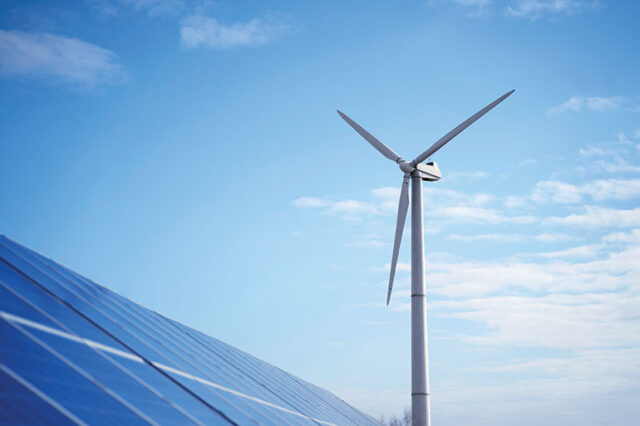
PHOTO FROM FREEPIK

By Jomarc Angelo M. Corpuz, Special Features and Content Writer

The Philippines is becoming an attractive destination for the renewable energy industry, largely due to its market policies and structure that have led to sizeable investments. So much so, in fact, that the country has placed no lower than fourth in the research firm Bloomberg NEF’s Climatescope rankings over the past three years. According to the firm, the Philippines ranks fourth among emerging markets and second in the Asia-Pacific region with a power score of 2.64.

Central to the market policies and structure that has led to the achievement is the Department of Energy’s (DoE) Philippine Energy Plan (PEP) 2023-2050, which “outlines the straightforward path for the energy sector to realize the envisioned Clean Energy Scenario.” The plan aims to achieve over 40% renewable energy in the total energy mix by 2030 and surpass 50% by 2040, while also incorporating nuclear energy and gradually reducing reliance on fossil fuels.

Currently, the country’s power mix is dominated by coal, which is responsible for nearly 60% of the energy generated in the Philippines, followed by natural gas at 18%, geothermal at 10%, hydro at 8%, and other energy sources making up the rest of the mix.

Against this policy backdrop, energy developers are recalibrating their portfolios to align with the country’s transition goals.

Meralco PowerGen Corp. (MGEN), for its part, is positioning itself as a diversified player across both conventional and renewable energy sources.

“MGEN is not approaching the energy transition as a shift away from one fuel type to another. It is positioning itself as a diversified, future-ready energy power generator that can support the country’s evolving energy needs across multiple technologies. Its portfolio of 5,069.7 MW reflects that balance,” the company said.

To move from targets to tangible outcomes, the government has introduced a range of policy mechanisms designed to attract investment while ensuring system stability. Chief among these is the Green Energy Auction Program (GEAP), which provides a transparent and competitive framework for procuring renewable capacity.

While these mechanisms have helped unlock investments, industry players note that the effectiveness of such policies ultimately hinges on how consistently and transparently they are implemented.

“Recent policy reforms and stricter enforcement mechanisms have both positive and challenging implications for investor confidence,” MGEN added. “On the positive side, stronger enforcement improves market discipline by ensuring that only viable and committed projects proceed, which benefits developers like us at MGEN.”

GEAP’s Next Round

After the GEAP’s successful first round of auction in 2022, the program is now in its fifth edition, with the DoE gearing up for the competitive auction of large-scale offshore wind projects in August. The program is currently undergoing pre-bid evaluations, pre-bid conferences, and other pre-auction activities until Aug. 26, ahead of the auction proper on Aug. 27.

For this edition, the DoE is offering up to 3,300 megawatts of fixed-bottom offshore wind capacity, targeted for delivery between 2028 and 2030. Winning bidders are expected to be announced by Sept. 23, while certificates of award are set to be issued in February 2027.

The gradual lean towards the use of offshore wind development is mirrored by increasing activity across what the DoE has in their renewable energy pipeline. Recent developments show five renewable energy projects with a combined capacity of more than 500 megawatts (MW) have been cleared to proceed to the next stage of technical evaluation. 

According to the DoE, these projects have been granted endorsements to undergo a system impact study (SIS) with the National Grid Corp. of the Philippines (NGCP). The SIS is a necessary step for every renewable energy project in development, as it determines whether the existing grid infrastructure can accommodate additional capacity without compromising the system or leading to more red and yellow grid alerts.

Among the projects endorsed is the 200-MW Abra-Kalinga wind power project of JBD Water Power, Inc., which goes to show the continued investor interest in onshore wind development.

Freya Renewables Inc. has also proposed a 160-MW wind farm in Negros Occidental, while Amihan Power, Inc. is planning an 80-MW wind project in Camarines Sur, which further signals the archipelagic spread of wind investments across the country.

Despite the abundance of it, the pipeline is not limited to wind energy. Energy Development Corp. is advancing the 30-MW Botong-Rangas geothermal project in Sorsogon, potentially adding to the country’s largest resource of renewable energy. Meanwhile, PAVI Green Camsur Renewable Energy, Inc. is developing a 50-MW solar project in Camarines Sur, showing the continued expansion of solar capacity driven by better funding and shorter construction timelines.

Integrating New Generation

However, as more renewable projects move forward, attention is increasingly turning to the grid’s capacity to support and efficiently integrate new generation.

“The country’s power grid is one of the most important enabling factors — and at the same time one of the most practical constraints — on the accelerated growth of renewable energy in the Philippines. Continued investment in transmission infrastructure and the integration of technologies such as energy storage systems will play key roles in strengthening system resilience,” MGEN said.

An example that the company cited is its very own MTerra Solar, which has recently been energized with up to 250 MW of solar generation capacity and 450 MWh of battery energy storage system (BESS) — the largest integrated installations of its kind in the country to date.

More Selective Approach

At the same time, the government has taken a firmer stance on ensuring that only viable and compliant projects remain in the pipeline. In 2025 alone, the DoE revoked 84 renewable energy service contracts, equivalent to an estimated 5,372.209 MW of potential capacity that had previously been factored into national energy plans.

The move follows a comprehensive technical and legal review that found multiple projects in violation of their contractual obligations. These violations ranged from failure to deliver on committed work programs to noncompliance with the terms of reference under the GEAP, as well as broader breaches of DoE standards.

The termination of an additional eight contracts this year underscores the agency’s intensified efforts to weed out inactive or underperforming developers.

While the revocations may appear to reduce the headline capacity in the short term, they also serve a strategic purpose as the DoE is effectively making room for more capable developers to step in and potentially accelerate the realization of power capacity.

The government’s stricter stance reflects a broader shift toward prioritizing project viability, though it also raises questions about how to balance efficiency with inclusive growth.

“A more selective approach can help improve system outcomes by prioritizing well-structured, bankable, and execution-ready. It also helps ensure that projects moving forward are aligned with grid readiness, demand growth, and long-term system requirements,” MGEN said.

As the country pushes forward, ensuring that regulatory processes and developer performance keep pace with policy ambition will be key to sustaining momentum. If these elements align, the Philippines stands a strong chance of translating its renewable energy targets into a tagline as one of the region’s most dynamic clean energy markets.

“Continued investment in grid expansion, modernization, and energy storage will also be critical to enabling higher renewable energy penetration. In this regard, MGEN – through its diversified portfolio of thermal, LNG, and renewable assets — is well positioned to help accelerate the country’s transition toward a more sustainable energy future,” MGEN concluded.

Home Credit Philippines joins LenderLink’s data exchange platform

CONSUMER FINANCE company Home Credit Philippines has joined LenderLink’s real-time credit data exchange platform, giving it access to borrower information to help in its loan underwriting process.

“The move is expected to strengthen Home Credit’s credit assessment capabilities while allowing millions of borrowers to demonstrate their creditworthiness across the lending ecosystem,” LenderLink said in a statement.

“Home Credit’s onboarding brings one of the country’s largest consumer finance portfolios into LenderLink’s shared infrastructure. Its participation will let Home Credit access consent-based, real-time borrower data from across multiple institutions which creates reciprocal value that benefits both the lender and Filipino consumers.”

LenderLink’s 20-member network will give Home Credit access to borrowers’ credit information to help its loan approval process and also detect possible fraud.

These information include applicants’ most updated loan histories with multiple lenders, payment records from other institutions, and their existing obligations.

This can help promote responsible borrowing and allow Home Credit to provide credit access to underserved borrowers, LenderLink said. “Together, these improvements can support smarter lending decisions, higher approval rates, and reduced losses.”

“Joining LenderLink strengthens how we make credit decisions by grounding them in timely, consent-based information across the lending ecosystem. It enables us to extend credit to more deserving customers while reinforcing responsible borrowing practices,” said Zdenek Jankovsky, Home Credit’s chief business development officer. “This collaboration reflects Home Credit’s long-term commitment to building a more connected, resilient, and inclusive credit infrastructure for the Philippines.”

“Home Credit’s integration represents a milestone in creating shared credit infrastructure in the Philippines,” said Christo Georgiev, co-founder and CEO of LenderLink. “When a lender of this scale participates in secure, con-sent-based data sharing, it elevates the entire ecosystem’s ability to assess risk accurately and serve more Filipinos responsibly.”

Home Credit being part of LenderLink’s network also expands the data pool to improve participating lenders’ credit risk assessment.

“The partnership underscores LenderLink’s position as the central infrastructure provider connecting lenders, collection agencies, and credit bureaus — now with over 45 million borrower records and over 1.5 million record ex-changes to date.” — BVR

MREIT heads into next phase as it diversifies portfolio

MEGAWORLDCORP.COM

MREIT, INC. said it is pushing through with its plan to expand into the retail segment as part of its next growth phase, marking a shift from its current focus on office assets.

In a statement on Thursday, the real estate investment trust of Megaworld Corp. said it is moving to its “Wave 5” strategy following the integration of its latest acquisitions.

“With Wave 4 now integrated, MREIT is turning to Wave 5, which is expected to mark the company’s diversification into retail by infusing mall assets in the second half of the year,” the company said.

The planned move remains subject to due diligence, valuation, and regulatory approvals.

“Subject to due diligence, valuation, and regulatory approvals, Wave 5 will bring MREIT materially closer to its goal of one million square meters of GLA (gross leasable area) by 2027,” it added.

The shift comes as the company reported stronger first-quarter performance, with distributable income rising 34% year on year to P1.25 billion, while revenues grew 29% to P1.72 billion. Net operating income (NOI) margin improved to 81.6% from 80.3% a year earlier.

MREIT attributed the gains to the full impact of its Wave 4 acquisition, a P16.2-billion property-for-share swap that added nine Grade A office buildings in McKinley Hill and expanded its gross leasable area by about 34% to around 647,000 square meters.

“Our first quarter results show Wave 4 working exactly as intended: accretive from day one, and at a scale that meaningfully lifts both our earnings base and margin profile,” said Jose Arnulfo C. Batac, president and chief executive officer of MREIT.

For 2025, MREIT posted total revenues of P5.58 billion and net income of P4.40 billion, according to its financial statements.

MREIT, which was incorporated in 2020 as a real estate investment trust under Republic Act No. 9856, is a subsidiary of Megaworld, which owns a 54% stake in the company. Its portfolio consists of office assets located in Megaworld townships such as McKinley Hill, McKinley West, Eastwood City, Iloilo Business Park, and Davao Park District.

The company said its expansion pipeline is supported by Megaworld’s “extensive pipeline of stabilized, income-generating properties” and the broader portfolio of Alliance Global Group, its ultimate parent, providing a platform for further growth.

On Thursday, MREIT shares closed at P13.92, down eight centavos or 0.57%. — Alexandria Grace C. Magno

Stuff to Do (04/23/26)


Go to the Game Changers’ hobby fest

FROM April 24 to 26 at the Activity Area of Gateway Mall 1, card game collectors and enthusiasts are invited to play, trade, discover, and celebrate the Magic the Gathering (MTG) card game community. Activities include MTG tournaments hosted by Game Changer & High Market, tabletop gaming experiences by Neutral Grounds, and booths with trading cards toys, and collectibles. Freebies and prizes will be given out all weekend.


Get a book or two or more at Dia del Libro

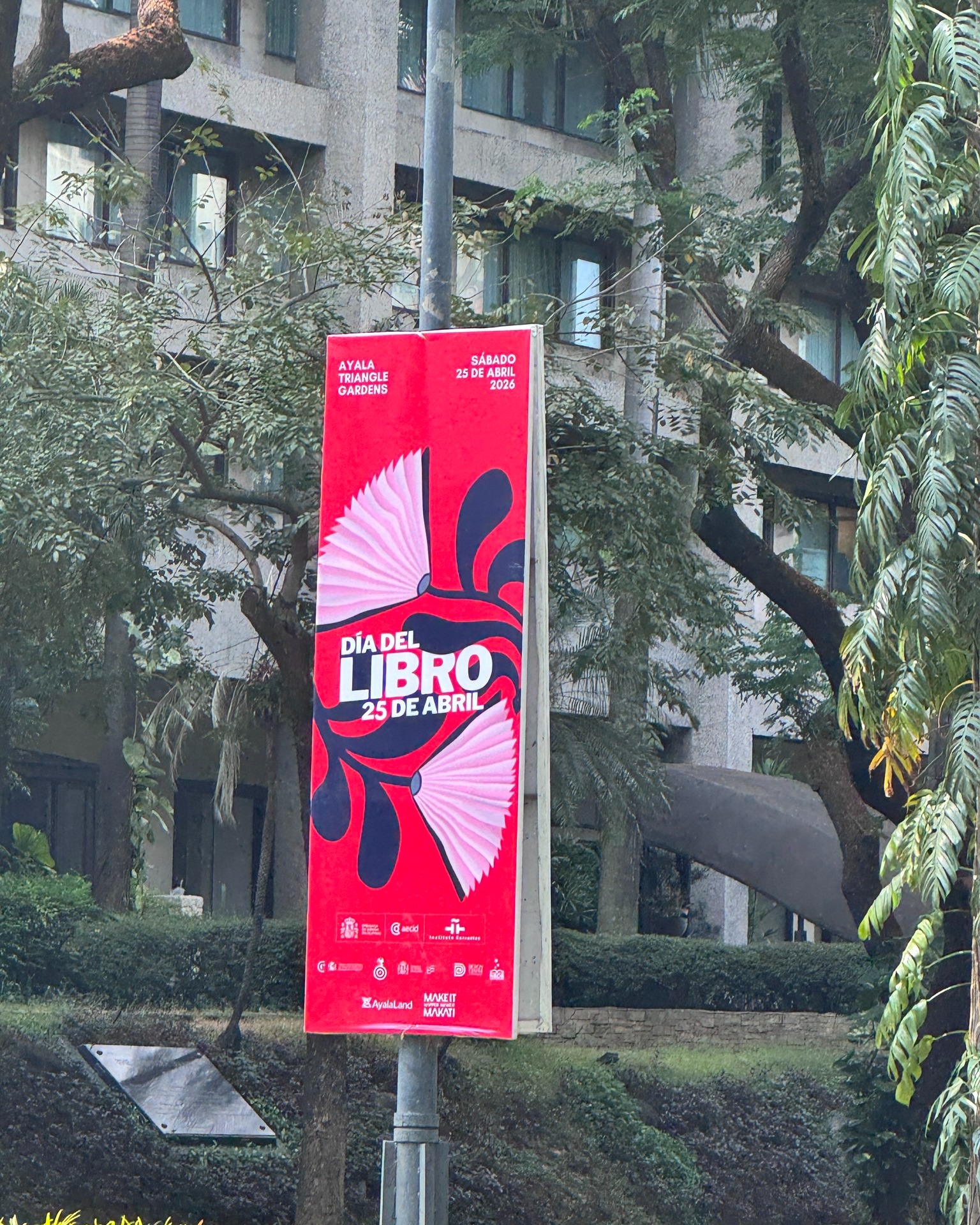
ON SATURDAY, April 25, celebrate Dia Del Libro at the Ayala Triangle in Makati. A project of the Instituto Cervantes, it will be a day of culture, poetry, music, dance, paella, and fun, and of course, the books, with the book market running throughout the day. Kicking off at 9 a.m., the morning’s activities will include a make-your-own-journal workshop with the Design Center of the Philippines, a sketch walk activity with the Urban Sketchers, a reading picnic, hand writing Don Quixote, a test your Spanish activity, storytelling for kids, a free Spanish class, book launches, and a painting workshop for kids, among others. In the afternoon and evening, Repertory Philippines will perform Man of La Mancha, the Embassy of Argentina will present some tango, there will be a painting with natural pigments workshop, poetry reading, a Jazz in the Park concert, Latin dance class, book presentations, a performance of Guitarra y poesia y canciones by the UP College of Music, the Paella Gigante, flamenco dancing, and DJ sets. The various publishing houses, books stores, and other institutions will hold books signings and other events at their booths.


Watch some Brazilian Jiu-jitsu Champions

ON APRIL 25 and 26, at the Quantum Skyview, Gateway Mall 2 at Araneta City, Cubao, Filipino jiu-jitsu athletes will clash at the MARIANAS PRO Manila Brazilian Jiu-Jitsu Championship. The winners will represent the Philippines in Guam. The event is sanctioned by the Asian Sport Jiu-Jitsu Federation (ASJJF) and follows standard IBJJF-style weight divisions, with competitions held in Gi and No-Gi, across Kids, Juvenile, Adult, and Masters categories.


Try your hand at drawing with charcoal

THE third session of Art in the City is an inspiring art workshop for a cause happening on April 25, 2 to 5 p.m. at Gateway Gallery in Araneta City. In partnership with the J. Amado Araneta Foundation and Grupo Kwadro, this work-shop invites both beginners and art enthusiasts to explore the expressive beauty of charcoal drawing while supporting a meaningful cause.


Attend a lecture, watch a film on WWII

THE Filipinas Heritage Library continues the Roderick Hall Memorial Lectures 2026 series with a film screening and talkback on April 25, 4-7 p.m. They will be screening the 1995 documentary film Days of the Crimson Sun: The Re-telling of the Battle of Manila, featuring a talkback with filmmaker Tats Rejante Manahan. The Roderick Hall Memorial Lectures are an annual lecture series to commemorate the longtime patron of Filipinas Heritage Library who built The Roderick Hall Collection over the course of his lifetime. Each talk in the lecture series promotes a uniquely Filipino experience of World War II and how the legacy of the war continues to be felt in present times. Tickets to the screening and lecture cost P300, with discounts given to seniors, persons with disabilities, students, Ayala Group employees, teachers, museum/library members, and cultural workers with valid ID. The tickets come with free one-day access to the library valid until May 26. The library is located inside the Ayala Museum, corner Makati Ave. and De La Rosa St., Ayala Center, Makati.


Celebrate Earth Day at Arroceros Forest Park

CELEBRATE Earth Day surrounded by the trees of Arroceros Forest Park in Manila, near the Metropolitan Theater and Manila City Hall, on April 26. There are no entrance fees. The day’s events start at 8 a.m. with a Qi Flow session with David Montecillo, followed by a Tree Walk with Ronald Achacoso and Menie Odulio from 8-10 a.m. and a Prosperity Meditation with Rosan Cruz. At 10:30 a.m., the Plum Village will hold a Mindfulness Walk, while at 11 a.m., there will be Constellation Work. At 1 p.m., there will be harp music care of Helouise La Harpe, followed at 1 p.m. by a short stress management course with Diwa. At 2 p.m., Johnny Chuisian will conduct a Fragrant Qi Gong session, and at 3 p.m. Coach J will hold a yoga class. In the morning, artists will be painting in the park while buskers will provide music all day and the Hare Krishna will also provide music plus chanting.


Watch PETA Plus’ Endo adaptation

AT THE PETA Theater Center in Quezon City, the Cinemalaya film Endo returns in a new form, nearly two decades after its debut at the local independent film festival. Originally written and directed by Jade Castro as a story about love in the face of contractual labor, this stage version of the film has been adapted by Liza Magtoto and will be directed by Melvin Lee. It takes place in the context of today’s gig economy, breathing new life into the material. The show runs until May 10.


Revisit plays by the late Floy Quintos

THIS MONTH, Encore Theater is staging Miranda & Yolanda, a twin bill of one-act plays by the late theater stalwart Floy Quintos. Running until May 3 at the Power Mac Center’s Blackbox Theater in Ayala Malls Circuit, it is com-posed of two plays. Evening at the Opera and Ang Kalungkutan ng mga Reyna, both of which focus on women in positions of power, directed by Dexter M. Santos. Tickets are available via Ticket2Me.


Watch a satirical comedy film

GMA PICTURES’ satirical comedy Samahan ng mga Makasalanan is out now on Prime Video. Directed by Benedict Mique, the film stars David Licauco, who plays Deacon Sam, a young and idealistic man assigned to a town notori-ous for being a haven for sinners. Armed with fervent faith and the belief that no one is beyond saving, Deacon Sam forms the Samahan ng mga Makasalanan, through which he aims to steer the townspeople of Sto. Kristo toward the path of redemption. The film is now on Prime Video.


Listen to new P-pop boy band AYO

P-POP boy band AYO has released their pre-debut single under Sony Music Entertainment. The Davao-based, seven-member boy group is composed of Justin, Renzo, GV, TJ, Enzo, Zack, and Patrick. Their name is derived from the Cebuano word maayo, which means talented. It’s also commonly used as a call for attention, much like knocking on a door. AYO aims to embody the multicultural spirit of their hometown. The single, “I’m Him,” tackles duality and reflects rebellious spirit and self-awareness. It is out now on all digital music streaming platforms.

InstaPay, PESONet transfers reach P7.7 trillion as of March

REUTERS

TRANSACTIONS done via PESONet and InstaPay reached a total value of P7.69 trillion as of March, data from the Bangko Sentral ng Pilipinas (BSP) data showed.

The value of InstaPay and PESONet transfers in the first three months jumped by 45.32% from the P5.29 trillion recorded in the same period last year.

Meanwhile, both clearing houses recorded a combined transaction volume of 2.025 billion as of March, surging by 281.79% from 530.486 million seen a year prior.

Broken down, the value of transactions made via InstaPay surged to P3.761 trillion as of the first three months from P2.289 trillion in the same period last year.

The volume of InstaPay transfers also ballooned to 1.99 billion from 502.297 million previously.

On the other hand, PESONet transactions were valued at P3.93 trillion during the three-month period, up from P3.003 trillion the prior year.

The volume of transactions made via the payment gateway also climbed to 31.398 million from 28.19 million, central bank data showed.

“March growth was driven by habit and necessity. Consumers are defaulting to InstaPay for speed and convenience, while businesses continue to use PESONet for payroll and bulk payments,” Reyes Tacandong & Co. Senior Ad-viser Jonathan L. Ravelas said in a Viber message.

This was also supported by fee waivers, while higher fuel prices due to the Middle East conflict likely boosted online transactions, he added.

John Paolo R. Rivera, a senior research fellow at the Philippine Institute for Development Studies, said transaction growth was supported by growing use of e-wallets and online banking and the shift toward cashless transactions for everyday payments and business transfers.

“Greater convenience, wider merchant acceptance, and ongoing digitalization efforts are key drivers.”

For the coming months, he expects transaction volume growth to normalize amid a high base, with continued expansion depending on further improvements in digital infrastructure, interoperability, and user trust.

“For the rest of the year, growth stays strong but more measured — this is no longer about adoption, but deeper usage. Digital payments are now core infrastructure, not a trend,” Mr. Ravelas added. — Aaron Michael C. Sy

Alsons Dev completes first batch of residential turnovers in Avia Estate

AN artist’s rendition of the Avia Estate in Alabel, Sarangani province. — COMPANY HANDOUT

ALSONS Development and Investment Corp. (Alsons Dev) said it has completed the turnover of its first batch of residential units at Narra Park Residences Avia, its initial housing project within the Avia Estate township in Alabel, Sarangani.

In a statement on Wednesday, the property developer said the milestone marks the transition of early homebuyers into homeowners and reflects the project’s progress within the 121-hectare estate.

The turnover coincided with the project’s first Buyers Appreciation Day, where homeowners and guests gathered for updates and community activities.

Narra Park Residences is the first residential development within Avia Estate, Alsons Dev’s first township expansion outside Davao.

The company said 59 homes have been completed so far.

“These represent more than completed units. They are the beginning of a community,” Alsons Dev President and Chief Executive Officer Miguel Rene A. Dominguez said.

The project offers bungalow units priced at P4.1 million per lot and two-story houses at P5.07 million, both on 120-square-meter lots.

Alsons Dev said estate developments include the Alabel Public Safety and Security Complex, opened in January 2025, and The Abba’s Orchard Montessori School, which opened in August 2025.

It also said completed shared spaces include a megatent and a football field, while planned additions include an interim commercial area, a pickleball court, and community facilities.

The project forms part of the company’s expansion beyond Mindanao’s urban centers. — Juliana Chloe A. Gonzales

Beyond fuel: Building energy-resilient logistics for the Philippines

STOCK PHOTO | Image by FREEPIK

GLOBAL ENERGY tensions are once again testing the world’s supply chains, and the ripple effects are sharply felt in logistics — a sector where every movement depends on energy. Rising energy and shipping costs are now dis-rupting the supply chain, from schedule reliability to service frequency. This is felt across all modes of transport, air, sea, and land — domestic and, to a greater extent, cross border supply chains. The global supply chain is once again on thin ice following the massive disruption caused by the COVID-19 pandemic, this time driven by geopolitical friction unfolding thousand kilometers away from the Philippines.

In the case of oil, a significant share of global supply still traverses politically sensitive regions. Any instability in these areas can trigger rapid volatility in energy markets, leaving fuel-dependent economies like the Philippines vulnerable to sudden cost spikes and supply constraints. For local logistics players, these shifts translate into higher freight rates, increased operational strain, and added pressure on distribution networks.

Recognizing the mounting risks, the Department of Trade and Industry (DTI) recently convened members of the Supply Chain and Logistics Center (SCLC) and industry leaders to discuss how global energy uncertainty affects Philippine supply chains. What emerged from these discussions is a growing consensus: energy volatility can no longer be viewed as a distant geopolitical issue. It is now a strategic factor directly shaping the country’s logistics landscape.

This raises a critical question for the sector: How can the Philippines build a logistics system that is more resilient against volatile global energy markets?

ENERGY-RESILIENT LOGISTICS NETWORK
One shift gaining traction globally is the move toward logistics systems powered by cleaner, more stable energy sources. Renewable energy-powered warehouses, electric mobility, and digitally optimized networks are emerg-ing as long-term solutions that can reduce the industry’s exposure to oil price swings.

In the Philippines, this transition presents a space for deeper collaboration among logistics operators, renewable energy providers, and mobility innovators. My company, AC Logistics, is among the companies exploring these pathways, with initiatives aimed at improving efficiency and strengthening resilience through cleaner energy technologies.

Logistics facilities offer natural advantages for renewable energy integration. Many warehouses have expansive rooftop spaces suitable for solar power systems, an increasingly cost-efficient solution that reduces grid dependence and cuts operational expenses. With net metering options in place, excess energy can also be sold back to the grid, creating new value streams for operators.

At AC Logistics, early installation of off-grid solar systems is supplying a share of the power in selected warehouses, demonstrating broader potential for expanding renewable energy adoption across their warehouse network.

In cold chain logistics, the GMAC Cagayan De Oro cold storage site, which accounts for approximately 65% of their total grid power consumption, already fully sources its energy from renewables, with the remaining 35% coming from the existing and extension Davao facilities.

By switching to renewable energy, cold storage operators gain cost predictability, an advantage that benefits both suppliers and customers as energy markets become increasingly volatile.

ELECTRIFICATION: THE NEXT FRONTIER FOR TRANSPORT
Transportation remains one of the heaviest fuel-dependent segments of logistics, but electrification offers a viable alternative. Distribution centers, where fleets operate on predictable routes, are particularly suited for electric vehicles.

Under the Electric Vehicle Industry Development Act (EVIDA), logistics companies are among those required to begin transitioning at least 5% of their fleets to electric models. This policy underscores a broader direc-tion for the industry: reducing reliance on traditional fuels is no longer optional, it is becoming regulatory and a strategic necessity.

Infrastructure is evolving alongside this shift. Logistics hubs equipped with EV charging stations can support both in-house and commercial fleets. AC Logistics is working with key partners to launch a pilot program that inte-grates renewable power, charging infrastructure, and new energy vehicles into key logistics hubs. This will offer a working model for clean, mobility-enabled operations.

SHARED LOGISTICS: A COMPLEMENTARY STRATEGY
Beyond energy solutions, optimizing infrastructure use also plays a key role in building resilience. Shared logistics models, where warehousing and transport services are consolidated across multiple clients, enable higher truck utilization, fewer empty backhauls, and lower per-unit logistics costs. These approaches also reduce overall energy consumption, making them an important complement to clean energy initiatives.

Shared logistics models offer a clear way forward. Companies are now more willing to expand the scope of shared logistics, moving beyond multi-user warehouse facilities to include mid- and last-mile delivery.

AC Logistics currently operates multi-user facilities and shared distribution systems across its network, reflecting a shift toward integrated logistics ecosystems. These networks consolidate storage, mobility solutions, and energy infrastructure within unified nodes, helping businesses manage costs more effectively while reducing their carbon footprint.

A SECTOR AT A CROSSROADS
Energy volatility is likely to remain a defining global reality, influenced by shifting geopolitics and evolving market dynamics. For the Philippines, the challenge lies not only in absorbing these shocks but in building a logistics system capa-ble of weathering them.

The direction for the industry is becoming clearer: resilience will come from cleaner power sources, electrified mobility, smarter infrastructure use, and tighter integration across the supply chain.

The need now is to help businesses navigate uncertainty while building a future-ready logistics ecosystem — one that delivers value regardless of the fluctuations in global fuel markets.


A veteran of 23 years in the logistics industry, Erry Hardianto is the president and chief executive officer of AC Logistics Holdings Corp., the logistics arm of Ayala Corp. He also serves as a director of Ayala Plans, Inc. Prior to AC Logistics, he was Maersk’s Asia-Pacific Regional Logistics Operations head, and held senior positions in Singapore, Thailand, Indonesia, and the Philippines, managing and transforming complex multi-country logistics operations across Asia. With a BS Business Administration degree from the Philippine School of Business Administration and a master’s degree in international business from the University of Wollongong in New South Wales, Australia, he is an MBA lecturer, occasional contributor, and speaker.

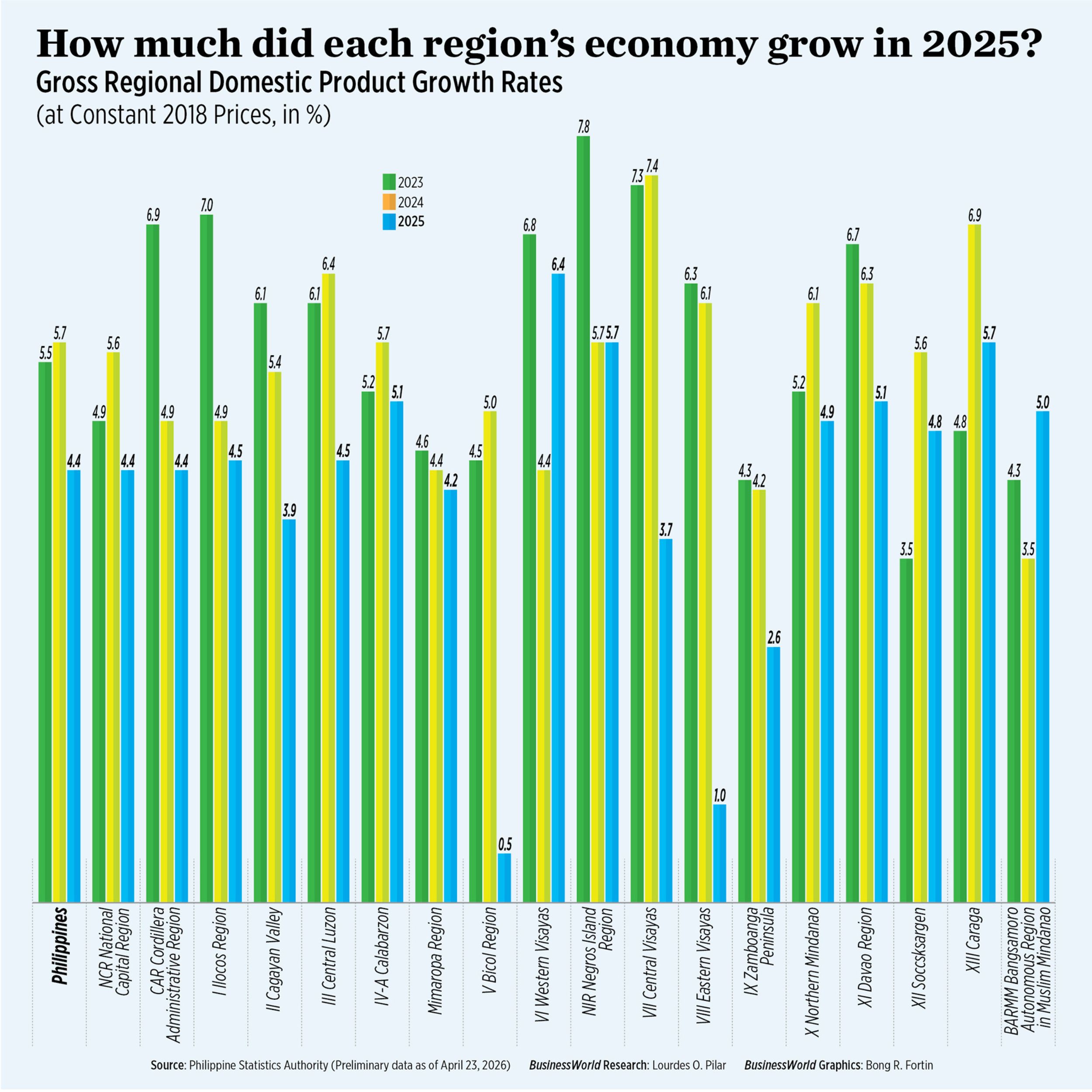
How much did each region’s economy grow in 2025?

GROWTH in Metro Manila’s economic output slowed to a five-year low of 4.4% in 2025, dragged down by the flood control scandal and severe weather effects, the Philippine Statistics Authority (PSA) reported on Thursday.  Read the full story.

Inflation worries drag peso to over three-week low

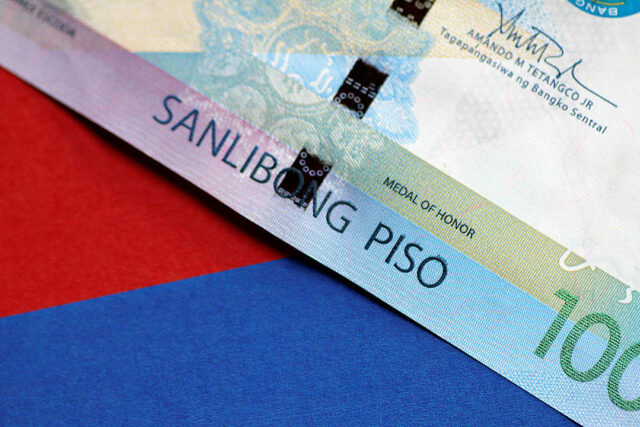
A Philippines peso note is seen in this picture illustration on June 2, 2017. — REUTERS

THE PESO plunged to an over three-week low versus the dollar on Thursday on heightened concerns over the Middle East war, especially after the Philippine central bank said it now sees inflation breaching its target until next year as global shocks push up domestic prices.

The currency fell by 35 centavos to end at P60.48 against the greenback from its P60.13 finish on Wednesday.

This was its weakest close since March 31’s P60.748, which is the peso’s record low against the dollar.

The peso opened Thursday’s trading session weaker at P60.25, which was already its best showing for the day. Meanwhile, its intraday low was P60.58 versus the dollar.

Dollars traded rose to $1.83 billion from $1.61 billion on Wednesday.

“The peso weakened after the BSP (Bangko Sentral ng Pilipinas) significantly revised higher its inflation outlook for 2026 despite the 25-basis-point (bp) rate hike,” the first trader said in an e-mail.

“The dollar-peso closed higher on remaining uncertainties due to the Middle East war and elevated global crude oil prices,” the second trader said in a phone interview.

The Monetary Board on Thursday raised benchmark interest rates by 25 bps to bring the policy rate to 4.5%, as expected by 11 of 19 analysts in a BusinessWorld poll. This was its first tightening move since October 2023.

BSP Governor Eli M. Remolona, Jr. said the hike was a preemptive move to help rein in growing price pressures amid the Middle East war.

“The inflation outlook has deteriorated amid the ongoing conflict in the Middle East. Higher global oil and fertilizer prices have begun feeding through to domestic fuel and food prices. At the same time, core inflation has con-tinued to rise, pointing to a broadening of underlying price pressures,” he said.

He also signaled further tightening ahead as they now see inflation breaching their 2%-4% tolerance band in 2026 and 2027. For this year, the BSP expects the consumer price index (CPI) to average 6.3%, significantly higher than the earlier 5.1% forecast.

This comes as elevated oil prices amid conflict drove headline inflation to a near two-year high of 4.1% in March, bringing the three-month average to 2.8%. Mr. Remolona said the CPI could breach 5% for the rest of the year.

For 2027, the BSP also raised its projection to 4.3% from 3.8% previously.

The dollar was headed for its first weekly rise in a month on Thursday, as a stand-off between Iran and the US in the Middle East war and a lack of progress on peace talks sent oil prices back above $100 a barrel and dented in-vestor optimism, Reuters reported.

Tehran seized two ships in the Strait of Hormuz on Wednesday, escalating tensions after US President Donald J. Trump extended a ceasefire with Iran indefinitely with no sign of peace talks restarting.

The two sides remain divided on a ceasefire, their blockades, nuclear issues and control of the strait, leaving the strategic waterway still effectively shut and triggering an energy shock in a blow to economies across the world.

The dollar index, which tracks the performance of the US currency against six others, was a touch higher at 98.60. It is heading for a weekly rise of 0.4%, the first gain in a month.

Brent crude futures rose $1.26 or 1.2% to $103.17 a barrel at 0630 GMT, after settling above $100 for the first time in more than two weeks on Wednesday. West Texas Intermediate futures were also up $1.20 or 1.3% at $94.16.

For Friday, the first trader said they expect the peso’s weakness to persist on continued safe-haven demand for the dollar before the weekend as the situation in the Middle East remains volatile.

The second trader said the market could consolidate as traders digest the BSP’s latest policy signals.

The first trader said the peso could move between P60.35 and P60.60, while the second trader sees the local unit ranging from P60.20 to P60.60. — Bettina V. Roc with a report from Aaron Michael C. Sy and Reuters

Transgender affirmation surgery: Going from bad to worse

STOCK PHOTO | Image by FREEPIK

Who knew that mental health problems would be exacerbated by surgical treatment to change one’s sex organs? And that with such comes nearly a 600% rise in psychiatric morbidity as one cohort shows?

For years the public has been told that if a person claiming to have a different “gender” does not have their beliefs affirmed and have their sex organ mutilated, then such would result in a suicide pandemic.

In the end, reality stepped in and no surprises: apparently the psychiatric needs of those questioning their gender, particularly adolescents, did not subside — and in fact got worse — after medical sex “reassignment.”

First off, a Swedish study — “Long-Term Follow-Up of Transsexual Persons Undergoing Sex Reassignment Surgery: Cohort Study in Sweden” (by Dhejne, et al., February 2011) — was unambiguous: The study reported a 19-fold in-creased risk of death by suicide and nearly five times the risk of suicide attempts after gender transition relative to matched controls. These are catastrophic numbers.

Then a recent landmark study came, this time from Finland: “Psychiatric Morbidity Among Adolescents and Young Adults Who Contacted Specialized Gender Identity Services in Finland in 1996-2019: A Register Study” (by Ruuska, etc.; April 2026), the rigorous long-term data basically wrecked the widespread progressive narrative.

In simple terms, the Finnish study found:

• Gender-referred adolescents show high psychiatric morbidity, yet gender differences and mental health trajectories after medical gender reassignment remain poorly understood.

• Such adolescents had markedly higher psychiatric morbidity than controls before and after referral, with treatment needs often persisting and even intensifying after medical interventions — on some, they might even have a negative impact.

• Findings emphasize the need for thorough psychiatric assessment and ongoing treatment throughout medical gender reassignment.

The conclusion? “Severe psychiatric morbidity is common among gender-referred adolescents and appears to be more prevalent in those referred after the recent surge in referrals. Psychiatric needs do not subside after medical gender reassignment.”

To be clear, the latter figures compare post-transition individuals to the general population, not to their own pre-transition baseline. But that clarification does not rescue the progressive narrative. Because if medical transi-tion were truly addressing the root cause of “depression, self-harm, and suicidality,” one would expect outcomes to converge toward population norms. They do not. The need for specialist psychiatric services, i.e., those in-volving serious mental disorders, actually increased after medical transition.

Professor Riittakerttu Kaltiala (one of the authors of the Finnish study) explained: “Many developed feelings of gender dysphoria in the context of severe disorders.” And yet, “if it were the other way around, and the mental disorders were secondary to the dysphoria, those disorders would be expected to subside with medical gender reassignment, according to the Dutch treatment protocol adopted internationally.” (“Transition blues,” Gender Clinic News, April 2026; also “Finland’s Lessons on Transgender Children,” Wall Street Journal, April 2026).

This aligns with broader analyses of population-level data. As summarized in “The Crumbling Sham of Trans Medicine” (Breakpoint.org, April 2026): “The new Finnish study provides the ‘good evidence.’ Its findings on long-term outcomes, based on extremely strong data sets, don’t bode well for trans activists’ overconfident claims. Finland’s government-run medical system has an extremely rigorous tracking system containing detailed medical and psy-chiatric records on all citizens dating back to 1994. Drawing from this, the study conducted an analysis of every patient under 23 who attended Finnish gender identity clinics from 1996 to 2019 and compared them with a matched control group.

“This means their study population is uniquely comprehensive — it analyzed the entire gender treatment patient population in the country for years and years. Other studies have only included those who chose to take part, seriously undermining the validity of their claims. The Finnish school system also regularly screens students for mental health disorders. It consists of two timeframes: 1996 to 2010, and 2011 to 2019, the time when those ‘trans identity’ numbers started exploding in many countries, likely from social contagion.”

So, what can be gleamed from the two studies, particularly the Finnish one? In blunt, stark terms:

• 10% of boys who want to become girls suffer from psychiatric morbidity (a major risk factor for suicidality). But after gender change surgery — where the penis is inverted into a vagina — 60% become suicidal.

• 21% of girls who want to become boys have psychiatric morbidity. But after gender change surgery — metoidioplasty where the clitoris is turned into a penis, or phalloplasty where grafted skin is used to form a neopenis — that increases to 55%.

“So, what did this comprehensive Finnish study find? It’s a pretty direct conclusion: The whole basis of transgender ideology and practice is wrong. As the [Finnish] study revealed, ‘Gender-referred adolescents showed sig-nificantly higher psychiatric morbidity than controls,’ and severe psychiatric morbidity increased substantially in two-plus year clinical follow-ups’,” said Breakpoint’s John Stonestreet and Glenn Stanton.

The foregoing essentially supports the Cass Review of gender identity services for children and young people, said the Breakpoint story, quoting: “Tragically deaths by suicide in trans people of all ages continue to be above the national average, but there is no evidence that gender-affirmative treatments reduce this.”

Bottomline, the Swedish and Finnish studies confirm what commonsense already knew: that gender confused patients aren’t only confused but also mentally unwell. Treatments affirming their delusions just make things worse.


Jemy Gatdula is the dean of the UA&P Law School and is a Philippine Judicial Academy lecturer for constitutional philosophy and jurisprudence. The views expressed here are his own and not necessarily of the institutions to which he belongs. https://www.facebook.com/jigatdula/
Twitter @jemygatdula

ADVERTISEMENT
ADVERTISEMENT