Home Blog Page 6506

Arts & Culture (01/26/22)


YOUTUBE.COM/AYALAMUSEUMTV

Art Fair Philippines 2022 postponed

INITIALLY scheduled to run from Feb. 23 to March 2, Art Fair Philippines 2022 has been postponed due to the impact of the surge in COVID-19 cases on its participating artists and exhibitors and in consideration of the health and safety of everyone involved including visitors. “We will announce the new dates in February. Thank you for your understanding and continued support,” the announcement in the Art Fair Philippines Facebook page stated. Founded in 2013, the annual Art Fair Philippines showcases Philippine contemporary art through exhibits set up by invited art galleries, museums, and special featured artists. The fair is held in a Makati carpark and satellite areas.

MADE calls for entries

METROBANK Art & Design Excellence (MADE) is inviting young Filipino artists to join the MADE Painting and Sculpture Recognition Program. Grand Awardees will receive the following: a cash prize of P500,000 for the Sculpture Grand Awardee, P350,000 and an artistic development fund of P150,000 for the Painting Grand Awardee, Metrobank Foundation’s institutional trophy, membership in MADE’s alumni group, and exclusive opportunities for further artistic development. Deadline of entries is on March 31. For more information, visit http://www.madeartdepot.ph/.         

‘Intertwined’ exhibit curator’s tour

THE AYALA Museum’s exhibition,Intertwined: Transpacific-Transcultural Philippinescan now be viewed on YouTube. The curator’s tour of the “Intertwined” exhibit illuminates the Filipino’s transcultural heritage resulting from pre- and post-colonial maritime exchanges with diverse cultures in Asia, the Americas, and Europe. In the video, exhibition curator Dr. Florina H. Capistrano-Baker takes viewers through the eight sections of the exhibition and discusses how various political, cultural, and economic relations brought about the “Filipino.” The video can be seen at https://www.youtube.com/watch?v=FqDzGQ_ASgY. For more information, visit ayalamuseum.org.

BGC gets new murals

BONIFACIO Global City (BGC) has become more colorful as ArtBGC, BGC’s Public Art program, has added more murals in the area. To set the tone for the collective mood for 2022 and beyond, BGC, through the Bonifacio Art Foundation, commissioned artists to create seven additional murals for the city’s walls. With the theme Rolling Out a Better World,” these murals depict a society where everyone is interconnected through empathy and compassion. These new murals were painted by Glendford Lumbao, Kankan Ramos, Patmai, Zoe Rosal, Deafeye Studio, Elie Quial, and Woman Create. Last year, the first mural, What’s Your Culture? by Lumbao, was made possible with the support of Yamaha Motor Philippines. It utilized the concept of “weaving” to highlight how different narratives are intertwined together making it all part of a bigger picture. Globe Telecom supported other murals, namely Atin ang Love for All by Patmai, Atin ang Araw by Rosal, and Atin ang Bawat Sandali by Deafeye Studio. The Land We Walk On by Quial and Nurturing Ubuntu by Woman Create were sponsored by Boysen, the official paint partner for ArtBGC. There are currently 36 murals, 22 art installations, and 110 pieces of street furniture in and around BGC that the public can enjoy and experience daily. To get to know more about BGC’s public art, a virtual art tour is also accessible via https://www.bgcartscenter.org/artsatbgc. Bonifacio Art Foundation is also accepting donations to help sustain their programs. Interested donors can visit https://www.bgcartscenter.org/support or e-mail programs@artsatbgc.org.

Gerardo Tan is PHL representative in Venice Biennale 2022

MULTIMEDIA artist Gerardo Tan will be collaborating with musicologist Felicidad Prudente and weaver Sammy Buhle for the Philippine exhibit at the 59th Venice Biennale which will be held from April 23 to Nov. 27 (pre-opening on April 20 to 22). He will present an exhibition titled, “All of us present, This is our gathering / Andi taku e sana, Amung taku di sana”. It is inspired by the tradition of sogna or extemporaneously singing to participants of a gathering. For more information and updates, visit https://www.labiennale.org/en/art/2022.

Altro Mondo presents 4 new shows

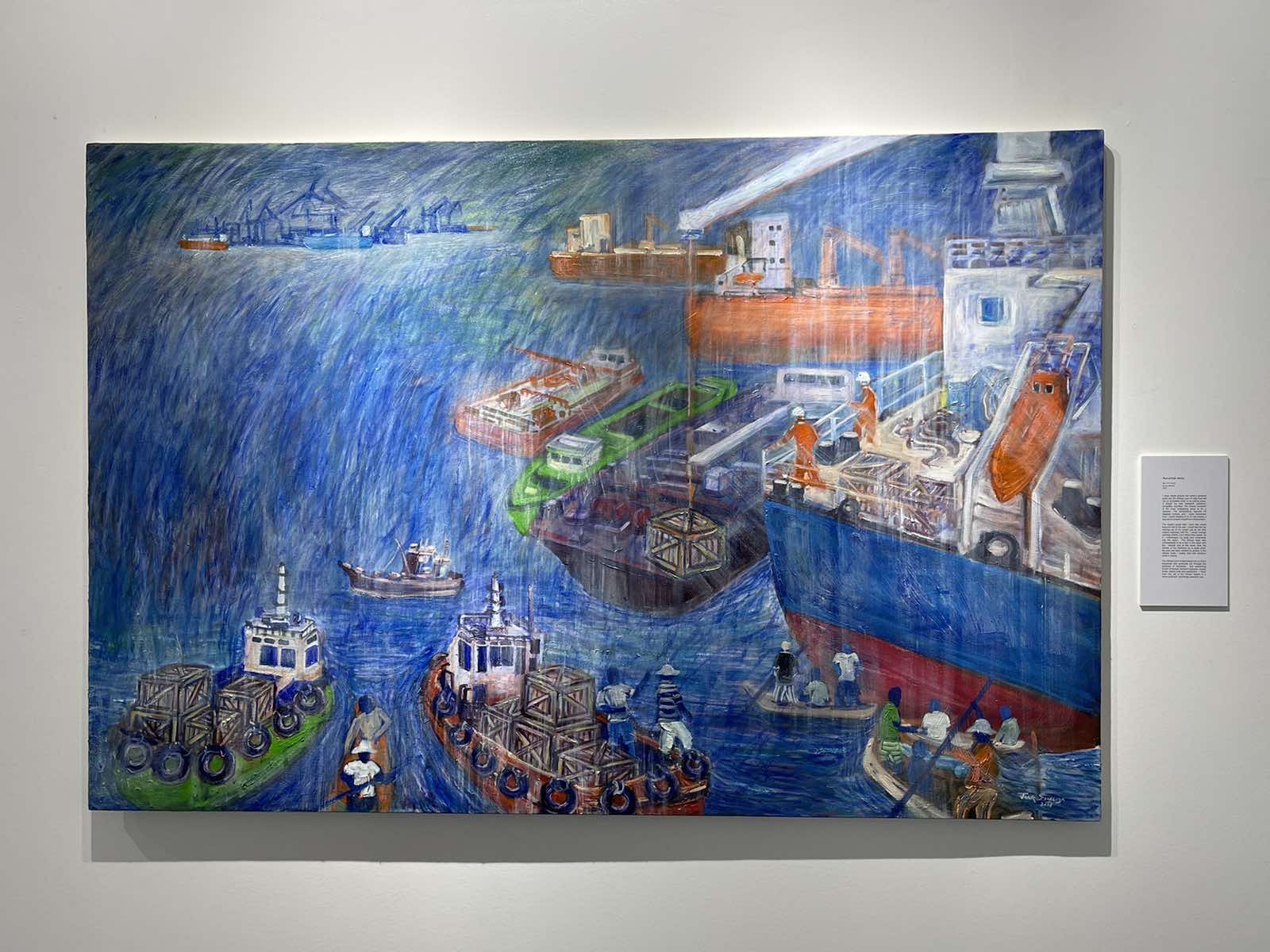
ALTRO Mondo Arte Contemporanea opens the year with four new shows at the Altro Mondo Creative Space gallery, 1159 Chino Roces Ave., San Antonio Village, Makati City. The exhibits are ongoing until Feb. 12. These are: “The Sea Is Not A Quiet Place,” a solo exhibition featuring works by artist Joar Songcuya; “Certain Shade of Green,” a solo exhibition featuring works by visual artist Jayson Pettz Muring; “On Making God Laugh,” a group exhibition featuring works by Ioannis Sicuya, Chad Montero, Adeo Sta. Juana, and Carlo Aranton; and, “begin with a second, a mirror of the first,” a group exhibition featuring works by Andre Baldovino, Christian Culangan, Floyd Absalon, Gabe Naguiat, Gelo Narag, and Jopet Arias. Gallery hours are Tuesday to Saturday from 10 a.m. to 5 p.m. Viewings are strictly by appointment only. For inquiries, contact the gallery on Facebook (@altromondoart) or Instagram (@altromondoart), or send a message via Viber or WhatsApp at 0917-888-7872.

Artists invited to join ‘50 Shades of Blue’

CRIMSON Boracay officially makes an open call to artists — regardless of their professional status, as long as they are Filipinos or foreigners currently residing in the Philippines — to join50 Shades of Blue,” a creative initiative that is expected to result in the largest collection of artwork displayed on the island. A panel of judges will choose the 50 best artworks from all the submissions received. These will be put on display throughout the resort for the whole month of May and will also be available for purchase by interested collectors and art aficionados. Aside from the possibility of winning a cash prize for the best artwork in the collection, participating artists may also consider it an opportunity to gain exposure to a wider possible audience as their work will be featured in all media related to the exhibition. Likewise, it will also enable them to meet art critics and collectors who are looking for fresh talents to feature in future exhibitions in galleries both here and overseas. Interested parties may visit https://bit.ly/fiftyshadesofblue to view the full mechanics or e-mail boracay.gm@crimsonhotel.com.


SPNEC readies joint ventures for 10-GW solar farms

SOLAR Philippines Nueva Ecija Corp. (SPNEC) on Tuesday said it plans to complete forming joint ventures this year to develop 10 gigawatts (GW) of solar energy projects.

In an e-mailed statement, SPNEC said the solar projects would represent an almost 10-fold increase in the country’s grid-connected solar capacity. It also said these developments would be though potential asset-for-share swaps with its parent company, Solar Philippines Power Project Holdings, Inc.

It cited data from the Energy department, which recorded 1.021 GW of solar energy in the country’s power mix in 2020.

The listed renewable energy firm is also eyeing a stock rights offering and partnerships with the country’s leading power companies to reach the target capacity.

“Our aim is not to compete with the country’s power companies, but to make it easier for them to build solar projects, so that together, we can make solar the largest source of energy in the Philippines,” said Leandro L. Leviste, founder of Solar Philippines.

On Sunday, Manila Electric Co. called for competitive bids to challenge an unsolicited proposal of Terra Solar Philippines, Inc. for the supply of 850 megawatts of mid-merit capacity for a contract beginning in 2026.

Terra Solar is a joint venture between Solar Philippines and Razon-led Prime Infrastructure Capital Inc.

At the local bourse, SPNEC on Tuesday rose six centavos or 3.06%, closing at P2.02 apiece. — M.C. Lucenio

Alyssa Valdez willing to play for national team

ALYSSA VALDEZ — PVL

FORMER Southeast Asian (SEA) Games flag bearer and team captain Alyssa Valdez will answer the call if given a chance to play for the national team again in the 31st SEA Games set on May 12-23 in Hanoi, Vietnam.

“That’s really my dream,” said Ms. Valdez during a recent interview at online show Play It Right TV hosted by The Philippine STAR columnist Quinito Henson and sports broadcaster Dyan Castillejo.

“As I’ve always said, it’s such an honor and privilege to represent the country and as an athlete, that’s really one of my main goals,” she added.

Ms. Valdez was one of the players being floated as those who would be called upon by the Philippine National Volleyball Federation (PNVF) after seven college players from the national pool were dropped and allowed to play for their respective schools in the UAAP, which will run smack into the biennial meet.

These collegians are Kamille Cal, Michaela Belen and Ivy Lacsina of National University, Eya Laure, Imee Hernandez and Bernadette Pepito of University of Santo Tomas and Faith Nisperos of Ateneo.

PNVF president Tats Suzara said they would field in an all-pro team from the Premier Volleyball League instead.

Other players reportedly being eyed for inclusion are Jia Morado, Ms. Valdez’s Creamline teammate, Kat Tolentino of Choco Mucho, Kath Arado of PLDT and Jasmine Nabor of Chery Tiggo.

If approved, the five will join a team that included Jaja Santiago, Dindin Santiago and Mylene Paat of Chery Tiggo, Deanna Wong of Choco Mucho, Jema Galanza of Creamline, Riri Meneses of Cignal, Kalei Mau, Kianna Dy, Majoy Baron, Dawn Macandili and Abi Marano of F2, and Del Palomata of PLDT. — Joey Villar

BoE’s silence leaves investors seeing signal for action on rates

BANK OF ENGLAND (BoE) officials have largely decided to keep quiet in the run-up to February’s crunch meeting, allowing expectations to solidify for another interest rate increase.

Since the bank hiked rates in December, few of the nine-member Monetary Policy Committee have spoken, and none are scheduled to before their next meeting. That’s despite increasing market bets that another increase will come on Feb. 3.

The relative silence breaks from the effusive commentary made ahead of the November and December decisions. It also diverges from other central banks around the world, notably the US Federal Reserve, which has stepped up hawkish rhetoric in response to inflation.

“What we are finding particularly intriguing at the moment is the stark contrast between members of the BoE’s Monetary Policy Committee and their peers over at the Fed, with the BoE contingent conspicuous in their silence,” Gary Kirk, a partner at TwentyFour Asset Management wrote last week. “This appears to be deliberate and coordinated by those in Threadneedle Street.”

The December rate hike marked the BoE’s first increase since the start of the pandemic, but the decision next week is every bit as momentous.

Another hike would mark the first back-to back rate hikes since 2004. It could allow officials to begin paring back their 895 billion pound ($1.2 trillion) of bond holdings in March, the first decrease since quantitative easing started more than a decade ago.

In advance of the BoE’s two previous rate decisions, officials made a flurry of appearances, giving at least 10 meaningful comments about policy and the economy. Those regularly swung market expectations.

Since then, there has only been one official speech on policy — from Catherine Mann on Jan. 21. Governor Andrew Bailey and his deputy Jon Cunliffe testified in Parliament on Jan. 19 mainly about financial stability matters, speaking generally about the risks of inflation taking off. Ms. Mann talked mainly about international issues in a number of other panels she did early this month.

Both of the BoE’s previous meetings delivered an outcome that wrong-footed investors, prompting strong criticism of the bank.

This time, officials seem to be allowing economic data to do the talking. Those readings point toward an urgent need for action, with inflation accelerating to the highest in three decades and solid growth in the labor market underpinning wage gains.

Crucially, the omicron variant of the coronavirus has proved more benign. There’s been fewer restrictions than many feared last month, and the government is starting to loosen those rules. That’s bolstered views that any slowdown in activity will be short lived, with a strong recovery likely to follow.

Keeping quiet makes good on Mr. Bailey’s assertions last year that it wasn’t the BoE’s job to guide financial markets on interest rates and that officials would offer less hard guidance in future.

The limited remarks that have emerged have been hawkish in nature, albeit with little direct focus on February. With the BoE now in a pre-meeting quiet period, further comments would be unusual. None are scheduled until the decision is announced on Feb. 3. — Bloomberg

Democratizing access 

PHILIPPINE STAR/ MICHAEL VARCAS

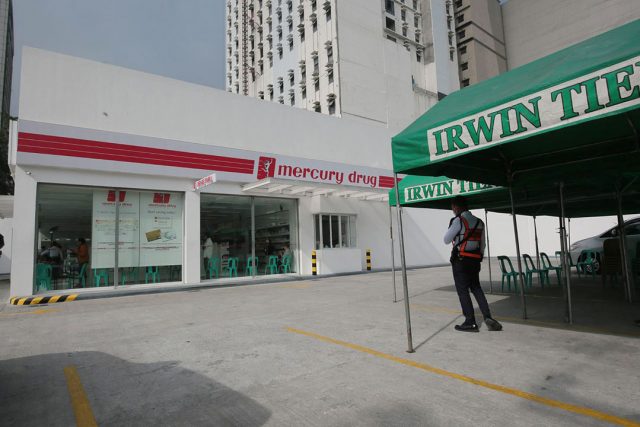
On Jan. 20, the country started booster vaccinations for coronavirus disease 2019 (COVID-19) in at least seven pharmacies and primary care clinics in Metro Manila.  

People 18 years old and older registered for booster shots at Mercury Drug, Generika Drugstore, Southstar Drug, The Generics Pharmacy, Watsons, and Ayala Healthcare’s clinics, namely, Healthway and Qualimed. The government announced that this initiative, called Resbakuna sa Botika, will be scaled up to include more pharmacies and clinics. 

The Pharmaceutical and Healthcare Association of the Philippines (PHAP), composed of providers of life-saving medicines and vaccines across the supply chain, welcomes and supports measures that will widen access to COVID-19 therapies and vaccines. 

This undertaking by the Inter-Agency Task Force (IATF), announced by vaccine czar Carlito G. Galvez, Jr. and Vivencio B. Dizon, deputy chief implementer of the country’s pandemic plan, last week, will be crucial as the country confronts a surge of cases due to Omicron among other SARS-COV-2 variants. The World Health Organization has consistently said that vaccines prevent people from getting seriously ill or dying from COVID-19. 

The rollout of COVID-19 vaccines in private retail pharmacies and primary care clinics was one of the recommendations we have advocated to enable faster roll-out. Under Department of Health Administrative Order 2020-0017, drugstores may conduct “other additional activities but may require appropriate regulation or be handled on a case-to-case basis,” but should properly apply for variation of their License to Operate. 

With the government centrally procuring vaccines, the inventory may be shared with retailers and clinics, multiplying the available number of vaccination sites in the country. Pharmacies and primary care clinics could augment vaccination efforts by local government units affected by the current COVID-19 surge. This move will help decongest current vaccination sites, and reduce the waiting time for the people. Since pharmacies and clinics are also strategically located in cities and provinces, individuals won’t need to travel far. 

Pharmacies and private clinics participating in this effort must conform to government standards as vaccines require strict temperature handling and storage, among others. There are specific requirements under Food and Drug Administration Advisory 2017-131, including: qualification of the person administering the vaccine; dedicated space for the activity; sanitation; compliance to good distribution and storage practices, in particular, cold chain requirements; patient counseling; and monitoring and reporting of adverse events following immunization. 

Professionals administering the vaccine must also be trained in administering, monitoring of adverse events, counseling, and proper disposal. Like other healthcare professionals, pharmacists have been serving as frontliners, extending their commitment and services in hospitals, clinics, drugstores and pharmaceutical companies. Under the Pharmacy Law, administration of adult vaccines by duly trained pharmacists in licensed drugstores is permitted. In fact, pharmacists have been training on immunization even prior to the pandemic. Pharmacies have been sites for adult flu and pneumococcal vaccination.  

Overall, Resbakuna sa Botika will help the country achieve its target of vaccinating 90 million Filipinos, as well as in providing boosters to the eligible adult population. 

This new framework may be expanded to other COVID-19 therapies with Emergency Use Approval (EUA). In an interview with The Chiefs on One News, PHAP Chairman Dr. Beaver Tamesis said that making COVID-19 therapies available in pharmacies and clinics would be “democratizing” access to these life-saving interventions. Easy access to these COVID therapies will help save more lives, improve home care management, as well as reduce the risk of hospitalization and burden on the healthcare system.


Teodoro B. Padilla is the executive director of Pharmaceutical and Healthcare Association of the Philippines (PHAP), which represents the biopharmaceutical medicines and vaccines industry in the country. Its members are at the forefront of research and development efforts for COVID-19 and other diseases that affect Filipinos.

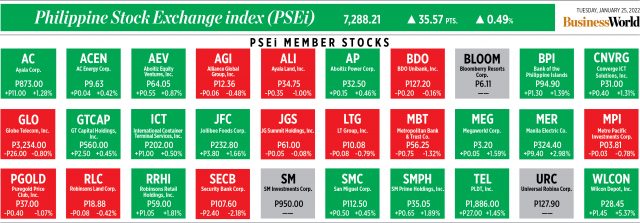
How PSEi member stocks performed — January 25, 2022

Here’s a quick glance at how PSEi stocks fared on Tuesday, January 25, 2022.


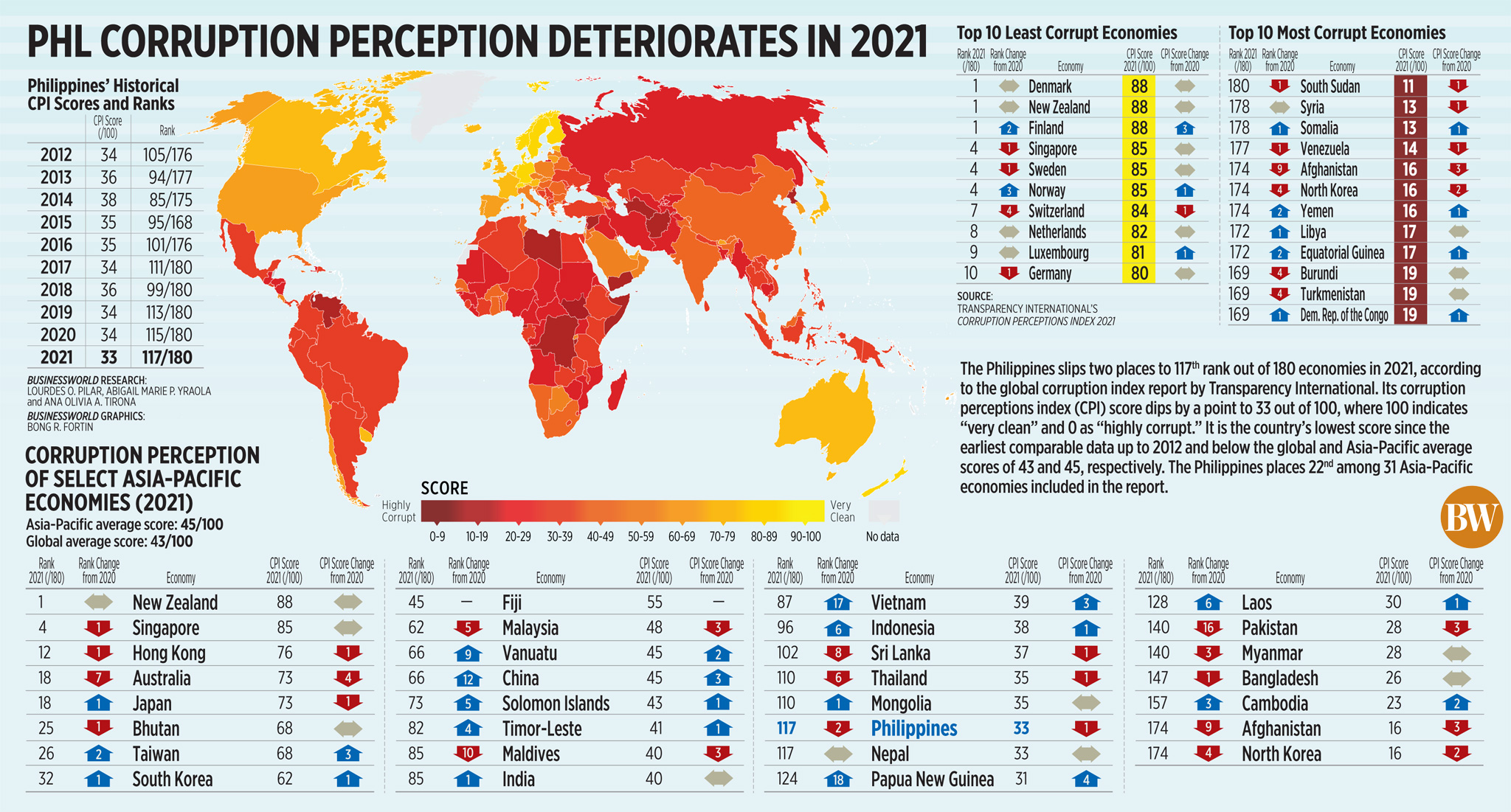
PHL corruption perception deteriorates in 2021

THE PHILIPPINES slumped to a historic low in a global corruption index released by Transparency International, which noted the “sharp” decline in freedom of expression under the Duterte administration that made it difficult for citizens to speak up against corrupt activities. Read the full story.

PHL corruption perception deteriorates in 2021

DoE solicits green energy bids for 2,000 MW

AMERICAN PUBLIC POWER ASSOCIATION-UNSPLASH

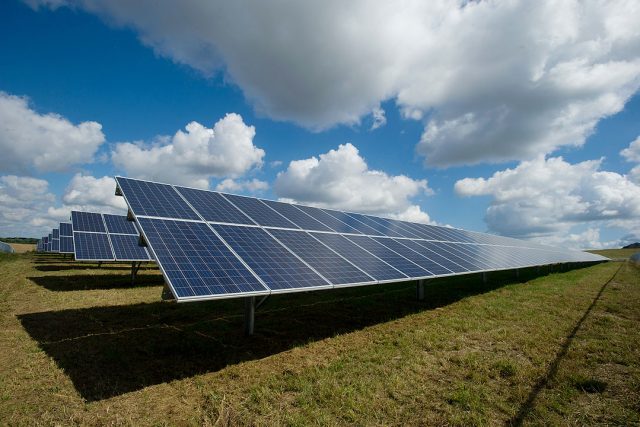
THE Department of Energy (DoE) said it is inviting companies to supply 2,000 megawatts (MW) of renewable energy (RE) in the first round of its Green Energy Auction Program (GEAP).

In a Notice of Auction released on Tuesday, the DoE said the power will be supplied to Luzon, the Visayas, and Mindanao at the following volumes: 1,400 MW, 400 MW, and 200 MW respectively.

For Luzon bidders, the total capacity for auction is 900 MW of solar energy, 360 MW wind, 80 MW hydro power and 60 MW biomass.

The breakdown for the Visayas is 120 MW biomass, 260 MW solar, and 20 MW wind. For Mindanao, the target volumes are 100 MW solar, 50 MW biomass, and 50 MW hydro.

The GEAP aims to boost RE as a source of energy, with RE generators participating in an auction for their output.

The auction will be administered by the DoE’s Green Energy Auction Committee.

RE facilities are deemed eligible if they have been in operation and were built in compliance with the RE law. They must have no legal issues and have no power purchase agreements or power supply agreements with any distribution utility (DU) that may conflict with the agreed delivery dates.

The GEAP features the Green Energy Tariff, which influences the commercial value of power generated from qualified RE facilities, and sets a benchmark price for DUs under an Opt-in Mechanism.

With the Opt-in mechanism, the DU can procure power from the GEAP pool of winning bidders to reduce Feed-in Tariff-All charges to the end-users.

The rules also require the DoE to design an auction specific to geothermal and impounding hydropower facilities participating in the bid.

“The DoE has determined that the competitive bidding process under the GEAP is one of the best ways to accelerate the development of renewable energy systems and the promotion and commercialization of its applications, encourage free and active private sector participation and investment in all energy activities, and provide adequate capacity to meet demand, including reserve requirements,” according to the guidelines.

The government is targeting a 35% RE share of the energy mix by 2030. — Marielle C. Lucenio

PEZA, other IPAs bat for RCEP treaty approval

INVESTMENT PROMOTION agencies (IPAs) including the Philippine Economic Zone Authority (PEZA) said the Senate needs to ratify the Regional Comprehensive Economic Partnership (RCEP) trade agreement, citing the need to participate in the bloc in order to better integrate the Philippine economy with those of major trading partners.

PEZA, the Authority of Freeport Area of Bataan, the Aurora Pacific Economic Zone and Freeport Authority, the Clark Development Corp., the Cagayan Economic Zone Authority, the John Hay Management Corp., the Poro Point Management Corp., the Regional Board of Investments-Bangsamoro Autonomous Region in Muslim Mindanao, the Subic Bay Metropolitan Authority, the Subic-Clark Alliance for Development Council, and the Zamboanga City Special Economic Zone Authority issued a statement on Tuesday batting for ratification of the RCEP treaty.  

“The RCEP Agreement promotes greater openness, creates a more business-friendly environment, encourages closer integration of economies, and provides a more stable and predictable rules-based system of trade,” they said.

On Sept. 2, President Rodrigo R. Duterte signed the RCEP agreement, which is now awaiting the Senate’s concurrence.

The trade agreement took effect on Jan. 1 this year and is now in force with members Brunei, Cambodia, Laos, Singapore, Thailand, Vietnam, Australia, China, Japan, and New Zealand. On Feb. 1, South Korea is also set to implement the trade deal.  

The Senate has until Feb. 4 to ratify RCEP before the chamber takes a break for the election campaign.

According to the investment promotion agencies, the Philippines cannot afford to delay its participation, or to stay away from the trade deal, because other countries in the region which are members will be deemed more attractive investment destinations.  

 “In this respect, the Philippines’ immediate participation in RCEP is important as it will allow firms in the country, particularly those geared towards exports, to benefit from the lowering of trade barriers, and improved market access for goods and services in fourteen export destinations,” they said.

They said RCEP will benefit Philippine companies by lowering import tariffs, making imported raw materials cheaper. The treaty is also expected to improve the business environment by making trading rules more transparent and friction-free.

“The RCEP region remains a strong bastion of economic activity and opportunity as trade and investment shift to Asia. Thus, given the extent of economic activity in the region, the Philippines cannot afford to delay or not participate in this free trade deal when all our neighbors in Southeast Asia are reaping the advantages of the agreement,” they said.

Separately, the Tuna Canners Association of the Philippines (TCAP) and the Canned Sardines Association of the Philippines (CSAP) also batted for Senate concurrence, saying that the trade deal will benefit their industries.  

TCAP and CSAP Executive Director Francisco Buencamino said in a statement that participation in the RCEP will give the industries equal footing with Indonesia, Thailand, Vietnam, and Malaysia.

“The canned tuna industry stands to gain from RCEP via the expected increase in domestic demand resulting from the improved economic performance of key sectors such as manufacturing, the service sector and even agriculture due to access to markets as well as investment,” Mr. Buencamino said.  

“A growing export base for the sardine industry will help keep prices for the domestic market more manageable and allow the category to continue to grow. The industry and its suppliers provide direct employment to at least 80,000 to 100,000 workers and impact around 500,000 individuals directly,” he added.

In a statement, the Japanese Chamber of Commerce and Industry of the Philippines, Inc. (JCCIPI) also called for RCEP’s ratification.

“The ratification of the RCEP would provide an immense boost to the country’s economic activity and further strengthen the intra-region free trade system, especially as a recovery mechanism from the impact brought by the pandemic which has made international cooperation on trade more important than ever,” JCCIPI said. — Revin Mikhael D. Ochave

Building materials wholesale price growth up 5.4% in Nov.

Workers are seen mixing cement at a construction site in Quezon City, May 19, 2020. — PHILIPPINE STAR/ MICHAEL VARCAS

WHOLESALE PRICE growth of building materials in the National Capital Region (NCR) hit a nearly three-year high in November, the Philippine Statistics Authority said.

The Construction Materials Wholesale Price Index (CMWPI) for Metro Manila grew 5.4% year on year in November, against 4.7% print in October and 0.8% in November 2020.

It was the highest growth rate since December 2018, when the CMWPI rose 5.7%.

The index reflects large purchases by major construction companies and property developers, and serves as a leading indicator for future activity by those industries.

In the year to date, growth in the Metro Manila CMWPI averaged 3.0%, against the year-earlier expansion of 1.3%.

November growth was led by the prices of fuels and lubricants, which accelerated to 38.3% year on year from 33.3% in October; concrete products and cement (3.0% from 1.2%); plumbing fixtures and accessories/waterworks (1.8% from 1.1%); plywood (2.6% from 2.1%); reinforcing and structural steel (8.8% from 8.4%); electrical works (7.2% from 6.9%); sand and gravel (3.0% from 2.7%); and doors, jambs and steel casements (2.5% from 2.3%).

Year-on-year price growth slowed down in hardware (2.6% from 2.8%); lumber (2.8% from 3.1%); and tileworks (minus 1.8% from minus 0.1%).

“Primary factors… would have been the looser restrictions due to lower infections before the 2021 holidays and the general perception that it was now safer to go out, supporting more demand particularly construction-related products and services,” UnionBank of the Philippines, Inc. Chief Economist Ruben Carlo O. Asuncion said in an e-mail.

“The reduced restrictions (allowed builders) to buy and push through with construction plans. This may also be true not only for retail sales, but more so for wholesale ones involving bigger construction projects,” Mr. Asuncion added.

Metro Manila and its surrounding areas were under general community quarantine (GCQ) Alert Level 3 between Nov. 1 and 15. The GCQ was eased to alert level 2 between Nov. 15 and 30, during which the coronavirus disease 2019 (COVID-19) Omicron variant was first detected.

Mr. Asuncion expects CMWPI growth in December to be higher, then slowing down in January.

“(T)his will be short-lived and may unfreeze come February especially if the government eventually shifts to Alert Level 2 (from Alert Level 3) with the decline of the Omicron surge in the NCR,” Mr. Asuncion added. — Ana Olivia A. Tirona

Small fishermen urge government to enforce poaching laws

PHILSTAR

AN ASSOCIATION of small fishermen, Pambansang Lakas ng Kilusang Mamamalakaya ng Pilipinas (PAMALAKAYA), said the government needs to enforce poaching in order to deter illegal exploitation of Philippine fisheries.

“Foreign fishermen are taking all our fish, especially in areas like the West Philippine Sea. It is an insult that we have to import fish from abroad when it comes from our own waters,” PAMALAKAYA Vice Chair for Luzon Bobby C. Roldan said in a statement.

He said fish being imported from China and Vietnam, primarily galunggong (round scad) and mackerel, were likely taken from Philippine waters.

“We are most likely importing balikbayan (returnee) fish. We are fully aware that the countries where we are going to import fish from are the same countries that frequent our territorial waters in the West Philippine Sea. This is an insult to us as an archipelagic country as we might be importing fish that came from our very own fishing grounds,” Mr. Roldan added.

Mr. Roldan, a Zambales fisherman, said galunggong is mostly caught in the West Philippine Sea and off Batangas, Mindoro, and Palawan.

PAMALAKAYA also called for price controls to stabilize rising fish prices.

“At P250 per kilogram retail price, galunggong is no longer a ‘poor man’s fish.’ This unreasonable pricing is mainly caused by government’s failure to regulate private fish traders who secure their profits by jacking up the wholesale prices and eventually push up retail prices to unaffordable levels,” the organization’s Chairman Fernando L. Hicap said in a statement.

“The unregulated middleman system in the fish trade results in manipulation of farmgate and market prices which are detrimental to small fishers and ordinary consumers,” he added.

Mr. Hicap proposed that instead of imports, the Department of Agriculture should directly procure from fisherfolk and set a standard retail price.

“Instead of imports, which are harmful to the fishing industry, the government should intervene by imposing a price ceiling on fish that (is) reasonable and beneficial to local producers, retailers, and consumers. This effort would preempt greedy wholesalers and traders from manipulating the price of galunggong and other fishery products that serve as primary protein sources for many Filipinos,” Mr. Hicap said.

On Jan. 17, the DA said it had issued certificates of necessity to import 60,000 metric tons of small frozen pelagic fish, in order to ease rising prices and augment supply in typhoon-hit areas. — Luisa Maria Jacinta C. Jocson

House Bill regulating hire motorcycles wins second reading passage

PHILSTAR

A BILL setting registration requirements and safety parameters for motorcycles for hire was approved on second reading by the House of Representatives on Tuesday.

House Bill 10571 or the proposed Motorcycles-For-Hire Act gives the Department of Transportation (DoTr) to regulate the industry, including setting guidelines for which types of motorcycle are eligible for hire, according to proceedings of the chamber’s plenary session.

The bill gives the Land Transportation Office the authority to determine whether motorcycles are roadworthy.

Meanwhile, the Land Transportation Franchising and Regulatory Board (LTFRB) and local government units, will have the authority to issue hire-motorcycle franchises in cities, with the numbers to depend on a route plan to be developed by the DoTr.

The measure also gives the LTFRB the power to set fares and other fees operators can charge.

A Senate counterpart bill was approved last year at the committee level and is awaiting second-reading approval. — Jaspearl Emerald G. Tan