Home Blog Page 4943

Five-star luxury awaits guests, residents at Torre Lorenzo’s properties in Davao Region
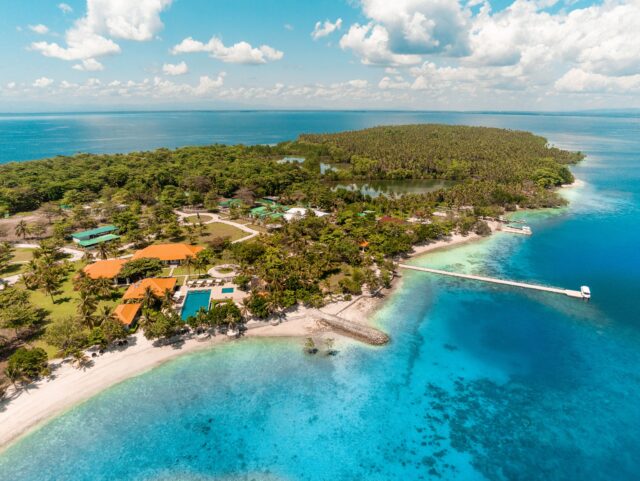
Dusit Thani Lubi Plantation Resort is TLDC’s flagship leisure development in Davao de Oro with 5-star villas where guests can enjoy a unique luxury island experience.

TLDC’s current and soon-to-rise properties are set to bring luxurious experiences to Mindanao.

Davao’s beauty is irrefutable. Its emerald slopes, white-sand beaches, and the looming presence of majestic Mt. Apo, the country’s highest peak, make the province a traveler’s dream destination. On top of these is a vibrant culture and locals who, though warm and friendly, are fiercely proud of their unique heritage.

Despite its wealth of attractions, the region remains largely underrated and under the tourist radar.

But times are changing; Davao Region is quickly becoming an emerging travel destination. And Torre Lorenzo Development Corporation (TLDC) is quick to realize the region’s potential when it comes to business and tourism.

“Davao is one of the top growth regions of the Philippines and we already identified it way before 2016. We already knew that Davao was going to grow because the flights were always full. We would come here for our other businesses, and we realized Davao was ready for a five-star development,” shared Tomas P. Lorenzo, CEO of Torre Lorenzo Development Corporation in an interview with The Philippine STAR.

He added that Davao has a “healthy mix of people,” citing that the whole region has people who can afford luxury, those with relatives living abroad coming home for a vacation, and foreign visitors with international flights already streaming in.

Now, Davaoeños and visitors alike have three upscale accommodations from which to choose.

Dusit Thani Residence Davao and dusitD2: Oases in the heart of Davao City
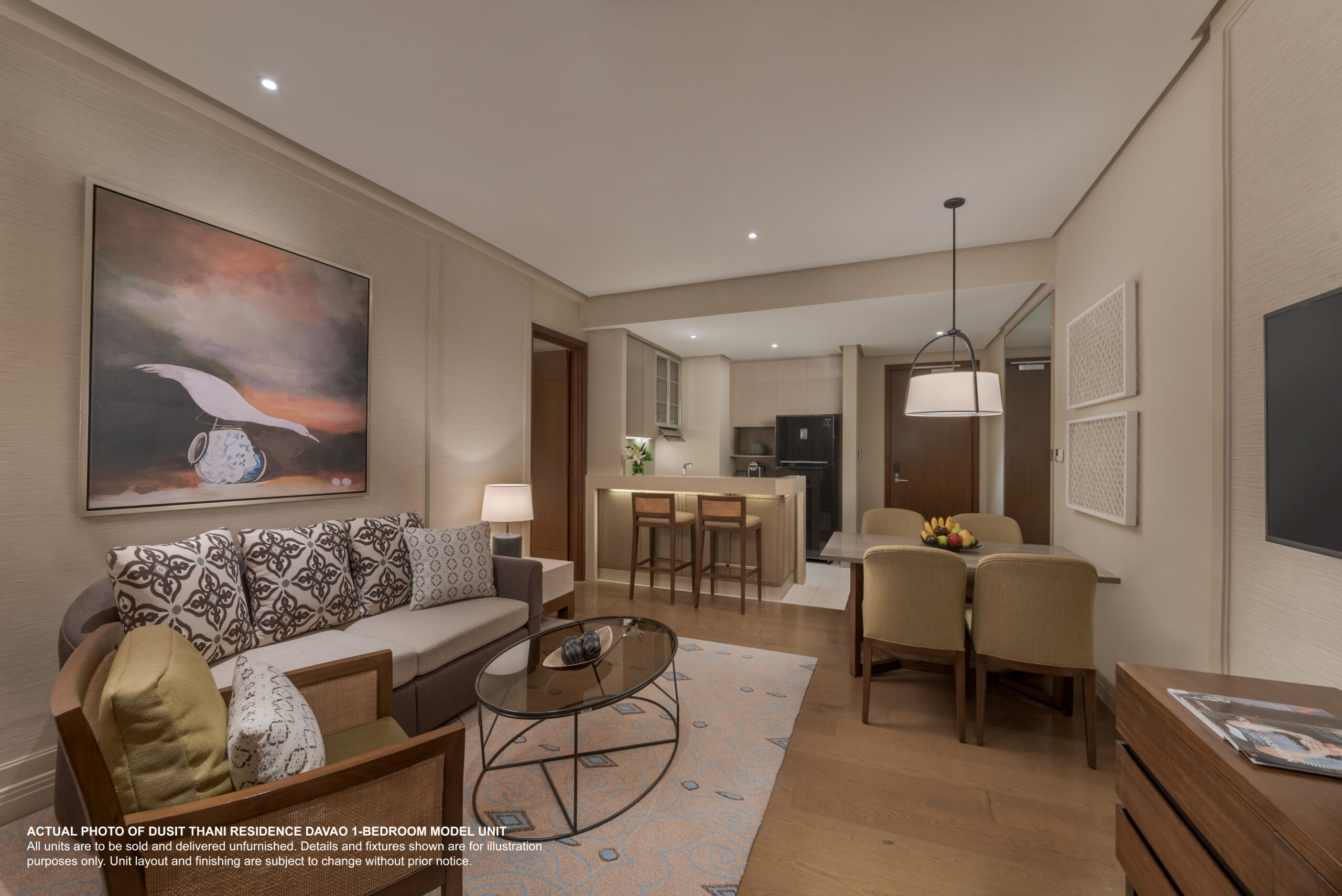
Experience luxury resort living at the heart of Davao City at Dusit Thani Residence Davao with its well-appointed units and premium amenities.

Comfort, convenience, and style are the hallmarks of these modern hotels in Davao City. Both dusitD2 and Dusit Thani Residence are only a 10-minute drive to Francisco Bangoy International Airport, with easy access to the new central business district and convention center, as well as golf and country clubs, malls, and parks.

These are ideal places to book when in the city, whether you’re a business or leisure traveler. They boast rooms and suites that are each fitted with sleek contemporary comforts, ensuring guests will have a most relaxing and secure stay.

Dusit Thani Residence Davao is also for investors who want to have their own Dusit-branded residential unit to diversify their property portfolio beyond end-use.

Unit owners and guests at the Residence will enjoy the additional conveniences of having a dining room, modern kitchen with a built-in oven, induction stove, range hood, dishwasher, an elegant bath with a free-standing tub, a wardrobe closet with a full-length mirror, and a flat screen IPTV.

Views from the Residence’s private balconies are also something to look forward to, with sweeping landscape and seascape views of Davao Gulf and Mt. Apo.

Guests are given access to a full range of health and wellness services, a fully equipped gym and spa, and a 24-hour concierge.

They have upscale dining options, too, with the in-house all-day restaurant Madayaw Café, Dusit Gourmet, Benjarong Thai specialty restaurant, and the Siam Lounge, Davao’s newest “it” place.

Dusit Thani Lubi Plantation: Davao de Oro’s hidden paradise
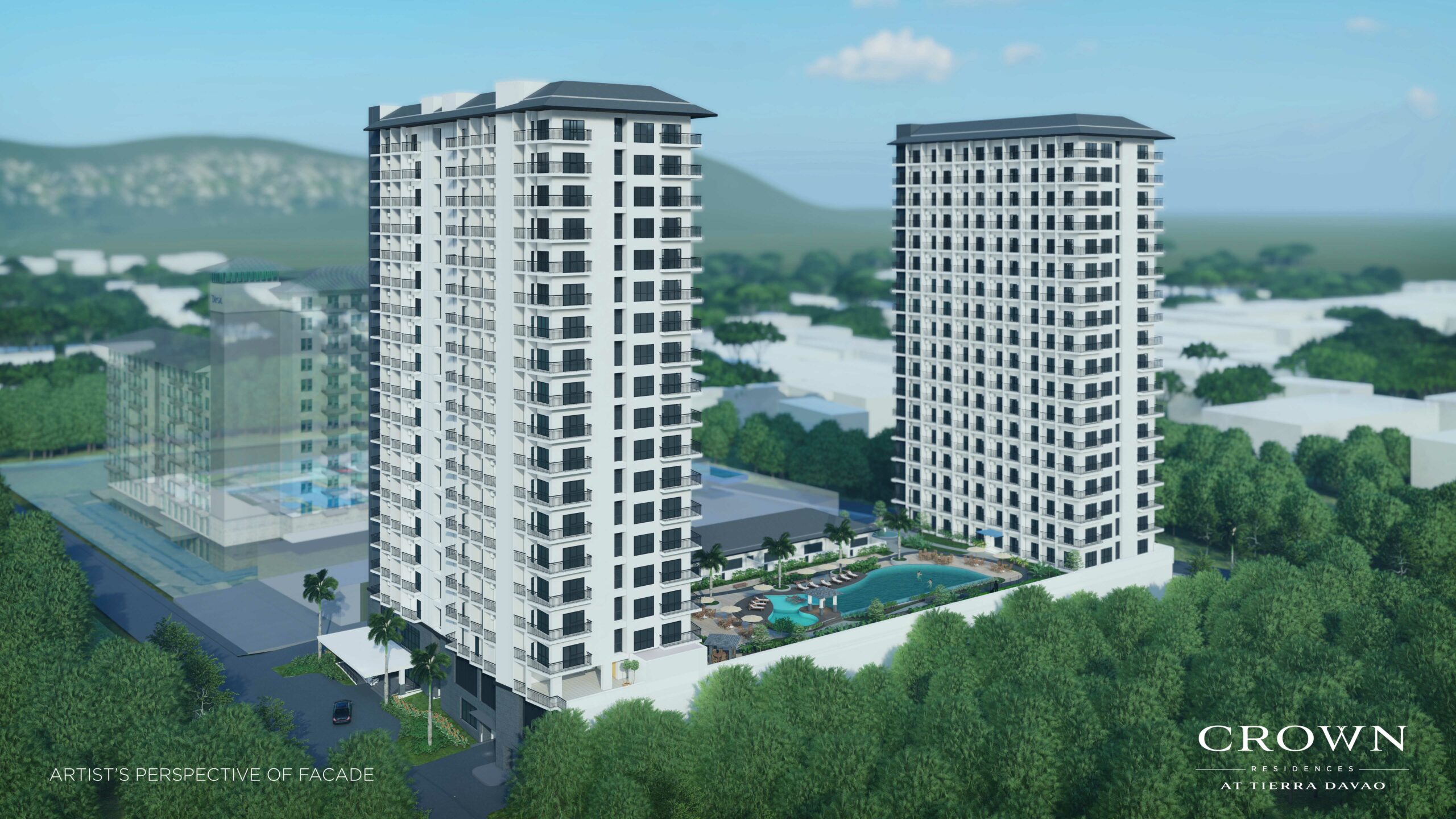
Located in its integrated-use development Tierra Davao, Crown Residences is thoughtfully-master-planned to be in the same vicinity as dusitD2 Davao hotel and Dusit Thani Residence Davao, which is a mere minutes’ drive to the airport, and commercial and business districts.

A 40-minute high-speed boat ride away from Dusit Thani Residence and dusitD2 is a little-known island blessed with endless rows of coconut trees, white-sand shores, and almost a year-long dose of sunshine.

Called Lubi, this tiny, unassuming oasis in the middle of Davao Gulf holds one of Southern Mindanao’s most luxurious getaways.

“Dusit Thani Lubi is actually, believe it or not, an amenity of the two Dusit properties in Davao City,” Lorenzo shared. The resort is TLDC’s flagship project in Davao de Oro.

“When we decided to do the Dusit projects in Davao City, we needed a resort component. People will come to Davao; they want to go to the beach. So, I give them a five-star resort where they can go overnight and even for a day and they are treated with a five-star experience,” he explained.

True to his word, guests of Dusit Thani Lubi Plantation could expect no less than a five-star vacation. Nestled on an island paradise surrounded by clear, calm, and turquoise waters and blessed with both sunrise and sunset views, the resort is the luxury accommodation of your dreams.

A step out of the boat and into the dock immediately transports visitors from the mundane to the extraordinary, from reality to almost like a dreamlike state.

Dusit Thani Lubi Plantation’s design is inspired by the renowned architect Geoffrey Bawa, the principal force behind what is today known as “tropical modernism.” It is also the only resort on the island, ensuring visitors the peace and privacy they seek for a perfect vacation.

Guests get to stay at seafront villas that come with an alfresco tub surrounded by lush gardens, and a private terrace and pool overlooking Davao Gulf.

The resort has first-class facilities including a fully equipped gym, tennis court, e-games, billiards, a giant chess board, mini golf, and recording studio.

For dining, they have delectable local and international options: Tarictic Grill, which serves Filipino dishes; Burger Bar at The Mill, which offers American and other Western cuisines; and Ga-ti Thai Restaurant.

The luxury villa experience embodies Dusit’s distinct brand of Thai-inspired, gracious hospitality blended with the warmth and friendliness of Filipinos for a truly unique and memorable resort experience.

Chefs on Tour: Bringing the best of Manila’s food scene to Davao
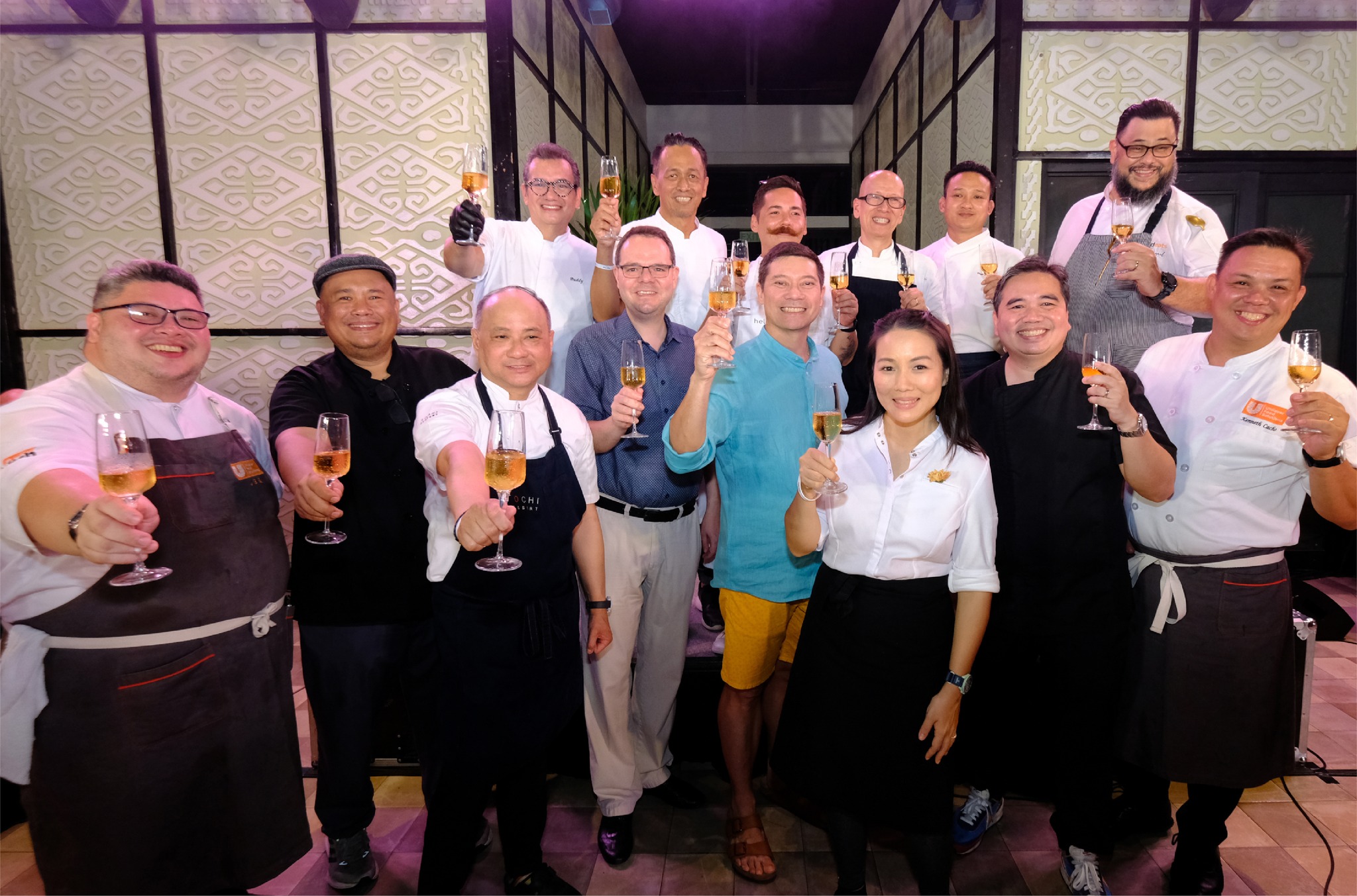
Tomas Lorenzo and Christoph Kuch (middle) with eleven of the country’s best chefs and Dusit’s very own Executive Chef in a one-time culinary showcase at the Dusit Thani Lubi Plantation Resort.

Part of Lorenzo’s goal to bring luxury to Davao’s shores is “Chefs on Tour” which brought together 11 of Manila’s best chefs to dusitD2 and Dusit Thani Lubi Plantation for a two-night exclusive, upscale dining event last April 13 and 14.

Top chefs Sau del Rosario, Tatung Sarthou, James Antolin, Tom Bascon, Carlo Miguel, Josh Boutwood, Gilbert Pangilinan, Kenneth Cacho, J Brando Santos, Buddy Trinidad, Jackie Ang Po, and Thai chef Piya Suthasiri of Dusit Hotels and Resorts Davao, with their respective teams, treated guests to a fine dining experience like no other.

The chefs had their own station where they showcased their artistry and expertise by crafting a specialty fusion dish right before the very eyes of tantalized guests.

On the menu were: Chef James’ Ikumai Tuna Taco, chef Sau’s Roasted Veal Bone Marrow, chef Buddy’s Double Chocolate Hazelnut Brownie, chef Josh’s Hamachi Tartare, chef Tom’s Tuna on Nori Crackers, chef J Brando’s Birria Taco, chef Jackie’s Apple Religieuse, chef Tatung’s Patotim Bao, chef Carlo’s Braised US Angus Short Ribs, chef Kenneth’s A Mi, chef Gilbert’s Aklan Oyster and Bicol Uni Aburi, and chef Piya’s Smoked Quail.

Through the event, TLDC wanted guests to experience that they don’t simply offer developments, but a complete high-end lifestyle.

Tierra Davao: Dynamic yet intimate residential spaces

Located within the integrated-use development Tierra Davao, Crown Residences is Torre Lorenzo’s first premium residential development in Davao City. Present during the showroom groundbreaking ceremony are: (L-R) Mae Valdez, Area Sales Head for VisMin; Cathy Casares-Ko, TLDC Chief Operations Officer; Tomas P. Lorenzo, TLDC Chief Executive Officer; Belinda Reyes, Partner; Jennifer Umali, TLDC Chief Finance Officer

Lorenzo is a visionary, always thinking way ahead, well into the future. That explains why his projects for Davao Region won’t stop with the existing Dusit properties.

“Dusit Thani Residence and dusitD2 are only two components of a five-component integrated-use development,” he explained.

Called Tierra Davao, once completed, it will be a Php 3.2 billion integrated-use development with two residential towers called the Crown Residences, and the Crest Residences, a future office and commercial towers, anchored by the dusitD2 Hotel and Dusit Thani Residence.

The next project that will add to Davao City’s changing skyline by 2028 will be Crown Residences. Located in the same vicinity as the two Dusit properties, the 21-story premium residence will be a low-density development with a total of 322 units consisting of studio, one-bedroom, and two-bedroom units.

Floors will only have 19 units each, ensuring the privacy of guests. Each unit will have a private balcony with breathtaking views of Davao Gulf.

Envisioned to bring a new level of living in Davao City, Crown Residences will have 40 percent of its total space designated as open to support the physical and mental well-being of residents.

Its exclusive amenities include a yoga and meditation garden, jogging path, swimming pool, children’s playground, fitness center, and function rooms. The development is also pet-friendly, it will have a dedicated pet park where furbabies can saunter about.

Expanding its portfolio

TLDC has been known for its university residences and condominiums in Metro Manila, but they have started expanding their portfolio, especially with their ongoing projects outside the metro.

“We’re doing developments which are multi-building, integrated-use outside of NCR. Example is in Lipa, Batangas where we have two condominiums and one Dusit Princess Hotel coming up,” he shared.

Lorenzo said that they’ve expanded their focus because provinces allow TLDC to have a “bigger footprint and a nice integrated-use development.”

“We always try to think out-of-the-box. We don’t follow what other people are doing. Proof of that is this, we put up a five-star hotel here (Davao City) and to make it more incredible is we put up a five-star resort there (Lubi) and people are coming.” — Johanna L. Añes-De La Cruz


Spotlight is BusinessWorld’s sponsored section that allows advertisers to amplify their brand and connect with BusinessWorld’s audience by enabling them to publish their stories directly on the BusinessWorld Web site. For more information, send an email to online@bworldonline.com.

Join us on Viber at https://bit.ly/3hv6bLA to get more updates and subscribe to BusinessWorld’s titles and get exclusive content through www.bworld-x.com.
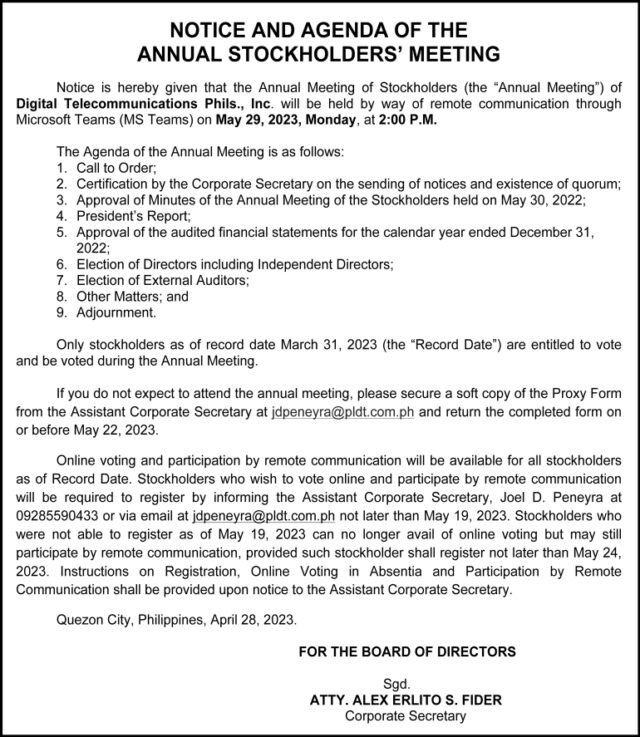
Digitel Telecommunications Phils., Inc. announces annual stockholders’ meeting on May 29


Spotlight is BusinessWorld’s sponsored section that allows advertisers to amplify their brand and connect with BusinessWorld’s audience by enabling them to publish their stories directly on the BusinessWorld Web site. For more information, send an email to online@bworldonline.com.

Join us on Viber at https://bit.ly/3hv6bLA to get more updates and subscribe to BusinessWorld’s titles and get exclusive content through www.bworld-x.com.

Ed Sheeran did not violate ‘Let’s Get It On’ copyright, US jury finds

NEW YORK – Ed Sheeran’s 2014 hit “Thinking Out Loud” did not unlawfully copy from Marvin Gaye’s classic 1973 song “Let’s Get It On,” a jury decided on Thursday in a closely watched copyright lawsuit – a verdict that the British pop star said would help protect the creative process for song writers in the U.S. and globally.

The jury in Manhattan federal court determined that heirs of “Let’s Get It On” songwriter Ed Townsend had not proven that Sheeran, his label Warner Music Group and his music publisher Sony Music Publishing had infringed their copyright interest in Mr. Gaye’s song. Mr. Sheeran hugged his attorneys in the courtroom after the verdict was read.

“It’s devastating to be accused of stealing someone else’s song when we’ve put so much work into our livelihoods,” Mr. Sheeran said outside the courthouse following the verdict.

“I want to thank the jury for making the decision that will help protect the creative process for song writers here in the United States and all around the world,” Mr. Sheeran added.

The verdict came after six days of trial and less than three hours of jury deliberations.

Mr. Townsend’s heirs sued Sheeran for copyright infringement in 2017, contending that “Thinking Out Loud” copied the “heart” of Gaye’s song including its melody, harmony and rhythm. Mr. Sheeran’s attorneys argued that any similarities between the songs involve basic musical “building blocks” that cannot be copyrighted.

The plaintiffs asked for a share of the profits from “Thinking Out Loud.” The heirs said in a court filing that they received 22% of the writer’s share of Mr. Gaye’s song from Mr. Townsend.

“I’m just a guy with a guitar who loves writing music for people to enjoy. I am not and will never allow myself to be a piggy bank for anyone to shake,” Mr. Sheeran said after the verdict.

PLAYING A CHORD PROGRESSION

Testifying during the trial, Mr. Sheeran denied the copyright infringement claims, telling the jury, “I find it really insulting to devote my whole life to being a performer and a songwriter and have someone diminish it.”

Mr. Sheeran on the witness stand played the chord progression to “Thinking Out Loud” and sang the opening words: “When your legs don’t work like they used to.” Mr. Sheeran testified that his friend and collaborator Amy Wadge first started strumming the chords for the song during a visit to his home in England, and that they collaborated on the lyrics.

Ben Crump, a lawyer representing the heirs, told jurors that Sheeran effectively confessed to ripping off Mr. Gaye’s song when he performed it live in concert as a medley with “Thinking Out Loud.”

Mr. Sheeran testified that singers frequently perform such “mash ups,” and that he had on other occasions combined his song with Van Morrison’s “Crazy Love” and Dolly Parton’s “I Will Always Love You.”

Juror Sophia Neis, 23, told reporters afterward that there had been “a lot of back and forth” in the jury room before the panel made its decision.

Lawyers for Mr. Townsend’s heirs did not immediately respond to a request for comment after the verdict.

Mr. Gaye, who died in 1984, collaborated with Mr. Townsend, who died in 2003, to write “Let’s Get It On,” which topped the Billboard charts. Mr. Sheeran’s “Thinking Out Loud” peaked at No. 2 on the Billboard Hot 100 in 2015.

Two similar lawsuits are pending against Sheeran in Manhattan, brought by investment banker and “Bowie Bonds” creator David Pullman’s Structured Asset Sales LLC, which also owns copyright interests in Mr. Gaye’s song.

Mr. Pullman said after the verdict that he and his lawyers had learned from the trial.

“We’ll know what to expect,” Mr. Pullman said.

Mr. Pullman said one of his lawsuits in particular would be different because it involved a copyright on the recording of “Let’s Get It On,” rather than just the sheet music. Jurors in that case would be able to hear Mr. Gaye’s original hit, rather than the computerized rendition played in the now-completed trial, Mr. Pullman said.

Mr. Sheeran won a trial in London last year in a separate copyright case over his hit “Shape of You.” Mr. Gaye’s heirs won an important verdict in 2015 when a jury in Los Angeles agreed with the claims that the Robin Thicke and Pharrell Williams song “Blurred Lines” copied Gaye’s “Got to Give It Up.” – Reuters

Makati mayor says telehealth project to address doctor shortage, unburden health centers

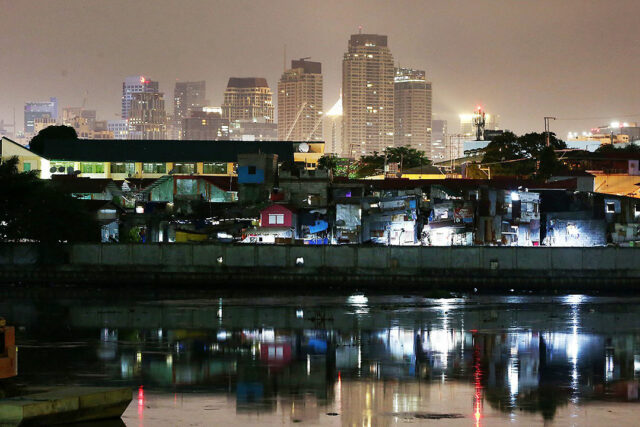
A VIEW of Makati City at night from across the Pasig River in Guadalupe, taken in May, 2020. — PHILIPPINE STAR/ MIGUEL DE GUZMAN

THE city government of Makati has tapped healthcare solution provider KonsultaMD to offer free online medical consultations to its employees and residents. 

The program will initially cover 10,787 city hall employees, the Makati City government announced on Friday.

The city government plans to expand the program to cover 144,943 residents this year.  The program aims to provide medical access to senior citizens, differently abled persons, bedridden patients, and those unable to visit healthcare facilities. 

“We will test our program with our employees in city hall, and then eventually we will open this up to our Yellow Card holders,” Makati City Mayor Mar-len Abigail S. Binay said during the partnership launch at the Makati City Hall.

“This is the solution to our shortage of doctors, and also to unburden our health centers,” she added.

 She also noted that this service works well with the city’s health centers and hospitals.

“We believe this partnership is a timely response for the growing demand for accessible and convenient and healthcare services,” Ms. Binay said.

“It can set a good example for other cities and organizations to follow, as we work together to overcome the challenges of the pandemic.”

KonsultaMD is an affiliate of 917Ventures, a wholly owned subsidiary of Globe Telecom, Inc.

The partnership is the first KonsultaMD project for a local government unit in Metro Manila.

Ernest L. Cu, Globe group president and chief executive officer, said that digital technology opens the door for Filipinos to have more access to different services.

“One of the most pressing needs is access to healthcare. There is one doctor for every 30,000 people,” he said at the partnership launch. 

“It’s worse if you’re in the far-flung areas. However, we do have 4G coverage in over 99% of the population – so if you have 4G, you should be able to access teleconsultation,” he added. — Patricia B. Mirasol

Inflation further cooled to 6.6% in April

Inflation cooled to 6.6% in April, as food prices eased. -- Photo by Edd Gumban, The Philippine Star

By Keisha B. Ta-asan, Reporter

Philippine annual inflation further slowed for a third straight month in April, as prices of food, transport, and utilities continued to ease.

This could bolster the case for the Bangko Sentral ng Pilipinas (BSP) to pause its tightening cycle at its policy meeting later this month.

Consumer prices rose by an annual 6.6% in April, from 7.6% in March but faster than 4.9% in April a year ago, preliminary data from the Philippine Statistics Authority (PSA) showed.

Headline inflation rates in the Philippines

The April print was the slowest in eight months or since the 6.3% print in August 2022. It was below the 7% median estimate in a BusinessWorld poll last week.
The headline figure settled within the BSP’s 6.3-7.1% forecast range for April.

April marked the 13th straight month that inflation breached the central bank’s 2-4% target range.

Month on month, inflation inched down by 0.2%. Stripping out the seasonality effects on prices, April’s inflation steadied at zero percent, month on month from March.
For the first four months of the year, inflation averaged 7.9%, higher than 3.7% seen a year ago.

Core inflation also slightly slowed to 7.9% in April, easing from the 8% in March which was the highest since the 8.2% print in December 2000.

At a press briefing, PSA Undersecretary and National Statistician Claire Dennis S. Mapa said food and non-alcoholic beverages were still the main source of the deceleration in inflation.

Prices of heavily weighted food and non-alcoholic beverages rose by 7.9% in April, easing from 9.3% in March. Still, this is significantly above the 3.8% in April 2022.

The food-alone index also decelerated to 8% in April from 9.5% the previous month. However, it quickened from the 4% from a year ago.

Mr. Mapa said the downtrend in food inflation was due to slower rise in prices of vegetables, tubers, plantains and cooking bananas (10% in April from 20% in March), fish and other seafood (7% from 9.9%), meat and other parts of slaughtered land animals (4.2% from 4.6%), and ready-made products (9.5% from 10%).

Price increases for corn; milk and other dairy products; oils and fats; as well as sugar, confectionery and desserts also slowed during the month.

However, higher annual increases were seen in rice (2.9% from 2.6%); and fruits and nuts (14.7% from 13%).

According to Mr. Mapa, rice inflation has been on the rise since February. Rice inflation went up to 2.9% in April from 2.6% in March and 2.2% in February.

“Given the current weather situation of the El Niño, food commodities are being threatened,” he said in mixed English and Filipino, adding that the PSA is closely monitoring the impact of El Niño on food prices.

Meanwhile, he also attributed the slower April inflation to decreasing costs for transport, housing and utilities.

PSA data showed inflation in transport slowed to 2.6% in April from 5.3% in March, and from 13% last year.

Housing, water, electricity, gas, and other fuels eased to 6.5% in April from 7.6% the prior month and 6.9% a year ago.

Bank of the Philippine Islands Lead Economist Emilio S. Neri Jr. said the deceleration of transport inflation is in line with the recent trend in global oil prices.

He noted US West Texas Intermediate rose to $79.45 in April amid the reopening of China, but this is still 22% lower than the levels in the same month last year.

Inflation for housing and utilities slowed mostly driven by lower electricity rates in April, Mr. Neri said. This is as Manila Electric Co. slashed the overall rate for a typical household by P0.1180 to P11.3168 per kilowatt-hour in April.

BOTTOM 30% INFLATION

Meanwhile, the inflation rate for the bottom 30% income households further slowed to 7.4% in April from 8.8% in March. Still, this is higher than the 5% in March 2022.

Bottom 30% inflation rate in the Philippines

Headline inflation in the National Capital Region also decelerated to 7.1% in April, from 7.8% in March. Areas outside of NCR also saw inflation ease to 6.5% in April, from 7.5% in the prior month.

All regions saw slower annual inflation in April.

National Economic and Development Authority (NEDA) Secretary Arsenio M. Balisacan said he is optimistic that the downward trend in inflation will continue.

“It is important to design policies and interventions to help those that will be affected by El Niño, through the provision of seeds or seedlings of non-water- loving crops or crop varieties. Additionally, the government must remain proactive in curbing animal disease outbreaks through stronger border protection and monitoring,” he said in a statement.

Finance Secretary Benjamin E. Diokno said the consistent slowdown in the inflation rate over the last three months shows that government measures in addressing inflationary pressures are “bearing fruit.”

“We are on track to managing inflation to within target sometime in the fourth quarter, if not sooner, and near the midpoint of the target range of 2-4% by next year,” Mr. Diokno said.

A PAUSE?

The Philippine central bank in a statement said April inflation is in line with its overall outlook that inflation will remain elevated before easing back to the 2-4% target range before end-2023.

The BSP sees full-year inflation averaging at 6% in 2023, before slowing to 2.9% next year.

However, risks to the inflation outlook “remains tilted heavily towards the upside” amid ongoing supply shortages, the impact of higher transport fares, increasing electricity rates, and above-average wages this year.

“The Monetary Board will consider the latest inflation outturn along with the upcoming GDP (gross domestic product) release for the first quarter in its meeting on May 18 as it remains committed to adjusting the monetary policy stance as necessary to prevent the further broadening of price pressures as well as the emergence of additional second order effects,” it said.

The Monetary Board has raised borrowing costs by 425 basis points since May last year, bringing the key policy rate to a near 16-year high of 6.25% to tame inflation.

BSP Governor Felipe M. Medalla earlier said the Monetary Board may consider a pause at the next policy meeting this month should inflation fall further in April.

“Today’s report increases the chances of a pause from the BSP at the 18 May meeting after month-over-month inflation was negative for a second month,” ING Bank N.V. Manila Senior Economist said in an e-mail.

“Slowing inflation and a relatively stable currency could be enough to convince Governor Medalla to bring his recent tightening cycle to an end,” he added.

However, second round effects, as evident in elevated core inflation, may take time to dissipate, BPI’s Mr. Neri said.

“Second round effects continue to exert inflationary pressure on certain items like restaurants, as reflected by core inflation. These establishments have raised their prices further as a response to the inflation seen in previous month,” he said.

Based on PSA data, inflation on restaurants and accommodation services rose to 8.6% in April from the 8.3% a month ago. Inflation for personal care (5.7% from 5.6%) and recreation (4.7% from 4.6%) also quickened.

“Even though headline inflation has gone down, price adjustments of these establishments may persist for a while as they continue to catch up with the higher cost of raw materials,” Mr. Neri said.

He said that restaurants and the services sector may still adjust their prices higher as consumer demand remains strong. Food also remains vulnerable to supply shocks.

“The BSP may justify a pause in its rate hikes considering the current path of headline inflation. However, we are not counting out another hike in the upcoming meeting since core inflation remains elevated,” he said, adding that persistent second round effects may require further tightening.

Mr. Neri also noted that there are uncertainties surrounding the tightening cycle of the US Federal Reserve.

The US Federal Reserve delivered a 25-bp rate hike at its policy meeting on Wednesday, as expected by financial markets. It has now raised borrowing costs by 500 bps since March last year, bringing the Fed fund rate to 5-5.25%.

Jollibee billionaires bet on online stock trading in Philippines

REUTERS

The Philippine billionaires behind Jollibee Foods Corp. and chicken BBQ chain Mang Inasal are betting that their next big thing could be in stock broking.

The duo, Tony Tan Caktiong and Edgar Sia, invested in DragonFi Securities Inc. to develop an online trading system as they sought to tap the explosion of retail investors that went online during the pandemic. With about 90% of their investments spent on technology and software-related manpower, they are hoping the platform can rival some of the biggest local online stock brokers.

Currently, about a third of the 125 brokers in the country offer online trading facilities. However, most of them do not provide customizable layouts. Existing dominant players are also mostly running on outdated technology, according to DragonFi CEO and co-owner Jon Carlo Lim.

“There is demand for a modern platform with advanced features and analytics” which can handle a spike in transaction volumes, Lim said in an interview. Its cloud-based system can also trade other assets and foreign markets, once allowed by regulators.

Online trading accounts have grown in recent years as traders seek more flexibility and control over their investments during the Covid era. Based on latest exchange data, they made up more than 70% of the 1.62 million stock trading accounts in 2021, compared to just 39% of the 773,187 accounts in 2016.

Gaining traction won’t be a done deal, though. Online stock brokers are dealing with regulatory and infrastructure challenges in making their trading platforms easily accessible to investors, according to John Gatmaytan, founder of online stockbroker Luna Securities. “The challenge is for infrastructure and structure to catch up at the soonest with the changing preference of investors,” he added.

Tan Caktiong is the founder of Jollibee, the Philippines’ top restaurant operator which outsells McDonald’s in the Southeast Asian country. Sia, who was born a year before Jollibee began in 1978, started Mang Inasal in 2003, which was acquired by Jollibee seven years later. The duo has since gone on to form another successful venture in DoubleDragon Corp., which built 1.2 million square meters of leasing portfolio in 10 years.

Given Philippines’ low stock value traded to market capitalization ratio of 12% compared to the world average of 37%, the pair expects plenty of upside for the stock broking firm. DragonFi will launch its platform on Monday and targets to handle P100 billion ($1.8 billion) in cumulative trading transactions in 24 months. — Bloomberg

BusinessWorld Economic Forum 2023 to explore digitally driven, sustainable future

The Philippines’ premier business event is back for another year. The award-winning annual BusinessWorld Economic Forum, happening this May 25 at Grand Hyatt Manila, will gather the Philippines’ biggest movers and shakers, policymakers, industry leaders, and executives to address the most pressing economic issues and chart the way forward for the country’s development.

This year’s forum, themed “The Digital Future: Accelerating Business and Sustainability,” will discuss how digital technology can build a more efficient, productive, and sustainable future. The event will feature a range of thought-provoking topics—including the role of technology in transforming industries; the potential of digital technology to address existing issues like food security; and how digital platforms, blockchain technology, and Web3 can help businesses become more efficient—all in an effort pave a more meaningful path for the Philippines moving forward.

From now until May 10, you can get 30% off your tickets when you register to this much-awaited gathering in the Philippine business community.

Register now at https://www.bworldonline.com/bwefthedigitalfuture/.

3 in 10 Filipino tourists still worry about COVID-19 — study

Tourists flock to surfing spots in Baler, Aurora during summer. — PHILIPPINE STAR/ MICHAEL VARCAS

THOUGH worries about the coronavirus disease 2019 (COVID-19) have waned across Southeast Asia, tourists from the Philippines admit having high levels of concern about the pandemic while travelling, according to a study.

The April 2023 study conducted by Singapore-based consumer research firm Milieu Insight found that three in 10 Filipino tourists still worry about COVID-19, exhibiting the highest level of concern in the region.

“Safety of travel and destination” is the number-one priority for Filipinos when travelling domestically, garnering 69% of respondents’ votes, the survey said. This is followed by “cost of the whole vacation” at 58% and “travel spots and sceneries” at 47%.

For Indonesians, Malaysians, and Thais, safety is their second priority. For Vietnamese, it is only the fifth.

Milieu Insight attributed the Philippines’ high level of concern to “rising cases in the country as reported by the Department of Health in the last week of April 2023.”

The weekly COVID-19 positivity rate in Metro Manila rose to 14.3% on April 27 from 9% on April 20, according to the OCTA Research Group.

STILL WILLING TO TRAVEL

The study found that tourists in the region have an overall positive view of travel, with about eight in 10 respondents keen to do so domestically.

About 85% of respondents also said they plan to embark on at least two domestic trips this year. The duration of travel per trip remains stable in all five markets, showing preference for three to four days per trip.

According to the study — which surveyed 2,500 working individuals aged 20-65 in Indonesia, Malaysia, Philippines, Thailand, and Vietnam — beach holidays remain most popular, with destinations known for beautiful beaches ranking first in each country.

Boracay in the Philippines, Bali in Indonesia, Da Nang in Vietnam, Sabah in Malaysia, and Phi Phi Island in Thailand are the top tourist spots that natives of those respective countries wish to visit.

For Filipinos, Baguio and Palawan are the next two destinations they would like to visit.

“From sightseeing to relaxing holidays, travel planners should consider that Southeast Asian travelers are drawn to activities that offer them opportunities to relax and unwind,” said Milieu Insight.

The 2023 study also found that, when planning holiday activities, tourists in the region prove to be foodies with about five in 10 planning a food travel experience.

“Food trip” is the number-one vacation activity for all markets except Thailand, which only has it as third.

Tourists in the Philippines have “swimming” as the second most popular activity, with around five in 10 respondents choosing it for their vacation to-do list. The third is “relaxing at a cafe or tourist spot”, garnering 44% of votes.

When it comes to comfort in booking flights, the national full-service air carrier Philippine Airlines was ranked first by Filipinos, with 76% saying they prefer it over the others. Next are Cebu Pacific at 67% and AirAsia at 49%. — Brontë H. Lacsamana

PHL bases could be ‘useful’ if Taiwan attacked – president

PHILIPPINE STAR/KRIZ JOHN ROSALES

WASHINGTON – Philippine President Ferdinand R. Marcos, Jr. said on Thursday that granting U.S. access to Philippine military bases was a defensive step that would be “useful” if China attacked Taiwan.

Marcos, speaking at the end of a four-day visit to Washington that included a summit with President Joe Biden and an agreement to update the countries’ nearly 72-year defensive alliance, did not respond directly when asked whether the United States could place weapons at the bases if China attacked Taiwan.

Marcos told Reuters the Enhanced Defense Cooperation Agreement (EDCA) reached with the United States in 2014 was originally conceived to improve disaster responses.

“Now there’s an additional aspect to it,” he said. “And that is … tensions across the Taiwan Straits seem to be continuing to increase. Then the safety of our Filipino nationals in Taiwan becomes of primordial importance.”

“And so these EDCA sites will also prove to be useful for us should that terrible occurrence come about,” he added, referring to an invasion of Taiwan.

A February agreement to allow the U.S. to use four additional Philippines military bases is highly sensitive for Manila, which wants closer military ties to the United States without alarming China, its largest trading partner.

China has said that decision was “stoking the fire” of regional tension.

Marcos said Washington “has not proposed any kind of action for the Philippines in terms of taking part in the defense of Taiwan.”

“It’s of a defensive nature and maybe a civil-defense nature, when I talk about the disasters and the evacuation of our Filipino nationals,” he said.

CONCERN ABOUT CHINA

Marcos came to Washington seeking clarity on the extent of Washington’s commitment to protect his country amid rising tensions in the South China Sea, where Manila and Beijing have rival claims, as well as tensions over Taiwan and North Korea.

The trip, which included the first White House visit by a Philippine leader in 10 years, marked a sharp change in tone from the administration of his predecessor Rodrigo Duterte, who turned the Philippines away from its old ally and sought closer ties with China.

Experts say the U.S., for its part, sees the Philippines as a potential location for weapons to counter a Chinese amphibious invasion of Taiwan, which China claims as its own territory.

U.S. Defense Secretary Lloyd Austin said after a meeting with Philippine officials last month it was “too early” to discuss what assets the United States would like to station at Philippine bases.

Speaking earlier on Thursday to a U.S. think thank, Marcos said he told China’s foreign minister that the EDCA sites were not intended for “offensive action”. He also said Washington had not asked the Philippines to provide troops if there were a war over Taiwan.

Biden said on Monday that the U.S. commitment to the defense of its ally was “ironclad,” including in the South China Sea, and that the guidelines issued on Wednesday laid out treaty commitments if either side were attacked in the South China Sea.

JOINT PATROLS TO START THIS YEAR

Marcos said that Manila had agreed in principle to joint South China Sea patrols with the United States, Australia, Japan “and even South Korea” and that he expected them to start this year. He said the patrols would help preserve freedom of navigation in the South China Sea, where China has a growing military presence.

He said Manila was also discussing a trilateral defense treaty with the United States and Japan. Marcos did not specify what that agreement would entail.

Marcos said the Philippines had “made a good start” in talks with China about contentious fishing rights.

“I explained to President Xi that last year was the first year in the entire history of the Philippines where we had to import fish, which is a ridiculous situation for a country that consists of 7,100-plus islands,” he said.

“I told President Xi … perhaps we can take the little step of allowing, once again, our fishermen to ply their trade,” he added.

Marcos also said his country and China needed to resolve disputes over oil and gas exploration as quickly as possible. — Reuters

Marcos dismisses criticism that his campaign played down family corruption

SCREENSHOT FROM THE KINGMAKER

WASHINGTON – Philippine President Ferdinand R. Marcos, Jr. dismissed criticism during an interview on Thursday that his presidential campaign played down the corruption and extravagance the Marcos family was known for during his father’s rule.

Marcos told Reuters at the end of a four-day visit to Washington that his country’s citizens could not continue to fight decades-old social battles.

“My opposition would try to bring up this old issue. But of course, we answer to the voting public and the voting public has given their very clear and loud response to that and that they are not worried,” he said.

“These are not the things that Filipinos feel we must be talking about,” he added. “We need to be talking about livelihoods, about jobs, about education, about the economy.

“A fractured society that continues to fight battles that are 45 years old is selling itself short because it’s the future that we’re worried about, not the past.”

During his campaign, critics said Marcos’ presidential bid tried to whitewash the corruption and authoritarianism associated with his father’s 20-year rule.

The elder Ferdinand Marcos ruled for two decades starting in 1965, almost half of it under martial law, helping him extend his power until his overthrow and his family’s retreat into exile during a “people-power” revolution.

During his rule the family name became associated with cronyism and billions of dollars’ worth of missing state wealth. The Marcos family denies wrongdoing.

Marcos Sr died in exile in Hawaii in 1989, but his family returned to the Philippines to launch a comeback that culminated in his son’s election in May.

Marcos’ Washington visit has been the first by a Philippine president in more than 10 years and included a summit on Monday with U.S. President Joe Biden. It was the latest of several high-level meetings Marcos has held with leaders of the United States and China, which are jostling for strategic advantage in the region.

U.S. officials describe the Philippines as strategically vital to efforts to push back against China’s expanding influence, and Biden has courted Marcos, who still faces a U.S. court judgment connected with $2 billion of plundered wealth under his father’s rule. As head of state Marcos is immune from U.S. prosecution.

The Philippines and the U.S. have drawn closer since Marcos won his election, a change from the administration of Marcos’ predecessor Rodrigo Duterte, who turned the Philippines sharply away from its oldest ally and built closer ties with China.– Reuters

Marcos says US access to PHL bases not meant for ‘offensive action’

PHILIPPINE STAR/KRIZJOHN ROSALES

WASHINGTON – Philippine President Ferdinand R. Marcos, Jr. said on Thursday his agreement this year to grant the United States access to more military bases in his country was not intended for use for “offensive action” against any country.

Speaking to a U.S. think-tank in Washington, Marcos said he had made that point to Chinese officials during recent talks. He also said the U.S. had not asked the Philippines to provide troops in case of war between China and the U.S. over Taiwan.

Marcos told the Center for Strategic and International Studies that the 2014 Enhanced Defense Cooperation Agreement (EDCA) that allows access to bases in the Philippines was conceived to deal with the effects of climate change.

“The foreign minister of China just visited with me … and I told him and I assured him that no, these are not … intended to be military bases to attack, to move against anyone, any country, not China, not any country,” Marcos said.

He said use of EDCA bases for “offensive action” would be outside the parameters of what Manila had discussed with the United States and added that Washington had never brought up the possibility that they would be used as “staging areas” for offensive action against any country.

Manila’s ties with Washington have deepened under Marcos and he granted the U.S. military access to four more bases in February, something China said was “stoking the fire” of regional tension.

Experts say the United States sees the Philippines as a potential location for rockets, missiles and artillery systems to counter a Chinese amphibious invasion of Taiwan, which China claims as its own territory.

U.S. Defense Secretary Lloyd Austin said after a meeting of the defense and foreign ministers of the United States and the Philippines last month that it was “too early” to discuss what assets the United States would like to station at Philippine bases.

Marcos came to Washington for a summit with President Joe Biden seeking clarity on the extent of Washington’s commitment to protect his country under a 1951 security pact, amid rising tensions in the South China Sea, where Manila has rival claims to Beijing’s, as well as tensions over Taiwan and North Korea.

Biden said after their meeting on Monday the U.S. commitment to the defense of its ally was “ironclad,” including in the South China Sea, and after a visit by Marcos to the Pentagon on Wednesday the two sides issued a six-page document of “bilateral defense guidelines” laying out the extent of U.S. commitments to the Philippines under their 1951 mutual defense treaty.

Marcos said relations between Washington and Manila were back on a “normal road of partnership” and needed to evolve to make them more responsive to present and emerging challenges.

Under his predecessor Rodrigo Duterte, relations with U.S. had soured as Duterte turned the Philippines sharply away from its former colonial ruler and built closer ties with Beijing. — Reuters

The M showcases documentation of heritage plazas

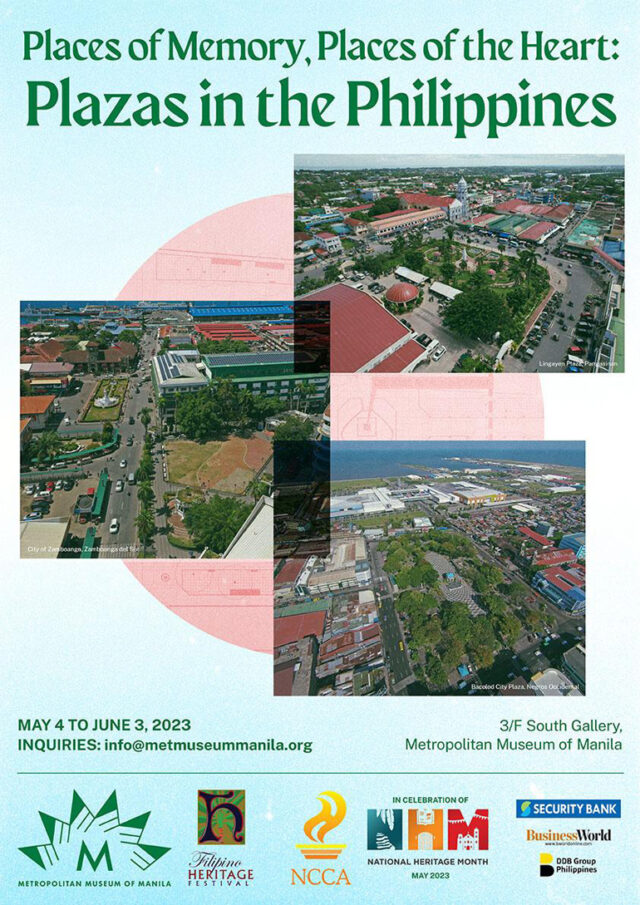
In his work as a city planner and landscape architect, Paulo Alcazaren has spent the past 15 years traveling all over the country and taking the opportunity to record the heritage of plazas, their landscapes, and their remaining structures of note. This documentation forms the backbone of The M’s latest exhibition in collaboration with the Filipino Heritage Festival Inc., with support from the National Commission for Culture and the Arts called Places of Memory, Places of the Heart: Plazas in the Philippines.

Plazas in the Philippines have been central to communal celebrations and other social and political events in over 1,600 towns and cities for hundreds of years. However, it has fallen prey to the pressures of population and economic growth, as well as the a endant consequences of urban densification and commercial real-estate development.

The exhibition narrates our contemporary understanding of Urban Heritage in the Philippines harking to this year’s National Heritage Month theme: Heritage: Change and Continuity. Set in an installation that represents the modern-day equivalent of the plaza for many Filipino urban dwellers – the basketball court – the exhibition will showcase a selection of 16 plazas from around the country, featured to show their contexts alongside archival images, interactive artworks, photo collages of Rizal Monuments that form part of the built environment of plazas, and a selection of artworks from The M’s own collection, highlighting the history and trajectory of town and city plazas in the Philippines.

Please check our social media profiles for public programs related to this exhibition: @MetMuseumManila #PlazasinthePH #UrbanHeritage #NHM2023

Places of Memory, Places of the Heart: Plazas in the Philippines is a co-production of Metropolitan Museum of Manila (The M) and Filipino Heritage Festival, Inc. (FHFI), supported by the National Commission for Culture and the Arts with partners Security Bank Corp., BusinessWorld, and DDB Group Philippines.


Spotlight is BusinessWorld’s sponsored section that allows advertisers to amplify their brand and connect with BusinessWorld’s audience by enabling them to publish their stories directly on the BusinessWorld Web site. For more information, send an email to online@bworldonline.com.

Join us on Viber at https://bit.ly/3hv6bLA to get more updates and subscribe to BusinessWorld’s titles and get exclusive content through www.bworld-x.com.
ADVERTISEMENT
ADVERTISEMENT