Home Blog Page 4

InstaPay, PESONet transfers reach P7.7 trillion as of March

REUTERS

TRANSACTIONS done via PESONet and InstaPay reached a total value of P7.69 trillion as of March, data from the Bangko Sentral ng Pilipinas (BSP) data showed.

The value of InstaPay and PESONet transfers in the first three months jumped by 45.32% from the P5.29 trillion recorded in the same period last year.

Meanwhile, both clearing houses recorded a combined transaction volume of 2.025 billion as of March, surging by 281.79% from 530.486 million seen a year prior.

Broken down, the value of transactions made via InstaPay surged to P3.761 trillion as of the first three months from P2.289 trillion in the same period last year.

The volume of InstaPay transfers also ballooned to 1.99 billion from 502.297 million previously.

On the other hand, PESONet transactions were valued at P3.93 trillion during the three-month period, up from P3.003 trillion the prior year.

The volume of transactions made via the payment gateway also climbed to 31.398 million from 28.19 million, central bank data showed.

“March growth was driven by habit and necessity. Consumers are defaulting to InstaPay for speed and convenience, while businesses continue to use PESONet for payroll and bulk payments,” Reyes Tacandong & Co. Senior Ad-viser Jonathan L. Ravelas said in a Viber message.

This was also supported by fee waivers, while higher fuel prices due to the Middle East conflict likely boosted online transactions, he added.

John Paolo R. Rivera, a senior research fellow at the Philippine Institute for Development Studies, said transaction growth was supported by growing use of e-wallets and online banking and the shift toward cashless transactions for everyday payments and business transfers.

“Greater convenience, wider merchant acceptance, and ongoing digitalization efforts are key drivers.”

For the coming months, he expects transaction volume growth to normalize amid a high base, with continued expansion depending on further improvements in digital infrastructure, interoperability, and user trust.

“For the rest of the year, growth stays strong but more measured — this is no longer about adoption, but deeper usage. Digital payments are now core infrastructure, not a trend,” Mr. Ravelas added. — Aaron Michael C. Sy

Alsons Dev completes first batch of residential turnovers in Avia Estate

AN artist’s rendition of the Avia Estate in Alabel, Sarangani province. — COMPANY HANDOUT

ALSONS Development and Investment Corp. (Alsons Dev) said it has completed the turnover of its first batch of residential units at Narra Park Residences Avia, its initial housing project within the Avia Estate township in Alabel, Sarangani.

In a statement on Wednesday, the property developer said the milestone marks the transition of early homebuyers into homeowners and reflects the project’s progress within the 121-hectare estate.

The turnover coincided with the project’s first Buyers Appreciation Day, where homeowners and guests gathered for updates and community activities.

Narra Park Residences is the first residential development within Avia Estate, Alsons Dev’s first township expansion outside Davao.

The company said 59 homes have been completed so far.

“These represent more than completed units. They are the beginning of a community,” Alsons Dev President and Chief Executive Officer Miguel Rene A. Dominguez said.

The project offers bungalow units priced at P4.1 million per lot and two-story houses at P5.07 million, both on 120-square-meter lots.

Alsons Dev said estate developments include the Alabel Public Safety and Security Complex, opened in January 2025, and The Abba’s Orchard Montessori School, which opened in August 2025.

It also said completed shared spaces include a megatent and a football field, while planned additions include an interim commercial area, a pickleball court, and community facilities.

The project forms part of the company’s expansion beyond Mindanao’s urban centers. — Juliana Chloe A. Gonzales

Beyond fuel: Building energy-resilient logistics for the Philippines

STOCK PHOTO | Image by FREEPIK

GLOBAL ENERGY tensions are once again testing the world’s supply chains, and the ripple effects are sharply felt in logistics — a sector where every movement depends on energy. Rising energy and shipping costs are now dis-rupting the supply chain, from schedule reliability to service frequency. This is felt across all modes of transport, air, sea, and land — domestic and, to a greater extent, cross border supply chains. The global supply chain is once again on thin ice following the massive disruption caused by the COVID-19 pandemic, this time driven by geopolitical friction unfolding thousand kilometers away from the Philippines.

In the case of oil, a significant share of global supply still traverses politically sensitive regions. Any instability in these areas can trigger rapid volatility in energy markets, leaving fuel-dependent economies like the Philippines vulnerable to sudden cost spikes and supply constraints. For local logistics players, these shifts translate into higher freight rates, increased operational strain, and added pressure on distribution networks.

Recognizing the mounting risks, the Department of Trade and Industry (DTI) recently convened members of the Supply Chain and Logistics Center (SCLC) and industry leaders to discuss how global energy uncertainty affects Philippine supply chains. What emerged from these discussions is a growing consensus: energy volatility can no longer be viewed as a distant geopolitical issue. It is now a strategic factor directly shaping the country’s logistics landscape.

This raises a critical question for the sector: How can the Philippines build a logistics system that is more resilient against volatile global energy markets?

ENERGY-RESILIENT LOGISTICS NETWORK
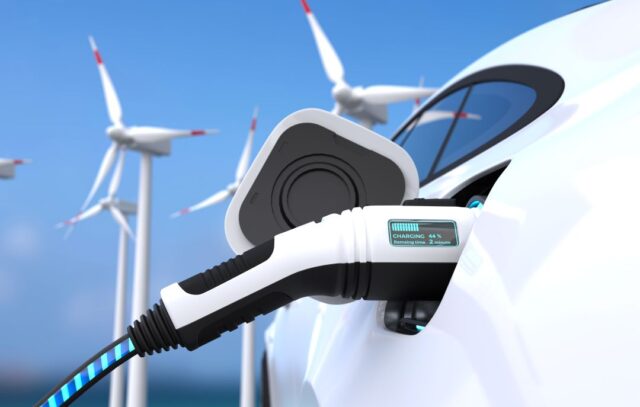
One shift gaining traction globally is the move toward logistics systems powered by cleaner, more stable energy sources. Renewable energy-powered warehouses, electric mobility, and digitally optimized networks are emerg-ing as long-term solutions that can reduce the industry’s exposure to oil price swings.

In the Philippines, this transition presents a space for deeper collaboration among logistics operators, renewable energy providers, and mobility innovators. My company, AC Logistics, is among the companies exploring these pathways, with initiatives aimed at improving efficiency and strengthening resilience through cleaner energy technologies.

Logistics facilities offer natural advantages for renewable energy integration. Many warehouses have expansive rooftop spaces suitable for solar power systems, an increasingly cost-efficient solution that reduces grid dependence and cuts operational expenses. With net metering options in place, excess energy can also be sold back to the grid, creating new value streams for operators.

At AC Logistics, early installation of off-grid solar systems is supplying a share of the power in selected warehouses, demonstrating broader potential for expanding renewable energy adoption across their warehouse network.

In cold chain logistics, the GMAC Cagayan De Oro cold storage site, which accounts for approximately 65% of their total grid power consumption, already fully sources its energy from renewables, with the remaining 35% coming from the existing and extension Davao facilities.

By switching to renewable energy, cold storage operators gain cost predictability, an advantage that benefits both suppliers and customers as energy markets become increasingly volatile.

ELECTRIFICATION: THE NEXT FRONTIER FOR TRANSPORT
Transportation remains one of the heaviest fuel-dependent segments of logistics, but electrification offers a viable alternative. Distribution centers, where fleets operate on predictable routes, are particularly suited for electric vehicles.

Under the Electric Vehicle Industry Development Act (EVIDA), logistics companies are among those required to begin transitioning at least 5% of their fleets to electric models. This policy underscores a broader direc-tion for the industry: reducing reliance on traditional fuels is no longer optional, it is becoming regulatory and a strategic necessity.

Infrastructure is evolving alongside this shift. Logistics hubs equipped with EV charging stations can support both in-house and commercial fleets. AC Logistics is working with key partners to launch a pilot program that inte-grates renewable power, charging infrastructure, and new energy vehicles into key logistics hubs. This will offer a working model for clean, mobility-enabled operations.

SHARED LOGISTICS: A COMPLEMENTARY STRATEGY
Beyond energy solutions, optimizing infrastructure use also plays a key role in building resilience. Shared logistics models, where warehousing and transport services are consolidated across multiple clients, enable higher truck utilization, fewer empty backhauls, and lower per-unit logistics costs. These approaches also reduce overall energy consumption, making them an important complement to clean energy initiatives.

Shared logistics models offer a clear way forward. Companies are now more willing to expand the scope of shared logistics, moving beyond multi-user warehouse facilities to include mid- and last-mile delivery.

AC Logistics currently operates multi-user facilities and shared distribution systems across its network, reflecting a shift toward integrated logistics ecosystems. These networks consolidate storage, mobility solutions, and energy infrastructure within unified nodes, helping businesses manage costs more effectively while reducing their carbon footprint.

A SECTOR AT A CROSSROADS
Energy volatility is likely to remain a defining global reality, influenced by shifting geopolitics and evolving market dynamics. For the Philippines, the challenge lies not only in absorbing these shocks but in building a logistics system capa-ble of weathering them.

The direction for the industry is becoming clearer: resilience will come from cleaner power sources, electrified mobility, smarter infrastructure use, and tighter integration across the supply chain.

The need now is to help businesses navigate uncertainty while building a future-ready logistics ecosystem — one that delivers value regardless of the fluctuations in global fuel markets.


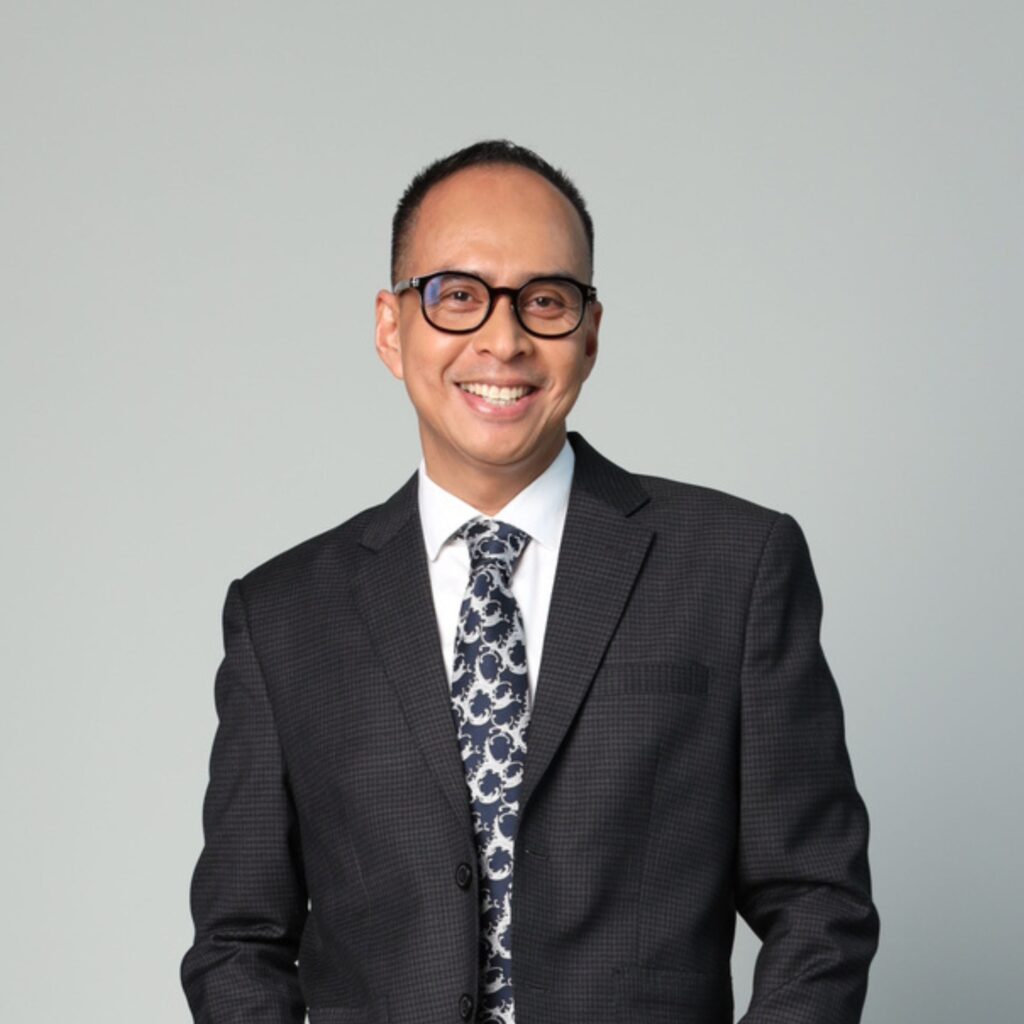
A veteran of 23 years in the logistics industry, Erry Hardianto is the president and chief executive officer of AC Logistics Holdings Corp., the logistics arm of Ayala Corp. He also serves as a director of Ayala Plans, Inc. Prior to AC Logistics, he was Maersk’s Asia-Pacific Regional Logistics Operations head, and held senior positions in Singapore, Thailand, Indonesia, and the Philippines, managing and transforming complex multi-country logistics operations across Asia. With a BS Business Administration degree from the Philippine School of Business Administration and a master’s degree in international business from the University of Wollongong in New South Wales, Australia, he is an MBA lecturer, occasional contributor, and speaker.

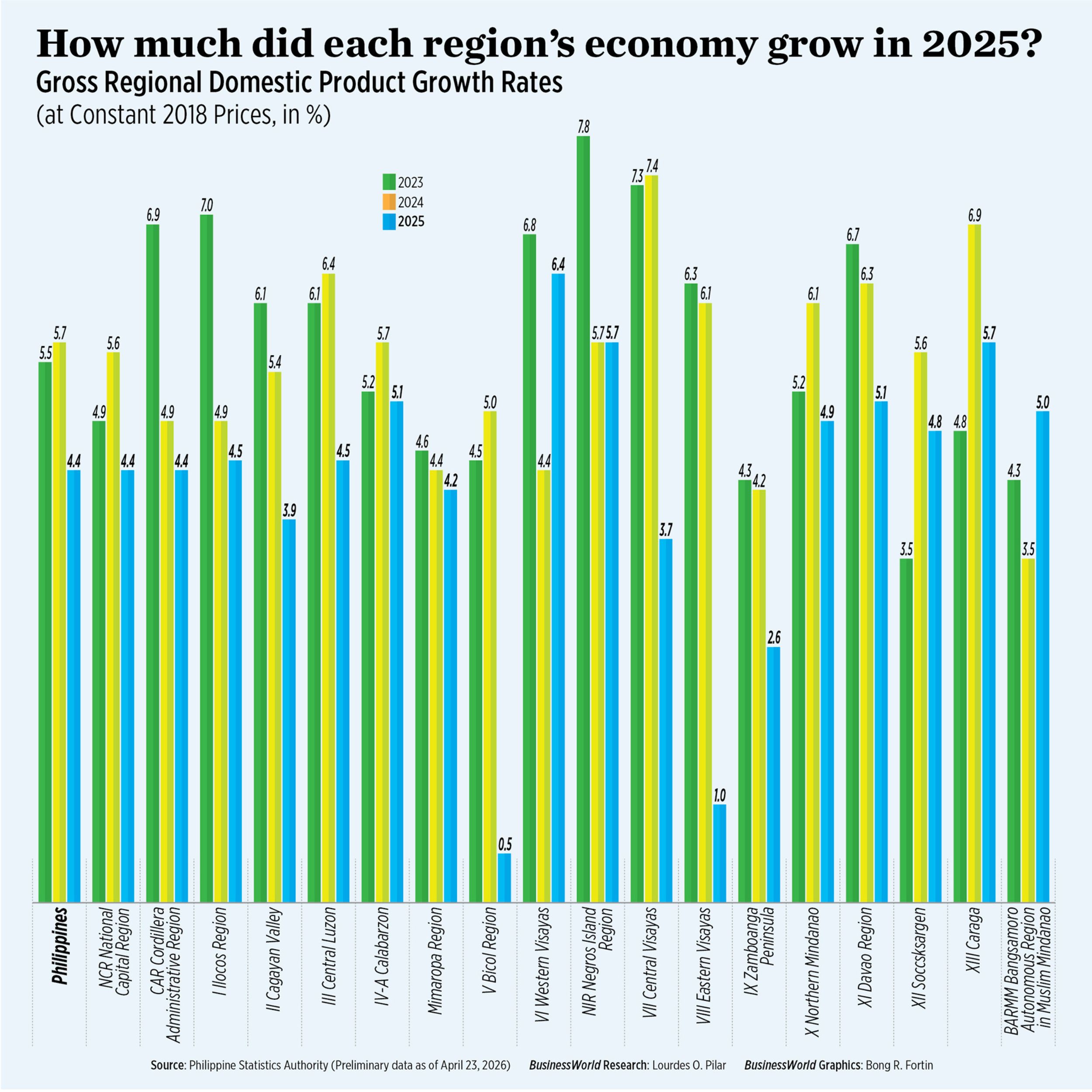
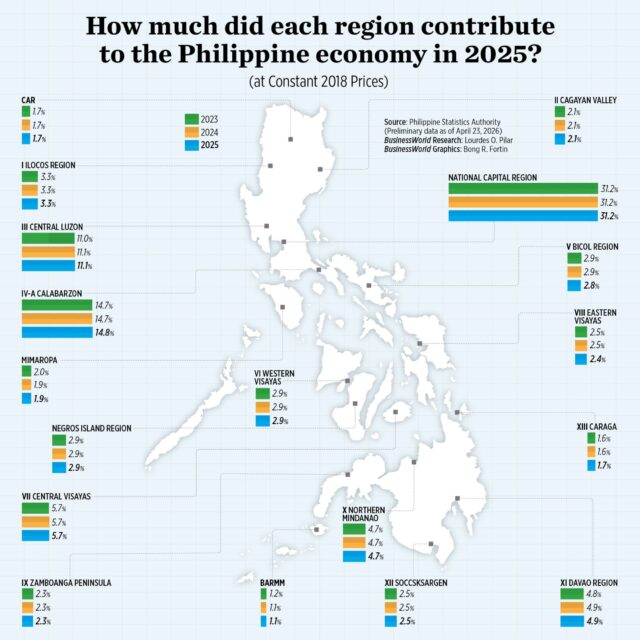
How much did each region’s economy grow in 2025?

GROWTH in Metro Manila’s economic output slowed to a five-year low of 4.4% in 2025, dragged down by the flood control scandal and severe weather effects, the Philippine Statistics Authority (PSA) reported on Thursday.  Read the full story.

Inflation worries drag peso to over three-week low

A Philippines peso note is seen in this picture illustration on June 2, 2017. — REUTERS

THE PESO plunged to an over three-week low versus the dollar on Thursday on heightened concerns over the Middle East war, especially after the Philippine central bank said it now sees inflation breaching its target until next year as global shocks push up domestic prices.

The currency fell by 35 centavos to end at P60.48 against the greenback from its P60.13 finish on Wednesday.

This was its weakest close since March 31’s P60.748, which is the peso’s record low against the dollar.

The peso opened Thursday’s trading session weaker at P60.25, which was already its best showing for the day. Meanwhile, its intraday low was P60.58 versus the dollar.

Dollars traded rose to $1.83 billion from $1.61 billion on Wednesday.

“The peso weakened after the BSP (Bangko Sentral ng Pilipinas) significantly revised higher its inflation outlook for 2026 despite the 25-basis-point (bp) rate hike,” the first trader said in an e-mail.

“The dollar-peso closed higher on remaining uncertainties due to the Middle East war and elevated global crude oil prices,” the second trader said in a phone interview.

The Monetary Board on Thursday raised benchmark interest rates by 25 bps to bring the policy rate to 4.5%, as expected by 11 of 19 analysts in a BusinessWorld poll. This was its first tightening move since October 2023.

BSP Governor Eli M. Remolona, Jr. said the hike was a preemptive move to help rein in growing price pressures amid the Middle East war.

“The inflation outlook has deteriorated amid the ongoing conflict in the Middle East. Higher global oil and fertilizer prices have begun feeding through to domestic fuel and food prices. At the same time, core inflation has con-tinued to rise, pointing to a broadening of underlying price pressures,” he said.

He also signaled further tightening ahead as they now see inflation breaching their 2%-4% tolerance band in 2026 and 2027. For this year, the BSP expects the consumer price index (CPI) to average 6.3%, significantly higher than the earlier 5.1% forecast.

This comes as elevated oil prices amid conflict drove headline inflation to a near two-year high of 4.1% in March, bringing the three-month average to 2.8%. Mr. Remolona said the CPI could breach 5% for the rest of the year.

For 2027, the BSP also raised its projection to 4.3% from 3.8% previously.

The dollar was headed for its first weekly rise in a month on Thursday, as a stand-off between Iran and the US in the Middle East war and a lack of progress on peace talks sent oil prices back above $100 a barrel and dented in-vestor optimism, Reuters reported.

Tehran seized two ships in the Strait of Hormuz on Wednesday, escalating tensions after US President Donald J. Trump extended a ceasefire with Iran indefinitely with no sign of peace talks restarting.

The two sides remain divided on a ceasefire, their blockades, nuclear issues and control of the strait, leaving the strategic waterway still effectively shut and triggering an energy shock in a blow to economies across the world.

The dollar index, which tracks the performance of the US currency against six others, was a touch higher at 98.60. It is heading for a weekly rise of 0.4%, the first gain in a month.

Brent crude futures rose $1.26 or 1.2% to $103.17 a barrel at 0630 GMT, after settling above $100 for the first time in more than two weeks on Wednesday. West Texas Intermediate futures were also up $1.20 or 1.3% at $94.16.

For Friday, the first trader said they expect the peso’s weakness to persist on continued safe-haven demand for the dollar before the weekend as the situation in the Middle East remains volatile.

The second trader said the market could consolidate as traders digest the BSP’s latest policy signals.

The first trader said the peso could move between P60.35 and P60.60, while the second trader sees the local unit ranging from P60.20 to P60.60. — Bettina V. Roc with a report from Aaron Michael C. Sy and Reuters

Transgender affirmation surgery: Going from bad to worse

STOCK PHOTO | Image by FREEPIK

Who knew that mental health problems would be exacerbated by surgical treatment to change one’s sex organs? And that with such comes nearly a 600% rise in psychiatric morbidity as one cohort shows?

For years the public has been told that if a person claiming to have a different “gender” does not have their beliefs affirmed and have their sex organ mutilated, then such would result in a suicide pandemic.

In the end, reality stepped in and no surprises: apparently the psychiatric needs of those questioning their gender, particularly adolescents, did not subside — and in fact got worse — after medical sex “reassignment.”

First off, a Swedish study — “Long-Term Follow-Up of Transsexual Persons Undergoing Sex Reassignment Surgery: Cohort Study in Sweden” (by Dhejne, et al., February 2011) — was unambiguous: The study reported a 19-fold in-creased risk of death by suicide and nearly five times the risk of suicide attempts after gender transition relative to matched controls. These are catastrophic numbers.

Then a recent landmark study came, this time from Finland: “Psychiatric Morbidity Among Adolescents and Young Adults Who Contacted Specialized Gender Identity Services in Finland in 1996-2019: A Register Study” (by Ruuska, etc.; April 2026), the rigorous long-term data basically wrecked the widespread progressive narrative.

In simple terms, the Finnish study found:

• Gender-referred adolescents show high psychiatric morbidity, yet gender differences and mental health trajectories after medical gender reassignment remain poorly understood.

• Such adolescents had markedly higher psychiatric morbidity than controls before and after referral, with treatment needs often persisting and even intensifying after medical interventions — on some, they might even have a negative impact.

• Findings emphasize the need for thorough psychiatric assessment and ongoing treatment throughout medical gender reassignment.

The conclusion? “Severe psychiatric morbidity is common among gender-referred adolescents and appears to be more prevalent in those referred after the recent surge in referrals. Psychiatric needs do not subside after medical gender reassignment.”

To be clear, the latter figures compare post-transition individuals to the general population, not to their own pre-transition baseline. But that clarification does not rescue the progressive narrative. Because if medical transi-tion were truly addressing the root cause of “depression, self-harm, and suicidality,” one would expect outcomes to converge toward population norms. They do not. The need for specialist psychiatric services, i.e., those in-volving serious mental disorders, actually increased after medical transition.

Professor Riittakerttu Kaltiala (one of the authors of the Finnish study) explained: “Many developed feelings of gender dysphoria in the context of severe disorders.” And yet, “if it were the other way around, and the mental disorders were secondary to the dysphoria, those disorders would be expected to subside with medical gender reassignment, according to the Dutch treatment protocol adopted internationally.” (“Transition blues,” Gender Clinic News, April 2026; also “Finland’s Lessons on Transgender Children,” Wall Street Journal, April 2026).

This aligns with broader analyses of population-level data. As summarized in “The Crumbling Sham of Trans Medicine” (Breakpoint.org, April 2026): “The new Finnish study provides the ‘good evidence.’ Its findings on long-term outcomes, based on extremely strong data sets, don’t bode well for trans activists’ overconfident claims. Finland’s government-run medical system has an extremely rigorous tracking system containing detailed medical and psy-chiatric records on all citizens dating back to 1994. Drawing from this, the study conducted an analysis of every patient under 23 who attended Finnish gender identity clinics from 1996 to 2019 and compared them with a matched control group.

“This means their study population is uniquely comprehensive — it analyzed the entire gender treatment patient population in the country for years and years. Other studies have only included those who chose to take part, seriously undermining the validity of their claims. The Finnish school system also regularly screens students for mental health disorders. It consists of two timeframes: 1996 to 2010, and 2011 to 2019, the time when those ‘trans identity’ numbers started exploding in many countries, likely from social contagion.”

So, what can be gleamed from the two studies, particularly the Finnish one? In blunt, stark terms:

• 10% of boys who want to become girls suffer from psychiatric morbidity (a major risk factor for suicidality). But after gender change surgery — where the penis is inverted into a vagina — 60% become suicidal.

• 21% of girls who want to become boys have psychiatric morbidity. But after gender change surgery — metoidioplasty where the clitoris is turned into a penis, or phalloplasty where grafted skin is used to form a neopenis — that increases to 55%.

“So, what did this comprehensive Finnish study find? It’s a pretty direct conclusion: The whole basis of transgender ideology and practice is wrong. As the [Finnish] study revealed, ‘Gender-referred adolescents showed sig-nificantly higher psychiatric morbidity than controls,’ and severe psychiatric morbidity increased substantially in two-plus year clinical follow-ups’,” said Breakpoint’s John Stonestreet and Glenn Stanton.

The foregoing essentially supports the Cass Review of gender identity services for children and young people, said the Breakpoint story, quoting: “Tragically deaths by suicide in trans people of all ages continue to be above the national average, but there is no evidence that gender-affirmative treatments reduce this.”

Bottomline, the Swedish and Finnish studies confirm what commonsense already knew: that gender confused patients aren’t only confused but also mentally unwell. Treatments affirming their delusions just make things worse.


Jemy Gatdula is the dean of the UA&P Law School and is a Philippine Judicial Academy lecturer for constitutional philosophy and jurisprudence. The views expressed here are his own and not necessarily of the institutions to which he belongs. https://www.facebook.com/jigatdula/
Twitter @jemygatdula

PetroEnergy sees oil drilling in Africa finished this year

STOCK PHOTO | Image by ZACHARYTHEODORE/UNSPLASH

YUCHENGCO-LED PetroEnergy Resources Corp. (PERC) said it expects to complete its drilling campaign in offshore Gabon, West Africa, later this year, aiming to increase oil field production.

In a statement on Thursday, the listed energy company said it continues to manage its offshore oil interests in Gabon as it undertakes a Phase 3 drilling campaign, which is expected to raise production to 18,000 barrels of oil per day (bpd) from 15,000 bpd.

PERC is a publicly listed energy company with a diversified portfolio spanning upstream oil exploration and development, renewable energy development, and power generation.

The company holds a 2.53% participating interest in the exploration and production sharing contract (EPSC) covering the Etame block in Gabon, West Africa, according to its 2025 annual report.

The EPSC is a contract with the Gabonese government that grants the holder rights to conduct exploration, development, and production activities within the Etame Marin Permit area.

In 2025, total crude output from four oil fields — Etame, Avouma, Ebouri, and North Tchibala — reached 5.20 million barrels. Of this, 5.35 million barrels were exported at market prices ranging from $57.09 to $78.12 per barrel.

PERC said its profitability in 2025 was affected by higher interest expenses, which rose to P652.66 million due to increased financing costs linked to new project loans.

The company also reported a 20.24% decline in oil revenues to P415.09 million, citing lower crude oil prices and reduced production from its Gabon operations.

These factors contributed to a 39.77% drop in attributable net income to P284.18 million.

Despite this, total revenues rose 8% year on year to P3.72 billion, driven mainly by higher electricity sales following the energization of three solar power projects.

PERC said it is ramping up commercial operations of its solar assets in Bugallon and Isabela, as well as completing the Panitan solar and battery energy storage system in Capiz. — Sheldeen Joy Talavera

A PPP-driven expansion in the nation’s clean energy projects

Photo from Freepik/Creativeart

The Philippines is accelerating its transition toward clean energy, with public-private partnerships (PPP) emerging as a central mechanism for mobilizing capital, expertise, and innovation. PPPs have become instrumental in bridging financing gaps while advancing sustainable goals.

In recent years, the convergence of policy reforms, investor interest, and climate commitments has positioned renewable energy PPPs as critical pillars of the country’s development strategy.

A key indicator of this momentum is the rapid expansion of the PPP project pipeline. As of late 2025, the Philippines had 251 PPP projects worth approximately P2.81 trillion, reflecting a significant increase driven by reforms aimed at transparency and efficiency. Within this pipeline, energy and climate-related projects are gaining prominence, particularly those aligned with renewable generation and sustainable infrastructure.

The government’s broader infrastructure flagship program also incorporates PPP financing for major initiatives, signaling institutional commitment to private sector participation in energy transition efforts.

Renewable-oriented PPPs are diverse in scope, spanning solar, wind, waste-to-energy (WtE), and emerging technologies such as green hydrogen. For instance, large-scale solar developments, such as a planned 500-megawatt solar farm in Nueva Ecija, demonstrate how private firms are partnering with government frameworks to expand clean energy capacity and stabilize supply in the Luzon grid.

Similarly, wind energy projects like the Kalayaan 2 Wind Power Project are being fast-tracked under PPP-linked initiatives, reinforcing the role of private investment in diversifying the country’s energy mix.

One of the most innovative developments is the emergence of WtE PPP projects. The proposed 3,000 tons per-day Manila Waste-to-Energy Facility exemplifies how PPPs are being leveraged to address both environmental and energy challenges simultaneously, converting municipal solid waste into electricity while reducing landfill dependence.

These hybrid infrastructure models reflect a broader shift toward circular economy principles within the PPP framework.

Beyond conventional renewables, PPPs are also enabling next-generation energy systems. The Renewstable Green Hydrogen Power Plant in Marinduque, for example, integrates solar generation with hydrogen and battery storage to deliver stable, dispatchable renewable energy. This aligns with the government’s Smart and Green Grid Plan, which is expected to be largely financed through PPP arrangements and aims to modernize grid infrastructure to accommodate intermittent renewable sources.  

Policy and regulatory support have been crucial in sustaining this push. The Philippine government has introduced reforms to streamline PPP approvals, improve project preparation, and enhance investor confidence.

Additionally, the liberalization of the renewable energy sector, including allowing full foreign ownership, has significantly expanded the pool of potential investors and partners. This has been complemented by mechanisms such as the Green Energy Auction Program, which is expected to drive up to P25 trillion in renewable energy investments over the next decade.

Importantly, PPPs are not limited to national-level megaprojects. Local government units are increasingly engaging in renewable and sustainability-focused PPPs, supported by capacity-building initiatives from the PPP Center. Projects such as localized WtE facilities and small-scale renewable installations demonstrate how PPPs can be adapted to community-level needs while contributing to national energy goals.

Despite these advances, challenges remain: renewable energy PPPs often involve complex risk allocation, particularly in relation to demand uncertainty, regulatory stability, and technological integration. Moreover, grid constraints and permitting bottlenecks can delay project implementation. Addressing these issues will require continued institutional strengthening, clearer policy signals, and enhanced coordination across agencies and stakeholders.

With a robust pipeline, supportive policy environment, and growing investor interest, renewable PPPs are poised to play a definitive role in shaping a more sustainable and resilient energy future for the Philippines. — Krystal Anjela H. Gamboa

Taking care of pets at the start of their lives

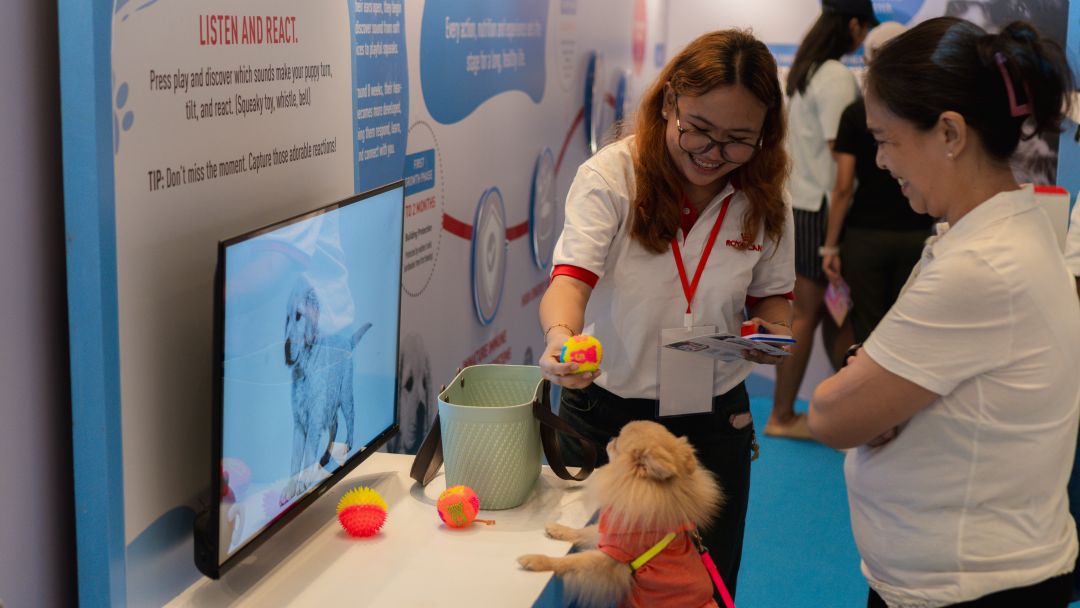
A CAT at the vet consultation booth.

Royal Canin launches puppy and kitten health campaign

FRENCH pet nutrition company Royal Canin, which offers an array of cat and dog food products in the Philippines, has introduced a campaign that aims to support families during the “start of life” stage for puppies and kittens.

The Puppy & Kitten Con, held at Ayala Malls Manila Bay in Parañaque City on April 18 and 19, marked the first experiential event under the company’s Project Royal Beginnings.

“Our goal is to meet pet parents at the very start of their journey, when questions are plentiful and confidence is still forming,” said Gerard Poa, Royal Canin Philippines market head, at a press conference on April 18 as the weekend event started.

“The first months of a puppy or kitten’s life determine their long-term health, like with human babies whose first 1,000 days are crucial. It’s very much the same for pets,” he added.

Fueled by growing pet ownership among Filipinos and addressing the lack of education about early nutrition and care, Royal Canin aims to “translate complex principles into guidance that pet parents could apply in their every-day routines.”

EXPERT-LED CONVERSATIONS
The Puppy & Kitten Con welcomed pet owners and their fur babies to step into guided discussions, interactive games, and immersive learning zones. Located in the activity center of the bustling mall, there were booths with veterinary professionals and pet product specialists who could offer insights into feeding habits and routines.

One activity brought celebrities Jodi Sta. Maria and Michael Sager to the stage, where they shared stories about rescue and pet ownership, including the lessons they learned along the way.

Decisions made at the early stages influence immunity, development, digestion, and long-term resilience, according to Royal Canin Philippines health affairs manager and veterinarian Dr. Kitsie Torres. She told the press that “pets whose owners invested in their nutrition and regularly brought them to the vet tend to live longer lives.”

OVERFEEDING
Though Puppy & Kitten Con is a big activation, it is only an entry point into learning about taking care of one’s pet, she said. Royal Canin’s digital platforms and membership program, Royal Canin Club, are examples of resources that pet owners can use to break bad habits.

“One thing that Filipino owners tend to do is give too much, especially at the puppy and kitten stage. They will become picky and greedy the more they eat food that’s not theirs,” Ms. Torres said.

She pointed out that even giving treats is a way pets get overfed, which is unnecessary when many puppies and kittens view “attention or cuddles as a treat on its own.”

“Obesity is becoming a problem. In the early 2000s, you wouldn’t see a lot of obese cats and dogs, and now they’re everywhere,” she explained. “An obese pet’s lifespan decreases by two years.”

SPECIALIZING
There is also the matter of feeding all pets the same thing, when their various ages, sizes, breeds, and health concerns must be taken into account. Royal Canin offers special diets depending on the breed — examples for dogs are the shih-tzu with sensitive skin and coat and the golden retriever with a sensitive heart; for cats, the British shorthair with a stocky build requires more nutrients.

Mr. Poa told BusinessWorld that the most basic pet food that owners can get from them are based on the projected weight of the puppy or kitten, spanning extra small, mini, medium, and large breeds.

“If you want to go a level higher, then you can get the food for specific breeds designed to address their predispositions in health,” he said. “We also have products for coat care, for urinary problems, for stress and anxiety, and a lot of other concerns.”

Aside from nutrition, “Start of Life” education encompasses a slew of other routines, like vaccination and check-ups.

PARTNERSHIPS
Ms. Torres talked about how care should start from the pregnancy of the mother.

“You should always bring your pets to the vet to prepare for giving birth. Prenatal care exists for animals, too,” she explained. “Start of life starts at pregnancy. These pregnant dogs and cats have to have a good diet.”

With an estimate of there being over 26 million pet dogs and over 8 million pet cats in the Philippines, Royal Canin is partnering with various vet clinics for maternity program packages and pediatrics program packages to en-courage better care. These encompass delivery, vaccination, check-up, deworming, and proper nutrition for the first six months of life.

For Ms. Torres, it’s frustrating to see that making sure pets are fully vaccinated is a bare minimum that is often not met.

“When their vaccinations are complete, that’s when you can invite people with pets to your home or take them out in public,” she said. “I worry when I see small pets that I know are likely not yet fully vaccinated walking around. You have to wait.”

She also advised that socialization with other people and animals best starts at home. Introducing puppies and kittens to sounds, smells, and eventually other people should be gradual.

Mr. Poa noted that this is why part of Royal Canin’s thrust when it comes to responsible pet ownership is at least bringing them to the vet.

“That’s what’s driving the education, telling them to have their pets assessed by a veterinarian,” he said. “We’re trying to partner with vet clinics to make sure that people will really put the health of their pets at the forefront.”

This includes choices like spaying and neutering to avoid overpopulation and possible abandonment, as well as improving the quality of life of a pet that doesn’t need to reproduce. For more expert advice on pet care and nutrition, interested parties can join the Royal Canin Club through this link: https://bit.ly/RCCPH, or visit Royal Canin’s official website and social channels. — Brontë H. Lacsamana

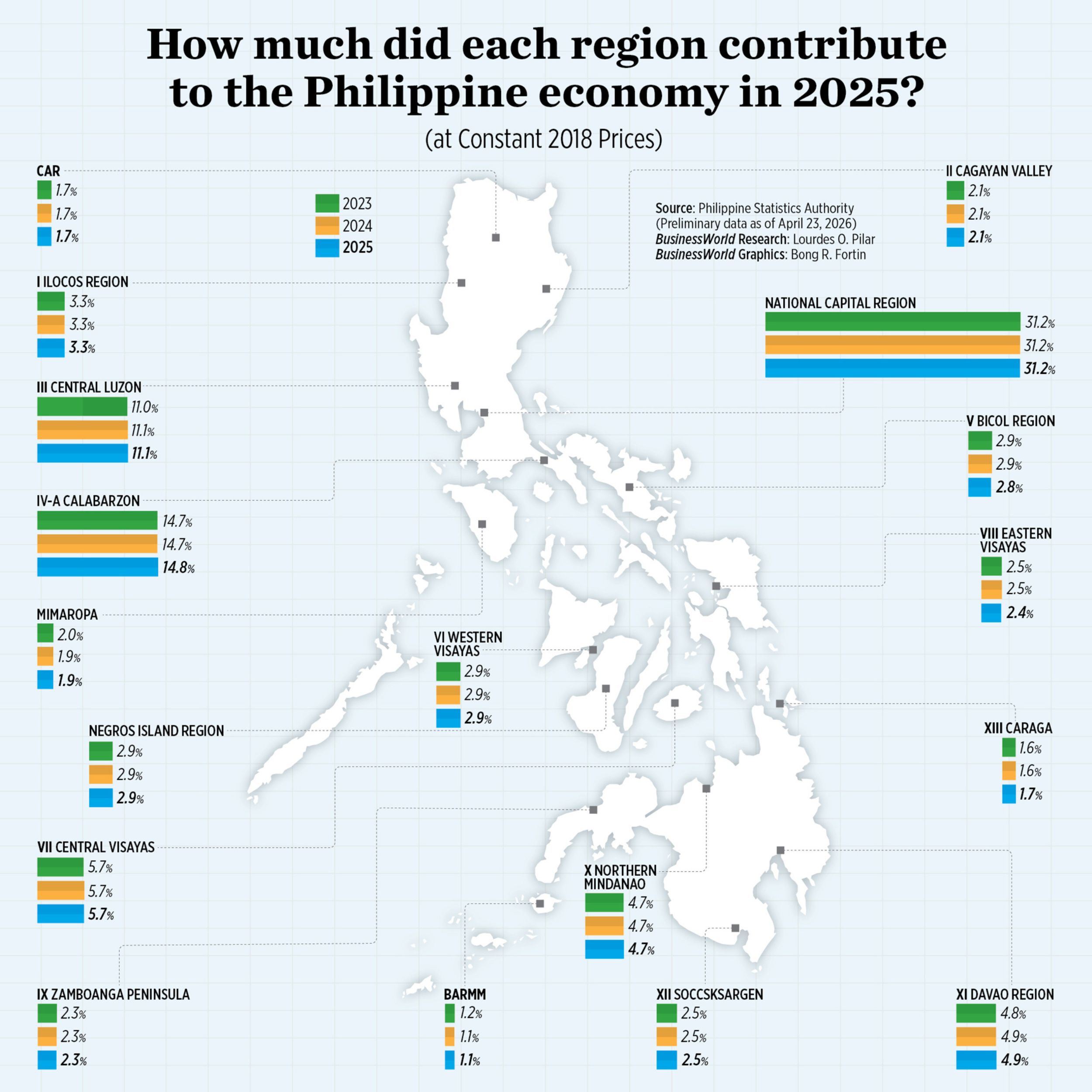
How much did each region contribute to the Philippine economy in 2025?

GROWTH in Metro Manila’s economic output slowed to a five-year low of 4.4% in 2025, dragged down by the flood control scandal and severe weather effects, the Philippine Statistics Authority (PSA) reported on Thursday.  Read the full story.

DMW, GCash support OFW reintegration through entrepreneurship

For many overseas Filipino workers (OFWs), returning home can be bittersweet. While they get to return to their families and enjoy the fruits of their labor, it can be a daunting experience due to the loss of financial stability that they have come to rely on abroad.

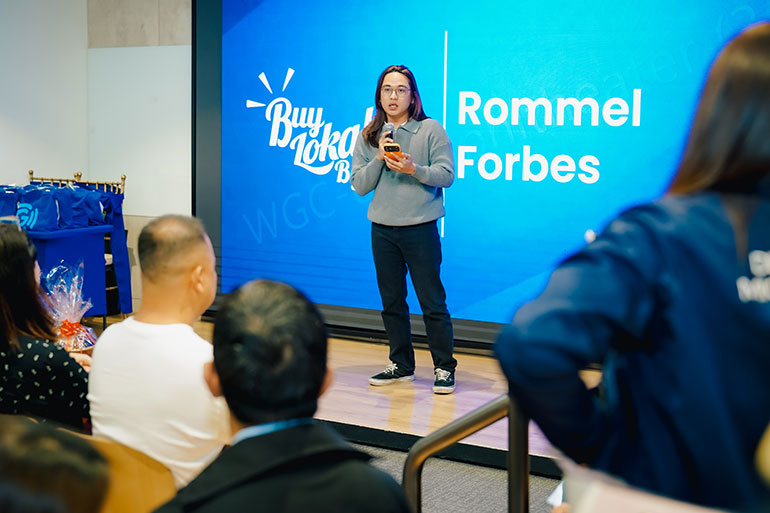
To aid in this reintegration, the Department of Migrant Workers (DMW) and GCash have launched “Buy Lokal, By OFWs”, on the GHub feature of GCash, a joint initiative aimed at helping OFWs transition back home by building sustainable livelihoods through entrepreneurship and digital support systems.

As part of this initiative, GCash opened a trade fair featuring products from the enterprises owned by OFW-turned-entrepreneurs.

Among the OFW-owned enterprises present at the fair are Deomare Consumer Goods Retailing, Desmond Farm, Cleode Health and Beauty, Lola Puring’s Food Products, Tingtano Enterprises, Sauce On Food House, EM-AR Handicrafts Trading, and Mhira Natural Soap and Cosmetics.

“This is very important because you can introduce your business more with the help of GCash and DMW. You can go anywhere, and that can really help our business. 

We’re so grateful to be one of the participants here. We were able to really enhance our business,” Marilou Sioson, a former seawoman and owner of Sauce On Food House, said in an interview.

Echoing similar sentiments from fellow OFW entrepreneurs, Caroline de Ocampo, a former OFW in Taiwan and owner of Cleode Health and Beauty, also underscored how GCash has simplified business operations under the initiative.

“In all aspects, when you’re doing business, you won’t be lost. So, thank you to DMW, and especially to GCash, because of the transaction of what’s coming in, coming out, and things like that. You won’t need cash anymore, and the whole process is just much easier,” Ms. de Ocampo said.

Sharing a similar experience on market access challenges, another OFW entrepreneur highlighted how the initiative helps address one of the biggest hurdles faced by returning workers.

“It’s good because they can be exposed to the markets. Especially when you come home, when you come here, one of the first questions that you will encounter is where you will sell. That was actually our problem at the onset,” Christian Facun, a former OFW in Italy and owner of Tingtano Enterprises.

Building on this, other OFW entrepreneurs also reflected on how their overseas experience shaped their drive to pursue business ventures beyond their life abroad.

“There are a lot, like how to handle people. Based on my experience as an assistant chef and in handling a restaurant, I also saw how the chefs there used ingredients such as basil, and with my business, Filipinos can now buy them,” Mr. Facun said.

Ms. Sioson also shared a similar perspective, emphasizing how her experience as an OFW helped shape her long-term goals beyond working abroad.

“In a way, of course, being an OFW helped us because this is where you really need a budget for the family and for your business. But for us, our life is not just about being an OFW. We wanted to have something after this journey,” she added.

For Ms. de Ocampo, she pointed out how her overseas experience contributed to specific aspects of her business operations, particularly in packaging and product preparation.

“My experience in Taiwan helped me,” Ms. De Ocampo said. “I used to do packaging and labelling in Taiwan. So, in my product now, even if I’m not well-versed in business, at least the packaging side helped me.”

Empowered abroad and at home
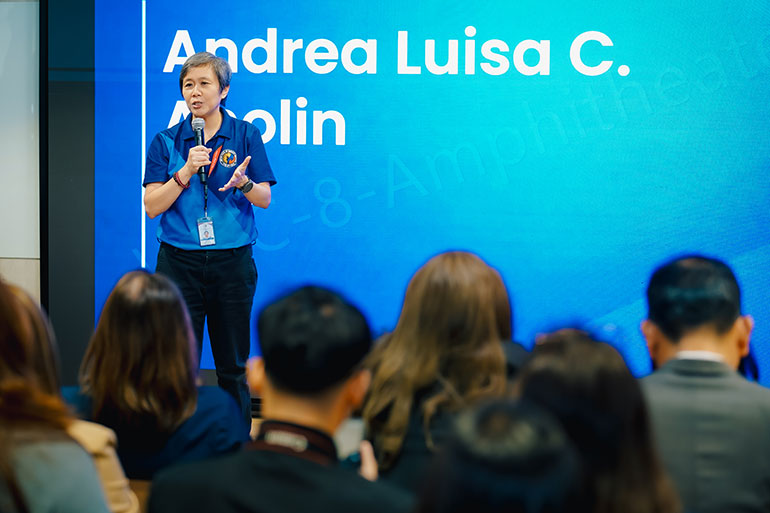
DMW National Reintegration Center for OFWs Director Andrea Luisa Anolin highlighted the importance of the department’s partnership with GCash in expanding opportunities for returning workers, especially amid global and geopolitical tensions that may affect OFWs.

“The partnership that we have with GCash is very important to us at DMW, because it opens up new options for our OFWs who are returning to the Philippines… It opens up the reach of our goods, products, and those manufactured by our OFWs, basically to the whole world,” Ms. Anolin said.

The DMW representative also emphasized that reintegration goes beyond employment and includes empowering OFWs to succeed in business and life back home.

“Their story of life will not end when they return to the Philippines,” the official said. “Their dream will not only be possible when they are abroad, but it’s also possible when they return.”
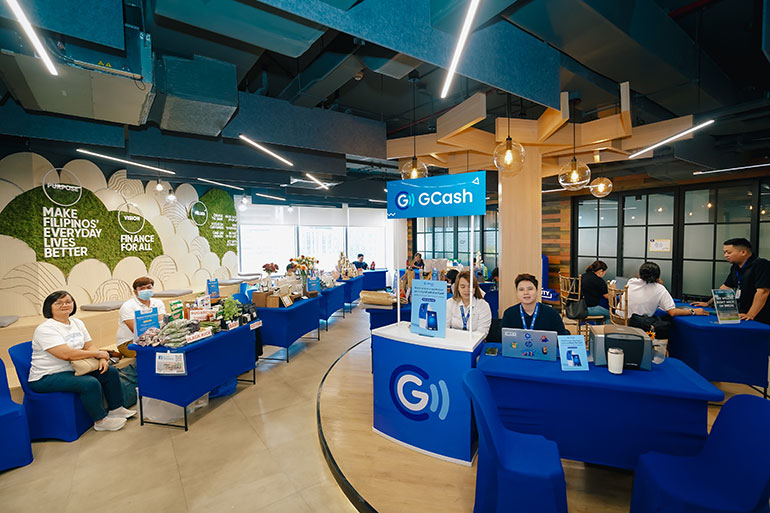
Meanwhile, the finance superapp said the initiative is designed to guide OFWs from overseas employment into business ownership, helping them secure long-term income upon their return.

“Buy Lokal, By OFWs is a reintegration and entrepreneurship program that helps our OFWs to start and develop their own business. Especially when they go back to the Philippines, we also support locally made products,” said Julie Anne Abalos, Head of International Transfers at GCash.

She added that the initiative focuses on enabling OFWs to build sustainable enterprises, with GCash providing digital tools such as payment systems and access to its marketplace platform, GHub, to expand operations and market reach.

“In GCash, our role is to digitally enable OFW-owned businesses, from digital payments and financial services to a larger market reach, so they can easily operate and run their own business,” Ms. Abalos explained.

The GCash executive mentioned that support for OFWs begins even before they return home, through remittance and financial services available overseas, and continues through reintegration programs in the Philippines.

“While abroad, GCash supports them through secure digital payments and remittances via GCash overseas and their everyday financial services. They also continue to support through programmes like Buy Lokal By OFWs, helping them start businesses, manage their finances, and build sustainable livelihoods,” Ms. Abalos said.

The initiative shows a growing push to empower modern-day heroes by helping them build sustainable livelihoods at home. With continued support from both government and private sector partners, programs like this aim to turn returning workers into entrepreneurs who can contribute to long-term economic growth.


Spotlight is BusinessWorld’s sponsored section that allows advertisers to amplify their brand and connect with BusinessWorld’s audience by publishing their stories on the BusinessWorld Web site. For more information, send an email to online@bworldonline.com.

Join us on Viber at https://bit.ly/3hv6bLA to get more updates and subscribe to BusinessWorld’s titles and get exclusive content through www.bworld-x.com.

EastWest Bank sees ‘muted’ loan growth as war shock hits consumer sector

EASTWESTBANKER.COM

EAST WEST Banking Corp. (EastWest Bank) expects subdued lending this year as the Middle East war’s impact on consumption is expected to hit its retail business, which is its main growth driver.

“I think it’s expected to be more muted in terms of loan growth. Provisioning will continue. You’ve seen us do that over the last few years, and we will continue. I think prudence and discipline are the way forward,” EastWest Bank Chief Executive Officer Jerry G. Ngo said in an online media briefing on Thursday.

The bank already increased its provisioning preemptively as they expected weak Philippine economic growth in 2025 in the wake of a corruption scandal involving government infrastructure projects to continue weighing on consumer sentiment this year, he said.

“Unfortunately, this time, I wouldn’t say we’re a victim of circumstance, but we’re basically recipients of secondary impact and effects. So, we are expecting consumption to be a bit more muted than what we have previously seen,” he said. “I think we’re going to start to see shifts in types of consumption, some discretionary, lavish consumption. I think it will be more focused on essentials.”

“I do expect from a macro perspective that it’ll be a bit more of a challenging year than what we were experiencing last year.”

EastWest Bank’s net loans grew by 13% year on year to P336.4 billion in 2025. Consumer loans went up 16% to P274.4 billion, driven mainly by credit cards, teachers’ loans, auto loans and personal loans, while corporate loans rose to P60 billion from P59.6 billion.

The bank plans to sustain its loan loss provisioning at about 80%.

EastWest Bank will be more prudent in its lending and focus on certain sectors to manage potential asset quality risks, Mr. Ngo said. The bank could also adjust its loan book mix, as about 80% of its portfolio is from the consumer sector.

It will also continue to build its private wealth segment and expand its small, and medium enterprise loan book despite possible risks from higher oil prices.

Mr. Ngo said in February that they are targeting broad-based growth this year and aim to increase the share of corporate borrowings in its total portfolio by two to three percentage points, with the segment expected to grow faster than its entire loan book’s expansion.

Meanwhile, the bank’s net interest margins could be pressured if the central bank turns hawkish to manage inflation risks, he said. The Bangko Sentral ng Pilipinas on Thursday hiked benchmark interest rates by 25 basis points in a preemptive move to help rein in price pressures amid the Middle East war. It also signaled further tightening ahead as it now sees inflation breaching its 2%-4% tolerance band until next year.

EastWest Bank’s net income surged by 21% to P9.1 billion last year on the back of strong core revenue and fee income growth.

Its shares went up by 50 centavos or 3.7% to end at P14 each on Thursday. — Aaron Michael C. Sy