Home Blog Page 23

Vivant unit acquires Bantayan water distributor

COMMONS.WIKIMEDIA.ORG/UNBUTTERED PARSNIP

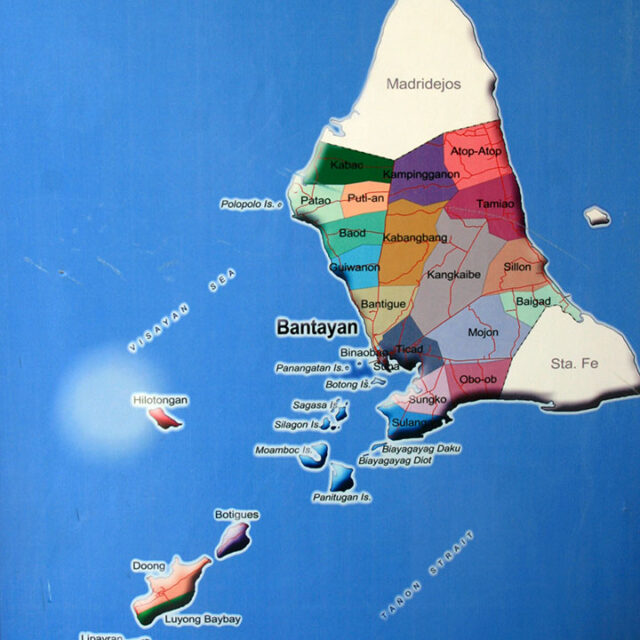
VIVANT CORP. said its unit has acquired 100% of Bantayan Resource Management and Development Corp., a water distribution company serving more than 4,000 households in Bantayan, Cebu.

In a statement on Tuesday, the company said its subsidiary, Vivant Transcore Holdings, Inc., finalized the acquisition of the sole water provider in the municipality.

“This development completes our vision of bringing reliable water solutions where they are needed most,” Vivant Water President Jess Garcia said.

“We act with intention, closing the gap in opportunities to access basic necessities especially in areas that are often perceived geographically challenged. More than expanding our footprint, we look out for the communities’ needs first,” he added.

Vivant Water, officially known as Vivant Infracore Holdings, Inc., oversees the group’s water-related investments.

The company said it plans to bring its operational expertise into the water distribution segment, complementing its existing investments across the water value chain.

It is also preparing to operate a utility-scale seawater desalination plant with a capacity of 20 million liters per day, as well as wastewater management facilities in Palawan.

Vivant said its expansion into water distribution in Bantayan reflects a broader infrastructure strategy, noting that it is also the sole electricity provider on the island through Isla Norte Power Corp.

“With the addition of water distribution, Vivant now completes the utility circle in Bantayan — integrating reliable energy and clean water to support households, businesses, and the island’s continued growth,” the company said. — Sheldeen Joy Talavera

Arts & Culture (04/22/26)


Filipinas Heritage holds lecture, screens film

THE Filipinas Heritage Library continues is Roderick Hall Memorial Lectures 2026 series with a film screening and talkback on April 25, 4-7 p.m. They will be screening the 1995 documentary film Days of the Crimson Sun: The Re-telling of the Battle of Manila, featuring a talkback with filmmaker Tats Rejante Manahan. The Roderick Hall Memorial Lectures are an annual lecture series to commemorate the longtime patron of Filipinas Heritage Library who built The Roderick Hall Collection over the course of his lifetime. Each talk in the lecture series promotes a uniquely Filipino experience of World War II and how the legacy of the war continues to be felt in present times. Tickets to the screening and lecture cost P300, with discounts given to seniors, PWDs, students, Ayala Group employees, teachers, museum/library members, and cultural workers with valid ID. The tickets come with free one-day access to the library valid until May 26. The library is located inside the Ayala Museum, corner Makati Ave and De La Rosa St., Ayala Center, Makati.


2-artist exhibition at Altro Mondo

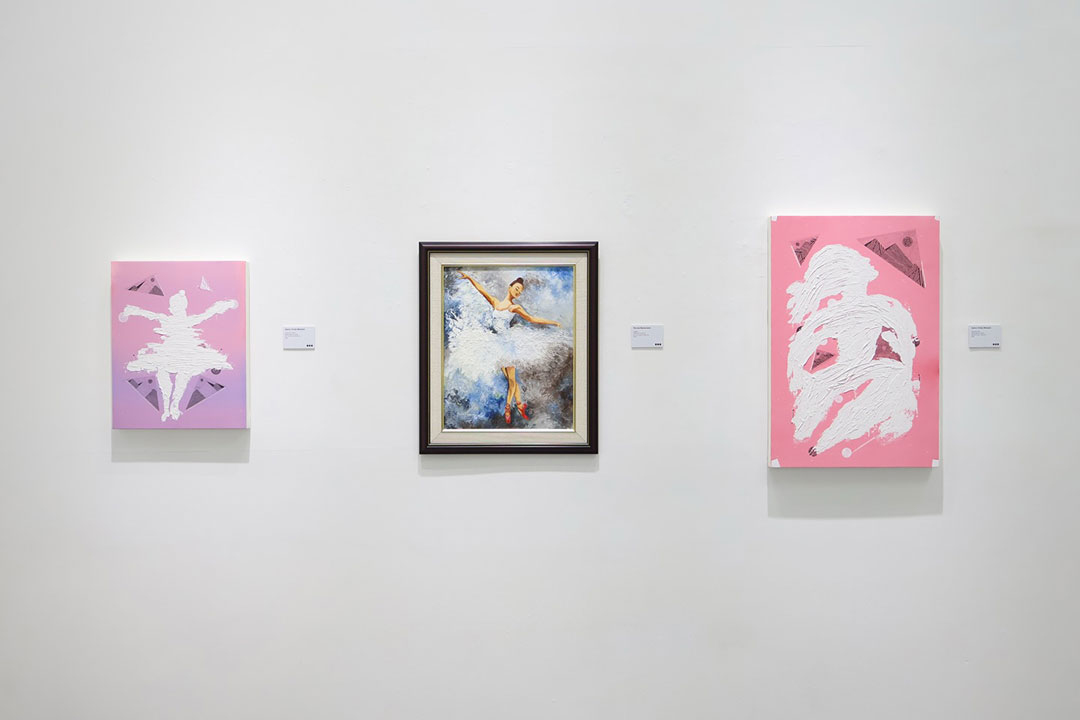
A LANDMARK two-artist exhibition entitled CONVERGENCE: Bridging Generations and Creativity brings together the distinct yet complementary worlds of Aaron Virata Mempin and Ronna Manansala. Set within the Monteverdi Room of Altro Mondo Creative Space, the show invites viewers to witness a creative dialogue that transcends individual mediums. An artist-entrepreneur and geometric abstractionist, Mr. Mempin explores the intersection of calm and motion. His practice is rooted in a background of marketing and community-building. Meanwhile, Ms. Manansala, carrying the storied legacy of her grandfather, National Artist Vicente Manansala, reinterprets her heritage through a deeply emotive and personal lens. Her work captures the quiet strength, grace, and fluid movement of her subjects, breathing new life into traditional themes. Through both individual pieces and rare shared collaborations, the two artists explore the meeting point of heritage and innovation. The exhibit is ongoing until April 25 at the Monteverdi Room, Altro Mondo Creative Space, 1159 Chino Roces Ave., San Antonio Village, Makati City.


Taiwanese artist Su Hui-yu at Vargas Museum

RUNNING until May at the UP Vargas Museum is Reshoot to Reconstruct, a solo exhibition by Taiwanese artist Su Hui-yu. In it, he restages four moving image projects: The Trio Hall (2023), The Women’s Revenge (2020), The Space Warriors, the Digigrave (2025), and Future Shock (2019). Mr. Su presents these narratives anew with satirical humor sharpened into a speculative lens. It will be on view until May, with the exact end date to be confirmed. The exhibition received support from Taiwan’s Ministry of Culture.


Exploding Galaxies releasing Nolledo short story collection

THE SIXTH title of independent press Exploding Galaxies (EG) is Canticles for Dark Lovers by Wilfrido D. Nolledo, which is now available for pre-order. Launching on May 9, it presents 16 short stories, initially published from 1955 to 1971, by Mr. Nolledo. The collection spans the early years of his career to his time at the Iowa Writers’ Workshop in the US, where he wrote But for the Lovers, the first novel that EG republished. It also includes an early version of the novel. Pre-orders can be done via www.explodinggalaxies.com. Free shipping is available from May 11 to 30. Shipping starts on May 11.


Korea Festival goes to Baguio

THE Korea Festival this year will take place on May 9 and 10, from noon to 8 p.m., at SM City Baguio. It will be a showcase of Korean culture with interactive booths, hands-on activities, and live performances. Now on its fifth year, the Korea Festival continues to travel across the Philippines, offering immersive cultural experiences that highlight Korea’s traditions, creative industries, and tourism. This year’s festival also features an ASEAN Corner in celebration of the Philippine Chairship of ASEAN 2026, alongside special performances from Korean and Filipino artists. For more details, visit the Korean Cultural Center and SM Baguio’s social media pages.


Gab Mejia chosen for FOTO Bali Festival 2026

THE FOTO Bali Festival 2026 has announced its 36 selected artists, chosen from nearly 700 submissions across more than 80 countries. One of them is Filipino artist Gab Mejia, whose project White Water explores the intersection of memory, colonial history, and rising sea levels across the Philippine archipelago. Drawing from flood-damaged family archives and coastal communities affected by climate change, the work reflects on how shifting shorelines challenge fixed ideas of borders, identity, and history. It runs from June 3 to July 12 at the Nuanu Creative City, Bali, Indonesia.


Preservation project for film memorabilia launched

THE University of the Philippines Film Institute (UPFI), through its Film Archives and Library, is embarking on a new preservation initiative that uses open and collaborative digital tools to safeguard and provide public research access to the Cesar Hernando Collection of Philippine Cinema Memorabilia. The collection, officially donated to the UPFI by artist and cultural entrepreneur Katya Guerrero last year, pays tribute to one of Philippine cinema’s most influential production designers, visual artists, and filmmakers. The Cesar Hernando Collection features over 3,000 photographs, 300 film posters, various audiovisual materials, and 60 digital discs, reflecting Mr. Hernando’s legacy as a production designer, visual artist, and filmmaker whose work helped shape the visual language of modern Philippine cinema.


Benedix Ramos, Sheena Belarmino cast in The Notebook

THEATRE GROUP ASIA (TGA) has announced the casting of Benedix Ramos as Young Noah and Sheena Belarmino as Young Allie in its upcoming international premiere of The Notebook: The Musical, opening this September at the Samsung Performing Arts Theater. This announcement follows the casting reveal of Morissette as Middle Allie.

A new era in Korea-Philippine relations

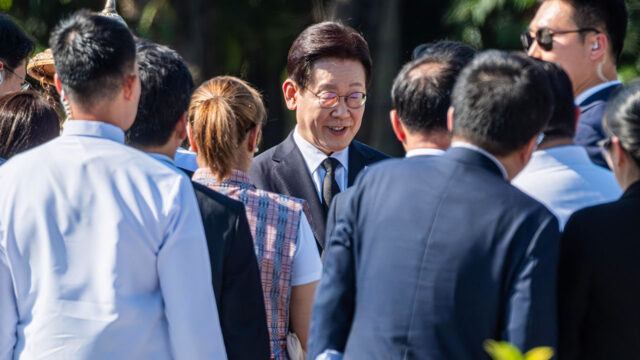
REPUBLIC OF KOREA President Lee Jae Myung during his two-day state visit in the Philippines. Photo taken on March 3, 2026. — PHILIPPINE STAR/RYAN BALDEMOR

(Part 1)

As the world experiences increasing conflicts in some continents like those in the Americas (the US vs. Venezuela or Cuba), the Middle East (US and Israel vs. Iran), or Europe (Russia vs. Ukraine) it is comforting to see some countries in Asia getting closer to one another.

I am referring especially to our own country establishing closer ties with the Republic of Korea that was highlighted by a recent state visit (March 3) by South Korea’s President Lee Jae Myung to the Philippines. As Korean Ambassador Lee Sang-hwa wrote in an article that appeared in this paper (March 13), that historic visit marked the dawn of a new era in Korea-Philippine relations.

As Ambassador Lee highlighted in his article, the South Korea is one of only five countries with which we have a Strategic Partnership. This partnership will help the Philippines leapfrog into high-value industries that are shaping the future.

In the last century, we missed the boat of labor-intensive industrialization that propelled the four tigers (Singapore, Taiwan, Hong Kong, and South Korea) to become First World economies in record time as we languished in an inward-looking, import-substitution and highly protectionist industrialization strategy that ended up in economic disaster.

There is no use, however, crying over spilled milk. Through the help of South Korea today, we can develop the high-value industries that are shaping the future: ship building, defense, and nuclear energy, among others.

As Ambassador Lee reported, the Subic Shipyard, revitalized by investments from HD Hyundai, will bring back the maritime glory of the Philippines during the Spanish colonial period (1565 to 1815) when a trade route linked Manila to Acapulco in Mexico (then also under Spanish rule). This trade is often considered to have been the first sustained trans-Pacific trade route, making the Philippines a key bridge between East and West long before modern globalization. Large ships called galleons sailed once or twice a year across the Pacific Ocean. The westbound route (Acapulco to Manila) carried silver from the Americas while the eastbound route (Manila to Acapulco) carried luxury goods from Asia, such as silk from China, spices from Southeast Asia, and other luxury items such as porcelain, lacquerware, ivory, and textiles. In fact, the famous manton de Manila that became a fashion success in Spain was manufactured in China, not in the Philippines.

This renewed interest of the Koreans to help the Philippines play a major role in the global ship-building industry is very welcome after the big disappointment that resulted from the closing in 2019 of the Subic-based Hanjin Heavy Industries and Construction, once one of the world’s biggest ship yards.

Because of our archipelagic nature and abundant manpower, we can be the next shipbuilding power in the world, taking over from where Spain and South Korea were in the last century. Our shipbuilding industry can serve not only the local market for passenger ships but can build bulk carriers, container ships, and oil tankers, some of which are already exported to Japan, Germany, and other countries. The country has over 120 shipyards engaged in shipbuilding and repair. It has been ranked among the top shipbuilding nations (around 4th at one point in time). Most local shipyards, however, focus more on repair and maintenance than new builds.

The decision of HD Hyundai to invest in the Agila Subic Shipyard, one of the world’s largest drydocks, will make it possible for ships built in the Philippines to traverse global trade routes carrying “Made in the Philippines” products, symbolizing the synergy between South Korea and Philippines — a capital- and technology-rich economy on one hand, and a resource- and manpower-abundant upper middle-income nation on the other.

The major shipbuilding centers in the Philippines are Balamban, Cebu; Subic Bay where there are large shipyard facilities; General Santos; Batangas City; and Manila where there are smaller yards. Some of the notable shipbuilders are Tsuneishi Shipbulding Cebu, the largest producer today; Austal Philippines, which builds high-speed vessels; and Dynast Shipbuilding & Repairs, Inc., which is especially focused on ship repairs.

The decision of HD Hyundai to invest in Subic will give a big boost to finally make the Philippines a ship-building center in Asia, competing with China, South Korea, and Japan, all of which are suffering from serious manpower shortages because of their rapid ageing and depopulation in contrast with the still very young Philippine population (despite our also falling fertility rate).

Ambassador Lee also referred to the fact that South Korea has become a trusted partner and a backbone of the Armed Forces of the Philippines’ modernization efforts.

Building on the landmark acquisition of 12 FA-50 PH fighter jets, along with a series of deals for frigates, corvettes, and offshore patrol vessels, the Korean defense systems now serve as vital pillars of Philippine maritime security.

This reminds me of the gratitude expressed by the Koreans of my generation to the Filipino soldiers who fought alongside the Americans and the South Koreans, including former President Fidel V. Ramos, against the North Koreans during the Korean War. The Philippines was the first Southeast Asia country to send combat troops to Korea. Our country deployed 7,420 troops in total, organized into several battalion combat teams (BCTs). In fact, in one of my many trips to South Korea over the years to lead road shows trying to attract Korean investors to the Philippines with the assistance of a very good friend, the late Ick Ho Um, I had the occasion to visit the tomb of a relative of some close friends of mine who was killed in action during the Korean War. He was Lieutenant Jose B. Arciaga, a Filipino officer of the Philippine Expeditionary Forces to Korea, who was killed in action during the war. His death is remembered by the Koreans as one of the early Filipino sacrifices in the war. His name appears in memorials to PEFTOK* soldiers who died in service.

According to Ambassador Lee, another frontier for South Korea-Philippine cooperation is in energy, particularly in nuclear energy.

The Philippines is in an advanced stage of addressing the serious problem of very high energy prices, which do the most harm to the poor. Philippine energy prices are the highest in Southeast Asia. The large investments being made by the private sector in solar and wind energy are to be highly appreciated as a contribution to addressing climate change. It may take a long time, however, for renewable energy to bring down energy prices.

In fact, there is consensus in both government and business circles that coal will continue to be a major source of energy for the next decade or so to bring down energy prices. The Philippines contributes less than 1% to the carbon footprint of the world. The ones who should carry the brunt of reducing carbon in the environment should be the big polluters such as Japan and China.

As advocated especially by Congressman Mark Cojuangco, we have to seriously consider modular nuclear plants to bring down energy prices sooner than later. Together with the US, South Korea is a strong potential partner in seriously considering nuclear power to secure Philippine energy needs. During the recent Korea-Philippines summit, the two leaders agreed that nuclear energy development is essential to meeting the power demands of the AI era and that South Korea could be the Philippines’ optimal partner in this endeavor. Meralco recently signed a memorandum of understanding with Korea Hyrdro & Nuclear Power to collaborate on the development of nuclear energy projects in the Philippines.

* Philippine Expeditionary Force to Korea

(To be continued.)


Bernardo M. Villegas has a Ph.D. in Economics from Harvard, is professor emeritus at the University of Asia and the Pacific, and a visiting professor at the IESE Business School in Barcelona, Spain. He was a member of the 1986 Constitutional Commission.

bernardo.villegas@uap.asia

Moody’s affirms UnionBank ratings

BW FILE PHOTO

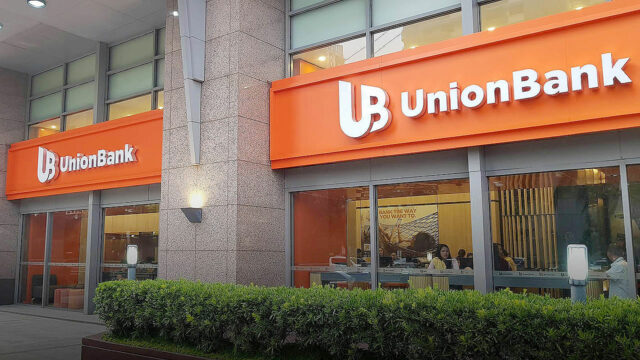
MOODY’S RATINGS has affirmed the credit ratings and outlook of Union Bank of the Philippines (UnionBank), citing the lender’s strong capital position and liquidity buffers, even as it flagged persistent weaknesses in asset quality and exposure to retail lending risks.

In a statement late on Monday, the credit rater maintained UnionBank’s “Baa3” long- and short-term issuer and deposit ratings, along with a “stable” outlook.

Moody’s said the affirmation reflects the bank’s solid capital and liquidity profile, which it described as key buffers against weaker-than-peer asset quality indicators, including higher problem loan ratios, elevated credit costs and relatively low provisioning coverage.

“The affirmation of UnionBank’s ratings and Baseline Credit Assessment reflects the bank’s strong capital and liquidity, which provide buffers against its weaker-than-peer asset quality,” Moody’s said in a note.

However, the debt watcher cautioned that inflationary pressures pose a continuing risk to the bank’s asset quality, particularly due to its high exposure to retail lending. Retail loans account for about 60% of UnionBank’s total loan portfolio as of end-2025, the highest among Moody’s-rated banks.

A significant portion of this exposure is also unsecured. About 40% of the bank’s total loan book consists of unsecured retail loans, increasing vulnerability to borrower stress during periods of rising prices and tighter financial conditions.

Moody’s also pointed to the bank’s units — CitySavings Bank and UnionDigital Bank — as additional sources of exposure, noting their focus on lending to lower-income and underbanked segments.

“As such, we expect the bank, on a consolidated basis, to be more exposed to risks arising from the shrinking financial buffers of retail borrowers amid higher inflation,” it said.

The credit rater expects UnionBank’s bad loan ratio to remain elevated at about 6% to 7%, reflecting continuing pressure across retail, commercial and corporate segments.

It also said the bank’s high share of unsecured loans would likely keep credit costs elevated, even as this segment supports relatively higher yields and profitability potential.

“We expect the bank’s net interest margin and credit costs to remain the highest among its domestic rated peers,” Moody’s said, adding that problematic exposures in commercial and corporate loans could further strain earnings.

While margin expansion may support return on assets, Moody’s noted that profitability would still depend on how effectively the bank manages credit costs and operating expenses.

UnionBank’s return on assets fell to 0.9% in 2025 from 1.1% in 2024, as higher credit costs and operating expenses offset gains from net interest margin expansion.

The decline was partly attributed to the cleanup of legacy exposures in its commercial portfolio and units.

Moody’s described the bank’s profitability as modest, noting that the benefits of its higher-risk, higher-return strategy have yet to fully materialize. It also cited its funding profile as relatively constrained compared with peers.

Moody’s expects UnionBank’s capital adequacy ratio to remain at 15% to 16%, slightly below its 16.4% level as of end-2025.

The projected moderation reflects loan growth outpacing internal capital generation, though levels are still seen as sufficient to absorb asset quality shocks.

Liquidity remains a strength, with a liquidity coverage ratio of 260% and a stable funding base supported by a 68% current and savings account ratio. Funding costs, however, were noted to be higher than peers, at 20.5%.

Moody’s said its assessment assumes a contained impact from global energy market disruptions linked to the Iran war, though it warned that a more severe scenario could pressure UnionBank’s credit profile through macroeconomic and supply chain transmission channels.

The bank’s ratings could be upgraded if its bad loan ratio falls below 5%, credit costs decline, provisioning improves to industry levels or if return on assets sustainably exceeds 1.5% alongside stronger capital buffers.

Conversely, downgrades could occur if asset quality deteriorates significantly, credit costs rise sharply, or if return on assets falls below 0.8% or capital ratios drop under 13%. — Aaron Michael C. Sy

MCIA operator eyes new markets as fuel costs weigh on travel demand

MEGAWIDE.COM.PH

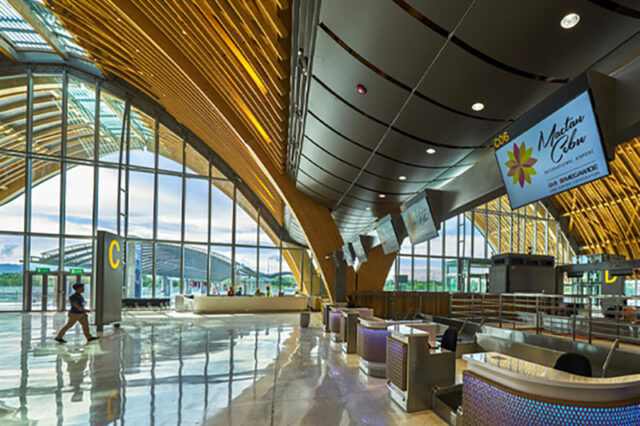
THE OPERATOR of Mactan-Cebu International Airport (MCIA) is working with hotel and tourism stakeholders to roll out coordinated contingency plans and diversify source markets as rising fuel costs threaten to dampen travel demand.

In a statement on Tuesday, Aboitiz InfraCapital Cebu Airport Corp. (ACAC) said it recently convened an industry dialogue with hotel operators and tourism groups to address the potential impact of global oil price pressures linked to the ongoing Middle East crisis.

Participants included bai Hotel, Shangri-La Mactan Cebu, Tambuli Seaside Resort and Spa, Crimson Resort and Spa Mactan, Mercure Mactan Cebu, Savoy Hotel Mactan Newtown, Nustar Resort and Casino, Jpark Island Resort and Waterpark Mactan, Sheraton Cebu Mactan Resort, and Waterfront Airport Hotel and Casino, as well as the Philippine Chamber of Commerce and Industry – Lapu-Lapu and the Hotel Resort and Restaurant Association of Cebu, Inc.

During the dialogue, ACAC flagged rising jet fuel prices as a key risk to the aviation sector, noting that higher fuel costs could lead to increased airfares and, in turn, affect passenger traffic and travel demand.

While MCIA recorded strong passenger volumes in the first quarter, the airport operator said demand may begin to soften as early as June if global conditions persist.

“The aviation and tourism sectors are deeply intertwined. When global headwinds like surging jet fuel costs put pressure on our airline partners, our industry inevitably feels the impact,” said Athanasios Titonis, chief executive officer of Aboitiz InfraCapital Operating Airports.

He said the company is working closely with industry partners on scenario planning and operational alignment to better manage potential disruptions.

ACAC said it is also exploring opportunities to expand connectivity by tapping new and emerging source markets to support travel demand.

The airport operator added that similar dialogues will be held in other Aboitiz-managed gateways, including Laguindingan International Airport in Misamis Oriental and Bohol-Panglao International Airport in Bohol, to strengthen coordination across key tourism hubs.

MCIA serves as a major gateway to the Visayas and Mindanao and is operated by Aboitiz InfraCapital, the infrastructure arm of the Aboitiz group. — Juliana Chloe A. Gonzales

Desmond Morris, British zoologist and Naked Ape author, 98

DESMOND MORRIS, the British zoologist, writer, and surrealist painter whose bestselling book The Naked Ape put humans firmly back in their place among animals, had died, the BBC reported on Monday, citing his son Jason.

Art and nature dominated his long career in equal measure, but it was that 1967 book, its sequels, and his regular TV appearances that secured his reputation.

Subtitled “A zoologist’s study of the human animal,” the blurb in the first edition said it would show how our sex and social lives, gestures, emotions and habits all followed patterns “set down by … hunting-ape ancestors.”

Sales were boosted by the frisson of the title, the use of a nude man and woman in adverts, and a serialization in the Sunday Mirror newspaper, which promised “one of the most controversial books written in our time.”

Some church and other public figures bolstered the publicity by expressing outrage over the book’s frank focus on mankind’s evolutionary makeup.

As Mr. Morris pursued his career as a writer and scientific popularizer, he also built up a reputation in the more rarefied world of British Surrealism.

“I have always been two people,” Mr. Morris told artist and writer Melanie Coles in an interview for the Institute of Contemporary Arts in 2016.

“I am an objective scientist and then I go into my studio and my other hemisphere of my brain starts to work. I become an artist and am irrational in my surrealist work.”

STICKLEBACKS AND CHIMP ART
Desmond Morris was born in the rural southwest English county of Wiltshire on Jan. 24, 1928, the great-grandson of Victorian naturalist and newspaper owner William Morris.

At school through the 1940s, he developed his parallel fascinations in the natural world and new art movements.

He held his first solo art show in 1948, the same year he started studying zoology at the University of Birmingham. Two years later, just into his 20s, his paintings shared wall space with the works of Spanish master Joan Miró at a Surrealist exhibition at the London Gallery.

His twin interests followed him to the University of Oxford, where he met his future wife, Ramona Baulch, and worked on the reproductive behavior of the 10-spined stickleback fish, and then of birds.

Those interests came together after he moved to London, started making films and TV shows on animal behavior, and worked on a 1957 exhibition of drawings and paintings by chimpanzees at the Institute of Contemporary Arts, where he was later director.

In the years that followed, he served as curator of mammals at London Zoo, published scientific papers, presented TV programs — including Granada TV’s Zoo Time series — and wrote books for adults and children, many co-authored by Ramona.

After the worldwide success of The Naked Ape — a fixture on many Britons’ bookshelves through the 1970s and ’80s — the couple moved to Malta where they had a son.

The books kept flowing over the years, including The Human Zoo, a study of human behavior in cities, Intimate Behavior, Peoplewatching, The Naked Man, and The Naked Woman.

In 2022, he published a study of the art movement he had helped form, The British Surrealists. Later that year London’s Redfern Gallery put on an exhibition of his own work, titled Desmond Morris: The Last Surrealist. Reuters

Japan’s domestic move and its profound international impact

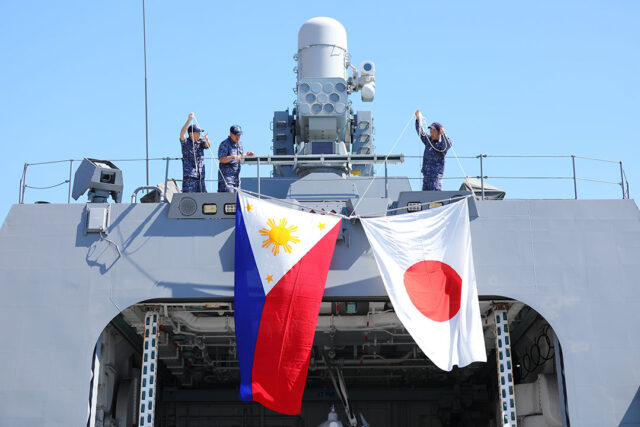
THE Philippine Navy welcomes the arrival of The Mogami-class frigate of the Japan Maritime Self Defense Force, the JS Noshiro (FFM-3) in Subic Bay on March 26, 2026. — PHILIPPINE STAR/WALTER BOLLOZOS

This month, the ruling party in Japan, the Liberal Democratic Party, recommended the scrapping of limits confining the sale of arms to five categories — transport, relief and rescue, early warning systems, surveillance, and minesweeping.

Defense equipment transfers will now be permitted without sectoral restrictions, significantly expanding the possibilities for security and defense cooperation with like-minded countries.

Three Principles govern Japan’s defense equipment transfers. Under the revised principles, Japan will, 1.) clarify where transfers are prohibited, 2.) limit transfers to cases in which they are permitted and enforce strict examination and information disclosure, and, 3.) ensure appropriate control regarding extra-purpose use or transfers to third parties.

The government is set to approve these revisions in a high-level Cabinet meeting in the next few days.

Revisions to the transfer framework are usually presented as a technical adjustment to export rules. In reality, its implications on the Indo-Pacific region’s evolving security architecture cannot be denied. Such a domestic decision has profound international impact, especially for countries like the Philippines that share Japan’s commitment to the rule of law.

Japan is aware that as the security environment becomes more challenging and fragile by the day, no country can safeguard its own peace and security solely on its own. Further, enabling partner nations with the same equipment that Japan has will not only enhance interoperability among like-minded nations, according to its Ministry of Foreign Affairs, this also presents opportunities for the mutual exchange of parts and other supplies, as well as the effective utilization of both sides’ production and maintenance infrastructure.

Indeed, the move reflects Japan’s acknowledgment of a strategic reality: that the regional security environment has become more contested, more complex, and less predictable. Gray-zone activities continue to test the limits of international law, while traditional deterrence frameworks are being recalibrated. In this context, reliance on purely national capabilities is increasingly insufficient.

Japan’s policy evolution should therefore be understood as part of a wider shift toward networked security. By expanding the scope of permissible defense equipment transfers beyond previously restricted categories, Tokyo is positioning itself to play a more active role in enabling the capabilities of like-minded partners. Importantly, this is being pursued within the bounds of its long-standing commitment to peace, anchored in strict export controls and case-by-case review mechanisms.

In this light, Japan’s policy shift should be viewed not merely as an opportunity, but as a strategic inflection point. It creates conditions for a more integrated approach to security cooperation — one that links bilateral partnerships with broader mini-lateral and multilateral frameworks, including those involving the United States and other like-minded states.

This goes beyond capability acquisition. This underscores the potential for deeper interoperability. Very clearly, Japan is pondering the use of compatible systems across partners because it facilitates more efficient coordination, particularly in scenarios that require rapid response. In our current global reality, there are many situations which may potentially call for this.

Compatible systems from shared networks also enable more sustainable operations through common logistics, maintenance, and supply chains — factors that are critical in any contingency.

Aside from these global and regional security concerns, equally important are the broader economic and industrial implications of the move.

Foremost, defense cooperation today is no longer confined to procurement. It increasingly encompasses technology transfer, joint development, and the establishment of maintenance and support ecosystems.

For the Philippines, this opens avenues not only for strengthening national defense, but also for building local capacity in strategically relevant sectors.

The significance of this development is immediate and tangible for Filipinos. As a maritime state facing persistent challenges in the West Philippine Sea, the need to strengthen domain awareness, response capability, and operational resilience is both urgent and ongoing. Enhanced access to Japanese defense equipment and technology could contribute directly to these objectives.

The policy implications for the Philippines are clear. First, there is a need to align defense modernization priorities with emerging opportunities for cooperation with Japan. Second, institutional and legal frameworks must be strengthened to facilitate more complex forms of defense engagement, including technology transfer and joint initiatives. Third, these efforts should be integrated into a broader strategy that leverages partnerships to enhance deterrence and maintain regional stability.

Japan’s emphasis on ASEAN, and on the Philippines in particular, underscores the country’s importance in the regional security equation. Situated along key maritime routes and within the first island chain, the Philippines occupies a position that is central to the stability of the broader Indo-Pacific.

In recent years, and in greater frequency and audacity, China has been flexing its military muscle in the West Philippine Sea, endangering the security and livelihood of our soldiers and fisherfolk right in our own waters. In this context, the recent moves of Japan, a trusted friend for decades, are an assurance that we will never be left to our own devices as we face our challenges. Enhanced defense cooperation with Japan provides a pathway to accelerate AFP modernization, strengthen interoperability, and address persistent capability gaps.

In an increasingly contested environment, the convergence of legal clarity, credible deterrence, and networked partnerships will be essential to maintaining a stable and rules-based regional order. As the region marks the 10th anniversary of the 2016 Arbitral Award, the central challenge is to uphold this legal advantage. For the Philippines, that means sustaining diplomatic gains with stronger capabilities and deeper cooperation with trusted partners such as Japan.


Victor Andres “Dindo” C. Manhit is the president of the Stratbase ADR Institute.

Peso gains as traders await US-Iran talks, BSP policy

PHILIPPINE STAR/ MIGUEL DE GUZMAN

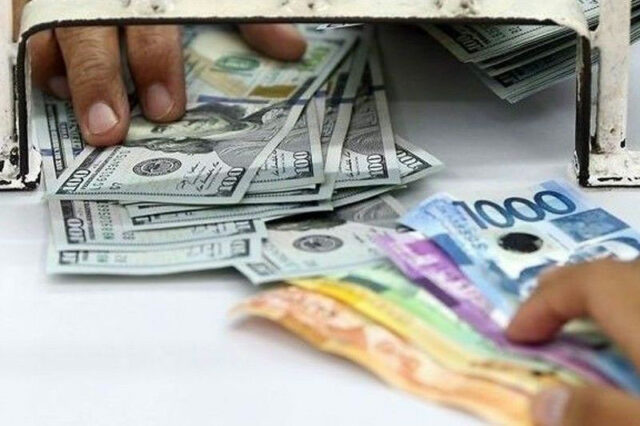
THE PHILIPPINE peso inched up against the dollar on Tuesday as traders stayed on the sidelines ahead of developments in US-Iran negotiations and the Bangko Sentral ng Pilipinas’ (BSP) policy decision this week.

It closed at P59.938 a dollar, 3.2 centavos stronger than Monday’s P59.97 finish, according to Bankers Association of the Philippines data posted on its website.

The peso opened at P59.87 and traded within a range of P59.86 to P60.005. Total dollar volume fell to $1.476 billion from $1.54 billion in the previous session.

A trader said the market was largely cautious as investors awaited signals from talks between the US and Iran ahead of a looming ceasefire deadline.

Expectations of tighter monetary policy at home also supported the peso. BSP Governor Eli M. Remolona, Jr. earlier said the central bank has room to raise interest rates to address inflation risks linked to the Middle East war.

He warned that second-round effects from higher global oil prices could spill over into domestic food and transport costs.

A BusinessWorld poll showed 11 of 19 analysts expect the Monetary Board to raise the benchmark rate by 25 basis points this week, which would bring it to 4.5% — the first hike since October 2023.

Michael L. Ricafort, chief economist at Rizal Commercial Banking Corp., said rate hike expectations helped support the peso’s stability.

For the near term, the trader said the peso could weaken toward P60.20 if US-Iran negotiations fail to produce a breakthrough, while a positive outcome might push it closer to P59.50. Mr. Ricafort expects the peso to trade at P59.80 to P60. — A.M.C. Sy

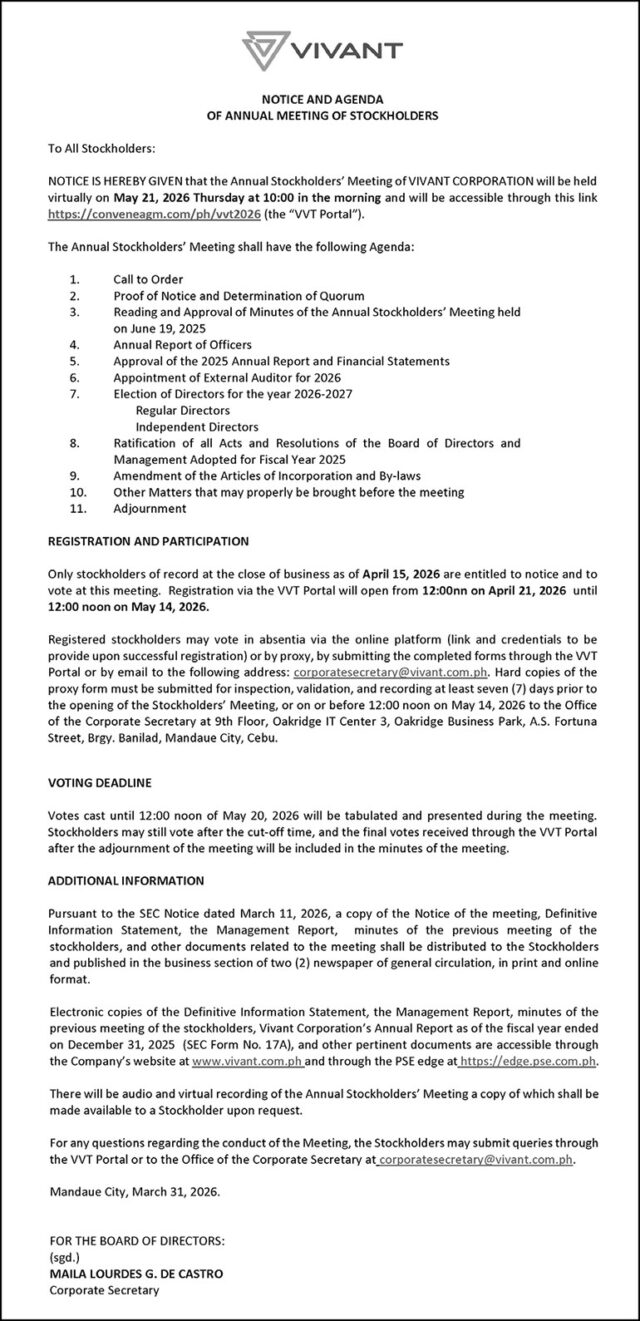
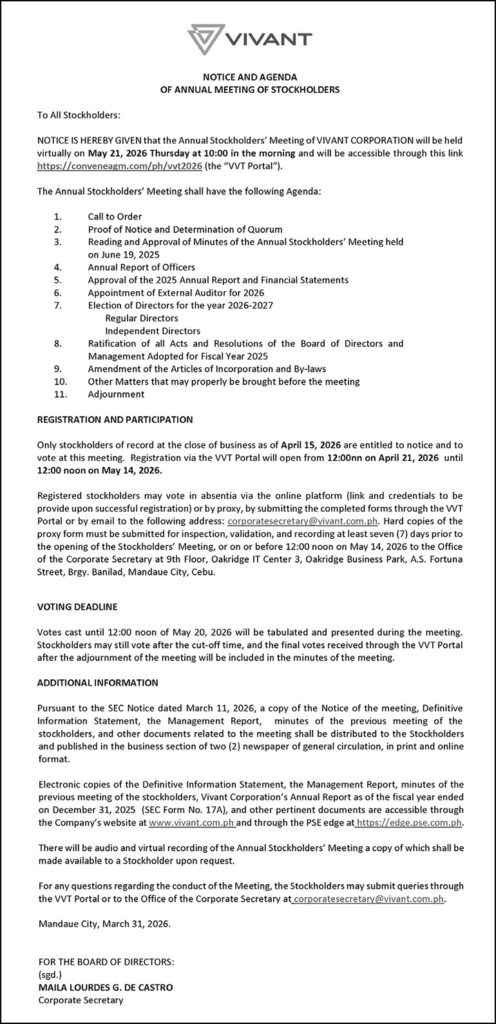
Vivant Corp. to hold virtual Annual Stockholders’ Meeting on May 21


Spotlight is BusinessWorld’s sponsored section that allows advertisers to amplify their brand and connect with BusinessWorld’s audience by publishing their stories on the BusinessWorld Web site. For more information, send an email to online@bworldonline.com.

Join us on Viber at https://bit.ly/3hv6bLA to get more updates and subscribe to BusinessWorld’s titles and get exclusive content through www.bworld-x.com.

PAL suspends Manila-Saipan flights until June

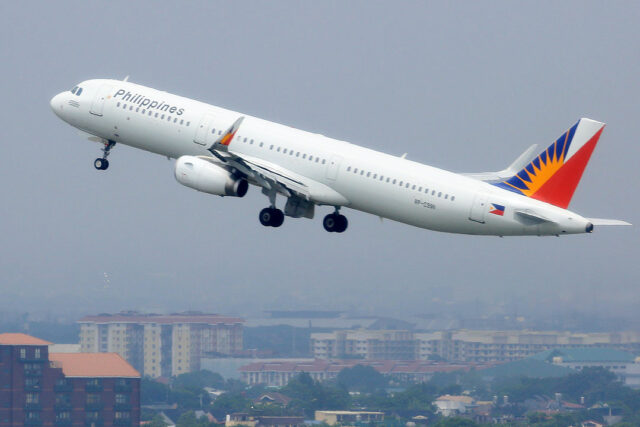
PHILIPPINE STAR/EDD GUMBAN

FLAG CARRIER Philippine Airlines (PAL) has suspended its flights between Manila and Saipan due to ongoing runway repairs at Saipan International Airport.

In an advisory on Tuesday, PAL said it was suspending all operations to and from Saipan until June 18 after Typhoon Sinlaku damaged the airport’s runways.

PAL resumed its Manila-Saipan service on March 29, operating twice weekly every Wednesday and Sunday, with return flights on Mondays and Thursdays.

Saipan, a US territory, is among PAL’s destinations in the United States, alongside Los Angeles, San Francisco, New York, Seattle, Guam, Honolulu, and Chicago.

PAL said it is offering rerouting via Guam as an alternative, subject to seat availability. Passengers will shoulder transportation costs between the original and alternative airports.

“We will coordinate closely with the airport authorities to determine when the airport runway repairs will ⁣be completed and ready for the safe resumption of commercial flights,” PAL said.

The Manila-Saipan route complements PAL’s Pacific network, which includes flights to Guam, Honolulu, and services to Palau via Cebu. PAL first launched seasonal Manila-Saipan flights in 2016.

Last week, PAL announced the launch of its nonstop Manila-Chicago flights beginning Nov. 9, its eighth destination in the United States.

For 2025, PAL Holdings, Inc., the airline’s operator, reported a 6% increase in net income to $160 million, supported by higher revenues. The company said revenues rose 3% to $3.22 billion from $3.13 billion in 2024.

The flag carrier is planning to expand its international network through the deployment of its A350-1000 aircraft and its ongoing fleet refurbishment program. — Ashley Erika O. Jose

South Korea police seek detention warrant for BTS agency founder Bang

SEOUL — South Korean police have requested a detention warrant for Bang Si-hyuk, the chairman of K-pop agency HYBE, over alleged illegal trading tied to the company’s initial public offering.

The Seoul Metropolitan Police Agency said Bang is suspected of violating capital market laws by misleading early investors ahead of HYBE’s listing and steering them to sell shares to a private equity fund linked to his associates.

Police allege that after HYBE went public the fund sold its stake and Bang received about 30% of the profits under a prior shareholder agreement, earning roughly 190 billion won ($129.1 million) in illicit gains.

Mr. Bang has previously denied any wrongdoing.

HYBE did not have an immediate comment when contacted by Reuters.

Mr. Bang is also the founder of HYBE, the music powerhouse behind global K-pop supergroup BTS.

HYBE shares reversed course after the report and were down 2.9% as of 0215 GMT, compared with a 1.8% rise in South Korea’s benchmark KOSPI.

The National Police Agency confirmed that the US embassy in Seoul recently sent a letter asking authorities to allow Mr. Bang to travel to the United States, despite a travel ban imposed during the investigation.

According to police, the letter sought a temporary suspension of the ban, citing plans for Mr. Bang and other senior executives to attend an event to mark US Independence Day and hold talks related to the ongoing BTS global tour.

The US embassy in Seoul said it did not have anything to add on that matter.

Mr. Bang has been barred from leaving South Korea since August last year. — Reuters

Has the global expansion weathered too many hits?

STOCK PHOTO | Image by Vectorjuice from Freepik

By Daniel Moss

AT WHAT POINT will the five-year-old expansion be dealt one punch too many? It may well make it through this latest scrape — and emerge in weaker shape. Top economic officials will earn their pay.

The Iran War will certainly extract a toll. The difficulty lies in figuring out whether it represents just another setback or finally quashes the resilience that’s come to typify growth since the pandemic. This tension was evident at last week’s meetings of the International Monetary Fund (IMF) in Washington. It’s encouraging to hear prudent noises from policymakers, but caution risks becoming an excuse for not doing anything. That can be smart in the short term. It’s not a sustainable strategy.

The Middle East confrontation accentuates debate about the post-COVID lessons that central banks learned. Do they look through the oil-price shock following the eruption of hostilities on Feb. 28, or do they begin clamping down on inflation before it builds? The latter risks adding additional burdens to businesses and consumers.

Assuming inflation is temporary, a trap similar to the one they fell into in 2021, hints at confidence that may not be warranted. Huw Pill, chief economist at the Bank of England, nailed the shortcomings of this approach: “I’m not sure waiting is necessarily the appropriate response to the sort of inflationary dynamics which have the potential at least to have some self-sustaining momentum,” he said at an event on Friday.

The impact of the conflict on the global economy doesn’t appear disastrous. The IMF projects global growth will slip to 3.1% this year, down from a January forecast of 3.3%. Not bad, considering the massive disruption in energy markets. But it would be wrong to treat these numbers with comfort. The fund warned that for every day that energy supplies are disrupted, the more we drift toward a less benign outcome.

Rapid rate hikes after COVID, and US tariffs were big negatives. Neither undid the expansion, nor have US President Donald Trump’s reckless efforts to undermine the autonomy of the Federal Reserve, the institution that, more than any other, underwrites world financial stability. And investors haven’t dumped US assets en masse or stampeded away from the dollar after the US unveiled tariffs a year ago.

But scratch beneath the main forecasts today and the outlook is worrying. The IMF also outlined two less favorable scenarios. One sees growth sliding to around 2.5% and inflation rising to 5.4%. The worst sequence, which the institution calls “severe,” may induce recession; growth would slip to about 2% while inflation would pick up to around 6%. Outright contractions in GDP are extremely rare; they occurred in 2020, during the worst stage of COVID, and in 2009 in the wake of the subprime collapse. That suggests conditions won’t become too terrible, absent a significant escalation in fighting — or a major policy error.

As ever, the world finds itself dependent on a handful of big economies. China got off to a respectable start — GDP rose 5% in the first quarter from a year earlier, beating forecasts and suggesting limited spillovers from the war. Domestic engines are struggling, however, as retail sales continue to disappoint and unemployment remains elevated. The US may keep a slump at bay, with job creation still strong. But it would be a mistake to rely too heavily on these two giants.

Perhaps looking for an end to the expansion isn’t the point. However, the foundations are under threat. Without the war, an upgrade to forecasts would have been deserved. The best that can be said is that the global economy faces the conflict in as good place as could be hoped. If only the self-inflicted wounds ceased coming.

BLOOMBERG OPINION