Home Blog Page 1688

Declining inflation and dealing with trade diversion

FREEPIK

Over the last two weeks, the Philippine Statistics Authority (PSA) released the country’s inflation rate for March 2025 and unemployment rate for February 2025. There is good news in the former, as last month inflation was only 1.8% so the average inflation rate in the first quarter (Q1) 2024 of 3.3% went down to 2.3% in Q1 2025. This is similar to the Q1 2025 results of South Korea, whose inflation rate was 2.1%, Taiwan’s 2.2%, and Germany’s 2.3%; and it was lower than Vietnam’s 3.2% and the US’ 2.7%.

Meanwhile, our January-February 2025 average unemployment rate was 4%, lower than China’s 5.3%, Italy’s 6%, Germany’s 6.2%, and Canada’s 6.6%, but higher than the average unemployment rate of Japan, Taiwan, Malaysia, Korea, and Hong Kong (see the table).

In a Viber message, Budget Secretary Amenah F. Pangandaman expressed optimism that “Government spending has helped stabilize the country’s unemployment rate at 3-4% and inflation rate at 2-3% because important sectors like hard infrastructures are prioritized, these projects further improve our people’s productivity, work efficiency, and overall income.”

REDUCE THE BUDGET DEFICIT, SMUGGLING
We still need to reduce that high annual budget deficit of P1.5 trillion a year. There is a need for further increases in revenues and control in overall spending. Smuggling and illicit trade are among the big holes in revenue generation — they need to be plugged and minimized.

Last week, on April 7, President Ferdinand R. Marcos, Jr. and Department of Finance (DoF) Secretary Ralph G. Recto led the public condemnation of P3.26 billion worth of vape products that had been seized and forfeited by the Bureau of Customs (BoC) and warned the public against smuggling.

In a press statement, Mr. Recto commended the BoC “on its stronger and stricter crackdown on smugglers. Our fight against smuggling goes beyond just border protection. It is a defense of our economic integrity. By shutting down illicit trade, we protect our people’s access to affordable goods and boost our revenue collections that allow the government to provide more public services to Filipinos.”

This was a good move by the BoC and DoF. But I think that aside from the enforcement of existing anti-smuggling laws, there is a need to change existing tax laws that make the prices of legal products near prohibitive and the prices of illegal or smuggled products more attractive. The price differential between legal and illegal products becomes wider each year as the tax rates keep rising.

That is why in Senate and House Committee hearings on illicit trade last January and February (I was invited to the House and Senate Committee hearings and attended three times each), I argued that there is a need to cut the tax rate of tobacco products as a fiscal measure, as a means to raise tobacco tax revenues, and reduce the high incidence of smuggling.

TRADE DIVERSION AND POSSIBILITY OF DUMPING
The longer there is uncertainty over the tariff rates imposed by the US and other major exporting countries, the more trade diversion will happen. By this I mean that as China’s exports to the US slowly decline, more cargo ships filled with Chinese goods will be diverted to other countries, especially in the ASEAN, with the goods offered at discounts.

This week, April 14-18, China’s President Xi Jinping will visit three ASEAN countries — Vietnam, Malaysia, and Cambodia. Expanded trade should be foremost on the agenda.

If China will sell more trucks and buses, tractors and harvesters, computers and gadgets, clothes and construction materials to the ASEAN, including the Philippines, at a discount, consumers here will be happy, and our inflation rate will further stabilize to 1-3%.

But our trade deficit with China will then increase further, from $18.5 billion in 2023 and $23.4 billion in 2024, to possibly $30 billion or higher in 2025. And many domestic manufacturers will complain of “dumping” and will lobby for higher anti-dumping tariff rates for China products.

I believe that we should prioritize consumer choice and freedom and a lower inflation rate. The increase in the merchandise trade deficit can be compensated for by having a non-merchandise trade surplus, like welcoming more Chinese tourists here.


Bienvenido S. Oplas, Jr. is the president of Bienvenido S. Oplas, Jr. Research Consultancy Services, and Minimal Government Thinkers. He is an international fellow of the Tholos Foundation.
minimalgovernment@gmail.com

Philippines slides to 16th spot in emerging market rankings of FDI Confidence Index

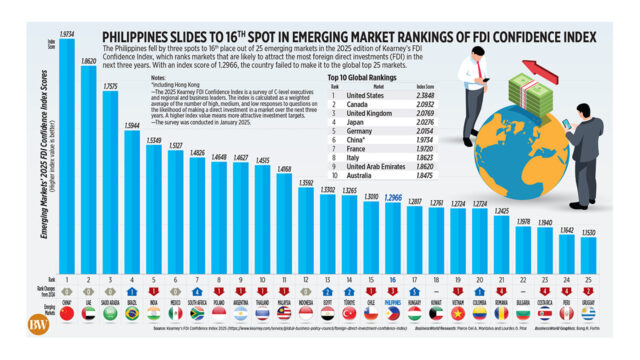
The Philippines fell by three spots to 16th place out of 25 emerging markets in the 2025 edition of Kearney’s FDI Confidence Index, which ranks markets that are likely to attract the most foreign direct investments (FDI) in the next three years. With an index score of 1.2966, the country failed to make it to the global top 25 markets.

Philippines slides to 16<sup>th</sup> spot in emerging market rankings of FDI Confidence Index

Cosco Capital 2024 income climbs 25% to P15.5B

PUREGOLD

LUCIO L. CO-LED retail holding company Cosco Capital, Inc. posted a 25% increase in consolidated net income for 2024, reaching P15.5 billion from P12.4 billion a year ago, driven by its grocery and liquor businesses.

Consolidated revenue climbed by 10.5% to P237 billion, up from P214.5 billion in 2023, Cosco Capital said in a regulatory filing on Monday.

Grocery retailer Puregold Price Club, Inc. and S&R Membership Shopping Club accounted for 68% of total net income, followed by liquor distribution at 23.5%, commercial real estate at 7%, energy and minerals at 1%, and specialty retail at 0.5%.

“The group continued to benefit from the economic recovery amidst the prevailing macroeconomic challenges through sustained and stronger revenue growth across all its business segments, indicating recovering consumer demand,” Cosco Capital said.

For 2024, the grocery retail group posted a 21.3% increase in consolidated net income to P10.4 billion, with revenue climbing by 10.1% to P219.17 billion.

Puregold stores posted a 4.5% same-store sales growth (SSSG), while S&R Warehouse clubs recorded a 6.4% SSSG on higher traffic and basket size.

The liquor distribution segment, led by The Keepers Holdings, Inc., recorded a 21.3% increase in net income to P3.54 billion. Revenue rose by 13.6% to P18.5 billion, driven by a 14% volume growth in cases sold during the year, led by the Alfonso imported brandy.

The Keepers distributes various liquor brands such as Johnnie Walker, Chivas Regal, Glenfiddich, Suntory, Jinro, Jose Cuervo, Jim Beam, and Penfolds.

The commercial real estate segment saw a 20.6% net profit growth to P1.13 billion. Rental revenue increased by 5.2% to P2.05 billion, driven by improved business operations of its tenants’ portfolio, boosted by increased economic activity and the full resumption of rental rates based on contracts.

The energy and minerals segment generated P177 million in net income and P492 million in revenue for the year.

Meanwhile, the specialty retailing business, led by Office Warehouse, Inc., recorded a 16.8% drop in net income to P65 million, as revenue fell by 3.4% to P2.08 billion.

On Monday, Cosco Capital shares rose by 5.65%, or 30 centavos, to P5.61 each, while The Keepers stocks gained by 2.41%, or six centavos, to P2.55 per share. — Revin Mikhael D. Ochave

BSP launches mobile app featuring real-time data, news

BSP.GOV.PH

THE BANGKO Sentral ng Pilipinas (BSP) on Monday launched a mobile app that will feature real-time financial data and news to improve the public’s access to information and services from the regulator.

“The BSP mobile app was developed with a vision of bringing a seamless and convenient means for our stakeholders to access BSP information and services anytime, anywhere through their mobile phones,” BSP Technology and Digital Innovation Officer Reynaldo Florencio T. Zipagan said in a speech at the launch.

“This new platform aims to enhance your experience and encourage greater interaction with the BSP. Once downloaded, the app can be accessed anytime even offline and offers personalization to match your specific needs and interests. In launching this app, we are also aligning ourselves with global best practices set by leading central banks worldwide, such as the Federal Reserve Bank of New York, the Deutsche Bundesbank, and Bank Negara Malaysia,” BSP Managing Director Charina B. De Vera-Yap said.

Users will be able to access real-time financial data, policy decisions, and economic indicators on the app, the BSP said.

The mobile app will also keep users updated on BSP news, advisories, and announcements, and features the central bank’s chatbot called BSP Online Buddy or BOB. Users can also find information on BSP offices or branches through the app’s service locator.

The app can also be personalized so that users can have quicker access to the information or services they need.

“You can filter the currencies that matter most to you and view their exchange rates at a glance. Be updated with the latest statistical reports anytime, anywhere, through the mobile app,” the BSP said. — Aaron Michael C. Sy

Brazilian DJ Alok rocks Coachella, as international artists worry about performing in the US

INDIO, California — Brazilian DJ Alok brought a beaming blend of electronic dance beats to the stage on Saturday at the Coachella Valley Music and Arts Festival despite the growing fears of international artists about the future of performing in America.

“For me as a Brazilian, it’s always been hard to get a visa. So, for us, it didn’t change much,” Alok told Reuters during an interview backstage at Coachella, held in Southern California. “But, of course, for Europe and others, they changed the rules, right?” he added.

Alok heard about other Coachella performances being canceled in 2025 due to visa issues and feels fortunate that he made it to the festival when other international artists could not.

“For us, we were very lucky. The team were all here from LA, so that was amazing,” he said.

In the first week of April, British singer FKA Twiggs, who was scheduled to perform at Coachella, canceled her performance. She said that she was bowing out due to “visa issues” on the social media platform Instagram.

She also canceled her entire North American tour.

With the Trump administration rapidly cancelling the international student visas of pro-Palestinian activists as well as revoking the legal status for 530,000 Cubans, Haitians, Nicaraguans, and Venezuelans, international music artists have also found that they are not immune.

In March, British punk rock band member of UK Subs, Alvin Gibbs, shared on the social media platform Facebook that they were allegedly denied entry into the United States while traveling to their performance at LA Punk Invasion 2025.

Despite evolving visa policies looming, the music producer Alok did not fret about the future during his set. He moved his music to the next level.

Alok is best known for that 2016 single and for his 2024 album, The Future is Ancestral, which features nine dance tracks mixed with indigenous songs, some of which have been sung for centuries by Brazilian tribes.

CHARLI XCX, GREEN DAY, TRAVIS SCOTT
Strobe lighting, hardcore bass and screaming fans wearing “Brat” T-shirts defined English pop singer Charli xcx’s Coachella Valley Music and Arts Festival performance on Saturday night.

The Grammy-winner brought her signature club party energy, inviting fellow singers Troye Sivan, Billie Eilish, and Lorde to join her on stage. Sivan and Charli xcx, who joined forces in 2024 for the Sweat Tour, reunited on stage at Coachella to perform the song “Talk Talk.”

The Charli xcx’s Brat album inspired a cultural phenomenon on TikTok and beyond last summer.

Following Charli xcx on the main stage, punk rockers Green Day decided to address some political issues, criticizing Make America Great (MAGA) supporters and spotlighting the struggles of Palestinian children, by changing the lyrics of their songs.

Singer Billie Joe Armstrong changed the lyrics in the song “American Idiot,” from “I’m not a part of a redneck agenda” to “I’m not part of the MAGA agenda.” Later, the “21 Guns” singer also changed the “American Idiot” lyrics “Runnin’ away from pain when you’ve been victimized,” to “Run away from pain, like the kids from Palestine. Tales from another broken home.”

For Green Day, planting political messages in their performances is nothing new, including changing the lyrics of the song “Jesus of Suburbia” in March during the band’s concert in Australia.

Green Day took aim at US Vice-President JD Vance, after he and President Donald Trump had a tense meeting with Ukrainian President Volodymyr Zelenskiy in the Oval Office. Armstrong sang: “Am I retarded or am I just JD Vance,” instead of, “Am I retarded or am I just overjoyed?”

The band has also taken jabs at Trump and Elon Musk.

The group also paid homage to punk rock music throughout the decades, including their songs “Wake Me Up When September Ends,” and “Know Your Enemy.”

Ending the night, rapper Travis Scott, known for his 2021 Astroworld Festival performance in Houston where a dangerous crowd surge resulted in 10 deaths, was late to his Coachella performance.

However, fans were cheering when a brass band arrived on stage, signaling the start of the “SICKO MODE” rapper’s set.

Scott’s show included massive bursts of fire and strobe, while he and his dancers were suspended in mid-air for some aerial moves. He was also joined by American rappers Playboi Carti and Don Toliver.

Coachella is a two-week festival that features the same headliners both weekends. The first was April 11-13, and the second is April 18-20. — Reuters

Sansan Global sees tech hubs boosting property growth outside Metro Manila

Minglanilla Techno Business Park — CEBULANDMASTERS.COM

THE GROWTH of technology hubs outside Metro Manila could drive expansion in the property sector in provincial areas such as Cebu and Davao, according to Japanese tech firm Sansan Global Development Center, Inc. (SGDC).

“A strong tech hub can have a ripple effect across different sectors of the local economy. Real estate tends to benefit from this at an early stage because demand rises for commercial office spaces for businesses and residential developments to house relocating professionals,” SGDC Country Manager and Director Jay V. Pegarido said in an interview with BusinessWorld.

“Retail, hospitality, and service industries will then grow, given the influx of international visitors, investors, and newly hired tech workers.”

Cebu remains the top choice for demand in the provincial office market at 42,000 square meters (sq.m.), followed by Davao with 12,000 sq.m., according to property consultancy firm Leechiu Property Consultants (LPC).

Of the total, IT-BPMs (information technology-business process management) account for 75% of demand in Cebu’s office spaces and the entirety of Davao’s office market, according to LPC’s latest Philippine Property Market Report.

The growth of regional tech hubs would also increase the availability of digital tools that would help automate traditional sectors like manufacturing, logistics, and agriculture.

Compared to Metro Manila, the average rental rates in Cebu and Davao are lower by 39.5% and 48.6%, respectively, according to Numbeo, a crowd-sourced cost-of-living database.

“Lower operating costs and a cheaper cost of living make cities like Cebu and Davao attractive to both local startups and multinational corporations,” Mr. Pegarido said.

Both provinces also have a growing number of IT graduates ready to enter the tech-driven workforce, he added.

However, the lack of modern infrastructure for stable, high-speed internet and reliable power supply may hinder the growth of regional tech hubs, Mr. Pegarido noted.

To address this, national and local governments must prioritize infrastructure upgrades for internet connectivity and power. They must also refine policies to encourage foreign investment and streamline business registration.

Mr. Pegarido cited the need for public-private partnerships that would upscale graduates for specialized roles like product development, artificial intelligence (AI), and software engineering.

“While BPO is a valuable foundation, cities aiming to become tech powerhouses will need to diversify into higher-value services, such as large-scale software development, cloud computing, and advanced data analytics.”

The government should also consider offering tax incentives or other financial benefits to tech companies willing to set up long-term operations.

Internship programs and hands-on technical workshops can also ensure that graduates are job ready.

Lastly, firms must provide full-time employment models rather than short-term contracts to improve talent retention, Mr. Pegarido said.

The continued growth of regional tech hubs like Cebu and Davao will be driven by the development of data centers, cloud computing, software-as-a-service models, and AI and machine learning tools, Mr. Pegarido said.

“These advancements, in turn, encourage further investment in infrastructure, facilitate global partnerships, and position these cities as serious contenders in the ASEAN (Association of Southeast Asian Nations) tech space.”

Since expanding in Cebu in 2023, SGDC has hired over 80 software developers and is looking to exceed 100 soon. — Beatriz Marie D. Cruz

Dealing with trade tensions: Time for evidence-based policy making and capacity building

FREEPIK

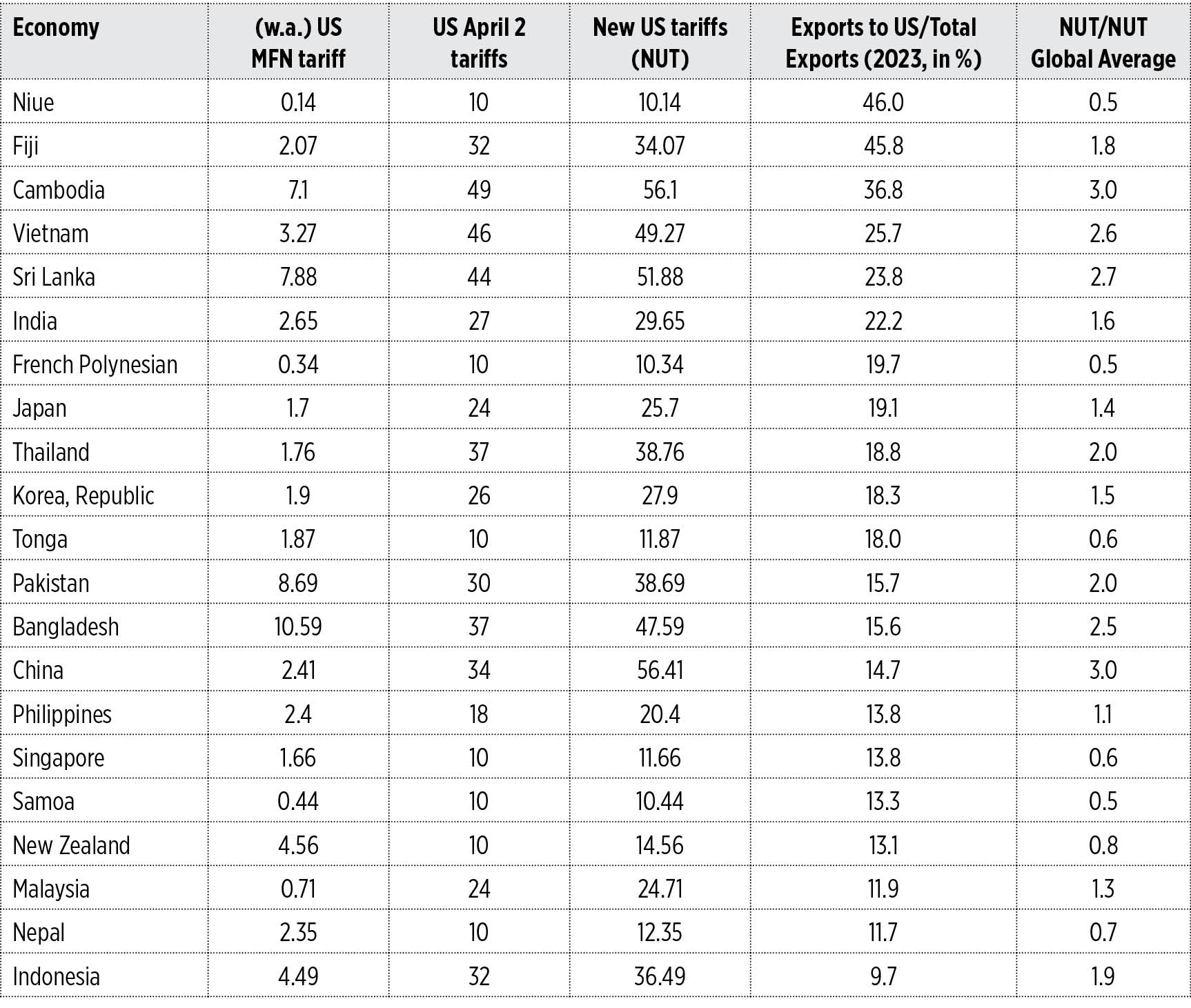
THE NEW United States tariffs released on April 2 have come as a surprise to Governments around the world. The scope and scale of the tariffs announced are higher than many expected, especially those imposed on some of the smallest and least developed countries. The global average of these new tariffs stands at about 19%, with a minimum “baseline” tariff of 10% on all goods, with several countries in Asia and the Pacific subjected to tariffs of 30% or more. These differential tariffs come on top of existing MFN tariffs, making the new tariff structure complex and its impact difficult to assess.

The accompanying table shows some of the countries in Asia and the Pacific that are most directly affected by this new policy. Countries most exposed are those that, 1.) face higher new US tariffs relative to others; 2.) have significant direct exports to the USA; and/or 3.) are significantly involved in global value chains (GVCs) of goods destined for the US market.

Countries are ranked by the share of their exports going directly to the USA. Based on the first two criteria, Fiji, Cambodia, Vietnam, Sri Lanka, Thailand, Pakistan, Bangladesh, and China are the most exposed. Lao PDR and Myanmar are also subject to additional tariffs of 45% or more, but their direct exports to the US are small (below 4%). Further analysis is required to account for the GVC as well as other relevant criteria, including types of products exported, existing products and extent of market diversification.

While large countries have the capacity to undertake the detailed analyses required to inform policy decisions in a fast-evolving trade policy environment, smaller developing countries often face a critical shortage of human and financial resources. Tools such as the online Trade Intelligence and Negotiation Adviser (TINA) can, however, help address this gap. TINA, which was developed by ESCAP — and now with ECA — to support countries with bilateral trade negotiations, is a readily available tool that countries can use to analyze the impact of the recent tariff hikes on their trade flows.

Using the TINA tariff simulator, we have assessed the exposure of Asia-Pacific economies to the new April 2 US tariffs at the product level (HS6 level). Many of the countries in the table above could lose over 72% — and up to 94% — of their direct exports to the US. Detailed results are available at https://tinyurl.com/2cksvndx.

Users can use the simulator to conduct quick assessments of new tariffs (including retaliatory ones) on trade and identify the most affected sectors.

We are also pilot testing a national TINA in Cambodia and increasingly leveraging AI to make the tool accessible to a wider range of users. Cambodia TINA provides further insights by looking at third-party impacts (i.e., the impact of tariffs on Vietnam) as well as the effects of different trade policy scenarios using input/output tables. This analysis, for example, shows that tariffs imposed by the United States could reduce Cambodia’s output by as much as 13%. Combining this with labor data shows that more than 400,000 Cambodian workers may lose their jobs if the new tariffs are implemented, with more than 70% of them female (the textiles sector being traditionally female dominated, is particularly heavily impacted, with output falling by 45%). Forthcoming analysis using ESCAP’s RIVA (Regional Integration and Value Chain Analyzer) will provide an understanding of the pass-through tariff exposure, where countries are indirectly affected due to regional production networks. Preliminary findings suggest that both advanced and developing countries in the region which are more integrated into global and regional value chains, will experience significant pass-through effects.

As countries consider policy actions to respond to this dynamic trade environment, keeping channels of communication open between countries and with the private sector will remain essential. Pending a more stable trade policy environment, countries may strive to accelerate their trade digitalization efforts, taking advantage of the UN treaty on cross-border paperless trade facilitation in Asia and the Pacific to cut trade costs. They may also focus on expanding trade in services, including travel and digitally delivered services, which have so far been left out of trade tensions. They may consider strategic diversification of their trade baskets and destination markets and enter into new trade and investment agreements which help them mitigate the adverse impacts and leverage new opportunities.


Rupa Chanda is the director of Trade, Investment and Innovation Division of the United Nations Economic and Social Commission for Asia and the Pacific or ESCAP. Alexey Kravchenko is the ESCAP economic affairs officer; Witada Anukoonwattaka is the economic affairs officer, Trade, Investment and Innovation Division; and Yann Duval is the chief of the Trade Policy and Facilitation Section, Trade, Investment and Innovation Division.

Auto Sales (March 2025)

PHILIPPINE automotive sales grew by 7.6% in March as steady commercial vehicle sales offset a double-digit slump in sales of passenger cars, an industry report showed. Read the full story.

Auto Sales (March 2025)

SM Retail eyes Gen Z market to boost sales

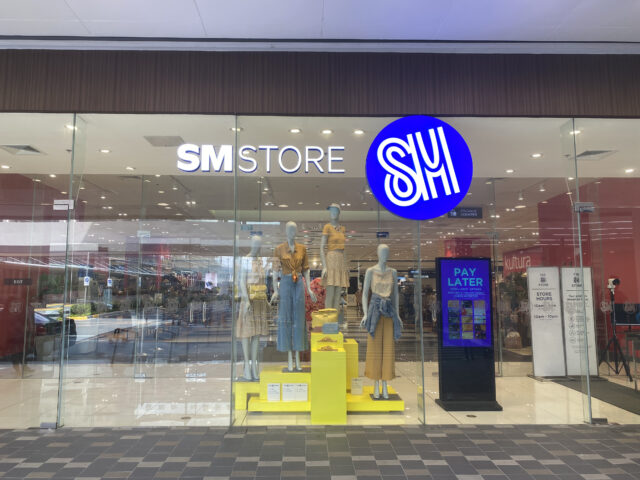
SM RETAIL, Inc., the retail arm of the Sy-led conglomerate SM Investments Corp. (SMIC), is aiming to tap the Gen Z market to boost sales.

Figures from SM Store, SM Retail’s department store business, showed a 13% increase in in-store purchases by young shoppers last year.

“Our strategy has always been ‘We’ve got it all for you.’ SM Store offers a broad product range that appeals to different market segments, making it a one-stop shop for all. We’re also placing greater emphasis on engaging with Gen Z,” SM Retail Executive Vice-President Jonathan Ng said in an e-mail statement on Monday.

“Filipino shoppers, especially Gen Z, are more experiential and tactile in their shopping preferences,” he added.

A recent government census showed that Gen Z, ages 13 to 28 or born between 1997 and 2012, currently accounts for up to 38% of the Philippine population.

“While Gen X and Millennials still lead in terms of purchasing power, we’re strategically investing in Gen Z as they become an increasingly influential consumer group,” Mr. Ng said.

Gen X, ages 45 to 60, are those born between 1965 and 1980, while Millennials, ages 29 to 44, are born between 1981 and 1996.

SM Retail said it has been focused on improving the customer experience through strategic partnerships, such as its collaboration with Coffee Bean and Tea Leaf, to create a more enjoyable in-store environment.

The company also seeks to align with Gen Z’s preferences, led by a focus on in-store discounts, convenience, and the ability to quickly own products.

For 2024, SM Retail reported a 5% increase in net income to P20.9 billion, as retail revenue climbed by 5% to P434.5 billion.

SMIC stocks gained by 1.88% or P15 to P815 per share on Monday. — Revin Mikhael D. Ochave

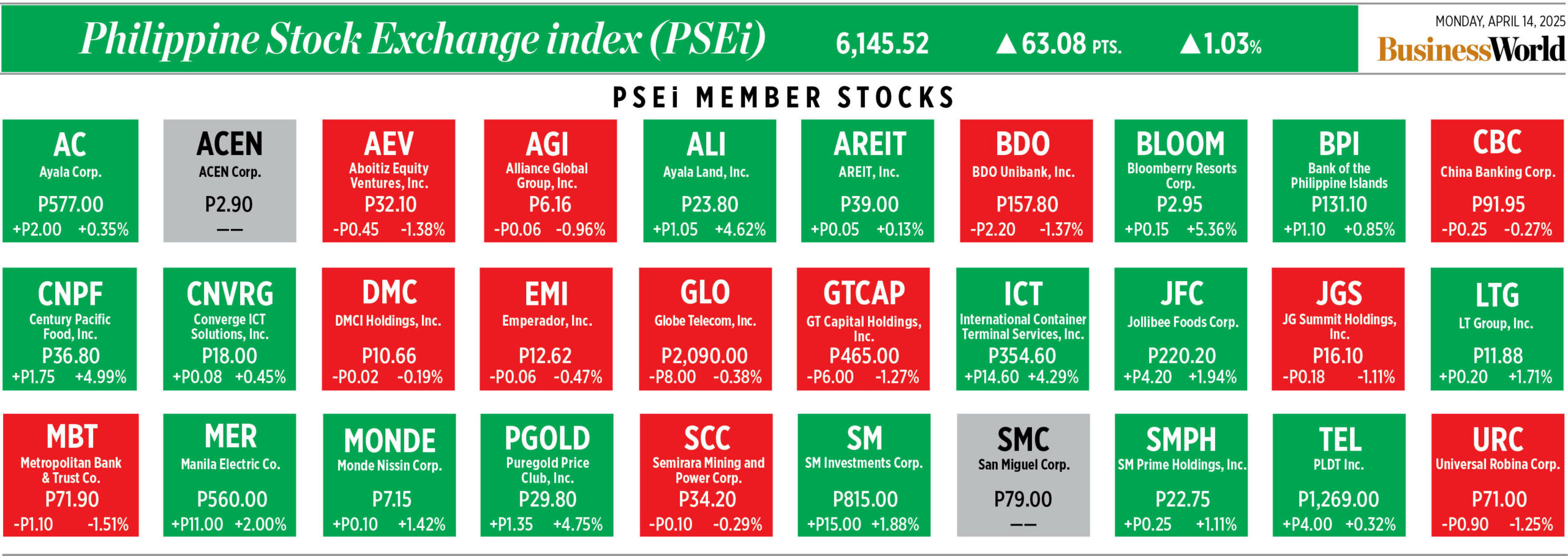
How PSEi member stocks performed — April 14, 2025

Here’s a quick glance at how PSEi stocks fared on Monday, April 14, 2025.


PHL pitches S. Korea for electronics, EV locators

REUTERS

THE GOVERNMENT said it will welcome South Korean companies engaged in electronics manufacturing services and semiconductor manufacturing services, electric vehicles (EV), high-tech agriculture, and clean energy industries seeking to invest in the Philippines.

In a social media post, the Philippine Economic Zone Authority (PEZA) said that it joined the Philippine delegation in the Corporate Recovery and Tax Incentives for Enterprises to Maximize Opportunities for Reinvigorating the Economy (CREATE MORE) roadshow in South Korea on April 6-8.

“The highlight of the mission was the Philippine Business Forum, co-hosted by the Philippine Embassy in Korea and The Korea Times, held on April 7,” PEZA said.

“The forum aimed at positioning the Philippines as a leading hub for investment among prospective Korean investors, showcasing the new incentives introduced under the CREATE More Act,” it added.

During the mission, the delegation, led by Secretary Frederick D. Go, who heads the Office of the Special Assistant to the President for Investment and Economic Affairs, met with about 80 Korean firms in business-to-business meetings conducted on the sidelines of the forum.

CREATE MORE “enhances the ease of doing business, reduces costs, and creates predictability — factors that boost confidence among you, our partners,” Mr. Go was quoted as saying.

“Now is the time to create more — more investments, stronger partnerships, and greater opportunities for shared success,” he added.

During the meetings, PEZA met with current locators like KC & A Corp. and HiTec RCD Philippines, to address operational concerns and explore how the enhanced incentives under the CREATE More Act could support their current activities and potentially facilitate future expansion.

“We were (also) able to meet with Nechon Co…. as well as the Gyeonggi Pyeongtaek Port Corp., which is primarily responsible for the development, operation, and promotion of Pyeongtaek Port in South Korea,” PEZA said.

PEZA Director General Tereso O. Panga said South Korea plays an important role in Philippine economic zones.

“Currently, South Korea is the fifth-largest foreign investor in PEZA, with a country investment portfolio of over P100 billion, around $1.6 billion in exports, and has created over 39,000 direct jobs, making it one of our valued prospective growth centers,” Mr. Panga said.

“I am confident that the mission will open up more investment opportunities from South Korea and reap the benefits of CREATE MORE and the business-friendly environment that PEZA offers,” he added. — Justine Irish D. Tabile

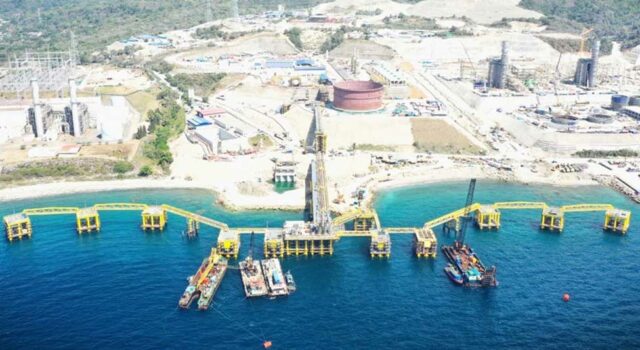
Batangas gas-fired power plant delays flagged

AG&P COMPANY

THE Department of Energy (DoE) has raised concerns over the delays in bringing Manila Electric Co.’s (Meralco) 1,200-megawatt (MW) Batangas gas-fired power plant to its full capacity.

In a virtual briefing on Monday, Energy Assistant Secretary Mario C. Marasigan said not all units of the gas-fired power plant of Excellent Energy Resources, Inc. (EERI) are in full commercial operation.

“These units are still under testing and commissioning. They were supposed to deliver last year. Per my understanding of the power supply agreement, delivery of the kilowatt hours should start by August, but full capacity should have been made available by December 2024,” he said.

EERI was a winning bidder during the competitive selection process (CSP) conducted by Meralco last year. The power generator offered 1,200 MW out of the required contract capacity of 1,800 MW. It will deliver electricity from its 1,275-MW combined cycle power project in Ilijan, Batangas.

EERI, along with South Premiere Power Corp. (SPPC), are jointly owned by Meralco PowerGen Corp. (MGen), Abitiz-controlled Therma NatGas Power, Inc. (TNGP), and San Miguel Global Power Holdings Corp. (SMGP).

MGen and TNGP, along with SMGP, acquired the Batangas liquefied natural gas (LNG) import and regasification terminal owned by Linseed Field Corp. (LFC), which will “process, handle, and deliver the LNG requirements of the power plants of SPPC and EERI.”

Earlier this year, these firms signed a $3.3-billion deal to launch the country’s first integrated LNG facility.

“Now, if the facilities are still under testing and commissioning, then that’s one of our concerns because even if there is replacement power, that means that the capacity that they will secure to fulfill that 1,200 MW will be coming from existing facilities, which should be serving different markets,” Mr. Marasigan said.

He said that the DoE is also monitoring the source of the natural gas which is primarily LFC’s LNG facility.

Initially targeted for operations by May 15, he said that the completion of the facility’s storage Unit 1 may be pushed back to the end of the month.

“Our concern is without the fulfilment of the power supply agreement (PSA) of Meralco and EERI, then there is a gap. Instead of having a fully contracted capacity, then these capacities that are lacking under the PSA will have to be sourced from other generating facilities,” Mr. Marasigan said.

Energy Undersecretary Felix William B. Fuentebella has also reminded other distribution utilities to comply with the timelines in their contracts.

“We want to prevent any problems either with the regulator and especially the inconvenience that this may bring to consumers considering that prices may be affected by delayed delivery in accordance with the contract,” he said.

Asked to comment, Monalisa C. Dimalanta, chairperson and chief executive officer of the Energy Regulatory Commission (ERC), said that the agency has only issued provisional approvals for the natural gas PSAs of Meralco.

“All these issues, including the delay in completion of the gas terminal, will factor into the Commission’s final evaluation of the cases,” she said.

Ms. Dimalanta said that the ERC is still waiting for a copy of the “analysis and decision on the ownership issue” from the Philippine Competition Commission to complete the evaluation.

Meralco’s controlling stakeholder, Beacon Electric Asset Holdings, Inc., is partly owned by PLDT Inc. Hastings Holdings, Inc., a unit of PLDT Beneficial Trust Fund subsidiary MediaQuest Holdings, Inc., has an interest in BusinessWorld through the Philippine Star Group, which it controls. — Sheldeen Joy Talavera