Home Blog Page 1353

Filipino delegation brings home glory at Thailand innovation expo

The Filipino delegation at the Thailand Inventors’ Day 2025, alongside Filipino Inventors Society, Inc. President Ronald Pagsanghan and Manila Young Inventors President Sonny Valenzuela

In a display of innovation and ingenuity, Filipino inventors secured a remarkable haul at Thailand Inventors’ Day 2025, taking six gold, four silver, and three bronze medals back home.

The prestigious event, held from Feb. 2 to 6 at the Bangkok International Trade & Exhibition Centre (BITEC), showcased over 1,000 breakthrough innovations from around the world. Leading the Philippine delegation were Filipino Inventors Society, Inc. (FISI) President Ronald Pagsanghan and Manila Young Inventors President Sonny Valenzuela, who will personally present the accolades to President Ferdinand “Bongbong” R. Marcos, Jr. at a later date in recognition of the unparalleled ingenuity of Filipino inventors.

Among the standout achievements was a gold medal-winning medical breakthrough for the non-surgical treatment for skin cancer or basal cell carcinoma, the most common type of skin cancer. From Inventor Rommel B. dela Cruz, who also received a Special Award from the National Research Council of Thailand, the innovation is set to redefine cancer treatment, offering new hope for millions of patients worldwide.

“This victory is a testament to the world-class talent of Filipino inventors,” Mr. Pagsanghan said. “Each medal we bring home represents our dedication to pushing the boundaries of science and technology. The Philippines is not just keeping up — we are leading in global innovation.”

Filipino creativity takes the global stage

Echoing the sentiment, Mr. Valenzuela emphasized that these victories underscore the resilience and creativity of Filipino inventors. “We are proving that the Philippines is a powerhouse of innovation. Our inventors are tackling real-world challenges and creating solutions that can change lives, not just for Filipinos but for people around the world.”

Mr. Marcos is expected to honor the award-winning inventors, commending them for their contributions to national development and reinforcing his administration’s commitment to investing in research and technology.

The Thailand Inventors’ Fair is one of the most prestigious international platforms for scientific and technological advancements, showcasing cutting-edge developments in medicine, engineering, sustainable technology, and more. The Philippines’ impressive medal haul highlights the country’s growing influence in global innovation.

With this monumental success, Filipino inventors continue to inspire a new generation of young minds, proving that the Philippines is a global leader in creativity, scientific discovery, and technological progress.


SparkUp is BusinessWorld’s multimedia brand created to inform, inspire, and empower the Philippine startups; micro, small and medium enterprises (MSMEs); and future business leaders. This section will be published every other Monday. For pitches and releases about startups, e-mail to bmbeltran@bworldonline.com (cc: abconoza@bworldonline.com). Materials sent become BW property.

Benilde offers revamped Game Design degree program

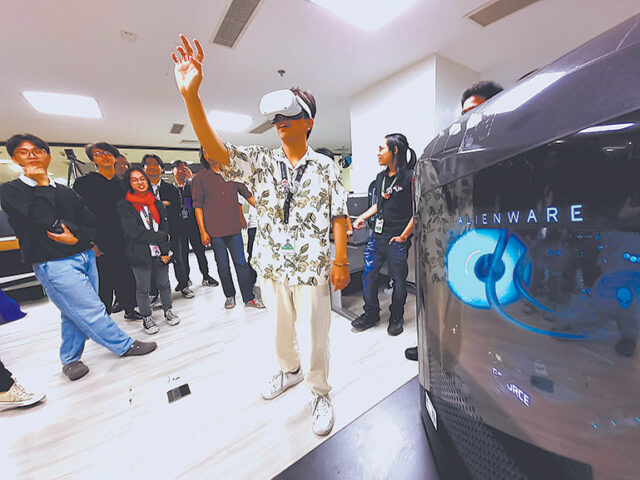
GDD students try the new Alienware machines in their Virtual Reality elective.

Aspiring programmers, digital artists, and designers can transform their creativity into career opportunities through the newly-retooled Game Design and Development (GDD) program at De La Salle-College of Saint Benilde (DLS-CSB).

Offered under the School of Management and Information Technology (SMIT), the pioneering program combines technical training, artistic development, and entrepreneurial skills to prepare students for roles in the fast-growing game development industry.

The curriculum covers game design and programming for mobile, desktop, and console platforms, alongside studio management and collaborative workflows. Students also gain hands-on experience with emerging technologies such as Virtual Reality (VR), Augmented Reality (AR), and Extended Reality (XR), ensuring they are equipped for the evolving digital landscape.

“GDD has an industry-responsive curriculum, ensuring alignment with the evolving needs of the game development sector. Through direct partnerships with organizations such as the Game Developers Association of the Philippines (GDAP) and the International Game Developers Association (IGDA), it remains at the forefront of global standards and industry trends,” GDD Chairperson Norman Lee, MIT, said.

Game Programming equips students with the technical expertise to conceptualize, design, and develop games. Using industry-standard tools like Unity, Unreal Engine (4.18 and above), Visual Studio, and Visual Code, they master programming game mechanics, physics simulations, AI algorithms, and scalable backend systems.

The curriculum also covers cross-platform development and immersive technologies, including VR and AR.

Game Art focuses on the visual and aesthetic aspects and empowers them to create 2D and 3D assets, characters and environments, and animations. They utilize industry-standard tools like Blender, Autodesk Maya 2023, ZBrush, Substance Painter, and Substance Designer for polished and immersive graphics.

Learners work together on team-based projects using high-performance Dell Alienware and Acer Predator machines, alongside VR equipment such as HTC Vive and Meta Quest headsets.

GDD thrives through active partnerships with key industry players and ensures students receive practical and relevant training. Collaborations with GDAP and CG Arts Japan support the development of micro-credentials and certifications, as well as workshops, seminars, and on-the-job training.

GDD also partners with Secret 6, Inc. and offers specialization in VFX through hands-on experiences, workshops, and seminars.

Aligned with the Philippines Skills Framework (PSF) for Game Development, this 10-trimester program trains graduates to excel in a wide range of roles. They may begin as Junior Technical Artist, Junior Programmer, Junior Concept Artist, UI/UX Designer, Level Designer, Systems Designer, and Narrative Designer in AAA and indie game development.

With over 40 award-winning capstone projects and more than 60 nominations and finalists in the annual GDAP Game On Competition, GDD holds the distinction of being the most decorated in the Game of the Year Awardee (School Category), which further highlights its commitment to excellence and industry readiness.


SparkUp is BusinessWorld’s multimedia brand created to inform, inspire, and empower the Philippine startups; micro, small and medium enterprises (MSMEs); and future business leaders. This section will be published every other Monday. For pitches and releases about startups, e-mail to bmbeltran@bworldonline.com (cc: abconoza@bworldonline.com). Materials sent become BW property.

Sari-sari stores drive women’s empowerment in the Philippines — study

A Packworks sari-preneur proudly poses at her sari-sari store.

Sari-sari stores, locally known as neighborhood mom-and-pop shops, are not just a primary source of daily essentials for around 94% of Filipinos but a vital source of empowerment among women entrepreneurs.

This is the finding of a study published by the Philippine Institute for Development Studies (PIDS) in collaboration with tech start-up Packworks. The study, titled “Gender, Microentrepreneurship, Human Flourishing: Exploring the Experiences of Women Sari-sari Store Owners toward Inclusive Growth,” found that women store owners experience significant psychological and social empowerment despite the many challenges they face.

According to the study, women owners take pride in being considered “entrepreneurs” and “business owners,” providing them a sense of independence, confidence, and fulfillment from managing their micro-retail businesses. Survey participants also expressed that managing and operating sari-sari stores give them a deeper sense of purpose and meaning in their lives.

“I can buy things for myself, my kid, and my family now… I am not just a housewife anymore,” one participant in the study said. “Because of my store, I am now busy with other things apart from taking care of my family. I feel more fulfilled.”

The study also demonstrates that women store owners achieve social empowerment by earning higher social status. This is notably observed in their customers addressing them with terms of respect like ‘ma’am’ or ‘boss,’ a cultural marker of their elevated position within the community.

Furthermore, women store owners who exhibited characteristics of a “transformational leader” or qualities such as strong empathy, care, and collaboration with the community reported high levels of well-being, empowerment, optimism, and resilience. By becoming more independent and confident, women store owners were able to take on important roles within their communities.

The psychological empowerment and individual well-being the women owners experienced were evidenced by their positive results on happiness and life satisfaction, mental and physical health, meaning and purpose, character and virtue, and sense of agency and autonomy.

“This research underscores the resilience and transformative power of women sari-preneurs in the Philippines. They are the heart of their communities, and by supporting them, we are strengthening the social fabric of the nation,” said Packworks CEO Bing Tan. “At Packworks, we are driven by our mission to provide advanced business tools and services that allow these women to not only succeed in business but also to become leaders and change-makers within their communities,” he added.

The study surveyed hundreds of female sari-sari store owners in Metro Manila, Central Luzon, and Region IV-A (CALABARZON) between May and June 2024. The majority of those surveyed (90%) are married with dependents, while smaller percentages are single (7%), and the remaining as separated or widowed (3%). Additionally, 78% of the respondents contribute to their household income, 16% serve as breadwinners, and 6% are single mothers.

“This reinforces our previous findings, which revealed that 75% of sari-sari stores are owned by women. Through our business intelligence tool Sari IQ, we are able to highlight that Filipinas hold significant control over the local economy through these micro-retail enterprises,” Packworks Lead Data Scientist Joanne Diaz said.

A Filipino startup that provides a business-to-business (B2B) open platform to sari-sari stores, Packworks empowers its network of over 300,000 sari-sari stores nationwide by digitizing their daily operations with tools for pricing, inventory management, and sales tracking while also providing access to working capital, product promotions, and rewards.


SparkUp is BusinessWorld’s multimedia brand created to inform, inspire, and empower the Philippine startups; micro, small and medium enterprises (MSMEs); and future business leaders. This section will be published every other Monday. For pitches and releases about startups, e-mail to bmbeltran@bworldonline.com (cc: abconoza@bworldonline.com). Materials sent become BW property.

Mapúa MCL ramps up internationalization efforts at IZN event

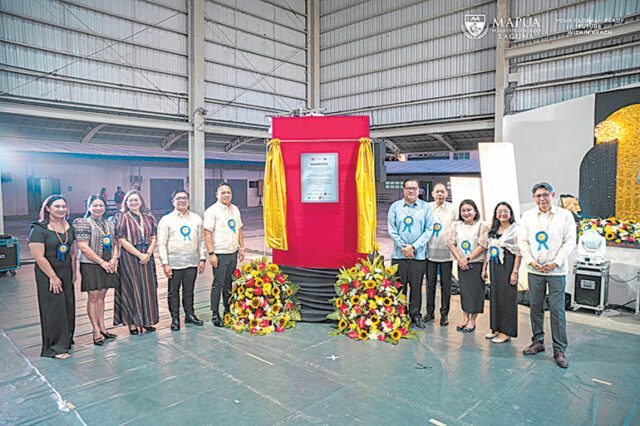
Mapúa MCL unveils the IZN Highlights Marker and Manifesto.

Mapúa Malayan Colleges Laguna (Mapúa MCL) reaffirmed its commitment to global collaboration and transformative education as it celebrated its international milestones at the recent Mapúa MCL Internationalization (IZN) Highlights event.

Held as part of the institution’s 19th founding anniversary with the theme “Building the Future,” the event recognized the invaluable contributions of Mapúa MCL’s industry partners who played a crucial role in its success.

Pioneering internationalization efforts among higher education institutions in South Luzon, the IZN Highlights event brought together representatives from the academe, local government, and key stakeholders to honor partnerships that have strengthened industry-academe linkages, collaborative research, and social responsibility initiatives.

“In an interconnected world, internationalization is no longer an option. It’s already a necessity to prepare our students to thrive in a competitive global landscape. It is through internationalization that we open doors to boundless opportunities, foster global collaboration, and provide our students and faculty with world-class academic and professional experiences. Our commitment to internationalization is demonstrated through prestigious accreditations and recognitions that we earned,” Dr. Dodjie S. Maestrecampo, president and chief executive officer of Mapúa MCL, said.

A major highlight of the event was the recognition of outstanding strategic partners whose collaborations have significantly contributed to Mapúa MCL’s achievements. The Outstanding Strategic Partner for Industry-Academe Linkage Award honored partners like Accenture, Inc., Amkor Technology Philippines, and DENSO Philippines Corp., for providing students with essential hands-on training, practical experience, and career development opportunities, enhancing their employability and professional readiness.

Mapúa MCL also recognized its partners in the academe that have significantly contributed to its research endeavors with the Outstanding Strategic Partner for Research Award and the Outstanding Strategic Partner for Social Responsibility Award for partners whose efforts in social initiatives have addressed critical community needs, fostered sustainable development and amplified the institution’s positive impact on society such as AY Foundation, Maibarara Geothermal, Inc., and PetroEnergy Resources Corp.


SparkUp is BusinessWorld’s multimedia brand created to inform, inspire, and empower the Philippine startups; micro, small and medium enterprises (MSMEs); and future business leaders. This section will be published every other Monday. For pitches and releases about startups, e-mail to bmbeltran@bworldonline.com (cc: abconoza@bworldonline.com). Materials sent become BW property.

MPTC eyes P35B for projects this year

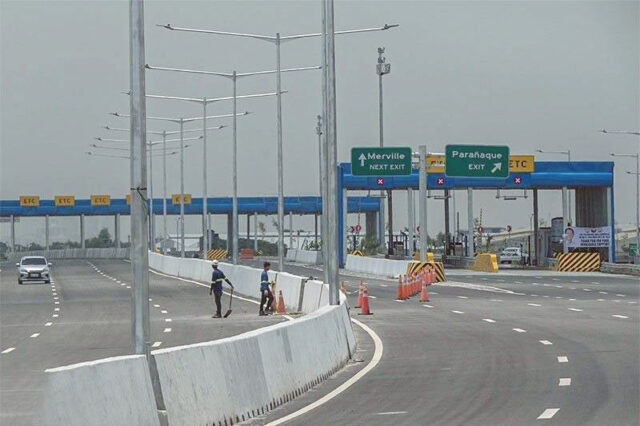
PHILIPPINE STAR/RYAN BALDEMOR

METRO PACIFIC TOLLWAYS Corp. (MPTC), the tollways unit of Metro Pacific Investments Corp. (MPIC), is allocating P35 billion for its capital expenditure (capex) budget this year, primarily for the projects of its subsidiaries, a company official said. 

“P35 billion, most of that is for the South and for NLEX Corp. Maybe one-third is for NLEX, then for (MPT) South, then another one-third for other projects,” NLEX Corp. Officer-in-Charge and Chief Finance Officer Maria Theresa O. Wells told reporters last week. 

In 2024, MPIC allocated P140 billion for its capex budget, with P28 billion set aside for MPTC. 

Expressway operator MPT South Management Corp. previously announced that it would allocate P14 billion for its 2025 capex budget to fund key projects slated for completion next year. 

Last week, MPTC unit NLEX Corp. began construction of the P2.2-billion NLEX-C5 Northlink Section 1A.

Section 1A of the NLEX-C5 Northlink Segment 8.2 covers the first two kilometers of the entire 11.3-kilometer project. This section is expected to be completed by the first quarter of 2026.

For 2025, MPT South expects an average daily vehicle count of 344,514, marking a 32.6% increase from the current 259,815. 

The completion of MPT South’s expressway network will bring its total road network to 67 kilometers by the end of 2025 while enhancing connectivity between industrial and commercial hubs and shortening travel time for motorists, the company said. 

The Governor’s Drive Interchange of the Cavite-Laguna Expressway (CALAX) is among the projects scheduled for completion in 2025. 

MPTC also expects a slight improvement in overall traffic volume, driven by the post-pandemic recovery. 

MPIC is one of the three key Philippine units of Hong Kong-based First Pacific Co. Ltd., alongside Philex Mining Corp. and PLDT Inc. 

Hastings Holdings, Inc., a unit of PLDT Beneficial Trust Fund subsidiary MediaQuest Holdings, Inc., holds a majority stake in BusinessWorld through the Philippine Star Group, which it controls. — Ashley Erika O. Jose

Basic Energy eyes 1-gigawatt RE portfolio by 2030

OSCAR L. DE VENECIA, JR. — BASICENERGY.PH

By Sheldeen Joy Talavera, Reporter

BASIC ENERGY CORPORATION, a listed company focusing on renewable energy (RE) and alternative fuels, aims to develop 500 megawatts (MW) of wind and 500 MW of solar energy projects by 2030, according to its chief executive officer (CEO).

“In the next five years, [we aim] to build a portfolio of around 500 megawatts in wind and around close to 500 or 500 megawatts also in solar,” Oscar L. de Venecia, Jr., vice-chairman and CEO of Basic Energy, said in an interview with BusinessWorld.

Currently, the company is developing a 50-MW wind power project in Mabini, Batangas, through the joint venture company RDG Wind Energy Corp. 

Basic Energy recently finalized its joint development and shareholders’ agreement with Japanese renewable energy developer Renova, Inc. 

The P5-billion wind farm spans 4,860 hectares of land in Mabini, Batangas. It is slated for completion and commissioning as early as 2028. 

The Department of Energy awarded the wind energy service contract for the project to the company in 2021. 

Asked about expansion plans for the project, Mr. De Venecia said increasing its capacity is possible but that the company will focus first on ensuring the project becomes operational. 

“Based on what we’re seeing from the results of the wind resource assessment that was done, I think there is significant room for expansion. I think there’s still ample space on the ridges or the top to merit such expansion, but right now, our main concern really or our main thrust is to get the 50 MW up and running,” he said. 

“Along the way, or once we get that 50 MW up and running, then we will make the necessary call on whether or not to expand,” he added.

After the Batangas project, the company’s next focus is developing an onshore wind project in Panay Island with a potential capacity of up to 200 MW. 

“We will be commencing the wind resource assessment as soon as we have obtained a favorable system impact study from NGCP (National Grid Corp. of the Philippines). Once we have established that connectivity, we will go full swing already with resource assessment,” Mr. De Venecia said. 

The company is also looking to develop nearshore wind power projects with a potential capacity of up to 150 MW in Calatagan, Batangas, and up to 100 MW in Pasuquin, Ilocos Norte. 

Overall, the three wind power projects combined are estimated to cost around $760 million.

Regarding its other ventures, Mr. De Venecia said Basic Energy is in the process of applying for two solar power projects in Negros and Bataan with a combined capacity of 90 MW. 

“We want to be a long-term participant in the energy sector. We have been here since the first discovery of oil in the Philippines. We were part of that. Now, things have changed, and people are looking at different [sources] now. We want to be a part of that. As we keep growing, we also want to see where we can participate in bringing newer technologies later on,” Mr. De Venecia said.

Megawide says order book hit P43.5B in 2024 on P16.3-B contract wins

MEGAWIDE.COM.PH

By Revin Mikhael D. Ochave, Reporter

LISTED infrastructure conglomerate Megawide Construction Corp. secured P16.3 billion worth of new contracts in 2024 as the company expanded its project portfolio, its chairman said.

Megawide Chairman and Chief Executive Officer Edgar B. Saavedra told BusinessWorld that the company’s new contracts in 2024 were over 600% higher than the P2.3 billion secured in 2023.

The new contracts brought Megawide’s order book to P43.5 billion as of end-December 2024, equivalent to two to three years’ worth of revenues.

Of the total, 45% of the order book consists of internal projects within the Megawide group, 34% comprises external contracts, and 21% is allocated to infrastructure-related developments.

The company’s 2024 order book reflected a slight increase from the P43.1 billion recorded in 2023.

“Given our growing portfolio inside Megawide and within the larger Citicore Group, we are naturally increasing the share of internal projects in our order book,” Mr. Saavedra said.

“This strategic direction will enable us to harness synergies within the group and capture value across the entire supply chain,” he added. 

Citicore Holdings Investment, Inc., the parent firm of Megawide, is a holding company with interests in renewable energy through Citicore Energy REIT Corp. and Citicore Renewable Energy Corp.

Megawide previously announced its plan to diversify its order book, balancing private contracts, infrastructure projects, and internal developments.

“The move will also reduce our concentration in a single segment and de-risk our construction portfolio, providing us with a broader-based and well-balanced revenue platform,” Mr. Saavedra said. 

Meanwhile, Mr. Saavedra expressed optimism that synergies within the Megawide group will further drive its growth. 

The company operates across multiple sectors, including landport management through the Parañaque Integrated Terminal Exchange (PITX), property development via PH1 World Developers, Inc., precast and construction solutions, and engineering, procurement, and construction. 

“As a first-world infrastructure innovator and property developer, we envision social and economic sustainability in our ongoing and future projects while ensuring that synergies are maximized within the larger group,” Mr. Saavedra said. 

Megawide recently secured a P1.87-billion contract for the Cavite Bus Rapid Transit (BRT) system project. The contract covers the operation of a point-to-point route with a 42-kilometer alignment passing through Imus, General Trias, Tanza, Kawit, and Trece Martires, as well as nearby areas, while also providing connectivity to Metro Manila via PITX. 

The project’s first phase, set to begin operations in the second half of the year, will feature three terminals and 27 stations. 

Once completed, the BRT system will enhance accessibility and connectivity to Lancaster City via a dedicated feeder line, as well as PH1’s other projects in Cavite, such as Southscapes in Trece Martires. 

“We envision master-planned communities developed by PH1, constructed by Megawide using environmentally sustainable precast solutions and methodologies, and integrated with a hub-and-spoke public transport system, whether through BRT or transit-oriented developments, with PITX as the anchor,” Mr. Saavedra said. 

Megawide shares were last traded on March 7 at P2.39 per share.

More powerful GR Yaris now with both A/T and M/T variants

The Toyota GR Yaris sold 106 units last year, per Toyota Motor Philippines. — PHOTO FROM TOYOTA MOTOR PHILIPPINES

The rally-bred rocket gets upgrades aplenty

WITH 106 UNITS sold locally in 2024, the GR Yaris made its case for being among the country’s most desired performance vehicles. Toyota Motor Philippines (TMP) has obviously listened, sat up, and taken notice. The perennial triple crown (leading passenger-vehicle, commercial-vehicle, and overall auto sales) winner for 23 consecutive years straight now has revealed the newest iteration of the GR Yaris, which it also now makes available in either manual or automatic transmission.

In a release, TMP said that the Toyota GR Yaris is “born from the World Rally Championship (WRC) (and) embodies Toyota Motor Corporation Chairman Akio Toyoda’s belief that ‘roads build cars.’ As part of its philosophy to continually develop ever-better cars, Toyota emphasizes motorsports as an important avenue to test the limits of its performance cars and develop them for the road.”

A “bolder and more aerodynamic design”  decisively references its aforementioned rally heritage. The GR Yaris sports 18-inch 225/40 aluminum forged wheels, LED headlights, daytime running lamps, rear combination lamps and a rear spoiler. A significantly rehashed front fascia now features larger brake-cooling air intakes, while a plastic radiator cover has given way to a metal one for added protection and durability. Boot space remains at 174 liters.

It packs more grunt through its G16E-GTS heart — an inline three-cylinder, DOHC, four-valve Roller-Rocker engine — that submits 280ps and 390Nm. Toyota also has improved the GR Yaris’ drive mode select, along with a new sub radiator and intercooler spray to enhance both cooling and performance.

As mentioned, GR Yaris fans now can choose between two transmission variants: the 1.6L Turbo A/T with an eight-speed direct-shift automatic tranny (with paddle shifters), and the 1.6L Turbo M/T with six-speed intelligent manual transmission. Inside the cabin, TMP maintained that overall design is “driver-focused,” even as convenience features have been improved. A 12.3-inch TFT meter display gets a tire pressure monitor, and a seven-inch infotainment screen is thoughtfully equipped with wireless Apple CarPlay and Android Auto.

Based on a photo, a single, panel houses all the essential controls. The panel, which slants conspicuously to the driver, also includes the air-conditioning vents and controls — making these within easy reach. The front passenger has access to a USB-C charging port and a front tray on the dashboard — perfect for charging and stowing one’s cell phone or device.

The new Toyota GR Yaris also has additional safety complements such as a back monitor, intelligent clearance sonar, and the integration of the Toyota Safety Sense (TSS) package that also tucks in the Blind Spot Monitoring (BSM) system and Rear Cross Traffic Alert (RCTA). On top of these, the A/T variant comes with Dynamic Radar Cruise Control; the M/T variant comes with Adaptive Cruise Control.

Talking exclusively to “Velocity,” TMP President Masando Hashimoto said, “The GR Yaris is obviously not an ordinary car. The public has become a witness to its development, from the prototype that was used in actual races such as the Super Taikyu Series and the TGR Rally Challenge to the production cars showing their power in demanding motorsports environment. With the addition of the Automatic Transmission, we are extending the GR Yaris’ fun-to-drive spirit to more Toyota customers.” The executive continued, “The Gazoo Racing brand is best experienced through the power and excitement of our cars, and the GR Yaris brings exhilaration from the world’s rally courses to the roads of the Philippines. With both the A/T and M/T variants this 2025, we hope to increase our GR Yaris sales from last year to more than double.”

As for the pricing, the new GR Yaris will be offered at P3.391 million for the 1.6L Turbo M/T and P3.55 million for the 1.6L Turbo A/T. Buyers can choose from the following exterior hues: Super White, Emotional Red, Precious Black, and Precious Metal — the last being offered for the first time.

TMP is putting the spotlight on the new GR Yaris at Race Weekend 1 of the 2025 Toyota Gazoo Racing Philippine Cup on March 22 at the Clark International Speedway. Admission is free.

For more information on the GR Yaris, visit https://www.toyota.com.ph/gr-yaris or inquire at a GR performance dealership. To view the complete list of GR performance dealerships, visit https://www.toyota.com.ph/tgrphilippines/dealership. For updates, follow Toyota Gazoo Racing (tgrphilippines) on Facebook and Instagram, and TMP’s official accounts on Facebook and Instagram (toyotamotorph), ToyotaMotorPH on Twitter, or join the Viber community at Toyota PH for updates. — Kap Maceda Aguila

NALEX, SALEX construction may start this quarter — TRB

PHILSTAR FILE PHOTO

THE Toll Regulatory Board (TRB) said the construction of San Miguel Corp.’s (SMC) two toll road projects may start within the first quarter. 

“[For] NALEX and SALEX, the TRB targets to issue and approve the final engineering design and issue the notice to proceed. The construction will proceed in the first quarter,” TRB Executive Director Alvin A. Carullo told reporters last week. 

The two projects — the Northern Access Link Expressway (NALEX), valued at P148.30 billion, and the P152.39-billion Southern Access Link Expressway (SALEX) — are both being undertaken by SMC through SMC Northern Access Link Expressway Corp. and SMC Southern Access Link Expressway Corp., respectively. 

NALEX is divided into two phases: the first phase is a proposed 136.4-kilometer expressway connecting Metro Manila, the New Manila International Airport, and Central Luzon, while the second phase involves a demand-driven expansion from Pampanga to Tarlac City. 

SALEX is a proposed 40.65-kilometer elevated expressway network, which includes the Shoreline Express and three Metro Manila Skyway Stage extensions, according to information from the TRB website. 

The project proponents submitted their final engineering design last year, which the TRB targets to approve within the first quarter.

Mr. Carullo said Segment 1 of the South Luzon Expressway Toll Road 5 (SLEX TR5) is also expected to begin construction within the first quarter. This project is also being undertaken by SMC. 

In November last year, the TRB said it expected the implementation of these projects within the first quarter of 2025. 

The SLEX TR5 Segment 1 alignment begins at the termination point of SLEX Phase 2 in Mayao, Lucena City, Quezon, and ends in Gumaca, Quezon. 

The project is designed to have four interchanges and is valued at P28.15 billion, the TRB said. — Ashley Erika O. Jose

GWM has new brand head and marketing director

Dax Avenido — PHOTO FROM GWM PHILIPPINES

THE LUXURIANT Automotive Group, Inc., exclusive distributor of Great Wall Motor (GWM) in the Philippines, recently announced the formal appointment of Dax Avenido as its brand head and marketing director.

With more than two decades of experience in auto companies, Mr. Avenido is “expected (to steer) the company’s marketing efforts toward a more strategic and comprehensive direction that will drive the brand to new heights, challenging the competition,” according to a company release.

Mr. Avenido will report directly to GWM Philippines President Ruben Tan who said, “We (in the company) believe that there is so much potential to explore in the Philippine market. The brand is growing, and our vehicle lineup is expanding to cater to the everyday needs of our Filipino customers. With Dax in the driver’s seat of our brand and marketing initiatives, I am confident that GWM will be supported by passionate team members with prominent backgrounds and extensive knowledge to help explore this potential and contribute to the successful performance of our company.”

The brand maintained that it remains optimistic about the first half of 2025 “with an expert on board to help fulfill the company’s vision of becoming a strong player in the automotive industry under the Chinese car segment.”

Globe to expand sustainability initiatives

Globe’s Valero Telepark on Valero Street, Makati City — SCREENSHOT FROM GOOGLE MAPS

GLOBE TELECOM, Inc. will further expand its sustainability initiatives and investments as part of its commitment to achieving its net-zero goal, the Ayala-led telecommunications company said. 

“Sustainability is at the core of what we do, and through continuous investments in green technologies, we strive to reduce our environmental impact while ensuring reliable and efficient network operations,” Globe Chief Sustainability and Corporate Communications Officer Yoly C. Crisanto said in a media release on Sunday. 

Globe said its Valero Telepark has received recognition from the Department of Energy for its transition to 100% renewable energy to optimize energy management. 

The company’s Valero Telepark houses data equipment and technical offices, Globe said, adding that it has also implemented upgrades to enhance energy efficiency and reduce electricity consumption. 

Further, Globe said it has deployed Vertiv’s advanced uninterruptible power supply systems to its other facilities, improving energy efficiency. 

To recall, Globe previously said it aims to transition more of its facilities to renewable energy as part of its sustainability commitment. 

The listed telecommunications company said it would continue pursuing climate action strategies, including its target to cut greenhouse gas emissions by 50% by 2030 and achieve net zero by 2050. 

“Globe has been adopting green technologies as part of its commitment to climate action, working with partners like Vertiv to introduce innovative solutions that reduce environmental impact and promote long-term sustainability,” the company said. 

Last week, ST Telemedia Global Data Centres (STT GDC) Philippines, a data center solutions provider, announced that its data centers are now powered by renewable energy.

STT GDC Philippines is a joint venture of Globe Telecom, Inc., Ayala Corp., and ST Telemedia Global Data Centres.

All of its operational data centers in the country now run on renewable energy, STT GDC Philippines said, noting that this move is part of its net-zero commitment. — Ashley Erika O. Jose

Breaking banks to make them stronger: inside financial VAPT

FREEPIK

By Pierce Oel A. Montalvo, Researcher

FORGET STEEL VAULTS — today’s financial industry is built with code, and security is a high-stakes game of who finds the digital backdoor first.

The fintech industry continues to expand. Data from the Bangko Sentral ng Pilipinas (BSP) showed that digital transactions grew to 55.3% of the total retail transaction value in 2023 from 40.1% in 2022, signaling a growing acceptance of digitalization among consumers.

Similarly, the central bank resumed accepting digital banking license applications effective Jan. 1, 2025, now allowing four more digital banks to operate in the Philippines.

Amid rapid growth, financial institutions in the Philippines continue their race to fortify their digital operations. The BSP has reinforced its cybersecurity stance through Memorandum M-2024-029, which provides detailed guidelines for financial institutions following the implementation of the Anti-Financial Account Scamming Act (AFASA) in July 2024.

The AFASA law was only a glimpse of what was to come in the 2024-2029 Financial Services Cyber Resilience Plan (FSCRP), a roadmap for the Philippine financial ecosystem’s security, launched August last year.

“It’s our commitment to creating a robust, secure, and resilient financial system that can withstand cyber incidents and recover quickly from them,” BSP Governor Eli M. Remolona, Jr. said at the launch of the FSCRP.

Deep Web Konek, a cybersecurity advocacy group based in Manila, said that Philippine banks are becoming more proactive in their cybersecurity efforts.

Its coverage on breaches and threat intelligence reveals that data from myriads of Philippine companies continue to be leaked, to be sold in dark web markets — including banking credentials.

“This indicates gaps in detecting and mitigating breaches before fraud occurs,” the group said in an e-mail interview.

Considering these breaches, Philippine banks have made progress in strengthening their cybersecurity, adopting measures like penetration testing and red teaming, the group added.

A key component among the requirements listed in the M-2024-029 memo is a mandatory Vulnerability Assessment and Penetration Testing (VAPT), which must be performed to ensure Bangko Sentral-supervised financial institutions (BSFIs) maintain a proper Information Security Program.

“However, inconsistencies remain, and not all institutions rigorously implement these defenses,” Deep Web Konek said.

“Some banks pass security audits but remain vulnerable to real-world attacks, especially through social engineering and application programming interface exploits.”

While banks and financial service providers rush to digitize their operations, the challenge lies in ensuring their security measures keep pace with innovation. This dynamic has spurred both banks and cybersecurity firms in the Philippines to strengthen local VAPT capabilities, recognizing it as a critical aspect of modern financial security.

WHAT IS VAPT?
The finance industry continues to be compromised. IBM’s X-Force Threat Intelligence Index showed finance and insurance ranked second among targeted sectors in 2023, accounting for 18.2% of cyberattacks globally.

Locally, cybercrime complaints have tripled to 10,004 reported cases in 2024, totaling almost P198 million in losses among cybercrime victims, data from the Cybercrime Investigation and Coordinating Center showed.

Cyber fraud losses among BSFIs also soared by 212% year on year in 2023, with account takeovers, identity theft, and phishing accounting for almost 60% of total cases, according to the BSP.

These figures underscore the growing necessity of ensuring, through rigorous testing, that banks are safe.

“VAPT requires a risk-based approach to effectively identify and mitigate security vulnerabilities,” said the BSP in an e-mail statement.

The BSP Manual of Regulations for Banks requires these tests for BSFIs. Vulnerability assessments (VA) refer to the identification of security vulnerabilities in systems and networks using automated vulnerability scanners.

Meanwhile, penetration testing (PT) involves subjecting systems or networks to simulated or real-world attacks that exploit vulnerabilities under controlled conditions. Both terms are often jointly referred to as “VAPT.”

“This risk-based approach tailors cybersecurity assessments to the unique complexities of each BSFI’s IT operations,” it added.

“VAPT is a way for banks to ensure that the systems and applications they roll out to serve customers are being audited by a third party or an external provider, to ensure that the features or applications they roll out are secure,” Secuna Software Technologies, Inc., a cybersecurity firm that offers penetration testing, said in a video interview.

BSFIs with digital or electronic financial services are also required to conduct VAPT tests at least annually.

“Meeting the annual VAPT requirement involves careful planning, allocation of resources and execution,” the Philippine National Bank’s (PNB) Office of the Chief Information Security Officer (CISO) and Data Privacy Officer (DPO) said in an e-mail interview.

“Each activity should be properly scheduled including assigning of champions and determining the scope of review, required tools, connectivity to the systems and credentials to be used in the testing.”

“BSFIs must ensure providers have the necessary expertise to meet their operational and security needs,” said the central bank.

To make sure banking operations are not affected during VAPT exercises, separate setups are often employed to prevent tests from interfering with the bank’s critical systems.

Otherwise, attack simulations and exercises would be employed during non-critical days and hours, said Red Rock IT Security, a cybersecurity service provider.

“It’s also important to have backups and extra systems in place, so that in case of any setbacks, systems can be recovered quickly, minimizing downtime and potential data loss,” it said in an e-mail interview.

Carlos T. Tengkiat, CISO of Rizal Commercial Banking Corp. (RCBC), said that business units within the scope of VAPT exercises also require coordination.

“These include provisioning of test accounts, personnel to do a walkthrough of the system, and allocation of resources to address any findings that may come of the exercise,” he said in an e-mail interview.

During the VAPT exercise, which could last upwards of a month, banks and cybersecurity firms cooperate with one another to find critical flaws in the bank’s systems, recommend changes, and implement solutions — all happening within a set timeframe.

“Vulnerabilities are assessed on their impact. These are then addressed based on the criticality of the systems involved,” Mr. Tengkiat said.

The PNB’s Office of the CISO/DPO added that remediation of the vulnerabilities is a collaborative effort between the business owner, Infosec and IT team.

“This requires remediation planning, analysis, testing, deployment and validation if the fix deployed resolved the issue.”

Considering these extensive measures, VAPT exercises help banks reach global standards in security, strengthening consumer trust.

“Financial institutions must adhere to regulatory and international compliance requirements to follow cybersecurity best practices,” Justin David G. Pineda, president of Pineda Cybersecurity, said in an e-mail interview.

Red Rock stated that institutions are implementing stronger and more reliable practices such as adhering to the CIS Critical Security Controls, a globally recognized benchmark for the implementation of safeguards for various systems.

“Global benchmarks, like the Penetration Testing Execution Standard (PTES) and Open Worldwide Application Security Project (OWASP), are available for reference,” said the BSP.

The central bank added that it does not accredit VAPT providers for BSFIs.

“Instead, it requires BSFIs to conduct due diligence using a risk-based approach when selecting service providers.”

VULNERABILITIES
Through VAPT exercises, banks can work on preventing discovered exploits in their system, ensuring that their services are secure. In the industry, cybersecurity firms continue to discover common vulnerabilities in the financial industry.

Mr. Pineda said that his firm usually finds vulnerabilities in unpatched workstations and servers, with updates available that have yet to be implemented.

“Unfortunately, vulnerabilities with critical severity can severely damage IT assets and exfiltrate confidential and highly confidential data.”

He also added that parameter tampering is a common vulnerability they still observe in financial apps and sites.

“For example, you may send money supposedly worth P100 but modify it to P10,000 using tools. If successful, the data sent may be different, or you may even send money more than what you have in your account,” Mr. Pineda said.

Likewise, Red Rock said that security features like one-time passwords (OTPs) were observed to be vulnerable points.

“There are instances such as the misconfiguration of OTP implementations which disrupt the intended process allowing the OTP to be bypassed or manipulated to even be received by the attackers.”

It has highlighted several other security vulnerabilities, ranging from broken access controls that enable unauthorized account access to insufficient input validation that could allow balance manipulation through negative amounts.

Additionally, it has identified a lack of security awareness training that leaves organizations vulnerable to phishing and social engineering attacks.

Based on its evaluations with clients from the financial industry last year, Secuna has observed injection attacks, where malicious actors enter malware into ordinary text fields, giving hackers an entry point into a bank’s database.

It has also observed access control issues where users can access unauthorized areas or data, and authentication and session management issues where login systems and user sessions are not properly secured.

Additionally, Secuna’s data revealed information disclosure issues where sensitive data is unintentionally exposed, and security misconfigurations where systems are set up with weak or incorrect security settings.

SETBACKS
While VAPT exercises help banks identify and patch vulnerabilities in their systems, the process itself isn’t immune to challenges. The effectiveness of these security assessments often depends on complex interactions between the banks’ existing infrastructure and the cybersecurity firms’ testing capabilities.

In a double-bind, cybersecurity firms could get hindered by their own clients due to their clients’ technological setbacks. This affects the very tools and results these firms may use to test and diagnose vulnerabilities properly.

For Red Rock, a common challenge is the lack of usable logs for investigation — “akin to investigating a crime scene without any security camera footage to review.”

It also said that while capturing system snapshots is the crucial next step after a security incident, it frequently encounters cases where the relevant computers have already been wiped clean.

“In this instance, it would be comparable to investigating a crime wherein the victims’ bodies were already disposed of and missing,” Red Rock said.

Meanwhile, Mr. Pineda said that despite outlining clear requirements and prerequisites during the planning and scoping phase, some clients attempt to proceed with incomplete data and setup due to the resource-intensive nature of the preparation process.

Another challenge for the firm is the depth of the assessment.

“In VAPT, you usually try to simulate what an attacker would actually do,” Mr. Pineda said. “However, in actual testing, the customer will sometimes halt intrusive tests, which may affect the quality and results of the tests.”

Secuna identified slow vulnerability remediation as a widespread challenge across all sectors, not just finance.

It added that despite offering a month of unlimited retesting and validation services to verify their clients’ security fixes, organizations often fail to address all identified vulnerabilities within this timeframe, even though such security issues demand urgent attention.

“It’s pretty much obligatory that [security vulnerabilities] should be addressed as soon as possible, because the longer we keep those vulnerabilities out in the open without fixing them, the higher the risk that they’ll be discovered by malicious hackers or threat actors.”

GOING BEYOND COMPLIANCE
These hindrances, as constraining as they may be, only point towards a need for more rigorous and VAPT exercises for financial institutions in the Philippines.

“Organizations should go beyond compliance by including more assets in the testing scope instead of just focusing on assets that are needed to meet regulatory requirements,” Secuna said.

“The government should establish clear requirements for VAPT and Red Teaming engagements to ensure penetration testing is performed effectively, rather than relying solely on automated VA,” Red Rock said.

“I always say that VAPT programs should be included in all phases of the IT service lifecycle,” said Mr. Pineda.

“If we do security assessments as early as project initiation/inception, we can identify weaknesses and fix them prior to implementation.”

On the bright side, financial industries continue to develop their security posture in light of developments in VAPT.

Mr. Tengkiat said that one of the main goals of the RCBC is to address vulnerabilities not only at the tail end but also during development.

“We are currently shifting our development approach to adopt more of the DevSecOps (development, security, and operations) approach.”

“From 2020 to 2024, PNB undoubtedly saw a significant improvement in its security processes,” the PNB Office of the CISO/DPO said.

“The VAPT program helped in strengthening the Bank’s security architecture and played a key role in fostering a security-centric culture within the organization.”

“Under the Financial Services Cyber Resilience Plan, BSP is considering updates to VAPT requirements, focusing on scope, deliverables, team qualifications, and methodology,” said the BSP.

“BSP is also benchmarking testing methodologies from other jurisdictions and will make policy improvements as needed.”