Home Blog Page 1236

BIR on track to hit P3.2-T collection target

BW FILE PHOTO

By Aaron Michael C. Sy, Reporter

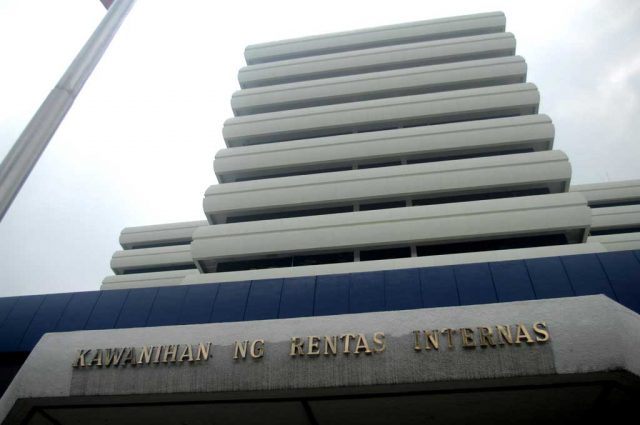
THE Bureau of Internal Revenue (BIR) said it is on pace to achieve its P3.2-trillion tax collection target for 2025 after approaching the halfway mark in the first six months.

“For the year, (the target is still) P3.232 trillion. As of now, January to June for the first semester, we have already collected more than P1.5 trillion. That’s the goal for the first semester. So we’re on track and we’ve been achieving our collection target,” BIR Commissioner Romeo D. Lumagui, Jr. told BusinessWorld.

In a statement on Thursday, Mr. Lumagui said the P1.5 trillion in first-half collections was up 10.3% from the year-earlier result.

This was driven mainly by payments from the entertainment and recreation sectors.

In 2024, the BIR collected P2.85 trillion.

“With the continued momentum that we have… we’re positive and hopeful that we will achieve our collection target,” Mr. Lumagui said.

He also said the BIR will enhance its efforts in collecting excise tax, with a special focus on illicit items.

“The excise tax collection has improved. I just don’t know the exact figures but for the first semester of this year that’s one of the tax types that has increased… I hope it will continue for the rest of the year,” Mr. Lumagui said.

Mr. Lumagui has said the BIR’s collection target for the year could be adjusted again after having being raised from the previous P3.219 trillion.

The Development Budget Coordination Committee had lowered the national revenue target to P4.52 trillion from P4.644 trillion.

Meanwhile, Mr. Lumagui said on Wednesday the BIR could begin collecting online gambling tax, as proposed by the Department of Finance (DoF), in the fourth quarter of 2026 if ratified on schedule.

“I don’t know if it will be included this year considering that it’s already July and it’s still a pending bill. So perhaps it will be next year… if it’s ratified and implemented soonest, maybe by the fourth quarter,” he said.

He added the online gambling tax could contribute billions to revenue.

However, the agency has not discussed the measure yet with the DoF as of midweek, Mr. Lumagui said.

US farm goods access seen as main sticking point in PHL tariff negotiations

REUTERS

By Justine Irish D. Tabile, Reporter

THE US government’s main concern in tariff negotiations with the Philippines is market access for its agricultural commodities, while digital services taxes (DSTs), which have featured in other trading partners’ negotiating strategies, may be less of a concern, analysts said.

“The major concern is the quotas and restrictions on US agricultural imports,” Foundation for Economic Freedom President Calixto V. Chikiamco said via Viber.

Rizal Commercial Banking Corp. (RCBC) Chief Economist Michael L. Ricafort said DST could be a potential issue in Philippine negotiations if “lobbied for by any affected US digital services company and raised to the US government.”

“But many other countries around the world, especially developed countries, especially in Europe, already do this, so it would also be based on acceptable international practices,” he added.

“It would depend on how affected US companies would lobby these DSTs,” he added.

US President Donald J. Trump signed a memorandum in February declaring his opposition to DSTs imposed by foreign governments on US companies.

Last month, Canada rescinded its DST in anticipation of a comprehensive trade arrangement with the US.

A Philippine delegation is in Washington to negotiate for a lower tariff after Mr. Trump announced a higher-than-expected 20% tariff on Philippine goods effective Aug. 1.

President Ferdinand R. Marcos, Jr. will also be visiting the US between July 20 and 22 in hopes of initiating bilateral trade agreement talks.

More than the VAT on digital services, Mr. Ricafort said the US has tended to focus on merchandise exports that are charged tariffs by other countries.

Mr. Marcos signed Republic Act No. 12023 into law last year, imposing a 12% VAT on digital services.

During the negotiations, Mr. Chikiamco said the Philippines should only offer duty-free access to all US goods as part of a bilateral free trade agreement.

“This will be good for the Philippines, as it would lead to lower food prices, especially on corn. Lower corn prices would lower the price of pork and chicken,” he said.

“The administration can deflect political blame by pointing out the need to access the vital US market for our garments, electronics, and commodities,” he added.

Employers hope Marcos rules out legislated wage hikes in SONA

PHILIPPINE STAR/KJ ROSALES

THE Employers Confederation of the Philippines (ECoP) is hoping that President Ferdinand R. Marcos, Jr. rejects legislated wage hikes when he delivers his fourth State of the Nation Address (SONA).

In a statement over the weekend, ECoP President Sergio R. Ortiz-Luis, Jr. said businesses are hoping that Mr. Marcos signals “that he does not favor any more legislated wage hikes in the future.”

The President is scheduled to deliver his report to Congress and outline his priority bills on July 29.

“We want to hear the President repeat that he has convened the regional wage boards and that wages are already being raised so that efforts to refile legislated wage hike bills will stop,” Mr. Ortiz-Luis said.

“They know nothing will come out of it because I think these attempts will just be vetoed by the President,” he added.

He said that a P50 wage hike for Metro Manila took effect on July 18, while boards in other regions are currently reviewing their respective wage increases.

Also speaking as president of the Philippine Exporters Confederation, Inc. (Philexport), Mr. Ortiz-Luis said Mr. Marcos names as a priority a bill to amend and enhance the Magna Carta for Micro, Small, and Medium Enterprises (MSMEs).

“The law tasks the government to promote MSME development by providing various assistance, incentives, and support to small entrepreneurs,” he said.

“The proposed bill seeks to extend the mandatory allocation of MSME loans by banks and to remove the Bangko Sentral ng Pilipinas regulatory cover on SBCorp. (Small Business Corp.) to allow the latter to grant more development loans to MSMEs,” he added.

Philexport is also seeking the passage of the Customs Amnesty Bill, which aims to help raise additional government revenue through voluntary disclosure without imposing new taxes.

“It will clear the Bureau of Customs of pending liquidation accounts and prevent alleged harassment of importers using these pending transactions,” he added.

Other priority measures identified by the exporters are the proposed International Maritime Trade Competitiveness Act, amendments to the Civil Aviation Authority of the Philippines Charter, the proposed National Quality Infrastructure Act, the proposed Konektadong Pinoy Act, and the proposed PhilPorts Act. — Justine Irish D. Tabile

BIR raises floor price for cigarettes, vape products

STOCK PHOTO | Image by Shaun Meintjes from Unsplash

THE Bureau of Internal Revenue (BIR) said it increased the floor price for cigarettes and vape products.

In a revenue regulation released on July 18, the BIR updated the floor prices for cigarettes, heated tobacco products and vaporized nicotine products.

The BIR last issued floor prices in September.

According to the National Tax Research Center, the minimum retail price set by the BIR takes into account an estimate of the excise tax and value-added tax to be paid, plus a reasonable production cost.

The BIR said the new floor price for a pack of cigarettes is now P85.57, up from P78.58. The production cost assumption for cigarettes was also raised to P10.25 per pack from P7.16.

For each ream, the floor price was set at P855.68 from P785.80 previously, with the production cost estimate surging to P102.50 from P71.60.

The floor price for heated tobacco products per 20-piece pack was raised to P61.47 from P60.11. The production cost assumption fell to P19.04 from P19.54 in September.

Meanwhile, the BIR set a P353.18 floor price for two milliliter (ml) pods of nicotine, against P180.67 earlier, with the production cost assumption rising to P200.68 from P52.11 earlier.

Meanwhile, the floor price for disposable pods was reset to P183.31, for prefilled pods to P174.89 and for disposable devices to P98.18. All these products have content of 10 ml.

The BIR collected excise taxes on tobacco products was P58.97 billion in the first half, up 34.16% year on year.

Collections for vapor products rose 738.09% to P1.50 billion during the period.

“These Regulations shall take effect fifteen (15) days following the publication thereof in the Official Gazette or the BIR’s official website, whichever comes first,” according to the revenue regulations. — Aubrey Rose A. Inosante

DBM hopes to submit spending plan to Congress by second week of Aug.

BW FILE PHOTO

THE Department of Budget and Management (DBM) said it hopes to submit the proposed national budget for 2026 to Congress by the second week of August.

“The second week of August is tentative. No final date yet,” Budget Undersecretary Goddes Hope O. Libiran told BusinessWorld via Viber over the weekend.

The P6.793-trillion national expenditure program (NEP) for 2026 must be submitted to Congress within 30 days after the opening of the regular session of the legislature on July 28.

President Ferdinand R. Marcos, Jr. approved the P6.793-trillion NEP on July 17.

The NEP is equivalent to 22% of gross domestic product and 7.4% higher than this year’s P6.326-trillion spending plan.

Separately, the DBM said the Right to Information bill is expected to be filed with the 20th Congress next month.

“Finalizing the executive version of the bill,” Budget Secretary Amenah F. Pangandaman told BusinessWorld via Viber.

She said the proposed bill seeks to hold officials accountable and ensures that government actions are subject to scrutiny.

“Among the salient features of the proposed bill is the expansion of the scope and coverage to include all branches of government, including local government units (LGUs), government-owned and -controlled corporations (GOCCs), state universities and colleges (SUCs), and private entities involved in public transactions,” Ms. Pangandaman said.

The proposed legislation sets clear and standardized timelines for processing information requests, she said.

Despite the right to information being enshrined in the 1987 Constitution, the government has yet to pass a Freedom of Information law.

“It also includes provisions which mandate all government agencies to proactively disclose government information and to uphold institutional accountability through ensuring the accuracy, integrity, and timelines of information government agencies disclose,” she added. — Aubrey Rose A. Inosante

Prices frozen in storm-hit Pangasinan municipality

FACEBOOK.COM/PAGASA.DOST.GOV.PH

THE Department of Trade and Industry (DTI) said it imposed a price freeze on basic necessities in Umingan, Pangasinan following a calamity declaration in the wake of a storm.

In an advisory, DTI said that the price freeze took effect on July 18 and will remain effective until Sept. 16 unless lifted sooner by the President.

The DTI said the inland town of Umingan experienced “heavy rainfall and severe weather conditions” after severe tropical storm Crising transited northern Luzon.

“The DTI reminds business establishments to comply with the price freeze on basic necessities,” it said.

“Consumers are enjoined to report retailers, distributors, and manufacturers that sell basic necessities above their prevailing prices via the One-DTI (1-384) Hotline or e-mail ConsumerCare@dti.gov.ph,” it added. — Justine Irish D. Tabile

Navigating global tax priorities

IN BRIEF:

• Rapid changes in political leadership are reshaping global tax and trade policies, requiring businesses to become even more agile and proactive.

• Governments are intensifying efforts to enhance revenue collection amid rising tax controversies and economic challenges.

• The evolving landscape of tax priorities emphasizes the importance of cooperation and alignment among nations to address cross-border issues effectively.

Rapid changes in political leadership are reshaping tax and trade policies worldwide. An increase in tax controversies is prompting governments to enhance revenue collection efforts. As businesses adapt to the evolving tax landscape, agility and proactivity are essential for success.

Global government policies are rapidly changing. Leaders are continuously introducing new strategies and policy initiatives, often shared through social media, which sparks essential conversations about their implications. At the same time, trade tensions are impacting supply chains, and swift technological advancements are contributing to fluctuations in financial markets. Following a lengthy period of international tax collaboration, the risk of renewed tax competition is becoming more pronounced. The rapid evolution of tax policies is striking, creating an unpredictable environment where governments increasingly utilize tax as a key tool to achieve broader policy objectives.

THE SHIFTING POLITICAL LANDSCAPE
Over the past 25 years, cooperative nations have collaborated toward shared goals, achieving significant advancements in various sectors, including science and technology. In taxation, initiatives like the Base Erosion and Profit Shifting (BEPS) project have established cross-border rules for tax reporting and dispute resolution.

While cooperative growth is feasible during prosperous times, it becomes challenging during economic strain. Today, countries are grappling with inflation, deficits, security risks, and climate change. A growing focus on national sovereignty and trade imbalances is evident, with nationalist policies promoting local investment and manufacturing. This shift is reflected in election outcomes worldwide, with new leaders advocating for local prosperity. As governments propose new budgets and policies, political uncertainty persists, which further complicates tax policy development.

THE IMPERATIVE FOR REVENUE
Governments are seeking economic growth while exploring new revenue sources. After years of emergency spending, many countries are facing significant deficits and inflation concerns. With high public debt and rising interest rates, governments must balance competing economic and political priorities. While addressing budget deficits is crucial, citizens are increasingly resistant to tax hikes, as seen in recent protests in countries like Kenya and Colombia. Consequently, governments are pursuing economic growth strategies and enhancing enforcement to avoid austerity measures.

Economic recovery from the pandemic has been uneven. Some nations, like Germany, have experienced contractions, prompting leaders to implement new growth policies aimed at simplifying regulations. A key theme of the European Union’s (EU) agenda is enhancing the prosperity and competitiveness of its member states. The EU’s Competitiveness Compass outlines a roadmap for growth focused on simplification and reducing barriers to cross-border investment.

Countries outside the EU are also leveraging their tax systems to stimulate economic growth through investment incentives. However, the introduction of Pillar Two taxes may diminish the effectiveness of these incentives, prompting governments to reassess their strategies.

ENHANCING TAX REVENUE COLLECTION
Governments are adopting new tools to ensure compliance and maximize revenue. Tax authorities are intensifying scrutiny, not only across jurisdictions but also within integrated government agencies. For instance, the UK is increasing its tax compliance efforts by hiring additional staff to close the tax gap.

Transfer pricing remains a significant risk for businesses globally, with tax authorities focusing on various aspects depending on the jurisdiction. The traditional model of cooperative compliance is shifting toward mandatory compliance assurance, especially for larger companies. Digital advancements are also transforming tax collection processes, with many jurisdictions implementing e-invoicing to streamline operations and reduce fraud risks. Generative AI (GenAI) is being explored by tax authorities to enhance compliance efficiency and risk assessment.

Locally, there have been new laws passed to enhance and transform tax compliance while encouraging business growth, including Republic Act No. 12066 (Maximize Opportunities for Reinvigorating the Economy) or the CREATE MORE Act, which was signed into law in November. By introducing streamlining VAT processes, expanded tax incentives, and clearly defining eligibility criteria, the CREATE MORE Act aims to stimulate economic growth and position the Philippines as a prime destination for foreign direct investment (FDI).

In addition, Republic Act No. 12023, or the 12% VAT on digital services, took effect in October. The law applies to both resident and nonresident digital service providers (DSPs), including streaming and social media platforms. The law requires these providers to register with the Bureau of Internal Revenue (BIR), issue VAT-compliant invoices, and file regular tax returns. Marketplaces facilitating digital transactions are also required to collect and remit VAT on behalf of sellers.

Most recently, the government sought to invigorate capital markets through the Capital Markets Efficiency Promotion Act (CMEPA), or Republic Act 12214, which was signed in May. CMEPA aims to simplify taxation and reduce friction costs in the capital market, making it more accessible and attractive to investors. The act significantly lowers the stock transaction tax from 0.6% to 0.1%, harmonizes capital gains tax on unlisted shares to a flat 15%, and exempts mutual funds and unit investment trust funds from documentary stamp taxes. By fostering financial inclusion and enhancing the Philippines’ competitiveness in the region, CMEPA is expected to create a more dynamic capital market, boosting liquidity and economic growth.

THE FUTURE OF GLOBAL COLLABORATION
Changing political dynamics are impacting international negotiations. The BEPS 2.0 initiative is at a critical juncture, with nearly 50 jurisdictions implementing Pillar Two taxes. However, the lack of US participation raises questions about the future of these measures. As countries evaluate their tax policies, the potential for unilateral actions, such as digital services taxes, may lead to increased complexity and disputes.

Despite the challenges, global cooperation remains essential for addressing cross-border issues like climate change. Businesses thrive when they can plan, and complexity can hinder economic growth. Governments need to align on common issues to spur growth.

PREPARING FOR THE FUTURE OF TAX
The landscape of global tax priorities is undergoing significant transformation due to rapid changes in political leadership, economic challenges, and the introduction of new tax measures. As governments intensify their efforts to enhance revenue collection amid rising tax controversies, businesses must remain agile and proactive to navigate these complexities effectively. The ongoing implementation of initiatives like BEPS 2.0 presents both challenges and opportunities that require careful consideration and strategic planning.

As companies adapt to these changes, they should focus on aligning their tax functions with broader business strategies, leveraging technology to enhance compliance, and engaging with governments to share insights on the implications of proposed changes. The ability to anticipate and respond to evolving tax policies will be crucial for businesses seeking to thrive in this dynamic environment. Ultimately, fostering cooperation among nations and aligning on common issues will be essential for addressing cross-border challenges and promoting sustainable economic growth.

This article is for general information only and is not a substitute for professional advice where the facts and circumstances warrant. The views and opinions expressed above are those of the author and do not necessarily represent the views of SGV & Co.


Jules E. Riego is the tax leader of SGV & Co.

At least 3 dead, 3 hurt as Storm Wipha and monsoon rains batter Philippines

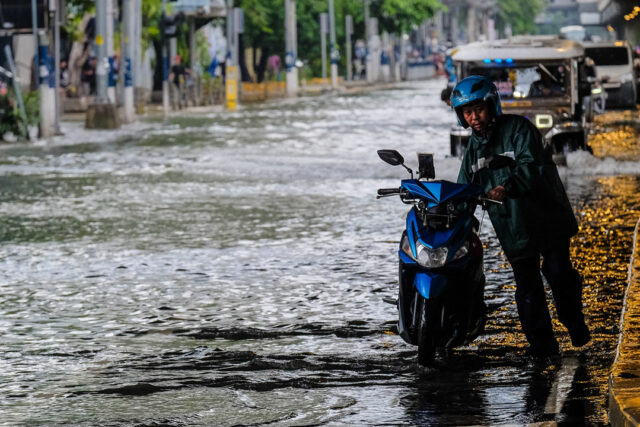
MANY PARTS of the Philippines including Taft Avenue in Manila remained flooded even after Severe Tropical Storm Wipha (Crising) left the country on Saturday. — PHILIPPINE STAR/RYAN BALDEMOR

THE PHILIPPINE government on Sunday reported three deaths, three injuries and three missing persons linked to Severe Tropical Storm Wipha (Crising) and intensified southwest monsoon rains.

Two of the deaths were from Northern Mindanao, while one was reported in the Davao region, the National Disaster Risk Reduction and Management Council (NDRRMC) said in a report on Sunday morning. The agency said all three deaths were still under validation.

All injured people were from Soccsksargen in south-central Mindanao, the agency added. Meanwhile, three people were reported missing in Western Visayas.

The NDRRMC said 370,289 people from 120,008 families have been affected by Crising and monsoon rains. Of these, 6,720 families or 22,623 people were sheltering in evacuation centers as of Sunday.

The storm also damaged at least 410 houses, 66 of which were totally destroyed, the agency said.

Crising intensified into a severe tropical storm on Friday, days after a low-pressure area was first spotted east of Catanduanes on July 15. The storm exited the Philippine landmass on Saturday, but rains persist.

As of 3 a.m. on Sunday, the Philippine Atmospheric, Geophysical and Astronomical Services Administration (PAGASA) said Crising was 655 kilometers west of Itbayat, Zambales, with maximum sustained winds of 100 kilometers per hour (kph) and gusts reaching up to 120 kph. It was moving west-northwest at 30 kph.

Despite Crising’s exit, the state weather bureau said in a 4 a.m. bulletin that the southwest monsoon would continue to bring rains over several areas of the country.

PAGASA earlier forecast that the country might experience 11 to 19 tropical cyclones from July to December, including two to three for the month of July alone.

Earlier this year, the Department of Agriculture reported that various calamities including typhoons, El Niño, pest infestations and volcanic activity resulted in P57.78 billion in farm losses last year.

In a related development, the Philippine Rice Research Institute (PhilRice) last week urged rice farmers in Central Luzon and the Bicol region to intensify field monitoring, warning that wet-season conditions could accelerate pest and disease outbreaks.

Citing the Bureau of Plant Industry, PhilRice identified the brown planthopper, bacterial leaf blight, rice blast, rice stemborer and rodents as key threats from July to September.

“Cloudy, rainy days with temperatures of 25‑30°C are ideal for brown planthopper outbreaks,” it said. “We expect heavier infestations and more cases of hopperburn.”

The Philippines lies along the typhoon belt in the Pacific and experiences about 20 storms each year, with about eight to nine typically making landfall. It also lies in the so-called Pacific Ring of Fire, a belt of volcanoes around the Pacific Ocean where most of the world’s earthquakes strike.

The Southeast Asian nation constantly experiences unavoidable losses and damage equivalent to 0.5% of its annual economic output mainly due to an increasingly unpredictable climate, according to the Finance department. — Kyle Aristophere T. Atienza

Taiwan eyes sea patrols with Philippines amid China’s gray-zone tactics

BW FILE PHOTO

By Cathy Rose A. Garcia, Editor-in-Chief and Adrian H. Halili, Reporter

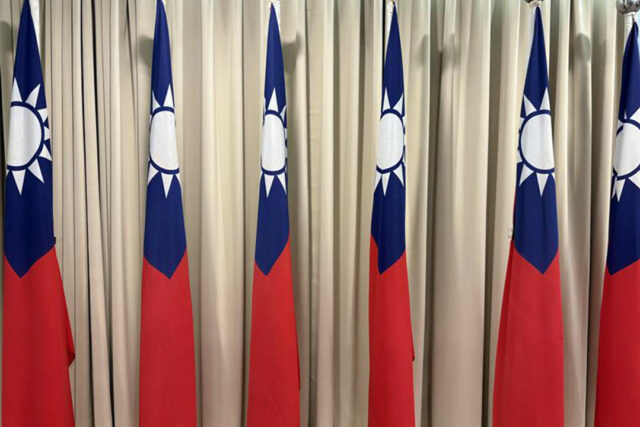
TAIPEI — The Taiwanese government is seeking to strengthen cooperation with the Philippines including on maritime patrols amid China’s increasing use of gray-zone tactics in the region.

“We know that China and the Philippines also have some gray-zone conflicts regarding the islands in this area and that is also the same situation for Taiwan,” Mainland Council Affairs (MAC) Deputy Minister Yu-chung Shen told visiting foreign journalists on July 7.

“We think regarding this gray-zone tactics, Taiwan and the Philippines can work together on patrols and the issues on maritime law enforcement. These are where we can keep our cooperation,” he added.

China claims almost the entire South China Sea, overlapping claims by Taiwan, the Philippines, Brunei, Indonesia, Malaysia and Vietnam. China’s claims are based on a 1940s map that a United Nations-backed arbitration court in The Hague voided in 2016 for being illegal.

Ties between the Philippines and China, which considers Taiwan a renegade province, have worsened in recent years due to repeated encounters between their coast guard ships in the South China Sea over competing claims on the Spratly Islands and Scarborough Shoal, among other sea features.

“We will continue to strengthen cooperation with like-minded countries in the region on economic and other gray-zone tactics,” Mr. Shen said. “For the First Island Chain nations such as Japan, the Philippines, and Vietnam, we will have more opportunities to cooperate on the issues of mutual assistance.”

Mr. Shen said the number of activities by People’s Liberation Army (PLA) fighter jets and warships around Taiwan has been “intensifying.”

In 2024, it counted more than 5,000 PLA fighter jets and more than 3,000 instances of warship activity around Taiwan, he said. From January to June this year, it counted more than 3,000 instances of PLA fighter jet activity around Taiwan, with more than 2,000 crossing the median line of the Taiwan Strait.

“So if the trend continues, that will give us more than 6,000 counts of PLA fighter jets having activities surrounding Taiwan, and more than 4,000 of them crossing the median line of the Taiwan Strait,” Mr. Shen said.

Critics have cited China’s gray-zone tactics against Taiwan in recent years including cyberattacks, disinformation campaigns, trade restrictions and political interference.

A report by the National Security Bureau showed the average daily cyberattacks targeting Taiwan’s government network doubled to 2.4 million in 2024 from a year earlier. Most of these attacks were attributed to China’s cyber-force, the bureau said.

Mr. Shen also said Taiwan has recently noticed more disinformation circulating in Taiwan that is being coursed through “local collaborators.”

“We will continue to regulate and try to identify the local collaborators inside Taiwan and to make sure that we take control of that,” he added.

To combat foreign information manipulation and interference, Mr. Shen said Taiwan is also considering banning apps like TikTok, artificial intelligence model DeepSeek and social media platform RedNote.

These Chinese-owned apps have been banned on government devices since 2019 due to national security concerns over possible data collection by the Chinese government.

Mr. Shen said the influence of those apps in Taiwan might be indirect for now, but there are risks from the leak of personal information of certain government and military personnel.

“In terms of cognitive warfare, a lot of Taiwanese teens do not know much about cross-strait relations. They might have some bias if they use TikTok too much,” he added.

Mr. Shen said the government is also working with civil society to strengthen media literacy to ensure they don’t fall for disinformation.

He said Taiwan would continue to uphold the Four Pillars of Peace action plan proposed by President Ching-te Lai through  “strengthened national defense, improved economic security, stable and principled cross-strait leadership and value-based diplomacy.”

“Taiwan is the pivot connecting Northeast Asia as well as Southeast Asia,” Mr. Shen said. “Facing this military expansionism from Mainland China, Taiwan plays such an important role to connect countries such as Japan, South Korea, the Philippines, Indonesia, as well as Malaysia.”

Last week, Taiwan launched its biggest ever military drills to assess the island’s combat readiness against a full-scale invasion.

The Philippines maintains a “One-China Policy,” but has ties with Taiwan, with the Manila Economic and Cultural Office serving as a de facto embassy.

The Philippine government has relaxed restrictions on travel to Taiwan for economic, trade and investment purposes by government officials, limiting the ban to the President, Vice-President, Foreign Affairs and Defense secretaries. It has also given visa-free entry to Taiwan passport holders.

‘MUTUAL CONCERN’
The Department of Foreign Affairs (DFA) on Sunday urged China’s Ministry of Education to correct what it described as “inaccuracies” in an advisory that warned Chinese nationals against studying in the Philippines due to safety concerns.

“The Department has conveyed its concerns regarding the inaccuracies in the advisory issued by the Chinese Ministry of Education through diplomatic channels,” the agency said in a statement. “It is hoped that the Chinese side will undertake the necessary corrections.”

The advisory, published by China’s Ministry of Education on July 18, warned Chinese students to reassess the risks of studying in the Philippines.

It described the country’s security environment as “unstable” and cited a reported increase in crimes targeting Chinese nationals. The advisory also claimed that Chinese citizens and businesses had faced frequent harassment and inspections from local law enforcement.

Chinese Foreign Ministry spokesperson Lin Jian echoed these concerns in a press conference on the same day, citing “rising safety risks” in the Philippines.

“We once again remind Chinese students studying in the Philippines to make a careful assessment of the safety risks,” Mr. Lin said. “At the same time, we urge the Philippines to take concrete actions to protect the safety, dignity and lawful rights and interests of Chinese students studying in the Philippines.”

The DFA rejected this portrayal, saying it mischaracterized the situation in the country. It added that Philippine law enforcement authorities actively address all crimes involving foreign nationals, including Chinese citizens, as well as those committed by foreigners against their compatriots.

“The Philippine government has been engaging with foreign embassies, including the Chinese Embassy, regarding these cases in good faith,” the DFA said.

The agency also reiterated Manila’s commitment to constructive engagement with Beijing. “The Philippines remains committed to constructively discussing matters of mutual concern with China.”

Tensions between the two countries have escalated in recent years due to their dispute in the South China Sea. The Philippines has become more assertive in defending its sovereign rights within its exclusive economic zone.

In 2016, a United Nations-backed tribunal in The Hague voided China’s sweeping claims over more than 80% of the South China Sea, through which $3 trillion in global trade passes through annually, for being illegal.


Marcos: Online gambling destroying Filipino families

A person holds cards near a keyboard, chips and dice in this illustration picture. — REUTERS/DADO RUVIC/ILLUSTRATION

PHILIPPINE PRESIDENT Ferdinand R. Marcos, Jr. on Sunday warned that digitalization has made online gambling more accessible and destructive to Filipino families, as calls to regulate or ban electronic betting intensify ahead of his fourth State of the Nation Address (SONA) on July 28.

“Another thing that digitalization has made easier is gambling,” Mr. Marcos said in Filipino through his weekly video blog posted on social media. “Many families are being destroyed because of this, especially when the gambling is not done responsibly.”

The President’s remarks follow efforts by the Bangko Sentral ng Pilipinas (BSP) and Department of Finance (DoF) to tighten regulations on online gaming platforms.

The BSP is drafting a circular that will require banks and e-wallet providers to implement safeguards such as transaction limits related to gaming, to protect consumers from financial losses and addiction linked to e-gambling.

Meanwhile, the DoF is weighing policy proposals including additional taxes on online gaming, mandatory listing of e-gaming firms on the Philippine Stock Exchange and access restrictions to digital betting platforms.

Finance Secretary Ralph G. Recto earlier told BusinessWorld proposals under review include placing time or cash-in limits on players, displaying more prominent warnings about gambling risks and prohibiting government officials from participating in online betting.

Mr. Marcos has expressed openness to supporting both taxation and regulation to address the societal impact of online gambling, though he has not confirmed whether the issue would be included in his upcoming speech before Congress.

He also said more studies are needed before the government could consider a complete ban on online gambling platforms. Malacañang earlier said crackdowns on illegal gaming sites have been intensified to reduce public access.

Mr. Recto hinted that further details of the government’s online gambling policy might be revealed in the President’s SONA.

Lawmakers in both the Senate and House of Representatives have recently filed bills targeting the rise of online gambling. One senator described the issue as a “silent epidemic” affecting young Filipinos.

In the first quarter, gross gaming revenues surged 27.44% to P104.12 billion, according to the Philippine Amusement and Gaming Corp. (PAGCOR).

For the first time, electronic gaming outpaced traditional casinos, contributing P51.39 billion or 49% of total gross revenue during the period. — Chloe Mari A. Hufana

PHL-US boat facility deal should integrate tech transfer — analysts

FACEBOOK.COM/USEMBASSYPH/

By Adrian H. Halili, Reporter

MANILA and Washington should integrate technology transfer mechanisms in their plan to put up two boat facilities near a hotly contested area of the South China Sea, analysts said.

The construction of a boat maintenance facility in Palawan may only be beneficial to the Philippines if there was a technology-transfer mechanism in place, Michael Henry Ll. Yusingco, a fellow at the Ateneo de Manila University Policy Center, said.

“This move will only be beneficial to us, in terms of enhancing our maritime defense capability, if there is an embedded technology-transfer mechanism in place. This should involve both technical hardware and know-how,” Mr. Yusingco said in a Facebook Messenger chat.

He added that the proposed facility should elevate the Philippines ship-building industry.

“This has to be part of our self-reliant defense posture agenda. Simply put, this cannot be a simple and straightforward lease arrangement only,” he said.

Last week, the US Embassy in Manila confirmed that the Philippine government has approved the construction of two separate boat maintenance facilities in Oyster Bay and Quezon town, Palawan province.

Quezon, a seaside municipality, lies a little over 200 kilometers from Second Thomas (Ayungin) Shoal — the site where the grounded BRP Sierra Madre serves as a military outpost; while the Naval Detachment Oyster Bay functions as a staging area for vessels, contracted by the Armed Forces of the Philippines for its rotation and resupply missions to the BRP Sierra Madre.

“The boat maintenance facility in Palawan is a major project that should not be missed due to its strategic importance,” Chester B. Cabalza, founding president of Manila-based International Development and Security Cooperation said in a Messenger chat.

The facilities are expected to provide repair and maintenance capabilities for several small Philippine military watercraft and include two multi-purpose interior rooms suitable for equipment storage or conference use.

The Philippines and US, which are long-time treaty allies, are working together to bolster defense coordination amid increased Chinese assertiveness in the South China Sea, a key global trade route that is believed to be rich in minerals and oil deposits.

Mr. Cabalza added that the facility would also allow for the creation more reconnaissance and other interoperable requirements for Manila and Washington’s coast guard and navy to strengthen their joint maritime patrol in the South China Sea.

“That is auspicious for Philippine law enforcers and maritime actors since Palawan is eyed by China for their illegal possession,” he said.

The Philippine government has been seeking more foreign defense deals with countries outside its traditional allies, like Japan, Australia and Canada, amid its ongoing sea dispute with China.

Philippine forces have repeatedly sparred with Chinese ships and aircraft in the South China Sea due to competing claims in the area, where more than $3 trillion worth of trade passes through each year.

A United Nations-backed tribunal based in The Hague in 2016 voided China’s claim to more than 80% of the South China Sea, for being illegal.

Marcos finalizing SONA speech — Palace

PHILIPPINE STAR/KJ ROSALES

PHILIPPINE President Ferdinand R. Marcos, Jr., is finalizing the content of his State of the Nation Address (SONA) ahead of its delivery on July 28, with the possibility of including issues related to trade with the US, Executive Secretary Lucas P. Bersamin said on Sunday.

“The President has been involved very personally in the preparation of the SONA because that is the report to the people,” Mr. Bersamin said, according to a video sent to Palace reporters. “He always gives the highest importance, and I think he has already collected the material for his SONA, although we are still hoping or expecting that the President will consider more material.”

While Mr. Bersamin did not divulge specific talking points for the fourth SONA of the President, he said Mr. Marcos is focused on communicating the work of his administration to the public.

The SONA, an annual speech by the Philippine President to Congress, reports on the country’s current state and outlines policy priorities and legislative agenda for the coming year. It fulfills a constitutional duty and is typically delivered every fourth Monday of July.

Asked if the President would mention developments involving his official visit to the US this week, Mr. Bersamin said it was possible. “We can expect that. If he wants to include that, if there is anything worth reporting, we can expect.”

On online gambling, Mr. Bersamin reiterated that the President’s policy banning Philippine offshore gaming operators (POGOs) remains unchanged since its announcement a year ago. “The President is very strong about POGOs, that’s already banned,” he said. However, he noted that other forms of online gaming not linked to scams or fraud are still under review.

“We are still looking into it because we have to see all the ramifications that gaming of that method may be allowed to operate.” — Chloe Mari A. Hufana