By Katherine K. Chan, Reporter
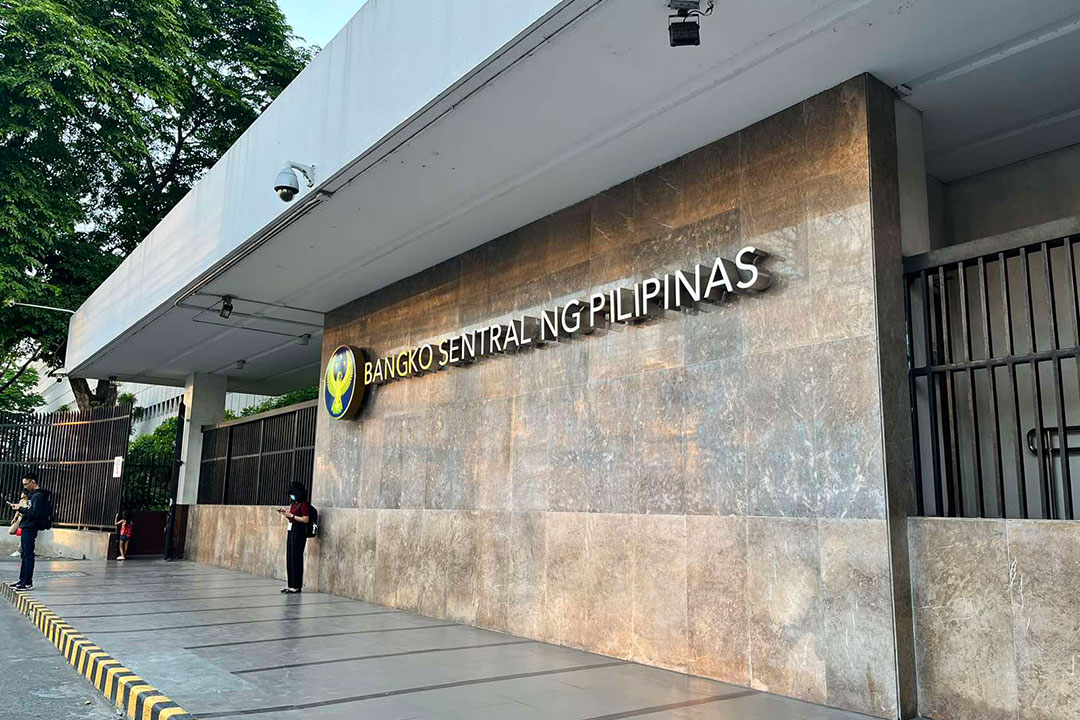
THE Bangko Sentral ng Pilipinas (BSP) should avoid aggressive policy tightening and keep its stance balanced between controlling inflation and supporting growth, an economist said.
Jonathan L. Ravelas, senior adviser at Reyes Tacandong & Co., added that the BSP will likely wait for additional economic data before potentially tightening once more next month.
“What we need to understand, the reason I say defensive is that they’re at a crossroads. We want growth to prosper, but we need to also contain inflation, right?” he told the Pandesal Forum at the Kamuning Bakery Cafe in Quezon City on Wednesday.
If the BSP were aggressive, it could have delivered an inter-meeting hike earlier this month when inflation exceeded expectations, according to Mr. Ravelas.
“But probably they’ll wait for June 18 to make those decisions until they look at what’s happening in the Middle East, probably the impact on the total government revenue, etc., (and) what plans they have to spur growth,” he said. “At least by June, there will be a plan (that will flow on to) what the President will say for the State of the Nation Address. So they can all align themselves.”
Inflation has failed to remain within central bank and market projections since the Iran war started, with the highly uncertain environment challenging forecast models.
In April, inflation accelerated to an over three-year high of 7.2%, well above the BSP’s 5.6-6.4% estimate and the 5.5% median forecast returned by a BusinessWorld poll of 17 analysts.
Mr. Ravelas sees the central bank raising the key interest rate by a total of 125 basis points (bps) to 5.75% by year’s end, projecting inflation to average 7.2% for the year.
The BSP started a new tightening cycle last month, delivering its first 25-bp rate increase in over two years during its April 23 meeting to bring the key policy rate to 4.5%.
Central bank officials said the move was a preemptive measure to curb price pressures and cautioned against spillover effects, with headline inflation projected to settle well above their 2%-4% target until next year.
BSP Governor Eli M. Remolona, Jr. has left the door open to further modest rate hikes to bring inflation back within the target range in keeping with the bank’s price stability mandate.
Mr. Ravelas noted that the Philippine economy is showing signs of stagflation — a combination of slowing growth, stubborn inflation and high unemployment.
Gross domestic product growth eased to 2.8% in the first quarter from 3% the previous quarter and 5.4% a year earlier.
Mr. Ravelas sees full-year growth settling between 3.8% and 4% in 2026, weakening from the 4.4% in 2025.
However, Mr. Ravelas said the conditions for stagflation may not be met with long-term unemployment remaining low at around 7%.
Meanwhile, Mr. Ravelas said the peso risks plummeting to the P65-to-the-dollar level over the next three years, though the BSP’s policy tightening could provide the currency some relief.
The peso closed at all-time low of P61.75 to the dollar as lingering market uncertainty from the Middle East meant continuing safe-haven demand for the dollar.