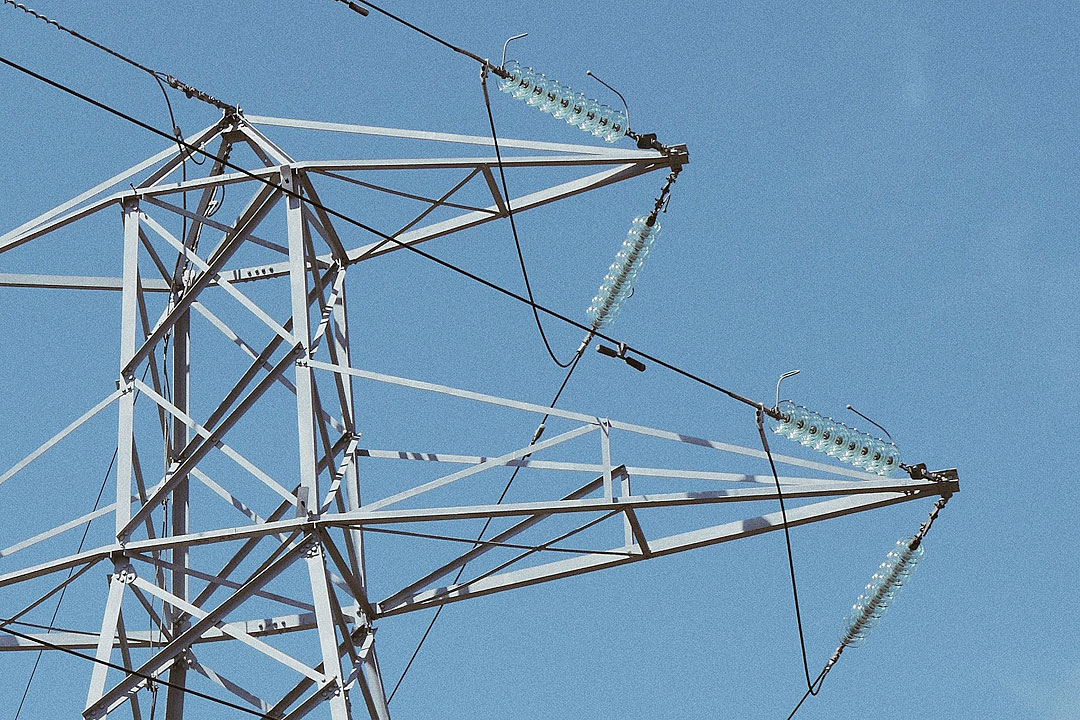
THE VISAYAS GRID was again placed under yellow alert on Wednesday due to the shutdown of several power plants, with industry groups raising concerns that plant outages have exceeded allowable limits.
In an advisory on Wednesday, the National Grid Corp. of the Philippines (NGCP) said the Visayas grid was on yellow alert between 4 p.m. and 8 p.m.
A yellow alert is issued whenever power reserves are insufficient to meet the transmission grid’s contingency requirement.
During the period, available capacity was at 2,692 megawatts (MW) against peak demand estimated at 2,503 MW.
A total of 847 MW was unavailable to the grid after forced outages at 18 power plants and derated operations at 15 more.
Consumer group Power for People Coalition (P4P) urged the government to conduct a full investigation after the recent series of grid alerts.
“A full investigation into the red and yellow alerts should also be pursued both by the energy agencies and Congress. Stronger penalties should be enforced for companies responsible for the rotating brownouts — whether on the generation or transmission side,” P4P Convenor Gerry C. Arances said.
Climate and energy policy group Institute for Climate and Sustainable Cities (ICSC) said no baseload power plant should be non-operational between April and June, citing the NGCP’s own Grid Operating and Maintenance Plan.
However, the ICSC said some power plants have already exceeded the annual outage allowance, a cap set by the Energy Regulatory Commission for baseload facilities.
“Until these power plants are brought back online, the capacity deficit will persist, and the yellow grid alert raised in Visayas will likely remain,” the ICSC said.
The group underscored how dependence on a small number of large centralized baseload facilities can quickly degrade system reliability.
“Building resilience through distributed energy solutions is no longer just an environmental option, but an energy-security necessity,” the ICSC said.
“A more decentralized and diversified approach strengthens local reliability and self-sufficiency while reducing the risk of supply disruptions caused by outages, disasters, and other physical shocks,” it added.
So far, this year, the grid has declared three red alerts and 14 yellow alerts. — Sheldeen Joy Talavera