Home Blog Page 6679

PHL still on track to reach GDP target this year — Chua

PHILIPPINE STAR/ MIGUEL DE GUZMAN
Motorists line up at a gasoline station along España Boulevard in Manila on Monday night, before fuel retailers implemented a huge increase in pump prices on Tuesday morning. — PHILIPPINE STAR/ MIGUEL DE GUZMAN

THE NATIONAL Economic and Development Authority (NEDA) is confident the Philippines could still reach its economic growth target this year, despite the impact of Russia’s invasion of Ukraine on prices.

“As of the end of year 2021, I believe we were a hundred billion short from reaching pre-pandemic level. So, I still believe, in the first quarter, we will exceed the 2019 level, and there have been significant developments in the domestic economy,” Socioeconomic Planning Secretary Karl Kendrick T. Chua said at a Tuesday briefing.

The shift to Alert Level 1, the least strict pandemic restrictions, in several areas has added over P9 billion to the economy per week, he added.

NEDA also expects a return to face-to-face schooling to add P12 billion to the economy each week.

However, there are concerns the ongoing geopolitical conflict in Eastern Europe may hurt the Philippine economy’s recovery. Consumption is expected to take a hit as prices of fuel and basic commodities continue to climb.

“Unfortunately, we are facing global headwinds to our economy. We believe we have a very strong domestic economy that can withstand that. We also believe the current global tension is temporary in nature,” Mr. Chua said.

Government economic managers said the Philippine economy will be “collateral damage” to the Russia-Ukraine war as oil and food prices increase. The conflict could also push up interest rates or the cost of borrowing, while investors are expected to be more conservative.

To assist public utility vehicle drivers and agricultural workers affected by oil price hikes, the government has released P3 billion in subsidies so far.

“We are ready to support the affected sectors. We also have to think about our strategies and calibrate our policies so that we achieve the highest gain for the people, not only certain groups,” Mr. Chua said.

“I think we are still very much on track to our projected growth targets for this year,” he added.

The government expects the economy to expand by 7% to 9% in 2022. The statistics agency is scheduled to release the first-quarter gross domestic product (GDP) data on May 12.

In 2021, the economy grew by 5.6%, reversing the 9.6% contraction a year earlier but remained below pre-pandemic expansion.

“We really don’t know how long this crisis or tension (in Ukraine) would last. Of course, we are hoping a few weeks or months,” Mr. Chua said.

Meanwhile, the peso is seen to be vulnerable to the effects of the Russia-Ukraine war as the net importing country faces twin budget and current account deficits, adding pressure on the central bank to hike rates, Oxford Economics said.

The peso weakened by 1.6% since the crisis began on Feb. 24, the think tank said. — J.P.Ibañez

Some ride-hailing, delivery firms won’t raise rates for now

PHILIPPINE STAR/KRIZ JOHN ROSALES

By Arjay L. Balinbin, Senior Reporter

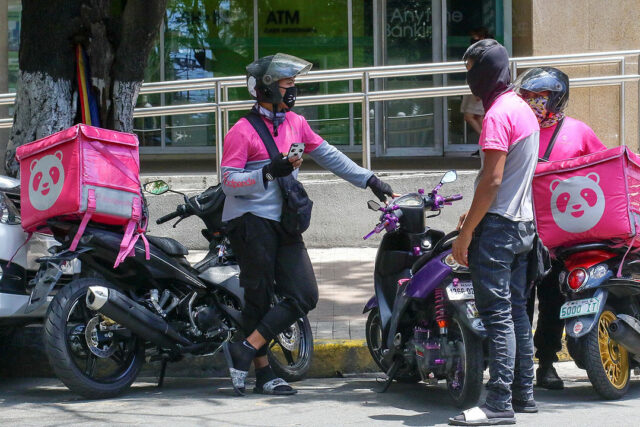
AS FUEL PRICES continued to climb this week, at least two ride-hailing and delivery service providers said they currently do not have plans to increase their rates.

They have also started taking steps to ease the pain at the pump for their drivers, such as providing incentives and fuel discounts.

“No, we don’t intend to increase our pricing. We’re also under a technical working group regulatory framework which has our price pegged at a certain rate per kilometer, but we are not talking to them to push for any type of increase,” Angkas Chief Executive Officer George I. Royeca told BusinessWorld in a phone interview on Tuesday.

For its part, online delivery firm foodpanda Philippines said: “We are assessing the situation regarding adjustment in pricing. Our priority now is the welfare of the riders and easing the burden of rising fuel costs.”

Pump prices went up for an 11th straight week on Tuesday. Fuel retailers raised gasoline and diesel prices by P7.10 and P13.15 per liter, respectively.

To encourage drivers to continue working, Mr. Royeca said the company gives cash incentives, especially if they reach certain targets or number of rides.

However, he admitted the sky-high fuel prices are “definitely a cause for concern.”

“But I think this is one of the times when we are more thankful that we are in the motorcycle business because the fuel efficiency of motorcycles is much better than any other vehicle. Hopefully that will translate to more people, maybe at this time, looking for an alternative mode of transportation to get from point A to point B,” Mr. Royeca said.

The Land Transportation Franchising and Regulatory Board has said it would start the distribution of the fuel subsidy to 377,443 beneficiaries this week. Each one is expected to receive P6,500.

“The initial batch is really meant for the delivery guys, and we are working to expand it to include the drivers,” Mr. Royeca said. “I’m currently working on this with the Department of Information and Communications Technology, which is the one facilitating this program.”

Meanwhile, foodpanda is ramping up efforts to ease the burden of the rising gas prices on its riders through fuel discounts and other initiatives.

“We already have existing partnerships with several fuel providers, including Seaoil, Caltex, Phoenix and Unioil. In the case of Unioil, it has partnered with foodpanda to co-subsidize an enhanced and exclusive fuel discount for foodpanda riders up to P10 per liter since March 1,” the company told BusinessWorld in an e-mailed reply to questions on Monday.

It has also teamed up with the PriceLOCQ app that allows its partner riders to enjoy P4 per liter discounts and other vouchers.

The company said it is working with its partners to expand the gas discounts to more locations and riders.

Foodpanda said it is now finalizing a list of its riders who will be eligible to get fuel subsidies from the government.

“While this is being finalized, we continue to look at how foodpanda can provide more help to riders through discounts, loans, and other subsidies, to support them through these challenging times,” it added.

Grab Philippines announced last week its “P25-million Partner Assistance Fund” this year for its Grab drivers and delivery partners. This is expected to help them “overcome the adverse impacts of natural calamities and ongoing macroeconomic conditions.”

The company said it is also extending working capital loans and working closely with the government to revisit existing fare and fee structures.

PAL eyeing to offer last-mile cargo deliveries directly to homes, offices

Mr. Lucio Tan III during the 81st Philippine Airline Anniversary, March 15, 2022. — PHILIPPINE STAR/KRIZ JOHN ROSALES

PHILIPPINE Airlines, Inc. (PAL), which celebrated its 81st anniversary on Tuesday, is working to strengthen its cargo business to take advantage of the e-commerce boom.

PAL, which hopes to return to its pre-pandemic size in two to three years, is studying to convert some of its aircraft to cargo-only airplanes.

“We are looking into that. We are exploring,” PAL’s newly appointed President and Chief Operating Officer Capt. Stanley K. Ng told reporters, adding that “the e-commerce is getting stronger.”

“We will innovate our business by integrating our cargo reservations system with a new cargo mobile app and website and create more cashless payment options and offer last-mile cargo deliveries directly to homes and offices, soon in the Philippines.”

PAL will have a one-way cargo flight from Asia to the United States to transport medical supplies. The airline will use the aircraft back as a passenger airplane, Mr. Ng also said.

PAL is also studying to acquire more aircraft in order to revert to its pre-pandemic size.

“It will take about two to three years because we’ve reduced our fleet size,” Mr. Ng said.

“We need to forecast the demand. If we forecast that the demand will be enough, then that’s the time when we can actually customize,” he added.

On the impact of the rising fuel prices on PAL’s operations, he said: “The fuel component is about 50% of our costs… We are actually managing it. We are looking into solutions on how to manage the situation right now.”

“We are working with the Civil Aeronautics Board to add some fuel surcharge to the fares. However, we will make sure that it will still be reasonable for passengers,” he added.

PAL also announced on Tuesday its 81st Anniversary Seat Sale. “It is our biggest sale of the year with the lowest fares, with over five million seats on sale from March 15 to 21,” Mr. Ng said.

“Next… by April, we will embark on a new ‘Project Open,’ a partnership between PAL and the Department of Tourism to revive the Philippine tourism industry on which many communities and local businesses depend.”

PAL Director Lucio C. Tan III said the company’s 81st anniversary is a “rebirth.”

“In overcoming the pandemic, we have created a new Philippine Airlines.”

“It’s a new PAL because we emerged in record time from our restructuring with fresh capital — $505 million infused by our chairman, Lucio C. Tan; lower debt — a $2-billion reduction in debt, as agreed with our major creditors via a 100% positive vote under the Chapter 11 process; and a streamlined fleet — anchored on 70 aircraft, from island-hoppers to wide-body long-haul aircraft including NEOs, A350s and B777s,” Mr. Tan noted. — Arjay L. Balinbin

PLDT Home: Market still underpenetrated at around 20%

PLDT, Inc. on Tuesday said its Home business, which offers fixed broadband services to residential customers, is aiming to reach more areas in the Visayas and Mindanao, as the overall market is still underpenetrated at around 20%.

“The group is anticipating PLDT Home to grow its revenues at an accelerated pace as it adds more fiber customers, with the market still underpenetrated at approximately 20%, compared with up to 50% penetration in the Asian region,” PLDT and Smart Communications, Inc. President and Chief Executive Officer Alfredo S. Panlilio said in an e-mailed statement.

Mr. Panlilio expects PLDT’s Home business to continue its strong performance “given the latent demand, as well as our improved service metrics and the upcoming conclusion of our copper migration campaign.”

PLDT Home said it registered 1.13 million new fiber subscribers last year, up from its target of one million new subscribers.

PLDT now has nearly three million fixed broadband customers.

“This exceptional performance sets the foundation for 2022 and beyond as we continue to build on our strengths as an integrated telco and our commitment to serve our customers in the best way possible,” Mr. Panlilio said.

PLDT Home is ramping up installations this year, according to the group.

The goal is “to serve untapped markets, fast-track completion of migration for the remaining copper customers to fiber, and continuously improve in terms of operations using automation,” it noted.

Hastings Holdings, Inc., a unit of PLDT Beneficial Trust Fund subsidiary MediaQuest Holdings, Inc., has a majority stake in BusinessWorld through the Philippine Star Group, which it controls. — Arjay L. Balinbin

The golden rules of kidney health

PIXABAY

The golden rules for kidney health are the golden rules for overall health: physical fitness; proper sleep; adequate nutrition; and the avoidance of vices like smoking. Drinking water, health experts said, is also the best supplement for one’s kidneys.  

“The cheapest treatment for the kidneys is water,” said Dr. Eladio Miguel M. Peñaranda, Jr., a nephrology consultant at Makati Medical Center, in a March 8 webinar organized by the Philippine College of Physicians and the Philippine Society of Nephrologists.  

While the advice to drink eight glasses of water a day is a reasonable goal, individual water needs depend on several factors, including height, exercise, environment, and overall health. According to the Mayo Clinic, adequate daily fluid intake — on average — is 15.5 cups or 3.7 liters of fluids a day for adult men, and 11.5 cups or 2.7 liters of fluids a day for adult women.   

Two indicators of adequate fluid intake, the clinic added, are a colorless or light-yellow urine, and seldom feeling thirst.  

CHRONIC KIDNEY DISEASE
One in 10 adults worldwide have kidney disease, said Dr. Michelle Ozaeta-Alpuerto, a nephrologist from Quali Med Hospital Sta. Rosa and Unihealth Parañaque Hospital and Medical Center.   

Chronic Kidney Disease (CKD), comes in five progressive stages and is caused by medical conditions such as diabetes, high blood pressure, heart disease, and a family history of kidney failure. Its signs and symptoms manifest only at stage 4, when the kidneys are already severely damaged, and stage 5, or kidney failure.   

While there is no cure for CKD, medications and kidney transplants are treatment options.  

Herbal supplements, meanwhile, are not recommended. “There are studies that show herbal supplements with certain ingredients, like aristolochic acid, cause damage to the kidneys,” Dr. Alpuerto said in the vernacular. “These supplements have not been studied for use specifically for people with kidney disease.”   

Frequent intake of over-the-counter (OTC) painkillers like ibuprofen and mefenamic acid may also harm the kidneys. “Don’t take OTC painkillers regularly,” she said, since ibuprofen can damage the kidneys if taken frequently and for longer periods. — Patricia B. Mirasol 


Signs and symptoms of chronic kidney disease  

According to nephrologist Dr. Michelle Ozaeta-Alpuerto, the signs and symptoms of chronic kidney disease (or the gradual loss of kidney function), are the following: 

  • nausea or vomiting  
  • loss of appetite  
  • itchy skin  
  • muscle cramps  
  • fatigue  
  • trouble sleeping  
  • anemia  
  • tea-colored or bubbly urine  
  • too little or too much urination  
  • swelling (edema)  
  • shortness of breath  
  • mental state changes like disorientation  


Females, pregnancy, and UTI  

One kidney concern that is more common among women is urinary tract infection (UTI), which is an infection that involves any part of the urinary system.  

Women are at greater risk because of their shorter urethra, which translates to a shorter distance from which bacteria can travel to reach the bladder. Certain types of birth control methods — like diaphragms — may increase the risk of UTI. Other states — like pregnancy and menopause — also cause hormonal changes, making one more vulnerable to infection.  

If left untreated, UTI may move upstream to one or both kidneys, leading to more serious infections. For pregnant women, the risks of untreated UTI include preterm labor and low birth weight.  

Practicing good hygiene is one of the simplest ways to prevent UTI. Always wipe from front to back after bowel movement. Avoid tight-fitting underwear. Minimize the use of douches. — Dr. Kathryn Marie L. Ramirez, senior fellow-in training, nephrology section, Makati Medical Center

NLEX Road Warriors, TnT Tropang Giga eye quick semifinals entry

TnT Tropang Giga — PBA IMAGES

By Olmin Leyba

FOR second seed NLEX and No. 3 TnT, the time is ripe to cash in on the win-once quarterfinal incentives that they worked so hard to clinch back in the eliminations and advance.

The Road Warriors and the Tropang Giga target a quick entry into the Philippine Basketball Association (PBA) Governors’ Cup semifinals as they open their post-elims campaigns on Wednesday against their lower-ranked but emotionally-driven opponents at the Smart Araneta Coliseum.

NLEX’ challenger, No. 7 Alaska, is bent on extending the franchise’s farewell PBA outing to at least another game as TnT’s rival, No. 6 Barangay Ginebra, is intent on keeping its title defense going and avenging its Philippine Cup dethronement by the Tropang Giga in the previous quarters.

“Alaska would certainly like to go out in a blaze of glory. So it’s a big motivation to have coming into the game,” said NLEX coach Yeng Guiao, anticipating a tight contest as opposed to their 106-89 blowout in the elims.

“That means it’s going to be high intensity and they’re going to be very aggressive. So we’re going to have to carve out a win.”

Cameron Clark makes his NLEX debut in the 3 p.m. game, looking to pick up from where original import KJ McDaniels left off after a stellar elims run.

Aces counterpart Jeff Cariaso said facing a win-or-go-home situation, his charges are laser-focused on the immediate task.

“We know the task at hand is a harder path with a twice-to-beat disadvantage. But it’s not at all impossible,” he said. “Focusing on being ready and bringing our A-game is our priority.”

TnT mentor Chot Reyes, meanwhile, views the 6 p.m. matchup with Tim Cone and Ginebra as a dogfight.

“We’re playing the team with the resident Best Import (Justin Brownlee) so we have to be ready,” said Mr. Reyes. “It’s going to take much, much better defensive effort for us to be able to beat a team like Ginebra.”

Mr. Cone said the Gin Kings have made the most of the 10-day gap between their last game and this to get themselves in top playoff form.

“We know we have an uphill battle (against TnT) but the guys feel they are playing better of late and their confidence is high,” he said. “We’ll be ready.”

The importance of caring and love in art

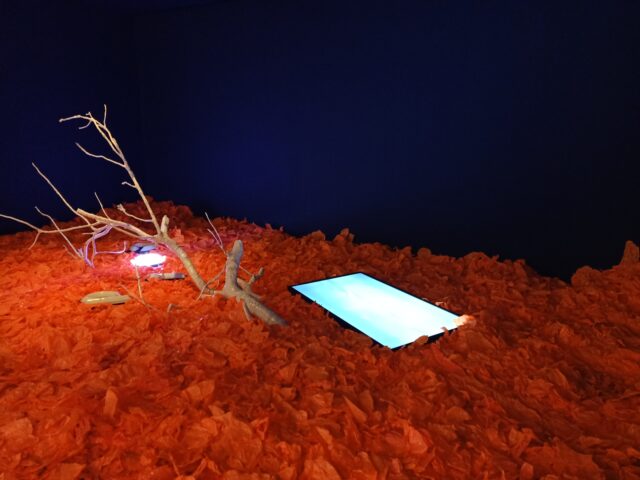
MARS BUGAOAN’s Still Life — PHOTO BY MICHELLE ANNE P. SOLIMAN

Physical exhibit marks the 13 Artists Awards

AFTER having held its nominations and announcement of awardees completely online last year because of the coronavirus disease 2019 (COVID-19) pandemic, the awarding and exhibition opening of the 18th iteration of the 13 Artists Awards (TAA) was officially — and physically — held at Cultural Center of the Philippines’ (CCP) on March 10.

The awardees for 2021 are painter Allan Balisi, painter and new media artist Nice Buenaventura, painter Gino Bueza, printmaker Mars Bugaoan, visual artist and writer Rocky Cajigan, photographer Geloy Concepcion, painter and educator Patrick Cruz, painter and interactive installation artist Ian Carlo Jaucian, street art group KoloWn, photographer, video and site installation artist Czar Kristoff, painter Lou Lim, paper sculptor Ryan Villamael, and interdisciplinary artist, designer, and writer Catherine Sarah Young.

The CCP 13 Artists Award is the oldest government award for visual artists, and is named after the 13 Moderns, a group of artists in the mid-20th Century who broke with convention and moved away from the conservative formality of the country’s old masters. Then-CCP Museum Director Roberto Chabet curated an exhibit called Thirteen Artists in 1970 which eventually transformed into an award. Originally an annual then biannual event, the awards have been granted every three years since 2003. It has named 198 artists-awardees since 1970, including one National Artist and four Gawad CCP awardees.

One of the 2021 awardees, painter Lou Lim, said that she was once asked by a friend of what her artworks’ battle cry would be if it had one. Ms. Lim’s answer was “love.”

“Love is never only cheesy. It makes me stand against evil even [when] your life is at stake. It makes you work for 18 hours more to serve the people you love. It can make you heal, make you alive, make you reap some parts of your soul, and make you continue on the days you can’t feel,” Ms. Lim said in her speech at the awarding ceremony.

The 13 Artists awardees each received a grant to produce new work for the group exhibition at the CCP. It took a year and one exhibition schedule cancelation in January this year (because of the COVID-19 Omicron surge) before the CCP’s galleries opened to showcase the works of the artists.

“Amidst everything, I asked the artists the question: ‘What keeps you inspired in times like these?’ And upon receiving no answer, I asked more directly, ‘Why they should work now?’,” exhibition curator and 2018 13 Artists awardee Shireen Seno said in her speech.

“As an artist myself, I understood the question of not being able to move freely, the cost of leaving the house and moving around, and how these limitations inhibit our ability to draw inspiration from our surroundings, communities, and everyday lives,” she continued.

Ms. Seno highlighted the importance of caring, despite the challenges of the past two years and the challenges of completing creative projects.

“To care is a radical act and a highly contagious one at that. At a time when it is easy to slip into isolation and ignorance, let this exhibition be a call to care in all forms,” Ms. Seno said.

THE EXHIBIT
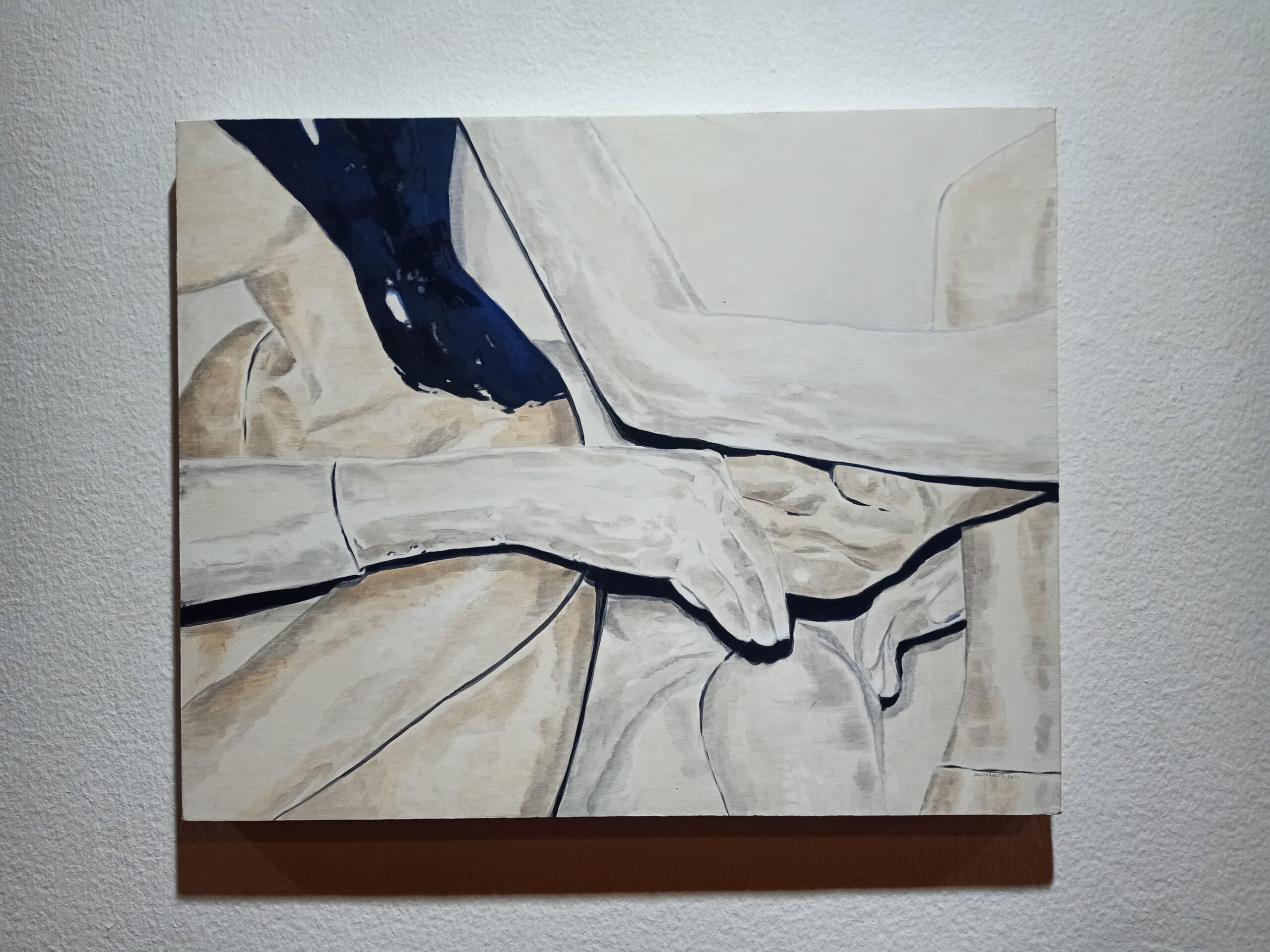
In the exhibition are Allan Balisi’ Autonomy of Painting which are small site-specific paintings speculating on the afterlife of mannequins; Nice Buenaventura’s The New Word for World is Archipelago, a three-part installation on geographic interconnectedness; Gino Bueza’s Props and Problems, an installation that blurs the lines between work and non-work; and Mars Bugaoan’s Still Life, an installation that allows visitors to step into moments or collide with them.

Rocky Cajigan’s contribution to the exhibit is Mass, a mixed media installation on levels of violence. Geloy Concepcion’s Sanctuario: Ang Pakikipagsapalaran ni Isagani sa Bansang Amerika is a slideshow of photographs of a Filipino immigrant, while Patrick Cruz’s Gamu-gamo is a two-part video essay about the interventions of a clock existing in CCP and about the mineral dolomite and termites.

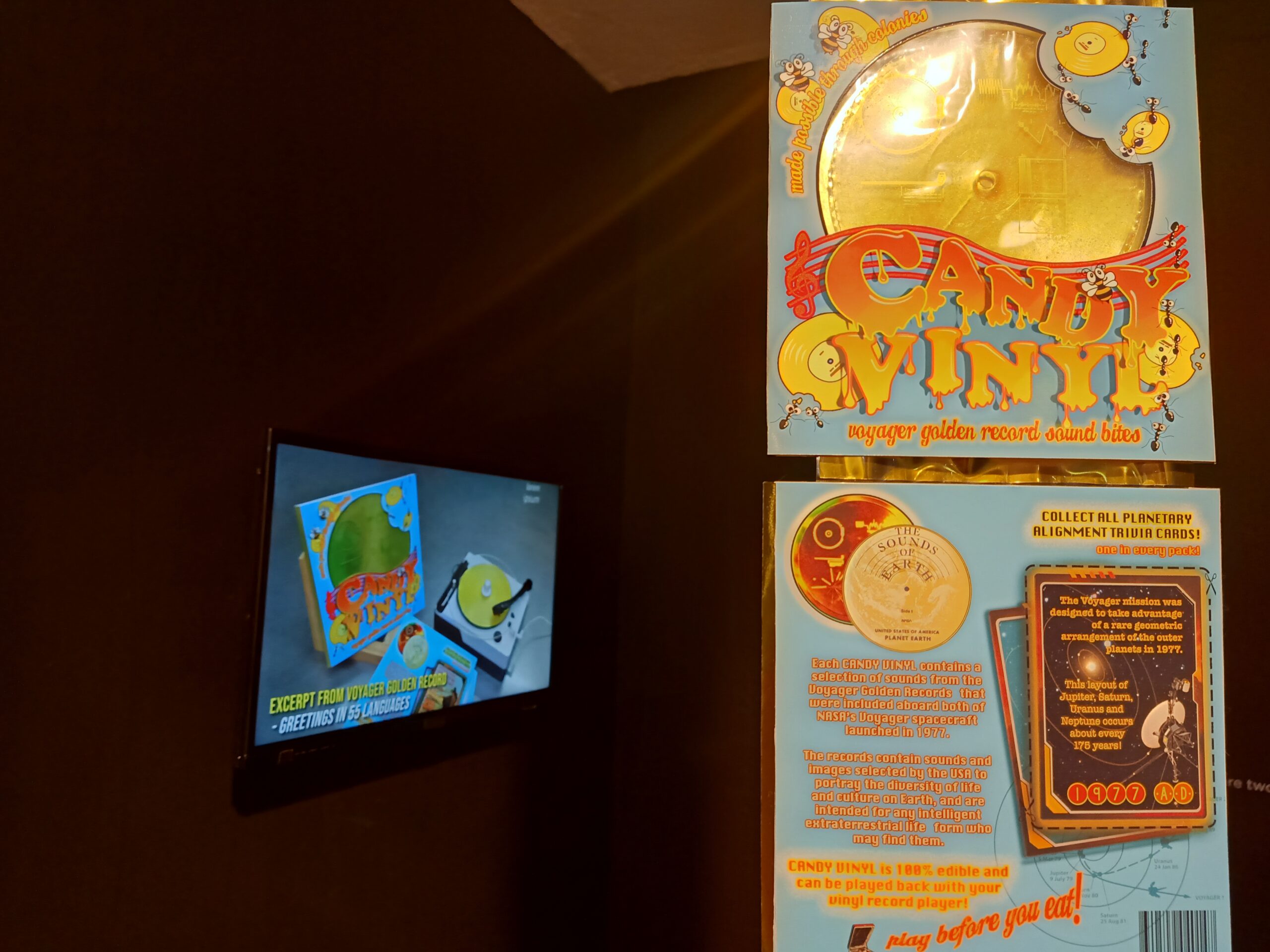
Also in the exhibit is Ian Carlo Jaucian’s Bon Bon Voyage, a mixed-media installation of candy replicas of the golden record and photographs that were sent out into space aboard the United States’ Voyager spacecraft in 1977. KoloWn’s contribution is P1sonet, an installation of 10 computers that resemble an internet café. Then there is Czar Kristoff’s To Watch the Sunset Once Again, a two-part video presentation of sunsets taken from Grindr profiles and videos of long-time friends.

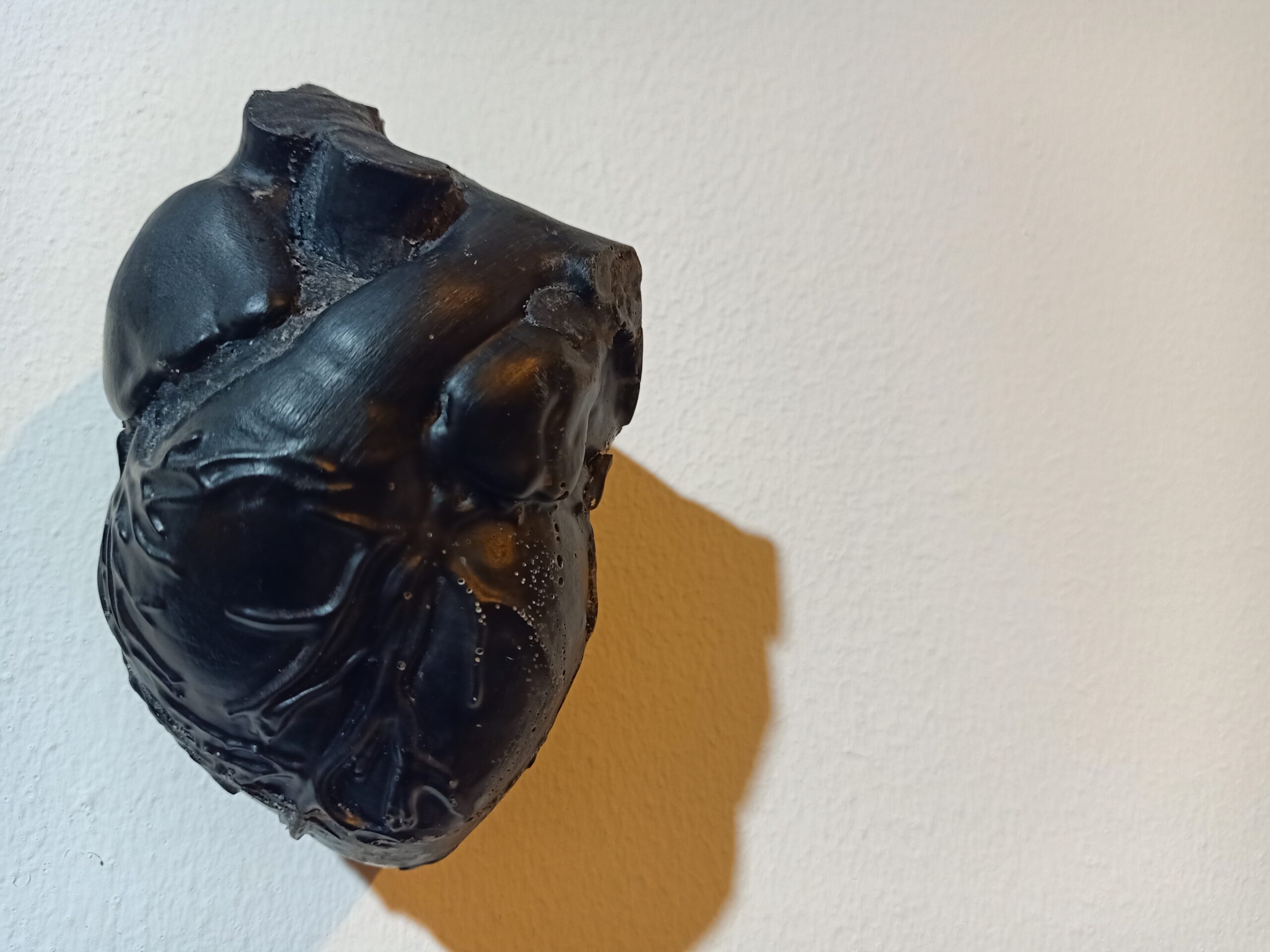
Lou Lim’s Rest is a simulation of the earth’s surface as the extension of a human body. Ryan Villamael’s Index features paper recreations of structures which were destroyed in war. Catherine Sarah Young’s The Weighing of the Heart consists of 30 sculptures of the human heart made from the ashes of Australian bushfires that burned in 2019 to 2020.

Nominations for this year’s batch closed in March 2021. From 97 nominees who were contacted and asked to submit digital portfolios, the selection committee chose 88 portfolios for evaluation. The selection of the final 13 awardees was done through online evaluation.

The selection committee was composed of artists who were themselves 13 Artists awardees — Imelda Cajipe Endaya (1990), Nona Garcia (2003), Nap Jamir II (1974), and Gerry Tan (1988) — along with Rica Estrada, the CCP’s Head of the Visual Arts and Museum Division.

At the awarding ceremony, the artists received a customized trophy designed by 2006 13 Artist awardee Mac Valdezco.

The CCP Visual Arts and Museum Division is now open for walk-in visitors to the 2021 Thirteen Artists Awards exhibition. The exhibition is on view at the CCP Bulwagang Juan Luna (Main Gallery), Pasilyo Juan Luna (Main Gallery Hallway), and Pasilyo Guillermo Tolentino (Third Floor Hallway). It runs until June 5.

Visitors are asked to read and download the CCP VAMD’s Level 1 health protocols for exhibit viewing at bit.ly/visit2021TAA. For more details, visit the Thirteen Artists Awards microsite (https://taa2021.carrd.co/) and the CCP VAMP Facebook page (www.facebook.com/ccpvamd/posts/498072248587678) — Michelle Anne P. Soliman


Gov’t makes partial award of reissued bonds at higher rate

BW FILE PHOTO

THE GOVERNMENT partially awarded the reissued Treasury bonds (T-bonds) it offered on Tuesday as investors asked for higher yields in anticipation of the US Federal Reserve’s rate hike this week.

The Bureau of the Treasury (BTr) raised just P13.035 billion via the reissued five-year T-bonds it auctioned off on Tuesday, less than the programmed P35 billion, even as the offering attracted P35.305 billion in bids.

The debt papers, which have a remaining life of four years and 23 days, were awarded at an average rate of 4.669%, up by 58 basis points (bps) from the 4.089% quoted when the series was last offered on Feb. 3.

The average yield fetched for the debt papers was also higher than the 4.4168% quoted for the four-year tenor — the closest benchmark to the remaining life of the reissued papers — at the secondary market prior to the auction, based on the PHP Bloomberg Valuation Service Reference Rates published on the Philippine Dealing System’s website.

Had the Treasury made a full award of its offer, the reissued bonds would have fetched an average rate of 5.015%.

National Treasurer Rosalia V. de Leon said in a Viber message to reporters that yields bid by investors continued to rise as they remained defensive ahead of the Fed’s policy decision this week.

“Lingering concerns on higher inflation continues,” she said.

Meanwhile, a bond trader said via Viber that the yields sought by investors remained high as expected as they expect inflation to exceed the central bank’s 2-4% target anew due to rising prices of oil and other commodities.

“Of course, this is being triggered by effects of ongoing Ukraine-Russia tension, as well as the lockdown in China, which may prolong supply chain disruptions,” the trader said.

“Another thing is the FOMC (Federal Open Market Committee) meeting on Thursday, where markets are wary on how hawkish they will be given last week’s oil rally.”

Fed Chairman Jerome H. Powell previously said he is inclined to support a 0.25% rate hike at the March 15-16 FOMC meeting and is open to a more aggressive move in the future if inflation continues to rise.

Global oil prices have been surging since the Feb. 24 Russian invasion of Ukraine, raising inflation concerns here and abroad.

These concerns were exacerbated by potential supply chain disruptions after China expanded lockdown restrictions in response to an increase in coronavirus disease 2019 cases there.

The BTr wants to raise P250 billion from the domestic market this month, or P75 billion via Treasury bills and P175 billion from T-bonds.

The government borrows from local and external sources to help fund a budget deficit capped at 7.7% of gross domestic product this year. — Jenina P. Ibañez

Nickel Asia units extend, renew output sharing deals

NICKEL Asia Corp. on Tuesday announced that its mining subsidiaries were granted extensions and renewals for their mineral production sharing agreements by the Department of Environment and Natural Resources (DENR).

Nickel Asia wholly owned subsidiary Hinatuan Mining Corp. was granted an extension for its mineral production sharing agreement and was permitted to resume operations in Eastern Samar.

On March 14, Hinatuan Mining received an order from the DENR extending the first 25-year term of its mineral production sharing agreement with the government for fifteen years.

The order also lifted the suspension of Hinatuan Mining’s operations in a 1,165-hectare area in Manicani Island in Guiuan, Eastern Samar.

Cagdianao Mining Corp., also a wholly owned subsidiary of Nickel Asia, also received a renewal for its mineral production sharing agreement with the government and East Coast Mineral Resources Co., Inc.  for another 25 years, from the expiration of the first 25-year term on Nov. 19.

This covers a 697.0481-hectare area in Valencia, Cagdianao in the Dinagat Islands.

“East Coast Mineral Resources authorized Cagdianao Mining to undertake mineral exploration, development, and utilization activities,” Nickel Asia said in a disclosure on Tuesday.

In 2021, Nickel Asia reported that its net income attributable to equity holders rose by 91.9% to P7.81 billion due to higher global ore prices, expansions in its renewable energy business, and increased equity in nickel processing.

The company’s earnings before interest, tax, depreciation and amortization (EBITDA) climbed 52.1% to P14.4 billion from P9.47 billion in the prior year, due to higher ore sales prices.

Total revenue increased by 26% to P27.4 billion from P21.8 billion in 2020.

At the stock exchange, Nickel Asia shares fell by 52 centavos or 6.52% to close at P7.45 apiece. — Luisa Maria Jacinta C. Jocson

A quarter of symptomatic kids hit by long COVID; mRNA shots provide best protection in breast milk

The following is a summary of some recent studies on coronavirus disease 2019 (COVID-19). They include research that warrants further study to corroborate the findings and that has yet to be certified by peer review.  

ONE IN FOUR KIDS WITH COVID DEVELOP LINGERING PROBLEMS
One in four children with COVID-19 symptoms develop “long COVID,” according to data pooled from 21 earlier studies conducted in Europe, Asia, Australia, and South America.  

Among the 80,071 children with COVID-19 in the studies, 25% developed symptoms that lasted at least 4-to-12 weeks or new persistent symptoms that appeared within 12 weeks, researchers reported on Sunday on medRxiv ahead of peer review.  

The most frequent problems were neuropsychiatric (mood symptoms, fatigue, sleep disorders, headaches, cognitive alterations, dizziness, balance problems), cardiorespiratory (breathing difficulty, congestion, exercise intolerance, chest pain and tightness, cough, irregular heart rhythm), skin-related (excessive sweating, itchiness, hair loss) and gastrointestinal (abdominal pain, constipation, diarrhea, vomiting, and nausea).  

Analyses of data pooled from many different studies with different methodologies cannot yield firm conclusions, the researchers acknowledge.  

What is clear, however, is that “children and adolescents have also physical and mental health consequences derived from COVID-19,” said study coauthor Sonia Villapol of Houston Methodist Research Institute in Texas. “Identifying the main signs and symptoms of pediatric long COVID can help diagnose, develop better treatments, create multidisciplinary teams for optimal clinical management, and find risk factors for prevention.”  

VACCINE PROTECTION IN MOTHER’S MILK STRONGEST AFTER mRNA SHOTS
Women who wish to pass protective antibodies induced by COVID-19 vaccines to their babies via breast milk should opt for the mRNA shots from Moderna or Pfizer/BioNTech, according to a study reported on Monday in JAMA Pediatrics.  

For the study, 124 lactating women each provided 17 milk samples over a period of 100 days. The women had received either an mRNA vaccine or a vector-based vaccine from Johnson & Johnson or AstraZeneca.  

Researchers measured two types of antibodies in the milk samples — IgA antibodies and IgG antibodies, both of which are thought to play important roles in protecting breastfed infants.  

Nearly all — 96% to 97% — of the women who received both doses of an mRNA vaccine had detectable IgA antibodies in their milk, while only 39% had antibodies in their milk after two doses of the AstraZeneca shot and 48% after the one-dose J&J vaccine.  

All the women who received both doses of the Pfizer/BioNTech, Moderna or AstraZeneca vaccines had IgG antibodies, compared to only 28% of women who received J&J’s shot.  

“An mRNA-based COVID-19 vaccine is the optimal choice for lactating women when they want to transfer breast milk antibodies to their infants,” the researchers concluded.  

OMICRON IS INFECTIOUS ON SURFACES LONGER THAN ORIGINAL VIRUS
Omicron particles remain infectious on surfaces for longer periods than particles of the original SARS-CoV-2, according to laboratory experiments.  

Researchers put droplets of infectious virus from the original coronavirus version and the Omicron BA.1 variant on a variety of surfaces at room temperature.  

On smooth surfaces (glass, stainless steel and plastic sheet), Omicron was still infectious after seven days, whereas particles of the original SARS-CoV-2 were no longer infectious on stainless steel and plastic sheets by day 4 and on glass by day 7, the researchers reported on Thursday on bioRxiv ahead of peer review.  

On tissue paper and printing paper, the original virus was no longer infectious at 30 minutes. Omicron was still infectious at 30 minutes, but no longer after an hour, the researchers said.  

For the most part, SARS-CoV-2 is transmitted via respiratory droplets in the air. While infection via contact with contaminated surfaces is less common, the new study “highlights the importance of hand hygiene and cleaning on surfaces that are regularly touched by different persons,” said study coauthor Leo Poon of the University of Hong Kong. “For surfaces and settings contaminated by a COVID-19 patient, proper cleaning should be done.” — Nancy Lapid/Reuters

Oranza of Navy Standard tops the feared Stage Six and grabs 11th LBC Ronda overall lead

TEAM Philippine Navy Ronald Oranza won the Stage 6 of Ronda Pilipinas 2022 in Tagaytay City on Tuesday. — ERNIE PENAREDONDO

TAGAYTAY CITY — Ronald Oranza of Navy Standard Insurance used the first five stages to size up his rivals in the 11th LBC Ronda Pilipinas. When had taken everyone’s measure, he knew no one could stop him.

Finally flashing his dormant and inert climbing prowess in the feared Talisay-Tagaytay road in Sampaloc, Mr. Oranza blew away the field with a scintillating Stage Six performance to sideswipe Jonel Carcueva of Go of Gold from the overall lead in the 11th LBC Ronda Pilipinas on Tuesday.

When he got past the Tagaytay rotunda, the 2018 Ronda titlist was all by his lonesome and checked in at the finish in front of the Praying Hands with a time of three hours, 40 minutes and 45 seconds.

Fellow Navy man El Joshua Carino was second in the stage in 3:42:39 while Jan Paul Morales of Excellent Noodles — the leader from Stage One to Four before he was bumped off by Mr. Carcueva in Stage Five — third in 3:42:41.

The 29-year-old proud son of Villasis, Pangasinan then raised his arms in triumph to the delight of the throng of boisterous crowd who cheered and shouted in unison “Navy, Navy, Navy” and “Oranza, Oranza, Oranza” as he fell to the ground where he grimaced in pain due to cramps.

He was then carried by two race security personnel straight to the team tent near the awarding area where he was embraced and kissed by his coach Reinhard Gorrantes as the two shed tears of joy.

Because, after all, Mr. Oranza has snatched what he knew he would eventually own all along — the red LBC jersey.

And he did it after he had busted tire in Cuenca, Batangas and felt cramps near the finish.

“I had a flat tire in Cuenca and felt cramps about five kilometers to the finish but I prayed I could finish,” said Mr. Oranza. “I knew I would do good in this stage and I would get the chance to snatch the red jersey eventually.

“But I didn’t expect it will come today (Tuesday),” he added.

After six grueling, backbreaking stages, Mr. Oranza has assumed the individual general classification race lead in 18:46:04 ahead of Mr. Morales (18:46:46) and Mr. Carcueva, who fell to No. 3 in 18:49:01.

For the second straight day, there were major movements in the standings as Mervin Corpuz of Excellent Noodles sputtered to No. 4 from No. 3 in 18:50:51, Jeremy Lizardo of Navy Standard Insurance leapt to No. 5 from No. 13 in 18:52:36, and Mar Francis Sudario of Excellent Noodles hopped to No. 6 from No. 12 in 18:55:01.

Ronald Lomotos of Navy Standard Insurance ascended to No. 7 from No. 8 in 18:55:04, Jericho Jay Lucero of Go for Gold climbed to No. 8 from No. 9 in 18:55:10, Daniel Ven Carino slipped to No. 9 from No. 4 in 18:56:21, and John Mark Camingao of Navy Standard Insurance fell to No. 10 from No. 5 in 18:56:45.

In contrast, George Oconer of Navy Standard Insurance, who topped the last edition of this annual cycling spectacle two years ago, kept his downward spiral and was 88th in the stage and 42nd overall.

It was also an all-Navy show as it added more minutes to its growing overall team lead with an aggregate time of 53:41:57.

Go for Gold was at distant second in 54:00:28 while Excellent Noodles, the former leader, continued its alarming downfall and was at third in 54:29:24.

This 10-stage race will take a much-needed respite in Tarlac on Wednesday before resuming tomorrow for a 180.4-km Tarlac-Baler Stage Seven.

This annual event stakes a P3.5 million cash pot including P1 million to the champion courtesy of LBC Express, Inc., MVP Sports Foundation, Quad X, Smart, Twin Cycle Gear, Standard Insurance, Print2Go, Elves Bicycles, Elitewheels, Orome, Maynilad, PhilHydro, Garmin, Petron, Boy Kanin, Green Planet Bikeshop, Prolite, Fujiwara, Black Mamba Energy Drink, Lightwater, LBC Foundation, PhilCycling, and the Games and Amusements Board.

Banning Tchaikovsky won’t win the war in Ukraine

By Martin Ivens

BANNING Tchaikovsky is not the way to win a war. This week, the Cardiff Philharmonic Orchestra removed the composer’s popular 1812 overture from its forthcoming program due to the invasion of Ukraine. The work noisily celebrates Russian resistance to Napoleon’s invasion.

This absurd decision — Tchaikovsky was seen by his nationalist rivals in the 19th century as a westernizer — follows other cultural bans that combine modern cancel culture with old-fashioned war hysteria. One Italian university has even tried to withdraw a course on the great Russian writer Fyodor Dostoyevsky.

At the outbreak of World War I, the English novelist Graham Greene recorded that anti-German feeling was so fierce that a dachshund was stoned on his local high street. (The US Kennel Club renamed the breed “The Liberty Pup,” and the British rebranded German shepherd dogs as “Alsatians,” a name which stuck.) Should we now fear for the safety of borzois on the streets of New York and London?

The Cardiff Philharmonic’s pusillanimity may seem comical, but the severing of cultural ties to Russia is no laughing matter. Sanctions have a role in degrading Russia’s ability to threaten others. A blanket cultural boycott, however, will hurt those we should be helping — the brave artists who stand up to the Kremlin.

We should learn from the mistakes of the past. In the clumsy cultural boycott of South Africa from the 1960s, both the apartheid state and its enemies were subject to censorship. The rules were later softened to allow anti-apartheid artists to work abroad.

Today, cultural and sporting organizations tied to the Russian state should be sanctioned, but innocent individuals should not suffer them. It makes sense to ban Russia’s national team from the soccer World Cup. Similarly, it was right to scupper the Formula 1 Grand Prix due to be held in Sochi and kick Russia out of the Eurovision Song Contest. Vladimir Putin should be denied access to any international stage that normalizes his regime.

In London, the Royal Opera House’s recent cancellation of a co-production of Swan Lake with the Bolshoi Theater falls into the same category, although it is a hard call. The famous company is used as a showcase for state-sponsored Russian culture. “Our beef is not with the Russian people, but with Putin’s regime and the appalling humanitarian consequences of the invasion of Ukraine,” says Alex Beard, chief executive officer of the opera house, which employs a wealth of Russian and Ukrainian talent. However, he believes it would be inappropriate to demand that individual artists denounce the invasion, if only for fear of the consequences to their friends and relatives back home. Mr. Beard lights up the venue at night in the yellow and blue of the Ukrainian flag.

No tears will be shed, however, for Valery Gergiev, the director of the Mariinsky Theater in St. Petersburg, who has been stripped of the directorship of the Edinburgh International Festival and his role as conductor of the Munich Philharmonic. Mr. Gergiev staged a victory concert for his patron, Mr. Putin, after the annexation of Crimea. In return, the Kremlin has bankrolled the musician’s arts empire.

One sporting ban is overdue. Long before the current hostilities, the Russian Olympic team should have been barred from international competition. At the Sunday Times, where I was editor, we helped confirm the existence of an official state doping campaign and yet still the Olympic movement allowed Russian athletes to compete under a flag of convenience. A few weeks ago, the authorities permitted the 15-year-old Russian figure skater, Kamila Valieva, to compete in the Beijing Winter Games, despite her failing a pre-Games test for performance-enhancing drugs.

And yet, the decision to end official cultural exchanges leaves a bitter taste.

At the height of the Cold War, defections by the great stars of Russian ballet, Rudolf Nureyev and Mikhail Baryshnikov, from their touring company were seen as symbolic defeats for the Soviet Union. Young artists and athletes exposed to outside societies and values channeled these in their work.

The British cellist Julian Lloyd Webber recalls one of the greatest Russian practitioners of his art, Mstislav Rostropovich, choosing to play the Czech composer Antonin Dvorak’s Cello Concerto at the BBC’s Promenade Concerts with “tears pouring down his cheeks” after Soviet tanks rolled into Prague in 1968. It “spoke more than words,” he says.

Even when relations between East and West went back to a deep freeze after the 1979 Soviet invasion of Afghanistan, exchanges among artists and intellectuals gave encouragement to dissidents on the wrong side of the Iron Curtain.

Brave Russian artists, priests, and intellectuals have been the backbone of opposition to the country’s autocrats for centuries. The West should be careful not to isolate those who represent the country’s conscience.

Russian artistic dissidents didn’t just disappear with the publication of Aleksandr Solzhenitsyn’s Gulag Archipelago in the mid-20th century. Today their works defy the country’s ultra-nationalist kleptocracy. Perhaps if a few more Western leaders had seen Andrey Zvyagintsev’s film Leviathan, released in 2014, they would have better understood the nature of their Kremlin antagonist. Leviathan, set in the frozen north, was a parable of the Russian state and official Orthodox church, both rotten to the core.

And more than a decade before the current conflict, a best-selling Russian novelist, Vladimir Sorokin, prophesied Mr. Putin’s ultimate destination. The writer’s 2006 novel, Day of the Oprichnik, describes a dystopian Russia in 2027, with a Tsar in the Kremlin served by a secret police resembling the brutal bodyguard of Ivan the Terrible. A “Great Russian Wall” separates the country from its Western neighbors. It emerges that the modern Russian language is filled with Chinese expressions, the country manufactures nothing itself, and the Tsar, readers finally learn, is an underling of Beijing.

Mr. Sorokin’s works should not be canceled. Rather, they should form part of any international affairs curriculum. — Bloomberg