Home Blog Page 6146

Russia combat power declines in Ukraine as war takes toll

Army soldier figurines are displayed in front of the Ukrainian and Russian flag colors background in this illustration taken, Feb. 13, 2022. — REUTERS/DADO RUVIC/ILLUSTRATION

WASHINGTON — Russia’s combat power in Ukraine has declined below 90 percent of its pre-invasion levels for the first time since its attack began, a senior US defense official said on Tuesday, suggesting heavy losses of weaponry and growing casualties.

The United States has estimated Russia assembled more than 150,000 troops around Ukraine before the Feb. 24 invasion, along with enough aircraft, artillery, tanks and other firepower for its full-scale attack.

“For the first time they may be just a little bit below 90 percent,” the US defense official told reporters on condition of anonymity. The official did not provide evidence.

Nearly a month into the war, Russian troops have failed to capture a single major city and their advance has been halted on nearly all fronts by Ukrainian forces. Moscow has instead turned to bombarding cities with artillery, missiles and bombs.

Russia denies targeting civilians.

Much of that bombardment has been focused on the southeastern city of Mariupol. The senior U.S. official said Russian naval forces have likely been firing into Mariupol from the Sea of Azov over the past 24 hours.

“That wasn’t the case yesterday,” the official said.

Russia has not officially updated its casualty figures since stating on March 2 that 498 servicemen had been killed and 1,597 wounded.

But since then, its offensive has run into further heavy resistance from Ukraine’s army and volunteer defense forces.

White House national security adviser Jake Sullivan estimated on Tuesday the number of Russian casualties was in the thousands but declined to offer a precise figure.

As the conflict takes its toll, the United States has warned that Russia might seek assistance from China. Still, the White House said on Tuesday it had not seen any evidence of China providing military equipment to Russia.

The US official suggested that there was no indication Russia was yet pulling additional supplies into Ukraine.

“But we do continue to see indications that they are having these discussions, and that they are making those kinds of plans both in terms of resupply, and also reinforcement,” the official said.

Mr. Putin’s incursion into Ukraine has forced more than 3.5 million to flee, brought the unprecedented isolation of Russia’s economy as Western nations imposed sanctions, and raised fears of wider conflict in the West unthought-of for decades.

Mr. Putin calls the conflict a “special military operation” to demilitarize Ukraine and replace its pro-Western leadership, and says it’s going to plan. — Reuters
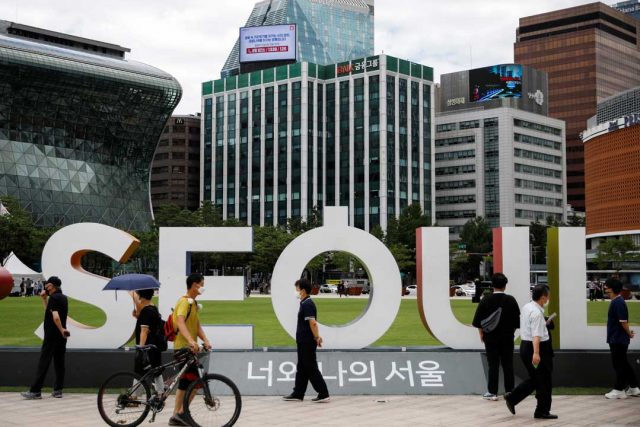
S.Korea’s total COVID cases top 10 million as crematoria, funeral homes overwhelmed

REUTERS

SEOUL — South Korea’s total coronavirus infections topped 10 million, or nearly 20% of its population, authorities said on Wednesday, as surging severe cases and deaths increasingly put a strain on crematories and funeral homes nationwide.

The country has been battling a record coronavirus disease 2019 (COVID-19) wave driven by the highly infectious Omicron variant even as it largely scrapped its once aggressive tracing and quarantine efforts and eased social distancing curbs.

The Korea Disease Control and Prevention Agency (KDCA) reported 490,881 cases for Tuesday, the second highest daily tally after it peaked at 621,205 on March 16. The total caseload rose to 10,427,247, with 13,432 deaths, up 291 a day before.

The country’s infection and death rates are still far below those recorded elsewhere, as almost 87% of its 52 million residents are fully vaccinated and 63% have received booster shots.

But the death toll nearly doubled in just about six weeks, with daily fatalities peaking at 429 last Friday, fuelling demand for funeral arrangements.

The government on Monday instructed the 60 crematories nationwide to operate for longer hours to burn up to seven bodies from five, and the 1,136 funeral parlors capable of storing some 8,700 bodies to expand their facilities.

“We’ve discussed ways to reinforce the crematories to reduce public inconvenience,” health ministry official Son Young-rae said. “Crematories’ capacity is increasing … but there are still regional differences.”

Authorities have already boosted the combined daily cremation capacity from about 1,000 to 1,400 per day starting last week. But a large backlog of bodies and a long wait continued to be reported in the densely populated greater Seoul area, Mr. Son said.

Health ministry data showed that the 28 crematories in Seoul city were operating at 114.2% capacity as of Monday, while the ratio stood at about 83% in other regions such as Sejong and Jeju.

Crematories will be temporarily allowed to receive reservations from outside their regions, which is currently banned by some local governments, to ease the pileup, Son said.

The number of critically ill patients has been hovering above 1,000 over the past two weeks, but it could go up to 2,000 in early April, another health ministry official Park Hyang said.

Around 64.4% of the intensive care unit beds are occupied as of Wednesday, compared with some 59% two weeks earlier.

“The medical system is under substantial pressure, though it is still operated within a manageable range,” Ms. Park told a briefing on Wednesday.

“We would focus more on high-risk groups going forward, and make constant checks to ensure that there is no blind spot.” — Reuters

Gaming community’s research says 1 in 3 players are willing to quit their jobs to play NFT games

Balthazar, an NFT (non-fungible token) gaming community, said in its March 2022 Community Insights Report that one in three – or 32% – of the 1,103 respondents in a survey it conducted said they are willing to quit their jobs to play NFT games full-time. The figure includes those who play as well as those who don’t. 

Balthazar’s Community Insights Report was compiled through an online form distributed to its Discord community between Feb. 15-March 7. 

A further 59% of the predominantly Filipino respondents said they would play full-time while continuing working other jobs. 

NFTs are non-interchangeable digital assets that contain data proving ownership of items related to art, video, and the like. Play-to-earn NFT games like Axie Infinity, wherein players collect rewards within the game that can later be converted to real cash, have been gaining popularity in the country. 

“The Philippines has a prolific online gaming community, particularly in the play-to-earn space, so it was a natural result for Balthazar to be a popular NFT gaming platform in the region,” said John Stefanidis, CEO and co-founder of Balthazar, in an e-mailed reply. 

The inaugural report also revealed that its respondents earn an average of $316 in their jobs per month, with 65% of the respondents saying they would need to earn $42 per day on average to consider quitting their jobs to play NFT games full-time. 

Over half (52%) of those who played reported using their game earnings for necessities such as food, housing, and bills. 

Balthazar, which has an entity in Singapore, aims to create an ecosystem for gamers, investors, crypto holders, and game developers. Its 70,000-strong community on Discord, an instant messaging and digital distribution platform, provides support by way of game training sessions and financial literacy activities for its members. 

It likewise offers scholarships for aspiring players who cannot afford the assets needed to play NFT games. A team of three characters, noted Mr. Stefanidis, costs about $150 in Axie Infinity, and about $250 in Splinterlands (a blockchain-based trading card game). 

Scholars – as those aspiring players are called – play sans any upfront investment, and then split their game earnings among themselves, the guild, and the owners of the NFTs. 

“We have about 1,500 people in our scholarship program who are playing NFT games every month – and we’re in the process of onboarding a further 5,000 in the coming days,” he told BusinessWorld. “About 90% are from the Philippines; 10% are from India and other parts of the world.” 

Mr. Stefanidis added that, although regulation is a crucial part of controlling risks and bringing NFTs and cryptocurrencies into the mainstream, their disruptive model means that regulation for these industries is going to take time. 

“We believe this is just the beginning of how the NFT gaming market is going to grow and impact the Philippines economy,” he said. “We are seeing a redistribution of wealth from game developers to gamers, a new capital stream flowing into the economy from playing these games as well as investing and trading NFT assets.” — Patricia Mirasol 

PHL to test satellite internet services this year

To improve access to the internet in Filipinos’ homes, especially in rural areas, the Philippine Space Agency (PhilSA) is enabling international partners to conduct test deployments of their satellite internet services in the country this year. 

These opportunities will eventually lead to technical and economic support for the local space ecosystem, according to Joel Joseph S. Marciano, Jr.,director general of PhilSA. 

“By working with various partners, we aim to address the digital divide through space science and technology applications (SSTA) as well as promote the local space industry,” he said on March 17, at a US Agency for International Development (USAID) webinar on how satellites can accelerate rural connectivity.  

In October, PhilSA launched the Incentivise (Introducing Non-Geostationary Satellite Constellations Test Deployments to Improve Internet Service) program, which aims to bridge the digital divide in far-flung areas. Pilot testing will start this summer. 

Alongside this are similar initiatives like USAID’s Better Access and Connectivity or Beacon project launched around the same time and the Asian Development Bank’s (ADB) regional technical assistance project which will launch in the latter half of 2022. 

“We have an ongoing open call for new satellite internet operators (SIO) to conduct test deployments in the country,” added Mr. Marciano. “PhilSA will facilitate this testing.” 

The latest to answer this open call is London-based global communications network OneWeb, which plans to temporarily and non-commercially test their satellite broadband constellation. The timeline and proposed implementation sites have yet to be finalized

Meanwhile, US-based aerospace and communications firm SpaceExploration Technologies Corp. (SpaceX) is also in talks with the government so it could establish a Philippine-registered subsidiary. SpaceX operates Starlink, a satellite broadband internet system that provides satellite internet access around the globe. 

Both OneWeb and Starlink will be available in Southeast Asia by the end of the year. 

WHY SATELLITE?
Arndt Husar, the senior public management specialist for digital transformation at ADB, said that satellite internet would be a good fit for a country like the Philippines. 

“It is the least costly and least complex method to deliver broadband in sparsely populated areas,” he said at the webinar, in response to questions from BusinessWorld. 

“Rapid deployment is possible, provided that satellites are operational and stable power supply is available on location … Its global capacity is increasing and its latency rivals fixed broadband,” he added. 

However, it’s not without adoption challenges. Government institutions will have to look into the suitable network requirements (in terms of licenses, permits, and infrastructure), business models that will shape the pricing, and the market fit. 

There’s also the issue of heavy rain and typhoons common in the Philippines, affecting reception from low-earth orbit satellites. 

“You would need to keep your antenna(s) safe. Unplugging and storing [it] temporarily is an option (but it means that there won’t be a connection),” Mr. Husar explained. “For larger installations, other measures could be taken to protect the antennas.” 

Both government and private telecommunications companies have beenworking in partnership to improve satellite internet services in the Philippines. 

Department of Information and Communications and Technology (DICT) acting secretary Emmanuel Rey R. Caintic emphasized that only one in five households in the country have access to internet connection in the home. 

“Through collaboration, it is our goal to provide effective and affordable internet for all Filipino citizens,” he said. 

Executive Order 127, signed in March 2021, gave telco players and other businesses wider, direct access to all satellite systems, domestic and international. — Bronte H. Lacsamana

Edukasyon.ph, AWS partner to offer free cloud skills training program 

Education technology platform Edukasyon.ph announced on Monday that it will be teaming up with cloud service provider Amazon Web Services (AWS) to upskill Filipinos seeking employment in cloud-related jobs through the AWS re/Start program.  

“For this year alone, we want to make sure there’s at least 700 skilled Filipino talents who have the knowledge already of technology and cloud so that they’ll be ready to be employed,” Edukasyon.ph chief executive officer Grace David said at a virtual briefing.  

“We have a big, hairy, audacious goal where we want close to 3,000 talents [to be] not just skilled, but also employed by 2024,” she added.  

AWS, which is the subsidiary of the multinational technology company Amazon, has already delivered the re/Start program in 38 countries, where over 90% of graduates have found job interview opportunities. 

The free, full-time, 12-week program started rolling out in the Philippines this March, with about 617 applications received for the first batch, according to Ms. David.  

“Our plan is all about recruiting the right learners, training them, leading them to employment, and sustaining this long-term,” she said.  

The re/Start program covers fundamental AWS cloud skills through scenario-based learning, hands-on labs, and coursework, as well as practical career skills like interviewing and resume writing. The sessions run virtually and are led by an expert instructor with a mix of both live classes and supplemental on-demand videos.   

INCLUSIVE AND SUSTAINABLE
Emmanuel Pillai, head of training and certification at AWS in ASEAN, explained that the skills provided should help one launch an entry-level technology career.  

“This is not purely just technical training but also ensuring that these individuals have employability in the marketplace. We also want to connect our graduates with potential employers in the Philippines,” he said.   

The qualifications needed to be a re/Start program student are: 

  • Finished up to junior or senior high school (11th to 12th grade)
  • Unemployed or underemployed for a significant period of time
  • Enthusiasm for cloud career
  • Basic literacy and numeracy
  • Able to reliably participate for the duration of the program full-time (12 weeks)
  • Ready to start a full-time job after program completion

Those in underserved communities are also prioritized. These includes “women, single mothers, women returning to the workforce, LGBTQ+, displaced overseas Filipino workers, people with disabilities, and indigenous peoples,” according to Edukasyon.ph.  

After completing the program, graduates will then be given employment opportunities by eCloudvalley (ECV), an AWS partner and one ofEdukasyon.ph’s hiring partners. 

“The AWS re/Start Program is a tremendous effort to hone local cloud talents and spread cloud fluency that will sustain the demands of using cloud in the years to come. Training and continuous learning have always been integrated in ECV’s DNA,” said Jonathan Que, regional manager of ECV.  

“We heavily invest in our team’s learning and development, not only to better support our customers, but to help each member with the next steps of their career,” he added.  

Edukasyon.ph will also conduct virtual career fairs that will enable more potential employers to meet the graduates and facilitate networking.   

Interested applicants can submit their application at https://www.edukasyon.ph/awsrestart. — Bronte H. Lacsamana

Asian banks ‘falling short’ on decarbonization efforts – study

 – Banks in Asia are “falling short” when it comes to meeting global pledges to tackle climate change and aligning with the decarbonization aims of their countries, according to a study published on Wednesday.

Nearly 200 countries signed a pact in Glasgow last year calling on banks and financial institutions across the world to mobilize more finance to help achieve global climate goals and to seek innovative ways to pay for climate adaptation.

But a review of 32 banks throughout East and Southeast Asia showed that none had made any clear commitments or adequate implementation plans to meet the goals of the Paris climate agreement, according to Asia Research & Engagement (ARE), a Singapore-based environment group.

The banks have been quick to launch green financial products but they have lagged when it comes to cleaning up their existing products and carrying out policies required to divert capital away from carbon-intensive industries, it said.

“This raises concerns of greenwashing: that banks are seeking a marketing benefit for sustainable finance deals while providing higher levels of finance to dirty industries,” the report said.

Of the 32 banks in major economies like China, Japan, South Korea, Singapore and Indonesia, only nine had long-term net-zero commitments for the emissions they finance, while only 13 have policies prohibiting the financing of new coal-fired power.

The highest ranked Asian bank was the DBS Group DBSM.SI in Singapore, which has set a long-term net-zero target but has not yet made any clear short- and medium-term plans, and also had a number of gaps in its financing policies.

DBS did not respond immediately to a request for comment.

Five banks were given the lowest rating because they had “barely started” their journey towards climate readiness, including China’s Bank of Ningbo 002142.SZ, Ping An Bank 000001.SZ and the Shanghai Pudong Development Bank 600000.SS.

None of three banks immediately responded to requests for comment.

ARE said banks needed to establish clear climate policies that were aligned with national goals in order to avoid future regulatory risks and ensure their clients transition to cleaner and more competitive technologies. – Reuters

China’s ZTE exits probation after U.S. court ruling

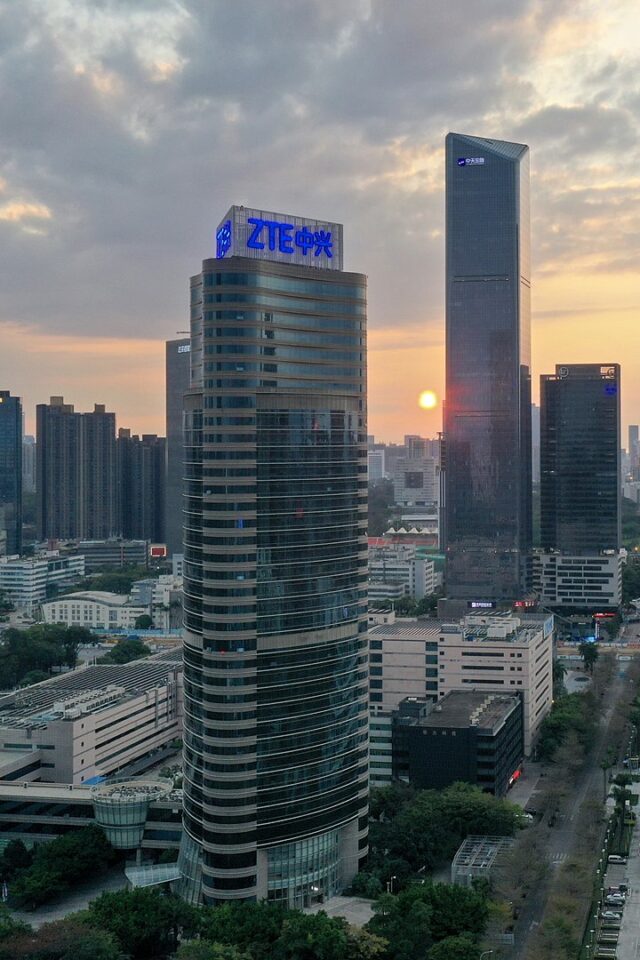
ZTE Building in Nanshan District | Photo source: Charlie Fong (https://bit.ly/3uoN1fH) | CC BY-SA 4.0 (https://bit.ly/3uh1dat)

A U.S. judge on Tuesday ruled that China’s ZTE Corp 000063.SZ0763.HK, a top telecommunications equipment maker, should be allowed to end its five-year probation from a 2017 guilty plea.

The ruling came on the final day of the company’s probation for illegally shipping U.S. technology to Iran.

It marks the end of a criminal case against ZTE, though it is still subject to a 2018 settlement agreement with the U.S. Commerce Department.

The company asked that trading in its shares resume at 0500 GMT in Shenzhen and Hong Kong after requesting a halt following the decision by U.S. District Judge Ed Kinkeade in Texas. The company’s shares declined earlier this month after word of a possible probation violation surfaced.

ZTE had been accused of violating probation over an alleged conspiracy to commit visa fraud. According to an indictment unsealed last March, a former ZTE research director and a Georgia Institute of Technology professor allegedly conspired to bring Chinese nationals to the U.S. to conduct research at ZTE from at least 2014 through 2018 while on J-1 visas sponsored by the university.

While ZTE has not been charged in the visa case, which is pending in Atlanta, Georgia, Kinkeade held a hearing in Dallas last week on the fraud allegation as a possible violation of ZTE‘s probation.

In his Tuesday ruling, the judge found ZTE was legally responsible for the actions of the former ZTE director.

But he decided to not take any further action against ZTE, which had already reached the maximum term of probation and, ZTE argued, had already been fined the maximum as well.

As part of its 2017 guilty plea deal, ZTE paid the U.S. $892 million.

There was an “open question about legal tools left for the court,” the judge wrote.

Despite the favorable ruling, the judge encouraged the government to pursue any reasonable charges and criminal or civil penalties against the company, especially for export compliance matters.

The visa issue was not the first problem that surfaced for ZTE since the plea deal. In 2018, the U.S. Commerce Department found ZTE made false statements about disciplining executives tied to the illegal shipments to Iran and, as a result, issued a total ban on the company buying U.S. components.

ZTE, crippled by the move, paid a $1 billion penalty and agreed to change its leadership and cooperate with a second 10-year monitor, as part of a Commerce Department agreement lifting the ban.

The judge took action in 2018 over the false statements, too, extending ZTE‘s probation and court-appointed monitor from three to five years.

In his Tuesday ruling, the judge noted that ZTE argued the visa-fraud related events occurred more than three years ago, and that new leadership had brought an improved export compliance program.

“The Company has made strides,” the judge said, adding that ZTE‘s export control and compliance programs were effectively “nonexistent” when it was originally sentenced.

He said he considered ZTE‘s compliance a mitigating factor, but that its record of compliance could be summarized in one word: “sometimes.”

ZTE in a statement to Reuters said it was “proud of the significant improvement in the company’s compliance program and culture.” It said the improvement had been acknowledged over the years.

Evans Rice, a lawyer for ZTE, said in court last week that, in 2020, the court-appointed monitor had recognized “a sea change” in the company’s commitment to compliance and cooperation.

The U.S. Department of Justice did not immediately respond to a request for comment. Nor did the Commerce Department respond to a request for comment after hours.

The professor charged in the visa case, Gee-Kung Chang, has pleaded not guilty. The status of the former ZTE research director, Jianjun Yu, is unclear. ZTE said he left the company in 2019.

The case against ZTE was the first of a series of U.S. government actions against major Chinese tech companies that caused tensions in U.S.-China relations.

It was followed by a case, still pending, against Huawei Technologies Co Ltd HWT.UL, the hobbled Chinese telecommunications equipment giant, which was also placed on a U.S. trade blacklist in 2019 for activities contrary to U.S. national security or foreign policy interests. – Reuters

China Eastern faces more losses, regulatory scrutiny after plane crash

– China Eastern Airlines 600115.SS0670.HK faces deepening losses and closer regulatory scrutiny following the crash of a Boeing 737-800 BA.N jet on Monday with 132 people on board.

Rescuers on Tuesday scoured heavily forested slopes for survivors and data recorders from flight MU5735, which crashed a day earlier in the mountains of the southern region of Guangxi. Read full story

The plane crash, China‘s first in 12 years, comes as its airline sector is struggling to find its footing amid the coronavirus pandemic, with air passenger traffic far below 2019 levels due to repeated outbreaks and a steep fall in international travel due to China‘s strict quarantine rules.

China Eastern has been among the biggest casualties: The state carrier forecast in January a 2021 loss of 11-13.5 billion yuan ($1.7-$2.1 billion), after a 11.8 billion yuan loss in 2020.

Its losses are set to deepen after the group, including two subsidiaries, grounded its fleet of 737-800s following Monday’s crash. The group has 225 of the aircraft, data from British aviation consultancy IBA shows.

The airline cancelled about 89% of its flights on Tuesday, according to Chinese aviation data provider Flight Master.

“My guess is that in the short term this is going to cause some issues for China Eastern as their maintenance records are reviewed, and there will likely be a short term pullback from Chinese consumers,” said Ben Cavender, managing director at China Market Research Group in Shanghai.

Cheng Wang, associate equity analyst at Morningstar, said one of the big risks for China Eastern was if the investigation implies maintenance or other process shortfalls.

“We think most of the impact will be in the near term. The indemnity alone will not have a material impact on our fair value estimates. The potential regulatory actions including fines, additional security requirements, or even grounding of aircraft could make a bigger difference.”

“This crash might also have mid- to long-term implications for China Eastern as the airline could be in an unfavorable position when applying for routes and slots over the next few years if it is found to be at fault.”

China Eastern, which said on Monday it was cooperating with the investigation into the crash, did not immediately respond to requests for comment.

Its onshore-listed shares slumped more than 6.5% on Tuesday, while those trading in Hong Kong fell nearly 6%.


FEAR OF FLYING

The tragedy has shocked a country which has one of the best airline safety records in the world and whose aviation industry was over the past decade, prior to COVID, one of the world’s fastest growing markets by passenger traffic.

Several social media users posted about how it had stoked their fears of flying and some wrote about changing their travel plans, especially after photos of the plane‘s wreckage and videos apparently showing its descent were shared widely online.

One Weibo user, PLILY-L, said she had planned to travel on a later flight on the same route taken by flight MU5735 from Kunming, capital of the southwestern province of Yunnan, to the port city of Guangzhou before she heard about the incident.

“I was really scared, I immediately cancelled my flight ticket and switched to taking the high-speed rail,” she wrote.

Local media reported long queues at the counter of China Eastern at Guangzhou Baiyun airport, saying some travellers were seeking ticket refunds after the incident.

Across the industry, around 78.4% of all flights scheduled for Tuesday were cancelled, according to Flight Master, which attributed that to COVID-19, as China deals with its largest outbreak in two years.

Some of the fears expressed online about flying were directed towards Boeing, whose brand had already been affected in China by two fatal crashes of its 737 MAX aircraft more than three years ago. Read full story

Boeing did not immediately respond to an emailed request for comment. It said on Monday it was ready to assist China Eastern and was in contact with U.S. transportation safety regulators about the crash.

Elaine Shen, a Shanghai-based insurance professional who describes herself as a big fan of China Eastern, said she would stick with the airline but would now only fly on planes made by Boeing’s rival Airbus AIR.PA.

“I’m going to Chengdu next month and I made sure its an Airbus 320.” – Reuters

Hackers hit authentication firm Okta, customers ‘may have been impacted’

PIXABAY

 – Okta Inc OKTA.O, whose authentication services are used by companies including Fedex Corp FDX.N and Moody’s Corp MCO.N to provide access to their networks, said on Tuesday that it had been hit by hackers and that some customers may have been affected.

The scope of the breach is still unclear, but it could have major consequences because thousands of companies rely on San Francisco-based Okta to manage access to their networks and applications. Read full story

Chief Security Officer David Bradbury said in a blog post that a customer support engineer working for a third-party contractor had his computer accessed by the hackers for a five-day period in mid-January and that “the potential impact to Okta customers is limited to the access that support engineers have.”

“There are no corrective actions that need to be taken by our customers,” he said.

Nevertheless, Bradbury acknowledged that support engineers were able to help reset passwords and that some customers “may have been impacted.” He said the company was in the process of identifying and contacting them.

The nature of that impact wasn’t clear and Okta did not immediately respond to an email asking how many organizations were potentially affected or how that squared with Okta‘s advice that customers did not need to take corrective action.

The company’s shares were down 1.3% at $167.14 in late afternoon trading, off earlier lows.

On its website, Okta describes itself as the “identity provider for the internet” and says it has more than 15,000 customers on its platform.

It competes with the likes of Microsoft Corp MSFT.O, PingID, Duo, SecureAuth and IBM IBM.N to provide identity services such as single sign-on and multifactor authentication used to help users securely access online applications and websites.


‘BE VERY VIGILANT’

Okta‘s statement follows the posting of a series of screenshots of Okta‘s internal communications by a group of ransom-seeking hackers known as Lapsus$ on their Telegram channel late on Monday.

In an accompanying message, the group said its focus was “ONLY on Okta customers.”

Lapsus$ responded to Okta‘s statement on Tuesday by saying the company was trying to minimize the importance of the breach.

Some outside observers weren’t impressed with Okta‘s explanation either.

“In my opinion, it looks like they’re trying to downplay the attack as much as possible, going as far as directly contradicting themselves in their own statements,” said Bill Demirkapi, an independent security researcher.

Dan Tentler, the founder of cybersecurity consultancy Phobos Group, earlier told Reuters that Okta customers should “be very vigilant right now.”

There were already signs that Okta customers were taking action to revisit their security.

Web infrastructure company Cloudflare issued a detailed explanation of how it reacted to the Okta breach and saying the company did not believe it had been compromised as a result.

FedEx said in a statement that it too was investigating and “we currently have no indication that our environment has been accessed or compromised.” Moody’s did not return a message seeking comment.

Lapsus$ is a relatively new entrant to the crowded ransomware market but has already made waves with high-profile hacks and attention-seeking behavior.

The group compromised the websites of Portuguese media conglomerate Impresa earlier this year, tweeting the phrase “Lapsus$ is now the new president of Portugal” from one newspaper’s Twitter accounts. The Impresa-owned media outlets described the hack as an assault on press freedom. Read full story

Last month, the group leaked proprietary information about U.S. chipmaker Nvidia Corp NVDA.O to the Web. Read full story

More recently the group has purported to have leaked source code from several big tech firms, including Microsoft. In a blog post published Tuesday and devoted to Lapsus$, the software firm confirmed that one of its accounts had been compromised, “gaining limited access.”

The hackers did not respond to a message left on their Telegram group chat seeking comment. – Reuters

Hair today, art tomorrow: Filipino salon owner uses own hair to create portraits

Artist and Filipino seafarer Jesstoni Garcia works on a portrait of Rihanna, made out of human hair, in San Juan City, Philippines, March 10, 2022. REUTERS/Eloisa Lopez

MANILA – Every few months when Jesstoni Garcia takes electric clippers to his head, he’s not just giving himself a haircut, he’s also harvesting art materials.

Using a thin brush and clear, sticky resin, the co-owner of a Manila hair salon sprinkles these collected strands and clippings on a blank white canvas, taking two to five hours to arrange them into striking images of musicians and actors.

The 32-year-old’s main job as a seaman involves spending up to eight months a year on cruise ships, and lacking adequate art supplies like paint and sketchpads at sea, Garcia in 2021 turned to using his own hair to create images. He started with self-portraits and eventually moved on to depicting celebrities.

Away at sea much of the time, rather than in his salon, he uses only his own hair, sometimes shaving his sideburns when he needs extra material.

Garcia said making this art helps ease his stress as long voyages take a toll on his physical and mental health.

“We need to have an outlet to deal with depression. For me, my outlet was making art,” he said, adding that he eventually wants to sell his work. – Reuters

Indian pharma: Partner in quality and cost-effective health

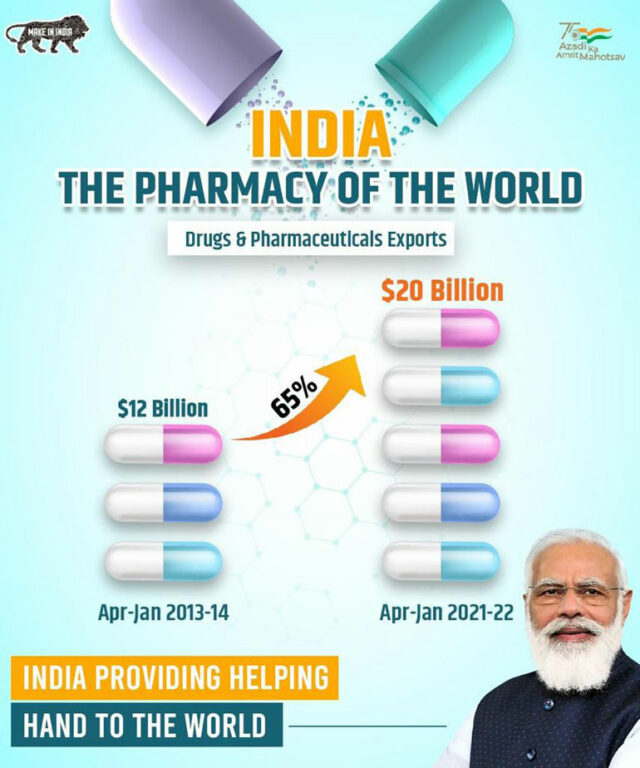
India’s pharmaceutical industry has achieved significant growth in both domestic and global markets over the past five decades. Within India, while just 5% of medicine consumption was met by local production in the 1960s, the share of ‘Made in India’ medicines in the Indian pharma market has today reached more than 80% (2020). Equally significant, during the past few decades, Indian pharma has also established a leading position in the global pharma landscape, leading to the country today being hailed as the “pharmacy of the world.”

Presently, Indian pharma industry contributes more than 20% by volume of the global generics market. As a source of around 60,000 generic brands across 60 therapeutic categories, Indian pharma accounts for nearly 40% of generics demand in the USA and 25% of all prescription medicines in the United Kingdom. Further, it has become the partner of choice for chronic treatments, meeting 80% of the global demand for antiretrovirals drug for treatment of HIV-AIDS.

Another area where Indian pharma has done remarkably well is in meeting global demand for vaccines. Today, Indian companies are supplying vaccines to more than 150 countries, accounting for more than 60% of the global demand for human vaccines. Nearly 40%-70% of WHO’s demand for Diptheria, Pertussis and Tetanus (DPT), Bacillus Calmette Guerin (BCG) and 90% of the WHO’s demand for the measles vaccine are met by India. This has been made possible because of ongoing strategic focus on R&D combined with mass manufacturing capabilities.

Indian vaccine companies also invested in incremental innovations for some common diseases. For instance, introducing an oral equivalent of an injectible vaccine to improve compliance, adjusting their formulations to improve stability, improving adjuvants and other tweaks that improve existing products. Bharat Biotech’s typhoid conjugate vaccine and Hepatitis B vaccine and Serum Institute of India’s liquid rotavirus vaccine are examples of such incremental improvements.

Indian pharma’s defining moment came during the COVID-19 pandemic. India produced and supplied vaccines to the world through its ‘Vaccine Maitri’ (vaccine friendship) initiative as well as supplied in bulk to the COVAX facility. There were many firsts, which reconfirmed the resilience and adaptability of Indian pharma and diagnostics industry during the new challenges set forth everyday by the pandemic. For instance, India journeyed from zero to manufacturing 200,000 PPE kits per day in a remarkably short time. These leaps were a result of a remarkable collaboration between the government and the industries to mass- produce niche products from scratch.

In the present decade, the Indian pharma industry is expected to grow at CAGR of 12% from US$41.7 billion in 2020 to reach US$130 billion by 2030. Historically, the industry’s growth was led by clinical research trials and export of generic formulations, as well as vaccines. The focus is now squarely on diversification in new sub-segments — complex Generics, Biosimilars, Biologics, New Chemical Entities, Cell and Gene Therapy, complex vaccines and Retail Diagnostics.

Indian pharma product portfolio is moving quickly from generics to these sub-segments with a strong emphasis on research and development (R&D) and academia-industry collaborations. To further boost and reward innovation culture in the country, the Government of India declared the last decade (2010-2020) as the decade of innovation and also launched initiatives such as ‘Make in India’ and ‘Startup India’, which also enabled significant R&D in the pharma sector as well.

According to a WHO survey, India had already approved 93 biosimilars (with at least 50 on the market) by August 2019 as compared to 26 in the USA and 61 in the Europe, with a market size of US$576 million. Interestingly, the first biosimilar in India was approved in early 2000, much before those were approved in more advanced economies. According to a recent report from the Biotechnology Industry Research Assistance Council (BIRAC), more than 52 Indian companies collectively have over 200 biosimilars in the pipeline.

With 665 US Food and Drug Administration’s approved manufacturing facilities, the highest in the world, along with sustained cost competitiveness, India continues to be a preferred destination for outsourcing of research and manufacturing activities. The Production-Linked Incentives and bulk drug park schemes, implemented by the Government of India, also aim to increase the manufacturing of active pharmaceutical ingredients (APIs) in India. Further, under the new Clinical and Drug Trial Rules (2019), the cost of clinical trials in India would be 40%-60% cheaper than developed markets, making it an even more preferred destination.

India’s pharma industry is quickly transitioning towards the 4th Industrial

Revolution (Industry 4.0), with adoption and use of advanced technologies such as artificial intelligence, additive manufacturing, precision and preventive medicine, as well as telemedicine. Moreover, the Government is actively supporting digital health services, given the country’s superb digital infrastructure that allows for fast and cost-effective data sharing.

India follows a civilizational credo of ‘Vasudhaiva Kutumbakam’ — ‘the world is one family.’ By exporting nearly half of their production, both in volume and value to partner nations, Indian pharma continues to significantly contribute towards improving public healthcare outcome, both in India and across the globe.


Spotlight is BusinessWorld’s sponsored section that allows advertisers to amplify their brand and connect with BusinessWorld’s audience by enabling them to publish their stories directly on the BusinessWorld Web site. For more information, send an email to online@bworldonline.com.

Join us on Viber to get more updates from BusinessWorld: https://bit.ly/3hv6bLA.

PHL raises $2.25B via offshore bonds

REUTERS
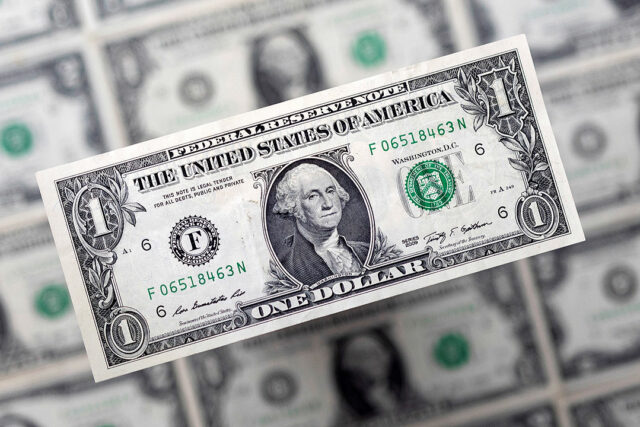
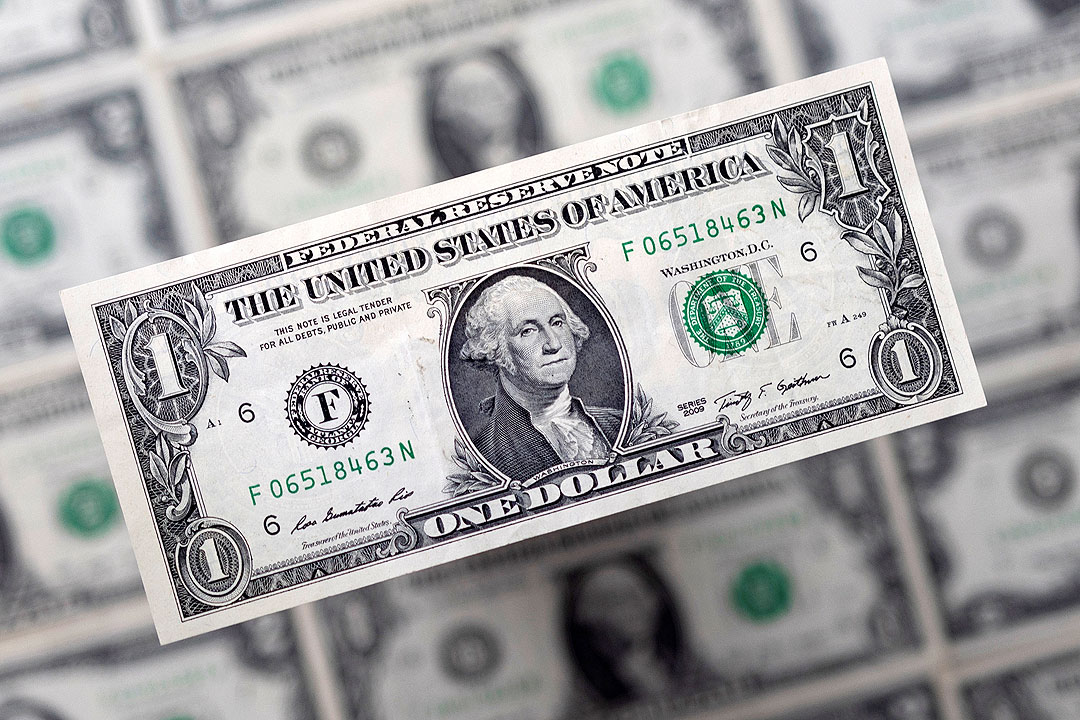
US dollar banknotes are displayed in this illustration taken on Feb. 14. — REUTERS

THE PHILIPPINES raised $2.25 billion from its first triple tranche US dollar-denominated bond offering, which included its first-ever green bonds, despite heightened market volatility from the Russia-Ukraine crisis and the start of the US Federal Reserve’s policy tightening cycle.

In a statement on Tuesday, the Bureau of the Treasury (BTr) said it raised $1 billion from the inaugural 25-year green bond offer, as well as $500 million from five-year bonds, and $750 million from 10.5-year bonds.

The Treasury said the new five-year global bonds were priced at 90 basis points (bps) over Treasuries or a coupon of 3.229%. This was after the initial price guidance of 125 bps over the Treasuries area.

The 10.5-year bonds were priced at 3.556% or 125 bps over Treasuries, after the initial guidance of 165 bps over the Treasuries. The 25-year notes were priced at 4.2%, 50 bps tighter than the initial guidance of 4.7%.

“After a few weeks of volatility in the global equity and credit markets, the Republic was able to take advantage of the improving market sentiment (after) the March FOMC (Federal Open Market Committee) meeting,” the BTr said.

The US Federal Reserve last week raised rates by a quarter percentage point, the first time since 2018, to help combat soaring inflation.

The BTr said proceeds from the shorter-term tenors will be used for budget financing, while those from the 25-year global bonds will be used for the government’s sustainable finance program.

“The fact that our debut sustainability bond tranche secured the strongest demand among the three tranches highlights the strong investor confidence in the National Government’s commitment to achieving sustainable development and mitigating climate change, notably the pledge to reduce our greenhouse gas emissions by 75% by 2030,” Finance Secretary Carlos G. Dominguez III said, referring to the country’s first environment, social, and governance global bond offering.

National Treasurer Rosalia V. de Leon said strong investor demand shows the country’s access to international capital markets.

“Being the first and largest offshore Southeast Asia sovereign offering in 2022, the Republic’s transaction has reopened the Asian bond markets for long-dated offerings and cements the Republic’s position as the leading capital market participant in Asia,” she said.

The deal is expected to be settled on March 29. Maturity dates for the five-, 10.5-, and 25-year bonds are on March 29, 2027; Sept. 29, 2032; and March 29, 2047, respectively.

The global bonds were rated “Baa2” by Moody’s Investor’s Service, and are expected to be rated “BBB+” by S&P Global Ratings, and “BBB” by Fitch Ratings.

The Bank of China, Citigroup, Credit Suisse, Deutsche Bank, Goldman Sachs, Mizuho Securities, Morgan Stanley, Standard Chartered and UBS are joint lead managers and bookrunners.

The deal follows last year’s offshore debt issues by the Philippines including a $3-billion dual-tranche global bonds, the 2.1-billion-euro triple-tranche global bonds, and the 55-billion-yen Samurai bonds.

The Philippines, one of Asia’s most active sovereign debt issuers, is looking to raise P2.2 trillion ($42 billion) to plug its budget deficit this year, about 75% of which is to be sourced from the domestic market. — Jenina P. Ibañez and Reuters