TAKEDA Healthcare Philippines, Inc., a subsidiary of global pharmaceutical company Takeda, is donating P400,000 to a blood cancer screening program that starts this August.
Sixty beneficiaries will be tested for free for cluster differentiator (CD) markers to determine if they have lymphoma, the most common type of blood cancer.
The CD30 Testing for Lymphoma Awareness and Prevention Program (or CLAP) is a partnership between PHAPCares Foundation, the social responsibility arm of the Pharmaceutical and Healthcare Association of the Philippines, and the Philippine General Hospital-PGH Medical Foundation.
“We are committed to outsmarting cancer so that more patients can benefit from — and have access to — life-transforming medicines,” said Loreann E. Villanueva, country manager of Takeda Philippines, in a press release. “Through our cancer research and development, we are building up on our deep understanding of cancer to develop new ways to approach the disease.”
Takeda Philippines also announced in June that it gave a P1,000,000 grant to the Cancer Care Registry and Research Philippines Foundation for cancer research.
“In all our efforts, we seek not only to increase awareness about lymphoma, but also to heed the call of the government to implement the spirit of the National Integrated Cancer Control Act and for the medical, patient and healthcare community, to come together to work towards a cancer-free Philippines,” Ms. Villanueva said.
There were over 4,000 new patients diagnosed with lymphoma in the Philippines in 2020.
In a previous Zoom call with BusinessWorld, PGH director Dr. Gerardo “Gap” D. Legaspi talked about the difficulty of detecting cancers in the early stages. “What we get are the late ones,” he said. “That’s why the service we need to put out is more than those in private hospitals, because they get theirs early. That’s what burdens us.” — Patricia B. Mirasol
Online play tackles the impact of idealism and pride
IDEALISM and uncompromising pride can lead to self-deterioration is the focus of the play Orgullo Compound, an online production written by Layeta Bucoy, a Don Carlos Palanca Memorial Awards for Literature Hall of Famer and multi-awarded playwright. The pre-recorded play was directed by Jenny Logico-Cruz, Langgam Performance Troupe Co-Founder and Artistic Director and De La Salle-College of Saint Benilde Theater Arts Program Educator. Orgullo Compound is produced by Sining LABinsiyam. The play will be available on view from July 29 to Aug. 12, with shows from 12 a.m. to 11:59 p.m. Tickets are available at https://ticket2me.net/e/35284for P250 each. For more information, visit the Benilde Theater Arts on Facebook (https://www.facebook.com/benildetheaterarts).
Ballet Philippines holds a class on copyright
WHAT are commissioned works? Are creators the legal owners of their works? These are some of the questions to be tackled in a Ballet Philippines class, “Creators, Copyrights, and IP,” on Aug. 2, 2 p.m. via Zoom and the Ballet Philippines Facebook page. During the class lawyer Lorna Patajo-Kapunan and Rico V. Domingo will walk creators and companies through the Philippine Law on Copyrights and Intellectual Property (IP). Topics to be tackled areCopyrights and IP — its parameters, definitions, and coverage; how copyrights and intellectual property can help to protect and guide creatives as they navigate their careers; the dynamics between creators, companies, and other businesses where copyrights are concerned.
Ayala Museum and Globe launch Digital Gallery
AYALA Museum, under the management of Ayala Foundation, Inc. (AFI), and Globe Telecom, Inc. held a signing ceremony on June 28 to mark a new milestone in their partnership with the launch of the Globe Digital Gallery. The Globe Digital Gallery enables Filipinos to access and interact with 1,000 pieces from the Ayala Museum and the Filipinas Heritage Library’s permanent collections through this newest experience. Made up of eight large touchscreens in the museum’s lobby, the Globe Digital Gallery allows onsite guests to “touch the art” and even zoom in on the finer details of each art piece. Some of the pieces are from the Ayala Museum’s pre-colonial gold collection, indigenous textiles from its ethnographic collection, rare prints from the Filipinas Heritage Library, works from National Artists, among others. The 1,000 pieces currently featured are only the beginning as Ayala Museum intends to upload more of its collection to the Globe Digital Gallery. To experience the Globe Digital Gallery, guests can book a visit to the Ayala Museum through its website.
CCP names winners of content creation grants
THE CULTURAL Center of the Philippines (CCP) has announced the winners of its inaugural CCP Animation, Comics, and Computer Games Grants Program. Seventeen individuals from around the country won grants amounting to over P16 million to develop computer games, animation and comics. The winners are: Computer Games Professional Category — Ranida Games’ Sinag of San Pedro, Laguna; Metamedia Information Systems Corp.’s Treasure Seekers, Mandaluyong; Synthillate’s Pearls of Asia, Pasig; Computer Games Independent Category — kendikorp’s Galá, Las Piñas; Katakata Creative’s Kata, Parañaque; Makiling Interactive Arts’ San Fernando, Los Baños, Laguna; Animation Category — Friendly Foes’ Makopa, San Juan, Metro Manila; KOMIKET INC.’s Tungkung Langit at Laon Sina, Makati City; Fizzbuzz, Inc.’s Tiki, Cebu City; Lea Zoraina Sindao Lim’s Datu Pat i Mata, Cotabato City, Maguindanao; Comics Category — Randy P. Valiente’s Lalang Kalibutan,Antipolo City; Ethel Mae Reyes’ Tulogmatian, Iloilo City; Julius Sempio’s Teduray, Bulacan City; Alfred Ismael Galaroza’s Sinogo, Cebu City; Marco Sumayao’s Legend of Sleeping Beauty Mountain, Quezon City; Ruel Garcia Enoya’s Bantugen, Manila; and, Anabelle Marie D. Laureola’s Sun says Moon says, Manila. The winners were chosen from 39 submissions from game developers, 36 applicants for comics and 29 applicants for animation. Three Professional Games grantees were awarded P1.5 million each and three Independent Games grantees were awarded P300,000 each. Four Animation Grantees were awarded P2 million each and seven Comics grantees were awarded P330,000 each. Aside from awarding funding to grantees, the CCP also has partnered with the Creative Content Creators Association of the Philippines, Inc. (SIKAP) to train the grantees through a learning series program.
Luis Antonio Santos holds solo show at Mo_Space
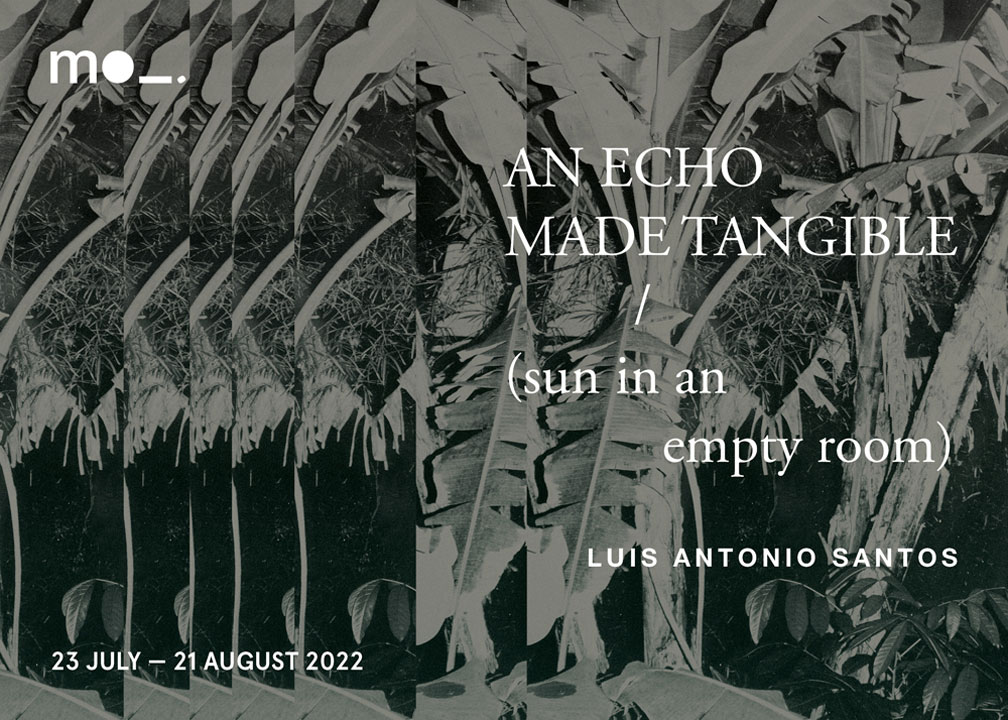
MO_SPACE presents Luis Antonio Santos’ solo exhibit, An Echo Made Tangible/(sun in an empty room). The exhibit is ongoing until Aug. 21. The exhibit is centered on memories: their nature, the way we retrieve them, their function and eventual collapse, and the subsequent implications of this loss. The gallery is open daily from 10 a.m. to 7 p.m. It is located at the 3rd level, MOs Design, B2 Bonifacio High Street, 9th Ave., Bonifacio Global City, Taguig.
ACEN Corp. is divesting all shares in the remaining coal-fired power plant in its portfolio in a deal valued at P3.7 billion, which it will, in turn, invest in renewable energy projects, the Ayala-led company said on Tuesday.
“This pioneering deal will allow the early retirement and transition of our coal plant to cleaner technology,” ACEN President and Chief Executive Officer Eric T. Francia said in a media release.
He said he hopes that the move will generate “some momentum” for the energy transition in the region and help towards achieving net-zero, referring to the target of reducing greenhouse gas emissions.
The divestment in subsidiary South Luzon Thermal Energy Corp. (SLTEC), which has a 244-megawatt (MW) coal plant in Calaca, Batangas, is through energy transition financing.
The shares will be acquired by ETM Philippines Holdings, Inc. (EPHI) and The Insular Life Assurance Co., Ltd. (InLife). The deal is subject to regulatory approval.
ACEN described EPHI as a special purpose vehicle that “allows financial investors to invest in energy transition by accelerating the retirement of coal-fired power plants, and to fund the development of new clean energy technologies.”
It said the transaction will serve as a pioneering local energy transition financing, taking off from the principles of the energy transition mechanism piloted by the Asian Development Bank.
ACEN said it had approved the provision of bridge financing to EPHI to facilitate its investment in SLTEC while providing prospective investors a vehicle to participate in energy transition.
It quoted InLife President and CEO Raoul E. Littaua as saying: “As a Filipino company with more than 100 years of service and commitment to the nation, we welcome the opportunity to participate in this pioneering deal to promote a sustainable environment for the country’s future.”
In November last year, ACEN and its parent firm Ayala Corp. announced their commitment to net-zero greenhouse gas emissions by 2050.
ACEN, which aims to be the largest listed renewables platform in Southeast Asia, has around 3,900 MW of attributable capacity in the Philippines, Vietnam, Indonesia, India, and Australia. Its renewable share of capacity is at 87%, which it said is among the highest in the region.
On Tuesday, its shares finished higher by 1.47% or P0.12 to close at P8.30 apiece. — VVS
Premier real estate developer Federal Land, Inc. recently signed a partnership with Sterling Sports Management, the sports agency handling Philippine-born Japanese professional golfer Yuka Saso.
As part of its 50th anniversary, Federal Land continues to strengthen its Filipino-Japanese partnerships to push for excellence.
Saso won the Philippines’ first-ever gold medal in the 2018 Asian Games golf competition for both women’s individual and women’s team division. Saso also won twice in back-to-back events on the Japan Ladies Professional Golf Association or LPGA Tour in 2020, winning the NEC Karuizawa 72 Golf Tournament and Nitori Ladies Golf Tournament. In 2021, she was the first Filipino to win the ladies US Open.
“I am honored to be a part of Federal Land and I’m excited for the meaningful relationship and excellent results it will bring us. I will do my best to perform well in golf and give back. I know we will enjoy our journey together,” said Saso during the virtual partnership signing ceremony with Federal Land.
Establishing partnerships with trusted names in the property development industry is a testament to Federal Land’s legacy of bringing global best practices to the Philippines. This partnership with Yuka Saso is part of many collaborations and innovations for Federal Land.
A prime example of Federal Land’s partnerships is Sunshine Fort North Bonifacio Realty Development Corp., a tripartite joint venture with Nomura Real Estate Development Co., Ltd., and Isetan Mitsukoshi Holdings Ltd. The venture developed The Seasons Residences — a premier Japanese-inspired, four-tower residential development in the heart of Bonifacio Global City. At the podium of The Seasons Residences is the country’s first MITSUKOSHI featuring a well-curated selection of products, a beauty shop, and its signature supermarket.
Early this year, the company forged a strategic alliance with Japan-based Nomura Real Estate Development Co., Ltd. to create Federal Land NRE Global, Inc. The new joint venture company will introduce relevant real estate solutions with a distinct Japanese style and infused with Filipino sensibility.
Founded in 1972, Federal Land continues to create innovative and well-built property developments such as residential homes, commercial and retail spaces, modern office buildings, world-class hotels, and integrated communities.
Spotlight is BusinessWorld’s sponsored section that allows advertisers to amplify their brand and connect with BusinessWorld’s audience by enabling them to publish their stories directly on the BusinessWorld Web site. For more information, send an email to online@bworldonline.com.
Electric high: Shell officials excitedly pose at the launch of the first Shell Recharge facility in the Philippines in Shell Mamplasan along the South Luzon Expressway. — PHOTO BY KAP MACEDA AGUILA
Electric high: Shell officials excitedly pose at the launch of the first Shell Recharge facility in the Philippines in Shell Mamplasan along the South Luzon Expressway. — PHOTO BY KAP MACEDA AGUILA
The virus is still out there, but we need to get out there, too
NOT A FEW people are saying that we’re now in post-pandemic times. That’s an incredibly brazen idea to foist upon the public because, well, it just isn’t true.
Cases have been steadily on the rise recently, and the local rollout of the COVID-19 vaccine leaves much to be desired. Consider that ordinary citizens falling outside the “with co-morbidities” and “senior” categories still can’t get the second booster even if they wanted to. Couple this with waning protection of vaccines after the sixth month — yes, you get the picture.
But the world will continue to turn. And like that famous Jurassic Park nugget goes: “Life finds a way.” Bills have to get paid, dinner needs to be made and served, and we have to meet our KRAs amid hybrid work setups and whatever our bosses ask of us.
And basically, we’ve been craving for non-Zoom contact as well. The kids miss being with their friends, our four walls are getting mighty cramped and, for us in the automotive media, the online unveilings are fast losing their novelty. We’d prefer staring at paintwork rather than pixels, thank you very much.
So we go out to cover car launches and activities. We talk to executives again. Sometimes, we get tested for the virus beforehand; sometimes not. On a couple of occasions, we’ve been horrified to learn of participants reporting they felt feverish — subsequently testing positive for the virus. So we test ourselves again, crossing our fingers that there’s just one line on the test strip. This is the life we’ve started to embrace and, for the most part, I believe it’s still a roll of the dice.
But what can we do?
As we man the automotive beat, verily, we’re also among its biggest fans. Many people rely on this industry to make ends meet and to build their dreams, and mobility itself is something we need more of to realize heightened progress. This will get us from here to there much more quickly — and there are so many dimensions to that statement.
Looking back at the darkest of the pandemic’s days, there’s much to be grateful for. The showrooms aren’t shuttered anymore, people are going out, and, yes, more of us are buying vehicles again. Still, we’re in no way out of woods just yet.
And while we are hoping for even better numbers this year in terms of automotive sales, there have been many flies in the ointment: Russia’s invasion of Ukraine, skyrocketing fuel prices, and the continued shortage of parts such as semiconductors. Demand outpacing supply is a good problem to have, but it’s a problem nonetheless.
I asked Willy Tee Ten, the president of the Autohub Group, which counts more than 20 automotive brands under its aegis, about his projections for the remainder of 2022. “The best-case scenario is 20% growth, while the worst would be no growth at all,” he replied succinctly. The executive, who also heads Philippine Automotive Dealers Association (an aggrupation representing more than 100 dealerships), insisted that aside from the aforementioned challenges, the situation is exacerbated by a shortage of vehicles, and spiking interest rates.
So, what must happen to get the sector back firmly in the black?
“So many things,” he rued. “Interest rates need to improve. Then we must get more inventory — although not too many. We also need banks to be more aggressive in handing out car loans.”
The executive also predicted that the auto sector will recover in tandem with the country’s economy in general. “COVID has to finally go away as well,” he added. “The government also needs to turn things around.”
Nonetheless, there’s good news if you look for it. According to the latest joint report of the Chamber of Automotive Manufacturers of the Philippines, Inc. (CAMPI) and Truck Manufacturers Association (TMA), member-companies sold a total of 28,601 units in June. This represents a 26.8% uptick versus the same month last year, when 22,550 vehicles were sold.
In an accompanying release, CAMPI President Atty. Rommel Gutierrez said, “The automotive industry recovery is progressing as new motor vehicles sales reached an upward growth trajectory in June driven by the pent-up demand from consumers amid the less-than-ideal economic conditions recorded in the same period.”
As for Filipinos’ readiness for the seeming darling-of-the-moment electric vehicle, Autospeedygo Group Vice-Chairman and COO Vincent Licup expressed in an exclusive interview with this writer: “Essentially, we Filipinos are ready, and we need (EVs).” He added, “There was never an era when inflation stopped. Name all the presidents we had; all of them battled with and lost to inflation.”
The lack of charging infrastructure isn’t a dealbreaker either, said Mr. Licup. “It doesn’t matter if there are only a few charging stations, because when you charge the cars overnight in the comfort of your homes, you can still travel as far 170, maybe 240 kilometers. That’s more than twice the average of our daily travel. And when we have more EVs on the roads, more charging stations will follow.”
But hang on to your horses. There’s a reality check as well. “The real question is, are we ready financially? The sad answer is no,” he maintained. The ideal formula, basing from countries ahead in the journey to electrified mobility, is that incentives must be given to both dealers and buyers. “On the contrary,” lamented Mr. Licup, “Here in our beloved nation, it’s the other way around. On top of the usual taxes embedded in a vehicle, an EV is being taxed by 30% more! Our government should balance the economy toward a green future. People need to do their math: 30% of zero sales is zero. If government gives incentives like in other nations, collections via vehicle taxes will be exponential.”
What’s giving us hope that the dream of pre-pandemic performance might come sooner than later are the recent sales numbers from CAMPI-TMA. Overall year-to-date of vehicle sales is at 154,874 units as of June. “The industry is optimistic of sustaining motor vehicle sales in its current pre-pandemic trendline in the coming months, albeit challenging amid the ongoing headwinds to the economic recovery, which continue to affect consumer confidence and overall employment,” Atty. Gutierrez declared. This is a modest 16.7% growth versus the first half of last year, but for people yearning for something — anything — positive, this is plenty good news to tide us over.
THE support needed for small businesses in a fiscally constrained environment need not necessarily be monetary, with help in digitizing the operations of micro-, small- and medium-sized enterprises (MSMEs) seen delivering an impact out of all proportion to what it is expected to cost.
Makati Business Club (MBC) Executive Director Francisco Alcuaz, Jr. said in a Viber message that MSMEs should be supported in their digital transition.
“(The) government and businesses need to make it easier for other businesses to onboard. (The) government should nudge businesses to go digital by making more services available online and by shifting to e-receipts and e-invoices,” Mr. Alcuaz said.
“Some businesses don’t even have an e-mail address… But you need e-mail for most digital sign-ups: That’s one measure of the onboarding challenge. Once on board, it becomes much easier for customers to buy, allowing businesses to expand and create jobs,” he added.
Mr. Alcuaz said that the Marcos administration should ensure that government services are corruption-free with minimal bureaucracy. Managing inflation, boosting production, and addressing supply chain issues will also be critical in effecting an MSME recovery.
The Philippine Statistics Authority (PSA) has estimated inflation in June at 6.1% accelerating from 5.4% in May, on the back of higher food and transport prices.
“Short, medium, and long term, what any business mostly needs is public services that work, with no red tape, and no kickbacks. If President Marcos and his team can get national and local government agencies to make progress there, entrepreneurs will be pumped to start up or expand, creating jobs,” Mr. Alcuaz said.
“A shift to e-receipts and e-invoices won’t just curb tax cheating, it will also be a big bang for e-payments, which will make it much easier to buy, boosting sales,” he added.
European Chamber of Commerce of the Philippines (ECCP) President Lars Wittig said in a Viber message that the government can help MSMEs by cushioning the impact of external shocks.
“The ECCP recognizes that MSMEs, with their overall share in the Philippine economy, are crucial to rebuilding the country’s economy. With government programs on financing, upskilling and reskilling, as well as wider efforts to mitigate economic impact from internal and external shocks, small businesses can be in a better position to sustain recovery and growth,” Mr. Wittig said.
Mr. Wittig added that the government can also help businesses by sustaining efforts in the area of Ease of Doing Business, and by providing support for sustained digitalization.
“The continued implementation of ease of doing business measures is likewise a crucial factor that will encourage individuals and firms to build or grow their businesses. It is also critical that businesses are assisted to better adapt to the technological developments and trends to boost competitiveness and productivity,” Mr. Wittig said.
According to Mr. Wittig, the private sector can help MSMEs through training, adding that it is committed to working with the Marcos administration to boost the economy.
“(The) private sector can also continue to be a part of this initiative by providing opportunities for smaller businesses to engage in partnerships and benefit from mentorship, skills and development training,” Mr. Wittig said.
“The ECCP remains committed to working with the Marcos administration and industry players to reap the benefits of a stronger and more stable Philippine economy through increased business and employment opportunities,” he added.
Trade Secretary Alfredo E. Pascual has said the digitalization of MSMEs will be a priority.
“We want (MSMEs) to embrace digital transformation so they can improve operating efficiency, reduce cost, and earn profits even as they make their products more affordable to the consumers. Our objective is to enable businesses to grow and graduate from micro to small, from small to medium, from medium to large,” Mr. Pascual said.
Mr. Pascual also promised to help expand the markets for MSMEs to help them recover from the pandemic.
“We will (also) help them have the capability to participate in the bigger market through e-commerce. So, we also need the capability for digital transactions, accounting and record keeping, which can be helped by digital technology,” Mr. Pascual said.
“Standing alone and standing still, our small businesses will find it difficult to develop and become sustainable. We want our small businesses to be driven by science, technology, and innovation to meet changing market demands for quality and new products,” he added.
Eric Teng, president of the Restaurant Owners of the Philippines (RestoPH), said in a phone interview that the agriculture industry should be modernized to help restaurant MSMEs, while credit should also be offered to struggling restaurant operators.
“We’ve endured a lot of losses in the last two years. So, we are hoping that there are some credit products that can be given to struggling small and medium enterprise restaurant operators,” Mr. Teng said.
“Agriculture is one of those things that is easy to focus on and develop. It is also a fantastic export industry because everybody needs to eat every day. There’s a constant demand not just in the Philippines but around the world,” he added.
Mr. Teng said he is hoping more Filipinos participate in the agriculture sector.
“We don’t have enough farmers. We need more people who are dedicated to growing food from the land. Our farmers are getting older,” Mr. Teng said.
“We’re going to reach possibly 130 million Filipinos by 2030. So, we need to give attention to food security. We cannot just rely on imports. We really have to find better ways to produce and produce better products,” he added.
Mr. Teng concurred that government should make more MSMEs e-commerce and e-trade ready.
“What the coronavirus disease 2019 (COVID-19) pandemic gavean opportunity for is logistics and e-commerce. It surged during the pandemic so I hope that we can learn from that experience and even expand the adoption of e-commerce and e-trade. That is the future,” Mr. Teng said.
Foundation for Economic Freedom (FEF) President Calixto V. Chikiamco said in a phone message that the Marcos administration should continue the “Build, Build, Build” (BBB) infrastructure program of former President Rodrigo R. Duterte to help MSMEs.
“President Marcos can continue the BBB and invest more in public goods. For example, the crisis in transportation is causing MSME employees to be late or spend hours commuting due to the absence of reliable, affordable mass transit. Another is labor-market reforms to exempt MSME’s from the minimum wage and strict job security standards in the Labor Code,” Mr. Chikiamco said.
In addition, Mr. Chikiamco said that Mr. Pascual should push for the ratification of the Regional Comprehensive Economic Partnership (RCEP) trade deal.
“(Mr. Pascual) should push for the ratification of RCEP since it will expand market access (of the Philippines) to RCEP partners,” Mr. Chikiamco said.
RCEP failed to win Senate approval in the 18th Congress after some senators voiced concerns regarding the absence of protection for agriculture. Participation in RCEP will be decided by the 19th Congress.
RCEP, which started coming into force on Jan. 1, involves Australia, China, Japan, South Korea, New Zealand and the 10 members of the Association of Southeast Asian Nations (ASEAN).
Rizal Commercial Banking Corp. Chief Economist Michael L. Ricafort said in a Viber message that the Marcos administration could provide additional loan facilities such as those provided under the Government Financial Institutions Unified Initiatives to Distressed Enterprises for Economic Recovery (GUIDE) legislation.
Leyte Representative Martin G. Romualdez filed House Bill No. 1, or the refiled version of the GUIDE bill, on July 3. The bill seeks to provide additional funds for state-run Land Bank of the Philippines (LANDBANK) and Development Bank of the Philippines (DBP) to broaden their loan programs for MSMEs affected by the pandemic.
According to the measure, LANDBANK would be given P7.5 billion while DBP will receive P2.5 billion from the National Treasury to support loans for MSMEs.
“We can also have more loan guarantees for MSMEs (to help them) access more loan/credit facilities and also somewhat help lower borrowing costs,” Mr. Ricafort said.
“The continued reopening of the economy through 100% face-to-face/in-person schooling (can) also help many MSMEs, especially those that sell to students whenever the latter attend school, that were hard hit since the pandemic started,” he added.
Go Negosyo founder and former Presidential Adviser for Entrepreneurship Jose Ma. A. Concepcion said in a phone interview that most MSMEs that he has talked to are reporting sales growth even amid the challenges.
“Right now, business is pretty okay. Most of the people I talked to had good sales unlike during the (height of the) pandemic. What is important is that we do not have a lockdown,” Mr. Concepcion said.
According to the PSA, 99.5% of the Philippines’ 957,620 business enterprises operating as of 2020 are MSMEs. MSMEs employ over 62% of the workforce.
Some 88.77% or 850,127 establishments are micro enterprises, 10.25% or 98,126 establishments are classified as small, and 0.49% or 4,716 qualify as medium-sized.
The PSA identified the top industries for MSMEs as wholesale and retail; repair of motor vehicles and motorcycles; accommodation and food service activities; manufacturing; “other” services; and financial and insurance activities.
ALPELISIB, the first treatment for certain types of advanced breast cancer, was approved this July by the Philippine Food and Drug Administration (FDA).
PIK3CA is the most commonly mutated gene in hormone receptor positive, human epidermal growth factor receptor-2 negative (HR+/HER2-) breast cancer.
“Alpelisib was discovered at the Novartis Institutes for BioMedical Research. It is the first-ever treatment specifically for HR+/HER2- advanced breast cancer with a PIK3CA mutation,” said Joel Chong, country president, Novartis Healthcare Philippines, Inc., in a statement.
“The regulatory approval of alpelisib is a game changer in the way we practice medicine in advanced breast cancer. For the first time, physicians can test for PIK3CA biomarkers and develop a treatment plan based on the genomic profile of a patient’s cancer,” added Dr. Arnold John B. Uson, president, Philippine Society of Medical Oncology.
Testing for PIK3CA mutation, which is associated with tumor growth and a resistance to endocrine treatment, can help personalize treatment and improve outcomes for Filipino women in the advanced stages of the disease, according to cancer experts.
“Patients with a PIK3CA mutation need to be identified through genetic testing because they face a worse prognosis,” said Dr. Eva Maria Cutiongco-de la Paz, executive director of University of the Philippines-National Institutes of Health, at a July 21 forum organized by Novartis Healthcare Philippines.
“Through testing for PIK3CA, they’ll be given a better chance of survival,” she added.
Cancer is the third leading cause of death in the country, as per the Philippine Statistics Authority. Breast cancer itself is also the third leading cause among cancer-related deaths after lung and liver cancer.
Dr. Rose Lou Marie C. Agbay, consultant director of The Medical City (TMC) laboratory medicine and pathology department’s molecular diagnostics section, encouraged patients to ask their doctors about PIK3CA, and doctors to consider it for their patients.
“Knowing the PIK3CA mutation status of a tumor is helpful in improving outlook for progressive or persistent breast cancer. There is a targeted treatment option available for breast cancer that is PIK3CA-positive,” she explained.
Researchers and administrators from Novartis, TMC, Hi-Precision Diagnostics, and the Philippine Society of Medical Oncology, jointly conducted the testing program locally.
“This is a step forward in personalized medicine, where patients will be confident when choosing treatments because they know in advance whether this drug will work for them, or not,” said Joel Chong, Novartis Philippines’ president.
Around 40% of patients with HR+/HER2- breast cancer have the PIK3CA gene. Detecting it involves a standard biopsy or liquid biopsy through blood samples.
LOS ANGELES —Paul Sorvino, who played the role of gangster Paulie Cicero in classic mob movie Goodfellas, has died at the age of 83, a spokesperson for the actor said on Monday.
Mr. Sorvino, also known for portraying police sergeant Phil Cerreta on TV series Law & Order in the 1990s, worked in film and television and on stage for more than 50 years.
He died at the Mayo Clinic in Jacksonville, Florida, of natural causes, the spokesperson said.
“I am completely devastated. The love of my life & the most wonderful man who has ever lived is gone. I am heartbroken,” his wife, Dee Dee Sorvino, wrote on Twitter.
Born in Brooklyn in 1939, Mr. Sorvino studied music and originally wanted to become an opera singer before he turned to acting.
His long career included roles in Broadway play That Championship Season and a 1982 film adaptation. Other movie credits included Dick Tracy, Reds, and Nixon, in which he played Secretary of State Henry Kissinger.
Martin Scorsese tapped Mr. Sorvino at age 50 to play Cicero, a quiet but formidable character based on the real-life mobster Paul Vario, in 1990’s Goodfellas.
Mr. Sorvino had three children, including actress Mira Sorvino, who thanked her father when she accepted her Academy Award for 1995 film Mighty Aphrodite.
“He has taught me everything I know about acting,” she said at the time as he looked on from the audience and broke into tears.
On Monday, Mira Sorvino said “my heart is rent asunder” by her father’s death.
“A life of love and joy and wisdom with him is over,” she wrote on Twitter. “He was the most wonderful father. I love him so much. I’m sending you love in the stars Dad as you ascend.” — Reuters
SMC Global Power Holdings Corp. successfully listed its P40-billion fixed-rate bonds at the Philippine Dealing & Exchange Corp., following a strong demand and confidence from investors in its continuous ability to provide reliable power.
The bond offering, which was initially targeted to raise P30 billion, attracted the interest of investors, prompting the company to exercise its oversubscription option of up to P10 billion.
SMC Global Power said that the first tranche of its P60-billion shelf-registered peso retail bonds consisted of Series K Bonds, with an interest rate of 5.9077% per annum due in 2025; Series L Bonds, at 7.1051% per annum due 2028, and Series M Bonds, at 8.0288% per annum due 2032.
“The funds provided by these Bonds come at an opportune time as we continue with our commitment to provide the country with reliable power supply, amidst present challenges in the global fuel market,” San Miguel Corp. (SMC) President and Chief Executive Officer Ramon S. Ang said in a press release.
Mr. Ang assured that SMC’s power unit remains on track with plans to minimize the country’s dependence on coal, as part of the company’s commitment to its sustainability goals.
He vowed to focus on continuing the transition to cleaner and renewable fuel sources, without compromising supply, quality, and affordability.
SMC Global Power serves as the power arm of SMC, one of the largest conglomerates in the Philippines. — Ashley Erika O. Jose
Leisure & Resorts World Corporation (LRWC) is one of the leading providers in the gaming and leisure industry. Its 20-year expertise has led to its dominance in the retail gaming market, providing world-class multi-gaming platforms with a strong distribution network.
As the company maintains its vision, LRWC adapts to the innovative changes of realm due to the COVID-19 pandemic thus the making of BingoPlus started. “One of the company’s major strategies is to strengthen online platforms to provide more and better entertainment opportunities to customers during the pandemic,” LRWC president Andy Tsui shared.
BingoPlus livestreaming studio
BingoPlus is one of the newest entertainment offers of LRWC. It is the first online bingo in the country, which has secured a license from the Philippine Amusement and Gaming Corporation. BingoPlus is the perfect alternative for those who appreciate playing social bingo prior to the lockdown. It enables players to enjoy bingo at their convenience from the comforts of their own homes, all you need is a good internet connection and a mobile device. Through non-stop innovations, BingoPlus can be streamed live, in real-time, and it is operating 23 hours a day. Certainly, this is a considerable addition to all entertainment activities that are available in the market.
A quick snap during the pilot episode of the BingoPlus day. (from left) BingoPlus day host Ogie Diaz, LRWC President Andy Tsui, BingoPlus first brand celebrity endorser Luis Manzano, BingoPlus President Jasper Vicencio, and BingoPlus day host Marco Gumabao.
Moreover, as the brand pledged inclusivity, BingoPlus aired its pilot episode of BingoPlus Day on June 04, which was hosted by Ogie Diaz, Marco Gumabao, and Lance Edward. It was a day filled with laughter, entertainment, and heartfelt stories from our three jackpot winners. To finalize the event, BingoPlus announced its first-ever celebrity brand endorser, Luis Manzano. The most sought-after game show host was personally hand-picked by the corporation as they see Mr. Manzano as a perfect fit for the brand. “Mr. Manzano is already a familiar face to all of us. As the country’s “Pangbansang Host” we are happy to be part of his long list of endorsements. This is proof of our commitment to upholding our brand’s integrity and being among the most reputable brands in the gaming industry,” BingoPlus president Jasper Vicencio said.
BingoPlus logo flashed on LEDs in SM MOA Arena during one of the PBA games.
BingoPlus also recently inked a deal with VIVA artist as one of the major sponsors of the Luv-Anne the comeback concert in VIVAMAX of Anne Curtis. This partnership is a symbol of support to all our OPM artists to continue with their chosen crafts and to relive the vibe of OPM songs. Apart from entertainment sponsorship, BingoPlus is also supporting All-Star Bacolod Ballers (ABB), a professional basketball team representing the City of Bacolod in the province of Negros Occidental. ABB is part of the ongoing second season of the Filipino Basketball League 2022. Lastly, BingoPlus teamed up with the Philippine Basketball Association (PBA) as its official Bingo partner for season 47 of the PBA. The partnership deal was sealed on April 06, during the halftime break of the PBA Governors Cup.
Through the joint efforts of LRWC and BingoPlus, it was able to extend help and sparked hope to the 600 families affected by typhoon Odette in Lapu-Lapu City, Cebu in January, and to the more than 150 families affected by typhoon Agathon in Leyte in May. This is proof that LRWC and BingoPlus are here not only in times of happiness but more importantly the brands are present in times of adversity and mishap.
BingoPlus awards a check worth 5 million to one of the jackpot winners during BingoPlus Day.
To date, BingoPlus has payout more than 14 billion pesos since its launch in January 2022. You may visit www.bingoplus.com for more details.
Spotlight is BusinessWorld’s sponsored section that allows advertisers to amplify their brand and connect with BusinessWorld’s audience by enabling them to publish their stories directly on the BusinessWorld Web site. For more information, send an email to online@bworldonline.com.
THE GOVERNMENT fully awarded the reissued benchmark 25-year Treasury bonds (T-bonds) it auctioned off on Tuesday amid strong demand that led it to open its tap facility to offer another P10 billion of the papers.
The Bureau of the Treasury (BTr) on Tuesday raised P35 billion as planned from its offer of reissued 25-year securities that have a remaining life of 13 years and four months. Total bids for the papers reached P94 billion or more than thrice the amount on the auction block.
Rates awarded ranged from 6.75% to 6.949%, bringing the average yield on the bonds to 6.894%, up by 1 basis point (bp) from the 6.884% average but 123.1 bps lower than the 8.125% coupon fetched for the series when it was first offered on Dec. 14, 2010.
The average rate for the tenor was also 8.8 bps below the 6.982% PHP Bloomberg Valuation Reference Rate for the 15-year paper — the benchmark closest to the remaining life of the offered securities — and 2.8 bps lower than the 6.922% quoted for the 25-year tenor at the secondary market before the auction, based on data from the BTr.
The benchmark 25-year papers offered on Tuesday were issued on Dec. 16, 2010 following a bond exchange program by the government, the first time a swap was offered for the tenor. The issuance reached P166.22 billion, surpassing the initial P30-billion program.
To accommodate the strong demand seen for Tuesday’s offering, the Treasury opened its tap facility to raise P10 billion more via the bonds at the same average rate awarded during the auction proper.
National Treasurer Rosalia V. de Leon said in a Viber message to reporters that the government fully awarded its T-bond offer as the long-tenored papers continued to attract strong demand from investors looking for higher yields.
“The rate was lower than secondary and market did not ask for any maturity or illiquidity premium,” Ms. De Leon said.
Given the results of the BTr’s T-bond auctions this month, the August borrowing program will again include long tenors, she added.
The first trader likewise said strong interest in longer tenors led to the Treasury’s successful auction.
“Right now, long-end bonds are ‘trending,’ as evidenced by strong auction turnouts this month. Market players are currently bargain hunting on the long-end sector for better yield pickup against the backdrop of monetary tightening cycle by central banks,” the first trader said.
“Another successful auction for BTr,” the second trader said. “As observed in last week’s 10-year auction, it seems that there is strong demand from end-users who are awash with liquidity.”
Global central banks, including the Bangko Sentral ng Pilipinas (BSP), have been tightening their monetary policies as supply chain and geopolitical issues have caused inflation to rise.
The BSP Monetary Board on July 14 raised its benchmark interest rates by an all-time high 75 bps in an off-cycle review. The surprise move came ahead of its regular policy meeting scheduled on Aug. 18, and follows two 25-bp rate hikes each in May and June.
BSP Governor Felipe M. Medalla said then that the big rate increase was due to signs of growing price pressures, compounded by the impact of aggressive tightening by the US Federal Reserve on the peso, which could lead to higher inflation.
On Tuesday, Mr. Medalla said the central bank will likely hike borrowing costs by another 25 bps or by 50 bps at their August meeting with the Fed expected to continue firing off big rate increases, although he ruled out another off-cycle move.
Headline inflation was at a near four-year high of 6.1% in June, bringing the first-half average to 4.4%, above the BSP’s 2-4% target but still below its full-year forecast of 5%.
Tuesday’s T-bond auction was the last one for the month. The government raised P140 billion as planned via bonds on the back of robust demand for higher-yielding longer tenors amid expectations of higher interest rates due to mounting inflationary pressures.
With the BTr raising P54.81 billion via Treasury bills this month against the P60-billion program, the government was able to borrow P194.81 billion out of its P200-billion plan for July.
It is expected to release its August domestic borrowing plan this week.
The government borrows from local and external sources to help fund a budget deficit capped at P1.65 trillion this year, equivalent to 7.6% of gross domestic product. — Diego Gabriel C. Robles
FOR DECADES, the government maintained an extremely literal interpretation of the words “internal revenue,” taking the view that it referred to the collections of the Bureau of Internal Revenue (BIR). This is no mere quirk of semantics, since what constitutes “internal revenue” is literally a billion-peso question. Local governments have contended for years that they are entitled to their full 40% share of ALL government tax collections, and not just their share of “internal revenue,” as implied by the previous name of their government subsidy, the INTERNAL REVENUE Allotment (IRA). How we got from there to the subsidy’s new name, the National Tax Allotment (NTA), is a tale in itself, involving a years-long struggle on the part of local governments to gain access to a bigger share of the National Government’s income.
Our story starts with the Local Government Code of 1991 (Republic Act No. 7160). It is a document infused with the spirit of devolution, drafted (by Senator Aquilino Q. Pimentel, Jr.) with a view towards giving local government units (LGUs) the means to invest in their own capacity to govern.
But the unblemished truth is that many LGUs cannot function without some sort of subsidy, being incapable or unwilling to generate resources of their own. Thus Mr. Pimentel saw fit to legislate a 40% share of the “national internal revenue taxes on collection of the third (3rd) fiscal year preceding the current fiscal year.” This share he called the IRA.
In simple terms, the LGUs get a cut of the National Government’s “internal revenue” from three years prior — which means that in 2022, their take will be based on the National Government’s 2019 income.
The Code also prescribes a way to divide the IRA spoils, with provinces getting 23% of the kitty, cities 23%, municipalities 34%, and barangays 20%. Within each category of LGU there are further criteria for distribution, with a full 75% of the distribution formula weighted towards population (50%) and land area (25%).
This manner of distributing the pot may have driven mayors to seek out ways to maximize their take. The most popular means of doing so is to convert a municipality into a city — thus bumping up a town to a category with fewer entities to share IRA with. There are just under 1,500 municipalities in the Philippines, who have to share a kitty of 34% of the National Government allocation. By way of contrast, cities have to share a 23% pot, but there are less than 150 of them. Do the math, and you will conclude that mayors have an overwhelming incentive to want to graduate from municipality to city status.
Into our narrative steps the hero of our story (or villain, if you’re the Department of Finance, which is not at all fond of losing control of money that it worked hard to generate) — Hermilando I. Mandanas, governor of Batangas, and the petitioner of record to the Supreme Court in a ruling that would set the tone for how the Local Government Code’s provisions on revenue sharing need to be interpreted. His basic argument was that local governments need to be given more than just “internal revenue.” And the Supreme Court happened to agree with him.
In a 2018 resolution issued by then-Chief Justice Lucas P. Bersamin, the court formally declared as “UNCONSTITUTIONAL” (the capital letters are the Court’s own wording, and not added for emphasis) the phrase “internal revenue” as defined in Section 284 of the Code. It also ordered the phrase “DELETED” (again, the Court’s own wording) from Section 284. It also ordered a rewrite of Section 284 to read: “Local government units shall have a share of the national taxes…”
The Mandanas petition no doubt benefited from a provision in Section 5 of the Code that required any disputes over interpretation of a local government’s powers to be “liberally interpreted in (the local government’s) favor” and that any such questions “be resolved in favor of devolution of powers.”
Long story short, the IRA is now the NTA, the National Government needs to throw into the NTA pot a share of the collections of non-BIR agencies like Customs, and Mr. Mandanas is the idol of every last governor and mayor and barangay captain in the land. And everybody lived happily ever after… well, not quite.
The Code allows the National Government an escape clause in the event of an “unmanageable public sector deficit.” Should that happen, the President is authorized to knock down the IRA (now NTA) from 40% to as little as 30%. This nuclear option may be resorted to only on the recommendation of the Secretaries of Finance, Interior and Local Government, and Budget, as well as consultation with Congress and representatives of the local government associations. It is unclear how bad the deficit will need to be for such an option to be resorted to, but the recent loading up of National Government debt — to beyond the 60% of GDP deemed sustainable for developing countries — might be something to watch, because it could mean we are creeping closer to a trigger event for a 30% NTA. The temptation to declare such an emergency grows the more straitened the government’s finances become.
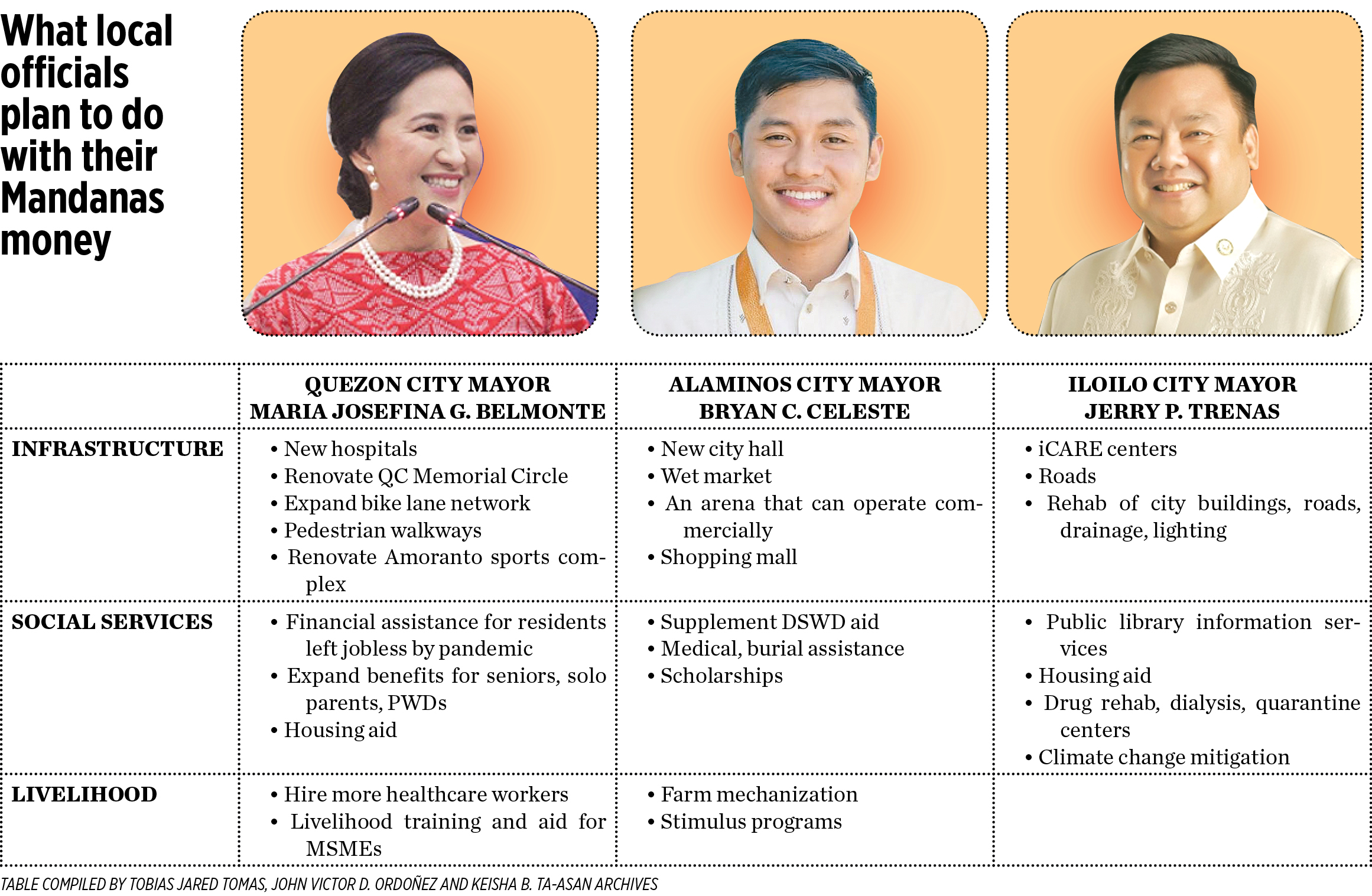
Fiscal emergencies aside, the question remains — what will LGUs do with the extra money? The previous government’s Finance department immediately started drafting plans to devolve functions to the local level which were formerly handled by the National Government. This eventually led to Executive Order (EO) No. 138, which outlined a devolution timetable with a 2024 end date. The EO put a number to the value of devolved functions — P234.4 billion.
We have no access to the complete list of functions the National Government proposes to shed. But we do know that some departments are no-brainers for devolution. The Department of Agriculture (DA) comes to mind — if there were any arm of government best suited to be run by rural constituencies, it would be the DA. For reference, P234.4 billion is about 341% of the DA’s 2021 budget. The Department of Social Welfare and Development (DSWD) seems like a suitable candidate as well. If local governments were to perform DSWD functions, the P234.4 billion would be equivalent to nearly 139% of the department’s 2021 budget.
Of all the functions performed by the National Government, perhaps nothing needs to be brought closer to the people than healthcare. Assuming all the devolution in EO 138 were done on the healthcare side, the P234.4 billion would represent more than 173% of the Department of Health’s (DoH) 2021 budget. That’s a lot of hospitals, and may require a degree of persuasion (or coercion) on the government’s part for doctors 1. not to emigrate; 2. not to congregate exclusively in the big cities; and 3. to spend at least part of their time addressing the rural-urban imbalance in access to doctors. As things stand, the Philippines’ hospital bed-to-patient ratio was estimated in 2019 at 591 to one in Metro Manila but 4,200 to one in Mindanao.
Assuming that local governments get their hands on more money — and it’s not at all certain how much more, because the 2023 NTA will be based on the National Government’s tax collections during the pandemic year of 2020 — will they be capable of disbursing it all in productive ways? The World Bank estimates that the NTA kitty could grow by as much as 55%, and expressed confidence that devolution will “improve capacity… and enhance transparency and accountability” en route to decentralizing the Philippine State. Some have expressed the opinion that the Philippines has somehow accidentally blundered into federalism by some other means. It is possible to be optimistic about well-resourced local governments being more responsive to the needs of people nearest them. It is also possible to be pessimistic. Time will tell. —T.R. Medina