Home Blog Page 5911

With China in focus, Biden makes $150 million commitment to ASEAN leaders
REUTERS

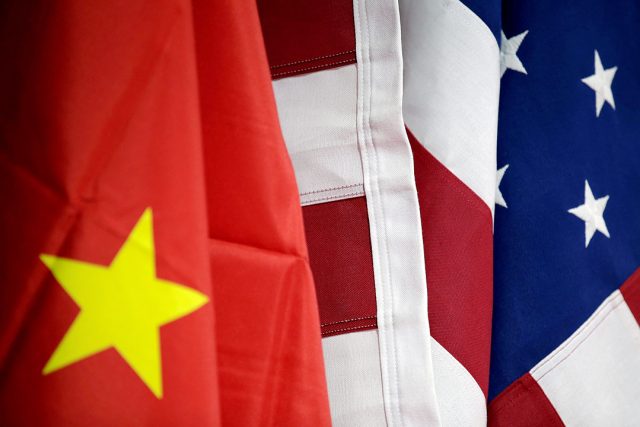
WASHINGTON — US President Joseph R. Biden, Jr., opened a gathering of Southeast Asian leaders with a promise to spend $150 million on their infrastructure, security, pandemic preparedness and other efforts aimed at countering the influence of rival China. 

On Thursday, Mr. Biden started a two-day summit with the 10-nation Association of Southeast Asian Nations (ASEAN) in Washington with a dinner for the leaders at the White House ahead of talks at the State Department on Friday. 

Mr. Biden smiled broadly as he took a group photo on the South Lawn of the White House before the dinner with representatives from Brunei, Indonesia, Cambodia, Singapore, Thailand, Laos, Vietnam, Malaysia, and the Philippines. 

While Russia’s invasion of Ukraine is on the agenda, Mr. Biden’s administration hopes the efforts will show the countries that Washington remains focused on the Indo-Pacific and the long-term challenge of China, which it views as the country’s main competitor. 

In November alone, China pledged $1.5 billion in development assistance to ASEAN countries over three years to fight COVID and fuel economic recovery. 

“We need to step up our game in Southeast Asia,” a senior US administration official told reporters. “We are not asking countries to make a choice between the United States and China. We want to make clear, though, that the United States seeks stronger relationships.” 

The new financial commitment includes a $40 million investment in infrastructure intended to help decarbonize the region’s power supply and $60 million in maritime security, as well as some $15 million in health funding to aid in early detection of coronavirus disease 2019 (COVID-19) and other respiratory pandemics, an official said. Additional funding will help the countries develop digital economy and artificial intelligence laws. 

The US Coast Guard will also deploy a ship to the region to help local fleets counter what Washington and countries in the region have described as China’s illegal fishing. 

Still, the commitments pale in comparison to China’s deep ties and influence. 

Mr. Biden is working on more initiatives, including “Build Back Better World” infrastructure investment and an Indo-Pacific Economic Framework (IPEF). But neither are finalized. 

The summit marks the first time that ASEAN’s leaders gather as a group at the White House and their first meeting hosted by a US president since 2016. 

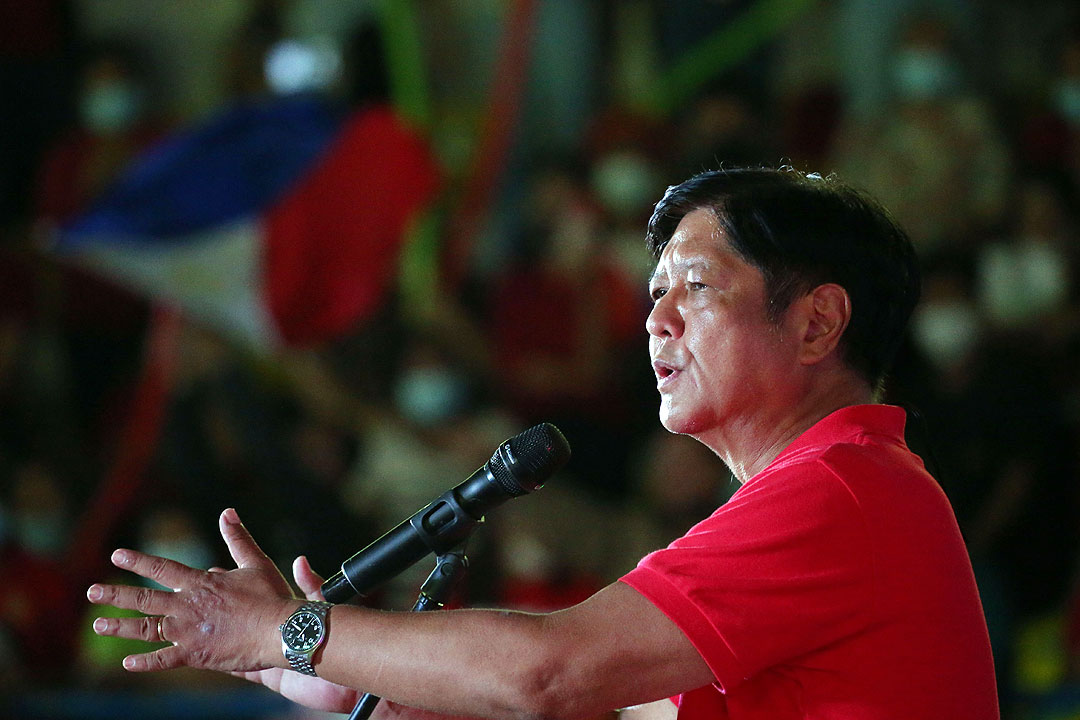
Eight ASEAN leaders are expected to take part in the talks. Myanmar’s leader was excluded over a coup last year and the Philippines is in transition after an election, though Mr. Biden spoke to the country’s president-elect, Ferdinand Marcos Jr., on Wednesday. The country was represented by its foreign affairs secretary at the White House. 

ASEAN leaders also visited Capitol Hill on Thursday for a lunch with congressional leaders. 

CONCERN OVER CHINA 

The countries share many of Washington’s concerns about China. 

China’s assertion of sovereignty over vast swathes of the South China Sea has set it against Vietnam and the Philippines, while Brunei and Malaysia also lay claim to parts. 

Yet countries in the region have also been frustrated by a US delay in detailing plans for economic engagement since former President Donald Trump quit a regional trade pact in 2017. 

“The US should adopt a more active trade and investment agenda with ASEAN, which will benefit the US economically and strategically,” said Malaysian Prime Minister Ismail Sabri Yaakob on Thursday. 

The IPEF is set to be launched on Mr. Biden’s trip to Japan and South Korea next week. But it does not currently offer the expanded market access Asian countries crave, given Mr. Biden’s concern for American jobs. 

Analysts say that even though ASEAN countries share US concerns about China, they remain cautious about siding more firmly with Washington, given their predominant economic ties with Beijing and limited US economic incentives. 

Kao Kim Hourn, an adviser to Cambodian Prime Minister Hun Sen, told Reuters that the country would not “choose sides” between Washington and Beijing although US investment in his country is growing. 

On Wednesday, Hun Sen was the target of a shoe-throwing protester prior to his first visit to the White House over a tenure that began in 1985. The Cambodian leader has faced criticism from activists for suppressing dissent. — Reuters

What are stablecoins, the asset rocking the cryptocurrency market?

PIXABAY.COM

LONDON — Most cryptocurrencies have a major problem with price volatility, but one sub-category of coins is designed to maintain a constant value: stablecoins.

As cryptocurrency prices plummeted this week, with bitcoin losing around a third of its value in just eight days, stablecoins were supposed to be isolated from the chaos.

But an unexpected collapse in the fourth-largest stablecoin TerraUSD, which broke from its 1:1 dollar peg, has brought the asset class under renewed attention.

Here’s what you need to know:

WHAT ARE STABLECOINS? 

Stablecoins are cryptocurrencies designed to be protected from the wild volatility that makes it difficult to use digital assets for payments or as a store of value.

They attempt to maintain a constant exchange rate with fiat currencies, for example through a 1:1 US dollar peg.

HOW IMPORTANT ARE THEY? 

Stablecoins have a market cap of around $170 billion, making them a relatively small part of the overall cryptocurrency market, which is currently worth around $1.2 trillion, according to CoinMarketCap data.

But they have surged in popularity in recent years. The largest stablecoin, Tether, has a market cap of around $80 billion, having surged from just $4.1 billion at the start of 2020.

The No.2 stablecoin, USD Coin, has a market cap of $49 billion, according to CoinMarketCap data.

While data on the specific uses of stablecoins is hard to come by, they play a crucial role for cryptocurrency traders, allowing them to hedge against spikes in bitcoin’s price or to store idle cash without transferring it back into fiat currency.

In its biannual financial stability report on Tuesday, the US Federal Reserve warned stablecoins are increasingly used to facilitate leveraged trading in other cryptocurrencies.

From 2018 onwards, stablecoins have increasingly been used in international trade and as a way to avoid capital controls, says Joseph Edwards, head of financial strategy at crypto firm Solrise. The stablecoin Tether in particular is used for trade in and around China and South America, he said.

HOW DO THEY WORK? 

There are two main types of stablecoin: those which are backed by reserves comprising assets, such as fiat currency, bonds, commercial paper, or even other crypto tokens, and those which are algorithmic, or “decentralized.”

Major stablecoins such as Tether, USD Coin, and Binance USD are reserve-backed: they say that they hold enough dollar-denominated assets to maintain an exchange rate of 1:1.

The companies say that one of their stablecoins can always be exchanged for one dollar.

Asset-backed stablecoins have come under pressure in recent years to be transparent about what is in their reserves and whether they have sufficient dollars to back up all the digital coins in circulation.

Meanwhile TerraUSD is an algorithmic stablecoin. This means it does not have reserves. Instead, its value was supposed to be maintained by a complex mechanism involving swapping TerraUSD coins with a free-floating cryptocurrency called Luna to control supply.

WHAT CAN GO WRONG?

TerraUSD’s stability mechanism stopped working this week when investors lost faith in Luna, amid a broader downturn in cryptocurrency markets. TerraUSD’s price crashed to as low as 30 cents.

In theory, asset-backed stablecoins should hold firm despite this.

But Tether also broke away from its dollar peg for the first time since 2020 on Thursday, dropping to as low as 95 cents.

Tether sought to reassure investors, saying on its website that holders were still able to redeem their tokens at the 1:1 rate.

WHAT DO REGULATORS SAY? 

While regulators globally are trying to establish rules for the cryptocurrency market, some have highlighted stablecoins as a particular risk to financial stability – for example, if too many people tried to cash out their stablecoins at once.

In its stability report, the Fed warned that stablecoins are vulnerable to investor runs because they are backed by assets that can lose value or become illiquid in times of market stress. A run on the stablecoin could therefore spill over into the traditional financial system by creating stress on these underlying assets, it said. — Reuters

Jetmakers’ inflation shield no match for soaring costs

EMBRAER

DUBLIN — Inflation clauses that determine how much airlines pay for new jets have jumped into a “hyper-escalation” band, pushing up aircraft prices but still leaving manufacturers unable to fully pass on their soaring costs, industry executives told Reuters. 

The hike to the top inflationary band is a rare move in the industry, potentially triggering a rise in airfares by airlines while manufacturers will also be left out of pocket, experts warned during major gatherings over the past week in Dublin, the center of the global aviation finance industry. 

Airlines buy jets at a basic price agreed in confidential negotiations but the final price includes adjustments for inflation during long production waiting times, based on US factory input and labor costs, wherever the planes are built. 

For years, these “escalation” clauses discreetly swelled the profits of planemakers as price revisions exceeded their long-term purchasing costs, people familiar with the contracts say. 

Now, with key US cost indices rising by the largest amount in over a decade, the price adjustments are steeper and the cushion between escalation and real costs has vanished. 

“It’s always been a windfall game for the (manufacturers) so long as they’re efficient enough to make sure their own costs don’t grow as fast as the escalation,” AerCap Chief Executive Aengus Kelly told the Airline Economics conference. 

The rapid spike means some manufacturers may be left out of pocket as the clauses were negotiated during an era when inflation fears were low. 

Yet leasing companies who secured limits to their exposure during that decades-long lull in inflation will be in a more comfortable position than some competitors, Mr. Kelly said. 

“It’s certainly something that we’re watching carefully… We’re seeing very strong inflation pressures in the United States,” said Steven C. Udvar-Hazy, senior vice-president at Tokyo Century leasing unit Aviation Capital Group. 

“The inflationary environment in the United States is of concern to us because that can have knock-on effects on escalation in the broader supply chain,” he told the Airfinance Journal conference. 

SHARED RISK 

Inflation is a double-edged sword for aircraft leasing companies that own half the world’s fleet. 

They benefit from the impact of inflation on the value of aircraft they own. But they must also contend with rising purchase prices, prompting some to insist on escalation caps. 

Exact terms depend on the buyer. But in one common type of structure, the lowest escalation band is paid entirely by the airline or leasing buyer and tends to be capped at rates averaging around 3%, sources familiar with the process said. 

After that, there may be a second band up to around 5% where manufacturers carry all the additional risk. 

When inflation kicks into the highest tier of all, triggering so-called “hyper-escalation” clauses, the two sides typically agree to split the extra burden, they said. 

“That is where we are now, in the hyperinflation band, and this is causing a lot of pain for everyone,” a senior industry source told Reuters. 

In rare cases, preferred clients may have a get-out clause allowing both sides to walk away from the deal entirely if inflation shoots beyond an extreme level, one source said. 

Airbus, Boeing, and Embraer declined comment on contractual matters. All are said to face tough negotiations over price clauses on future airplane deals. 

“We don’t see the current high levels of inflation very often but the impact of what is happening is huge. Escalation is going to be a big topic going forward,” Embraer Commercial Aviation Chief Executive Arjan Meijer told Reuters. — Reuters

Tycoon close to outgoing Philippine president mulls sales of big assets — sources

BW FILE PHOTO

A tycoon and close associate of outgoing President Rodrigo R. Duterte is considering selling businesses collectively worth several billion dollars, including a South China Sea gas field and a commercial land lease firm at the site of a former US military base, two sources familiar with the matter said on Thursday. 

Dennis A. Uy, chairman of conglomerate Udenna Corp. and listed Chelsea Logistics, has seen rapid growth and diversification of his business empire during the six-year presidency of Mr. Duterte, who leaves office next month. 

The assets he is considering selling are the Malampaya gas field, which Mr. Uy had acquired from Chevron and Shell for approximately $1 billion, and Clark Global City, which also cost $1 billion, the sources told Reuters, declining to be identified as they were not authorized to speak to media. 

They said buyers had been looking at prospects for some of Mr. Uy’s other businesses, including oil retailer Phoenix Petroleum and his new telecom firm DITO, plus schools and food businesses he operates. 

It was not immediately clear why Mr. Uy, the top campaign contributor of Mr. Duterte in his 2016 presidential run, was putting the assets up for sale. His representatives did not immediately respond to requests for comment. 

Mr. Uy, 48, is one of the Philippines’ leading entrepreneurs, whose appetite for risk and acquisitions saw him build the bulk of his empire in just a few years. 

Udenna Corp. nearly quadrupled its portfolio to more than 100 firms in the first four years of the Duterte presidency, in sectors from gaming, shipping, education and construction to fast food, ferries, tourism, telecoms and sports cars. 

The company has long insisted it received no preferential treatment under Mr. Duterte and all businesses and contracts were acquired fairly. 

Mr. Duterte will make way for Ferdinand “Bongbong” R. Marcos, Jr., the son of the notorious dictator, who won a presidential election by a landslide on Monday. 

ANNOUNCEMENT ‘IMMINENT’ 

Included in the preferred bidders for deals for Malampaya and Clark Gateway — the developer and landlord of a 177-hectare (437.4-acre) business district near Clark international airport — is billionaire Enrique K. Razon, Jr., one of the sources said. 

The transactions have been in the works for “some months already,” the source said, adding “an announcement looks imminent.” 

Mr. Razon, Philippines’ third richest man with a net worth of $5.8 billion based on a Forbes ranking, did not immediately respond to a request for comment. 

His Bloomberry Resorts announced on Wednesday it had signed a deal to invest in Mr. Uy’s integrated casino-resort projects in Clark and the central province of Cebu. 

The Malampaya gas field fuels power plants that deliver about a fifth of the Philippines’ electricity requirements. In December Mr. Uy’s Udenna said Malampaya may operate for several more years beyond its projected 2027 project life. 

The proposed assets sales come after the pandemic decimated the profitability of many of Uy’s businesses. 

Udenna’s total liabilities rose by nearly half to P254 billion ($4.85 billion) in 2020 from P171 billion in 2019, latest available data from the corporate regulator showed. — Reuters

Protecting against fraud in an increasingly digital world

A silver lining of the COVID-19 pandemic was that it brought the Philippine financial system to fully embrace digitalization. More banks have begun to acknowledge the benefits that it brings Filipinos across the country: that is, that their customers can now access financial services conveniently, easily, and efficiently through any of their devices.

Yet this newfound way of life comes at the price of increased risk. Alongside the rise of digital financial services during the pandemic, the incidents of fraud and scams have also grown.

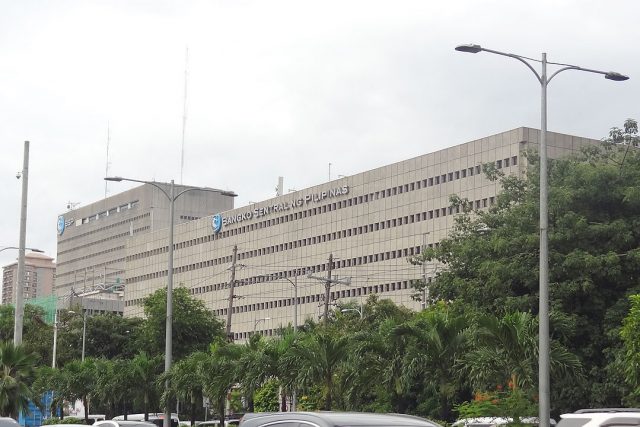
According to the Bangko Sentral ng Pilipinas, fraud and scam complaints involving a total of P2 billion worth of financial transactions were reported from 2019 to 2021. Last year alone, the complaints received by the BSP’s consumer assistance mechanism amounted to P540 million in transactions.

This reflects another observation made by the Credit Card Association of the Philippines (CCAP), which found that credit card fraud in the Philippines rose 21% since the coronavirus pandemic, with many incidents involving scammers gaining access to one-time passwords to transact online.

“The industry has been experiencing high volumes of fraud cases causing financial detriment. These perpetrators have carried out fraud by using the various digital payment platforms,” Alex Ilagan, CCAP executive director, said in a statement.

Protecting yourself from frauds and scams

The rapid adoption and evolution of digital technology has made it that much harder for consumers to protect themselves from malicious actors. That is not to say that banks and credit card companies have been slack in their efforts in protecting consumers.

EMV chips in credit cards, for instance, are now a global standard microchip that credit card providers utilize to reduce instances of credit card fraud in the country. Unlike the older technology which used a magnetic strip, the EMV chip generates a unique transaction code every time the card is used for a purchase. Fraudsters that attempt to steal your information through one transaction, such as via skimming, will fail as the transaction data will not be usable beyond the payment it was generated for.

The BSP has also been committed to ensuring that every financial institution it supervises offering electronic payments and financial services must undergo the BSP’s approval process, which requires rigorous security controls and consumer protection mechanisms. Furthermore, the central bank has been developing a circular requiring the adoption of strong fraud management systems and temporary freezes on funds to minimize losses from fraudulent activities.

Yet, while financial institutions have made every effort to secure their channels from cyberattacks, the most common incidents of frauds and scams simply involve trickery and deception to cheat victims out of their money.

“Fraudsters will usually pose as someone they are not. They prey on people’s emotions to manipulate our human tendency to trust. They tell stories that either resonate to our sensitive side or to our desires and aspirations. Then they employ tactics to induce pressure,” the BSP warned.

The central bank added that fraudsters will also sometimes promise the prospect of instant and guaranteed wealth to trick people into revealing sensitive information. ‘Boiler room’ scams are examples.

According to the Philippine National Police (PNP) Anti-Cybercrime Group, the term boiler room refers to an outbound call center selling questionable investments by telephone. It typically refers to a room where salesmen work using unfair, dishonest sales tactics, sometimes selling foreign currency stock, private placements or committing outright stock fraud. To build trust with their victims, fraudsters usually claim that others have already joined or have received the benefits of what they are offering, that they have special expertise or that they are affiliated with a reputable agency.

“The brokers of the boiler room actually ‘create’ a market by attracting buyers, whose demand for the stock drives up the price; this gives the owners of the company enough volume to sell their shares at a profit, a form of pump and dump operation where the original investors profit at the expense of the investors taken in by the boiler room operation,” the PNP explained.

Vigilance remains the best practice to protect oneself, and it should now extend to financial transactions made online or through electronic channels. The CCAP recommends that when shopping online, “look for ‘https’ or a padlock symbol on the leftmost part of the URL bar. This signifies that the website has an SSL Certificate, which guarantees that any sensitive data you send can only be viewed by the intended recipient. SSL Certificates in websites protect any packets of data transferred from its website users via contact forms, buttons, text fields, or any information inputted and submitted into the site.”

“Every time your credit card bill arrives, thoroughly scrutinize your transactions. If you see any errors or unauthorized transactions, contact your bank immediately. The sooner you report these discrepancies bank, the faster you can stop the fraudster from using your credit card,” the organization added.

For suspicious investment schemes, you may contact the Enforcement and Investor Protection Department of the SEC through e-mail at epd@sec.gov.ph or through landline at (02) 8818-6337.

For malicious messages, lodge reports to the NBI Anti-Fraud Division at (02) 8525-4093 or e-mail at afad@nbi.gov.ph. You may also send a message through the NBI’s website at www.nbi.gov.ph or their official Facebook account. You may also report these incidents to the PNP Anti-Crime Group (PNP-ACG) through www.pnpacg.ph or hotline number at (02) 8723-0401 local 5313.

The Department of Finance (DoF) has also opened its online channels for netizens to report any posts, advertisements, and messages containing false information. You may send screenshots of the advertisements and communication from suspected to the DoF Facebook Messenger account: m.me/DOFPH. — Bjorn Biel M. Beltran

Q1 GDP surpasses pre-pandemic level

PHILIPPINE STAR/ MIGUEL DE GUZMAN
PEOPLE cross Roxas Boulevard in Manila, May 1. — PHILIPPINE STAR/ MIGUEL DE GUZMAN

By Abigail Marie P. Yraola, Researcher

THE PHILIPPINE ECONOMY expanded by a better-than-expected 8.3% in the first quarter, surpassing the pre-pandemic output level as household spending surged amid the easing of coronavirus curbs.

Preliminary data released by the Philippine Statistics Authority (PSA) showed gross domestic product (GDP) accelerated by 8.3% year on year in the January to March period, a turnaround from the 3.8% contraction in the same period last year. It was also faster than the revised 7.8% growth in the fourth quarter of 2021.

It also beat the median estimate of 6.7% in a BusinessWorld poll and was within the government’s 7-9% target.

Gross domestic product (GDP) quarterly performance

The first-quarter growth was the highest in three quarters or since the 12.1% seen in the second quarter of 2021.

On a seasonally adjusted quarter-on-quarter basis, the country’s GDP went up by 1.9%.

“We have surpassed the pre-pandemic gross domestic product level,” Socioeconomic Planning Secretary Karl Kendrick T. Chua said at a press briefing on Thursday, adding the 8.3% expansion made the Philippines the fastest-growing economy in the East Asia Region in the first quarter.

At constant 2018 prices, the size of the Philippine economy in the first quarter was valued at P4.618 trillion, surpassing the P4.463 trillion in the first three months of 2019.

In current terms, the country’s economic output in the first three months of 2022 amounted to P4.930 trillion, higher than the P4.426 trillion in the first quarter of 2019.

“Growth in the first quarter of 2022 was broad based as most sectors rebounded from their contractions in the same period last year,” Mr. Chua said.

By expenditure share, household consumption grew 10.1% year on year in the first quarter, higher than the 7.5% in the previous quarter and a reversal of the 4.8% decline in the first three months of 2021. This accounted for about three-fourths of the country’s economic output and added 7.5 percentage points to the 8.3% GDP growth in the first quarter.

Government spending on the other hand, eased by 3.6% in the three months to March, lower than the 16.1% in the same period a year ago, due to the election spending ban.

Capital formation, the investment component of the economy, jumped by 20%, reversing the 13.9% decline last year.

Meanwhile, exports of goods and services went up by 10.3%, reversing the 8.4% fall last year. Similarly, imports rose by 15.6%, a turnaround from the 7.5% decline a year ago.

All major industries posted growth in the first quarter with agriculture, forestry and fishing with 0.2% (from -1.3% last year), industry with 10.4% (from -4.2%), and services with 8.6% (from -4%).

Net primary income from the rest of the world more than doubled (103.2%) in the first quarter, a reversal of the 75.9% year-on-year drop in 2021.

Gross national income, the sum of the nation’s GDP and net income received from overseas, climbed by 10.7% during the period, a turnaround from the 10.5% contraction a year ago.

“The Q1 GDP is largely driven by the change in our policy to fully open the economy,” Mr. Chua, who is also director-general of the National Economic and Development Authority (NEDA), said during the briefing.

Metro Manila and other parts of the country were put under the stricter Alert Level 3 in January to contain an Omicron-driven surge in COVID-19 infections. This was downgraded to the most lenient alert level in March that allowed businesses to operate at full capacity.

“There were speed bumps along the way, but our quick rebound from the Omicron surge showed that we have learned to live with the virus and shift from a pandemic to a more endemic mindset,” Finance Secretary Carlos G. Dominguez III said, separately.

Despite the strong first-quarter print, Mr. Chua said there will be no changes to the 7-9% full-year target.

“Our strong economic performance moves us closer to achieving our growth target of 7-9% this year, but we will not rest on our laurels. We will continuously work hard to strengthen our domestic economy against heightened external risks such as the Russia-Ukraine conflict, China’s slowdown, and monetary normalization in the United States,” Mr. Chua said.  

CONSUMPTION
“The strength in consumption and investments was particularly palpable, given that there were renewed social restrictions in early 2022 to contain the sharp rise in COVID-19 cases,” ANZ Research said in a research note.

ANZ Research said the growth was also boosted by the strong recovery in the labor market, improving remittances, and the reopening of the international borders.

Security Bank Corp. Chief Economist Robert Dan J. Roces said the further easing of lockdown restrictions allowed economic activities to resume. Barring any fresh spikes in new cases, he expects the most lenient alert level to continue over the next quarters.

“Inflation is a headwind to growth, with oil and food prices in elevated levels this second quarter; surging inflation and robust growth print gives the (BSP) some elbow room to hike rates as early as the May 19 meeting,” Mr. Roces said in an e-mail.

Alex Holmes, an economist at Capital Economics, said the country should have gained further momentum in recent months but suspects that the strength of this recovery will begin to wane soon.

“However, while day-to-day disruption from COVID-19 is largely in the rear-view mirror, new headwinds are building. A jump in prices is eating into consumers’ real purchasing power. High global oil prices due to the war in Ukraine are feeding through to pump prices,” he said in a research note.

As the boost from reopening fades and headwinds to consumption bite, Mr. Holmes said the Philippines’ recovery will likely slow.

Despite the high year-on-year growth figures, Mr. Holmes said the country’s economic recovery “is, and will remain, very weak.”

“That is a key reason to expect the central bank to normalize policy only very gradually,” he said.

Bank of the Philippine Islands Lead Economist Emilio S. Neri, Jr. said the latest GDP print provides the Bangko Sentral ng Pilipinas (BSP) more space to hike interest rates.

“With inflation becoming a significant threat to the recovery, even a mild monetary policy tightening can help temper price increases,” he said in a press release.

All eyes will be on the central bank as the Monetary Board meets on May 19 to review its policy settings.

Upbeat Q1 growth builds case for BSP rate hike by next week

BW FILE PHOTO

THE PHILIPPINE central bank on Thursday welcomed the faster-than-expected economic growth in the first quarter, with some analysts saying this helps build the case for a rate hike as early as next week.

Gross domestic product (GDP) expanded by 8.3% in the January to March period, marking the fourth straight quarter of expansion. The latest print beat the 6.7% median estimate in a BusinessWorld poll.

“[It] beats our own growth expectation. [We] will consider this positive development together with the improving jobs market in our policy meeting next week,” Bangko Sentral ng Pilipinas (BSP) Governor Benjamin E. Diokno said in a Viber message to BusinessWorld.

The Monetary Board will have its next policy meeting on May 19.

Mr. Diokno said in late April that they may consider a rate hike in June, but will first ensure that economic recovery is more entrenched.

“For our part, the BSP stands ready to adjust our monetary policy settings, should we see material risk of these supply-side pressures spilling over to the demand side,” he told reporters in a Viber message.

Headline inflation accelerated to a three-year high of 4.9% in April due to soaring food and energy prices. This is already above the 2-4% target range set by the central bank.

The central bank expects inflation to hit 4.3% this year. If realized, this would mark the second straight year of beyond target inflation after the 4.5% in 2021.

ING Bank N.V. Manila Senior Economist Nicholas Antonio T. Mapa said the latest economic data comes at a time when the central bank is also facing concerns over rising prices with inflation already beyond target.

“BSP Governor Diokno has been keeping rates unchanged to help support the economic recovery. But with GDP now back to pre-COVID-19 levels and with inflation accelerating, we fully expect BSP to hike policy rates at the May 19 meeting next week,” Mr. Mapa said in a note. 

Amid improving growth, economic managers still have to face one of the fastest inflation rates in the Asia-Pacific region, said Sonia Zhu, an analyst at Moody’s Analytics.

“A June rate hike is highly likely as broad-based growth is taking hold. However, with BSP under increasing pressure to arrest rising inflation pressures, we would not be surprised by a rate hike in May,” Ms. Zhu said in a note.

As the Philippines grapples with rising inflation, Fitch Ratings said it expects the BSP to start increasing interest rates in the second half of the year.

The BSP has maintained interest rates at a record low since November 2020 to support the Philippine economy’s recovery from the pandemic.

A rate hike would be the first since 2018, when the central bank increased rates by 175 bps to curb inflation. — Luz Wendy T. Noble

Inflation should be Marcos’ top priority — NEDA chief

PHILIPPINE STAR/ RUSSELL A. PALMA
A man prepares his payment at a gas station in Pasay City. — PHILIPPINE STAR/ RUSSELL A. PALMA

THE NEXT ADMINISTRATION should make it a top domestic priority to fight high inflation, according to Socioeconomic Planning Secretary Karl Kendrick T. Chua.

“Since we are doing relatively well on the economic opening as evidenced by the Q1 data, the immediate priority is to address inflation, especially those that affected people the most, food prices,” Mr. Chua, who also heads the National Economic and Development Authority (NEDA), said at a briefing on the first-quarter economic data on Thursday.

The Philippine economy grew by a better-than-expected 8.3% in the first quarter.

Inflation has accelerated in recent months, threatening to dampen consumer spending and hurt recovery prospects. Inflation surged to an annual 4.9% in April, the highest in more than three years due to soaring food and energy prices.

Economists have earlier identified inflation as a major “headache” for the new president. Ferdinand R. Marcos, Jr. is poised for a landslide victory in the presidential elections.

The Duterte administration has formed a presidential transition committee that will ensure a peaceful and orderly transfer of power. Mr. Chua is part of the committee, along with Finance Secretary Carlos G. Dominguez III, Budget Secretary Tina Rose Marie Canda, and Foreign Affairs Secretary Teodoro Locsin, Jr.

Aside from inflation, Mr. Chua said the incoming administration should maintain a “responsible” and “prudent” fiscal policy, as well as ensure policy continuity.

“Policy continuity is the most important I think during this transition and we stand ready to have a dialogue with the transition team of the new administration to discuss the details,” he said.

The NEDA chief said the Duterte administration has enacted many economic reforms that should be retained — not reversed, such as the tax reform, rice tariffication and economic liberalization laws.

In the immediate term, Mr. Chua said the next administration should immediately allow the resumption of face-to-face schooling to address the learning loss and impact on future productivity of Filipino children.

“Our main concern is the future productivity of our children, and NEDA estimated that closing schools for two years cost us P22 trillion over the lifetime of the students,” he said.

Schools have been shuttered since the start of the pandemic in March 2020, although limited face-to-face pilot classes have been allowed in some areas with low number of coronavirus disease 2019 (COVID-19) infections.

The NEDA estimated that every week of school closure costs the economy P12 billion pesos. 

TAX REFORM
At the same time, Mr. Chua said the next administration should seriously pay attention to the next set of tax reforms in order to fund the infrastructure program, including “raising our tax revenues if needed to fund important investment in infra and capital development.”

He is still hoping the outgoing Congress will pass key measures such as the Livestock Development and Competitiveness Bill, and two crucial tax reform bills, Package 3 on Property Valuation and Package 4 on Passive Income.

“I hope they can be pursued with haste,” he said.

Mr. Chua also identified four medium-term priorities for the next government — building smart infrastructure, pursuing innovation, addressing climate change and improving regional equity.

The NEDA chief urged Mr. Marcos to share his economic agenda and plans to alleviate any concerns raised by investors and economists.

Several economists have expressed apprehensions over the lack of details of the presumptive president’s economic policies and plans.

Mr. Marcos on Wednesday evening said he will choose economic managers that will help drive the Philippine economy’s recovery from the pandemic.

“I am also guided by the critical areas that we talked about during the campaign. So that’s what we are prioritizing. Of course, it’s the economy, prices, it’s the price of energy, lack of jobs, education, infrastructure,” he was quoted as saying by Bloomberg. — Tobias Jared Tomas

Incoming administration needs to ensure ‘investment efficiency’ — Fitch

PHILIPPINE STAR/KRIZ JOHN ROSALES
FERDINAND “BONGBONG” R. MARCOS, JR. is seen during a rally in General Santos City, March 27. — PHILIPPINE STAR/ KRIZ JOHN ROSALES

A CONTINUED FOCUS on infrastructure under the next administration will help drive post-pandemic growth recovery, but the next administration should ensure it will continue governance standards and debt management, Fitch Ratings said.

Under a government led by Ferdinand R. Marcos, Jr., investments that will address infrastructure gap in the Philippines could help offset pandemic scarring on the economy, the debt watcher said in a note on Thursday.

Fitch said it expects the Marcos administration to continue focusing on infrastructure, which is a key element for medium-term growth that supports the country’s investment grade “BBB+” rating.

“However, investment efficiency is critical. A deterioration of governance standards could, over time, dilute the positive effect of investment on productivity growth,” Fitch Ratings said.

“Poorly managed public infrastructure investment could also contribute to government debt rising faster than nominal gross domestic product (GDP) over the medium term, which would pressure the sovereign rating,” it added.

The Philippine economy grew by a stronger-than-expected 8.3% in the first quarter, rebounding from the 3.8% contraction in the same period in 2021, government data showed.

Data from the Bureau of the Treasury released Thursday showed the country’s debt-to-GDP ratio expanded to 63.5% as of end-March from 60.4% as of end-2021. (Related story)

This is already beyond the 60% threshold considered as manageable by multilateral lenders for developing economies.

“Our baseline assumption is for the Philippines to continue with its sound policy framework and return to strong medium-term growth following the coronavirus disease 2019 (COVID-19) pandemic, but the Negative Outlook on the Philippines’ rating, which we affirmed in February 2022, reflects the uncertainty around this outcome, as well as possible challenges in bringing down government debt after the pandemic policy response,” Fitch said.

On the fiscal side, the debt watcher noted some risks arising from the implementation of the Supreme Court ruling that expands the local government units’ (LGU) share of the National Government revenue this year.

“Poor execution could lead to underspending by local governments. If this adversely affects medium-term growth potential, the net credit effects are likely to be negative, even though public finances may improve in the near term,” Fitch said.

The ratings agency also warned a reversal in tax reforms could heighten the possibility of a ratings downgrade.

“If the new administration amends the Rice Tariffication Law, as it suggested during its campaign, this could curb rice imports and push up the cost of rice. Amending the law could also hurt tax revenue,” Fitch said.

“The low tax take is a credit weakness for the Philippines, and when we affirmed the rating in February, we noted that a reversal of tax reforms that leads to sustained higher fiscal deficits could result in a rating downgrade,” it said.

‘NEGATIVE PERCEPTION’
Meanwhile, economists said foreign investor confidence in the Philippines may remain shaky due to high debt, elevated inflation and uncertainty arising from Mr. Marcos’ lack of clear economic policies.

“It is unfortunate that because of the Martial Law years and the unresolved ill-gotten wealth issues, Mr. Marcos Jr. may bear the heavy burden of negative investor perception, specifically among the foreign investor community,” UnionBank of the Philippines, Inc. Chief Economist Ruben Carlo O. Asuncion said in an e-mail.

Leonardo A. Lanzona, an economics professor at the Ateneo de Manila University, said in a Viber message he “would not be surprised if more investment firms drop the country in their investment lists.”

“Given the budget constraints we face and the complete silence in all these issues, the efficient allocation of these public goods is unlikely to be accomplished, and the administration will likely repeat the past mistakes. Even the indicated continuity of the Duterte programs is not clear,” Mr. Lanzona said.

Meanwhile, a spokesperson for JPMorgan claimed the media “mistakenly reported” it dropped the Philippines to the bottom of its investment list due to the election results.

“Our views on the Philippines are driven by long-term global and local macroeconomic fundamentals, and not by election results or outcomes in general,” Patricia Anne Javier-Gutierrez, JPMorgan Philippines head of communications, was quoted as saying in a statement released by Mr. Marcos’ camp.

“As stated in our May 8 Philippine Strategy report, we think the Philippines faces a challenging macroeconomic outlook post 2022 regardless of the outcome of the May 2022 presidential elections,” she said. — Luz Wendy T. Noble and Tobias Jared Tomas

ALI income up 14% to P3.2B on cost measures

AYALA LAND, Inc. (ALI) reported a 14% year-on-year increase in its net income for the first quarter of the year to P3.2 billion on the back of cost-efficiency measures during the pandemic.

The listed property developer said in a stock exchange disclosure on Thursday that its consolidated revenues for the January-to-March period reached P24.6 billion, similar to the year-ago figure, which reflected the “slight contraction in property development and the resurgence in commercial leasing during the period.”

“Factoring out the sale of its stake in Qualimed to Ayala Corp. in the first quarter of 2021, revenues and net income grew 6% and 77%, respectively,” ALI said.

According to the company, it received a strong take-up for commercial lots but posted lower residential bookings during the quarter.

“Property development revenues reached P15.9 billion, a 2% dip from P16.2 billion in the same period last year,” it said.

Sales reservations reached P24.1 billion, which is equivalent to monthly average sales of P8 billion, higher than P7.7 billion in 2021.

First-quarter sales take-up is also 9% more than P22.1 billion in the fourth quarter of 2021, ALI said.

In the first three months of 2022, the company launched seven projects with a total value of P17 billion.

The projects are AyalaLand Premier’s Ciela Heights Phase 1A Tranche 2 in Carmona, Cavite and Anvaya Cove Seaside Point in Morong, Bataan; Alveo’s Mondia Expansion in Nuvali, Laguna; Avida’s Patio Madrigal Tower 1 in Pasay City and Serin East Tower 4 in Tagaytay City, Cavite; Amaia’s Series Nuvali S2 in Laguna and Scapes Iloilo S2A.

ALI said its commercial leasing revenues climbed 26% to P6.4 billion due to the reopening of the economy while revenues from shopping centers increased 49% to P2.9 billion following higher mobility and tenant sales.

Office leasing revenues increased 7% to P2.7 billion as tenancy and operations remained stable while hotel and resort revenues climbed 29% to P823.4 million due to increased domestic travel.

ALI President and Chief Executive Officer Bernard Vincent O. Dy expects the positive trend to continue as the economy continues its economic recovery.

“The greater mobility in the [first] quarter resulted in an immediate positive impact on our overall business. Notable was the turnaround and higher customer patronage of our malls, hotels, and resorts,” Mr. Dy said.

“We expect the positive trend to continue as the health crisis abates, people increasingly return to their pre-pandemic consumption patterns, and business and leisure travel gain momentum,” he added.

Meanwhile, ALI said it is set to introduce four master planned estates in the country to boost its presence, add new products for communities and businesses, and help the reopening of the economy.

“ALI remains confident in the market and is poised to launch P100-billion worth of residential inventory this year, equally split between horizontal and vertical offerings,” it said.

First-quarter capital expenditures reached P14 billion, mainly for residential developments, followed by commercial leasing assets.

Up to 54% was spent on residential projects, 7% on commercial projects, 14% on land acquisition, 23% on estate development, and 2% on other purposes, it said.

On Thursday, ALI shares at the local bourse fell P1.05 or 3.43%% to close at P29.55 apiece. — Revin Mikhael D. Ochave

Jollibee income soars to P2.3B 

JOLLIBEE Foods Corp. (JFC) registered a net income of P2.31 billion attributable to parent firm equity holders, a big jump from its P152.6-million profit a year earlier, in part as the food service company booked gains from a property sale.

Ernesto Tanmantiong, JFC chief executive officer, said the group’s performance during the period “set new record for sales for a first quarter” despite the challenges posed by the Omicron virus variant’s surge and the higher prices of raw materials and energy,

In a disclosure on Thursday, JFC said its net income for the quarter included gains from the transfer of certain land properties of the group to CentralHub Industrial Centers, Inc. and the sale of other properties amounting to P1.8 billion.

The property deals are part of the listed company’s plan to invest in CentralHub, a company in the industrial real estate business.

During the quarter, system-wide sales, which measure all sales to consumers from company-owned and franchised stores, jumped by 25.5% to P59.98 billion, propelled by robust same-store sales growth of 16.5% and global store network expansion and acquisition, which contributed 5.5%. Currency translation added 3.5% to the growth, JFC said.

Mr. Tanmantiong said system-wide sales of businesses in China, North America, EMEAA (Europe, Middle East, Africa and Asia), including SuperFoods, had reached pre-pandemic levels, fueled by continued store expansion.

He said the store network of JFC’s foreign business for the first quarter surged by 20.3% organically or excluding acquisitions compared with the pre-pandemic first quarter of 2019, “in line with our long-term growth model.”

“Sales of our Philippine business were still below pre-pandemic levels, but are showing sustained strong growth for off-premise sales which grew by 57% compared to the first quarter of 2019, offsetting the decline in dine-in sales,” Mr. Tanmantiong said.

He said delivery sales accounted for around 20% of the Philippine business’ system-wide sales and had grown five-fold since 2019.

“In terms of operating profit, the Philippine business performed better compared to the first quarter of 2019 despite a decline in revenues and rising inflation,” he said, citing JFC’s business transformation program and continuing cost and profit management.

First-quarter system-wide sales included sales of Milksha, a popular Taiwanese bubble tea brand. JFC subsidiary Jollibee Worldwide, Pte. Ltd. completed the acquisition of a 51% stake in Milkshop International Co. Ltd., the company that owns Milksha on Feb. 22. JFC said the consolidation of Milkshop did not have a significant impact on the group’s sales and profit for the first quarter.

Quarterly global same-store sales increased by 16.5%, led by The Coffee Bean and Tea Leaf, which grew by 23.3%, the Philippine business by 22.9%, North America by 8.1% and EMEAA by 6.2%. JFC said the China business’ same-store sales decreased by 9.1% because of heightened pandemic-related restrictions.

Operating income climbed by 33.8% to P1.99 billion, backed by the faster profit growth in the Philippines. Gross profit margin was “slightly below” year-ago level due to rising inflation rate and higher freight charges, JFC said.

In 2021 and the first quarter of 2022, JFC implemented price adjustments and continued with internal cost efficiencies to support profit margins.

The company said that compared with pre-pandemic levels, first-quarter system-wide sales and revenues were already ahead by 10.5% and 6.2%, respectively. Operating income was lower by 5.2% while attributable net income was higher by 58%.

On Thursday, JFC shares declined by 0.09% or 20 centavos to close at P217 each. — Victor V. Saulon

Pilipinas Shell net income surges to P3.5 billion

PILIPINAS Shell Petroleum Corp. posted a net income of P3.53 billion in the first quarter, more than three times the earlier year’s P1.02-billion profit, which the listed energy company said placed it on track with its five-year plan.

“Pilipinas Shell remains steadfast and committed to our strategy of powering progress for the country, as opportunities are opening with a recovering economy,” Lorelie Quiambao-Osial, its president and chief executive officer, said in a statement on Thursday.

“Customer-centricity, innovation, agility, and our initiatives for sustainable energy are all designed to meet our expanding customers’ current and future needs with the resurgence of safe mobility,” Ms. Osial added.

In its financial report filed with the stock exchange, Pilipinas Shell reported gross revenues of P59.98 billion in the first three months of the year, higher by 48.4% from P40.43 billion a year ago.

Gross expenses were higher by 47% to P54.8 billion from P37.27 billion previously.

Pilipinas Shell said it had maintained a reliable supply of fuels for its customers despite industry supply chain pressures in the first quarter.

During the period, it saw a significant increase in global oil prices caused by the Russia-Ukraine war and heightened mobility restrictions due to the Omicron coronavirus variant.

Despite the pandemic, the company’s lubricants business expanded by 12% in terms of volume while premium sales volume rose by 24%.

Aviation sales volume recovered in 2022 with a 74% growth, as domestic and international borders reopened for passenger and cargo flights. But sales volume was not yet at pre-pandemic levels.

“Pilipinas Shell intends to accelerate its strategies throughout this year by growing, continuing to invest in and responding to the growing energy needs of the Philippines,” the company said.

Non-fuel retail gross margin during the quarter rose by 27% year on year to reach its highest quarterly performance level since 2016. The company now has 191 Shell Select stores, 223 Select Express sites, 78 deli2go stores, and 456 Lube bays nationwide. These outlets serve the “evolving mobility and purchasing behavior” of customers, the company said.

Pilipinas Shell said its loyalty program Shell Go+ has reached 1.3 million in membership.

In April, the company broke ground for its fourth import terminal in Brgy. Darong, Sta. Cruz, Davao. The facility is expected to strengthen the existing value chain as well as support the growing energy needs in southern Mindanao. Its three other import terminals are in Batangas, Cagayan de Oro, and Subic.

“The terminal also enhances the company’s responsiveness and reliability during typhoons and natural calamities,” it said.

“This year, the energy company will advance its sustainability agenda by continuing to drive its businesses to help contribute to the reduction of its carbon footprint while promoting its lower carbon products and offerings,” Pilipinas Shell said.

On Thursday, shares in the company rose 2.35% or 40 centavos to close at P17.40 apiece. — Victor V. Saulon