Home Blog Page 5748

Filipino youths have low awareness of STIs, HIV, and EC

CRISTINA PONCIANO-UNSPLASH

By Patricia Mirasol, Reporter 

ONLY a third of Filipino youth aged 15-24 years have an awareness of sexually transmitted infections (STIs) and emergency contraceptive (EC) pills, according to the fifth iteration of the Young Adult Fertility and Sexuality  study (YAFS5) conducted by the University of the Philippines Population Institute (UPPI). The percentage of those with a comprehensive knowledge of the human immunocompromised virus (HIV) and acquired immunodeficiency syndrome (AIDS) was also below 20%, the study also found. 

Awareness of STIs was at 35% among males and 34% among females in 2021. Awareness of HIV and/or AIDS, meanwhile, was 74% among males and 78% females for the same year, a decrease from 82% and 85% in 2013, respectively, or when the fourth round of YAFS was conducted.   

This is a growing trend, said Christian Joy P. Cruz, UPPI associate professor, in an Oct. 14 dissemination forum of the study. She noted that the second YAFS study in 1994 showed that awareness of HIV and/or AIDS was 95% for both sexes.  

The study further reported that more than half (52%) of Filipino youths believed that a person can get HIV by sharing food with someone who is infected. About a quarter (24%) likewise believed a person can get HIV from mosquito bites. 

“Sex is still apparently a taboo topic at home,” said UPPI associate professor Maria Paz N. Marquez, who presented at the same event. Only 12% among males, and 13% among females, had discussions at home about sex in 2021.  

“What is increasing is those consulting no one,” Ms. Marquez added. Thirty-three percent of males and 23% of females did not consult anyone about sex, up from 24% and 20%, respectively. 

For males that did consult others, however, friends are the top choice (40% in 2021, down from 50% in 2013). Females, on the other hand, preferred both their mother (39% in 2021, down from 43% in 2013) and friends (22% in 2021 from, down from 26% in 2013).  

A majority (68% of males and 58% of females) used protection during sexual initiation.   

“Condoms and the withdrawal method were more commonly used, given that a [majority] of the sexual initiation was not planned but happened anyway,” Ms. Marquez told the event audience.  Over a quarter (28%) of males and a third (32%) of females did not plan their sexual initiation when it happened. Moreover, 17% of males and 18% of females did not want it to happen, but went along with it.  

A new inclusion in the fifth YAFS was the question on EC pills. The study found that — although awareness of this contraception option is low — 31% of males and 24% of females would consider using it if it was made available.   

A majority got their male condoms at drugstores (77%). Only 3% bought them at online shopping platforms. Nearly one-tenth (11% among males; 3% among females) said they always carried a condom with them.  

YAFS5 commenced in August 2021 and was completed in January 2022. Covering 17 regions, the study approached 10,949 youth from 974 sample barangays. It contains 14 major topics, including those about puberty, dating, sex, lifestyle, health, and media.  

The study proponents took measures to ensure the respondents’ forthrightness, Ms. Marquez said.  

“One of these measures was for the female respondents to be interviewed with female interviewers — same with the males — para ma-minimize ’yung hiyaan [so embarrassment is minimized],” she said. Sealed questionnaires were also provided for 10 questions pertaining to sensitive subjects such as abortion and illegal drug use.  

“We compared the answers from the sealed questionnaires [versus] the answers they gave in the face-to-face interviews, and hindi nagkakalayo ang answers [the answers are consistent],” she said.   

The hope is that there will be a convergence among policy makers and those in congress, said Grace T. Cruz, UPPI professor.   

“The whole idea of why we’re in the business of data gathering,” she said at the Oct. 14 forum, is so the data could be “used as a scientific basis for the formulation of appropriate policies for the welfare of young people.”

The YAFS5 report will be available in 2023. The UPPI said it is “targeting to release the raw data by the middle of 2023.” Previous YAFS studies were conducted in 1982, 1994, 2002, and 2013.

CREIT set to issue ASEAN green bonds to expand its real estate portfolio

UNSPLASH
PART of the proceeds of the issuance of ASEAN green bonds will be used to acquire land parcels to host affiliate solar power developers. — UNSPLASH

CITICORE Energy REIT Corp. (CREIT) said on Tuesday that it will be tapping the capital markets for the issuance of ASEAN green bonds in the fourth quarter of this year to expand its real estate asset portfolio.

“We want to fast-track this initiative to facilitate our growth trajectory, as disclosed in the REIT plan, at the same time keep our borrowing costs at manageable levels, considering the continued pressure on global interest rates,” Oliver Y. Tan, president and chief executive officer of CREIT, said in a stock exchange disclosure.

In its registration statement filed with the Securities and Exchange Commission, the company said it is offering bonds worth P3 billion, with an oversubscription allotment of up to P1.5 billion.

CREIT added that it also intends to use part of the proceeds to acquire land parcels totaling 500 hectares to host affiliate solar power developers.

ASEAN green bonds’ proceeds are meant to be exclusively used to finance or refinance, in part or in full, new or existing eligible green projects that comply with regulatory standards.

CREIT said that the move is part of its “levering up program” from zero-debt to minimum leverage of 35% of its invested capital to fund the acquisition of new properties, and to maintain its growth momentum.

“With the investment grade rating, CREIT effectively increased its debt headroom and allowable leverage from 35% to 70% of deposited properties, currently at P14.5 billion, before acquisition of the new target assets,” Mr. Tan said.

In a separate regulatory filing, CREIT said that it had disbursed to date P308 million of its initial public offering (IPO) proceeds for its AFAB solar rooftop project through wholly owned subsidiary Sunny Side Up Power Corp.

Meanwhile, P1.55 billion from the IPO proceeds had been used for the first phase of the Arayat solar farm, which is a joint venture with ACEN Corp.

A total of P966 million was allocated for the second phase of the Arayat-Mexico solar farm, which is expected to be completed by the first quarter of 2023.

CREIT said that its Batangas A and Batangas B solar farms had been allocated a total of P1.42 billion and P377.1 million, respectively, for the construction of their 90 megawatts (MW) and 40-MW projects.

Further, P1.49 billion was set aside for the 20-MW Isabela run-of-river hydro project. Of the amount, P444.6 million had been disbursed as of Sept. 30.

On Tuesday, shares in CREIT closed 1.36% higher to finish at P2.23 apiece. — Ashley Erika O. Jose

Tam-awan Arts Fest returns to the village

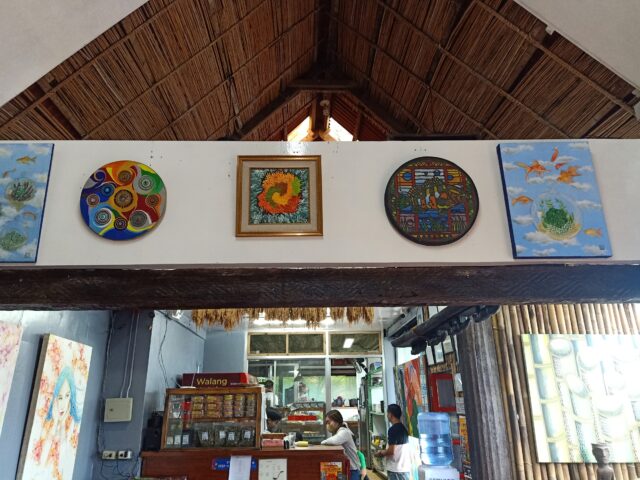
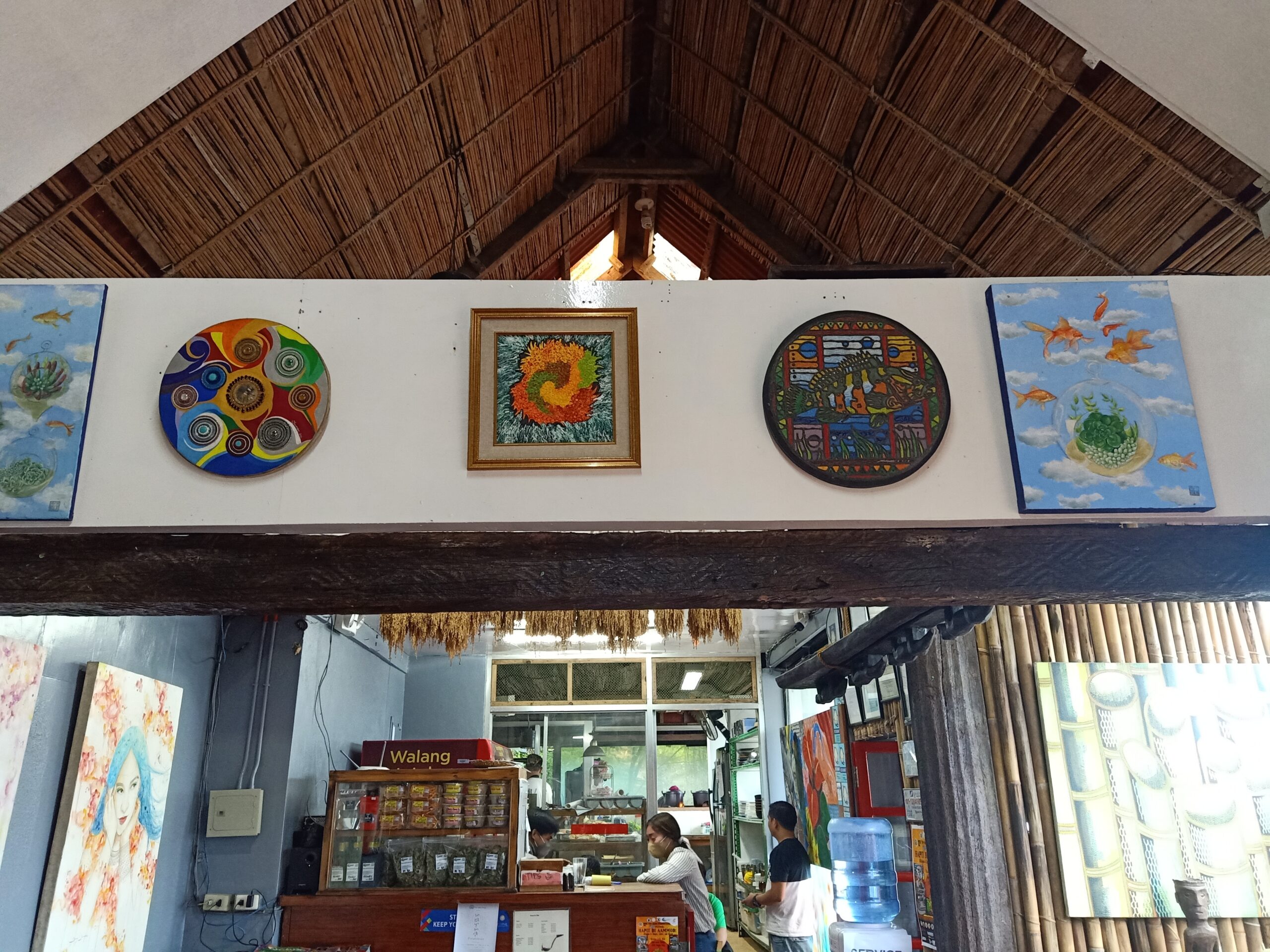
TAM-AWAN Cafe — PHOTO BY MICHELLE ANNE P. SOLIMAN

AFTER two years of online festival activities, the 12th edition of the Tam-awan International Arts Festival (TIAF) returned to the village on Oct. 5 to 9.

Upon arrival at Tam-awan Village in Baguio City, visitors were greeted by images outlined on the main venue’s façade that was yet to be fully painted. Upon entering, artists were seated at tables and concentrating on finishing their pieces. A group of cultural performers danced to entertain guests before the next talk or workshop began.

Built in 1998, Tam-awan Village is a three-hectare space that resembles a traditional Cordillera village. Its Ifugao houses serve as the venues for art exhibits, workshops, and live cultural showcases. It was established by the Chanum Foundation, Inc., an organization dedicated to the promotion of arts, culture, and heritage. Tam-awan Village is now a popular hub for artists and art enthusiasts. It also has a café and offers lodging in the traditional houses to tourists and workshop participants.

THE FESTIVAL
With the growing population of artists in the area, the Tam-awan International Arts Festival was established in 2010 after years of Tam-Awan having hosted art workshops.

Nagkaroon ng art festival dahil sa mga nangyayari na art workshops (The art festival came about because of the art workshops),” solar artist Jordan Mang-osan, who is the president of the Chanum Foundation, told BusinessWorld during the festival on Oct. 8.

He said that the Foundation and local artists mounted the festival with the goal of inviting artists and groups from outside the city of Baguio, and “to help our local artists showcase their craft,” he said.

“Art is a very powerful tool to preserve visual records of time and experiences and it is a visual aid for people to see the world in different and innovative ways. Art is a vehicle that can transport ideas and the wisdom of cultures to the current generation,” Mr. Mang-osan said.

The first TIAF was held at the Baguio Convention and Cultural Center and officially moved to Tam-awan Village itself in its second year. The village has hosted the arts festival ever since.

This year’s festival had the theme “Hapit Di Aammod: Wisdom in Shapes, Colors, and Words.” “Hapit di Aammod” translates to “voice of the ancestors” in Tuwali, an indigenous language spoken in Ifugao.

The festival was held in partnership with the National Commission for Culture and the Arts (NCCA).

This year’s festival had 189 participating artists and almost 70 cultural workers in attendance. Activities included workshops on coffee painting, stone art, digital art, statue making, cultural performances, and Cordillera rituals.

INTELLECTUAL PROPERTY RIGHTS
During the festival, the Chanum Foundation and the Intellectual Property Office of the Philippines (IPOPHL) signed a memorandum of understanding in an effort to educate artists on copyright and protection of their works.

“Like the Tam-awan Village, I hope the partnership we seal today deepens your people’s perspectives not only on indigenous art but also on copyright and intellectual property,” IPOPHL Directory General Rowel S. Barba said at a press conference during the festival.

“Together, we would like to see the Cordilleras harvest the full rewards from your creation, and the intellectual property system helps you safeguard your works in all their authenticity and value — not only in terms of monetary value but, more profoundly, its value to Cordillera’s culture,” he added.

Following the signing of the agreement was a seminar on copyright and resale rights in the visual arts.

The IPOPHL has conducted more than 200 webinars on intellectual property. Mr. Barba said that his office is committed to bringing education on intellectual property to other cities. “’Iyung mga pwedeng puntahan na probinsya at barangay, pupuntahan namin (We will visit the provinces and barangays which we can go to),” he said

“It’s a universal principle that copyright starts from the moment of creation… but for practical purpose because sometimes your collaborators or partners will ask for it. The proof copyright is your registration. We encourage artists to have it recorded,” Mr. Barba explained.

The National Library is the primary institution that registers copyright. “But IPOPHL has been licensed by the National Library to accept registry,” he said.

OUTREACH PROGRAMS
The TIAF has also embarked on a series of outreach programs called Art Caravans benefitting teachers and students at the Santol Central School in La Union with workshops on acrylic paint, wire rings, pastel, sand art, stone art, and screen printing.

The festival closed with the unveiling of murals and art collaborations and ceremonies marked with rituals and thanksgiving.

Harinawa, ito’y magpatuloy para maging maayos at mas lalo pang mapalaganap ang produkto, kultura at sining ng mga Pilipino (May it be that this will continue and strengthen the products, culture, and arts of the Filipino,” NCCA Chairman Rene Escalante said, adding that the festival’s online activities have widened the reach to new audiences in the past two years.

As pandemic restrictions ease, Mr. Mang-osan hopes that next year’s festival will include more international participants.

“We will strive to continue the Tam-Awan International Arts Festival,” he said.

For more information, visit https://tamawanvillage.com/tiaf-2022-virtual-exhibit/ and https://www.facebook.com/TamawanOfficial. — Michelle Anne P. Soliman

BTr fully awards new 10-year T-bonds on strong demand

BW FILE PHOTO

THE GOVERNMENT fully awarded the fresh Treasury bonds (T-bonds) it offered on Tuesday on strong demand for higher-yielding instruments amid expectations of more rate hikes here and abroad.

The Bureau of the Treasury (BTr) raised P35 billion as planned via the fresh 10-year T-bonds it auctioned off on Tuesday, with total tenders reaching P58.411 billion.

The debt papers were awarded at a coupon rate of 7.5%, 29.81 basis points (bps) higher than the 7.2019% quoted for the 10-year tenor at the secondary market before the auction, based on the PHP Bloomberg Valuation (BVAL) Service Reference Rates data provided by the Treasury.

Accepted rates ranged from 7% to 7.5% for an average of 7.344%.

National Treasurer Rosalia V. de Leon said in a Viber message to reporters after the auction that the full award was made “seeing rates are within secondary levels for comparable maturities.”

A trader likewise said the auction result was “well-within our expectations given recent statements from the Bangko Sentral ng Pilipinas (BSP).”

“With analysts now thinking that overnight reverse repurchase rate will reach 5%, seven- to 10-year tenors will likely be 250 to 300 bps higher,” the trader said in a text message.

Rizal Commercial Banking Corp. Chief Economist Michael L. Ricafort said the full award is “consistent with the fact that the average yield of 7.344% is close to the comparable PHP BVAL yield.”

“The increase in the 10-year T-bond yield is also in line with the higher benchmark 10-year US Treasury yield amid aggressive Federal Reserve rate hikes in the quest to significantly bring down elevated US inflation,” Mr. Ricafort said in a text message.

BSP Governor Felipe M. Medalla last week said the central bank will consider another big rate hike in their Nov. 17 policy meeting to support the peso and prevent its depreciation from further stoking inflation.

Mr. Medalla said they are looking at a 50-bp or 75-bp increase next month to help cool inflation and ease currency pressures stemming from a strong dollar amid the Fed’s hawkish stance.

The BSP has raised benchmark rates by 225 bps since May, with its policy or overnight reverse repurchase facility rate now at 4.25%.

Philippine headline inflation was at 6.9% last month, up from 6.3% in August and 4.2% in the same month last year. It matched the 6.9% print in October 2018 and was the fastest since the 7.2% pace logged in February 2009.

The September print marked the sixth straight month that inflation breached the central bank’s 2-4% target for the year.

For the first nine months, headline inflation averaged 5.1%, faster than the 4% seen in the same period last year but below the BSP’s 5.6% forecast for 2022.

Meanwhile, the Fed is likely to deliver another large rate hike at its November meeting as inflation remains high, with more increases also expected to be on the table until next year.

The US central bank has raised rates by 300 bps since March and will next meet on Nov. 1-2.

The BTr wants to raise P200 billion from the domestic market this month, or P60 billion through Treasury bills and P140 billion from T-bonds.

The government borrows from local and external sources to help plug a budget deficit capped at 7.6% of gross domestic product this year. — Luisa Maria Jacinta C. Jocson

Obesity as a growing concern among Filipinos

PIXABAY

Around 27 million Filipinos are overweight and obese, based on the latest survey of the Department of Science and Technology (DoST) Food and Nutrition Research Institute (FNRI).  

If no action is taken, overall rates of overweight and obesity will continue to rise, with more than 30% of Filipino adolescents projected to be overweight and obese by 2030, warned the Department of Health (DoH), the National Nutrition Council (NNC), the Philippine Association for the Study of Overweight and Obesity (PASOO), the Nutrition Center of the Philippines (NCP), the World Health Organization (WHO), and the United Nations Children’s Fund (UNICEF) on the occasion of World Obesity Day.  

Overweight and obese Filipino adults increased to 36.6% of the population in 2019 from 20.2% in 1998. Meanwhile, the prevalence rates of overweight and obesity among Filipino adolescents more than doubled to 11.6% in 2018 from 4.9% in 2003. 

The WHO defines overweight and obesity as abnormal or excessive fat accumulation that may impair health. Overweight and obesity in adults are commonly classified using body mass index (BMI) defined as a person’s weight in kilograms divided by the square of their height in meters (kg/m2).  

Overweight is a BMI greater than or equal to 25. Obesity is a BMI greater than or equal to 30. In children, overweight and obesity are classified based on the number of weight-for-height standard deviations above the WHO Child Growth Standards median. 

The fundamental cause of obesity and overweight is an energy imbalance between calories consumed and calories expended —too much drinking and eating but not enough physical activity.  

Globally, there has been an increased intake of energy-dense foods that are high in fat and sugars. Moreover, there has also been an increase in physical inactivity due to the increasingly sedentary nature of many forms of work, changing modes of transportation, and increasing urbanization, the WHO explained. 

The coronavirus disease 2019 (COVID-19) pandemic, which limited mobility for health and safety reasons, has compounded the growing obesity concern.  

According to the WHO, overweight and obesity are linked to more deaths worldwide than underweight. There are more people who are obese than underweight in every region of the world, except parts of sub-Saharan Africa and Asia.  

Raised BMI is a major risk factor for noncommunicable diseases (NCDs) such as cardiovascular diseases, mainly heart disease and stroke; diabetes; musculoskeletal disorders, especially osteoarthritis, a highly disabling degenerative disease of the joints; some cancers including endometrial, breast, ovarian, prostate, liver, gallbladder, kidney, and colon. As a person’s BMI increases, so does the risk for these NCDs. 

Childhood obesity is associated with a higher chance of obesity, premature death and disability in adulthood. On top of increased future risks, obese children experience breathing difficulties, increased risk of fractures, hypertension, early markers of cardiovascular disease, insulin resistance and psychological effects, the WHO stated. 

To address the growing problem of obesity in the Philippines, the DoH, NNC, and national partners recommend specific actions: 

  • Implement policies, legislation, and interventions to promote physical activity including active transport and promotion of green, blue, and open spaces in communities and workplaces. As in other health priorities, strengthen and sustain appropriate social and behavior change communication on healthy diet and physical activity.  
  • Implement policies and interventions to promote, protect, and support infant and young child nutrition, especially in the first 1000 days of life to prevent stunting and reduce risk for children to become obese in their later lives.  
  • Develop a strategy with corresponding funds, human resources, and accountability mechanisms, including empowering the health system with dedicated programs on obesity across the life stage.  
  • Improve data, monitoring, and enforcement of laws relating to food products.  
  • Provide subsidies to farmers and fisherfolk and increase access to nutritious food.  
  • Use social protection programs such as 4Ps to improve access to healthy food, especially in times of disasters.  
  • Promote healthy school food environments for children. 
  • In the case of obesity, it has once again been proven that prevention is better than cure.  


Teodoro B. Padilla is the executive director of Pharmaceutical and Healthcare Association of the Philippines (PHAP), which represents the biopharmaceutical medicines and vaccines industry in the country. Its members are at the forefront of research and development efforts for COVID-19 and other diseases that affect Filipinos. 

Airbnb expects more bookings, says holidays to boost travel

REUTERS

ONLINE home-sharing platform Airbnb is projecting higher bookings as the holiday season approaches, carried by strong demand from domestic travel.

Amanpreet Bajaj, Airbnb general manager for Southeast Asia, India, Hong Kong, and Taiwan, said the increase is expected since more Filipinos are looking to travel, adding that many new areas are getting their first bookings.

“It is the holiday season. There is a pent-up demand for travel. All the trends of increased searches and many new cities and towns getting their first bookings clearly shows a very positive outlook in terms of travel,” Mr. Bajaj said during an interview on the sidelines of Airbnb’s inaugural Future of Travel event in Makati City on Tuesday.

“In the Philippines, we see that there is a lot of interest in domestic travel, for people to capture interest around newer cities and newer places and to connect with family again. I think that is a very positive outlook for us,” he added.

Mich Goh, Airbnb Southeast Asia head of public policy, said Baguio City is the top searched destination by Filipinos in the second quarter this year, followed by Quezon City and Tagaytay City.

She added that trending destinations outside of tourist hotspots include Guagua, Pampanga; Unisan, Quezon; and Jala-Jala, Rizal.

“Tagaytay leads with the largest surge in guest searches on Airbnb in Q2 (second quarter) 2022 up from Q2 2019 pre-pandemic, followed by Dumaguete and Calaca,” Ms. Goh said.

Further, Mr. Bajaj said that Airbnb is looking to establish more partnerships to improve its platform and its presence in the country.

“I think the Philippines is a very important market for Airbnb and for the region as a whole. We will continue to look at partnership opportunities. We will continue to work with more partners in the country and work with our host community, and government stakeholders to ensure that we get an ecosystem that benefits all,” Mr. Bajaj said.

“We have already a vibrant host community in the Philippines. 65% of the host community is female-led. About 15% of our hosts in the Philippines are super hosts, which means that they provide a very high level of hospitality that is appreciated across the world,” he added.

Meanwhile, Airbnb said that longer travel was still a key trend in the second quarter of 2022, with 28-day-stays or higher posting a 25% increase from last year and by almost 90% from the second quarter of 2019.

“As more new destinations are getting the number of searches, we are very positive about the future outlook,” Mr. Bajaj said.

“But we should also be conscious of the fact that we are still in the middle of the pandemic. It will be important from a flexibility perspective to ensure that people have more flexible options in travel and that’s where a platform like Airbnb becomes very important,” he added.

The Tourism department on Monday announced that the Philippines has logged 1.77 million foreign visitors as of Oct. 17, breaching the 1.7 million visitors projected before June 30. — Revin Mikhael D. Ochave

Sri Lankan author Shehan Karunatilaka wins 2022 Booker Prize

SRI LANKAN writer Shehan Karunatilaka with his second novel The Seven Moons of Maali Almeida — THEBOOKERPRIZES.COM

LONDON — Sri Lankan writer Shehan Karunatilaka won the Booker Prize on Monday for his second novel The Seven Moons of Maali Almeida, about a dead war photographer on a mission in the afterlife.

Mr. Karunatilaka received a trophy from Queen Consort Camilla at the English language literary award’s first in-person ceremony since 2019. He also gets a £50,000 ($56,810) prize.

Set in 1990 Sri Lanka during the country’s civil war, Mr. Karunatilaka’s story follows gay war photographer and gambler Maali Almeida, who wakes up dead.

Time is of essence for Maali, who has “seven moons” to reach out to loved ones and guide them to hidden photos he has taken depicting the brutality of his country’s conflict.

“My hope for Seven Moons is that in the not-too-distant future… it is read in a Sri Lanka that has understood that these ideas of corruption, race-baiting, and cronyism have not worked and will never work,” Mr. Karunatilaka said in his acceptance speech.

“I hope it is read in a Sri Lanka that learns from its stories and that Seven Moons will be in the fantasy section of the bookshop and will… not be mistaken for realism or political satire.”

This year’s shortlist of Booker Prize contenders included British author Alan Garner’s Treacle Walker, Zimbabwean author NoViolet Bulawayo’s Glory, Small Things Like These by Irish writer Claire Keegan, US author Percival Everett’s The Trees, and Oh William! by US author Elizabeth Strout.

“This is a metaphysical thriller, an afterlife noir that dissolves the boundaries not just of different genres, but of life and death, body and spirit, east and west,” judges chair Neil MacGregor said of Mr. Karunatilaka’s book.

“It is an entirely serious philosophical romp that takes the reader to ‘the world’s dark heart’ — the murderous horrors of civil war Sri Lanka,” Mr. MacGregor added. “And once there, the reader also discovers the tenderness and beauty, the love and loyalty, and the pursuit of an ideal that justify every human life.”

Past winners of the Booker Prize, which was first awarded in 1969, include Margaret Atwood, Salman Rushdie, and Yann Martel. Reuters

The Medical City to launch diagnostic medicine, remote care centers

THE Medical City (TMC), a healthcare network with a flagship complex in Ortigas Avenue, Pasig City, is set to launch a remote care center as well as a center for diagnostic medicine in October. It has also launched its participatory medicine campaign on Oct. 14. 

“Part of our quest to deliver the best of healthcare to our patients is to develop more groundbreaking services and programs,” said Dr. Christian G. Delos Reyes, TMC’s chief marketing officer, in an Oct. 17 Zoom call. “It’s not just about buying the most advanced technology. It’s creating programs that would address a certain population of patients who need that specific type of program.”

TMC will be launching a center for diagnostic medicine next week, Dr. Delos Reyes said. Gathering specialists from multiple fields, the center will be a hub for those who wish to seek a second opinion or want their cases re-analyzed. 

“We want to position ourselves as the hospital that can diagnose the hard-to-diagnose diseases,” he said. 

Another upcoming development in the coming week is the healthcare network’s remote care center, which targets to provide hospital care from a patient’s home. 

“It goes beyond X-rays at home or mobile clinics,” Dr. Delos Reyes told BusinessWorld. “For patients who want to stay at home and be treated at home, [this] will now be a reality… the future of healthcare is coming home.” 

The 24-hour service features a command center where patients are monitored online by healthcare staff, and includes thrice a day tele-rounds (doctors’ virtual rounds). Each patient’s bedroom at home will likewise be outfitted with cameras as well as gadgets that monitor vital signs, which inputs will be relayed back to the command center in real-time. Field nurses and doctors will further be deployed on occasion to check on the patient’s condition, as well as deal with any intravenous (IV) fluid bags, catheters, and the like.

By treating patients with illnesses such as pneumonia and dehydration at home, Dr. Delos Reyes added, TMC’s hospitals will be freed up to treat more of those who need critical care. 

The healthcare network also launched on Oct. 14 “In Health and In Sickness,” a campaign that puts patients at the center of healthcare, and recognizes them as partners of their own health.

TMC puts “a lot of premium” on participatory medicine, according to Lawrence Y. Sibayan, marketing and business development division head of TMC. “It’s not just doctors telling, but patients also sharing what they want to do.” 

“You have to know where the patient comes from [to] engage them in active participation,” Mr. Sibayan said in the same Zoom call. 

Dr. Delos Reyes added that practicing certain methodologies and acquiring certain technologies — such as in the case of Jehovah’s Witnesses who practice bloodless medicine — are examples of how hospitals can listen to and respect patients’ values. 

The videos in the “In Health and In Sickness” campaign highlights “not just the patient, but the culture of [collaborative] healthcare we have here, and the nurses and doctors who are part of our success story,” he said. “It’s a celebration of that relationship.” — Patricia B. Mirasol

Atlas Mining’s income slips by almost 12% to P3 billion

ATLAS Consolidated Mining and Development Corp. reported a net income of P3.07 billion in the third-quarter, 11.7% lower than P3.48 billion in the same period last year, after booking lower revenues.

In the quarter, the company’s gross revenues amounted to P13.31 billion, 9.2% lower than the P14.65 billion recorded in 2021.

For its core income, Atlas Mining swung to profitability during the three months ending September to P3.34 billion from a loss of P112 million in the same period last year.

In the summary of its financial results during the period, the listed mining company’s cash cost totaled P9.02 billion, 32.2% higher than the P6.82 million a year ago.

Meanwhile, the company’s wholly owned subsidiary Carmen Copper Corp. posted 54.82 million pounds of copper metal production in the quarter, 14.5% lower than the P64.09 million pounds of copper metal produced last year.

“The reduction in copper metal production was mainly due to inclement weather experienced during the first four months of the year and this quarter,” the company said.

Its gold production in the third-quarter was also lower by 13.5% at 16,923 ounces from 19,562 ounces last year attributed to lower gold grades at 5.36 grams per dry metric ton.

The company said that the metal prices remained low in the quarter as the price of copper decreased by 2% to $4.15 per pound, while the price of gold increased by 1% to $1,827 per ounce.

The company’s number of shipments was lower by 6.5% to 21.50 from 23 shipments in the same period last year.

On the stock market on Tuesday, shares in Atlas Mining climbed by 15 centavos or 4.48% to P3.50 apiece. — Justine Irish D. Tabile

Arts & Culture (10/19/22)


ARTablado presents Kintab Artists Group’s exhibit

ONE of the functions of great art is to fill a certain void, and there is a Bicolano word that means exactly that: Kanigoan (translation: fill the void). This is the central idea for a group show presented by Robinsons Land ARTablado from Oct. 16 to 31 at Robinsons Galleria, featuring around 80 artworks by the members of the Bicol-based Kintab Artists Group. Robinsons Land ARTablado, which has been hosting Kintab exhibitions at Robinsons Naga, invited the group members to present their latest works at Level 3 of Robinsons Galleria. And the resulting artworks revolve around the concept of “Kanigoan”— to satisfy what is lacking whether it be physical, emotional or conceptual. The Kintab Artists Group, Inc. (KAGI) was formed in 2013 in the town of Pili, Camariñes Sur. The goal is for the artist-members to express their individuality and, at the same time, promote Bicol arts and culture as well as local history. Kanigoan showcases the works of Albert Serrano, Aldrin Amaro, Bob Maltizo, Claireyenne Malanyaon, Cris Fragata-Gomez, Dennis Concepcion, Edgar Baesa, Elden Lumaniog, Gladys Borromeo, Harold Gomez, Jaime Coralde III, Jojit Begino, Jurrel Magistrado, Lea Gan, Lorenzo Miguel Credo, Mac Allison Calleja, Marivi Abas Encinas, Mary Rold Gomez, Mia France Dorosan, Michael Florano Sales, Nick Valenzuela, Noe Garcia, Ray Ubaldo, Renalyn Borebor, Reymel Gonzaga and Richard Cruz.


ManilArt 2022 opens at SM Aura

THE LONGEST-running visual arts fair in the Philippines, ManilART (established in 2009 as an annual flagship project of the National Commission for Culture and the Arts), will be held onsite at the SMX Aura Convention Center, Taguig City from Oct. 19 to 23. It shall be open to the public via online ticketing. The event is open to vaccinated guests from 10:30 a.m. to noon. Failure to present a valid vaccine card shall mean the valid ticket may be used for other General Admission slots subject to availability and time slot capacity. This event complies with stringent safety protocols approved by Safecity Taguig and is also viewable online through their portal www.manilartfair.com. For tickets, visit Ticketbooth.ph – ManilART 2022 – VIP Access. For more information contact 0977-807-3369, or e-mail manilartsecretariat@gmail.com.


Filipino design links Asia, the Americas and Europe

INSTITUTO Cervantes in Intramuros will be the venue of multi-national discussion series on design thinking for a complexly challenging world called EULAT for Culture: Filipino Design links with Asia, the Americas, and Europe. It is part of Design Week, the yearly festival for Filipino design and creativity that is national in scope, with talks, workshops, tours, and experiences in one week, and satellite events throughout the country from Oct. 15-22. With the theme “Design for All,” Design Week Philippines 2022 celebrates design as a creative tool for positive impact, a robust vehicle for inclusive, sustainable growth, and a rich, diverse expression of Filipino culture and identity in a series of hybrid events. In “EULAT for Culture,” each of the European and Latin American speakers takes up a driving idea from their practices at the forefront of their fields. Each will be part of a group including Filipinos whose work has similar trajectories. The speakers are Spanish architect Salvador Perez Arroyo, German-based green fashion/textile Italian designer Arianna Nicoletti, Austrian multi-media artist Horst Hortner, Daniela Gil Sevilla, Deputy Head of Mission of the Embassy of Mexico and artisan Camelia Ramos, the sustainable development-driven practice of Italian Architect Romulo Nati, and the textile design and sommelier combination of the French-Filipina team of Kévin and Adrienne Charuel. Filipino scholar Fernando N. Zialcita, Ph.D., and chef Margarita Fores, respectively, speak on behalf of Mexico and Italy, as well as the Philippines, in their presentations. Other speakers include veteran urban planner architect Nathaniel Von Einsiedel, food scholar and anthropologist Corazon S. Alvina, graphic designer Jowee Alviar, architect Deo Alam and the architectural partners Sudarshan Khadka, Jr. and Alex Furunes, social entrepreneur Reese Fernandez, textile innovator Ana Lagon, and food scholar Datu Sharif Pendatun. The events series is organized by the EUNIC cluster in Manila (European Union National Institutes for Culture is Europe’s network of national cultural institutes and organizations) and RIDCULT (the Ibero-American Network for Cultural Diplomacy), together with the DTI-Design Center of the Philippines. The Embassy of Spain Manila initiated the project, and its curator is Marian Pastor Roces. This project is made possible with the collaboration of the Embassies of Austria, Chile, and Mexico, as well as the Alliance Française de Manille, the Philippine Italian Association, and the Goethe Institut.


West Gallery opens 4 exhibits

WEST Gallery will be opening four exhibits on Oct. 20, which will run until Nov. 19. The exhibit are: “shape and form,” featuring works by Ayka Go; “To everything there is a season,” featuring works by Nicole Tee; Katherine Nuñez’sStarting Little Fires”; and Jett Osian’sSocial Animals”. The gallery is located at 48 West Ave., Quezon City. It is open from Monday to Saturday, from 9 a.m. to 6 p.m.


National Museum holds Kidlat Tahimik exhibition

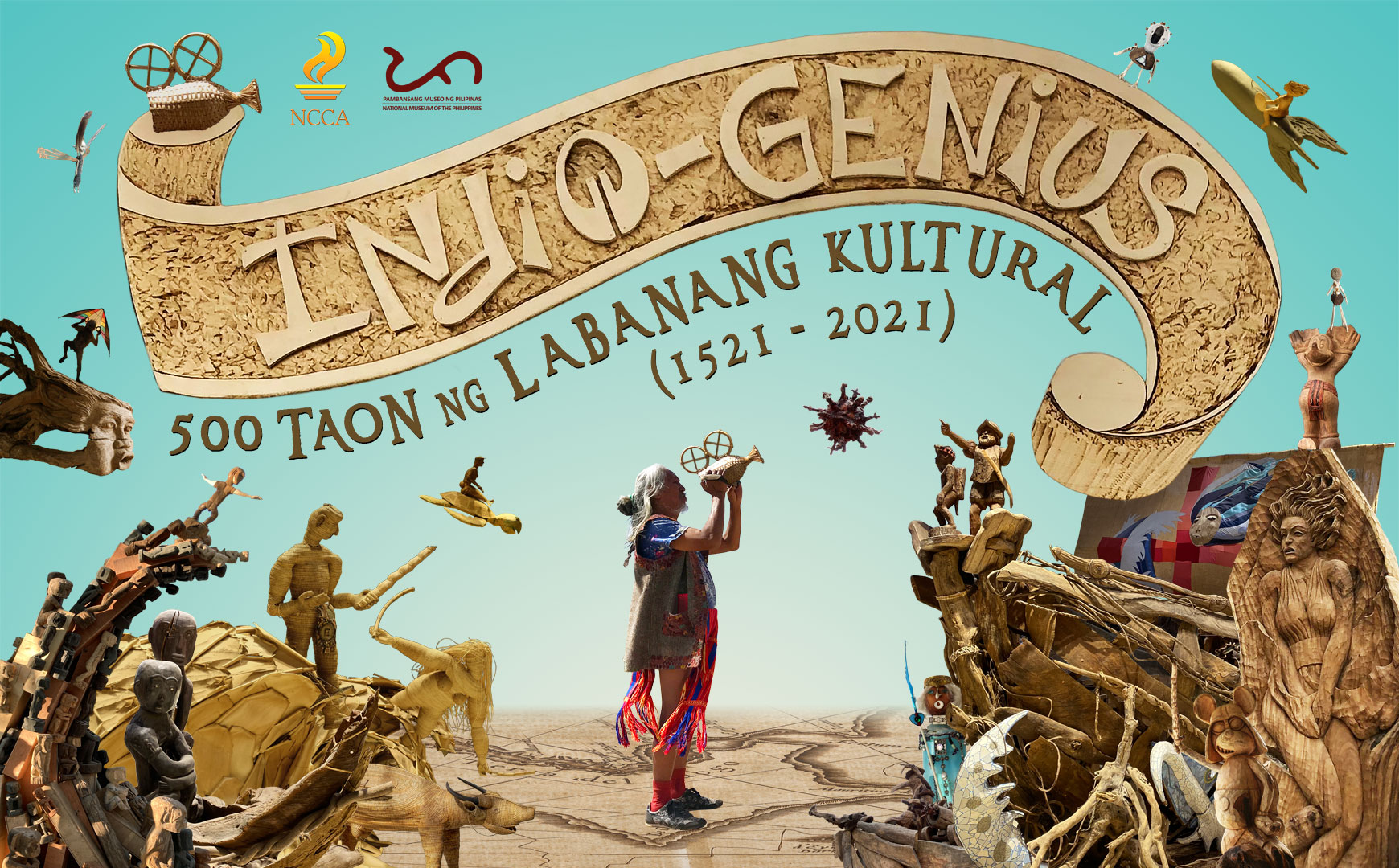
“INDIO-GENIUS: 500 Taon ng Labanang Kultural (1521-2021),” an exhibit of works by National Artist Eric de Guia, better known as Kidlat Tahimik, will open on Oct. 22 at the ground floor and second floor of the National Museum of Anthropology in Luneta, Manila. This exhibition, like his films, revolves around the war on culture, a battle for the soul of the Filipino legacy. The term “indi-genius” was coined by Mr. Tahimik’s Ifugao mentor Lopes Na-Uyac (later changed to “indio-genius” by Mr. Tahimik), referring to the innate brilliance of the Filipino people, especially the indigenous communities. Accepting how embedded Western influence is in Filipinos’ daily life, Mr. Tahimik hopes to balance this with original and authentic local storytelling through Kataas-taasang Kaalamang Katutubo (KKK). The 80-year-old National Artist continues to showcase his “kapa-kapa” technique, a style he is recognized for even in filmmaking. What may seem chaotic to some is actually a free-flowing, instinctive method wherein he follows where his environment leads him and makes use of whatever it provides him instead of enforcing his own plans and designs onto his art.


Opera concert at the Metropolitan Theater

THE METROPOLITAN Theater presents a concert featuring newly conferred National Artist for Music Fides Cuyugan-Asensio on Oct. 22, 7 p.m. Fides Cuyugan-Asensio is a coloratura soprano, actress, director, writer, and teacher. To register to watch for free, visit https://bit.ly/3g8lQCd. For more information, visit https://www.facebook.com/METphOfficial/?ref=page_internal.


Group exhibit at ArtistSpace

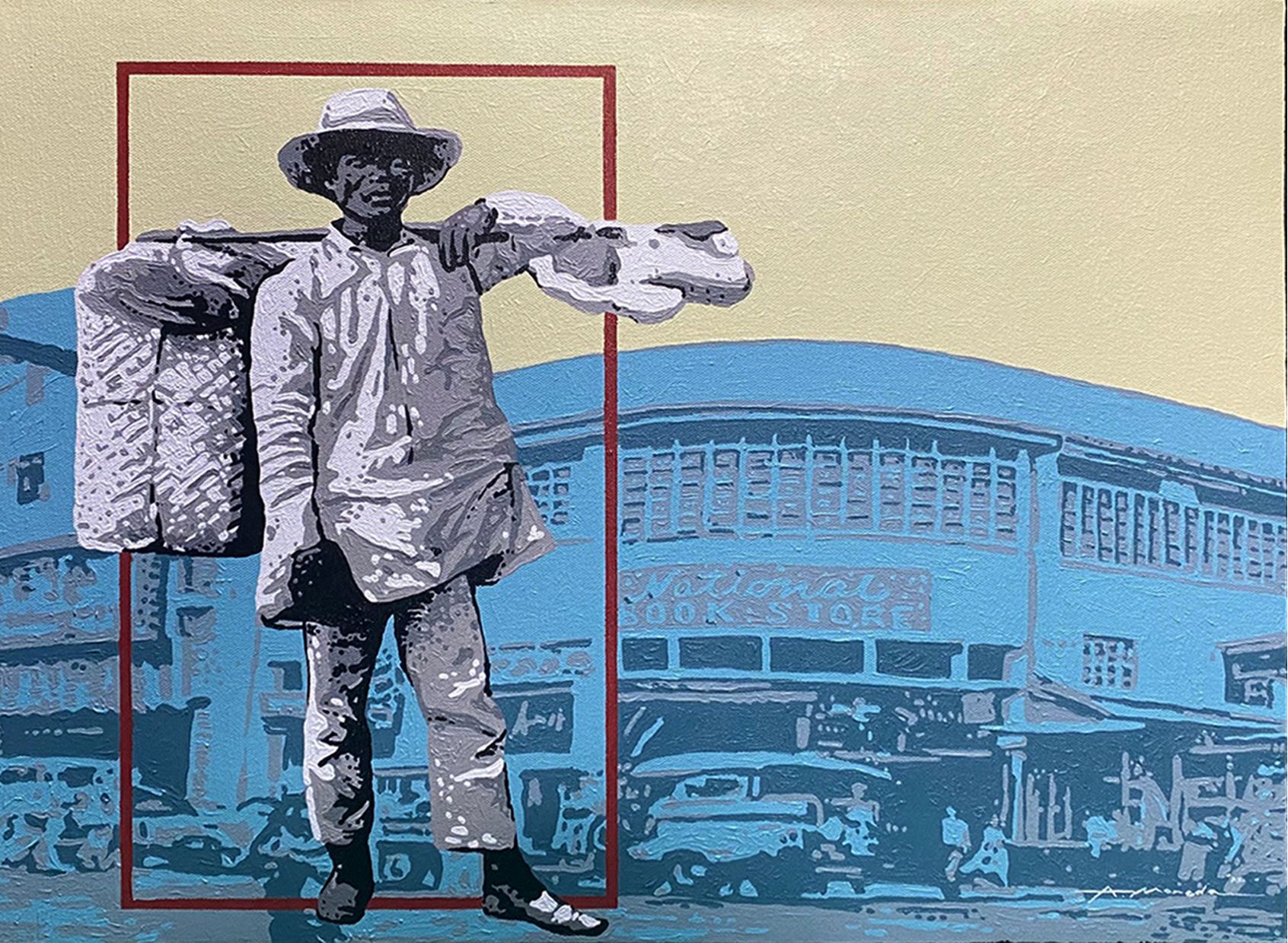
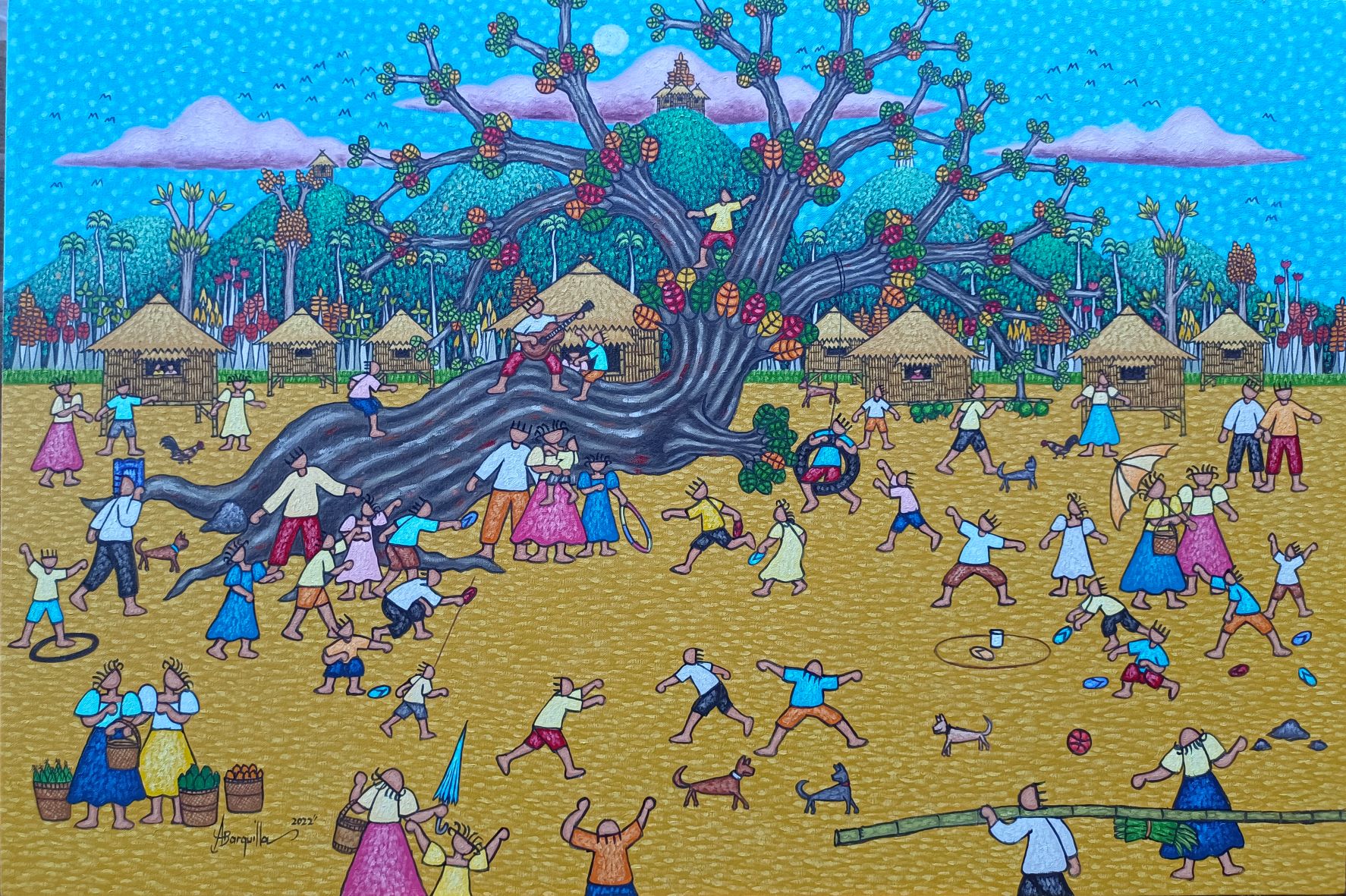
“INTERMINGLING Forces,” presented by Open Art Gallery, is a group exhibition of Filipino visual artists Amador Barquilla, Ann Baldemor-Moneda, Amiel Cagayat, Jonathan Dangue, Francis Nacion, Almer Moneda, Carlo Ongchangco, and Melissa Yeung Yap. It will be on view from Oct. 22 to Nov. 5, with an Artist’s Reception on Oct. 22 at 6 p.m., at the ArtistSpace at the Ground Level, Ayala Museum Annex, Makati Ave. corner De La Rosa St., Greenbelt Park, Makati City. In Philippine Art, evolution is expressed in various forms that are the product of the “intermingling forces” of history, culture, artistic influences from within and without, individual artistry, and the market. Like a spiral, things go seemingly in a circle, but seen from the lens of history, it circles always forward. Such is the case in this exhibit where the artists reflect what resonates with Philippine culture, like those who have before them, but with their individual artistic predilections. ArtistSpace is open daily from 11 a.m. to 8 p.m. Admission is free.


‘Pamumulaklak’ reflects on women’s issues

THE CULTURAL Center of the Philippines (CCP), together with Kababaihan sa Sining at Bagong Sibol na Kamalayan (Kasibulan), presents “Pamumulaklak,” a discussion on cultural works on issues affecting marginal women that resonate with the artworks of visual artist Imelda Cajipe Endaya, on Oct. 22, 3 p.m., at the CCP Main Gallery. The discussion will be live streamed via the CCP and CCP VAMD Facebook Pages. Moderated by Kasibulan member Yllang Montenegro, guest speakers Elaine Clemente, Marra Lanot, and Faye Cura will talk about their past and present engagements on various women’s advocacies such as social justice, women empowerment, ecofeminism, foregrounding of local art, championing of indigenous materials, and the artist’s role as citizen. Ms. Clemente will share about the beginnings of Kasibulan and how its activities became spaces for empowerment, not just of women artists but also of communities. Writer Ms. Lanot will give a historical account of activism by women artists and writers through a pre-recorded sharing about the Concerned Artists of the Philippines Women’s Desk in the early 1980s. Gantala Press’ Faye Cura will present a situationer on women’s issues and struggles, as well as the importance of connecting with grassroot communities and the role of publication in making these connections visible. There will also be pop-up stores featuring artworks, crafts, and books by Kasibulan, Gantala Press, Amihan, and RUWA at the hallways outside the Main Gallery.


Conrad Manila hosts Impy Pilapil exhibit

CONRAD Manila presents “Of Arts and Wine: Traces of Infinity,” an exhibit of works by Impy Pilapil. The 21st edition of the hotel’s “Of Art and Wine” exhibit series, it will open at Conrad’s Gallery C on Oct. 26.


Play tackles HIV stigma

WARD 448, a play written and directed by Rodel Mercado, presents three stories of individuals that have HIV virus. The play depicts the fight-or-flight response of persons infected with this life-threatening disease and how discrimination, ignorance, and stigma exacerbate the predicament of the persons with HIV. The stories are told from the point of view of a news reporter, whose news story covers three RITM in-patients who stay in the same ward. The play stars Carla Mae, Anna Escobia, Justine Torralba, VJ Mendoza, Kevin Posadas, Rey Correjado, Ronnie Martinez, and Roeder Camanag. Director Mercado says: “The production’s main reason for being is that we want to shed light and give the correct information about people with HIV affliction. Yes, we focus on their difficulties and struggles, especially in coming to terms that they have the HIV infection and they manage to maintain their dignity and humanity. WARD 448, produced Frontline Production Inc., will have performances on Oct. 29 and 30, at 3 and 7 p.m., at the RCBC Theater (Carlos P. Romulo Auditorium), 4th Floor, Tower II, RCBC Plaza, 6819 Ayala Ave., Makati City. Tickets are available at ticket2me.net.


Allianz PNB Life reveals new mural

ALLIANZ PNB Life upholds its commitment to sustainable transport and health protection with the recent launch of the new Allianz Ride Safe mural. The mural is located at the Apartment Ridge Underpass in Ayala, Makati. “It’s a beautiful piece of art that really captures the depth of Ride Safe’s sustainability message,” Allianz PNB Life Head of Sustainability Gino Riola said. “Cycling is not just a lifestyle change that vastly improves people’s health. It also contributes greatly to the reduction of carbon emissions and vehicular pollution, and it encourages a sense of belonging in a community that shares in your advocacy. Seeing the mural, it’s a concrete reminder of all these things.” The mural project was done in partnership with AyalaLand, the Makati Business Club, and MACEA. In 2021, Allianz PNB Life partnered with the City of Manila to install bike racks designed to reflect the history of the various locations like Rajah Sulayman Park, Kartilya ng Katipunan, and Intramuros. For more information on Allianz PNB Life’s Ride Safe campaign, visit www.allianzpnblife.ph. 


Kid’s book series on mental health

AHA! Stories, created by MAGIS Creative Spaces, is a book series that aims to comfort children through their anxieties and guide their trusted adults in accompanying them through painful experiences. Sharing narratives of healing and growth, AHA! Stories is drawn from children’s real-life resilience stories from around the world, as witnessed by Dr. Gina Alfonso, the series’ lead author, during her work as a trainer and mental health clinician at Save the Children International. Ms. Alfonso is also the founder of MAGIS Creative Spaces, a social enterprise that specializes in the use of the expressive arts in therapy and psychosocial support services for individuals and organizations. During her time at Save the Children International, Ms. Alfonso witnessed how parents, teachers, and caregivers used her expressive arts programs to help children living in the midst of war or recovering from displacement due to natural disasters or political violence. Expressive arts therapy uses visual art, music, dance, drama, and other forms of creative expression to help both children and adults process difficult emotions and create a change in behavior or thought. This is different from art therapy, which uses only one form of art. First in the AHA! Stories series is a tale from the Philippines titled Ang mga Alon sa Amin (The Waves Nearby), a bilingual book in Filipino and English inspired by the resilience of the Tagbanua community from Sitio Alulad, Culion, Palawan after Super Typhoon Yolanda (Haiyan) struck their community in 2013. Written by Alfonso, Rainey S. Dolatre, and Coleen Ramirez-Panahon, with illustrations by Ianthe Pimentel, it tells the story of Mario, a Tagbanua child who lives near the seashore. After a super typhoon ravages his community, he develops a fear of the waves and avoids the outside as much as he can. It is only when he and his community turn to their traditional songs and dances that he learns to process his anxiety and heal from his pain. At the end of the book, readers will find expressive arts activities that adults can use to talk about the story with their children and to teach them how to manage their own stress. Ms. Alfonso hopes to use a portion of the proceeds from book sales to rebuild a classroom that had provided shelter for the Tagbanua community during Yolanda. This same classroom was depicted in her upcoming book. Ang mga Alon sa Amin is only of six children’s books in AHA! Stories. Coming soon are stories from Haiti, El Salvador, China, Uganda, and Bosnia and Herzegovina. Ang mga Alon sa Amin is available for purchase through bit.ly/ahapreorder-alon. For details visit magiscreative.net or contact MAGIS Creative Spaces at bookings.magis@gmail.com.


Artist with Autism unboxes Shoebox Sketches NFT Collection

ARTIST VICO Cham unveiled Shoebox Sketches. A collection of hand-drawn sketches numbering in the thousands, Mr. Cham started drawing these artworks over two decades ago as a young boy. Kept in his mother’s shoeboxes, these sketches remained largely unknown until recently when they found their home in the most fitting medium as NFTs. According to his mother, Cathy Cham, he has been making an average of 20 sketches every day and continues to do so, amounting to an estimated 143,000 sketches during his lifetime. Of these 143,000, an estimated 8,000 have been located, and over 500 have been digitized and minted as phygital pieces as the first batch of the Shoebox Sketches. The goal of the Cham family is to share these sketches with the world. The Shoebox Sketches will be sold as phygital pieces — NFTs with a physical counterpart. Each purchase of a Shoebox Sketch NFT will also come with the physical sketch mounted on an 8×3-inch acrylic sandwich frame. In addition to the sketches, another collection called the “Cleopatra Collection” will be sold as NFTs backed by physical paintings. All Vico Cham NFT holders will also receive exclusive benefits such as airdrops/giveaways, exclusive content, and other items. Both collections are now listed on Rarible.com. View and buy the collections at https://rarible.com/shoeboxsketchesbyvicocham, and  https://rarible.com/cleopatras. For inquiries, message Telegram:https://t.me/vicochamnfts.

Higher cap on credit card charges to hurt consumers

DCSTUDIO-FREEPIK

RAISING the cap on credit card charges to account for rising interest rates will only benefit banks and hurt consumers, a lawmaker said in Tuesday.

“It’s just going to pad bank profits. Why we would want to adjust 24% per-annum interest rates upward, as if that’s not high enough, is beyond me,” Albay Rep. Jose Ma. Clemente S. Salceda, chairman of the House Committee on Ways and Means, said in a statement.

Mr. Salceda made the statement in response to reports that Bangko Sentral ng Pilipinas (BSP) Felipe M. Medalla said the central bank is reviewing the ceilings on credit card charges as interest rates continue to rise.

He said the net profits of the country’s biggest banks have increased by 12% to 72%, and raising the cap on credit card charges will only benefit them and hurt the middle class.

“I urge Governor Medalla and the Monetary Board to reconsider its efforts to review and possibly increase the rates,” he said.

Mr. Salceda said if the cap is raised, the annual rate will be among the highest in the southeast Asian region.

“In Thailand, the cap is 18% per annum. It’s 17.5% in Malaysia. It’s 28% in Singapore. And Indonesia has the same cap as we do,” Mr. Salceda said.

The BSP in November 2020 imposed a maximum interest rate on unpaid outstanding credit card balance of 2% per month or 24% per year to help consumers amid the coronavirus pandemic.

The cap for the monthly add-on rate that credit card issuers can charge on installment loans was also kept at 1%, while the maximum processing fee for credit card cash advances will remain at P200 per transaction.

These ceilings have been retained as of June this year. The BSP’s policy-setting Monetary Board reviews them every six months.

The BSP has hiked borrowing costs by a cumulative 225 basis points since May to fight rising inflation, bringing its policy rate to 4.25%.

Nicholas Antonio T. Mapa, ING Bank N.V. Manila senior economist, said consumer spending has remained robust despite high inflation due to low charges on credit card transactions. 

“If BSP adjusts the cap, then we could see a similar slowdown in purchases, and thus a similar slowdown in economic activity related to industries that cater to credit cards, which are essentially consumer goods and services,” Mr. Mapa said in an e-mail.

“With a higher price cap, we may see credit card loan growth soften as consumers may shift to cheaper digital alternatives such as e-wallets and online banking,” China Banking Corp. Chief Economist Domini S. Velasquez said in a separate e-mail. — Kyanna Angela Bulan

Central bank allows UITFs with foreign funds to invest in BSP securities

BW FILE PHOTO

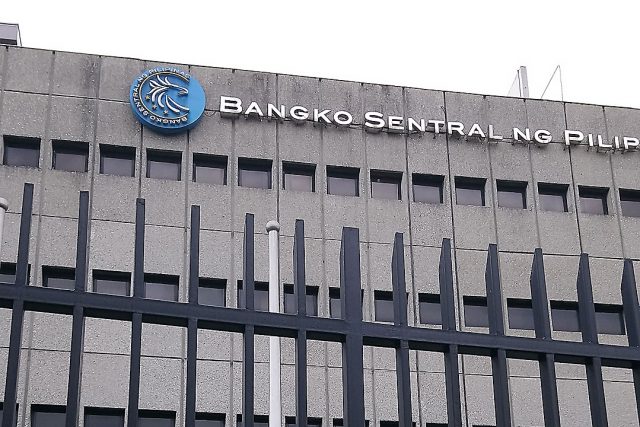
TRUST ENTITIES’ (TE) unit investment trust funds (UITFs) with minimal foreign participants may now invest in central bank-issued securities traded in the secondary market as part of the Bangko Sentral ng Pilipinas’ (BSP) efforts to manage liquidity in the face of rising inflation.

BSP Circular No. 1157 signed by BSP Deputy Governor Chuchi G. Fonacier on Oct. 14 amends the Manuals of Regulations for Banks and for Non-Bank Financial Institutions to allow UITFs with non-resident participants to invest in BSP securities in the secondary market.

“Currently, TEs may invest in BSP securities through their UITFs provided that there are no non-resident participants in the invested UITFs,” Ms. Fonacier said in a statement on Tuesday.

“Under the approved amendments to the regulations, TEs may purchase BSP securities in the secondary market for any UITF in which the share of net assets of non-residents does not exceed ten percent (10%) of the net assets of the fund,” she added.

Ms. Fonacier said expanding the coverage of participants will improve the BSP’s capability to absorb cash in the financial system, allowing central bank-issued securities to become a primary tool for liquidity management.

“The measure is also aimed at ensuring the tradability and viability of BSP securities as a highly liquid instrument, thus allowing for better price discovery and monetary policy transmission,” she said.

“The implementation of this policy supports the BSP’s prevailing monetary policy stance to increase liquidity absorption amid an elevated inflation environment, consistent with the BSP’s exit from monetary accommodation measures in response to the pandemic,” Ms. Fonacier added.

The official said the BSP will monitor the sources of funds placed by trust entities in the central bank’s facilities via reporting requirements.

She said the BSP may revisit trust firms’ access to the secondary market for central bank securities depending on its monitoring and the policy stance and liquidity management strategies of the regulator.

BSP securities are used by the central bank for its monetary policy implementation and liquidity management operations to help steer short-term market interest rates towards the policy rate.

During the height of the coronavirus pandemic, the BSP cut its key rate to an all-time low of 2% to help support the economy.

However, due to rising domestic inflation and the US central bank’s move to normalize its stance, the BSP kicked off its tightening cycle in May and has now raised benchmark rates by 225 basis points so far this year, bringing its policy rate to 4.25%. — KBT