Home Blog Page 5264

MPIF, TMO partnership strengthens Tubbataha marine conservation
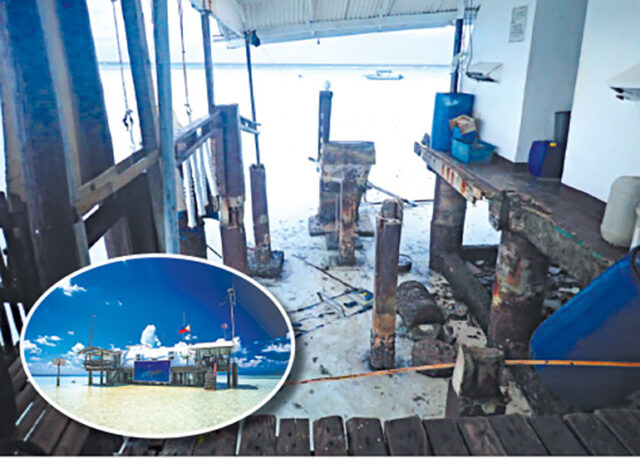
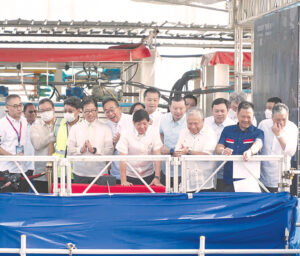
At Christmastime, monster waves and winds battered the 23-year-old Tubbataha Ranger Station. (Inset photo) Metro Pacific Investments Foundation, Inc. committed to provide an additional P1 million this year for the repairs of the heavily-damaged Tubbataha Ranger Station.

Metro Pacific Investments Foundation, Inc.’s (MPIF) commitment to support the conservation of the Tubbataha Reefs Natural Park and World Heritage Site (TRNP) has reinforced its Biodiversity and Habitat Protection, Research, Monitoring, and Restoration program by providing the necessary funding to mobilize ecosystem research, monitoring and enforcement.

From January to September 2022, MPIF has funded two of three of the six annual relieving trips for marine park rangers, including their corresponding subsistence allowance. MPIF’s financial support has also allowed for the Tubbataha Management Office (TMO) to pursue its water quality monitoring and beach forest reforestation initiatives, as well as its equipment and supplies procurement.

“MPIF’s commitment to Tubbataha recognizes that strengthening its marine conservation includes supporting the stewards who work in service of the environment,” said MPIF President Melody del Rosario. “Safeguarding the Philippines’ Crown Jewel entails a collective effort inclusive of all stakeholders and thus benefiting the common people.”

This partnership between MPIF and TMO envisions to result in the improved conservation and protection of Tubbataha by determining ecosystem health, generating sound scientific information, serving as a basis for formulating proactive strategies, measuring biophysical indicators of management effectiveness, and ensuring the Park’s integrity and safety.

On Enforcement and Ecosystem Research

TRNP was named a Ramsar site — a wetland site of international importance — by the Ramsar Convention or “The Convention on Wetlands,” an intergovernmental environmental treaty established in 1971 by UNESCO. The Convention provides the framework for the conservation and wise use of wetlands and their resources.

Placing more importance to this integral biodiversity location, enforcement is one of the key elements in protecting and conserving the TRNP. Beyond funding three relieving trips conducted last April 11, June 8, and December, MPIF financed the subsistence allowances for 51 marine park rangers who were assigned to the park from January to December.

Aside from law enforcement, they were tasked to monitor the population of giant clams, deploy and check the hydrophone, monitor the reefs for bleaching and crown-of-thorns starfish infestation, conduct monthly turtle surveys, check the status of the seabird nesting structures, conduct monthly distance and quarterly direct counts of seabirds, conduct surface and coastal clean-ups, maintain equipment and lighthouse in South Islet, repair and maintain the ranger station, and maintain moorings.
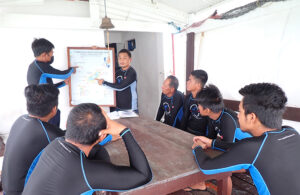
Water quality monitoring and beach reforestation initiatives were conducted to fulfill their ecosystem research and monitoring initiatives. With the assistance of the Palawan Council for Sustainable Development (PCSD) staff, water samples and situated water parameters were collected from the 20 monitoring sites on the reef, inside the lagoon, and in the buffer zone of the park.

The parameters collected included temperature, dissolved oxygen, pH, total dissolved solids, conductivity, and salinity. Water samples were taken to the PCSD Environmental Laboratory for analysis.

Since the saplings planted in Bird Islet in 2021 did not thrive due to the lack of fresh water, excessive pressure from seabirds, and disproportionate amount of sea spray due to rough seas, TMO partnered with residents of Cagayancillo to propagate beach forest trees for planting in Tubbataha during the season. MPIF defrayed the costs of propagation, transportation, and planting of the saplings.

“Our partnership with MPIF has ensured that we continuously value Tubbataha as an integral site for Philippine marine biodiversity. The initial stages of our collaboration have already resulted in beneficial initiatives and we look forward to pursuing equally important efforts for the coming years,” said Tubbataha Reefs Natural Park Protected Area Superintendent Angelique Songco.

At Christmastime, monster waves and winds battered the 23-year-old ranger station so that marine park rangers had to be evacuated to safety by the Western Command. MPIF committed to provide an additional P1 million this year for the repairs of the heavily-damaged Tubbataha Ranger Station.

The new ranger station complex will include the ranger quarters, a research station, and a helipad.

Shore It Up!’s commitment to Tubbataha Reefs Natural Park is aligned with Gabay Kalikasan, one of the MVP Group’s Gabay Advocacies for a Sustainable Philippines. It is also in line with MPIC’s efforts to contribute to the United Nations Sustainable Development Goals (SDG), particularly SDG 14 Life Below Water, 15 Life on Land, and 17 Partnerships for the Goals.

This partnership bolsters MPIF’s role alongside MPIC, as the largest catalyst for a Sustainable Philippines, aimed to improve the lives in the country through providing essential services and mobilizing advocacies that uplift the quality of life of all Filipinos.


Spotlight is BusinessWorld’s sponsored section that allows advertisers to amplify their brand and connect with BusinessWorld’s audience by enabling them to publish their stories directly on the BusinessWorld Web site. For more information, send an email to online@bworldonline.com.

Join us on Viber to get more updates from BusinessWorld: https://bit.ly/3hv6bLA.

A storied history of public service

www.facebook.com/DOTrPH

The Department of Transportation (DoTr) has one of the most illustrious histories of public service, having been founded under the Malolos Constitution on Jan. 21, 1899, making it one of the country’s earliest government organizations.

As the primary policy, planning, programming, coordinating, implementing and administrative entity of the executive branch of the government, the DoTr is mandated to promote, develop and regulate a dependable and coordinated network of transportation systems, as well as ensure a fast, safe, efficient and reliable public transportation service for the Filipino people.

The DoTr is essential in the nation’s ongoing pursuit of economic growth. By creating effective and efficient transportation infrastructure systems that bridge the physical and geographical gap and link the nation, its islands, and its people to the rest of the globe, the agency supports growth and strengthens the nation’s competitive edge.

“Since its dawn up to now, the DoTr has been indefatigable in its thrust towards delivering a fast, reliable, safe, affordable, comfortable, and accessible transportation system across the country, through the realization of the much-needed transport infrastructure projects, programs, and initiatives,” the department said in a statement on celebrating its 124th founding anniversary.

In the department’s annual report for 2021, nearing the end of President Rodrigo R. Duterte’s term, former Transportation Secretary Arthur P. Tugade expressed his pride at the agency’s achievements in recent years.

“Numbers do not lie. And we have the proverbial numbers to prove that we have perhaps imprinted a legacy of unprecedented transformational initiatives in our public transport system,” he wrote in the report.

“The projects we completed and the transformational initiatives we implemented have painted the colors to what was once a dream. Our earnest hope is that the legacy we will leave behind will create an indelible impact that will benefit Filipinos in the generations to come.”

According to Mr. Tugade, the DoTr has completed 233 airport development projects and 484 seaport development projects in his term of office, all of which have enabled the agency to improve further mobility and connectivity across regions. These projects were pursued with inclusivity in mind, giving recognition and importance to a vast regional development push sans the politics and economic class status.

“Now, our people are enjoying the experience of world-class airports and seaports in major urban areas. At the same time, modernization and rehabilitation of rural gateways and maritime ports were pushed, with some of them ongoing now,” he said.

Among these accomplishments are “game-changing” projects like the massive North-South Commuter Railway (NSCR) system in the country’s railways. This major transport infrastructure project is expected to become the backbone of Luzon’s mass transport system, with its eventual integration with LRT-1, LRT-2, and MRT-3.

Another project Mr. Tugade also mentioned to be on track is the mammoth Metro Manila Subway project, the very first, long overdue subway rail system in the country. This is alongside the construction of vital Light Rail links such as MRT-7 (Quezon City to Bulacan via Commonwealth Avenue), LRT-1 Cavite Extension, and the Unified Grand Central Station or “Common Station,” which he is proud to admit are all proceeding apace and on schedule.

Approval for the construction of MRT-4 has also been secured as the department inaugurated the LRT-2 East Extension project in 2021.

“Indeed, these enormous railway projects herald the Golden Age of Infrastructure of our country. They are undeniably big-ticket projects that should have been done long ago but are now real, tangible, and will enable us to catapult and elevate to modernity, global recognition, and genuine progress,” Mr. Tugade said.

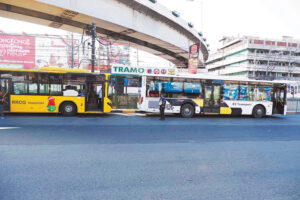
For the country’s road transport system, the DoTr has pursued improvements and upgrades to the systems like the innovative EDSA Busway and has introduced eco-friendly global concepts such as the 500-kilometer bike lanes in major cities. Green lanes in select routes and roadways have also been planned.

Meanwhile, there are needed changes being implemented and instituted in the nation’s driver’s education and licensing programs, including giving the 10-year driver’s license validity to those who can qualify alongside introducing a more rigid and thorough vehicle inspection. These efforts hope to ensure the roadworthiness of vehicles and their drivers, as well as minimize road accidents. RFIDs are also now widely used in of the country’s toll expressways.

“All these initiatives were instituted and accomplished despite the pandemic that prevailed in 2021, which truly tested the limits of our patience, tolerance, resources, and our willingness to overcome such challenges,” Mr. Tugade said.

“The enduring effect of COVID-19 has made it more challenging to navigate and manage our public transport system, given the need to strike a balance between public health and safety against the vital economic need of our people for mobility and connectivity. But we believe that with our commitment to excellence, our passionate dedication, and resolute will to achieve and surpass expectations, we were able to overcome the challenges of the times.”

“And more than the actual work we have done, our sense of pride and accomplishment comes from fulfilling our mandate…to give our people the experience and opportunity of a more comfortable life. For this alone, we take a bow in front of the Filipino people and proudly say that your Department of Transportation has given its all to rendering the best public service you deserve,” he added.

Launching of the Metro Manila Subway Project’s tunnel boring machine last November 2022, led by President Ferdinand R. Marcos, Jr. and Secretary Jaime J. Bautista

Under a half year-old administration of Ferdinand R. Marcos, Jr. and now under the leadership of Secretary Jaime J. Bautista, the DoTr is celebrating its 124th anniversary with a message of a commitment to “1 Vision and Mission, 2 Build Better More, 4 the Filipino People.”

Looking back at 124 years of history

When a Congress general assembly approved the establishment of the Malolos Constitution, the DoTr had become part of the First Philippine Republic’s Council of Government. Gracio Gonzaga served as the Secretary of Public Welfare, which covered the transportation and communications portfolio, from Jan. 21, 1899, to May 7, 1899, during the time that Apolinario Mabini was the President of the Cabinet (i.e., Prime Minister).

From there, the DoTr — under many different names, including the Department of Commerce and Police, Department of Commerce and Communications, and Department of Public Works and Communications — has been part of Philippine history since.

In 1901, the Philippine Commission established the Department of Commerce and Police, which encompassed the functions of transportation and communications, transferring the management of public property and revenue, and the use of all public means of transportation from the US Army where it had been during the American occupation back to civilian authority.

The Philippine Bill of 1902, or the Philippine Organic Act, then authorized the government of the Philippine Islands to provide for the needs of commerce. This included improving harbors, constructing maintaining bonded warehouses, wharves, piers, lighthouses, signal and life-saving stations, buoys, and like instruments of commerce, as well as to adopt and enforce regulations.

In 1901, the Reorganization Act 2666 as amended by Act No. 2803 gave birth to the Department of Commerce and Communications, consisting of the Bureau of Commerce and Industry, Bureau of Supply, Bureau of Public Works, Bureau of Posts, Bureau of Labor and Bureau of Coast and Geodetic Survey.

Gov. Gen. Francis presided over the formation of the first cabinet made up of Filipinos in 1917, which then appointed Governor of Cebu Dionisio Jakosalem to serve as Secretary of Commerce and Communication. His term as governor of Cebu was highlighted by the construction of highways and government facilities. He is recognized with building the highways that connect the province’s southern and northern regions.

The Philippine Legislature through Act No. 4007, renamed the Department of Commerce and Communications into the Department of Public Works and Communications.

Following the establishment of the Commonwealth Government, the Bureau of Public Works, Ports, Aeronautics, Coast and Geodetic Survey, Metropolitan Water District Division of Marine, Railway and Repair Shop, National Radio Broadcasting, Irrigation Council, and Board of Examiners for Civil, Mechanical, Chemical, and Mining Engineers were added to the Department of Public Works and Communications.

President Manuel Quezon issued Executive Order 396 during the Japanese occupation, which reorganized and grouped the cabinet. With Basilio Valdes as secretary, the Department of Public Works and Communication was renamed to the Department of National Defense, Public Works, Communications, and Labor. The agency would keep this name until it was named back in 1945.

The department saw an upheaval under the 1973 Constitution under President Ferdinand E. Marcos, Sr., which saw a parliamentary form of governance established and departments renamed into ministries, establishing the formal ministry system. Hence, the Department of Public Works and Communications became the Ministry of Public Works, Transportation and Communications (MPWTC).

To redefine the roles and priorities of each government ministry, President Marcos issued Executive Order 546 that divided the Ministry of Public Works, Transportation and Communications (MPWTC) into two agencies, the Ministry of Public Works and Highways (MPWH) and the Ministry of Transportation and Communications (MoTC). Minister Jose P. Dans served as head of the MoTC.

When President Corazon C. Aquino assumed her position, the ministry was reverted back to a department. The DoTC was then put under the helm of leadership of Secretary Jesus B. Garcia in 1992, and has since seen a significant growth in terms of investments, facilities and technology onwards.

The government’s program of liberalization attracted domestic and international investors, ushering in new resources and technologies in, among other areas, the communications and transportation industries. In order to undertake its infrastructure projects, the department interconnected the various modes and technologies within its area of control in accordance with the multi-modal/multi-gateway approach, which brings the DoTr to where it is today. — Bjorn Biel M. Beltran

Plans towards improved transport

The ongoing LRT-1 Cavite Extension project, which is expected to reduce travel from Baclaran to Bacoor, Cavite from one hour to 25 minutes

Transport is widely seen as a fundamental driver of the economy as it significantly impacts the everyday lives of people. Such systems provide access to goods and opportunities, both for people and businesses, in various locations. Thus, on one hand, substandard transport systems could affect economic activities and people’s lives.

The Philippines’ transport system is notorious for the struggles with time-consuming traffic and commutes as well as in international airports.

Having the role to maintain and expand the transport system in the Philippines, the Department of Transportation (DoTr) is seeking to provide a “fast, reliable, safe, affordable, comfortable, and accessible transportation system across the country” by recognizing the need to carry out projects, programs, and initiatives centered on transport infrastructure. As such, under the new government administration, what then are the infrastructure plans that have been mapped out to provide an improved transportation system in the country?

In his first State of the Nation Address (SoNA) on July 25, President Ferdinand “Bongbong” R. Marcos, Jr. said that the previous administration’s flagship infrastructure program Build, Build, Build would be continued, as well as the current administration’s commitment to finish the development of railway projects and the continuation of roads and transportation systems improvement.

“The infrastructure program of the Duterte administration must not only continue but, wherever possible, be expanded. We shall confidently build on this firm foundation established by my predecessor. As it is in building an edifice. We must keep the momentum. And aspire to ‘Build Better More,’” he said.

In expanding the infrastructure projects, the President said the private sector’s participation could help make it possible, adding that public-private partnerships (PPPs) have “great potential” for infrastructure development expansion and for innovation.

President Marcos also believed that “some great opportunities” have been missed in the development of the rail transport system.

“It is clear in my mind that railways offer great potential as it continues to be the cheapest way of transporting goods and passengers. We can build upon already existing lines by modernizing these old railway systems,” he said.

“There are dozens of railway projects — on the ground, above the ground, below ground, not just in Manila, but in other regions — at various stages of implementation, and with a combined cost of P1.9 trillion,” he added.

The administration is thus committed to finishing approved railway projects, including the North-South Commuter Railway System, Metro Manila Subway Project, North-South Commuter Railway System, LRT-1 Cavite Extension, MRT-7, and the Common Station.

Furthermore, larger-scale railway systems outside Metro Manila, which include the Mindanao Railway Project, Panay Railway Project, and Cebu Railway System, would be “integrated as a vital part of our transport and communications systems,” he added.

Mr. Marcos also said that the improvement of roads and transportation systems in key cities would carry on. Among these projects are the Cebu Bus Rapid Transit, Davao High Priority Bus System, Ilocos Norte Transportation Hub, and El Nido Transport Terminal.

“My order to the Department of Transportation or DoTr is really very simple: full speed ahead!” the President said.

“Improving our railway system, along with modernizing existing airports and seaports, will maximize our strategic location in the Pacific. And connect our many islands,” he added.

Additionally, one of the near-term goals in the Marcos administration’s eight-point socioeconomic agenda is to “protect purchasing power and mitigate socioeconomic scarring.” And this would involve, among others, reducing transport and logistics costs.

For the reduction of such costs, according to the Department of Budget and Management, P976.5 billion should be allocated to improve transportation through the administration’s ‘Build, Better, More’ program. The Department of Public Works and Highways (DPWH) would receive P894.2 billion, while P82.3 billion for the DoTr.

Tramo station within the EDSA Busway route

Meanwhile, in the Philippine Development Plan (PDP) 2023-2028, the country’s transportation system improvement and expansion are embodied to make it “safe, convenient, accessible, modern, and efficient,” according to the DoTr.

The department said in a statement that among the strategies that the plan would implement is active transport infrastructure development like segregated lanes, bike-only roads, shade trees, showers, widened sidewalks, and at-grade pedestrian crossings.

There is also a focus on the establishment of mass transportation systems, which include railways, bus rapid transit, and ferries, while also involving high levels of service, universal accessibility, gender inclusivity, sustainability, seamless intermodal transfers, last mile connectivity, and an interoperable national automated fare collection system.

Also among the strategies, according to the DoTr, is the strengthening of the nautical highway. This would involve the expansion of seaports to have the capacity for more and larger roll-on/roll-off vessels, as well as the development of logistics infrastructure like cold chain facilities to support agriculture and trade. The upgrade of existing airports and the creation of new ones, which would be focusing on safety, levels of service, promotion of tourism, and future-proofing, are also sought.

The PDP 2023-2028, approved last month by the National Economic and Development Authority Board, is the country’s blueprint for development planning for the said years.

Last month, the DoTr also conducted a two-day department-wide strategic planning workshop, aiming to come up with a six-year national transport plan. — Chelsey Keith P. Ignacio

Philippine growth best since 1976

PHILIPPINE STAR/ MICHAEL VARCAS

By Luisa Maria Jacinta C. Jocson, Reporter

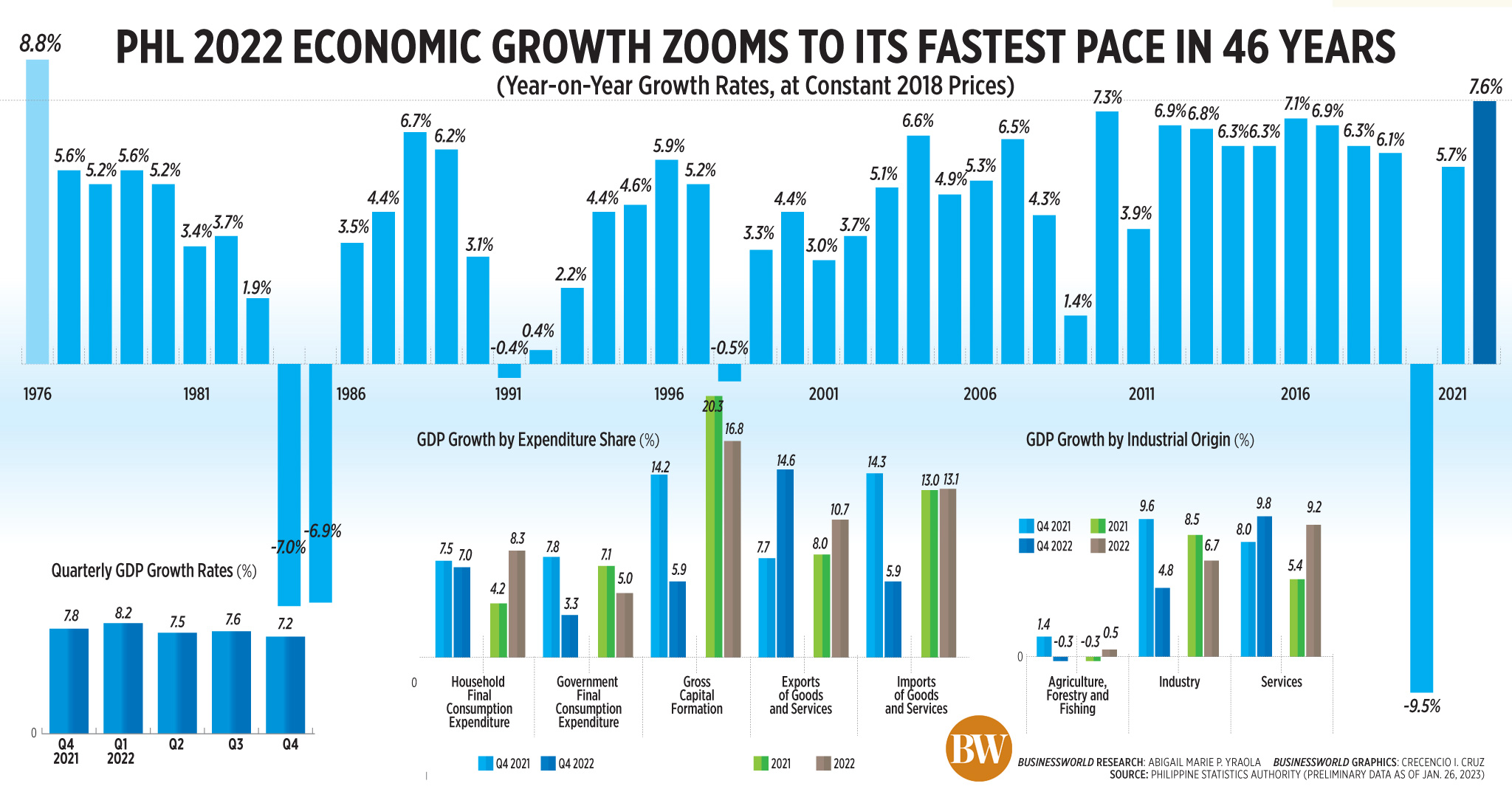
THE PHILIPPINES weathered record inflation and interest rate increases last year by posting the fastest economic growth since 1976 — one of the strongest in Asia amid a dreary global outlook.

Economic output grew by 7.2% in the three months through December from a year earlier, according to the local statistics agency, bringing the full-year expansion to 7.6%. This was better than the 7.5% estimate by economists in a BusinessWorld poll.

Services and consumption boosted the economy last year as more businesses were allowed to fully reopen amid falling coronavirus infections.

PHL 2022 economic growth zooms to its fastest pace in 46 years

The government expects the economy to continue growing, National Economic and Development Authority Secretary Arsenio M. Balisacan told a news briefing on Thursday.

Philippine stocks fell by 0.54% or 38.66 points to close at 7,042.70, while the peso ended at P54.40 a dollar — the strongest in more than seven months.

“Our robust performance in the fourth quarter reflected strong domestic demand, with three-fourths contributed by household consumption and almost a fifth by investment,” Mr. Balisacan said.

Improving labor market conditions, increased tourism, “revenge” and holiday spending, and face-to-face classes bolstered growth last quarter, “further reflecting a solid rebound in consumer and investor confidence in the economy,” he added.

The country’s 2022 economic performance exceeded the government’s 6.5-7.5% goal and was faster than the 5.7% growth a year earlier. It was the quickest growth since 8.8% in 1976, according to government data.

Among Asian countries that released fourth-quarter gross domestic product (GDP) growth, the Philippines grew the fastest, followed by Vietnam at 5.9% and China at 2.9%, Mr. Balisacan said.

On a seasonally adjusted quarterly basis, GDP grew by 2.4% — slower than 3.3% in the third quarter.

How each segment contributed to Q4 2022 GDPInflation was one of the major challenges the economy faced last year, Mr. Balisacan said. “If not for the relatively high inflation and high prices, growth could have been higher by another one to two percentage points.”

Inflation quickened to a 14-year high of 8.1% in December, bringing the full-year average to 5.8%, which was also a 14-year record. December also marked the ninth month in a row that inflation breached the central bank’s 2-4% target.

Mr. Balisacan said the country faced supply chain disruptions, while the agriculture sector was battered by typhoons and animal diseases. “There are shortages both in the local economy and global market that led to an unprecedented increase in prices in agricultural products.”

But domestic consumption remained strong as the economy reopened. It expanded by 7% in the fourth quarter, slightly slower than 8% in the third quarter and 7.5% a year earlier. For the full year, household consumption rose by 8.3% from a year earlier.

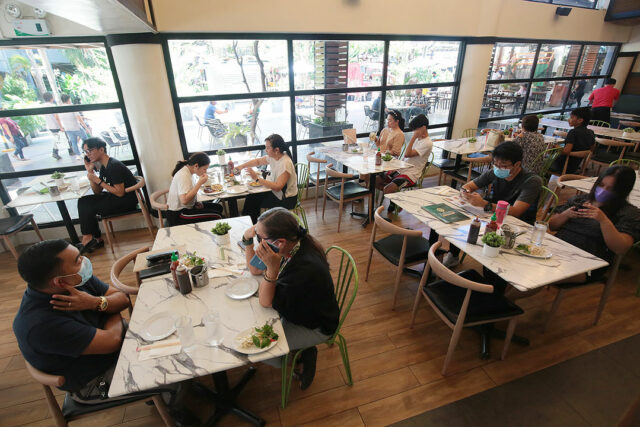
Restaurant and hotel spending contributed the most to household expenditures, having gone up by 24.7% last quarter, National Statistician Dennis S. Mapa told the same briefing. “We saw in the fourth quarter a lot of Filipinos traveling, so more food was consumed outside the household.”

Government spending also rose by 3.3%, better than 0.8% in the third quarter but slower than 7.8% a year earlier. For the full year, state spending growth eased to 5% from 7.1% a year earlier.

Investors are “excited” about rising consumption in the Philippines, HSBC Philippines Chief Executive Sandeep Uppal told a Philippine economic briefing in London that was streamed live late Thursday.

Multinational companies look for opportunity, growth and returns, he said. “Multinationals look for production, rising consumption, rise of services. The Philippines grabs all three of them — manufacturing, consumption, services.”

Gross capital formation, the investment component of the economy, grew by 5.9% last quarter, though slower than 21.8% in the third quarter and 14.2% a year ago. Full-year growth was 16.8%, slower than 20.3% in 2021.

Exports jumped by 14.6% during the quarter, while imports grew by 5.9%. For 2022, exports expanded by 10.7%, while imports rose by 13.1% year on year.

On the production side, services and industry remained the main growth drivers.

“The growth in domestic demand was met by expansion in the service and industry sectors, with production in most subsectors back to their pre-pandemic levels,” Mr. Balisacan said.

Service growth was mainly driven by wholesale and retail trade, manufacturing and construction boosted industry growth, he added.

Services rose by 9.8% last quarter, while industry grew by 4.8%.

Agriculture, forestry and fishing contracted by 0.3% from a 2.1% expansion in the third quarter and 1.4% growth a year ago.

“Agricultural output slightly declined in the fourth quarter, highlighting the need to strengthen the sector’s productivity and resilience against natural disasters, animal diseases and climate change,” Mr. Balisacan said.

All sectors grew year on year. Services jumped by 9.2%, industry expanded by 6.7% and agriculture grew by 0.5%.

DIFFICULT YEAR AHEAD
Makoto Tsuchiya, an assistant economist at Oxford Economics, said in an e-mailed note fourth-quarter growth was more resilient than expected after household consumption and exports did better.

“So-called ‘revenge spending’ extended into the holiday season when face masks and limited capacity restrictions were no longer required,” ING Bank N.V. Manila Senior Economist Nicholas Antonio T. Mapa said in an e-mailed note. “Household spending grew in the face of multi-year high inflation, powered by yet another quarter of double-digit growth for restaurants and hotels.”

Despite better-than-expected 2022 growth, analysts said that the economy would face more headwinds this year amid an anticipated global slowdown.

The World Bank expects global growth to slow to 1.7% this year amid worsening financial conditions and the war in Ukraine. This could push the world into a global recession, it said.

“The slowdown is already showing itself amidst the expectation of a global recession resulting in weaker external demand, not to mention the potential drag of higher interest rates and elevated inflation,” Ruben Carlo O. Asuncion, chief economist at UnionBank of the Philippines, Inc. said in a Viber message.

“Although fourth-quarter GDP growth was impressive, we believe that momentum is starting to show signs of moderating amidst a challenging environment of still high inflation, elevated borrowing costs and tight fiscal space,” Mr. Mapa said.

Capital Economics Senior Asia Economist Gareth Leather said the Philippines faces a difficult year ahead.

A sharp reversal in pandemic-induced demand for electronics, which accounts for 40% of exports, and the slowing global economy would mean struggling exports in the next quarters, he said in an e-mailed note. “The consumer sector is also likely to struggle.”

“On the domestic front, the initial boost from pent-up demand will start to fade in the coming quarters,” Mr. Tsuchiya said. “Although easing, elevated inflation will continue to strain real purchasing power. Slowdown in the global economy will also weigh on goods exports, which in turn will weigh on investment appetite of export-oriented manufactures.”

Strong household consumption would be difficult to replicate this year, said Miguel Chanco, chief emerging Asia economist at Pantheon Macroeconomics.

“Partly because it was built on an untenable vertical spike in consumer credit growth, as well as a temporary boost to remittances in local-currency terms by the sharp sell-off in the peso,” he said in an e-mail note.

The government targets GDP to grow by 6-7% this year.

Report cites overcrowded Philippine oil market

PHILIPPINE STAR/ MIGUEL DE GUZMAN

PHILIPPINE DEMAND for oil would probably grow at an average 3.4% between 2022 and 2031, according to Fitch Solutions Country Risk and Industry Research, citing the country’s overcrowded market.

“Net imports are anticipated to grow at around 3.5%, more or less closely in line with demand growth,” it said in a report dated Jan. 25.

Oil product imports are expected to hit 78% of total fuel consumption this year amid a relatively strong recovery in oil demand since 2021, it added.

The country’s “relatively small oil market” has dampened industry profitability, demand and growth, Fitch Solutions said.

“The Philippines’ demand for oil products has not been growing fast in spite of a growing economy and population,” it said. “Oil product demand stayed relatively at around 450,000 barrels per day (bpd) for the past years, growing by an annual average rate of 3.3% between 2010 and 2021.”

Potential demand growth for transport fuel such as gasoline and diesel has been hampered by the higher ratio of motorbikes compared with cars. Oil demand growth has also been hindered by the increasing use of biofuels, it added.

The Philippine oil market is overcrowded, with many players involved in oil distribution and trade, according to the report.

There were 167 fuel importers and 157 bulk distributors in the Philippines at the end of 2021, according to the Department of Energy (DoE), Fitch Solutions said, citing Energy department data. “Refiners faced increased competition from industry players in wholesale and retail markets where they are free to set oil product prices and sales of smuggled fuels is rampant.”

It also cited the country’s fragmented oil market, with more importers, wholesale and retail players.

“Companies like Phoenix, Unioil, Insular and Seaoil are gaining market shares, far outpacing legacy players like Chevron,” according to the report.

In 2021, about 61% of the oil market was controlled by a fragmented group of importers and end-users, with the remaining market share held by Petron Corp., Pilipinas Shell Petroleum Corp. and Chevron Philippines, Inc. it added.

“In light of refining capacity losses, the long-term security of supply has become a growing concern for the government as it seeks to build strategic petroleum reserves for oil emergency use,” Fitch Solutions said.

“We anticipate a sharp rise in oil product imports if the state-owned Philippine National Oil Co. goes ahead with investment in the strategic petroleum reserve project, in addition to imports by current industry players,” it added. 

Fitch Solutions said the Philippines was expected to attract downstream refining players due to price decontrols after the passage of the Downstream Oil Industry Deregulation Act, but this did not materialize.

“Deregulated oil markets are supposed to attract downstream players, but refiners in the Philippines had instead chosen to divest from refining assets and permanently closed their refineries.”

Meanwhile, Fitch Solutions warned that the Philippines could be the only market in Southeast Asia without an operating refinery if Petron Corp. decides to close its refinery in Bataan.

“It remains uncertain whether Petron will keep running its lone refinery for a longer period of time if refining profits are unfavorable amid rising competition from industry players,” it said. “The Philippines could be left as the only market in Southeast Asia without an operating refinery if Petron decides to call it quits sometime in the future.”

Fitch Solutions said the country had a lower refining capacity as refined fuel production dropped to 79,000 bpd in 2021 from 236,000 bpd in 2018, with the low refining capacity gaps worsened by lower refinery use rates.

“Petron has strong incentives to hike refinery utilization rates in light of growing shortages in domestic supply, but it is not likely to do so given the challenges of distribution across the archipelago, which is critical to securing market shares in the Philippines’ oil market,” it added. — Revin Mikhael D. Ochave

December trade gap widens; full-year deficit hits record 

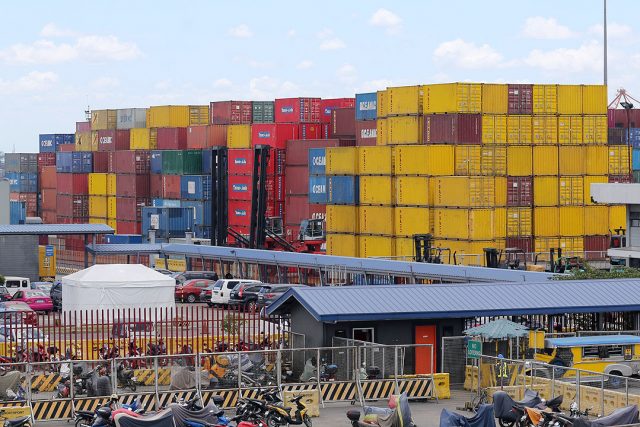
PHILIPPINE STAR/EDD GUMBAN

THE PHILIPPINE trade deficit widened in December from the previous month after exports declined to the lowest in more than two years, while imports continued to fall for the second straight month, the Philippine Statistics Authority (PSA) said on Thursday.

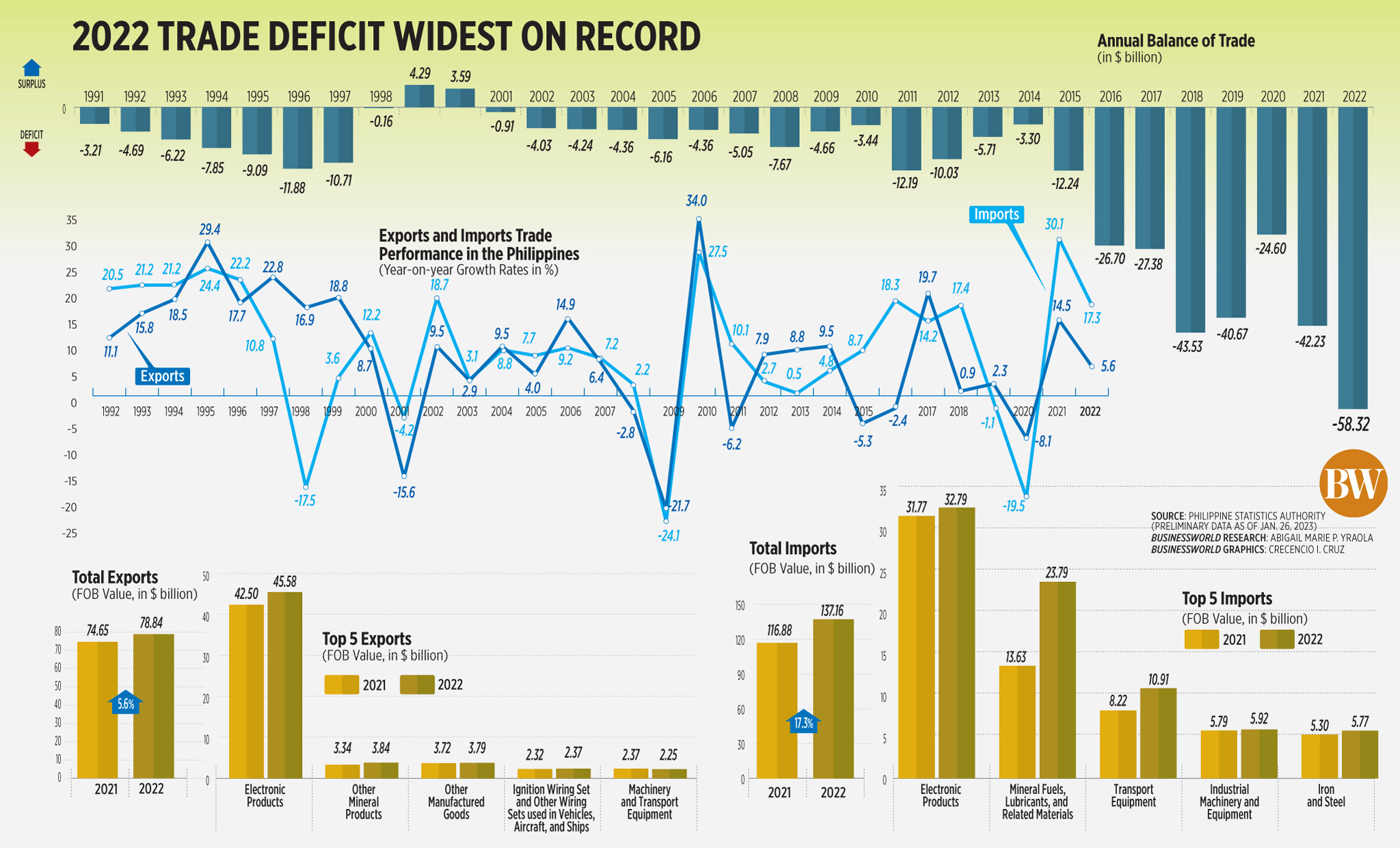
This brought the 2022 trade balance to a record $58.32-billion deficit, higher than the $42.23-billion gap a year earlier.

The value of merchandise exports fell by 9.7% year on year to $5.67 billion in December from a year earlier, ending three straight months of growth.

Philippine Merchandise Trade Performance (Annual)

Last month’s export decline was a reversal from 13.2% growth in November and 7.3% advance a year ago. It was also the sharpest drop in more than two years. By value, December exports were the lowest since February 2021.

Merchandise imports also declined for the second straight month by 9.9% to $10.26 billion in December, the steepest in 23 months. It was worse than the 1.6% fall a month earlier and a turnaround from 37.2% growth a year earlier. Import value that month was the lowest in 10 months.

This brought the trade-in-goods deficit — the difference between the value of exports and imports — to $4.6 billion in December, narrower than the $5.12-billion gap a year earlier. On a monthly basis, last month’s trade gap widened from November’s $3.71 billion.

Total trade — the sum of exports and imports — also fell by 9.9% to $15.93 billion in December from a year earlier. It was the first decline since January 2021 and the sharpest since October 2020. Trade value was the lowest in 19 months.

For 2022, exports rose by 5.6% to $78.84 billion from a year earlier, while imports grew by 17.3% to $137.16 billion. Export growth was better than the state’s 4% growth estimate, while import growth was below its 20% goal.

2022 trade deficit widest on recordTotal trade for the year rose by 12.8% to $215.99 billion from a year ago.

Manufacturing goods, which fell by 10.9% year on year to $4.52 billion, accounted for 80.7% of total exports in December.

Electronic products dropped by 13.9% to $3.17 billion, accounting for more than half of the month’s exports and 69.2% of manufactured goods.

Semiconductors also fell by 12.8% to $4.41 billion for a 42.4% share and accounting for 76% of electronic products.

Meanwhile, imports of raw materials and capital goods, which had a 36.1% share in the total last month, fell by 22% to $3.71 billion. Capital goods dropped by 11.4% to $2.88 billion.

China was the main destination of Philippine-made goods in December that hit $980.84 million, accounting for 17.3% of the total. It was followed by US (14.3%) and Japan (14%).

China was also the main source of imports that month at $2.33 billion (22.7%), followed by Indonesia at 10.4% and Japan at 7.9%.

Aside from weaker global markets, global inflationary pressures had affected the country’s major markets, Cid L. Terosa, a senior economist at the University of Asia and the Pacific, said in an e-mail.

He also attributed last year’s trade deficit to volatile foreign exchange, shaky commodity prices, higher oil prices and weaker global markets. Import growth also dropped due to supply chain and production concerns.

The government should diversity its commodities and markets to cut the trade gap, he said.

Robert Dan J. Roces, chief economist at Security Bank Corp. expects a wide trade gap this year, which would probably put pressure on the peso.

“The base case is for moderating trade performance in 2023 amid elevated inflation and interest rates in the first semester,” he said, citing slowing growth here and overseas.

“However, China’s full reopening by the second half is incrementally good for trade overall but may not be enough to push up full-year growth,” he said in an e-mail. — Bernadette Therese M. Gadon

Monde Nissin to buy 15% stake in Figaro Coffee

By Justine Irish D. Tabile, Reporter

MONDE Nissin Corp. is acquiring a 15% stake in Figaro Coffee Group, Inc. (FCG) for around P820.27 million in a move analysts see as helping expand the companies’ business reach.

“We are excited with the opportunity to become shareholders in FCG as it provides a greater exposure to the food service sector which we view as a potentially attractive avenue for further growth both here in the Philippines and abroad,” Monde Nissin Chief Executive Officer Henry Soesanto said in a media release on Thursday.

In a regulatory filing on Thursday, FCG whose main business unit operates and franchises a network of retail restaurants said its board approved on Jan. 25 the issuance of about 820.26 million common shares to Monde Nissin at a peso each.

Monde Nissin separately told the stock exchange that its board delegated to its executive committee the subscription to the FCG shares.

With the announcement, shares in FCG climbed by five centavos or 5.62% to close at P0.94 apiece. Monde Nissin slipped by 36 centavos or 2.52% to P13.94 each.

FGC Chairman Emeritus Jerry Liu said his group welcomes the partnership with Monde Nissin.

“[W]e believe a combination of their leadership in the food sector, strength in manufacturing and timeless brand equity, combined with our fast-growing store network and brand strength will yield excellent opportunities for Figaro Coffee Group to solidify its position as a very strong and stable [food and beverage] company,” he said.

According to Mr. Soesanto, the partnership will help in enhancing the procurement capabilities of FCG, the parent of Figaro Coffee Systems, Inc., which operates Figaro Coffee, Angel’s Pizza, Tien Ma’s, The Figaro Group Express outlet, and Cafe Portofino.

Meanwhile, analysts expect the deal to benefit both sides, with FCG benefiting immediately.

“FCG has a lot of room for growth, expanding aggressively amid the reopening of the economy, and the recent subscription would be a great tool to further widen its local footprint to boost revenues,” Regina Capital Development Corp. Head of Sales Luis A. Limlingan said in a Viber message.

On the other hand, Monde Nissin “could hitch a ride alongside this expansion,” he added.

AP Securities, Inc. Equity Research Analyst Carlos Angelo O. Temporal said in a Viber message that while the benefits of the acquisition will not materialize immediately for Monde Nissin “we think in the long run this remains positive for the company as it indicates that management is open to diversify to boost its income.”

He said his assessment considered the size of the investment consideration of about P820 million against Monde Nissin’s current market capital of P257 billion.

“FCG, on the other hand, is the one likely to benefit the most from this transaction. Aside from the proceeds the company will receive which will be utilized for its expansion, the entry of Monde could help FCG improve its cost efficiency through the former’s economies of scale, and its product offerings such as by incorporating Monde’s products like alternative meat to FCG’s restaurants — a key trend that Shakey’s Pizza Asia Ventures, Inc. is taking advantage of,” Mr. Temporal added.

Mr. Temporal added that he expects FCG’s share to see higher uplift from the transaction than Monde Nissin.

Manila Water earmarks P37B for water treatment projects

MANILA WATER Co., Inc. announced on Thursday a P37.3-billion investment in its wastewater master plan, which covers the construction of treatment facilities and a sewer network across the Marikina River, San Juan River, Pasig River, and Laguna Lake.

“These wastewater projects are designed to collect, convey, and treat wastewater generated within their respective catchment areas,” Manila Water said in a statement e-mailed to reporters.

The company said that P10.2 billion is allocated for the San Mateo-Rodriguez and Quezon City East sewerage systems that will cater to customers in some areas of Marikina.

The two sewerage systems, which are seen to serve around 129,000 residents by 2046, will be designed to support the Marikina River system.

Meanwhile, the P20-billion Mandaluyong West, Quezon City South, and San Juan South sewerage system will cover portions of catchments draining towards the San Juan River and Pasig River systems.

According to the company, the project will have the capacity to treat 60 million liters, expandable to 120 million liters, of wastewater per day conveyed through a 53-kilometer sewer network.

A total of P2.8 billion is allocated for the remaining segments of the North and South Pasig sewerage system aimed at protecting the Pasig River system.

“The sewerage systems will have treatment provisions for households in Pasig and portions of Quezon City, Mandaluyong, Cainta, and Taytay,” the company noted.

Manila Water also noted that the P1.6-billion Hinulugang Taktak sewerage system is already “taking shape” in Antipolo City. The project will treat 16 million liters of wastewater per day before releasing it into waterways, according to the company.

The company plans to deploy new desludging trucks and build a treatment plant to provide sanitation services to the residents of Baras, Pililla, Tanay, and Jala-jala in Rizal.

The goal is to reduce pollution produced by the company’s operations. — Arjay L. Balinbin

SEC warns against six investment-taking entities

THE Securities and Exchange Commission (SEC) in separate advisories warned the public against the investment-taking activities of six entities that are not registered as a corporation or a partnership.

The commission identified them as PPG Investment Group, Livewell Multi-Ventures, BlackRock, Perfx Solution Corp., Trading Basket, and Flipkart. All are not authorized to solicit investments from the public.

PPG Investment, which also operates as Conamor Shop, was found to be engaging in investment-taking activities including borrowing capital from investors to buy beauty products. These products are said to be sold to consumers with investors profiting from the sales.

PPG Investment is not registered with the commission and operates without the necessary license, the regulator said.

Meanwhile, Livewell Multi-Ventures entices the public to invest in its advertisements, trading, agriculture, manufacturing and logistics operations.

According to the SEC, the entity offers three plans — Tester Plan, Home Starter, and Eagle Plan, at P500, P5,000 and P50,000, respectively. Investors are promised a fixed return income of 3% for 60 days or a total of 180% in two months.

In another advisory, the SEC warned the public against BlackRock, which it found to have been recruiting investors with a promised earning from “crude oil energy.”

BlackRock offers five types of investment plans that cost from P100 to P5,000 for a promised daily income as high as 5.4% and as low as 1.5%.

The entity shares the same name as a multinational investment company.

According to the regulator, the real BlackRock, Inc. believes that what the local entity offers is an active scam.

Separately, the commission found out that Trading Cartel, an entity which the commission previously issued an advisory against, is operating as Perfx Solution and Trading Basket or Trading Philippines.

All three entities, according to the SEC, are under Jeiel Jephone Ofreneo Canlas, who also goes by the name Japhon Canlas.

Meanwhile, Flipkart is said to have been offering an “advance fee” scheme, which is a form of fraud wherein investors are promised a large sum of money in exchange for a small up-front payment.

“If the victim makes the payment, the fraudster either asks for further fees from the victim or they simply disappear after obtaining the amount,” the regulator said.

The SEC told the public not to enter into such arrangements and advised them to report advance fee frauds or scams to the National Bureau of Investigation or the Philippine National Police’s Anti-Cybercrime Group. — Justine Irish D. Tabile

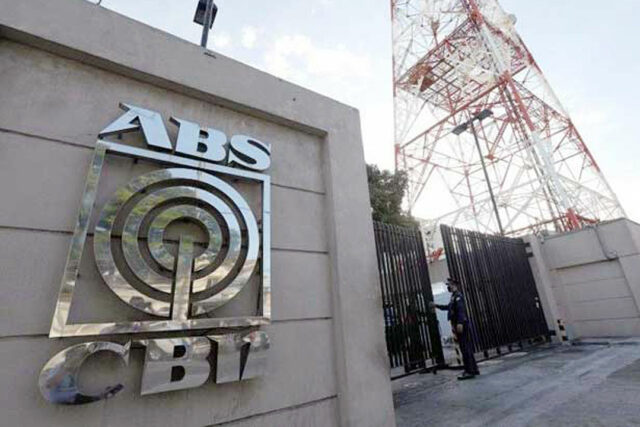
ABS-CBN eyes Malaysian audience

PHILIPPINE STAR/BOY SANTOS

LISTED media company ABS-CBN Corp. said it hopes to expand its audience reach in Malaysia through a partnership with a local digital radio platform.

The media company announced the launch of MYX Radio, MORe, and TeleRadyo on Malaysia’s digital radio platform, SYOK of Astro Radio.

The goal is to expand ABS-CBN’s reach “across borders and cultures through various media and platforms,” the company said in a statement.

SYOK is a multi-lingual digital lifestyle and entertainment platform in Malaysia with more than 100 online radio stations, music, and podcasts, among others.

Like ABS-CBN, SYOK also hopes to widen its reach to more diverse listener groups.

ABS-CBN and GMA Network, Inc. recently signed a partnership deal to co-produce content for television and streaming provider Viu. They will collaborate on the romantic drama series Unbreak My Heart, which will be filmed in Switzerland.

The Lopez-led media company has also inked a worldwide publishing agreement with Warner Chappell Music, the global music publishing company of Warner Music Group.

The deal grants Warner Chappell Music global publishing administration rights to the entire song catalog of ABS-CBN Music which will open new markets and opportunities for local composers.

The company said last year that it would explore various partnership opportunities both locally and globally. — Arjay L. Balinbin

Megawide unit bags 3 more PHirst Park Homes projects

LISTED infrastructure company Megawide Construction Corp.’s precast unit has bagged three new supply-and-build contracts with residential developer PHirst Park Homes, Inc. (PPHI), a company official announced on Thursday.

The precast business unit will supply precast materials for housing projects in three new PPHI locations: Naic, Cavite; Baliuag, Bulacan; and Tayabas, Quezon.

“The challenge in addressing the country’s housing backlog is not in the supply but the speed in which we can build,” Markus Hennig, executive vice-president for Megawide’s Precast and Construction Solutions, said in an emailed statement.

“Our proprietary precast technology allows us to deliver cost-effective units with greater speed and efficiency than conventional methods,” he added.

The company said its precast business continues to expand its order book by getting more projects in the horizontal housing segment.

“The company now has 11 projects with PPHI and is building a total of about 19,000 units for these sites across Luzon,” Megawide said.

“As of end Dec. 2022, the total number of houses turned over by [the precast unit] has reached more than 9,000 since it started its partnership with PPHI in 2018,” it added.

Megawide intends to build an onsite plant for faster turnover.

The company innovates through proprietary engineering technologies like precast which “enables quicker turnaround times, requires less manual labor during construction, and lowers long-term project costs,” Megawide said.

Megawide’s main precast plant is located in Taytay, Rizal. It can produce up to 168,000 cubic meters of precast units per year. — Arjay L. Balinbin

SC partially grants Chevron Holdings’ refund claim

PHILSTAR FILE PHOTO

The Supreme Court (SC) has partially granted Chevron Holdings, Inc.’s tax refund claim to the modified amount of P1.14 million representing its excess input value-added tax (VAT) traced to zero-rated sales for the fiscal year 2006.

In a 30-page decision dated July 5 last year and made public on Jan. 25, the SC full court said the holding firm failed to prove that some of its services to foreign companies doing business outside the Philippines qualified for a 0% VAT rating.

“Thus, the Court agrees with the observation of the CTA (Court of Tax Appeals) en banc that some foreign affiliate clients were not adequately supported by both Securities and Exchange Commission (SEC) certificates of non-registration and certificates of foreign incorporation,” 

SEC certificates of non-registration prove that entities are foreign corporations, while articles or certificates of foreign incorporation prove that the clients did not engage in trade or business in the Philippines at the time the sales took place, the tribunal said.

Chevron Holdings sought for the High Court to overturn the CTA decision that only granted a P47,409.24 refund out of its initial claim worth P55.8 million.

It modified the tax court’s ruling as it found the firm was able to prove its entitlement of zero-rated sales worth P1.14 million for the four quarters of 2006. 

The court ordered the commissioner of internal revenue to refund or issue a tax credit certificate in the said amount to Chevron Holdings.

A tax credit certificate is a document reflecting the amount due to a taxpayer from an overpayment or erroneous payment of taxes.

“In the present case, Chevron Holdings sufficiently proved compliance with all the requisites for entitlement to a refund or credit of unutilized input tax allocable to zero-rated sales under the tax code,” the High Court said.

Under the country’s tax code, taxpayers that engage with foreign firms doing business outside the Philippines are entitled to zero-rated sales that do not translate to output tax. 

The term “zero-rated sale” must be written on the company’s official receipts.

Sales that qualify for 0% VAT include services other than processing, manufacturing, or repacking of goods; services performed in the Philippines by VAT-registered persons and sales paid in acceptable foreign currency in line with the central bank’s rules.

“When the claim for refund has a clear legal basis and is sufficiently supported by evidence, as in the present case, then the court shall not hesitate to grant the refund,” the Supreme Court said. — John Victor D. Ordoñez