Home Blog Page 3760

Continuing the sustainability drive in business

Photo from FREEPIK

Recently, people have recognized the significant impact of human activities on the planet, so attention has been given to sustainable practices and reducing environmental footprint.

Sustainability is not just a buzzword but rather a multifaceted concept that demands attention. It is about finding ways to meet the needs of the present generation without compromising the ability of future generations to meet their own needs. Hence, sustainability requires people to consider the social, economic, and environmental impacts of their actions and decisions.

The idea of sustainability covers a broad range of actions aimed at conserving natural resources and ecosystems that are crucial for life on the planet. It calls for a forward-looking approach, cooperation across different sectors, and holistic strategies to tackle today’s intricate problems.

Governments, businesses, and individuals alike are now taking action to reduce their carbon footprint and promote sustainable development.

Global green bond market

The global green bond market is poised to become one of the key sustainable trends in 2024, with continued growth expected in sustainable bond issuance, particularly in the green bond segment. This growth is driven by several factors, including climate policies, investor demand, and global efforts to decarbonize the economy and achieve sustainability goals.

According to a report of S&P Global, the issuance of global green, social, sustainability, and sustainability-linked bonds (GSSSB) is expected to continue growing, with a particular focus on decarbonizing the economy and addressing sustainability goals.

“While we expect 2024 to be a tough year for borrowers across all asset classes as tighter financing conditions continue and amid softer economic conditions, the increasing urgency around decarbonizing the economy could take the GSSSB market closer to the $1-trillion mark,” the report stated.

One of the main drivers of growth in the green bond market is the global push to combat climate change. Several partnerships and deals have spurred demand for green bonds as investors seek to align their portfolios with climate targets.

As governments and companies increasingly commit to net-zero emissions targets, the green bond market is expected to contribute to financing renewable energy projects, sustainable infrastructure, and other climate solutions.

Renewable energy adoption

Global efforts to accelerate the production and application of renewable energy sources are set to make 2024 a year for renewable energy adoption. This trend is driven by the declining costs and increasing accessibility of renewable technologies, as well as growing international support for sustainable development initiatives.

Renewable energy sources such as solar, wind, hydro, and geothermal power are becoming increasingly cost-effective and accessible, making them a viable alternative to traditional fossil fuels. According to the International Energy Agency (IEA), the cost of renewable technologies has been declining rapidly, making them more competitive with fossil fuels. Global renewable capacity additions are also set to soar by 107 gigawatts (GW), the largest absolute increase ever, to more than 440 GW in 2023.

Climate’s impact on human health

In 2024, the world will pay more attention to the economic and financial costs of the adverse health impacts caused by climate change. This issue has been a concern for a long time and was officially placed on the global agenda at the UN’s COP28 Climate Change Conference held last December. The agreement came with an initial $1 billion in financial commitments from governments, multilateral development banks, and philanthropies.

Based on the report of S&P Global, the effects of climate change are already being observed and are likely to worsen without adaptation. As temperatures rise, the risks related to the spread of infectious and vector-borne diseases, access to sufficient high-quality water and food, and the direct health impacts of extreme weather events are all heightened.

Unfortunately, research shows that these effects are likely to have a greater impact on the health of communities that are already vulnerable. This includes those living in poverty, exposed to physical climate risks, with limited access to quality health systems, and the elderly.

The consequences of climate change are not limited to health impacts alone. There are also direct economic impacts, such as fiscal and financial strains on health systems, productivity loss from working in hotter environments, and the disruptive effects of epidemics. These impacts can be felt throughout society and can be particularly challenging for already vulnerable populations.

However, it is important to remember that much more work needs to be done. Governments, businesses, and individuals all have a role to play in reducing greenhouse gas emissions and adapting to the impacts of climate change.

Adaptation and resilience planning

As the effects of climate change become more severe, it is becoming increasingly important to plan for adaptation and resilience. With the increase in sea levels, extreme weather events, and changes in temperature and precipitation patterns, communities and governments worldwide are beginning to prioritize strategies to adapt to these challenges.

According to S&P, adaptation and resilience planning this year includes understanding the impacts of climate change on human health and taking steps to measure and manage material sustainability issues, such as plastic, throughout value chains under some countries’ mandatory disclosure standards.

Increased pressure for better governance

The “World Economic Forum’s Global Risks Report 2024” highlights the impact of weakened economies and societies on the need for better governance and sustainable practices, highlighting the importance of developing a sustainable, resilient, and inclusive global economy.

Currently, executives are facing greater scrutiny and pressure to take public stances on controversial issues, leading to a need for more transparent and responsible governance. Corporate environmental, social and governance (ESG) goals and board oversight are also under increased pressure and subject to enhanced stakeholder scrutiny.

With future-proofing in mind, investors are looking for companies that are committed to sustainability and are willing to take action to address environmental and social issues. Companies that have strong ESG goals and policies are more likely to attract investment and to have a positive impact on the environment and society.

On the other hand, the need for better governance and sustainable practices is not just an issue for large corporations. Small businesses and startups also have an important role to play in promoting good governance and sustainability by adopting ESG goals and implementing effective governance policies. — Mhicole A. Moral
Supply shocks may derail inflation fight

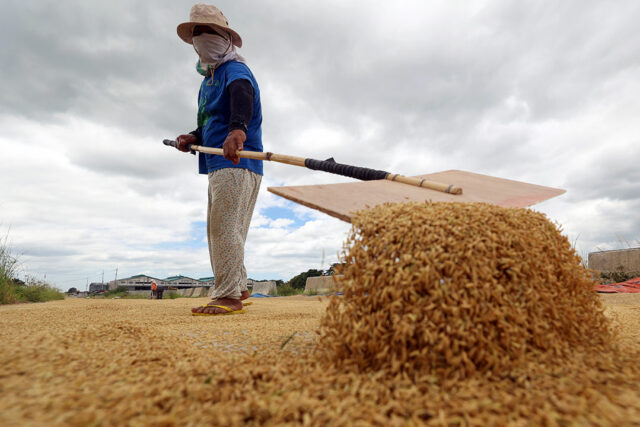
A farmer dries rice grains in Baliuag, Bulacan, Oct. 9, 2023. — PHILIPPINE STAR/KRIZ JOHN ROSALES

SUPPLY SHOCKS that could arise from the El Niño weather event may derail efforts to bring inflation back to the 2-4% target range, Bangko Sentral ng Pilipinas (BSP) Governor Eli M. Remolona, Jr. said.   

“Supply shocks may derail (our) forecast including what’s going on with rice, the imports of rice. El Niño is a factor. So, it depends on those risks,” he told reporters during a Media Information Session on Saturday.

The Bangko Sentral ng Pilipinas (BSP) sees inflation easing to 3.7% this year and to 3.2% in 2025. Full-year inflation averaged 6% in 2023, marking the second straight year that average inflation breached the 2-4% target band.

The central bank earlier said that inflation will likely settle within the 2-4% range in the first quarter but could potentially accelerate to above target from April to July due to the El Niño, the lag impact of wage adjustments in 2023, and positive base effects.

“We began to realize the supply shocks are very important for the inflation outlook, not because of the shocks themselves, we expect them to dissipate, but because of the second-round effects from those shocks,” Mr. Remolona said.

“They affect expectations, and those expectations affect second-round effects which we see in prices of services for example, in wages, transport fares. So, we’re not out of the woods,” he added.

The Philippine Atmospheric, Geophysical and Astronomical Services Administration  projects that El Niño will likely persist until May this year.

Earlier estimates by the BSP also showed that the dry weather event could impact inflation by 0.02 percentage point.

National Economic and Development Authority Secretary Arsenio M. Balisacan has also flagged the risk of elevated inflation due to the onset of the El Niño, which could impact the agriculture sector and stoke food prices.

‘NOT LIKELY’
Meanwhile, Mr. Remolona said it is unlikely that the BSP will begin easing policy rates within the first half of the year.

“It depends on the data as we always say, but it’s looking good. We like the trend so far. I would say it’s possible but maybe not likely,” he said.

To tame inflation, the Monetary Board hiked borrowing costs by 450 basis points (bps) from May 2022 to October 2023, bringing the key interest rate to a 16-year high of 6.5%.

The BSP chief earlier said that it may need to keep policy settings tighter for longer until inflation settles more firmly within target.

Mr. Remolona also said that the BSP will be keeping an eye on policy moves by the US Federal Reserve.

“As you know, we’ve been watching what the other central banks have been doing, especially what the Fed has been doing, how the markets have been reacting to statements by the Federal Open Market Committee,” he added.

From March 2022 to July 2023, the Fed has raised rates by 525 bps to 5.25-5.5%.

The BSP will have its first policy meeting for this year on Feb. 15. — Luisa Maria Jacinta C. Jocson and Keisha B. Ta-asan

PHL braces for impact of Red Sea crisis on goods

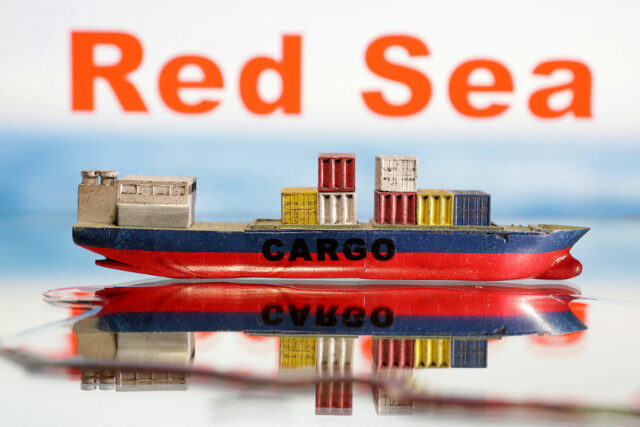
A CARGO SHIP boat model is seen in front of “Red Sea” words in this illustration taken on Jan. 9, 2024. — REUTERS/DADO RUVIC/ILLUSTRATION/FILE PHOTO

By Ashley Erika O. Jose, Reporter

THE ONGOING CRISIS in the Red Sea is disrupting the movement of goods, which is resulting in delays in shipments and higher costs for Philippine businesses.

Ayala Corp. Chairman Jaime Augusto Zobel de Ayala said ongoing geopolitical tensions such as the disruptions in the Red Sea could have cost implications for Philippine businesses.

“I do believe that there will be disruptions. I believe that there will be cost implications. I believe that in the current environment, there will be difficulties that we all face,” Mr. Zobel told reporters on Thursday. “I think right now (the movement of goods and services) is a little bit under fire particularly in the Middle East.”

Tensions in the Red Sea, a major shipping route, have remained elevated as Houthi rebels continue to attack cargo ships and tankers. About 12% of global trade or 30% of overall global container traffic goes through its northern part — the Suez Canal — which brings goods to and from Asia and Europe.

“We can expect delays particularly on our ecozone shipments going to and coming from Europe particularly those countries located in the Mediterranean region given the resulting port congestions with the longer dwell time for containerized cargoes,” Philippine Economic Zone Authority (PEZA) Director-General Tereso O. Panga said in a Viber message to BusinessWorld last week.

The Red Sea crisis may also drive shipping rates higher as vessels use alternative routes between Europe and Asia, Mr. Panga said.

“Shipping lines are rerouting their cargo away from the Suez Canal following militant attacks on vessels in the Red Sea. As an alternative, vessels are doing a detour via Cape of Good Hope in Africa, but this is more expensive for shipments,” he said.

Rerouting ships around the Red Sea could bring costs of up to $1 million for additional fuel per trip between Asia and Northern Europe, Mr. Panga said.

Bianca Pearl R. Sykimte, director of the Department of Trade and Industry Export Marketing Bureau, said the Red Sea crisis has a global impact and the Philippines will not be spared.

“The impact of the issue is global in scale, and we will not be immune to it. About one-third of global container cargo passes through the area and alternative routes are expected to add weeks of additional shipping time and cost,” she said in a Viber message.

Sea-Intelligence, a provider of research and data analysis focusing on shipping and supply chain, said in a press release that the Red Sea crisis will likely result in “uncertainty” on the services from Asia to Europe.

Alan Murphy, chief executive officer of Sea-Intelligence, noted the Red Sea crisis is now considered as “the largest single event” to result in the largest vessel capacity decline in recent years, even surpassing pandemic level.

Data provided by Sea-Intelligence showed that vessel capacity dropped by 60% due to the Red Sea crisis compared to the pandemic levels where it declined by 20-40%.

“The Philippines is not feeling it yet but definitely we have to brace up for its impact,” PEZA’s Mr. Panga said.

He said PEZA is coordinating with affected locators to look for alternative routes and suppliers of imported goods as part of efforts “to de-risk the global supply chain.”

“For the Philippines, initially, the impact will be more muted since it will largely affect trade in and out of Europe. In contrast, trade with the US and Asia especially agriculture products such as rice are likely not yet directly affected,” China Banking Corp. Chief Economist Domini S. Velasquez said in a Viber message on Sunday.

She noted shipping costs are expected to increase eventually as the Red Sea crisis continues.

“This could lead to some pickup in overall international shipping costs, some shipping disruptions especially the Asia-Europe trade (exports and imports) could also have some indirect impact on some global supply chains, thereby could lead to some pickup in prices and overall inflation,” Rizal Commercial Banking Corp. Chief Economist Michael L. Ricafort said in a Viber message. — with input from Revin Mikhael D. Ochave

Philippine-China tensions seen to affect Asia-Pacific trade — Moody’s

STOCK PHOTO | Image by StockSnap from Pixabay

By Keisha B. Ta-asan, Reporter

TENSIONS between the Philippines and China may lead to trade disruptions that could escalate across the Asia-Pacific region, according to Moody’s Investors Service.   

“While not our baseline, an escalation of tensions in the South China Sea could lead to disruptions in trade, not just between China and the Philippines, but also for the region at large given that the South China Sea is a critical trade route that delivers goods between Northeast Asia and Southeast Asia,” Moody’s Investors Service Senior Vice-President and Manager Christian de Guzman told BusinessWorld in an e-mail interview.

He said these disruptions may weigh on growth prospects in the region due to Asia-Pacific’s overall reliance on trade.

“In turn, this could accelerate the trend of gradual trade and investment diversion that has been prompted by separate geopolitical considerations, namely US-China strategic rivalry,” Mr. De Guzman said.   

“Moreover, rising geopolitical risks will constrain the ability of governments to more aggressively pursue fiscal consolidation as defense budgets remain elevated, even as other expenditures are curtailed in the aftermath of the pandemic,” he added.

Relations between the Philippines and China have soured as confrontations in the South China Sea between their coast guards have become more frequent.

The Philippines has cited incursions by Chinese vessels around South China Sea features closest to the Southeast Asian nation.

The situation has worsened after the Chinese Coast Guard in December fired water cannons to block Manila’s attempt to deliver food and other supplies to troops stationed at BRP Sierra Madre, a World War II-era warship intentionally grounded to stake the Philippines’ claim on the waterway.

A United Nations-backed tribunal in 2016 said China’s claim to nearly the entire South China Sea has no legal basis, but Beijing has largely ignored the ruling and continued its island-building activities.

Asked if the tensions between the country and China would affect the Philippines’ sovereign rating, Mr. De Guzman said Moody’s has not observed any material impact of the sea dispute.

“We consider political risk — which encompasses both domestic and geopolitical risk —under our assessment of a sovereign’s susceptibility to event risk; as such, our concern is the degree to which associated developments will affect economic, institutional and fiscal fundamentals,” he said.

“In this context, we have not yet seen a material impact from the shift in the Philippines’ foreign policy stance with regards to the South China Sea under President [Ferdinand R. Marcos, Jr.].”

In September 2022, the credit rater affirmed the country’s long-term local and foreign currency issuer and senior unsecured ratings at “Baa2.” Moody’s has kept its “Baa2” rating for the Philippines since December 2014. 

Despite the tensions, Mr. De Guzman said bilateral trade between the Philippines and China continues to be driven by supply and demand rather than the overarching political considerations.

“More broadly, we assess a low probability of an emergence of political stress that could have a moderate impact on the Philippines’ rating,” he said.   

China is the Philippines’ top trading partner. Bilateral trade in 2022 grew by 7.1% year on year to $87.7 billion, according to China Customs data.

Bilateral trade between the Philippines fell by 16% from a year earlier to $54.1 billion in January to September. China imported $14.36 billion worth of Philippine goods in the first nine months of this year, down by 19%.

Don McLain Gill, a geopolitical analyst and international studies lecturer at De La Salle University, said the conflict in the Indo-Pacific has not critically affected trade between the Philippines and China, Vietnam and China, or India and China.   

“Hence, Manila’s desire to stand up for its sovereignty and sovereign rights should not be simplified as directly proportional to its trade relations, especially when China has given so little in terms of ODI (outward direct investment) whereas it is gaining more than us in terms of our asymmetric trade,” he said.   

Based on central bank data, foreign direct investment inflows from China fell by 19.1% to $12.53 million as of October 2023 from $15.49 million a year ago.   

Hansley A. Juliano, a political economy researcher studying at Nagoya University’s Graduate School of International Development in Japan, said Southeast Asian economies are dependent on East Asia.

“The most direct risk of any possible economic boycotts between the Philippines and China, be it both sides or one way, is whether China would then favor one of our neighbors and relocate supply chains there instead,” Mr. Juliano said.   

This can destabilize economic community agreements in the Association of Southeast Asian Nations.   

“While China is our biggest individual trading partner, it’s not the majority. There’s either the strategy of releveraging or re-establishing our supply chains with other countries too, especially since Chinese trade with us ultimately serves transnational corporations and brands,” he added.

Philippine government told to carry through job plan amid grim outlook

JOBSEEKERS gathered at the Mega Job Fair in a mall on Jan. 18, 2024. — PHILIPPINE STAR/EDD GUMBAN

By John Victor D. Ordoñez, Reporter

ANTONIO GABRIEL S. PE BENITO, 24, is thinking about leaving the Philippines given the paltry pay he gets as a management trainee at a local consultancy firm.

The fresh graduate, who gets P20,000 ($358) a month, is not optimistic about the local job scene despite measures recently passed by Congress to boost employment.

“I would go abroad if given the chance,” he said by telephone. “I’m sure I will get better benefits and it will be good for my career.”

The International Labour Organization expects the global jobless rate to rise to 5.2% this year from 5.1% a year earlier. In a report this month, the United Nations body said the global labor market is set to “deteriorate moderately” because of increased joblessness in advanced economies.

“The erosion of real wages and living standards by high and persistent inflation rates and rising costs of housing is unlikely to be offset quickly,” it said.

Metro Manila’s daily minimum wage rose by P40 to P610 ($10.93) in June, much lower than the P570 increase sought by Unity for Wage Increase Now.

Daily minimum wages in Thailand range from 328 baht ($9.40) to 354 baht, Malaysia is at 69.23 ringgit ($14.90) and Indonesia at 232,000 rupiah ($14.93).

The Philippine unemployment rate dropped to an 18-year low of 3.6% in November, according to the local statistics agency. Job quality was stagnant as the underemployment rate — the share of employed workers who are seeking more work or longer working hours — stayed at 11.7%.

A PwC Philippines survey in August showed that 29% of Filipino workers were looking for new jobs and demanding higher pay amid spiraling prices.

Jose “Sonny” G. Matula, president of the Federation of Free Workers, said measures passed by Congress to boost employment hinge on effective enforcement.

“Ensuring that these stakeholders have a say in how the laws are carried out is crucial for realizing the intended improvements in job creation,” he said in a Viber message. “Their passage is only half the success.”

Mr. Matula said lawmakers should push bills to boost local industries instead of letting the country rely on dollar receipts from migrant Filipino workers.

President Ferdinand R. Marcos, Jr. late last year signed the Public-Private Partnership (PPP) Code, which seeks to harmonize the rules on PPP projects to expand private sector participation in state infrastructure programs.

“Infrastructure investments are expected to stimulate economic growth and create jobs,” Sentro ng mga Nagkakaisa at Progresibong Manggagawa Secretary-General Josua T. Mata said in a Viber message. “But this will depend on various factors including the scale of investment, efficiency of project implementation and the overall economic environment.”

There were 180 ongoing PPP projects worth P2.639 trillion as of Sept. 1, while 104 more projects worth P2.521 trillion were in the pipeline, according to the Department of Finance.

In September, Mr. Marcos signed into law a bill creating a national master plan to boost employment and job quality through upskilling and reskilling programs. An interagency body headed by the National Economic and Development Authority (NEDA), Trade and Labor secretaries, will help local governments carry out job recovery programs.

Mr. Mata said the government has yet to come up with a concrete plan for the Philippine workforce because the law only mobilized the bureaucracy to develop a roadmap.

“What we need is an activist government, one that would actively promote an industrial policy and intervene in the labor market and directly generate jobs through a robust public employment program,” he said.

Partido Manggagawa Chairman and former Party-List Rep. Renato B. Magtubo said state infrastructure campaigns have only provided temporary or seasonal jobs that failed to address local joblessness.

“The government should develop the agriculture sector, build capacities and boost the competitiveness of homegrown industries to generate quality and sustainable jobs,” he said in a Viber message.

Congress on Dec. 13 ratified the Bicameral Conference Committee report of a bill that seeks to uphold the rights and welfare of Filipino seafarers, while setting up a shipboard training program for local seamen. The President has yet to sign it into law.

WAGE HIKE
The proposed Magna Carta for Seafarers would help the Philippines comply with global maritime standards, Carlos Miguel S. Oñate, a legislative officer at the Trade Union Congress of the Philippines (TUCP), said in an e-mail. “It will address decades-old deficits of our domestic policies on training and accreditation in line with international standards.”

The European Maritime Safety Agency (EMSA) raised issues about Philippine compliance with European Union (EU) standards on maritime training after an inspection of maritime schools last year. It noted that almost 50,000 Filipino seamen working in European vessels could lose their jobs if the Philippines fails to address the deficiencies.

TUCP wants Congress to approve bills that will address the plight of contractual workers and ensure the right of workers to form unions.

Mr. Matula also cited the need to pass the P150 across-the-board wage hike pending before the Senate, saying the legislated increase would boost the purchasing power of Filipinos and prop up the economy.

“It has become more important after the regional wage-setting mechanisms utterly failed to provide the much-needed relief from the high cost of living brought by oil price hikes, spiraling costs of food and other commodities, as well as transportation,” he said.

A bloc of congressmen has also filed a bill seeking a P750 wage hike for private sector workers, including those in special economic zones, freeports and agriculture.

Labor groups have urged the government to reform the regional wage-setting system to ensure wages keep up with the rising cost of living. A Filipino family of five would need at least P13,797 a month or P460 a day to meet their basic needs, according to the local statistics agency.

NEDA Secretary Arsenio M. Balisacan has warned that proposals to legislate a P150 wage hike could stoke inflation.

Runaway inflation forced global central banks to drive up interest rates to the fastest in decades last year, though the World Bank has said prices are poised to continue easing in the coming months.

Philippine inflation averaged 6% last year compared with 5.8% a year earlier, marking the second straight year that the Bangko Sentral ng Pilipinas breached its 2-4% target. 

The Employers Confederation of the Philippines has said a legislated wage hike should also consider workers in less formal employment, noting that private sector workers only account for 16% of the country’s workforce.

“Higher wages will boost consumption and drive wage-led growth,” TUCP’s Mr. Oñate said in an e-mail. “It will promote inclusive growth and equity by expanding industries and creating more and better jobs through higher consumption demand driven by the higher wages of working families.”

Meralco sees 4.5% growth in energy sales volume for 2024

MANILA Electric Co. (Meralco) is expecting a 4.5% increase in energy sales volume for 2024, a company official said.

“[For 2024], we are projecting about the same, about 4.5%,” Meralco First Vice-President and Chief Commercial Officer Ferdinand O. Geluz told reporters last month.

On the business segments, Mr. Geluz expects that the energy sales from the industrial sector will rebound after a 1% decrease in the first nine months of 2023.

According to the company, the industrial segment suffered a decline “despite gradual recovery from global demand shortage and supply constraints.”

“We don’t expect another double digit for commercial for [2024], but we’re expecting around maybe 5 to 6% [increase],” Mr. Geluz said.

Meanwhile, the residential segment is projected to see a “spike” due to El Niño.

For the January-to-September period, Meralco recorded an energy sales volume of 38,164 gigawatt-hours, up by 4% from the 36,553 in 2022.

The power distributor registered a nine-month attributable net income of P28.4 billion, up 43.7% from P19.76 billion in the previous year.

Gross revenues grew by 6.5% to P335.2 billion from P314.9 billion driven by higher pass-through charges and increase in distribution sales volume.

Meralco has started biddings to secure its energy requirements.

With the submission of lowest offers, GNPower Dinginin Ltd. Co., Mariveles Power Generation Corp., and Excellent Energy Resources, Inc., are set to supply the 1,800-megawatt (MW) capacity requirement of the company.

The deadline to submit bids for the 1,200-MW energy supply is Jan. 23.

The company has also launched the bidding for interim power supply agreements covering 260-MW peaking requirement and 400-MW base-load requirements in preparation for the expected increase in demand during the dry months.

Meralco’s controlling stakeholder, Beacon Electric Asset Holdings, Inc., is partly owned by PLDT Inc.

Hastings Holdings, Inc., a unit of PLDT Beneficial Trust Fund subsidiary MediaQuest Holdings, Inc., has an interest in BusinessWorld through the Philippine Star Group, which it controls. — Sheldeen Joy Talavera

Subaru flexes GT muscles

Tan Chong International’s Glenn Tan poses with the Subaru WRX Wagon GT Edition. — PHOTO BY KAP MACEDA AGUILA

Singapore Motor Show sees debut of sporty Subie trio

WE WERE in town recently for 16th edition of the Singapore Motor Show, invited along with other members of the media and content creators by Tan Chong International Limited (TMIL) via Motor Image, the longtime distributor of Subaru in the region.

As mobility shows go, it’s proof of life not just for the host country’s automotive scene but for the brands there as well.

“The automotive industry is currently experiencing a revolution that comes around once in a century. Today, we’re in the dawn of a new era in automotive history for Singapore,” said TMIL Deputy Chairman and Managing Director Glenn Tan in his welcome speech at the opening of the show at Suntec. Mr. Tan, who also sits as president of the Motor Traders Association of Singapore (which stages the motor show), noted that there were 25 auto brands represented at the show, and 22 new cars were to be unveiled — 15 of which were electric vehicles. That’s surely an unprecedented mark.

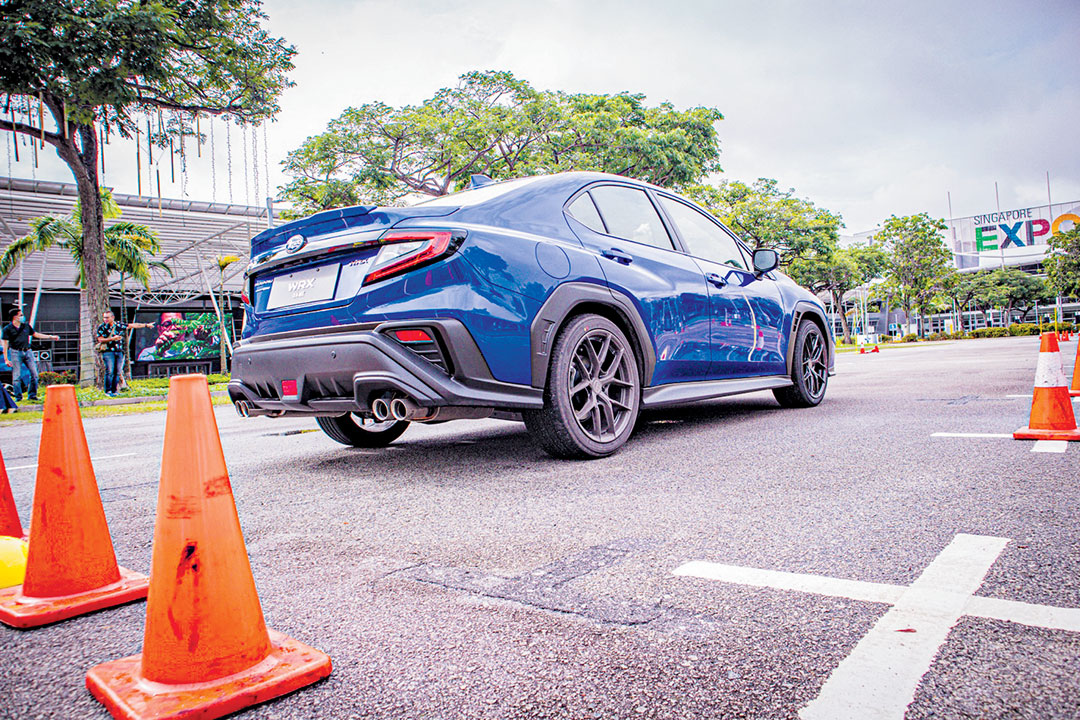
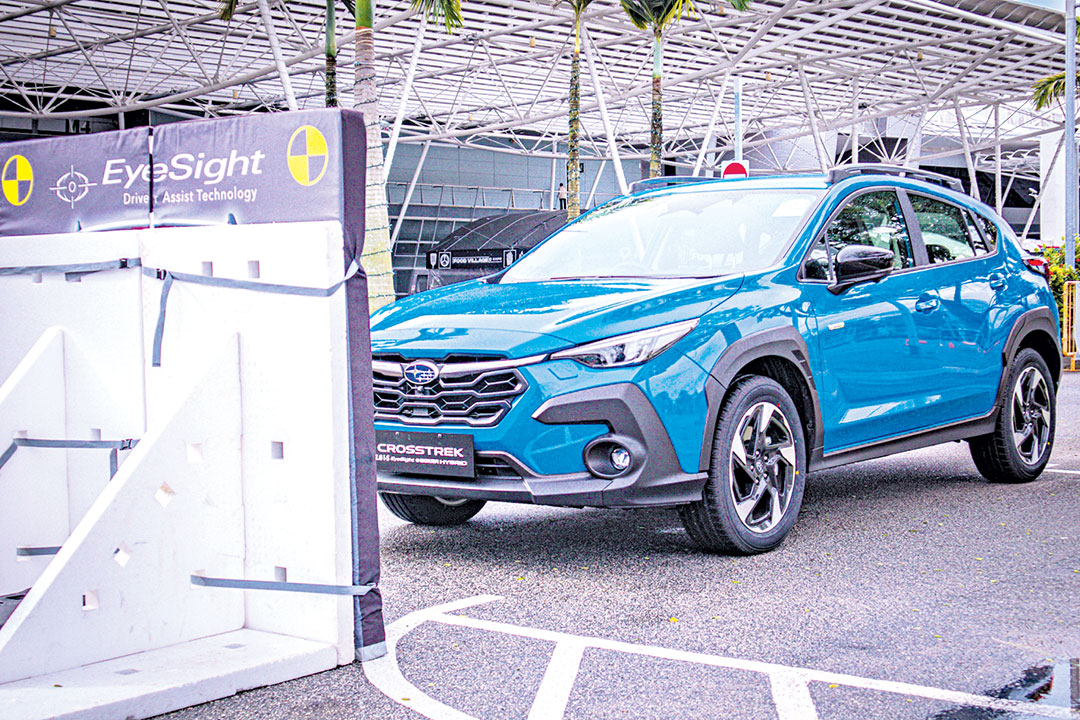
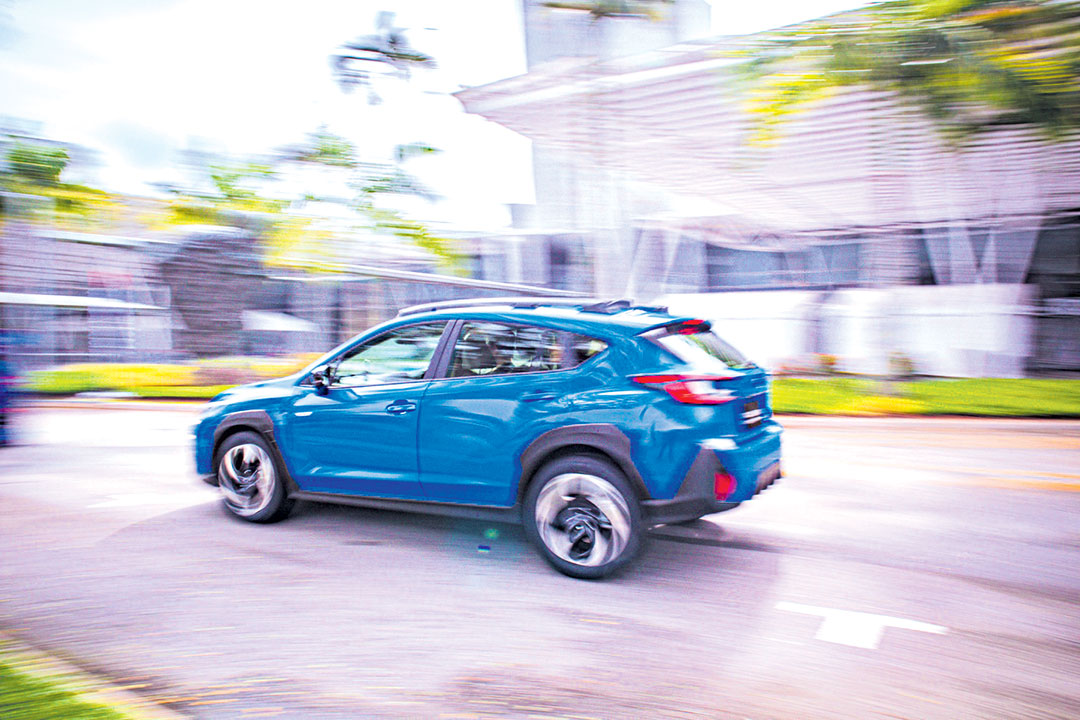
For Subaru, the auto spectacle was the chance to introduce the GT editions of the Crosstrek, WRX, and WRX Wagon — along with the BRZ STI.

The GT version of the Crosstrek, available for the e-Boxer 2.0i-S EyeSight Hybrid, gets a GT styling kit comprised of front, rear, and side under spoilers, in addition to new 18-inch alloy wheels and a roof spoiler. Inside, GT Edition seats are accentuated by red piping with white stitching and perforations, and the cabin receives two-tone gray leather.

Meanwhile, the WRX Sedan and Wagon were said to be depicted as still in prototype form, but also got styling kits. The sedan’s skirting are meant to “fuse seamlessly with the STI grille (and) hints at the performance-tuned chassis refinements within.”

The GT variants, exclusively made for and sold by the Motor Image Group, were developed by engineering company Giken Co. Ltd (known for automotive styling kits) in partnership with renowned Subaru designer Masahiko “Jack” Kobayashi — himself responsible for conceiving over a dozen Subaru production models, including the WRX STI.

In an interview with Philippine media, Mr. Tan said, “The GT Edition has been the sporty type of car for us. We now put it on the Crosstrek, WRX, and WRX Wagon for a more aggressive look (on these models); for people who really want them sporty. For the Forester, there’s already a GT Edition, but what we will be introducing will be a GT WOW Edition. It’s going to be very rugged and outdoorsy. Stay tuned for that. We’re going to be differentiating the GT Edition a little bit to make the Forester more outdoorsy.”

When asked about GT Edition customers in the country, he remarked, “In the Philippines, it’s quite interesting for us. We’ve seen a wide range of customers. A lot of professionals, managers, executives, are quite interested in our models in the past years… We’re going into a new segment for the WRX Wagon where we’ve never been in traditionally.”

Mr. Tan averred that the GT Edition variants are for “established customers who already know what they want, but sometimes… want something more unusual.” He added, “We hope that the GT Edition variants will be something to give them an option to kind of express a different look for their cars.”

The executive revealed that the Motor Image is looking to launch the trio of GT Editions in the Philippines at the Manila International Auto Show (MIAS), scheduled to happen from April 4 to 7 at two locations: the World Trade Center and SMX Convention Center.

A corollary event at the Singapore Motor Show was the “Subaru x Russ Swift Stunt Show” starring the noted British stunt and precision driver who also regularly wows fans at the MIAS. It seems that Mr. Swift only gets better with each passing year as he deftly pulled off the full repertoire — from near misses at high speed, to donuts, J-turns, parallel parking at speed, and driving on two wheels.

Before our delegation bade farewell to Singapore, we were treated to some exercises at a parking lot near the Singapore Expo. “This year, we showed cars in a more aggressive fashion to the media,” Mr. Tan later said, adding, “This brings back memories of car park rallies in Singapore.”

We tested the pre-collision auto braking function of the Crosstrek, the agility and poise of the Forester when driven aggressively (forward and backward), and the exciting prowess of the WRX (manual) with a professional driver at the wheel.

This was perhaps the appropriate appetizer for an exciting year ahead for Subaru — to be highlighted by the opening of a Motor Image showroom in Alabang next month. “We’re looking at also expanding from Alabang into other areas as well… given that we’ve seen a huge uptick in our sales in the past six months. We’re excited to expand the brand… We understand that service is very important, so we want to make sure that we expand the network so that they have more service points,” stated the executive.

And the icing on the cake is that, yes, the all-new Forester is slated to appear in local showrooms before the end of the year — even more reason for Subie fans to rejoice.

SEC draft memo calls for disclosure of cornerstone investors in IPOs

THE SECURITIES and Exchange Commission (SEC) is proposing a new policy requiring the identification of cornerstone investors in the final prospectus of initial public offerings (IPOs).

In a draft memorandum circular (MC) released for public comment on Jan. 19, the SEC calls for the identification of cornerstone investors in IPOs, defined as those committing to subscribe to a company’s shares before the public listing.

Other proposed requirements include that a cornerstone investor’s placement must be at IPO price; the IPO shares placed are subject to a lock-up for a 30-day period starting from the listing date; and each cornerstone investor may have representation on the board of the registered issuer, provided it owns the minimum required shares for election.

“In line with the commission’s function to formulate policies and recommendations on issues concerning the securities market, it is hereby imperative for issuers in an IPO and intending cornerstone investors to observe these guidelines during an IPO,” the draft MC said.   

The SEC’s proposal further suggests that cornerstone investment agreements, guaranteeing share allocation, should be included in the material contracts of the issuer’s registration statement sent to the commission.

The issuer should also ensure that cornerstone investors are not provided with any material information beyond what is in the final prospectus.

The SEC added that the cornerstone agreement should be signed prior to the submission of the issuer’s preliminary prospectus to the commission, while the cornerstone investor should commit to purchase the shares as long as the final offer price is within the agreed preferred range.  

The prospectus, the commission also said, should contain information such as the number of participating cornerstone investors and their respective profile descriptions; number and type of securities proposed to be issued or offered to cornerstone investors; and nature of sales or subscriptions.

At the same time, the prospectus should include the number and characteristics of securities that are sold privately to cornerstone investors, along with the prices and other pertinent information related to the cornerstone investment.

According to the SEC, cornerstone investors have been shown to “stimulate investor demand in an IPO” and lend credibility to the company that is planning to have a public listing.  

“In the same light, having cornerstone investors in an IPO is seen to boost confidence and deliver a positive signal to the market. Their participation not only promotes the success of the IPO but also upholds a degree of confidence in the stability of the company’s share price thereafter,” the draft MC said.

China Bank Capital Corp. Managing Director Juan Paolo E. Colet said in a Viber message that the policy would help create “a more conducive IPO market.”

He said that cornerstone investors play a role in signaling the credibility of the issuer and de-risking the IPO process.

“The lack of clear rules on cornerstone investors has been a perennial concern in the local equity capital markets,” Mr. Colet said.

“The SEC’s proposed guidelines will finally provide the needed regulatory clarity to facilitate cornerstone investments in IPOs. This is an important step in creating a more conducive IPO market. If we can attract high-quality cornerstone investors, then that would indicate greater confidence in our market,” he added.

Meanwhile, Rizal Commercial Banking Corp. Chief Economist Michael L. Ricafort said that the proposed policy would help develop and attract more local and international investors.  

“This promotes greater transparency, level playing field, and accountability when it comes to better managing cornerstone investments, especially in further protecting the interest of the investing public, especially retail investors,” he said.

“This also provides greater protection to the general investing public when it comes to equal access to information. There would be no undue advantage by a select group of investors to the detriment of retail investors,” he added.  

Public comments on the SEC’s draft MC will be accepted until Feb. 1. — Revin Mikhael D. Ochave 

PNOC eyes JV for small-scale LNG terminal in Bataan

STATE-RUN Philippine National Oil Corp. (PNOC) is exploring a potential partnership with Samat LNG Corp. to construct a small-scale liquefied natural gas (LNG) receiving terminal in Bataan province, expected to be finished within the next two years.

“We have a potential joint venture (JV)with an investor for a small-scale receiving terminal for LNG,” PNOC President Oliver B. Butalid said in an interview last week.

“We’re on the stage where we will invest, very minority shareholder or not — that will come about in the next two months. Whether we’d come in as a shareholder or not, the project is pushing through already,” he also said.

In September last year, PNOC and Samat LNG, which develops LNG import terminals, inked a long-term lease agreement for a 4.5-hectare area within the PNOC Industrial Park in Limay, Bataan.

The Department of Energy (DoE) has said that the LNG terminal will have the capacity to import 200,000 to 400,000 tons of LNG annually, catering to small-scale independent power producers, manufacturing firms, and transport fleets.

The facility plans to transport 20,000-cubic meter tankers that can be stored and transported to industrial facilities in Luzon, according to Mr. Butalid.

The DoE issued a notice to proceed (NTP) in January last year, requiring Samat LNG to obtain necessary permits from government agencies and secure financial closing for the facility’s construction.

Under DoE regulations, Samat LNG has 12 months from the NTP issuance to comply with requirements and proceed with construction. Construction is expected to start in March, according to Mr. Butalid.

He also said that the construction is targeted to start after the DoE issues the permit in March.

Asked about the estimated project cost, he said”: As far as I know, it’s $120 million.”

“It’s quite exciting because before this project, of course the notion of importing LNG is that it is only going to be accessible to large power plants who have the receiving capacity,” Mr. Butalid added.

“This one, it’s sort of a good development because it brings to everybody’s consciousness that it’s possible to use LNG on a firm on-site basis which was not possible before.”

Last year, two LNG terminals were completed by FGEN LNG Corp., a subsidiary of First Gen Corp., and Linseed Field Corp., both located in Batangas. — Sheldeen Joy Talavera

Track daze

PHOTO FROM NISSAN PHILIPPINES

We lap Nissan’s finest and fastest

By Dylan Afuang

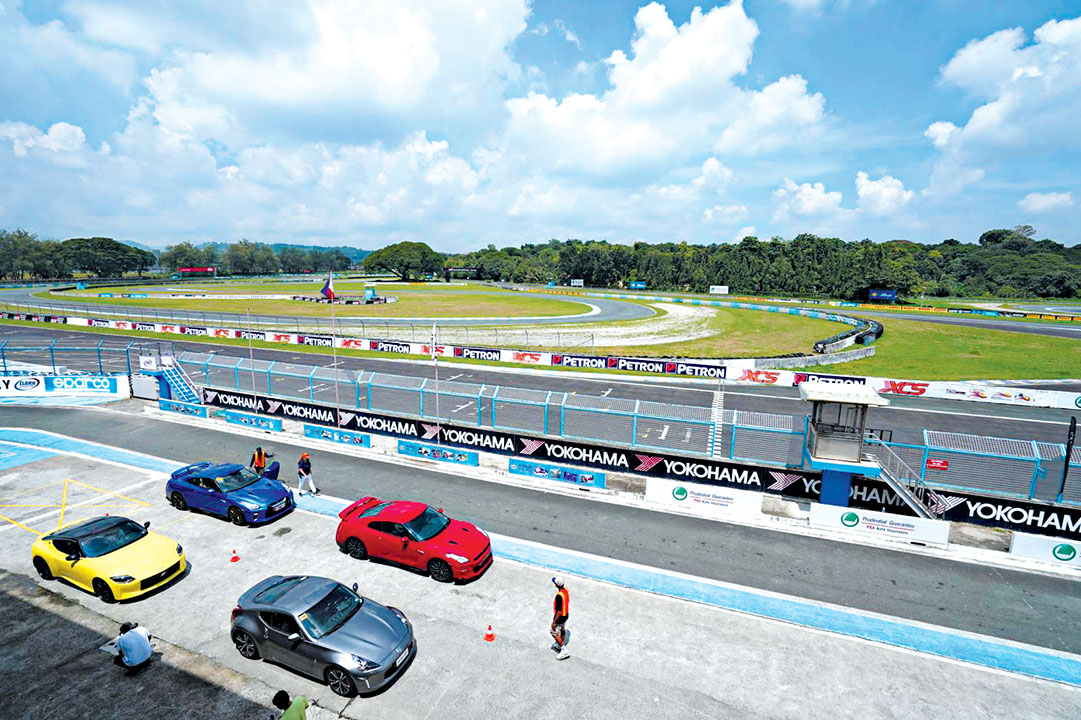
WHEN ONE is pushing 200kph on the main straight of Clark International Speedway (CIS) — behind the wheel of no less than Nissan’s fastest and sharpest machines: the 370Z, Z, and versions of the GT-R — one begins to understand why these are so revered; why many a car enthusiast enshrine them in their halls of automotive heroes.

It’s easy for a regular driver to wax poetic on (and admittedly, even with racing instructors riding shotgun, feel like a driving god behind the tiller of) Nissan’s esteemed sports cars, with which Nissan Philippines, Inc. (NPI) once allowed the media and content creators to let loose — of course, as loose as safety measures and participants’ bravery permitted.

The automaker began creating its Z sports car line in 1970 — to enable drivers with casual driving and financial abilities to possess a relatively powerful rear-wheel-drive two-seater. Now on its seventh generation, the previous two iterations, the 370Z and its successor the Z, were marketed in the country by NPI from 2020 to 2023, and from 2023 to present, respectively.

In the Z, a twin-turbocharged three-liter V6 packing upwards of 400hp and 475Nm of torque resides up front, an upscale two-seater cabin sits in the middle, and two back wheels rein in the power with assistance from a nine-speed automatic. At P3.88 million, the Z isn’t affordable, but not as expensive as those shots of adrenaline from European marques.

Besides, even when less than half of its full potential is exploited, the Z already provides enough excitement. That 400hp V6 strongly yet progressively gives shove. Brakes sharply shed speed before corner entry, after which the car’s responsive handling and compact size enable the driver to enter and negotiate Clark’s hairpins and sweepers accurately.

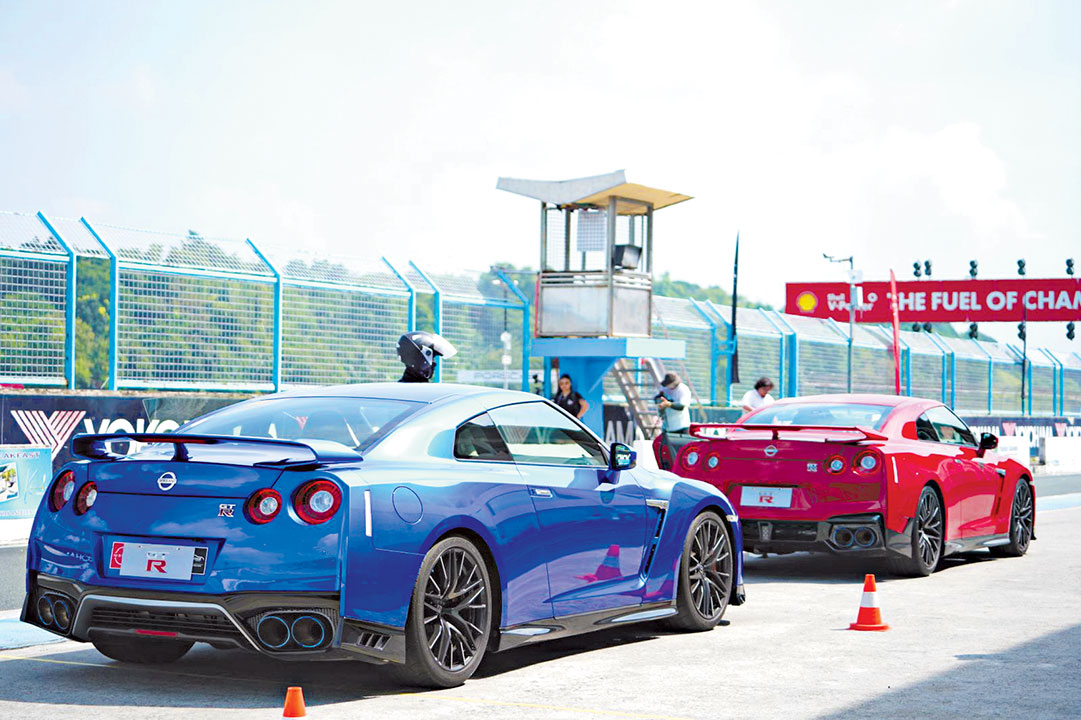
Shortly after, it was time to be reminded why many consider the GT-R to be a supercar. From 1989, three iterations of the GT-R have transported four in both comfort and in blistering pace, using six-cylinder engines that send headline power figures to all four wheels. The current GT-R, tracing its origins from 2007, maintains its position in the auto world’s upper echelon.

NPI began retail of the R35 GT-R’s updated version last year. The most obvious changes are within the supercar’s front and rear ends, whose redesigns likewise boost the car’s downforce and stability. Coursed through a six-speed dual clutch, the 570hp and 637Nm produced by a 3.8-liter twin-turbo V6 are sent to all four wheels. All of these are in exchange of P12.45 million.

Cognizant to the car’s famed abilities and cool price tag, we gingerly lap CIS again — and yet never has 150kph appeared on the speedometer before our eyes so quickly. More than the GT-R’s amazing pace, it welcomes the track’s corners with strong brakes accompanied with responsive steering, and cornering balance that’s unfaltering, giving nary a body lean or pitch.

“These models represent the culmination of Nissan’s legacy of innovation, blending cutting-edge technology with the spirit of our iconic vehicles,” Nissan Philippines President Juan Manuel Hoyos said, adding, “Whether you’re seeking heart-pounding performance or a thrilling driving experience, these models deliver on every front.”

Indeed, witnessing the faultless performance of the Z sports car and GT-R grand tourer, one can validate their legendary status.

Palay production tops 20 million MT in 2023

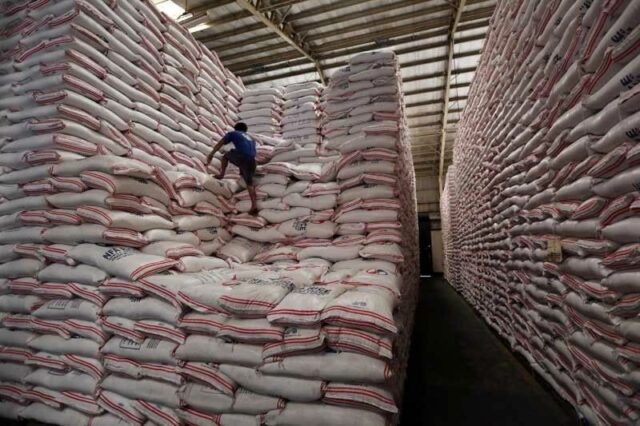
PHILIPPINE STAR/BOY SANTOS

PRODUCTION of palay or unmilled rice was 20.06 million metric tons (MT) in 2023, according to the Philippine Statistics Authority (PSA).

The PSA said production increased by 1.53% from a year earlier and exceeds the 20 million MT target set by the Department of Agriculture (DA).

The DA’s target was unchanged from a year earlier and accounted for the possible impact of El Niño on agriculture.

The government weather service, known as PAGASA (Philippine Atmospheric, Geophysical and Astronomical Services Administration), said that the most intense phase of El Niño may run until the second quarter, bringing dry spells and drought to 63 provinces.

It added that the harvest from irrigated areas was 15.28 million MT, while rainfed palay production was 4.78 million MT for 2023.

The region with the highest palay production was Central Luzon with 3.64 million MT, followed by the Cagayan Valley with 3.03 million MT and the Western Visayas with 2.26 million MT.

In a separate report, the PSA said the rice inventory at the beginning of December declined 25.2% year on year to 1.9 million MT.

A sharp fall in stocks held by the National Food Authority (NFA) drove the decline in inventory for the period.

NFA rice holdings fell 54.4% year on year to 57.13 thousand MT, while household rice stocks fell 33.2% to 987.78 thousand MT. 

Rice held by commercial establishments dropped 8.7% to 851.88 thousand MT.

On a month-on-month basis, the December rice inventory fell 4.2% from 1.98 million MT previously.

“Month-on-month decreases were noted in rice inventories in the commercial sector by 5.5%, NFA depositories by 5.1%, and in the household sector by 3%,” it added. — Adrian H. Halili

GAC Motor launches Alabang dealership

PHOTO FROM GAC MOTOR PHILIPPINES

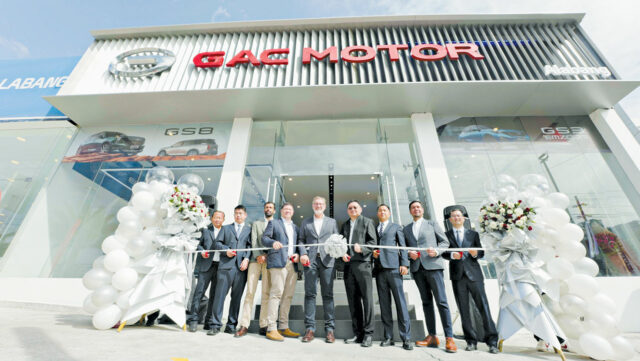
GAC MOTOR PHILIPPINES closed 2023 with the inauguration of a new dealership. GAC Motor Alabang was opened Dec. 14, with the affair attended by executives from GAC International (China), local distributor Astara Philippines, and dealer-partner AutoIcon. This grew the brand’s dealership network to 20 locations.

Guests also consisted of bank partners and other VIPs, who were treated to an exclusive preview of the M8 and M6 Pro, set to be formally launched early this year. The new MPVs “are the first installment of six vehicles that the company plans to launch in 2024,” said GAC Motor Philippines in a release.

“We have a solid trust in AutoIcon, and we believe that with our partnership and support for each other, they shall continue to contribute greatly to the stellar growth of the GAC Motor brand in the country,” said Astara Philippines Managing Director Raoul Picello.

GAC Motor Alabang is the first showroom in the Philippines that mirrors GAC’s global showroom standards. The 3S (sales, service, and spare parts) facility can display up to four vehicles and provides full operational support for all GAC Motor vehicles. It has six car bays equipped with diagnostic systems. All vehicles sold by the dealer are covered by a five-year warranty, 24-hour emergency roadside assistance, free preventive maintenance service for the first 5,000 kilometers, and customer programs.

“We at Astara Philippines wholeheartedly congratulate and extend our appreciation to AutoIcon on the opening of GAC Motor Alabang. We are driven by our mutual commitment to deliver exceptional vehicles and outstanding customer service to all. The comprehensive facility of our new dealership in Alabang serves as a key stepping stone in our drive to deliver the GAC Motor brand promise of excellence to the Filipinos, giving them a fully equipped facility in the southern part of Metro Manila,” said GAC Motor Philippines Brand Head Franz Decloedt.